I used to think home design was either too stuffy or trying way too hard. But then I found something that just made sense, modern traditional interior design.
It’s not about being trendy. It’s about calm spaces, solid pieces, and a layout that actually feels like home.
You’re probably here because you want that same feeling: warm, not old-fashioned. Clean, but not cold.
In this blog, I’ll walk you through what makes this style work, how to use it in your own space, and what to look out for.
You’ll get real tips you can actually use, no weird rules, no confusing terms. Just a clear path to a home that feels balanced and lived-in, from day one.
Why This Style Gets So Much Attention
Some styles just quietly take over, not because they’re loud but because they feel right. That’s exactly what’s happening with modern traditional interior design.
You’ve probably seen it more often lately: soft colors, classic furniture, clean lines, and cozy layouts. It’s not a fad. It’s a shift. People are moving away from super minimal, empty spaces that can feel cold or unfinished.
Instead, they want homes that feel steady. Spaces that bring a sense of order without being stiff. Comfort without clutter. Structure without stress.
This style hits that balance. It mixes the familiar with the fresh in a way that feels honest and lived-in.
The reason it’s getting so much attention? It works. It feels like home. And in a world that’s been noisy and fast, that matters more than ever.
This design isn’t just about how things look. It’s about how they make you feel.
What is Modern Traditional Interior Design?
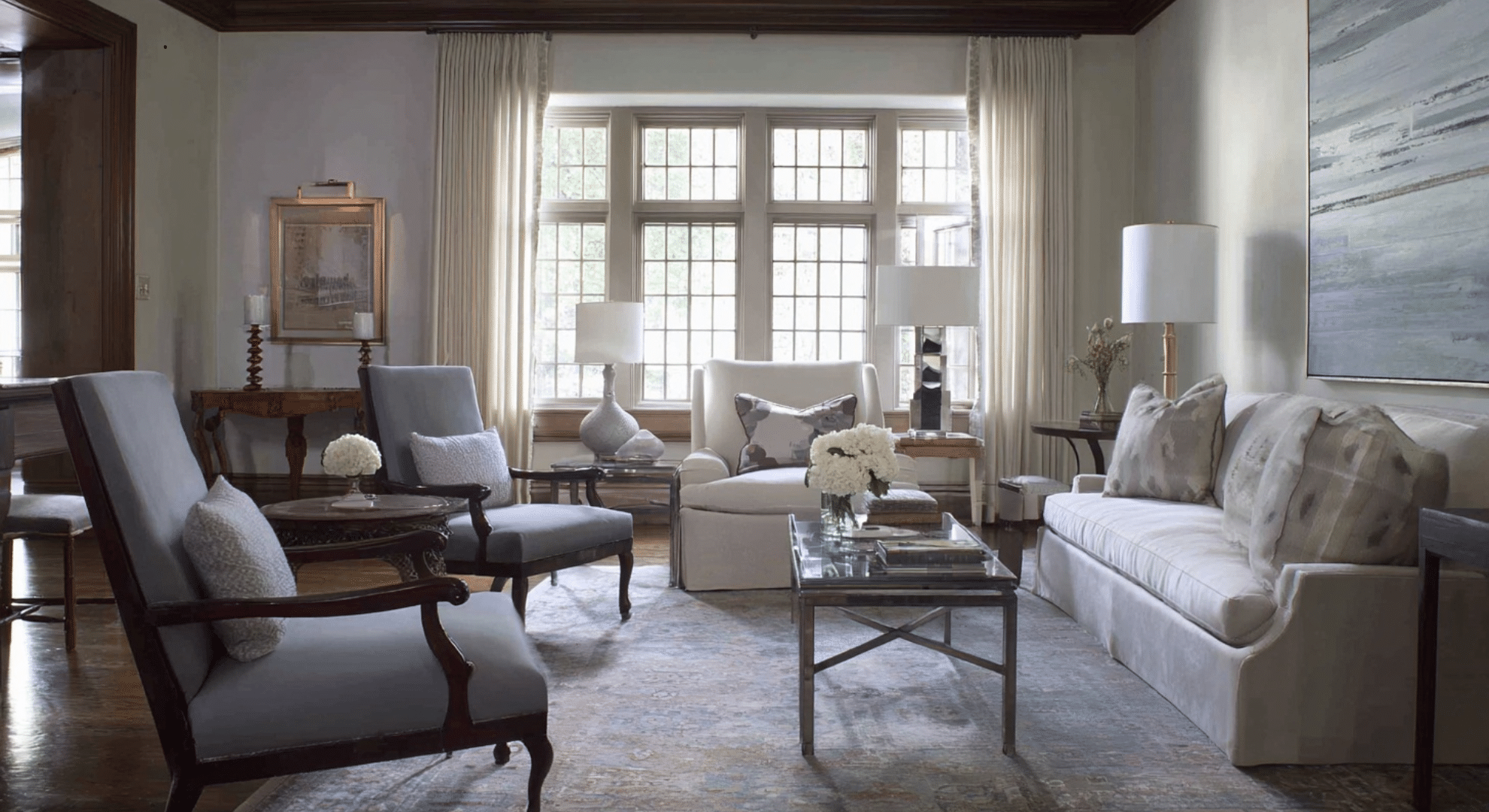
Modern traditional interior design is a style that mixes the warmth and structure of older homes with the clean look of newer ones.
It’s not fancy or cold, it’s calm, steady, and welcoming. You’ll see classic shapes, soft colors, and furniture that feels solid and familiar.
But there’s also a sense of space and simplicity that keeps everything from feeling too heavy.
At its heart, this style is about balance. It brings together the charm of the past with the comfort and ease people want today. Visually, it looks clean but lived-in. Emotionally, it feels safe, grounded, and relaxed.
This style is not about over-decorating, copying trends, or making things look old on purpose.
It avoids clutter and harsh edges. Instead, it aims for a home that feels real, personal, and easy to be in, without trying too hard. That’s what makes it so timeless and easy to love.
How Modern Traditional Differs From Similar Styles
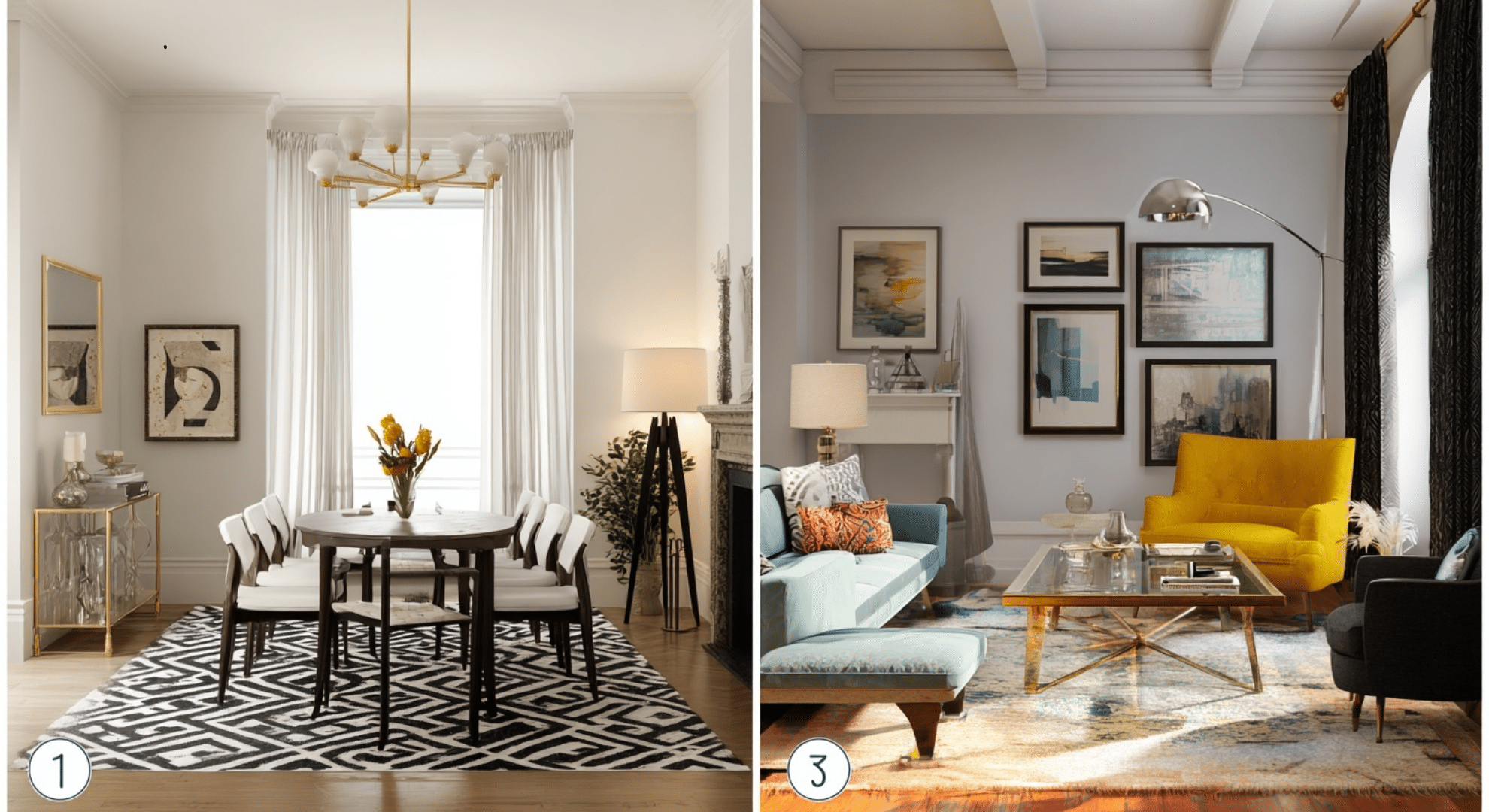
It’s easy to mix up design styles when the names sound alike. A lot of people confuse modern traditional interior design with transitional, traditional modern, or new traditional styles. They all share some parts, but the feel and purpose behind each one are different.
Knowing what sets them apart helps you choose the one that fits how you live, not just how you want your home to look.
The biggest difference lies in the balance each style strikes between old and new. Some lean more modern, others more classic.
Some are softer and relaxed, while others are cleaner and sharper. These small shifts make a big impact once they’re in your space.
Here’s a simple breakdown:
| Style | What It Looks Like | What It Feels Like | Best For |
|---|---|---|---|
| Modern Traditional | Classic shapes with clean lines, soft tones | Calm, steady, warm | Those who want balance and ease |
| Transitional | A mix of old and new with less contrast | Safe, middle-ground | People who like flexibility |
| Traditional Modern | Sleek with hints of classic detail | Mostly modern, slightly warm | Fans of modern with a twist |
| New Traditional | Bolder colors, updated classic details | Confident, styled | Homeowners who like statement |
If you want comfort with structure, modern traditional is likely your match. It doesn’t chase trends, and it doesn’t feel too perfect. It just feels right.
The Core Characteristics That Define the Look
Modern traditional interior design isn’t just a look, it’s a way a home feels.
The choices are quiet but intentional. Every part of the room works together to bring calm, structure, and warmth without going overboard. This is how the style behaves:
Balance and contrast: This style balances clean shapes with softer materials. You might see a simple linen sofa next to a wood coffee table with curved legs. Nothing clashes, but nothing blends too much either. That contrast makes the space feel stable but never dull.
Warmth vs. simplicity: There’s comfort in the design, but it’s not crowded. Think layered rugs, soft lighting, and throw pillows, but not dozens of them. The warmth comes from textures, not stuff.
Structure without heaviness: Rooms feel grounded, not stiff. Traditional elements like crown molding or built-in shelves might be there, but they’re not oversized or overly detailed.
This style holds back on purpose. It’s not about showing everything you love at once. Instead, it gives each piece room to breathe. That’s what makes the space feel easy to live in and why it stays classic.
Key Elements of Modern Traditional Interior Design
Getting this style right comes down to the details. It’s not about filling your space with random old and new pieces.
It’s about choosing what works together and what brings balance. Below are the main parts that shape how modern traditional interior design looks and feels in real life:
Color Palettes
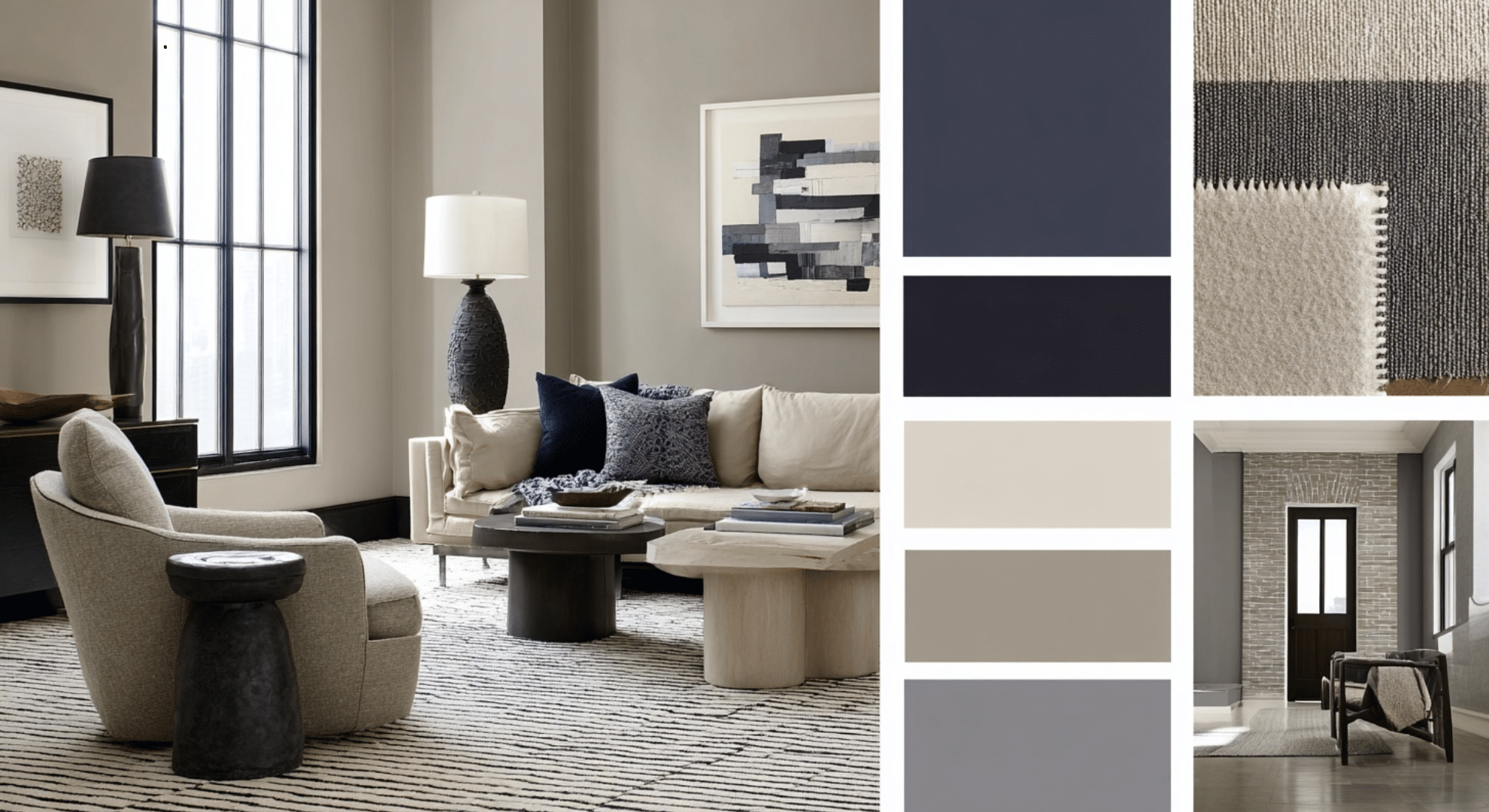
This style sticks to neutral, calm base colors like soft whites, beiges, grays, and warm taupes. These create a quiet foundation.
Contrast is often added with darker woods, matte black accents, or deep navy details. Bright or flashy colors usually feel out of place here, they break the calm and can feel too harsh against the softer tones.
Furniture Styles and Shapes
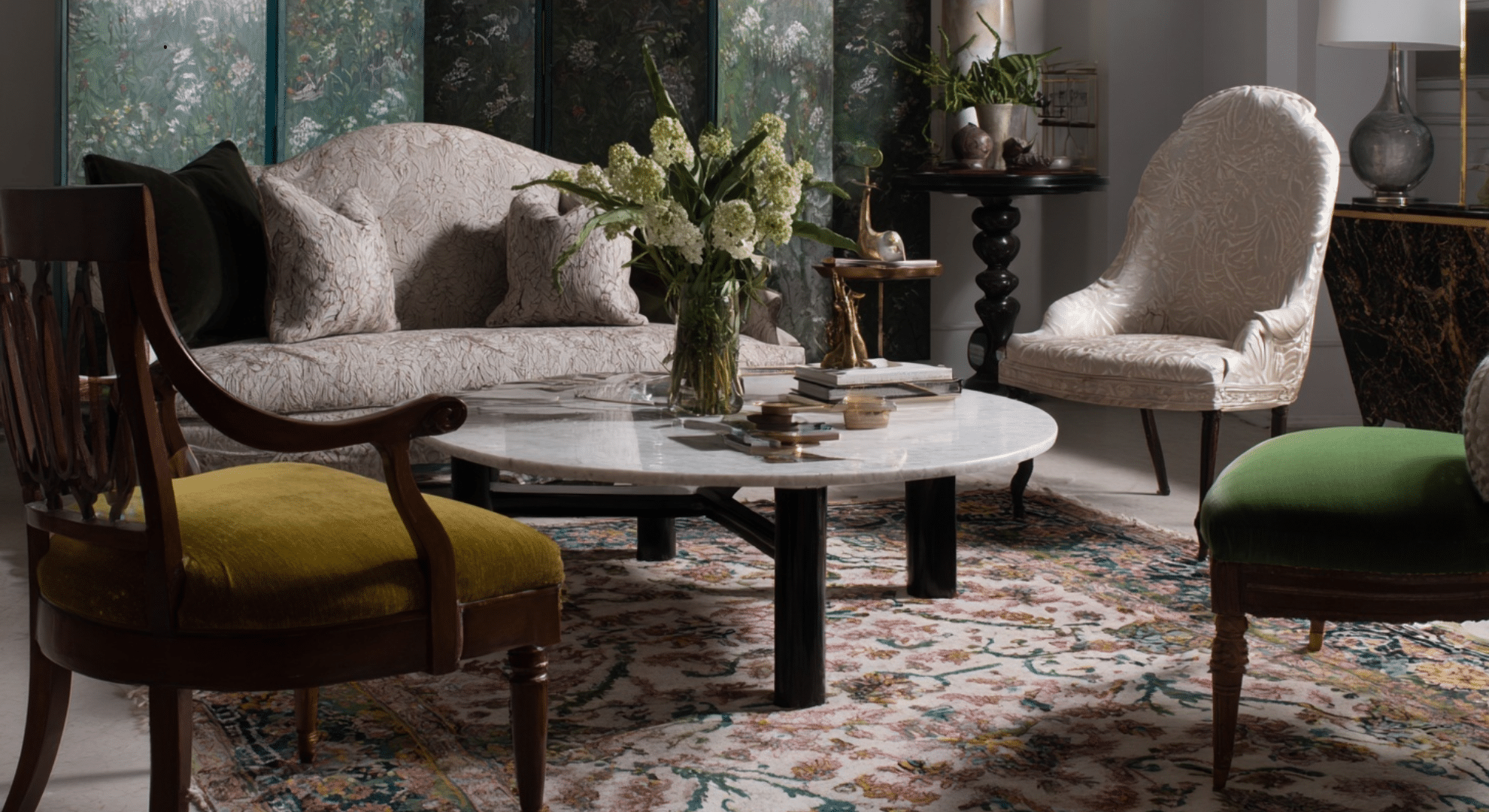
You’ll see a mix of older, curved shapes with newer, straight-lined pieces. A rolled-arm chair might sit across from a sleek, square coffee table.
This mix works when each piece shares something in common like color or scale. Larger, classic items like a solid wood dining table often act as anchors that ground the room.
Materials and Finishes
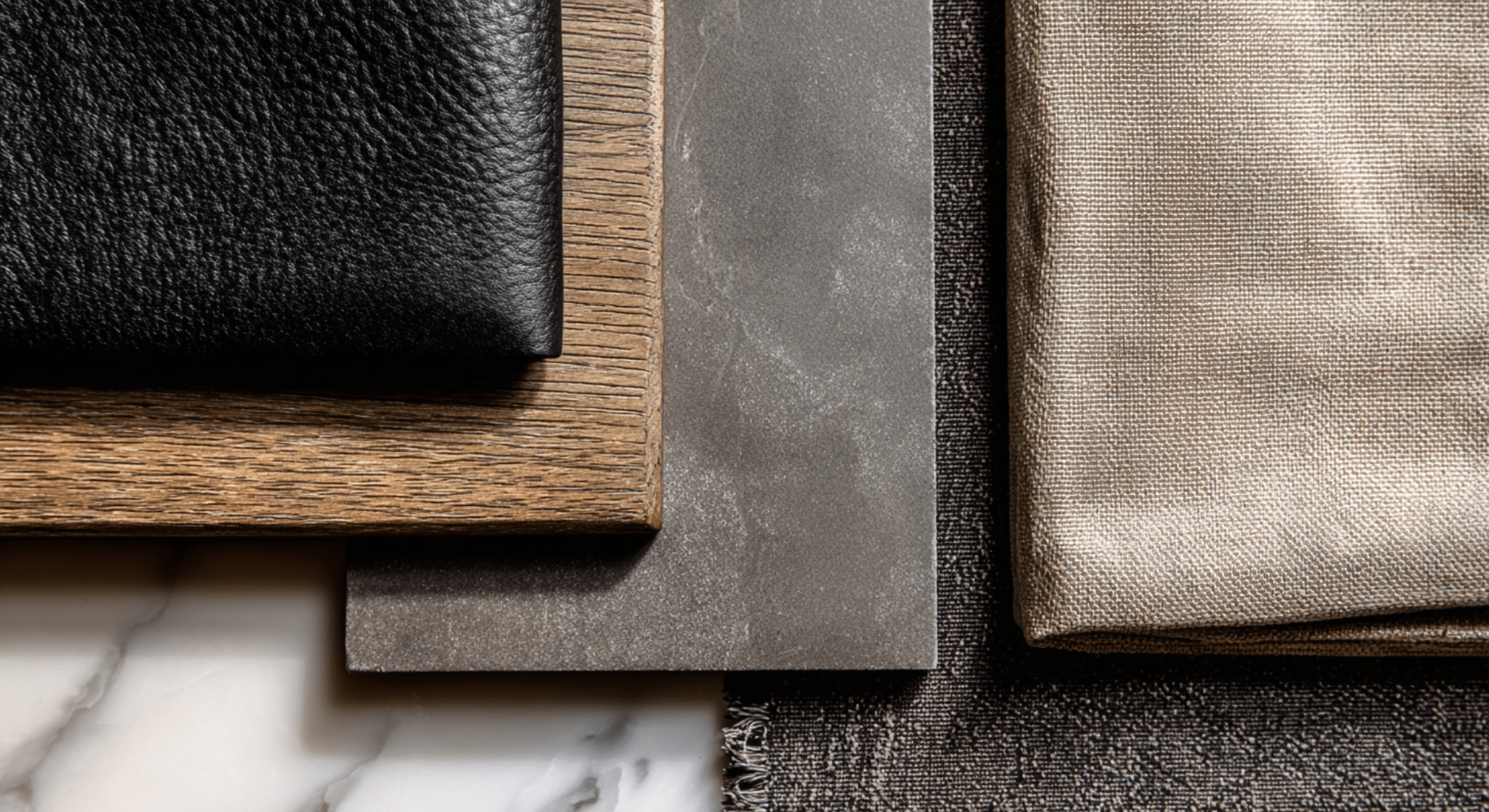
Natural materials like wood, leather, stone, and linen bring warmth and texture. These are paired with smoother, more modern finishes like brushed metal or painted surfaces.
Texture matters most in soft pieces like rugs, curtains and cushions, where it adds detail. Too many shiny or overly sleek surfaces can make the space feel too cold or off-balance.
Patterns and Decorative Details
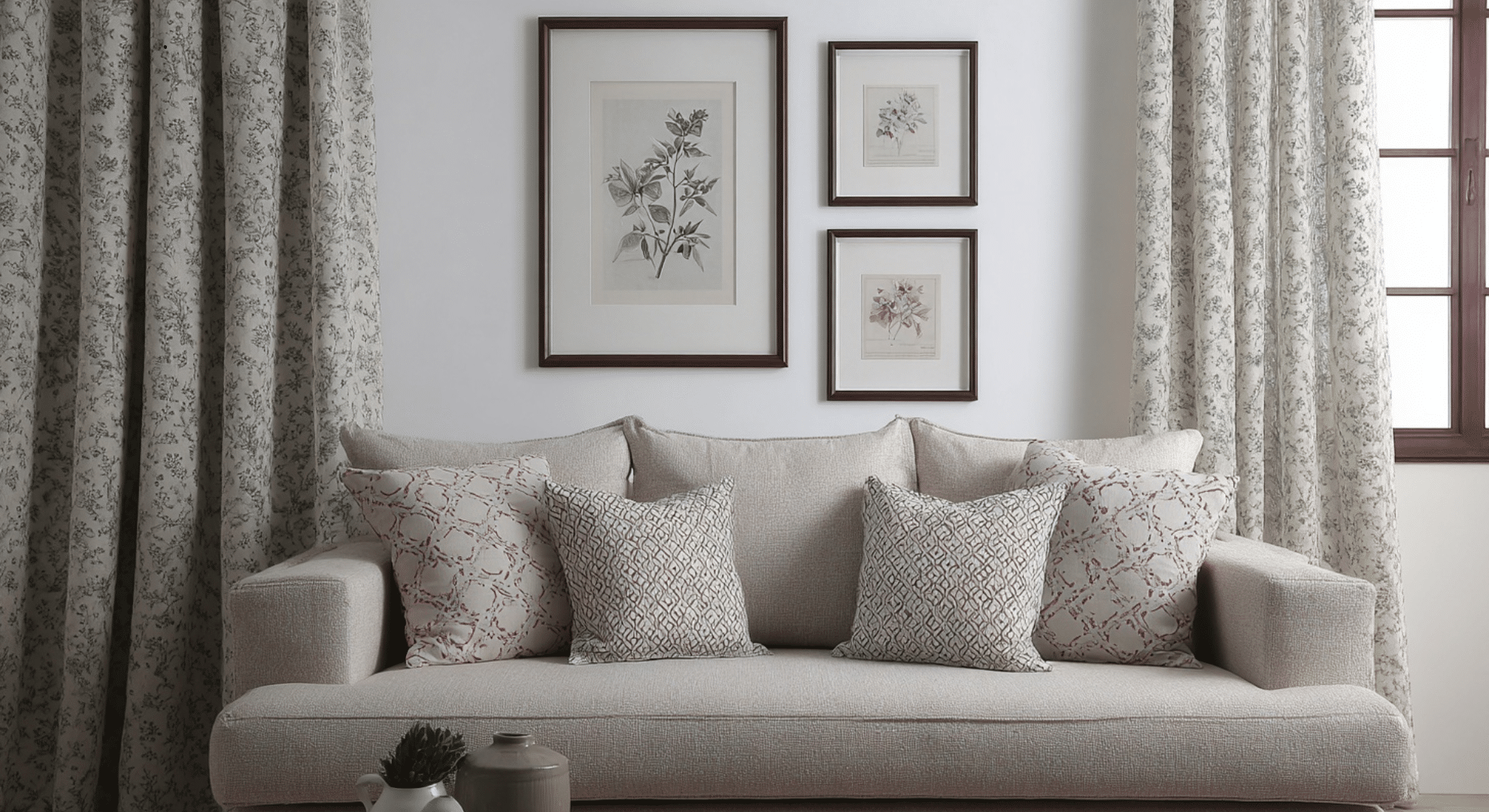
Classic patterns like stripes, plaids, or florals show up, but they’re used in small ways on a throw pillow, an accent chair, or curtains.
The trick is knowing when to stop. Too many patterns can crowd the room and take away from its calm feel. Often, one or two subtle patterns work better than many loud ones.
How Traditional Modern Interior Design Fits Into the Conversation
When people say traditional modern interior design, they usually mean the same general idea as modern traditional.
But the words get flipped, and that small shift can cause confusion. Both styles mix old and new but which side they lean toward can be different.
Traditional modern often starts with modern ideas: clean lines, open layouts, simple color schemes, then adds touches of traditional detail, like a vintage mirror or classic lighting.
Modern traditional, on the other hand, starts with traditional structure and warmth, and then brings in modern restraint.
The overlap is real, and many times, the two can be used interchangeably in conversation. But if you’re being specific, traditional modern leans modern first.
Modern traditional leans traditional first. The difference shows up in what gets more focus: structure and comfort, or simplicity and space. Both are valid; it just depends on what you’re going for.
What Makes New Traditional Interior Design Different
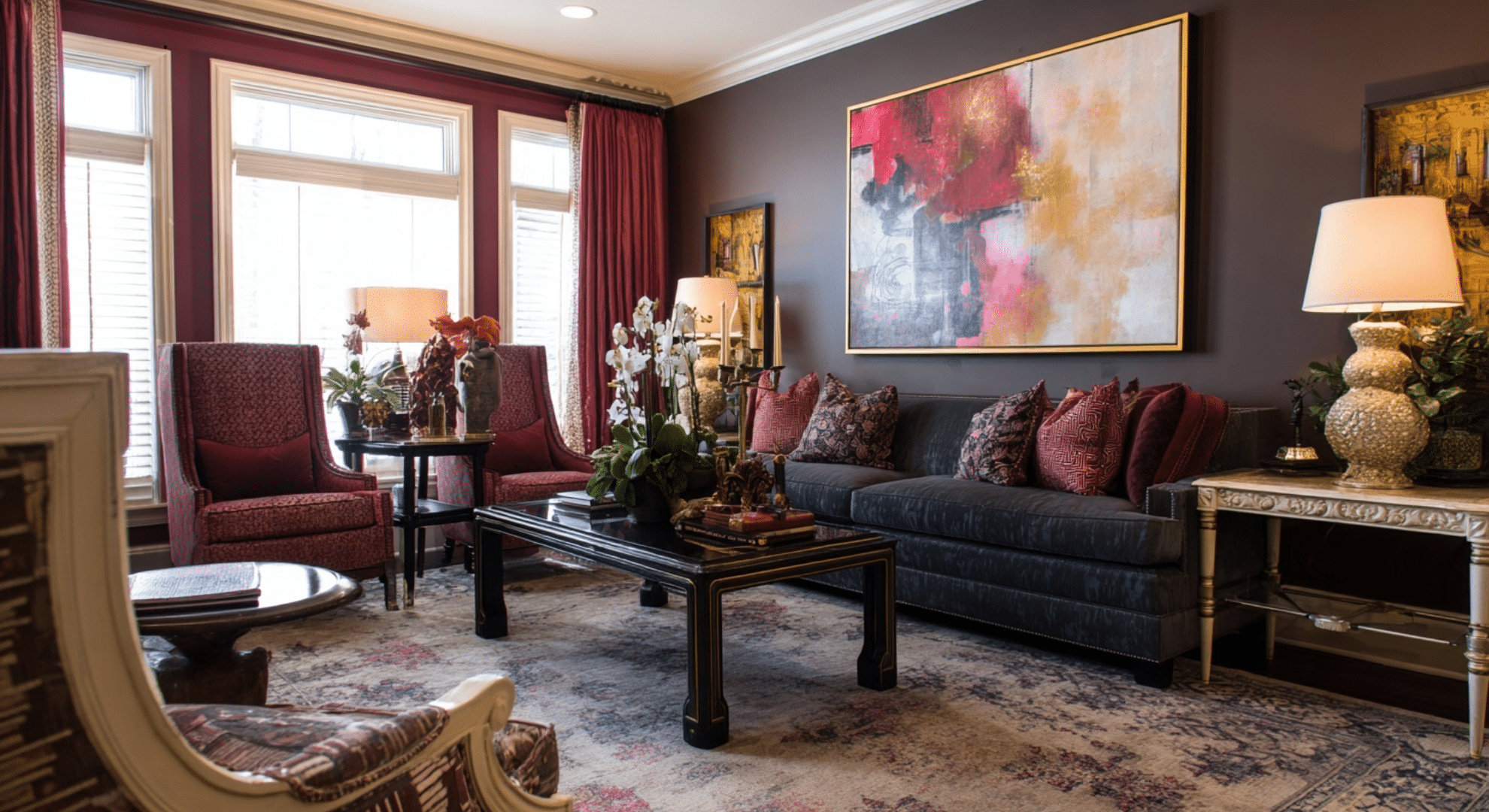
New traditional interior design grew out of a love for classic looks but with a cleaner, more current feel.
It keeps the rich details, bold furniture, and layered touches of traditional homes but updates them with fresher colors, simpler styling, and a little more confidence.
Compared to modern traditional, it leans more traditional overall. You’ll see more ornate shapes, bolder fabrics, and detailed trim. It’s less about quiet balance and more about polished comfort with personality.
Some homes, especially older ones with strong bones, fit naturally with the new traditional. Others, especially open layouts or newer builds, may feel better with the subtle touch of modern traditional.
The key difference is in how much tradition each style keeps. New traditional celebrates the past with a bold, styled hand. Modern traditional respects it, but keeps things soft, simple, and easy to live in.
How to Recognize a Modern Traditional Space
You can usually tell a modern traditional space right away, there’s a calm feeling, but nothing looks too plain or too busy. This is what to look for:
-
One bold piece in a quiet room: A large antique table in a room with soft, neutral walls and modern lighting. The room feels steady, not showy.
-
Matching mood, not matching sets: Furniture doesn’t come from the same collection, but it all feels like it belongs together. Shapes and finishes vary, but the overall tone stays consistent.
-
Layered, but not loud: You might see curtains, a rug, and throw pillows but only in a few soft patterns or textures. Nothing fights for attention.
-
Old touches used with care: Crown molding or framed art with character, mixed with newer hardware or fixtures. Nothing feels overdone.
If nothing in the room yells at you, but everything feels thoughtful, that’s a strong sign the balance is working.
How This Style Works in Different Homes
Modern traditional interior design isn’t just for magazine spreads or Pinterest boards; it can work in all kinds of homes, as long as you adjust a few things to fit the space.
Small Spaces
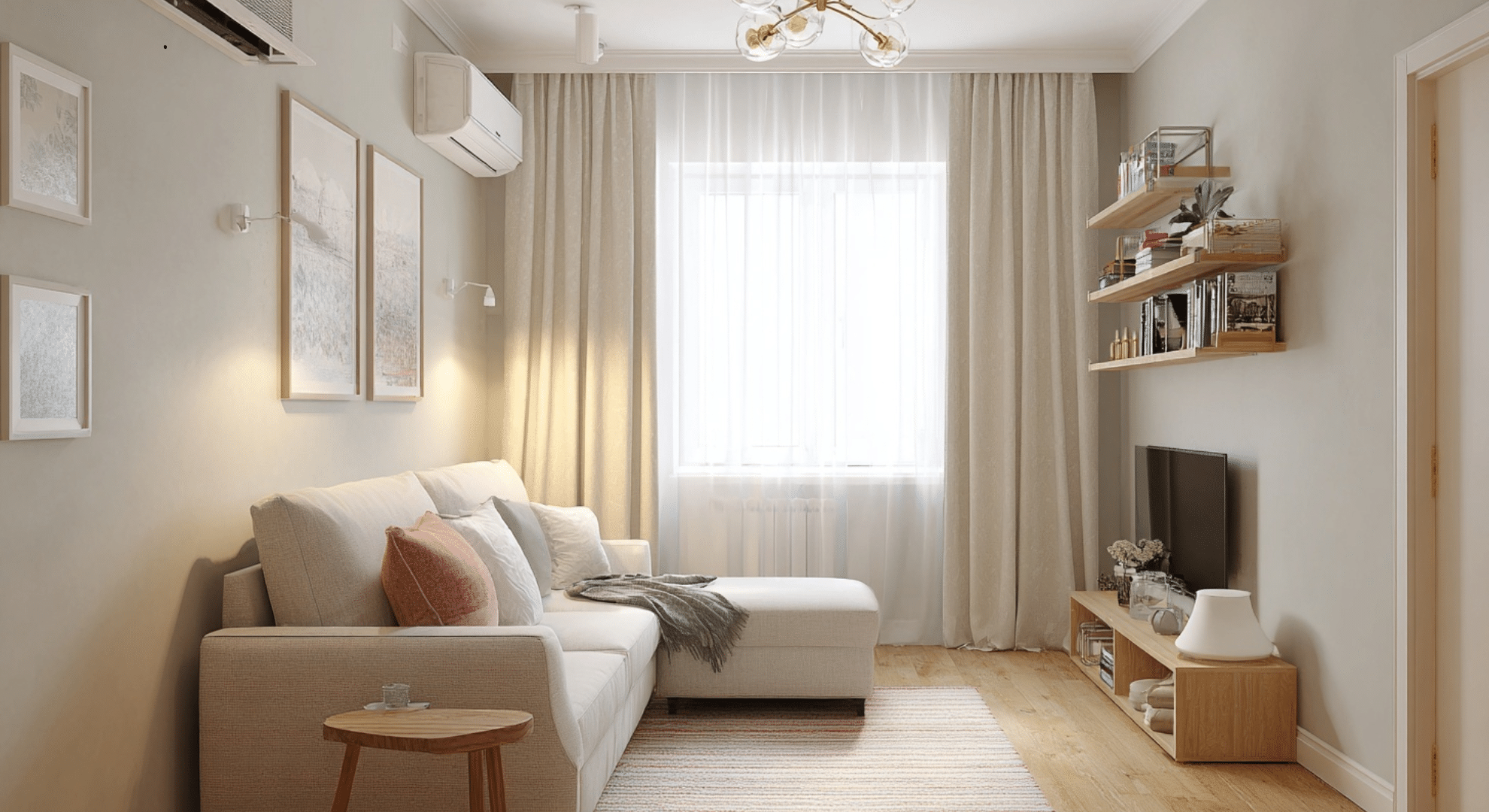
Stick with lighter colors and fewer large furniture pieces. Choose items that do more than one job, like a bench with storage or a coffee table with shelves. Keep patterns and accessories minimal so the space feels open, not crowded.
Open Floor Plans
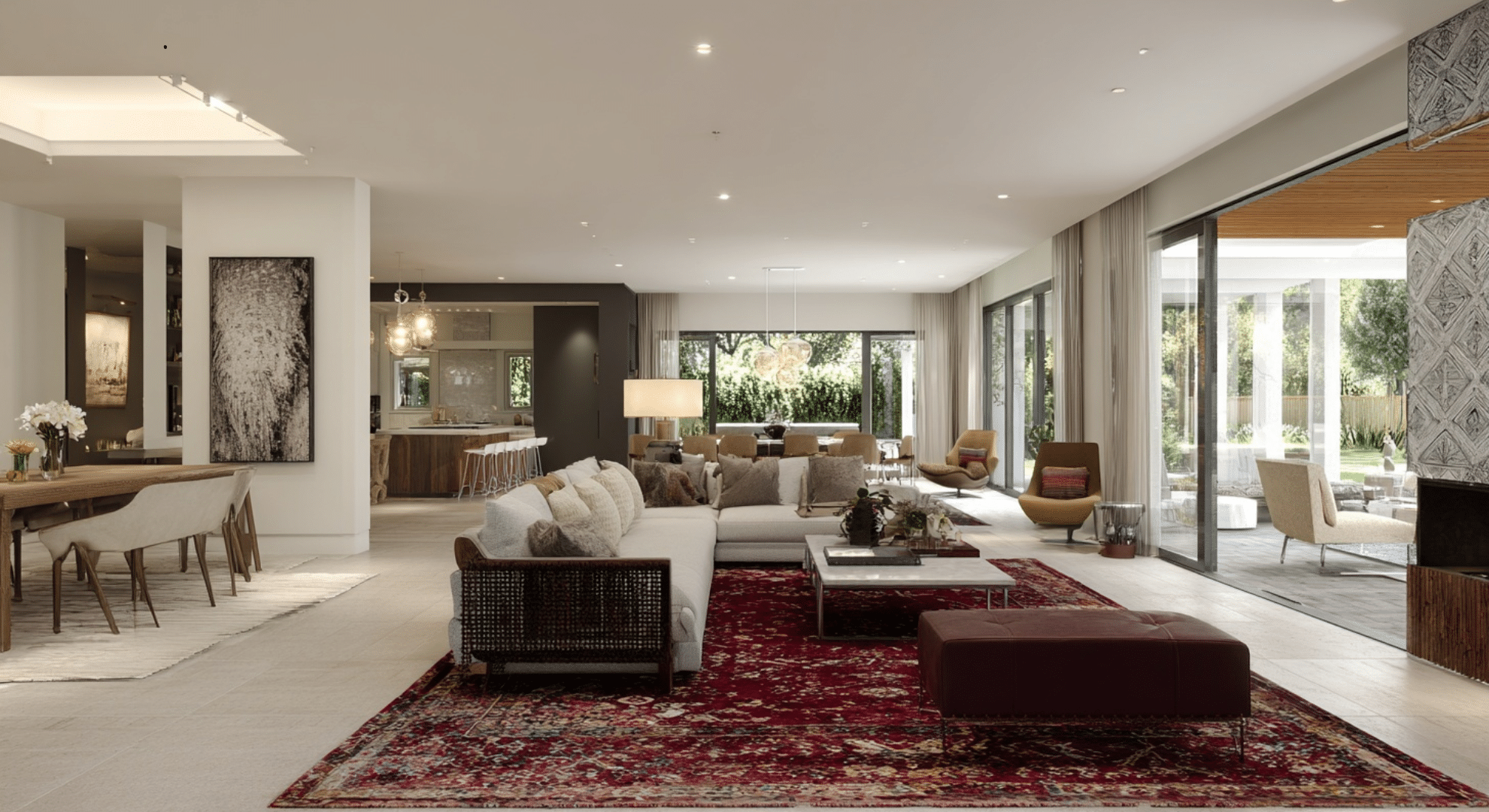
Use rugs, lighting, and furniture placement to define different areas. Stick to a connected color palette across the space, but vary the textures to keep things interesting. Add one or two traditional elements, like a classic dining table or vintage cabinet, to ground the modern layout.
Older Homes
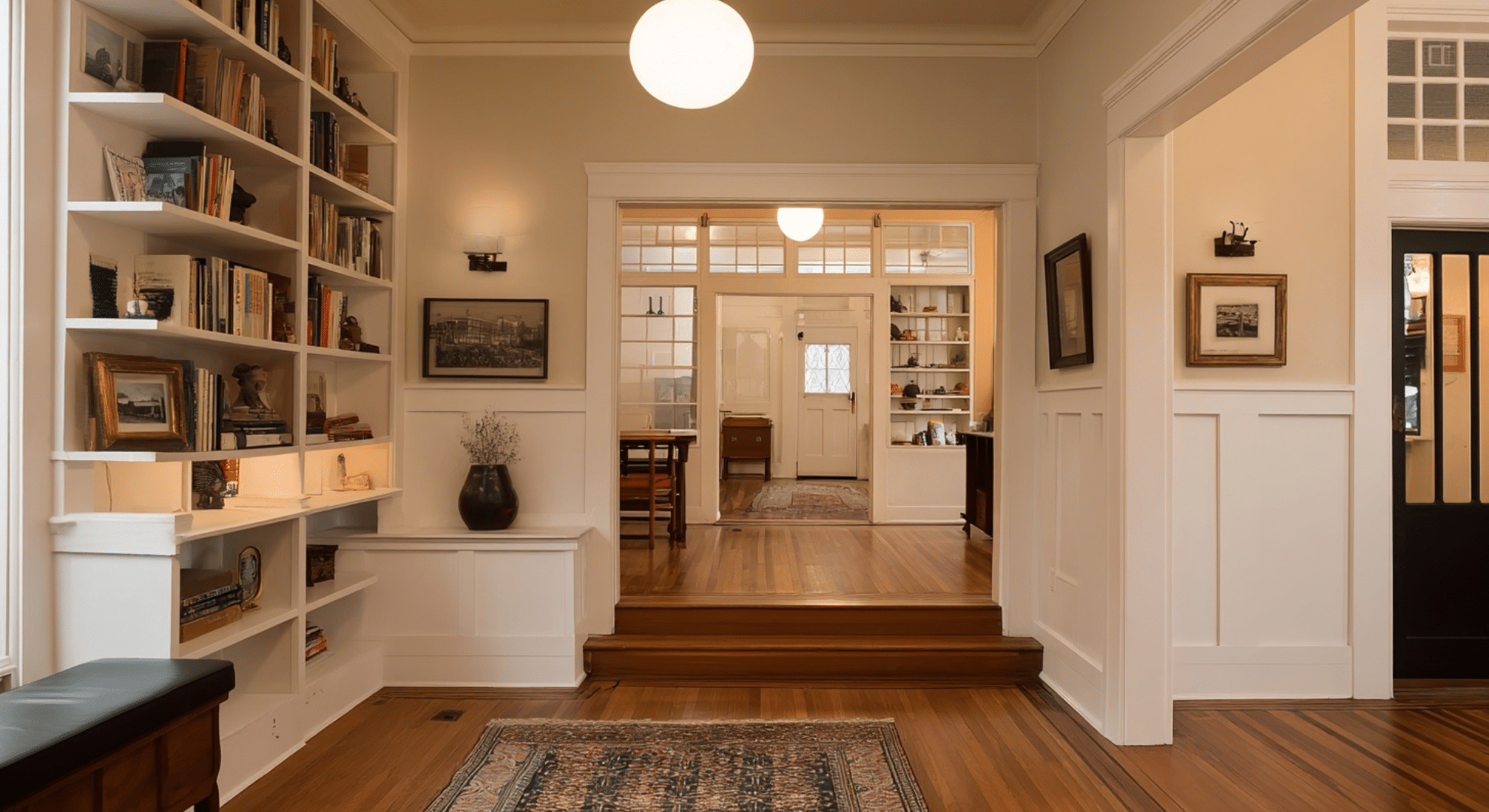
Work with what’s already there; molding, built-ins, and old wood floors can add charm. Bring in modern shapes and cleaner lines through lighting or sofas to keep the space from feeling too dated.
New Builds
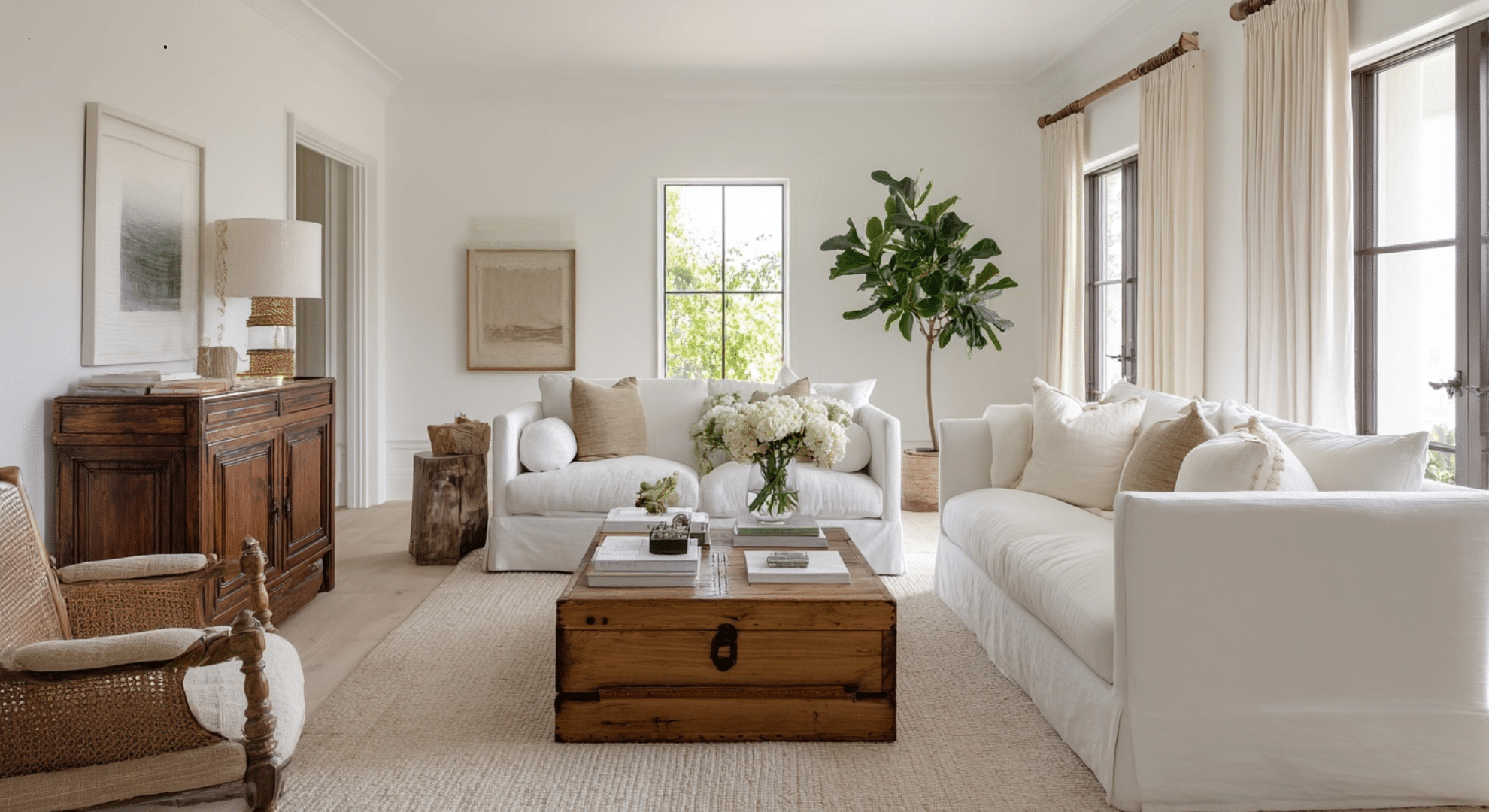
Start with structure. Add character with trim, wall paneling, or traditional-style furniture. New builds can feel flat, so bring in warmth with layered fabrics, antique finds, and natural materials.
This style adapts when you keep the focus on balance. Every home can carry it, you just need to make smart, thoughtful choices based on the space.
Is Modern Traditional Interior Design Right for You?
If you like calm, steady spaces that feel lived-in without being messy, modern traditional interior design might be a great fit. It works well for people who enjoy a structured home but don’t want it to feel stiff. This style is also low-pressure when it comes to upkeep.
Neutral tones, classic shapes, and durable materials make it easy to maintain without constant updates.
It’s not the cheapest style, but it’s not the most expensive either. You can mix higher-quality staples with simpler accents and still get the look.
Most of all, it suits people who value comfort, but still want their space to feel put together. If you’re drawn to homes that feel calm, collected, and quietly stylish, this might be the style that feels most like you.
Common Mistakes That Throw the Style Off Balance
Modern traditional looks simple, but it’s easy to tip it too far in one direction. A few common habits can make the space feel off or unfinished.
- Using too many matching pieces: A full furniture set can make the room feel flat and too “put together.”
- Over-decorating with traditional accents: Too much vintage or ornate detail can make the space feel heavy and old-fashioned.
- Leaning too modern with no warmth: Clean lines are good, but without texture or softness, the space feels cold.
- Ignoring scale and proportion: Mixing styles only works when furniture pieces feel balanced in size.
- Skipping texture: Flat surfaces and smooth finishes can make the room look one-note and dull.
- Too many patterns or colors: The goal is calm. Too much variety takes away from the clean feel.
The key is holding back just enough. Let each piece speak without shouting over the rest.
Conclusion
What I’ve found is that modern traditional interior design really comes down to balance, making your space feel both grounded and fresh. It’s not about copying a look, it’s about shaping a home that feels right for how you live.
You now have the ideas and tools to start bringing that calm, thoughtful style into your own space. Even small changes can make a big difference. Think slow, stay simple, and let your home grow with you.
If this helped you see your home in a new way, there’s more where that came from. Go check out the other blogs, I’ve packed them with more clear, useful tips to help you build a space that feels good every day!