
You don’t really notice your windows until something feels off. A cool draft near the sofa. A window that won’t slide up without a fight. Maybe there’s a cloudy patch between the panes that never quite clears. None of it seems urgent at first. It’s just mildly annoying.
Over time, though, those small issues add up. Seals weaken. Frames shift slightly with temperature changes. Caulk dries out. Energy bills inch higher, and the HVAC system runs a little longer than it used to. Rooms feel uneven. Street noise sounds closer than it should.
Replacing windows rarely feels like a priority. It’s easier to put it off. But windows do more than let in light. They affect insulation, security, and overall comfort. When several problems show up together, it becomes worth asking whether repair is enough or if replacement makes more sense.
Before deciding, it helps to know what to look for and what to expect.
How to Tell If Your Windows Are Failing
Some signs are obvious. Cracked glass. Warped frames. Wood that feels soft from moisture. Those issues don’t hide.
Other problems show up more quietly. You might notice a slight chill near a closed window, which usually means the seal has weakened. Fog trapped between panes is another common sign. Once that internal seal fails, moisture gets in, and insulation drops.
Windows that stick or won’t lock properly are also worth paying attention to. Frames shift over time. Hardware wears down.
Energy bills often tell the rest of the story. When insulation breaks down, heating and cooling systems work harder. Costs rise slowly, not suddenly.
Small fixes can help in some cases. But when multiple windows show the same wear, replacement starts to make more sense. That’s usually when professional input becomes necessary.
What Happens When You Call a Professional
When you contact a reputable window company, the process usually starts with an inspection rather than a sales pitch. Measurements are taken. Frames are checked for structural integrity. Glass performance is evaluated. It’s determined whether full-frame replacement or insert replacement makes more sense based on condition and long-term value.
Cost is often the first concern, and it’s understandable. Window pricing can vary widely depending on size, material, and energy-efficiency features. Vinyl tends to be more affordable. Fiberglass and wood typically cost more. Custom sizes increase the total. Energy-efficient glass options can raise the upfront investment but lower energy expenses over time. A detailed estimate is usually provided, outlining labor, materials, and projected timelines so there aren’t any surprises later.
The goal of a professional consultation isn’t just to sell new windows. It’s to determine whether replacement is really necessary and, if so, what level of upgrade makes sense. Some homes benefit from basic double-pane replacements. Others see value in triple-pane or Low-E coatings for better insulation and UV protection.
Transparency matters here. Timelines are discussed. Installation expectations are explained. Questions are answered clearly.
Once the inspection is complete, you have real information to work with—not guesswork.
Understanding the Costs Involved
Window replacement costs aren’t fixed. They depend on several factors, and those factors really do add up.
Size matters. Larger windows require more material and more labor. Style matters too. Picture windows differ from double-hung or casement styles in both price and installation complexity.
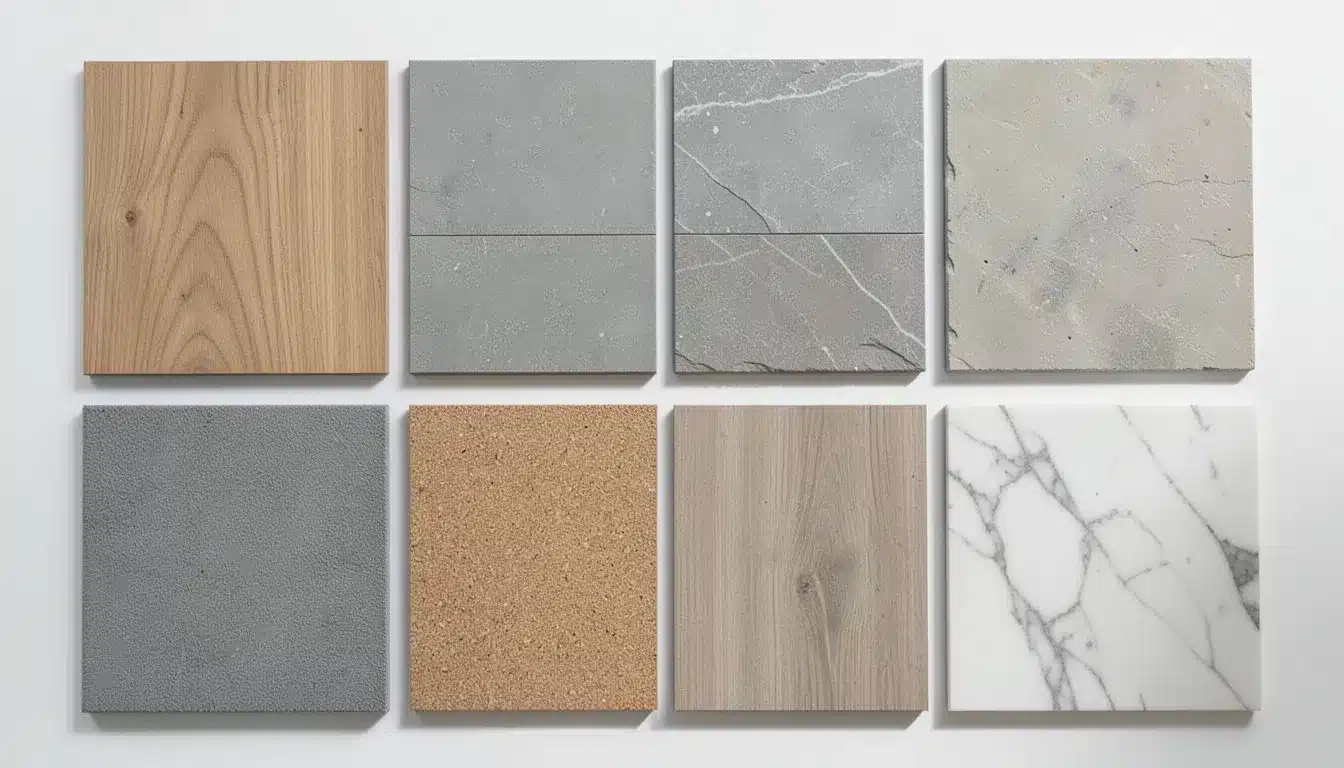
Frame material plays a big role. Vinyl windows are typically budget-friendly and low-maintenance. Wood frames offer a classic look but require more upkeep. Fiberglass tends to be durable and energy-efficient, often at a higher price point.
Glass options also influence cost. Double-pane is standard. Triple-pane increases insulation. Low-E coatings reflect heat. Gas fills like argon improve efficiency. These features increase upfront expense but are designed to reduce long-term energy use.
Labor should not be underestimated. Proper installation ensures performance. If windows are poorly installed, even high-end models won’t perform as expected.
While replacement is an investment, energy savings are often realized over time. Reduced drafts and better insulation can ease strain on HVAC systems. In many cases, home value is also increased.
The Installation Process: What to Expect
Installation day can feel intimidating, but it’s usually more straightforward than expected.
Most residential window replacements are completed within one to two days, depending on the number of windows involved. Furniture may need to be moved slightly away from the walls. Flooring is typically protected. Debris is contained as much as possible.
Old windows are removed. Frames are inspected again once exposed. If damage is discovered beneath the surface, it is addressed before new units are secured. The new windows are then installed, sealed, and tested.
Noise will be present. Some disruption is unavoidable. But professional crews work methodically. Once installation is finished, the trim is reattached or replaced, and a final walkthrough is conducted.
Windows are meant to operate smoothly afterward. Locks should engage properly. Frames should feel solid. Drafts should disappear.
Energy Efficiency and Modern Window Technology
Modern windows are built very differently from older versions.
Double and triple-pane glass systems trap insulating air or gas between panes. Low-E coatings reflect heat back toward its source. In winter, warmth is retained. In summer, heat is deflected outward. That balance improves comfort noticeably.
Sound reduction is another benefit. Thicker glass and better seals reduce outside noise. UV protection helps prevent fading of flooring and furniture.
These upgrades aren’t flashy. They’re practical. Comfort becomes more consistent. Rooms feel less drafty. HVAC systems run less aggressively.
Over time, those improvements are often felt more than they are seen.
Replacing windows is rarely an impulse project. It’s usually the result of multiple small frustrations building up over time.
Drafts. Rising bills. Sticking frames. Noise. Fogged glass.
When those issues become consistent rather than occasional, replacement starts to make sense. It’s not about chasing aesthetics. It’s about performance. Comfort. Efficiency.
The decision doesn’t have to feel rushed. It just needs to be informed.
When the right information is gathered and expectations are clearly set, window replacement becomes less intimidating and more manageable. And once it’s done, the difference is often very noticeable. Not dramatic. Just steady. Rooms feel more comfortable. Energy use feels more controlled. And the house works the way it was really meant to.