An outdoor wedding offers a sense of freedom, beauty, and connection to nature that indoor venues often can’t replicate. Whether it’s a garden ceremony, a beachfront vow exchange, or a countryside celebration, decorating an outdoor wedding is all about enhancing what’s already there rather than overpowering it. Thoughtful design choices can turn an open-air space into a setting that feels intentional, romantic, and deeply personal.
Overall Planning Before Decorating an Outdoor Wedding
Determine the Decoration Direction Based on Venue Type
Every outdoor venue comes with its own character, and successful décor starts with understanding that foundation. A beach wedding typically calls for lighter structures, breezy fabrics, and a more relaxed approach, while a garden or estate venue can support richer florals and layered textures.
Forest and vineyard settings often shine with minimal styling that highlights trees, vines, or surrounding landscapes. Before choosing any décor elements, take time to walk the space and identify focal points that can be enhanced rather than hidden.
Design Around the Wedding Theme and Season
Your wedding theme and the season should guide all decorative decisions. Spring and summer weddings lend themselves to soft pastels, fresh greenery, and airy materials, while fall and winter celebrations often benefit from deeper tones, wood accents, and warmer textures. A cohesive theme ensures that everything—from floral arrangements to table linens—feels connected.
This is also where décor naturally ties in with fashion choices. For instance, coordinating the overall color palette with bridesmaids dresses, women’s suits for modern bridal parties, or the groomsmen suits creates a unified aesthetic that carries through from ceremony to reception.
Prepare for Weather and Backup Plans
Weather is one variable you can’t control, but you can prepare for it. Renting tents, canopies, or umbrellas ensures comfort without compromising style. Weighted décor, wind-resistant florals, and heat-safe candles are small choices that make a big difference. Always have a backup layout in mind, especially for ceremonies, so last-minute changes don’t disrupt the flow of the day.
Key Decoration Elements for the Outdoor Wedding Ceremony Area
Wedding Arches and Ceremony Backdrops
The ceremony backdrop is often the most photographed element of an outdoor wedding. Floral arches, wooden frames, or fabric-draped structures help frame the couple without distracting from the scenery. For venues with strong natural views, a minimalist arch with greenery or subtle florals is often enough.
In simpler settings, a more elaborate backdrop can become a statement piece that defines the ceremony space and complements the overall wedding styling. Coordinating these elements with the bridal party’s attire—like bridesmaids in flowing dresses and groomsmen suits—helps maintain a polished, harmonious look in photographs.
Aisle and Ground Décor to Elevate the Experience
An outdoor aisle doesn’t need to be overly complex to feel special. Petals, lanterns, rugs, or low floral arrangements can guide guests’ eyes toward the altar while maintaining a sense of openness. Ground décor should always be practical—secure, weather-friendly, and safe to walk on—while still contributing to the overall design.
Coordinated Seating with Visual Depth
Ceremony seating is often overlooked, but small touches go a long way. Simple chair covers, ribbons, or greenery can unify the seating area. Alternating decorations along the aisle rows adds depth without clutter. Keeping colors and materials consistent with the rest of the décor ensures a polished look that feels intentional.
Decorative Design for the Outdoor Wedding Reception Area
Table Styling and Centerpiece Combinations
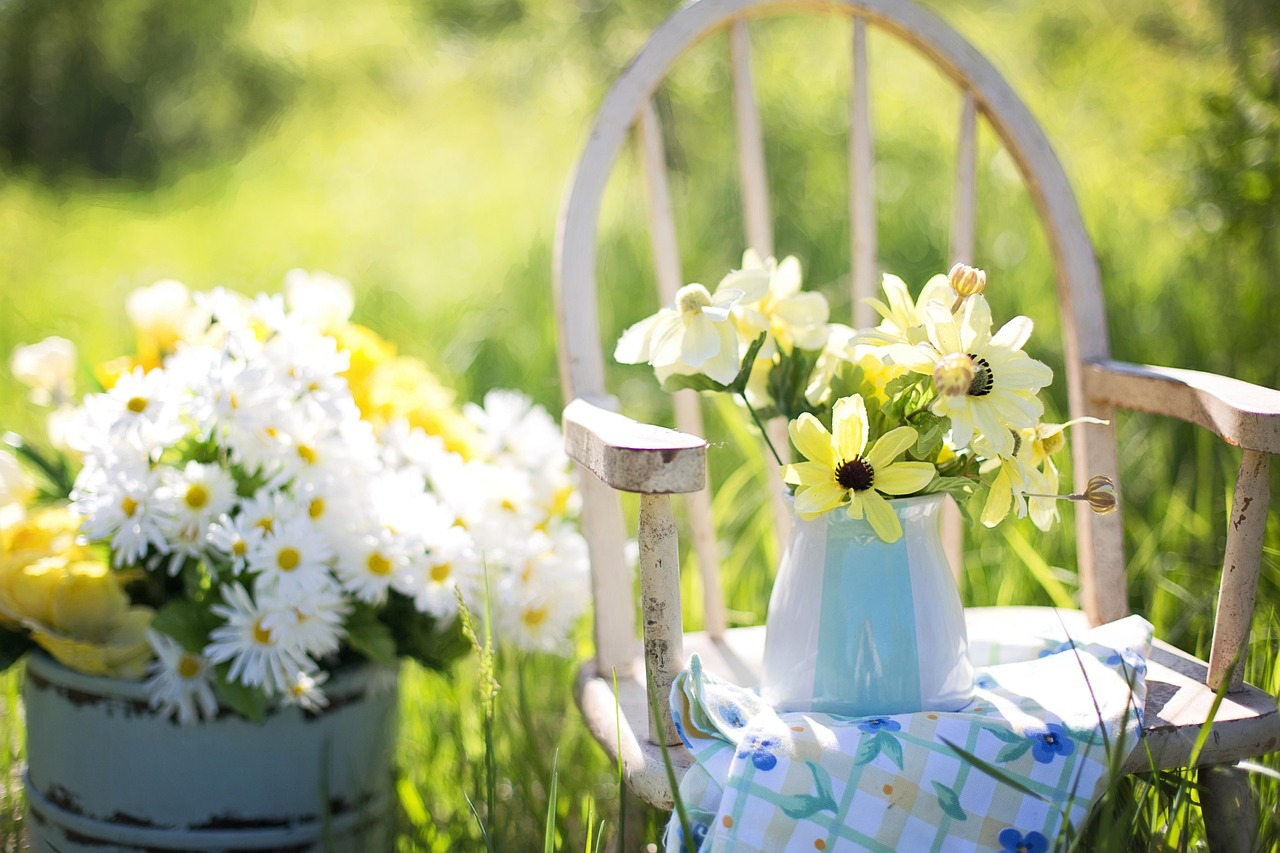
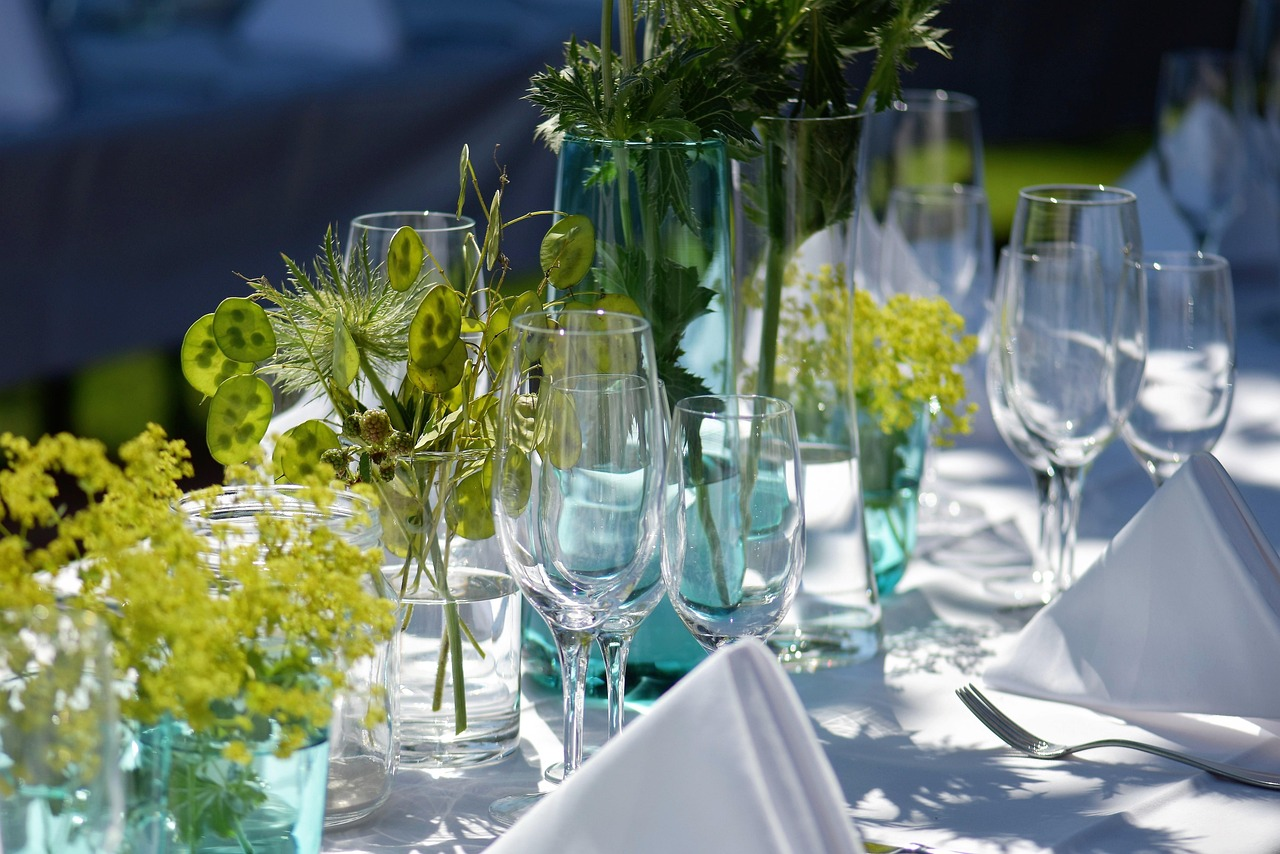
Reception tables are where guests spend most of their time, making them an ideal place to express your style. Table linens, runners, or bare wood tables each set a different tone. Centerpieces should complement the surroundings—lush florals for romantic themes or simpler arrangements mixed with candles for a modern feel. Varying centerpiece heights across tables adds visual interest while keeping the overall look cohesive.
Using Natural Elements in the Reception Space
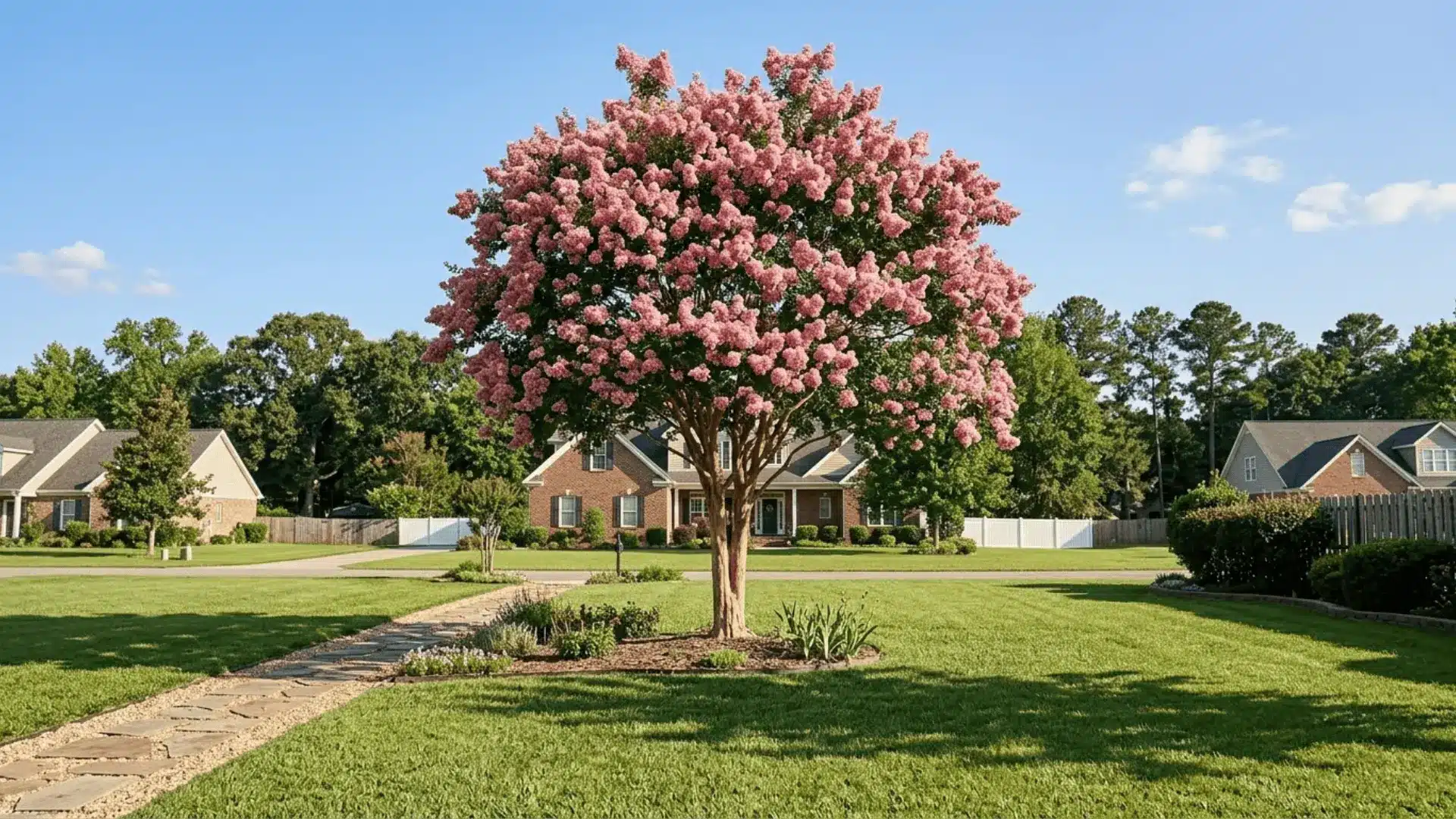
One of the biggest advantages of an outdoor wedding is access to natural décor. Incorporating elements like wood, stone, greenery, or seasonal flowers helps the reception feel connected to its environment. Potted plants, herbs, or locally sourced florals not only look beautiful but can also double as eco-friendly décor. For inspiration on sustainable outdoor styling, resources like Green Wedding Shoes offer creative ideas that balance style and responsibility.
The Role of Lighting and Atmosphere in Outdoor Wedding Décor
Combining String Lights, Lanterns, and Candlelight
Lighting transforms outdoor spaces, especially as the sun sets. String lights create a warm, festive glow overhead, while lanterns and candles add intimacy at ground level. Combining different light sources helps define areas like the dance floor, dining space, and lounge zones without relying on harsh lighting.
Practical Lighting for Evening Outdoor Weddings
Beyond ambiance, lighting must also serve practical needs. Pathways, restrooms, and entrances should be clearly illuminated for guest safety. Choosing soft, warm-toned lights ensures functionality without disrupting the romantic atmosphere. Solar-powered or LED options are especially popular for outdoor décor due to their efficiency and flexibility.

Creating Romantic Layers with Light
Layered lighting is the key to a visually rich outdoor wedding. Overhead lights set the mood, while accent lighting highlights specific features like trees, arches, or floral installations. This approach adds depth and dimension, making the entire space feel thoughtfully designed rather than flat or overly bright.
Common Outdoor Wedding Decoration Challenges and Tips
Achieving a High-End Look on a Budget
Decorating an outdoor wedding doesn’t have to be expensive. Focusing on a few impactful areas—such as the ceremony backdrop and reception tables—can make a stronger impression than decorating every inch. Renting décor, repurposing ceremony flowers for the reception, and using natural surroundings as your main backdrop are effective ways to stay within budget. Many outdoor décor suppliers also offer bundled rental options that reduce overall costs.
Avoiding Over-Decorating and Preserving Natural Beauty
One of the most common mistakes in outdoor weddings is over-decorating. Too many elements can distract from the scenery that drew you to the venue in the first place. A good rule of thumb is to add décor only where it enhances the space or serves a purpose. Let open areas remain open, and allow nature to do some of the visual work for you.
Working Effectively with Professional Decorators
If you’re collaborating with a professional décor team, clear communication is essential. Share inspiration photos, discuss priorities, and be upfront about your budget. Experienced decorators understand how to balance creativity with practicality and can often suggest solutions you may not have considered. For venue-specific guidelines and décor restrictions, it’s also helpful to review recommendations from reputable wedding planning resources such as The Knot.
Conclusion
Decorating an outdoor wedding is about finding harmony between design and environment. By planning thoughtfully, choosing décor that reflects your theme and season, and using lighting and natural elements strategically, you can create a celebration that feels effortless yet refined. Whether your style leans romantic, modern, or rustic, the key is to enhance the setting rather than compete with it.