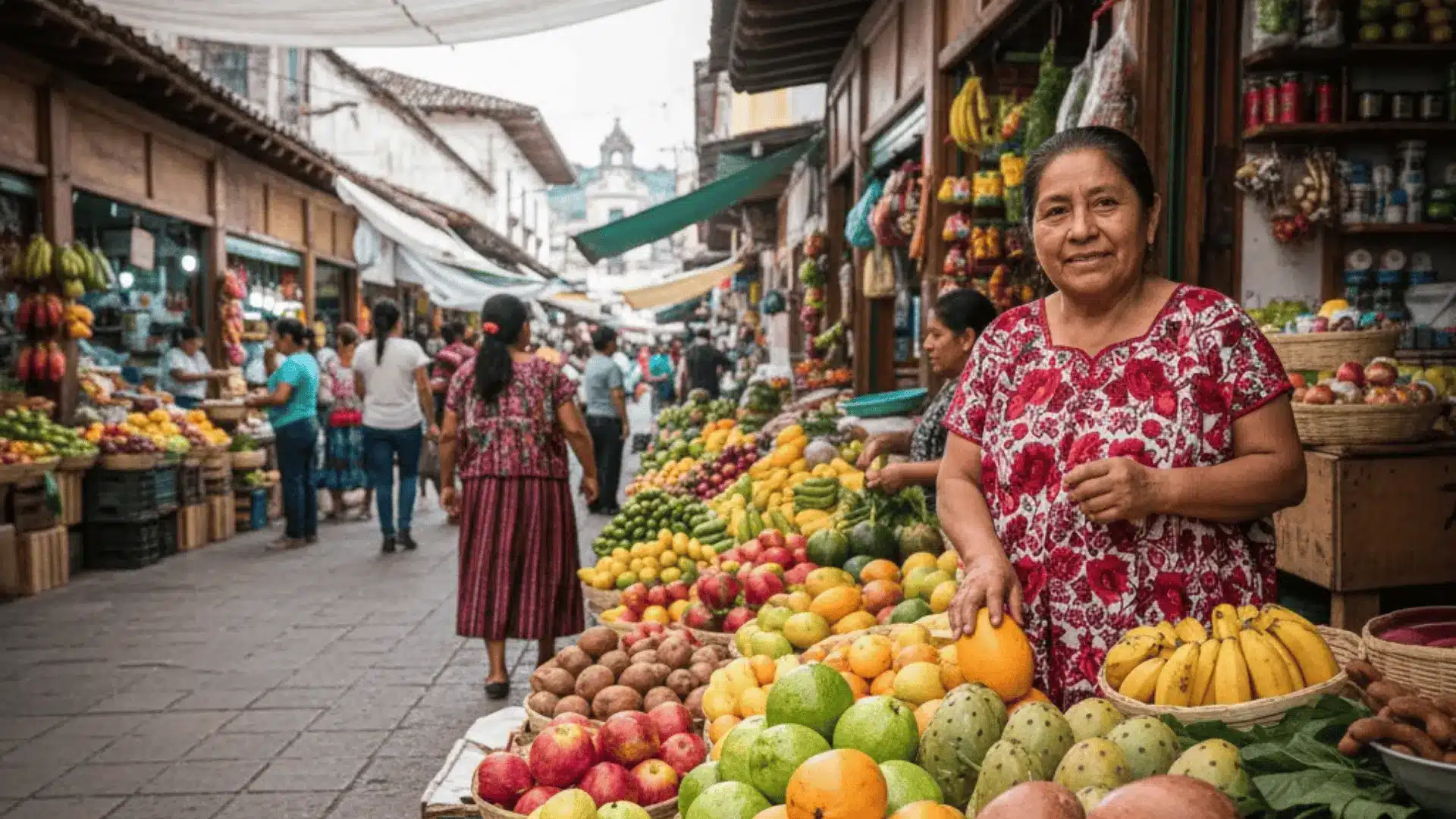

Creating the garden of your dreams can be an exciting and rewarding project, but it can also be expensive if you’re not careful. Whether you’re looking to completely transform your outdoor space or simply add a few new plants, it’s important to set a clear budget to ensure you don’t overspend. In this post, I’ll walk you through the steps to effectively plan a budget for your garden, so you can turn your vision into a reality without the financial stress.
Step 1: Set Clear Gardening Goals

Before you dive into buying plants and tools, it’s important to figure out what you actually want to achieve in your garden. Are you hoping to grow a vegetable garden, design a peaceful retreat, or improve your lawn’s curb appeal? Understanding your goals will give you a clear direction and help you prioritize your spending.
For example, if your goal is to create a vegetable garden, you’ll need to budget for soil, seeds, tools, and maybe even an irrigation system. If you’re more focused on landscaping with flowers and shrubs, your budget might go toward plants, mulch, hardscaping materials, and tools for maintenance.
Take a moment to list your top priorities and remember: creating your dream garden takes time. Don’t hesitate to break larger projects into phases if needed.
Step 2: Estimate the Costs
Once you have a clear idea of your goals, it’s time to estimate the costs. This includes everything, from the initial setup to ongoing maintenance. While it can be tempting to start buying everything you need right away, taking the time to plan your expenses will help you stay within your budget.
Here’s a breakdown of common gardening expenses you might encounter:
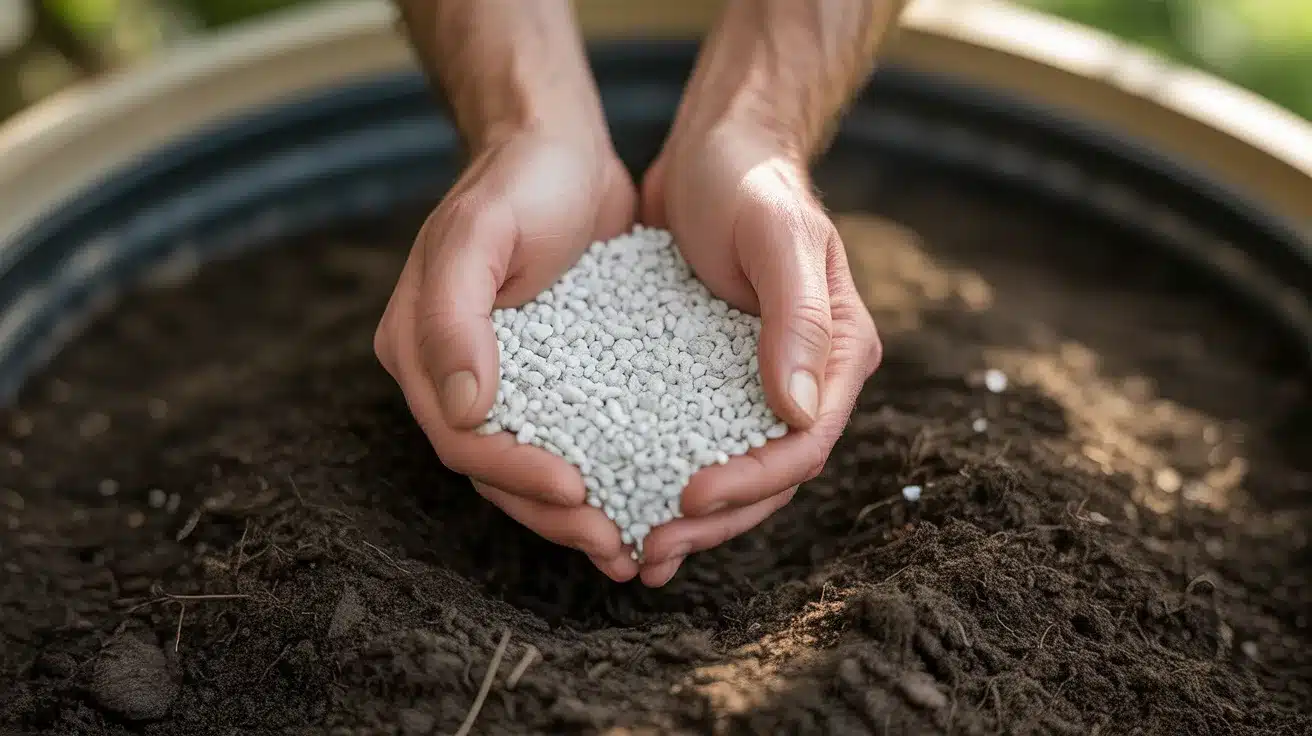
- Soil and compost: Healthy, rich soil is essential for your plants to thrive. Improving the soil quality in your garden might be one of your bigger initial expenses.
- Plants and seeds: Depending on your goals, you’ll need to purchase plants, seeds, or even trees. The cost varies depending on the type of plants you want and whether they’re annuals or perennials.
- Garden tools and equipment: If you’re starting fresh or upgrading your gear, you’ll need tools like shovels, pruners, and watering cans. Larger equipment, like a lawnmower or tiller, could be needed as well.
- Irrigation systems: If you’re aiming for a more water-efficient garden, consider installing a drip irrigation system or even a rainwater harvesting setup.
- Hardscaping: Walkways, patios, garden walls, or lighting all fall under hardscaping and can add significant costs to your garden project.
Pro Tip: Don’t forget about smaller, ongoing costs like fertilizers, pest control, and mulch. These might seem small, but they can add up over time. Make sure to factor in maintenance costs as well.
One smart way to save for all these expenses is by setting up a dedicated savings account. You might consider using an online savings bank account, which makes it easy to save consistently for your garden projects. With better interest rates and easy access, this account helps you keep your garden fund separate from other savings, making it simpler to stay on track and meet your financial goals.
Step 3: Research and Shop Smart
With a solid idea of your costs, it’s time to start shopping! But before you start buying, take your time to research the best deals on plants, tools, and other garden supplies. Shopping smart can save you a lot of money.
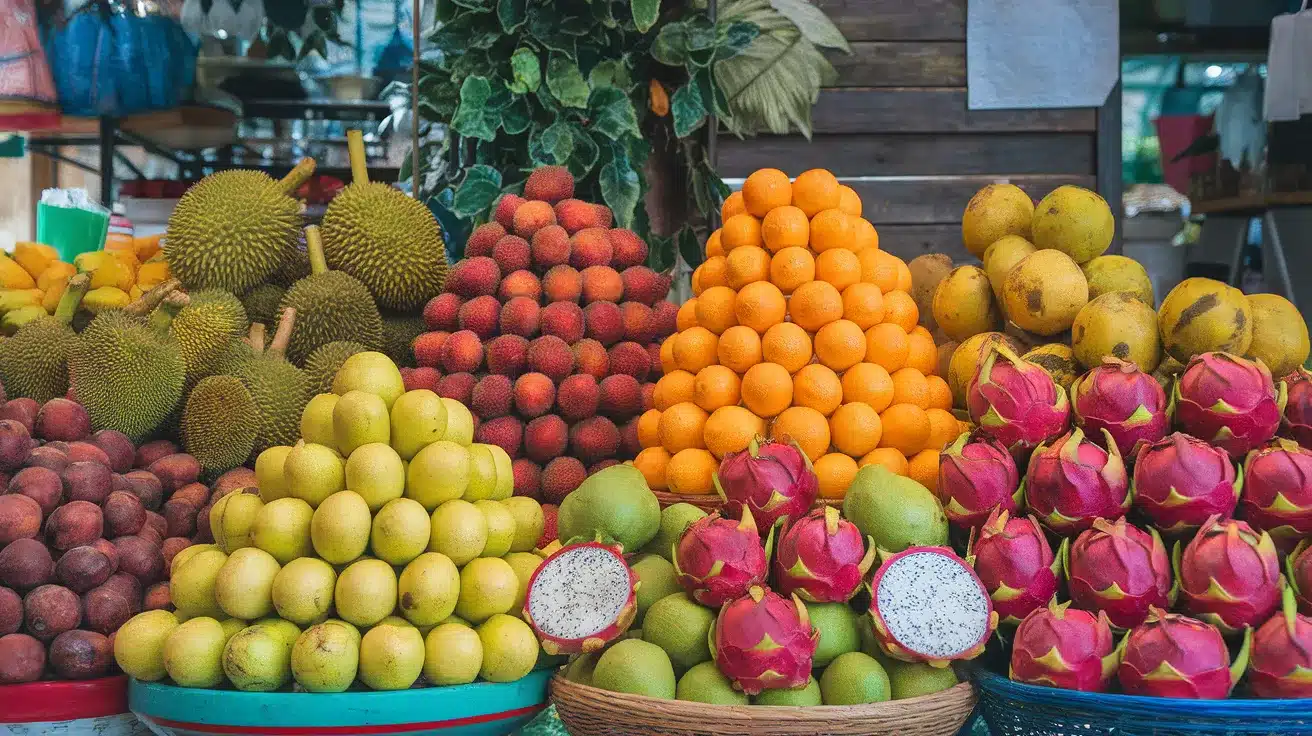
- Buy locally: Local nurseries and farmers’ markets are great places to find plants that are already suited for your climate. They often offer better deals and better-quality plants than chain stores.
- Buy in bulk: If you’re buying soil, compost, or mulch, purchasing in bulk can often save you money.
- Secondhand tools: Check out local classifieds, thrift stores, or online marketplaces for gently used garden tools and equipment. You can often find great deals on items that are still in great condition.
- DIY projects: If you’re handy, consider building some of your own garden features, like raised beds or compost bins. Not only does this save money, but it also gives you a sense of accomplishment.
- Seed swaps: If you’re into growing your own plants, check out local seed swaps or gardening communities where you can exchange seeds with other gardeners.
As tempting as it is to add extra plants or tools to your cart, try to stick to your list of priorities. If you see something you didn’t plan for, pause for a moment and ask yourself if it’s essential to your garden’s success.
Step 4: Plan for Ongoing Maintenance
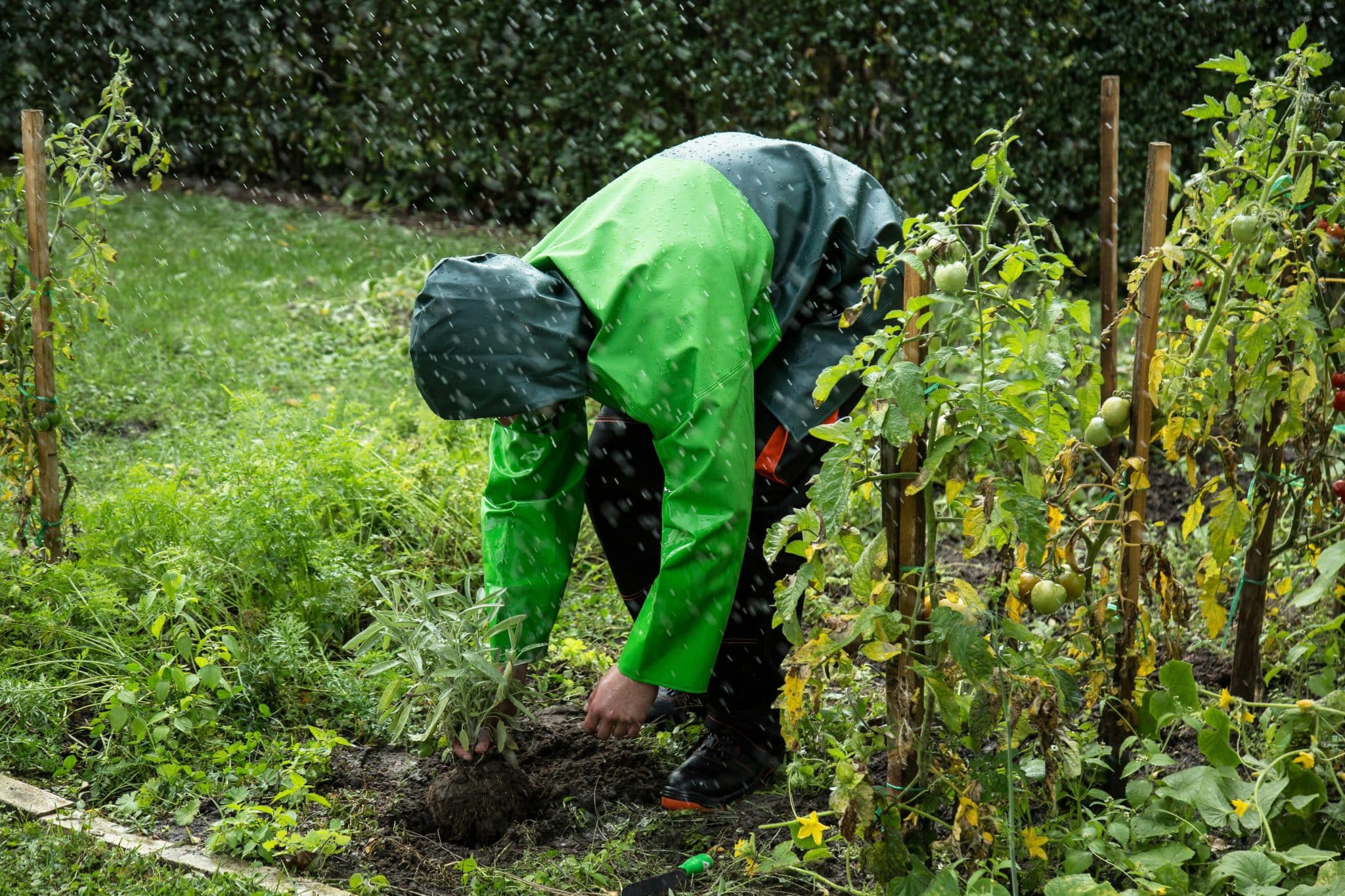
Starting your garden is just the beginning — maintaining it is an ongoing effort. While a well-planned garden can be low-maintenance, it’s important to set aside money for ongoing care. Some of the regular costs you may encounter include:
- Fertilizers and soil amendments: You may need to periodically improve the quality of your soil or add nutrients to your plants.
- Pest control: Whether you’re dealing with bugs or animals, pest management is often necessary to protect your plants.
- Watering: Even with an efficient irrigation system, you’ll still need to invest in hoses, sprinklers, or watering cans.
- Pruning and trimming: Regular upkeep, like trimming overgrown shrubs or deadheading flowers, will keep your garden looking its best.
Make sure to budget for these ongoing costs and set aside money specifically for garden upkeep.
Step 5: Track Your Progress
Once your garden is in full swing, it’s important to track your progress and stay on top of your budget. Keep a record of all your gardening-related expenses and any unexpected costs. Regularly check your savings to see if you need to adjust your budget or goals.
You can use a simple spreadsheet or a budgeting app to keep track of everything. Many savings accounts also come with user-friendly apps that let you easily monitor your deposits and savings progress.
Conclusion
Building the garden of your dreams is a fulfilling project, but it does require careful planning and budgeting. By setting clear goals, estimating your costs, shopping smart, and planning for ongoing maintenance, you can create a beautiful and thriving garden without overspending. Start saving today, and by 2026, your dream garden will be in full bloom.