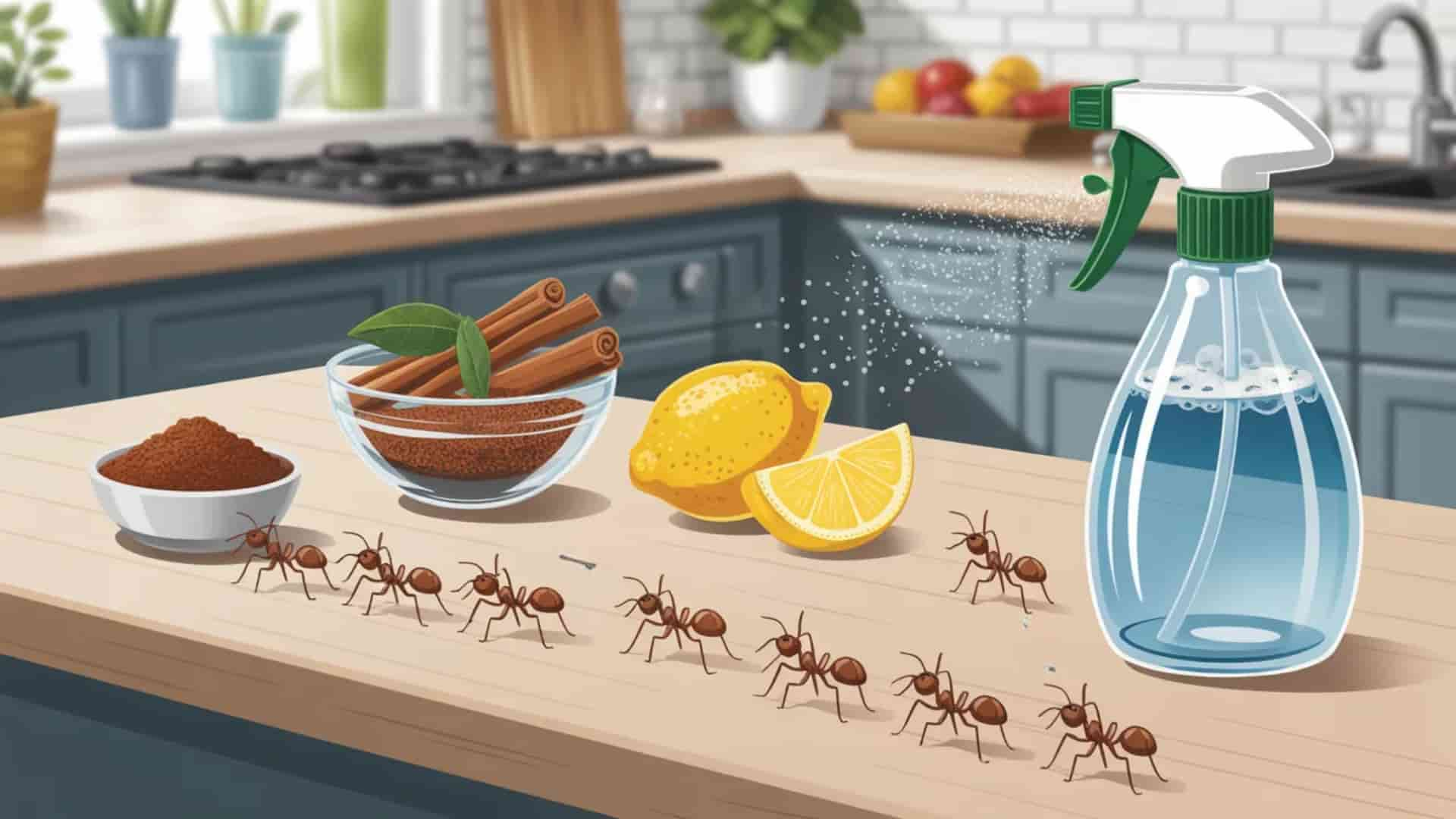
You spotted one ant on your kitchen counter. Then two. Then a whole line of them heading straight for your sugar jar. Sound familiar?
Ants do not knock before entering. They find the tiniest gap, send a signal back to the colony, and suddenly your home feels like their personal kitchen.
The frustrating part? Wiping them off the counter does not stop them. They just come back.
Here is the good news. Learning how to get rid of ants does not require expensive products or a professional right away.
This guide walks through every method that works, from simple home fixes to store-bought solutions, so you can take back your space for good.
Why Do Ants Come Inside Your Home?
Ants enter homes looking for three things: food, water, and shelter. Crumbs on the counter, open food containers, and unwashed dishes are more than enough to attract an entire colony.
Heavy rain floods their outdoor nests and pushes them inside, while dry weather sends them searching for water.
Once a single worker ant finds a food source, it leaves a scent trail that guides the rest of the colony directly into your home.
Types of Ants You Might See at Home
Not all ants are the same, and treating the wrong species the wrong way can make things worse. Before you pick up a spray bottle, take a moment to check which type has moved in.
| Ant Type | Size | Color | Key Trait | Risk Level |
|---|---|---|---|---|
| Odorous House Ant | Less than 1/8 inch | Dark brown or black | Smells like rotten coconut when crushed | Low, nuisance pest only |
| Carpenter Ant | 1/4 to 1/2 inch | Black or reddish-black | Chews through damp and rotting wood | High, can cause structural damage |
| Pharaoh Ant | About 1.5 to 2 mm | Yellow to light brown | Forms multiple satellite colonies | High, can spread Salmonella and other bacteria |
| Pavement Ant | About 1/8 inch | Dark brown to black | Nests in cracks near driveways and sidewalks | Low to medium |
How to Get Rid of Ants Naturally
If you prefer to skip the chemicals, you are not short on options. Several everyday household items can stop ants in their tracks, and many of them are safe around children and pets.
1. White Vinegar and Water Spray
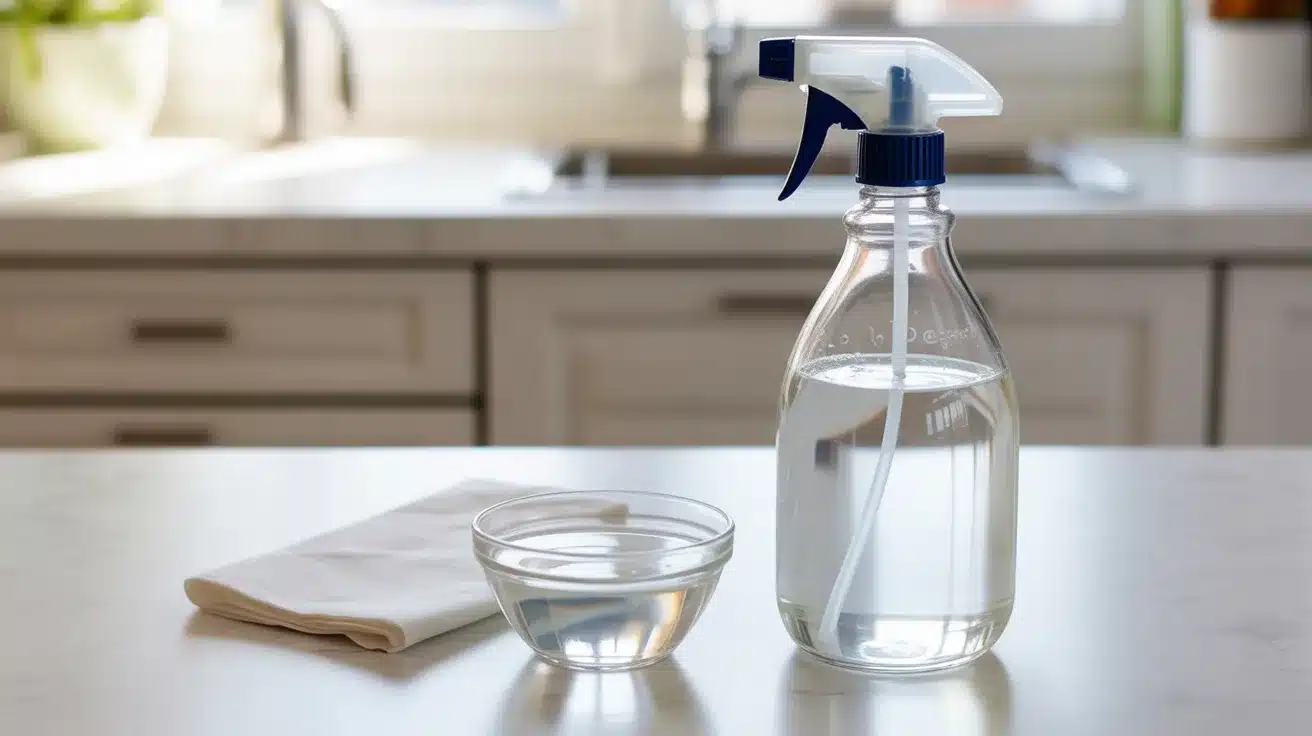
A vinegar spray kills ants on contact and erases the pheromone trail they use to signal other ants.
What You Need:
- White vinegar
- Water
- A spray bottle
Steps:
- Mix equal parts white vinegar and water in a clean spray bottle.
- Spray directly onto ants and along the trails you can see.
- Wipe the area clean with a paper towel.
- Repeat once or twice daily until the trail disappears.
2. Peppermint Essential Oil
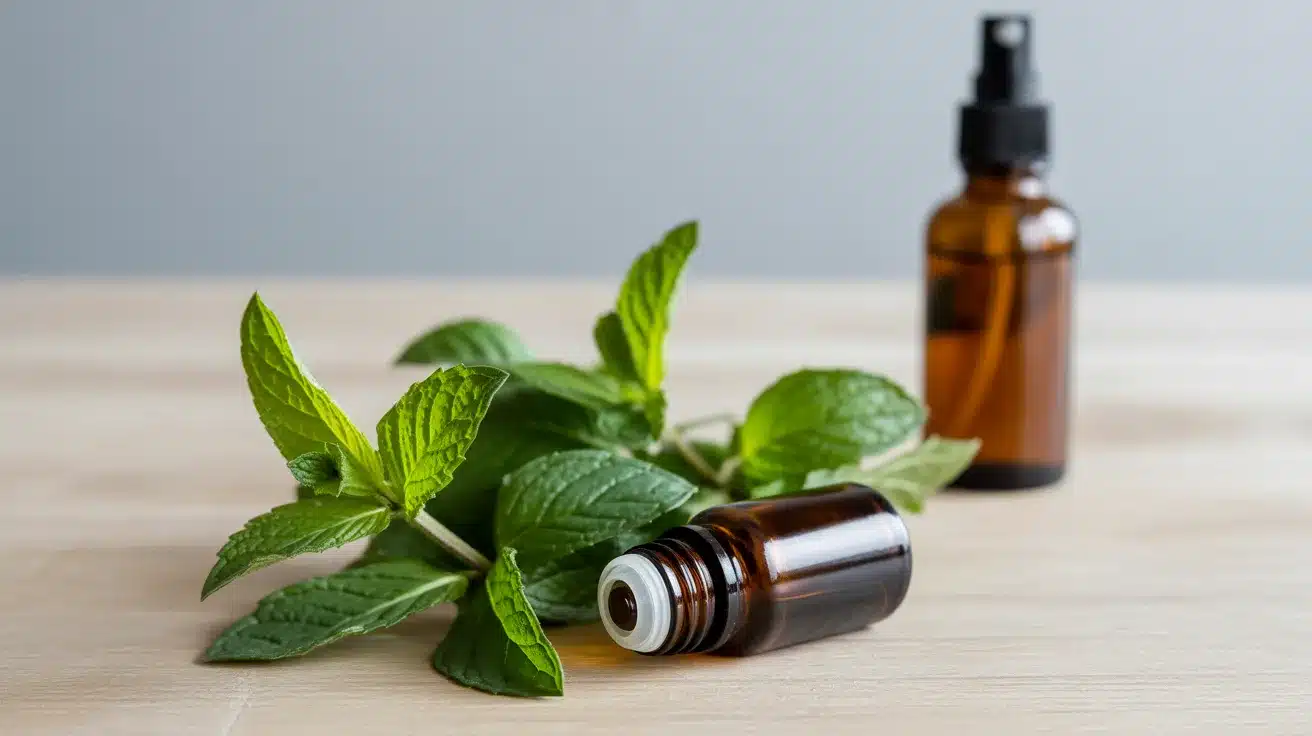
Research shows that peppermint oil helps repel certain ant species. It works by covering up the scent trails ants rely on.
What You Need:
- Peppermint essential oil (10 to 20 drops)
- 2 cups of water
- A spray bottle
Steps:
- Mix the peppermint oil and water in the spray bottle.
- Spray along baseboards, windows, and door frames.
- Let it dry and reapply every few days.
Important: Keep peppermint oil away from cats. It is harmful to them even in small amounts.
3. Diatomaceous Earth
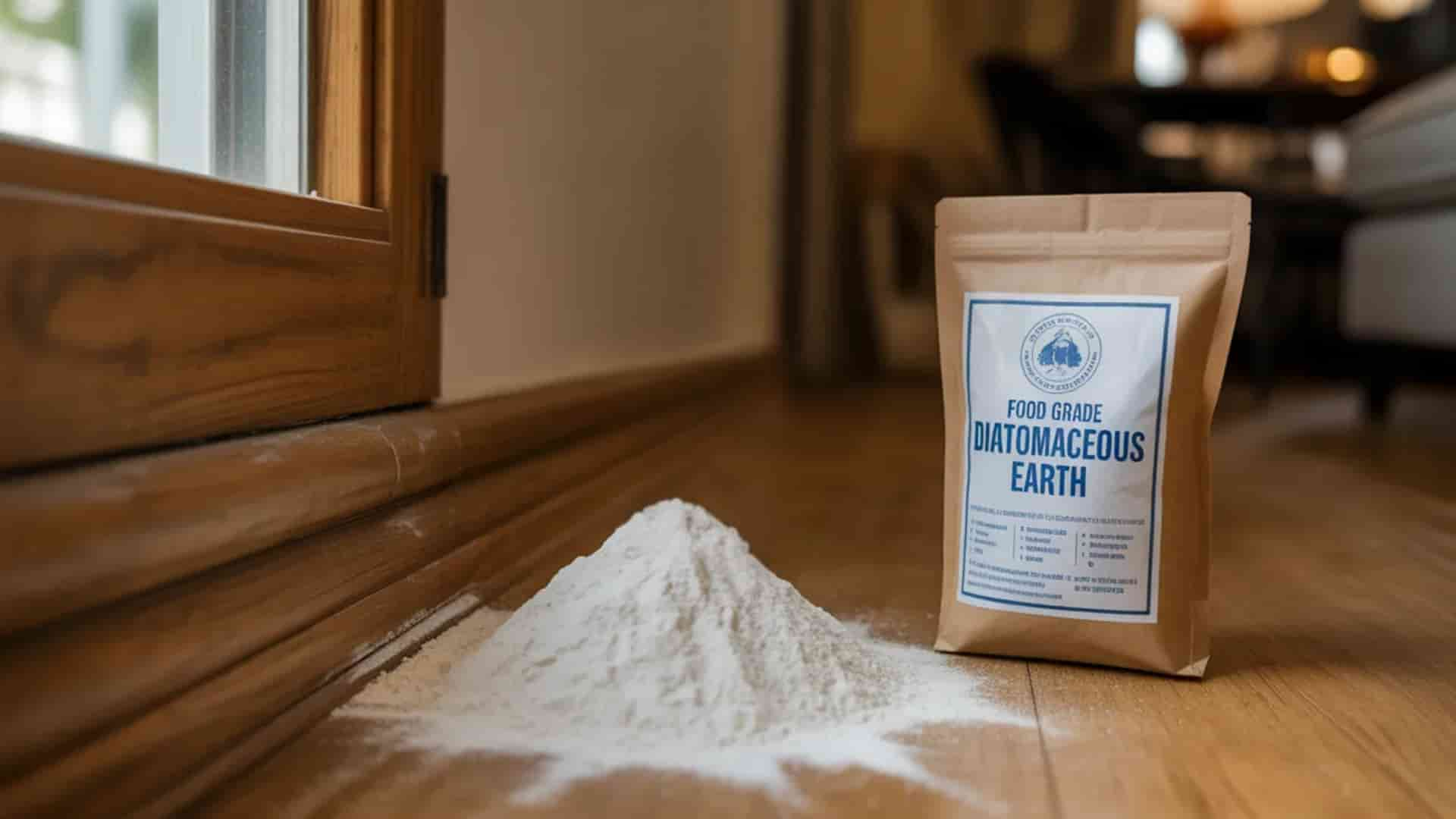
Diatomaceous earth is made from the fossilized remains of tiny aquatic organisms. It works by piercing the ant’s outer shell, which causes it to dry out and die.
What You Need:
- Food-grade diatomaceous earth
- A small applicator or spoon
Steps:
- Sprinkle a thin layer along baseboards, windowsills, and ant entry points.
- Reapply after cleaning or if the powder gets wet.
- Avoid breathing it in when applying, wear a mask if needed.
This is one of the safest options for homes with children when food-grade diatomaceous earth is used.
4. Boric Acid and Sugar Bait (DIY Ant Bait)
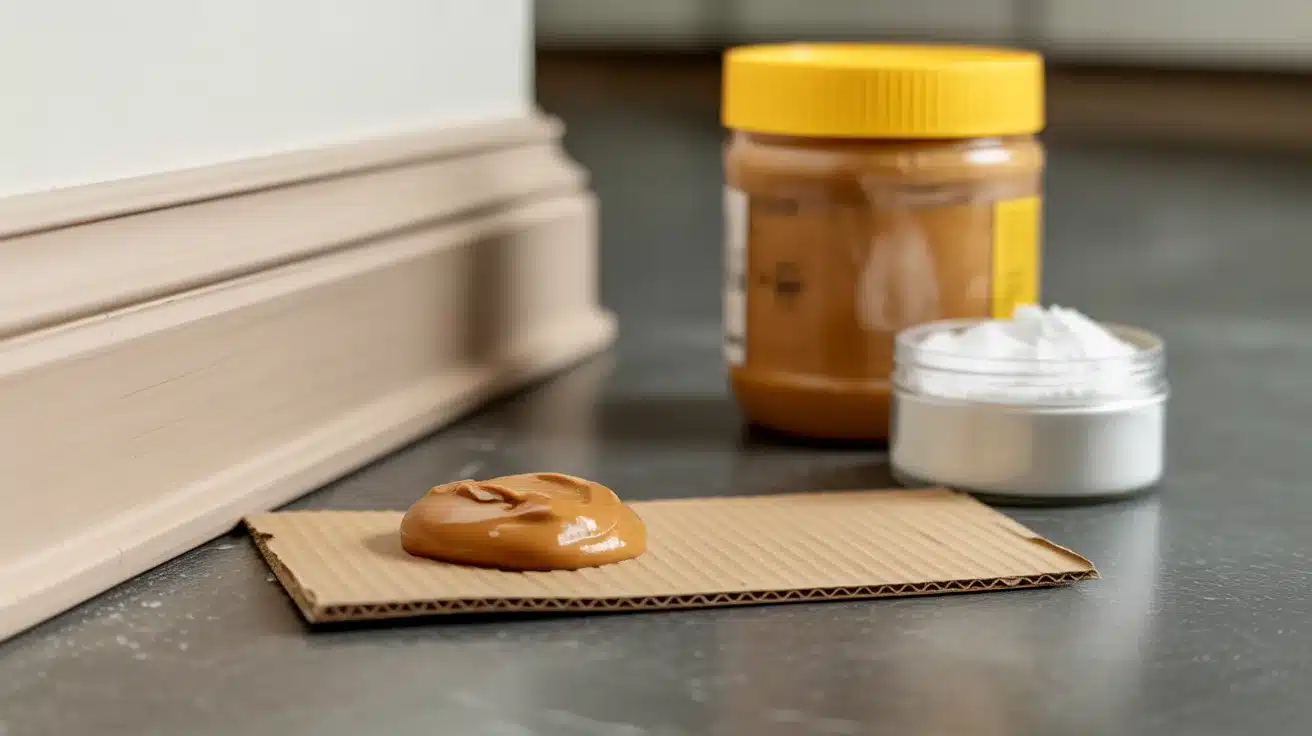
This method targets the entire colony, not just the ants you can see. Worker ants carry the bait back to the nest, which slowly kills the colony from the inside.
What You Need:
- Boric acid
- Peanut butter or sugar water
Steps:
- Mix a small amount of boric acid with peanut butter or sugar water.
- Place the bait near ant trails on a small piece of cardboard.
- Leave it untouched so worker ants can carry it back to the nest.
- Replace the bait every few days to keep it fresh.
Note: Keep boric acid bait completely out of reach of children and pets.
5. Dish Soap and Water Solution
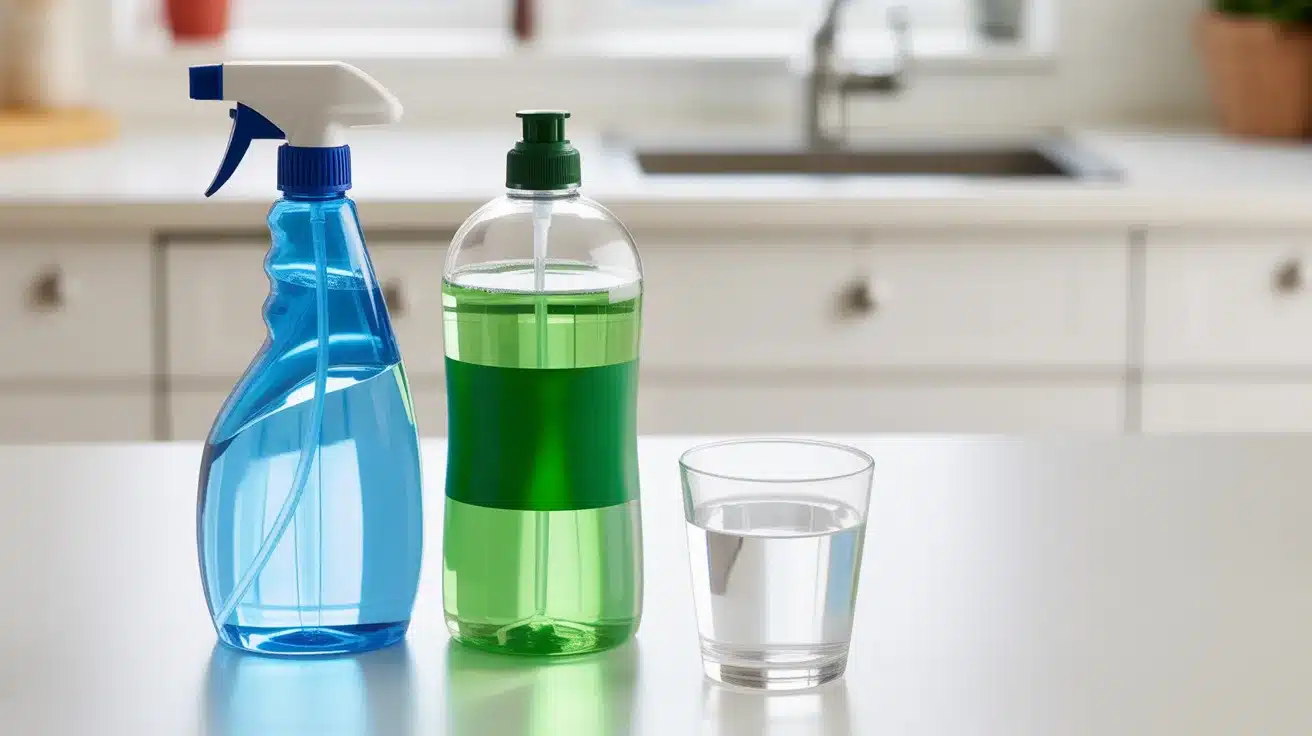
Dish soap breaks down the ant’s protective outer layer and removes the pheromone trail at the same time.
What You Need:
- A few drops of liquid dish soap
- Water
- A spray bottle
Steps:
- Add a few drops of dish soap to water in a spray bottle.
- Spray directly on ants and along their trail.
- Wipe clean and repeat as needed.
6. Cayenne or Black Pepper
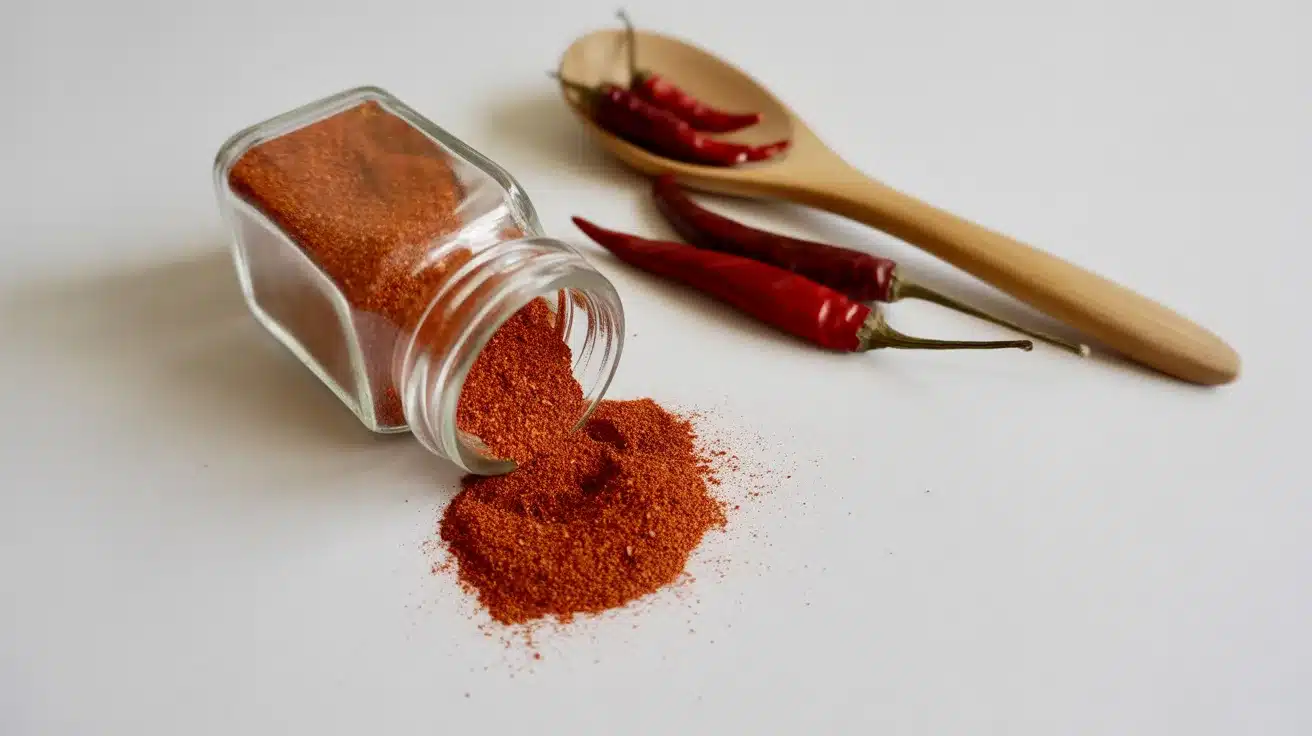
Ants are strongly put off by the smell of pepper. It does not kill them, but it stops them from using the same path again.
Steps:
- Sprinkle ground cayenne or black pepper behind appliances and along baseboards.
- Focus on areas where you see the most ant activity.
- Reapply after cleaning.
7. Coffee Grounds
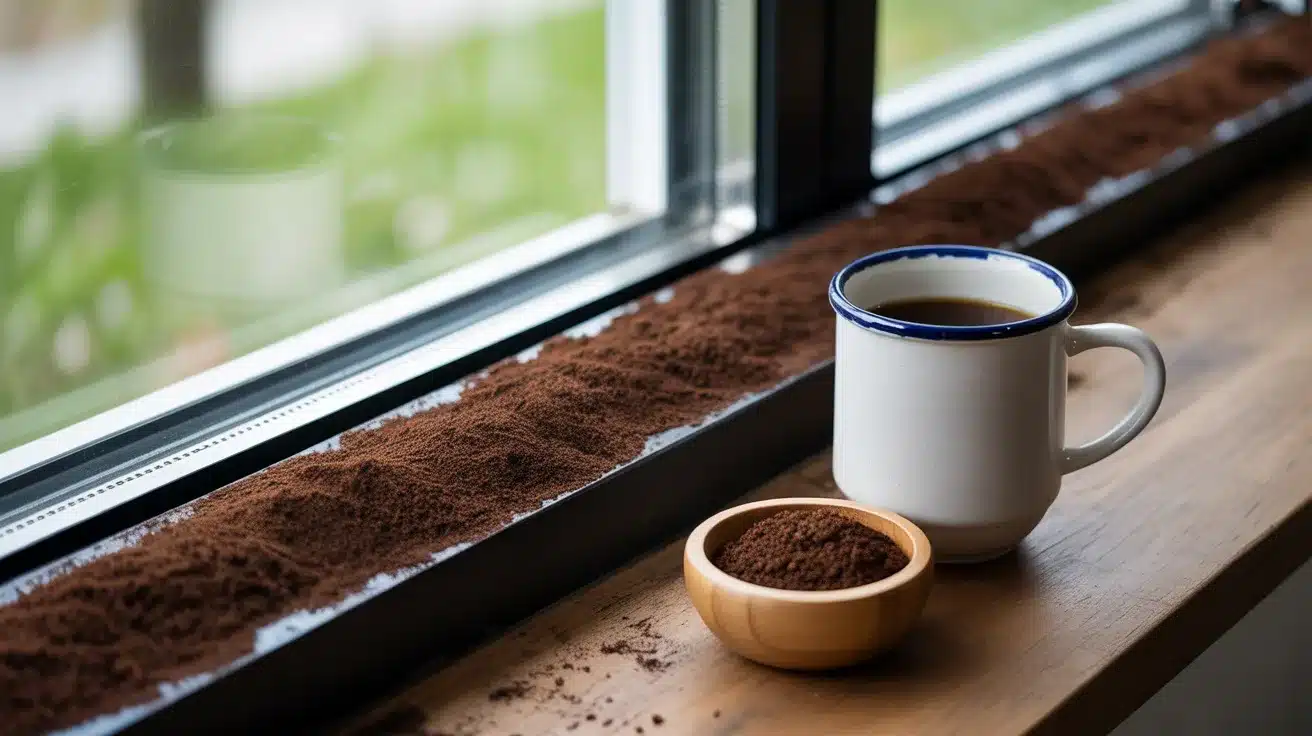
Studies show that coffee extracts can repel and harm certain ant species. Used coffee grounds work well near entry points and outdoor garden beds.
Steps:
- Spread used coffee grounds along windowsills, door frames, and outdoor entry points.
- Replace with fresh grounds every couple of days.
How to Kill Ants Using Store-Bought Products
Sometimes home remedies are not enough, especially for large or repeat infestations. Store-bought products go a step further and can wipe out the whole colony.
1. Ant Bait Stations
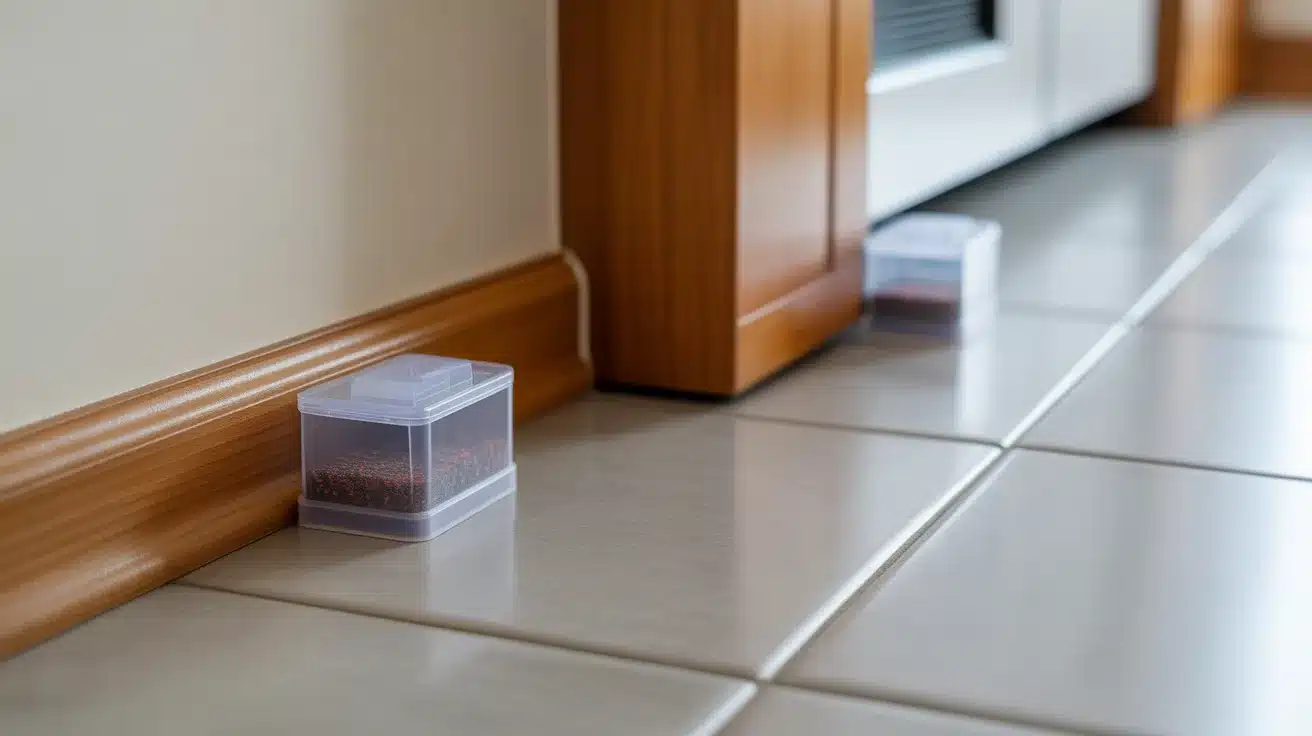
Ant bait stations are one of the most effective ways to kill ants at the source. The worker ants pick up the slow-acting poison and bring it back to the nest, which takes out the queen and the colony over time.
How to Use:
- Place bait stations near active ant trails and entry points.
- Do not spray insecticide near the bait. The chemical smell will push ants away from it.
- Replace the bait every few weeks to keep it working.
- Keep stations away from children and pets.
2. Non-Repellent Ant Sprays
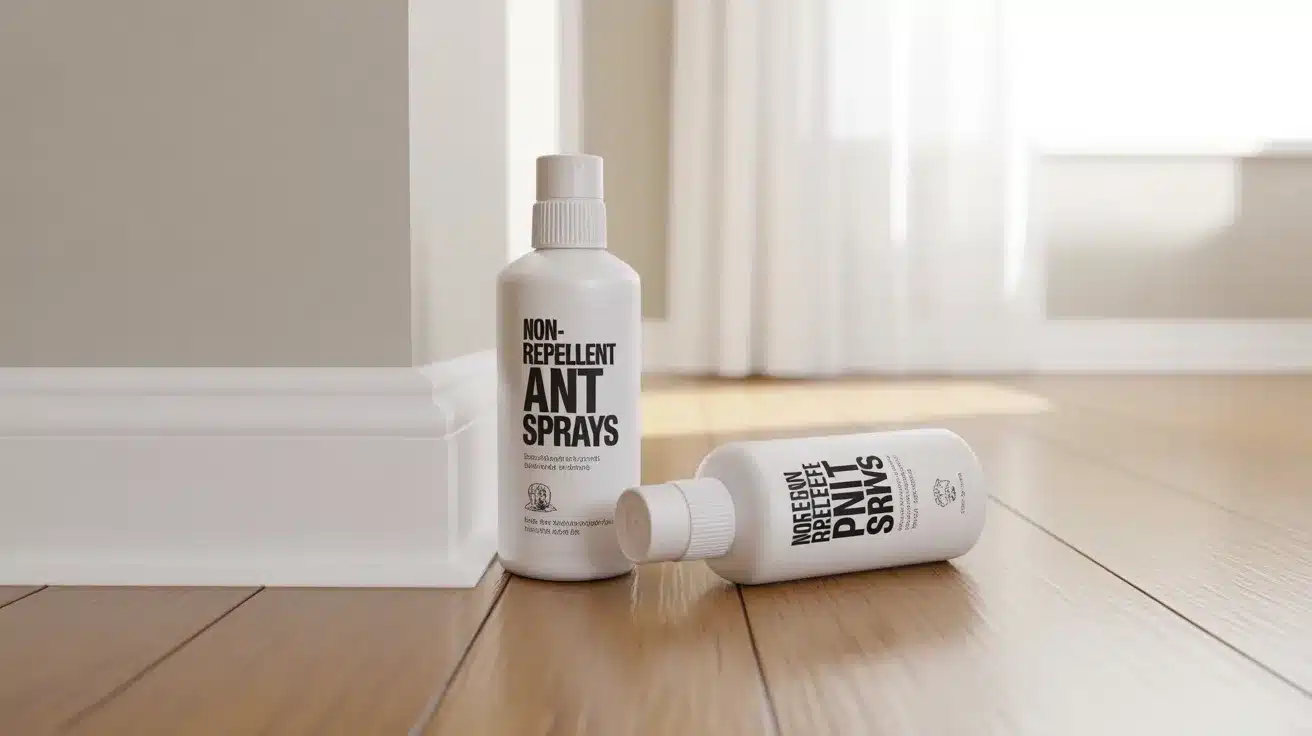
Unlike regular bug sprays, non-repellent sprays do not push ants away. Ants walk through the treated area without knowing it, then carry the chemical back to the colony when they groom each other.
How to Use:
- Apply along the perimeter of your home and near identified nest areas.
- Use it around baseboards, cracks, and under sinks.
- Follow the product label for safe application and drying time.
3. Insecticide Dust
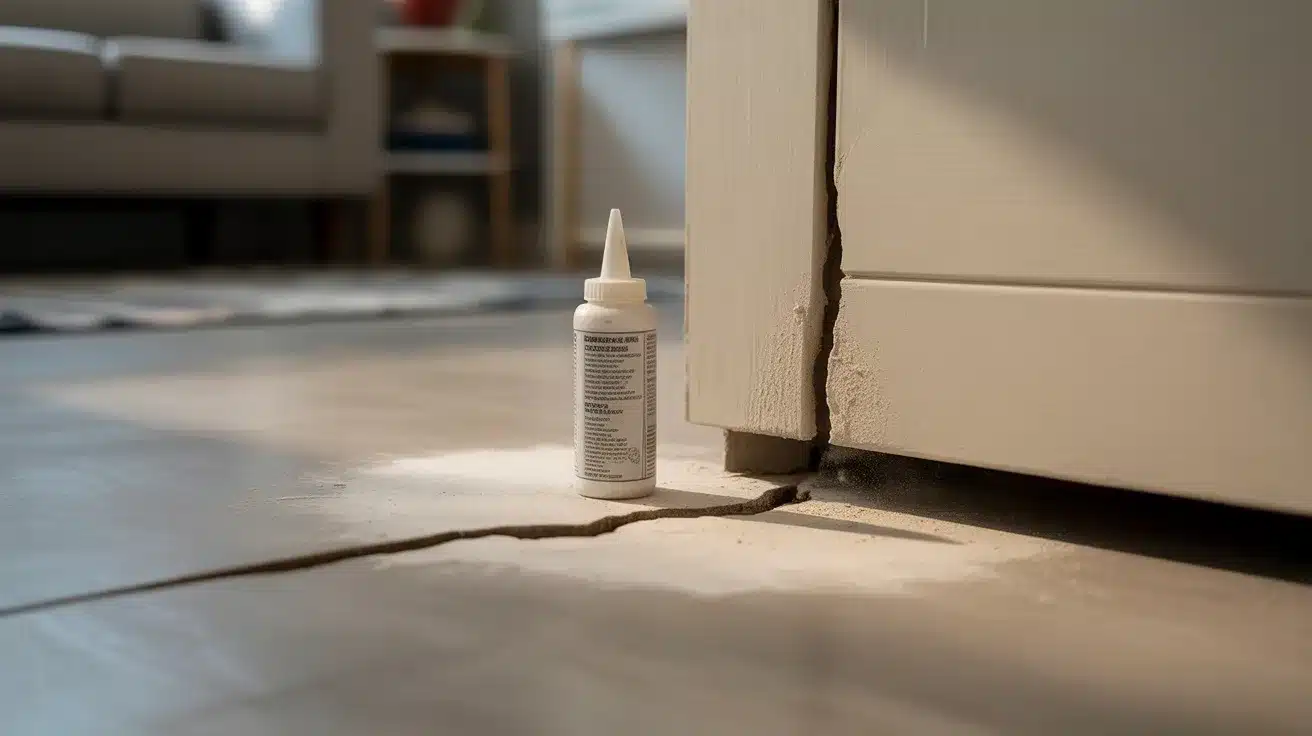
Insecticide dust works well in spaces a spray cannot reach, like wall voids, inside cracks, and under large appliances.
How to Use:
- Use a hand duster or squeeze bottle to apply the dust into cracks and gaps.
- Apply a thin layer, a heavy layer is less effective than an even coat.
- Avoid using it in areas where food is prepared.
How to Get Rid of Ant Trails in Your House
Ant trails are more than a line of insects on the floor. They are a communication network. Breaking the trail is one of the fastest ways to slow an infestation.
Wiping trails with just water is not enough. You need to remove the pheromone completely, or new ants will follow the same path within hours. Here is a simple breakdown of how to handle each trail type.
| Trail Location | Best Removal Method | Extra Step |
|---|---|---|
| Kitchen counter | Vinegar and water spray, wipe clean | Place bait station under the sink |
| Bathroom floor | Dish soap solution, wipe with paper towel | Check for leaking pipes nearby |
| Baseboards | Vinegar spray or household cleaner | Seal gaps with caulk after cleaning |
| Near windows or doors | Peppermint oil spray | Add weatherstripping to the door frame |
| Along outdoor walls | Non-repellent spray | Seal foundation cracks with caulk |
How to Stop Ants from Coming Back?
Getting rid of ants is one thing. Keeping them out is what matters in the long run. A few simple habits go a long way toward making your home much less attractive to ants.
- Clean up food and spills right away: Wipe counters after every meal and sweep floors regularly, especially under appliances where crumbs collect.
- Seal entry points: Use caulk to fill gaps around windows, doors, pipes, and foundation cracks.
- Store food properly: Keep dry goods like sugar, flour, and cereal in sealed glass or plastic containers.
- Fix leaks and moisture issues: Repair dripping faucets and leaking pipes, and use a dehumidifier in damp spaces like basements.
- Clean up after pets: Do not leave pet food sitting in a bowl overnight, and wipe the area around the bowl daily.
- Take out trash regularly: A full or open trash bin is one of the easiest food sources for ants indoors.
When Should You Call a Pest Control Professional?
If you have tried multiple methods and ants keep coming back, it may be time to bring in a professional.
This is especially true if you see signs of carpenter ants, like small piles of sawdust near wood or hollow-sounding walls, as they can cause serious structural damage over time.
Pharaoh ant infestations also need professional handling, because using the wrong products can cause the colony to split and spread further.
A trained pest control expert can identify the exact species, find the nest, and use the right treatment to remove the colony completely.
Final Notes
Ants are persistent, but they are not impossible to stop. The key is to cut off what brings them in, food, water, and easy entry points, and then use the right method to get rid of ants already inside.
Natural options like vinegar, peppermint oil, and diatomaceous earth work well for smaller problems.
For bigger infestations, ant bait stations and non-repellent sprays get to the root of the issue by targeting the whole colony.
Either way, a little consistency goes a long way. Most ant problems can be solved without calling a professional. Start with one or two methods from this guide and build from there.
Which method worked best for you? Comment down below and let us know!