There’s something almost magical about the way a fresh coat of paint can completely turn a tired room into your new favorite retreat without the hefty price tag of a full renovation.
Those serene sage walls or that bold accent you’ve been dreaming about can become reality sooner than you think.
Understanding what goes into painting costs helps you plan confidently and make choices that align with your vision.
The size of your space, the quality of materials, and deciding between DIY and hiring professionals all shape your final investment. So, how much does it actually cost to paint a room?
Let’s walk through what influences the numbers and how to create the space you’ve been pinning.
Average Cost to Paint a Room
A professional paint job typically runs between $300 and $1,600+ per room, depending on size and complexity. Many painters charge by square footage, with rates ranging from $1 to $6 per square foot.
The wide price range reflects differences in room dimensions, paint quality, prep work needed, and your location.
DIY painting can significantly reduce costs since you’re only paying for materials like paint, primer, brushes, and supplies, usually totaling $100 to $300 per room.
However, professional painters bring expertise, proper equipment, and time savings. They handle tedious prep work, ensure smooth finishes, and complete the job much faster than most homeowners working on weekends.
What Goes Into the Cost of Painting a Room?
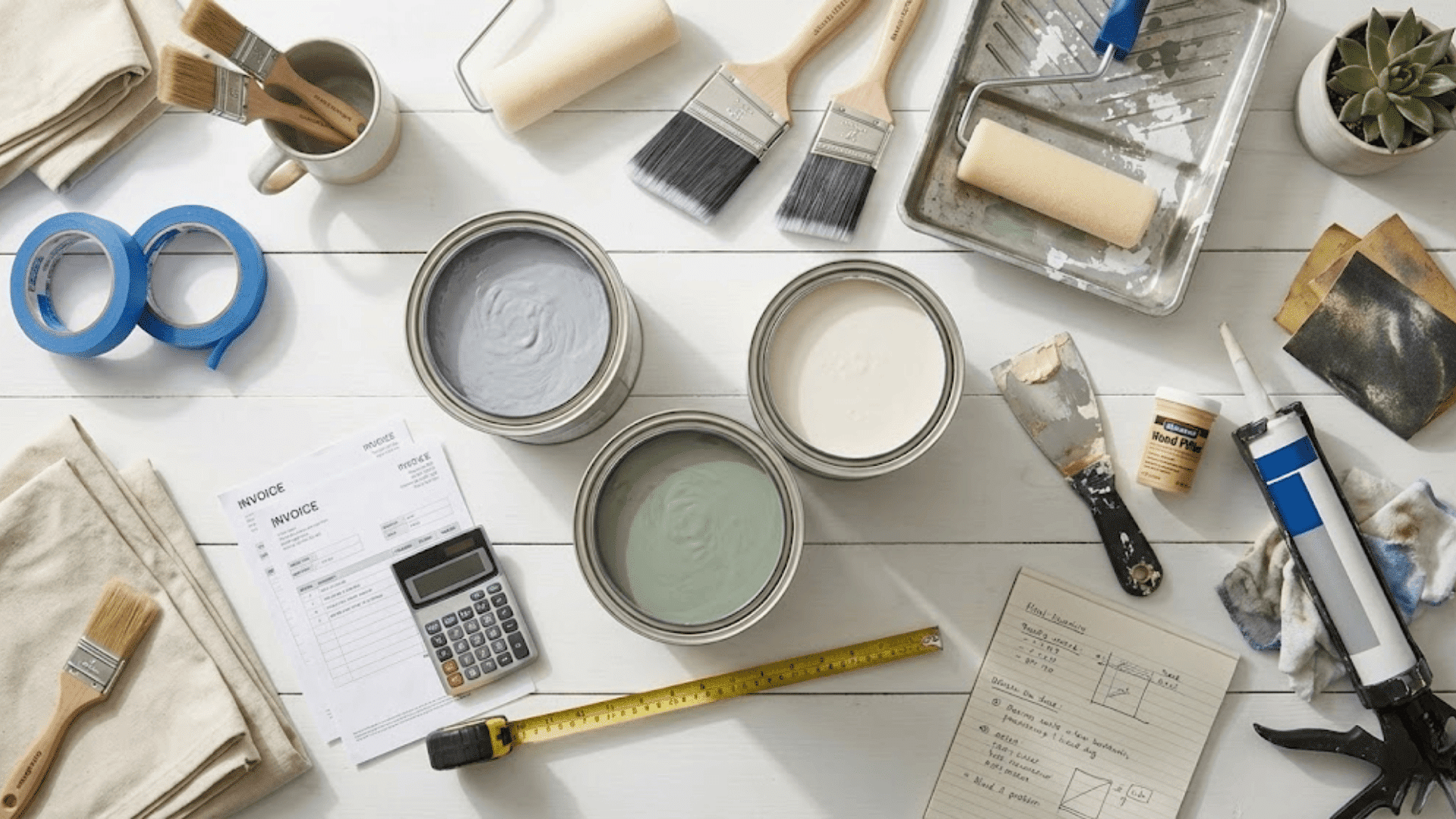
Understanding where your money goes helps you budget smartly and decide what’s worth splurging on versus where you can save.
Here’s how professional painting costs break down across labor, materials, and prep work.
1. Labor Costs
Labor typically forms the biggest chunk of your painting budget, often accounting for the majority of what you’ll pay. Here’s what to expect when hiring professionals:
- Square footage pricing ranges from $1 to $6, depending on your project’s complexity, ceiling height, and regional rates.
- Labor represents 70 to 85% of your total cost, making it the most significant expense in any professional paint job.
- Hourly rates run between $20 and $50+ in areas where painters charge by time rather than square footage.
2. Paint & Material Costs
The quality and type of materials you choose directly impact both your budget and the longevity of your fresh paint job.
Here’s a breakdown of typical material expenses:
| Item | Cost Range | Notes |
|---|---|---|
| Paint | $15 – $80+ per gallon | Premium brands and specialty finishes cost more but offer better coverage and durability |
| Brushes & Rollers | $10 – $40 | Quality tools create smoother finishes and last through multiple projects |
| Painter’s Tape | $5 – $15 | Essential for clean lines around trim and edges |
| Drop Cloths | $10 – $30 | Protects floors and furniture during the painting process |
| Primer | $15 – $50 per gallon | Required for dramatic color changes or new drywall |
3. Prep & Additional Supplies
Proper preparation makes the difference between a paint job that lasts years and one that starts peeling within months.
Professional prep work includes:
- Wall repairs like filling holes, cracks, and dents to create a smooth surface
- Sanding rough spots to ensure paint adheres evenly and looks flawless
- Primer application for better coverage, especially over dark colors or stains
- Caulking gaps around trim, baseboards, and crown molding for a polished finish
- Surface cleaning and protection to remove dust, grease, and debris before painting begins
Note: Most professionals include basic prep in their quotes, but extensive repairs or multiple primer coats may cost extra. Always clarify what’s covered before work begins to avoid surprise charges.
Painting Cost by Room Size & Type
Room dimensions play a major role in determining your final painting bill, with larger spaces and higher ceilings requiring more paint, time, and labor.
Here’s what you can expect to pay based on common room sizes:
| Room Size | Square Footage | Professional Cost Range | What to Expect |
|---|---|---|---|
| Small Room | 100 – 200 sq ft | $200 – $600 | Powder rooms, small home offices, or walk-in closets with standard 8-foot ceilings |
| Medium Room | 200 – 300 sq ft | $400 – $900 | Average bedrooms, dining rooms, or standard living spaces |
| Large Room | 300 – 500 sq ft | $700 – $1,500 | Master bedrooms, spacious living rooms, or open-concept areas |
| High Ceilings | Varies | Add 20 – 50% | Vaulted or cathedral ceilings require scaffolding, specialized equipment, and extra labor time |
Should You DIY or Hire a Professional Painter?
Deciding between tackling the project yourself or calling in professionals comes down to your budget, timeline, and comfort level with home improvements.
Both approaches have distinct advantages depending on your priorities.
DIY Painting
Going the DIY route can save substantial money on labor, but it requires a realistic assessment of your time and skill level.
Here’s what to consider:
- Material costs typically range from $150 to $300+ for paint, brushes, rollers, tape, drop cloths, and other essentials.
- Plan for a full weekend or longer, depending on room size, your experience level, and how much prep work is needed.
- Results depend heavily on technique since achieving smooth, streak-free walls takes practice and patience.
- You’ll need proper tools and workspace setup, including ladders, ventilation, and a way to move or protect furniture.
Hiring a Professional
Professional painters bring expertise and efficiency that can justify the higher upfront cost.
Here’s what you gain by hiring a pro:
- Total costs range from $300 to $1,600+ per room but include labor, materials, prep work, and cleanup.
- Projects finish in 1 to 3 days rather than multiple weekends, minimizing disruption to your daily routine.
- Professional results last longer thanks to proper surface preparation, quality application techniques, and attention to detail.
- Most pros carry insurance and warranties protecting you against accidents or issues with the finished work.
Factors That Affect Painting Cost
Beyond basic room dimensions, several variables can significantly shift your painting budget up or down.
Understanding these factors helps you anticipate costs and make informed choices about where to invest.
| Factor | Cost Impact | Why | Added Cost |
|---|---|---|---|
| Room Size & Ceiling Height | High | More surface area, scaffolding | +$200 – $800+ |
| Trim, Baseboards & Doors | Moderate | Detail work, precision cuts | +$1 – $3 per linear foot |
| Paint Quality & Finish | Moderate to High | Coverage, durability, pigmentation | +$10 – $40 per gallon |
| Geographic Location | Variable | Regional labor rates | 30 – 50% variance |
| Coats & Color Changes | Moderate | Primer, multiple applications | +$50 – $200 per room |
How to Estimate Your Painting Project?
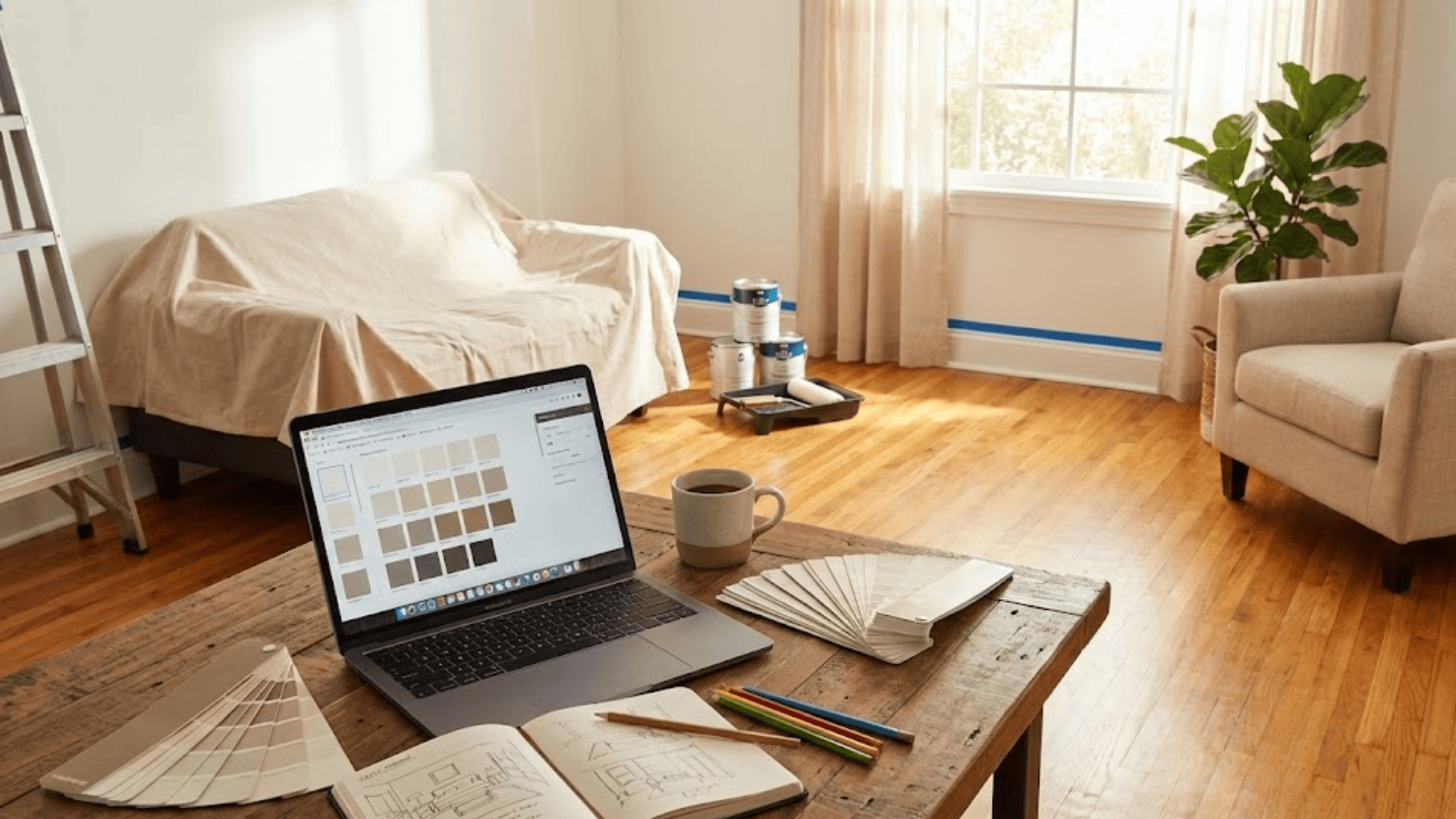
Calculating your painting costs before you start helps you budget accurately and avoid surprise expenses. With a few simple measurements and basic math, you can get a solid estimate of what your project will cost.
- Step 1: Measure your room’s length and width, then multiply to get square footage (e.g., 12 ft × 15 ft = 180 sq ft).
- Step 2: Multiply wall height by room perimeter to calculate wall area, then subtract doors and windows.
- Step 3: Divide total wall area by paint coverage rate (typically 350-400 sq ft per gallon) to determine gallons needed.
- Step 4: Add paint cost plus supplies ($50-100) for DIY, or multiply square footage by $1-6 for professional estimates.
Ready for a estimate? Use the Sherwin-Williams Paint Calculator or the Benjamin Moore Paint Calculator to input your room dimensions and get an instant breakdown of how much paint you’ll need for your project.
How to Save Money on Your Painting Project?
Smart planning and a bit of flexibility can help you stretch your painting budget further without sacrificing quality.
Here are practical ways to reduce costs while still achieving beautiful results:
- Buy paint in bulk during major sales events to secure discounts of 20-40% off retail prices.
- Schedule your project during off-peak seasons like late fall or winter, when contractors offer lower rates.
- Handle prep work yourself by patching holes, sanding, and taping to cut labor costs significantly.
- Bundle multiple rooms together to negotiate better per-room rates with professional painters.
- Choose mid-grade paint over premium for low-traffic areas where durability matters less.
Small strategic choices add up quickly, turning what might feel like a splurge into an achievable refresh that fits comfortably within your budget.
The Bottom Line
A fresh coat of paint remains one of the smartest investments you can make in your home, delivering visual impact that far exceeds the expense.
Now that you understand how much it costs to paint a room and what drives those numbers, you can approach your project with confidence and clarity.
Rolling up your sleeves for a DIY weekend or bringing in skilled professionals both lead to beautiful results when you plan thoughtfully. The right preparation and informed choices ensure a finish you’ll love for years to come.
Have questions or tips about your own painting experience? Drop a comment below and share what worked for you.