That tiny, delicate-looking plant tucked into the corner of your garden bed? It’s not as innocent as it seems.
Hairy bittercress has a quiet way of sneaking in before you even notice it’s there, and by the time you do, it’s already plotting its next move.
Catching it early is everything because once it sets seed, it spreads faster than you’d expect.
Consider this your no-fluff guide to reading the signs, getting it out for good, and making sure your garden stops being its favorite hiding spot.
What is Hairy Bittercress?
Hairy bittercress (Cardamine hirsuta) is a cool-season winter annual that germinates in fall, quietly overwinters, and explodes into seed production come early spring.
It belongs to the mustard family and is deceptively small, making it easy to overlook until it’s too late.
What makes it particularly aggressive is its seed pods, which launch seeds up to three feet away the moment they’re disturbed.
It thrives across most of the continental U.S., favoring moist, disturbed soil in garden beds, lawns, and nursery pots, making early identification your single greatest advantage against it.
How to Identify Hairy Bittercress?
Knowing what you’re dealing with is half the battle.
Hairy bittercress has a way of blending in beautifully with your garden until it doesn’t, so learning to read its stages early keeps you one step ahead.
Seedling Stage
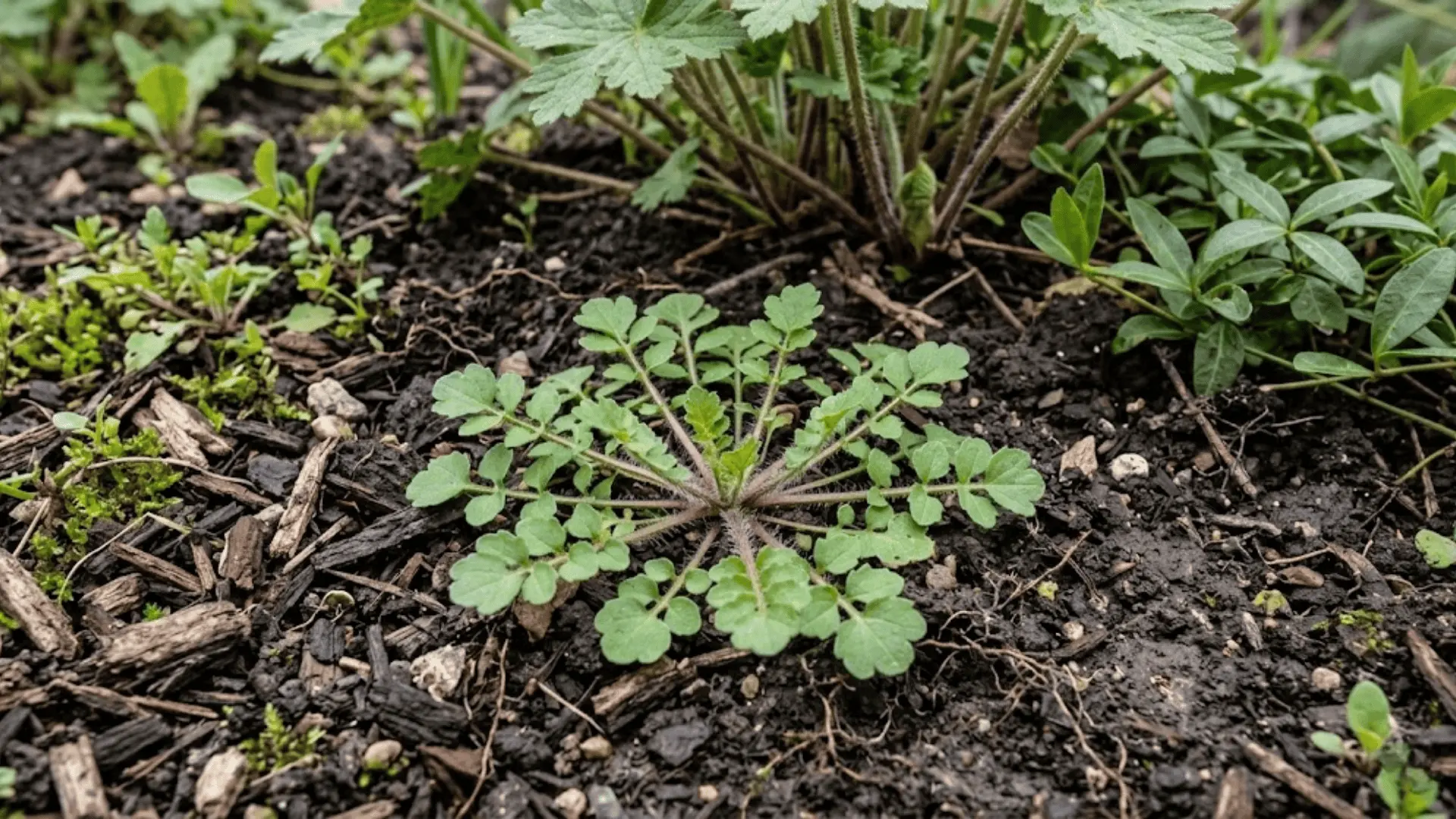
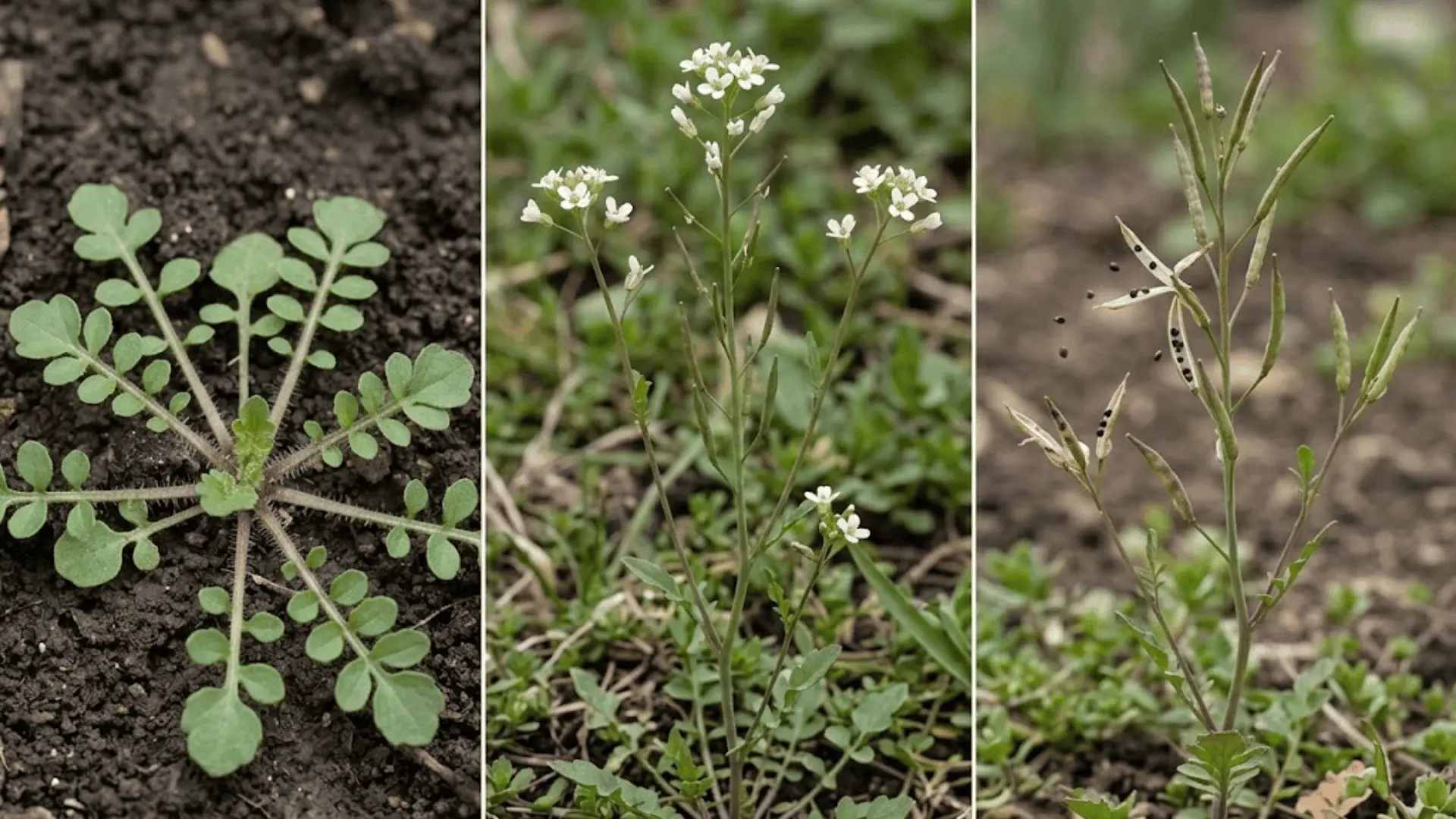
This is where it all begins, and honestly, where it’s easiest to miss. Young hairy bittercress grows as a low, flat rosette hugging the soil surface, with small, rounded leaflets arranged along each stem.
Look closely, and you’ll notice fine hairs along the stems, which is exactly where its name comes from. At this stage, it looks almost too delicate to be a problem.
Mature Plant
As temperatures shift, the plant wastes no time. It sends up upright flowering stalks fairly quickly, topped with clusters of tiny white flowers, each with four petals arranged in a cross shape.
Shortly after, slender, elongated seed pods begin forming along the stalk. The window between flowering and seeding is surprisingly short, which is why mature plants deserve your immediate attention.
Exploding Seed Pods
This is hairy bittercress at its most dramatic. When those slim pods ripen, the slightest touch or breeze triggers them to burst, launching seeds several feet in every direction.
Early spring warmth accelerates this whole cycle, meaning a single overlooked plant can quietly colonize a large portion of your garden before the season even finds its rhythm.
Why Hairy Bittercress is a Problem?
Hairy bittercress doesn’t just show up; it moves in and makes itself comfortable.
It competes directly with turfgrass for nutrients and moisture, slowly thinning out the lawn you’ve worked hard to maintain.
It creeps into garden beds and containers with equal ease, crowding out young plants before they get a chance.
The real trouble is its timing. It sets and disperses seeds well before mowing season begins, giving it a serious head start.
A single plant can produce thousands of seeds, each one ready and waiting to become next season’s problem.
When Does Hairy Bittercress Grow?
Hairy bittercress runs on its own quiet schedule, and understanding it makes all the difference. It germinates in fall, often slipping into your garden unnoticed alongside the season’s last plantings.
Through winter, it stays low and patient, growing slowly while everything else goes dormant.
Come early spring, it flowers quickly and sets seed before most gardeners have even pulled out their tools. By late spring, it dies off completely, but the damage is already done.
That entire cycle is its strategy, and timing your response around it is exactly how you win.
How to Get Rid of Hairy Bittercress?
Getting rid of hairy bittercress is absolutely doable, but your approach matters depending on how far along it is.
Catching it early gives you the most options, and a little consistency goes a long way.
Hand Pulling
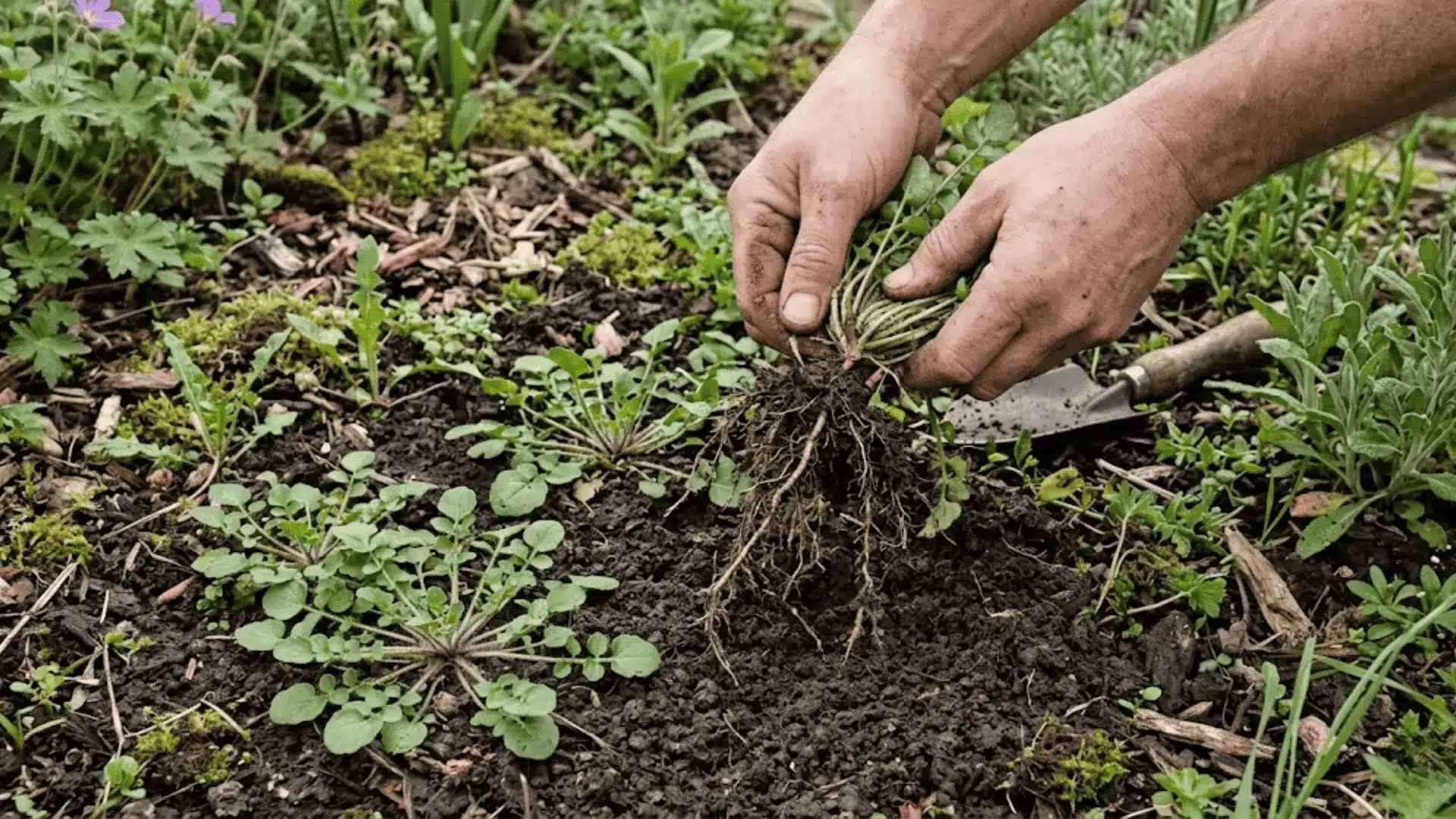
For smaller infestations, this is genuinely the most satisfying fix. Pull hairy bittercress before it flowers, and you cut the whole cycle off cleanly. The key is getting the entire root out, because any piece left behind can resprout.
Loose, moist soil makes this much easier, so consider pulling right after rainfall. Dispose of pulled plants in a bag rather than your compost pile to avoid accidental spreading.
Pre-Emergent Herbicides
Timing is everything here. Pre-emergents work by preventing seeds from germinating, so they need to go down in early fall, right before hairy bittercress seeds are gearing up to sprout.
Here’s a quick look at what to consider:
| Factor | What to Know | Pro Tip |
|---|---|---|
| Application window | Early fall, before the soil cools completely | Watch soil temperatures, apply before they drop below 55°F |
| Product type | Granular or liquid, both work well | Granular is easier for larger lawn areas |
| Lawn safety | Most are turf-safe when label directions are followed | Always patch-test near delicate garden beds first |
| Reapplication | A single fall application may not carry through the winter | A light follow-up in late winter covers any germination gaps |
| Watering in | Granular formulas need moisture to activate | Water lightly after application or time it before rain |
Post-Emergent Herbicides
When hairy bittercress is already actively growing, post-emergents are your next best move. Choose broadleaf-selective options that won’t harm nearby turfgrass and spot-treat garden beds carefully to protect plants.
Applying on a calm, dry day helps the product absorb properly without drifting onto anything you actually want to keep.
Best Herbicide Options
Not all herbicides are created equal, and choosing the right one for hairy bittercress depends on where it’s growing and what’s growing around it.
Here’s a straightforward breakdown to help you pick with confidence:
| Herbicide Type | Recommended Product | Active Ingredient | Best Used For |
|---|---|---|---|
| Broadleaf Weed Killer | Ortho Weed B-Gon Lawn Weed Killer | 2,4-D + Mecoprop + Dicamba | Lawns with mixed broadleaf weed pressure |
| 2,4-D Based Product | Southern Ag Amine 2,4-D Weed Killer | Dimethylamine salt of 2,4-D (46.8%) | Established lawns with active broadleaf growth |
| Dicamba Combination | Spectracide Weed Stop for Lawns Concentrate | 2,4-D + Mecoprop + Dicamba | Tougher or denser infestations |
| Organic Alternative | Green Gobbler 20% Vinegar Weed Killer | Acetic acid (20%) | Spot treatments in beds, borders, and hardscapes |
Always read the label before application. No herbicide works well when used incorrectly, and following directions protects both your garden and everything growing around it.
Preventing Hairy Bittercress from Returning
Getting rid of it once is a win, but keeping it gone is the real goal. A few consistent habits go a long way here.
- Apply a fall pre-emergent before soil temperatures drop to stop seeds from germinating in the first place.
- Keep your turf thick and healthy because dense grass leaves no room for hairy bittercress to sneak in.
- Mulch your garden beds with a solid layer to block light, suppress seeds, and keep the soil from being disturbed.
- Improve drainage in waterlogged areas since hairy bittercress thrives in moist, compacted soil.
- Never leave soil bare, as exposed ground is an open invitation for weed seeds to settle and spread.
Your garden doesn’t need to be a constant battle. Stay a step ahead with these habits, and hairy bittercress won’t find much to work with.
Hairy Bittercress in Garden Beds and Pots
Hairy bittercress has a particular fondness for moist, nutrient-rich potting soil, making containers and garden beds some of its favorite spots to settle.
It often hitchhikes in on nursery plants, so checking new additions before potting is a habit worth building. For containers, pull it out by the root as soon as you spot it.
A layer of mulch over bare soil in beds cuts off the light that seeds need to germinate.
Keep an eye on new seedlings regularly because in early spring, a quick weekly check can save you a lot of work later.
Final Thoughts
Hairy bittercress may be small, but staying consistent with your approach makes all the difference.
A little attention in fall, a good mulching habit, and knowing what to look for in spring puts you well ahead of it. Your garden deserves to be a space you actually enjoy, not something you’re constantly fighting.
With the right timing and a bit of routine, keeping it clean and weed-free is genuinely manageable.
Got questions about your specific situation or something that worked for you? Drop it in the comments below, we’d love to hear from you.