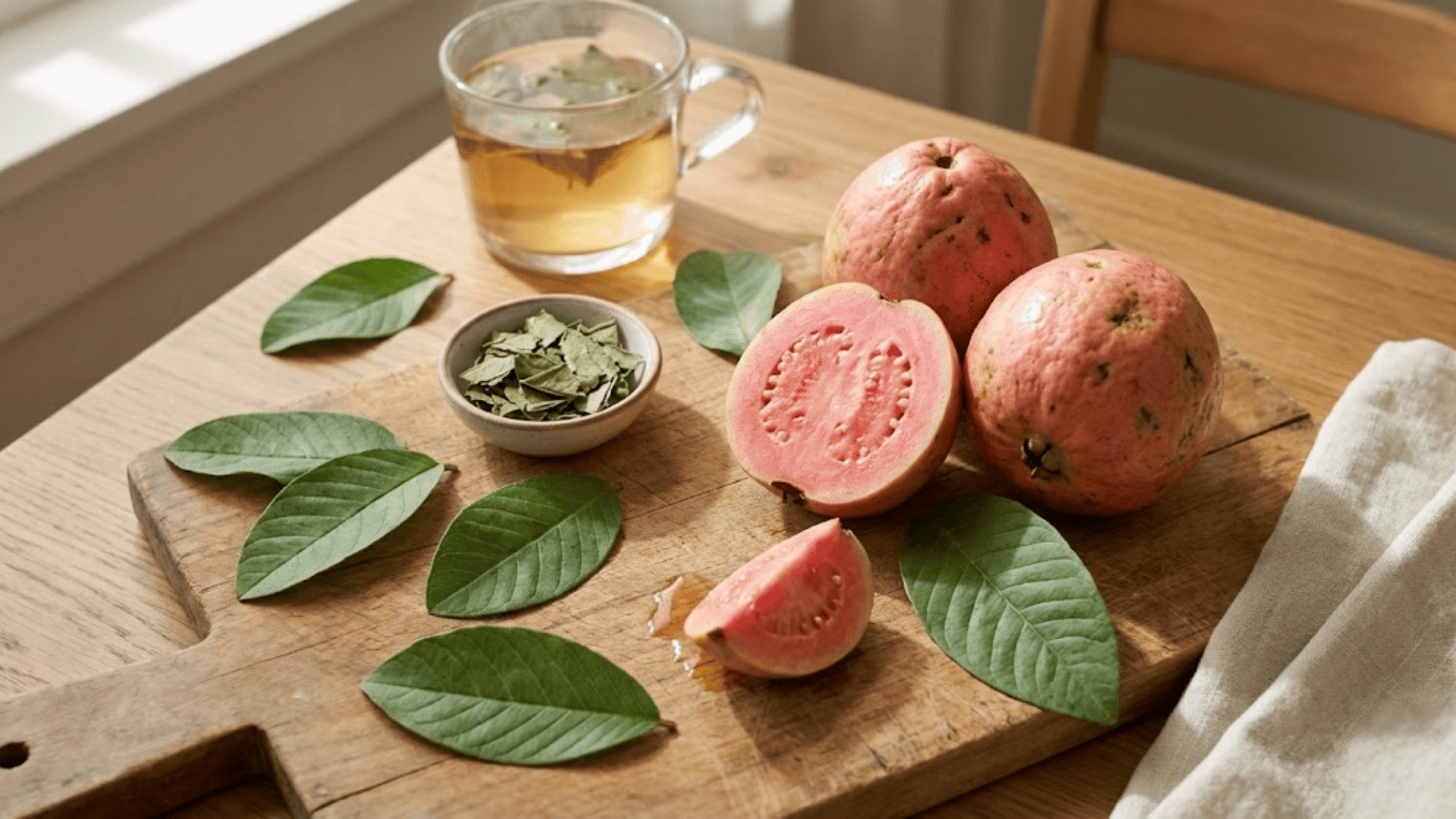
Guava has quietly earned its title as a superfruit, and once you learn what it offers, you’ll understand why.
For centuries, cultures across tropical regions have turned to both the fruit and its leaves for wellness, brewing teas and using remedies passed down through generations.
Today, modern science is catching up, revealing the impressive nutritional profile and health benefits that traditional wisdom has long celebrated.
The sweet, fragrant fruit and the therapeutic potential of guava leaf tea both deserve attention in your wellness journey.
What follows covers everything worth knowing about immune support, digestive health, and how this unassuming tropical treasure can become part of your daily routine with practical insights backed by real research.
Nutritional Profile of Guava
Guava punches well above its weight when it comes to nutrition. This tropical fruit is loaded with vitamins, minerals, and antioxidants that work together to support your body in multiple ways.
What makes it particularly impressive is how much nutritional value it packs into such a low-calorie package.
| Nutrient | Amount Per 100g | Key Benefits |
|---|---|---|
| Vitamin C | 228mg (higher than oranges at 53mg) | Immune defense, collagen production |
| Fiber | 5.4g | Digestive health, blood sugar control |
| Potassium | 417mg | Heart rhythm, blood pressure regulation |
| Vitamin A | 624 IU | Vision health, immune response |
| Lycopene | 5204 mcg (pink varieties) | Cellular protection, heart health |
| Folate | 49 mcg | Cell growth, DNA synthesis |
| Calories | Just 68 per serving | Nutrient density without excess energy |
Want a visual summary?
Download our Guava Health Benefits infographic for a quick, science-backed overview of key nutrients, fruit benefits, and guava leaf tea benefits; perfect for saving or sharing.
17 Health Benefits of Guava and Guava Leaf Tea
Backed by decades of scientific research, guava proves itself as more than just a tropical treat. Both the fruit and its leaves contain bioactive compounds that target specific health concerns.
1. Boosts Immune System Through Exceptional Vitamin C Content
Guava delivers 228mg of vitamin C per 100g, substantially higher than oranges at 53mg, providing more than double your daily requirement in a single serving.
This powerhouse nutrient helps your body fight off infections by activating immune cells and strengthening your body’s natural defenses.
Research published in PMC shows that vitamin C works alongside quercetin and other plant compounds in guava to protect cells from damage while supporting your immune response during cold and flu season.
2. Fights Inflammation Through Polyphenolic Compounds
Guava contains natural anti-inflammatory compounds like quercetin, kaempferol, and gallic acid that work to calm inflammation throughout your body.
These plant compounds help reduce inflammatory markers that contribute to chronic conditions.
A study examining guava leaf extract found significant reductions in inflammation indicators, demonstrating how these natural compounds work at a cellular level to combat oxidative stress and inflammatory responses.
3. Reduces Ldl Cholesterol and Blood Pressure Significantly
Clinical trials published in the American Journal of Cardiology revealed impressive results:
People who ate guava before meals for 12 weeks saw their total cholesterol drop by nearly 10%, triglycerides fall by 7.7%, and good HDL cholesterol rise by 8%.
Blood pressure also decreased by 9.0/8.0 mm Hg. The soluble fiber binds to cholesterol in your digestive tract, while potassium helps your blood vessels relax and maintain healthy pressure levels.
4. Improves Arterial Function Through Natural Compounds
The polyphenols in guava leaves help your arteries stay flexible and responsive by promoting better blood flow.
These compounds prevent the oxidation of LDL cholesterol, a key step in how arteries become clogged.
Combined with guava’s ideal potassium-to-sodium ratio, this tropical fruit offers genuine cardiovascular protection that you can actually feel in improved energy and circulation.
5. Slows Sugar Absorption After Meals
Studies published in Nutrition & Metabolism showed that guava leaf extract acts like a natural brake on sugar absorption, reducing blood sugar spikes by 31-37.8% after eating.
The quercetin and tannins in the leaves block certain digestive enzymes that break down starches into sugar.
This means carbohydrates are absorbed more slowly, giving you steadier energy without the crash; similar to diabetes medications but without side effects.
6. Improves How Your Body Uses Insulin
Research on diabetic mice revealed that guava leaf extract helps your liver cells respond better to insulin by activating specific cellular pathways.
In practical terms, this means your body can move sugar from your bloodstream into cells more efficiently, lowering fasting blood sugar levels.
This addresses one of the root problems in type 2 diabetes: when your cells stop responding properly to insulin.
7. Promotes Regularity Through High-Quality Fiber Content
With 5.4g of fiber per 100g, guava provides both types of fiber your digestive system needs.
The soluble fiber feeds the beneficial bacteria in your gut, while insoluble fiber adds bulk to keep things moving smoothly.
This prebiotic effect supports healthy gut bacteria populations, which play a crucial role in everything from immunity to mood regulation.
8. Reduces Infectious Diarrhea Through Natural Antimicrobial Action
Studies documented in PMC showed that guava leaf extract effectively fights common diarrhea-causing bacteria like E. coli, Salmonella, and Staphylococcus aureus.
The quercetin in guava leaves significantly reduced harmful bacteria in the gut while calming inflammation.
This explains why guava leaf tea has been a traditional remedy for digestive troubles across cultures for centuries; it actually works.
9. Aids Satiety and Weight Management Naturally
At just 68 calories per 100g with 80% water content and substantial fiber, guava keeps you feeling full longer without weighing you down.
The fiber slows digestion, so you stay satisfied between meals, while the minimal sugar content prevents the blood sugar rollercoaster that triggers cravings.
This combination makes guava an ideal snack when you’re trying to manage your weight without feeling deprived.
10. Modulates How Your Body Processes Carbohydrates
Guava leaf compounds interfere with enzymes that convert complex carbs into stored fat, meaning fewer calories from starchy foods end up as body fat.
When combined with improved insulin sensitivity, this creates a metabolic environment that favors using energy rather than storing it.
It’s not magic; just your metabolism working more efficiently.
11. Protects Skin from Damage Through Powerful Antioxidants
Guava’s impressive lineup of antioxidants, including 5204 mcg of lycopene per 100g, abundant vitamin C, and quercetin, shields your skin cells from free radical damage that accelerates aging.
These compounds prevent the breakdown of collagen and elastin, the proteins that keep skin firm and smooth.
The result is visible protection against fine lines, wrinkles, and loss of elasticity.
12. Stimulates Collagen Production for Firmer Skin
Vitamin C doesn’t just protect existing collagen; it’s essential for making new collagen fibers.
Your body literally cannot produce stable collagen without adequate vitamin C.
Guava’s exceptional vitamin C content ensures your skin has what it needs to maintain firmness, repair damage, and heal wounds efficiently from the inside out.
13. Shows Promise in Laboratory Cancer Research
Laboratory studies on breast cancer cells showed that red guava extracts rich in lycopene triggered cancer cell death while leaving healthy cells unharmed.
The lycopene in pink guava varieties, which exceeds that found in tomatoes, demonstrated measurable effects on cancer cells at specific concentrations, interrupting their growth cycle and increasing programmed cell death.
While more human research is needed, these findings suggest real potential for cancer prevention.
14. Regulates Blood Pressure Through Multiple Pathways
Guava leaf tea helps your blood vessels relax and widen, reducing the resistance that causes high blood pressure.
The compounds in the leaves promote better circulation while potassium balances sodium effects.
Clinical evidence shows consistent blood pressure reductions with regular tea consumption, offering a complementary approach to cardiovascular health.
15. Provides Natural Antimicrobial Protection
Research demonstrates that guava leaf extracts fight bacteria like Staphylococcus aureus and fungal infections from Candida species.
The natural compounds, including flavonoids, tannins, and beneficial acids, disrupt harmful microbes without affecting beneficial bacteria.
This offers gentle antimicrobial support that works with, rather than against, your body’s natural defenses.
16. Relieves Menstrual Cramps Effectively
A clinical trial published in the Journal of Ethnopharmacology involving 197 women with painful periods found that guava leaf extract (6mg daily) significantly reduced menstrual pain after four months.
The relief comes from compounds that help uterine muscles relax naturally.
Studies on uterine tissue confirmed that guava leaf extract calms contractions that cause cramping, offering women a natural alternative to pain relievers.
17. Supports Vision Through Vitamin A and Antioxidants
With 624 IU of vitamin A per 100g, guava provides nutrients essential for maintaining healthy vision, especially in dim light.
The antioxidants also protect your retina from age-related damage that can lead to macular degeneration.
Regular consumption helps preserve long-term visual function by reducing oxidative stress in delicate eye tissues.
How to Incorporate Guava & Guava Leaf Tea Into Your Diet?
Adding guava to your wellness routine doesn’t require complicated recipes or special preparations. Both the fruit and leaf tea offer simple, enjoyable ways to access their health benefits daily.
Fresh Fruit & Meal Pairing Ideas
The versatility of guava makes it easy to weave into your daily eating patterns without disrupting your routine.
- Eat It Whole as a Midday Snack: Wash thoroughly, slice in half, and enjoy with or without the peel for maximum fiber.
- Blend into Smoothies with Leafy Greens: Pairs beautifully with spinach, banana, and coconut water for a nutrient-dense breakfast.
- Add Diced Guava to Salads: The sweet-tart flavor complements bitter greens, nuts, and citrus vinaigrettes.
- Consume Before Meals for Blood Sugar Control: Research suggests eating guava 15-20 minutes before carb-heavy meals helps moderate glucose spikes.
Making Guava Leaf Tea at Home
Brewing guava leaf tea at home takes just minutes and requires minimal equipment for maximum health returns.
- Step 1: Gather 5-7 fresh guava leaves (or 1-2 tablespoons dried leaves) and rinse thoroughly under cold water.
- Step 2: Bring 2 cups of water to a rolling boil in a small pot.
- Step 3: Add the clean leaves to boiling water, reduce the heat to low, and simmer for 10-15 minutes.
- Step 4: Strain the tea into a cup, let it cool slightly, and drink unsweetened or with a touch of honey.
Drink your guava leaf tea after meals to support healthy carbohydrate metabolism, starting with 1 cup daily before increasing to 2-3 cups as your body adjusts. Store dried leaves in an airtight container away from light.
Potential Side Effects & Precautions of Guava Consumption

While guava is generally safe for most people, certain individuals should consult their healthcare provider before adding guava leaf supplements or large amounts of the fruit to their routine.
- Pregnant and breastfeeding women should seek medical guidance due to limited safety data.
- People taking diabetes medications should monitor blood sugar closely, as guava can amplify glucose-lowering effects.
- Those on blood pressure medications may experience additive effects leading to excessively low readings.
Overconsumption of guava leaf tea may cause digestive discomfort, including bloating or constipation in sensitive individuals. Start with small amounts and observe how your body responds before increasing intake.
Final Thoughts
Guava earns its superfruit status through genuine nutritional merit rather than marketing hype.
Its ability to stabilize blood sugar, support heart health, calm menstrual cramps, and fortify immunity comes with solid scientific backing that validates centuries of traditional use.
What makes guava so appealing is how effortlessly it fits into daily life; slicing fresh fruit for breakfast or brewing leaf tea after dinner requires minimal effort for maximum wellness returns.
Both the fruit and leaves offer accessible pathways to better health that work with your existing routine.
Ready to experience these benefits firsthand? Share your favorite way to enjoy guava in the comments below, or tell us which health benefit surprised you most.