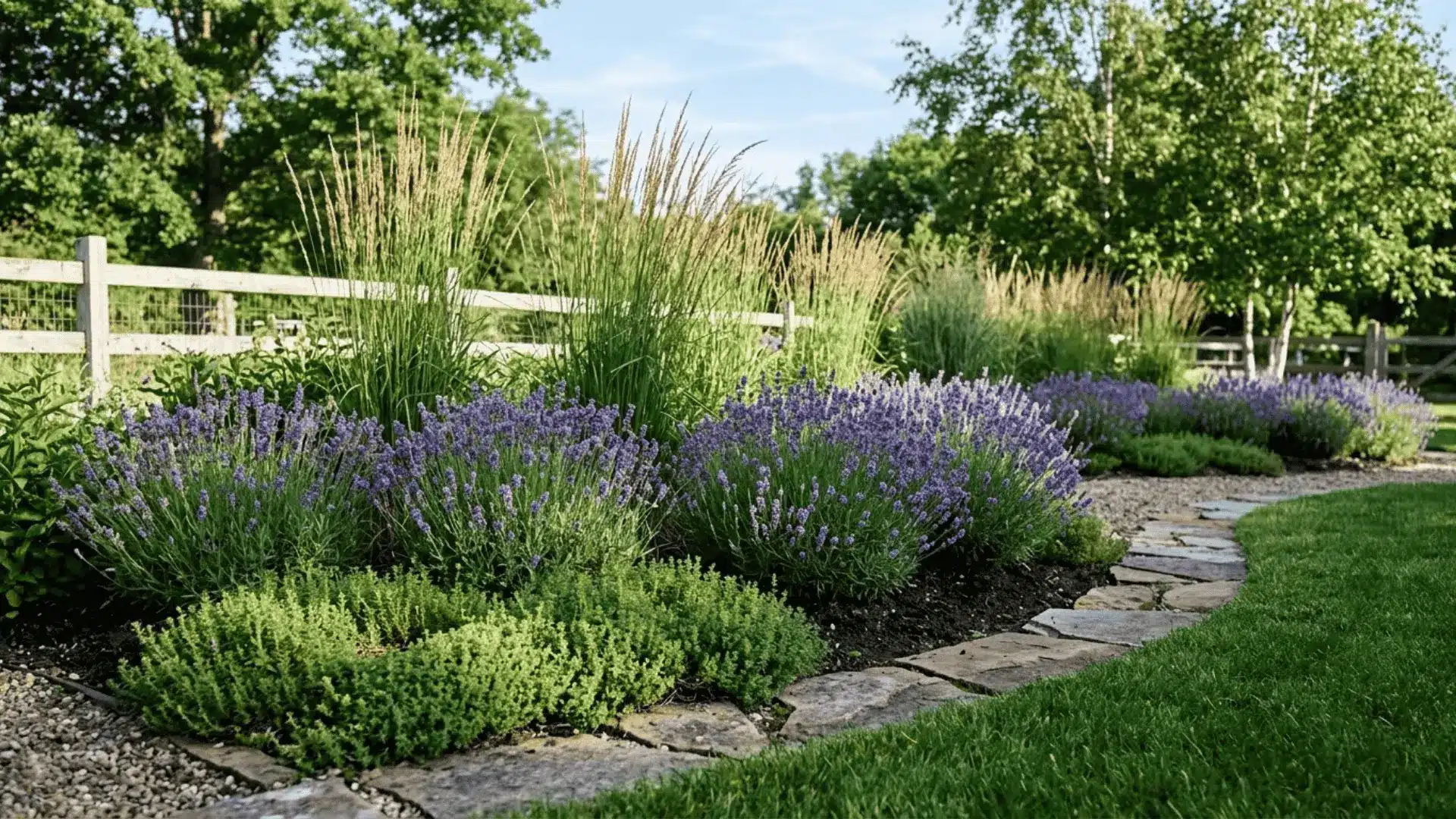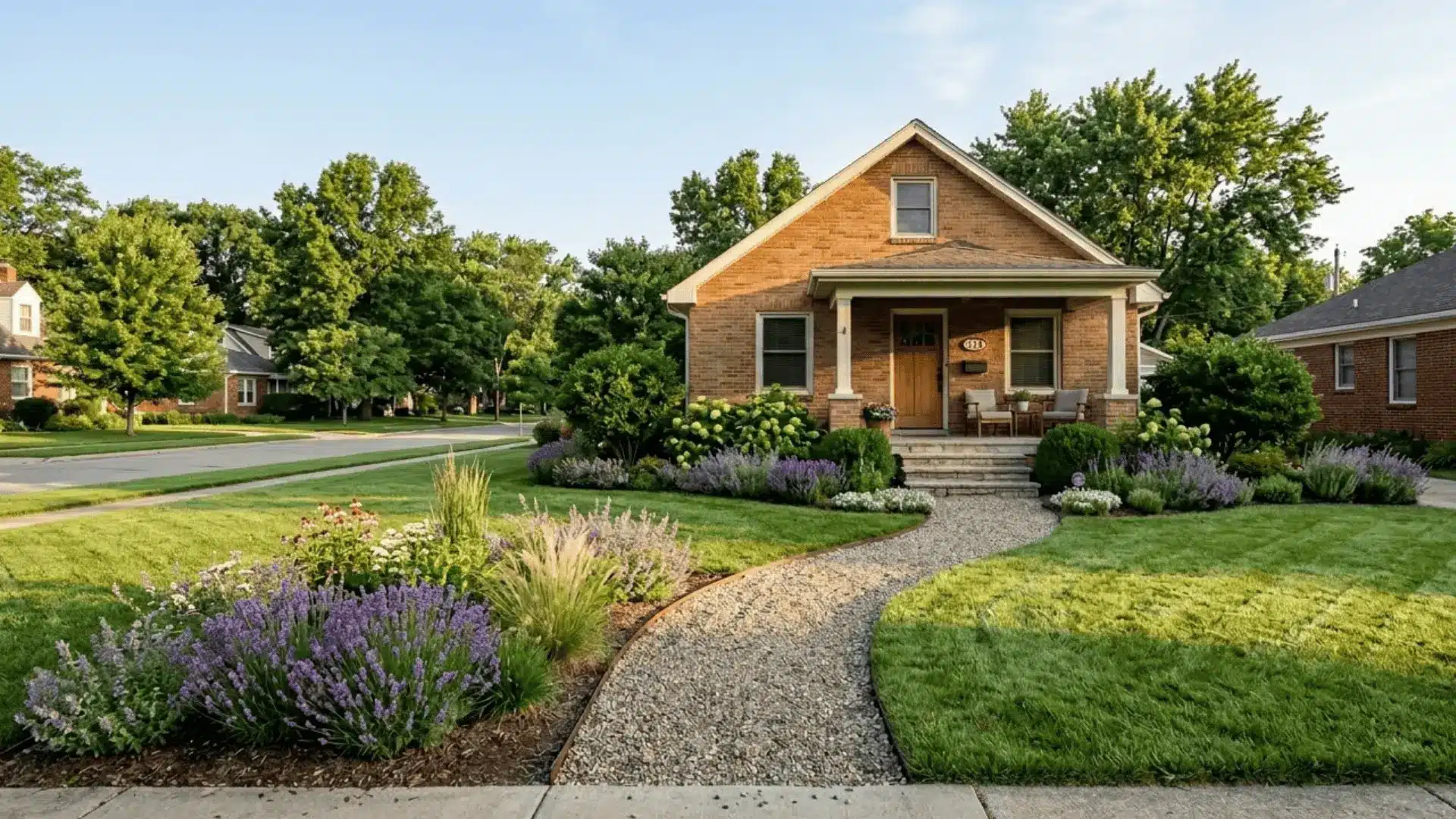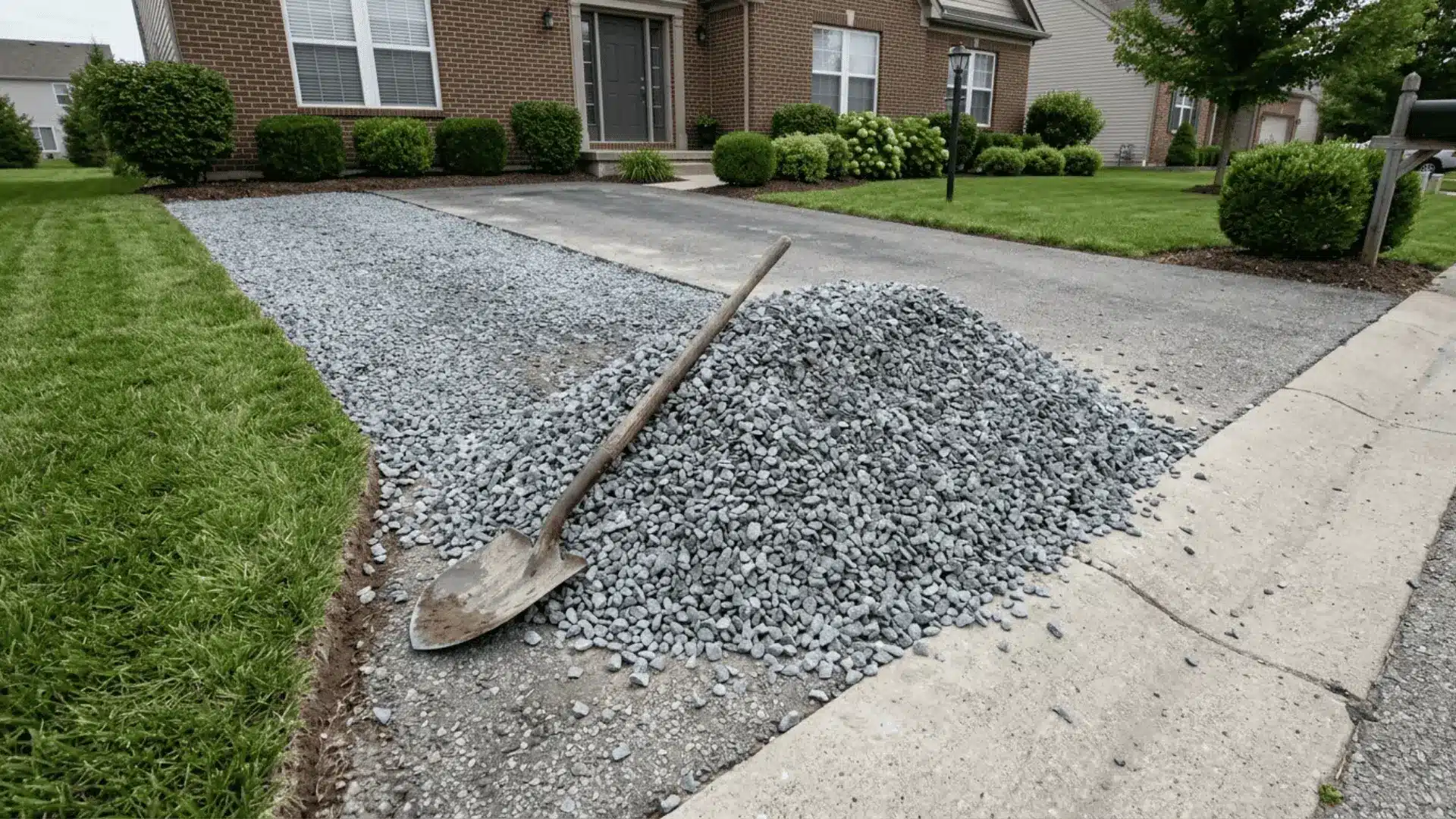
Figuring out gravel coverage feels deceptively simple until you’re standing at the checkout with the wrong amount.
Too little and the project stalls; too much and you’ve spent money on bags collecting dust in the garage.
Getting this right comes down to a few key numbers that most guides skip over.
Here, we’re walking through coverage per cubic yard, what a dump truck load actually gets you, and the easiest ways to calculate exactly what your space needs.
What is a Cubic Yard of Gravel?
A cubic yard is simply the standard unit landscapers and suppliers use to measure bulk materials like gravel.
It’s a cube stretching three feet in every direction, and it holds more material than most people expect, which is exactly why it’s the go-to measurement for larger projects.
Weight-wise, one cubic yard typically runs between 2,500 and 3,000 pounds, depending on the gravel type, so knowing this upfront helps when deciding between a pickup haul and a full delivery.
Gravel Coverage Chart
Before ordering, it helps to know how far one cubic yard actually stretches across your space.
Depth plays a bigger role than most people realize, and this quick reference breaks it down so you’re not left guessing at the supply yard.
| Depth | Coverage per Cubic Yard | Best Used For |
|---|---|---|
| 2 inches | ~162 sq ft | Decorative top layer, light foot traffic paths |
| 3 inches | ~108 sq ft | Standard driveways, garden beds |
| 4 inches | ~81 sq ft | High-traffic driveways, base layers |
| 6 inches | ~54 sq ft | Heavy-load areas, drainage projects |
A deeper layer means less square footage covered, so matching the right depth to your project type keeps both your budget and your results on track.
How Much Does a Dump Truck Load Cover?
Ordering by the dump truck load is usually the most cost-effective route for larger projects. Knowing what each load size actually covers helps you order with confidence the first time.
Dump Truck Capacity
Dump trucks typically carry anywhere from 10 to 20 cubic yards of gravel per load, though the exact amount depends on the truck size and your supplier.
Smaller loads work well for residential driveways and garden projects, while larger loads suit commercial jobs or expansive landscaping.
Always confirm the load size with your supplier before placing an order, since capacity can vary more than most people expect.
Coverage by Load Size
Here’s a straightforward breakdown of how far each load size reaches at a standard 3-inch depth:
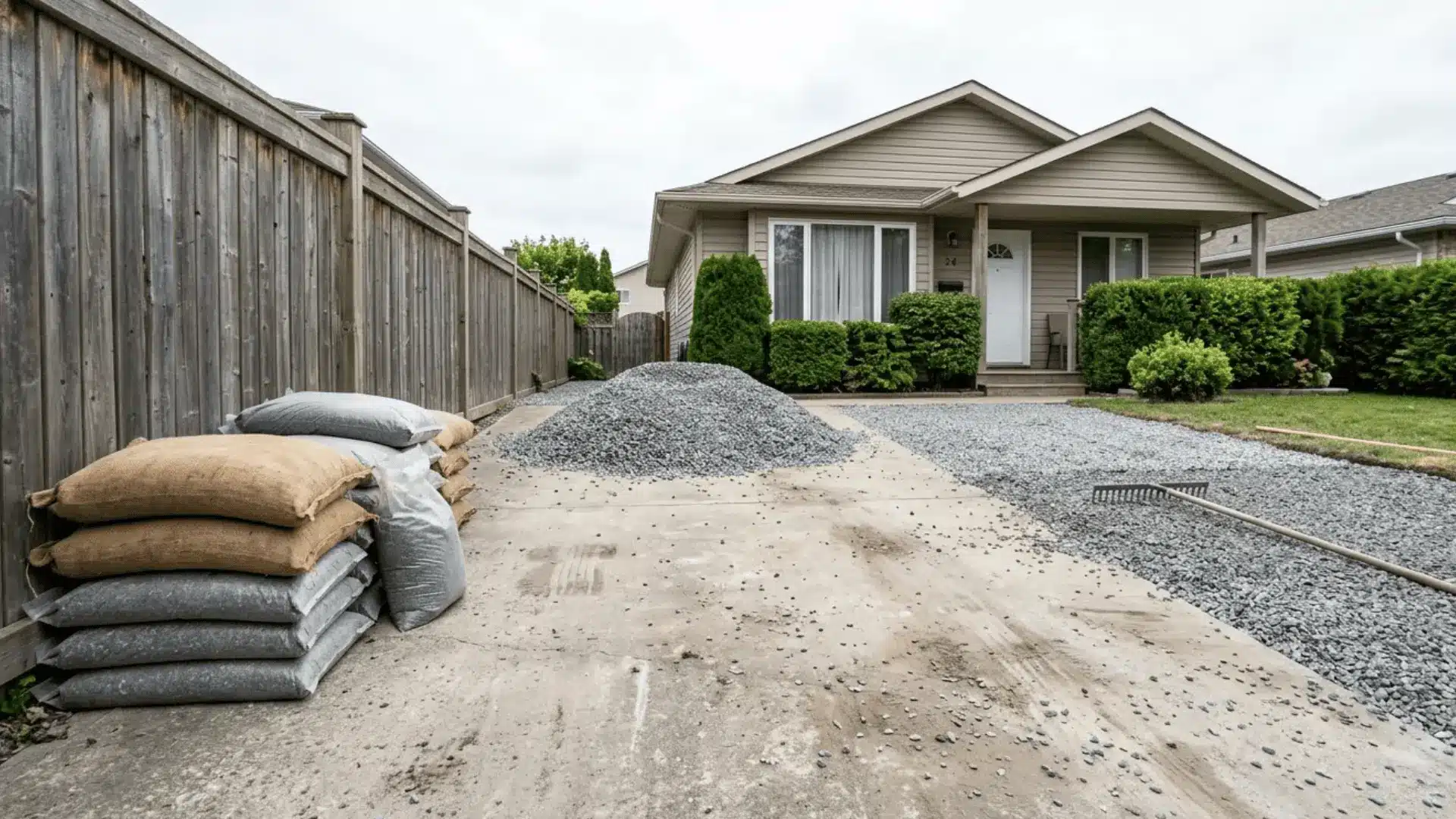
- 10 cubic yards covers roughly 1,000 sq ft, ideal for a standard residential driveway.
- 15 cubic yards stretches to around 1,500 sq ft, good for larger driveways or pathways.
- 20 cubic yards reaches up to 2,000 sq ft, suited for expansive landscaping or commercial areas.
Factors That Affect Gravel Coverage
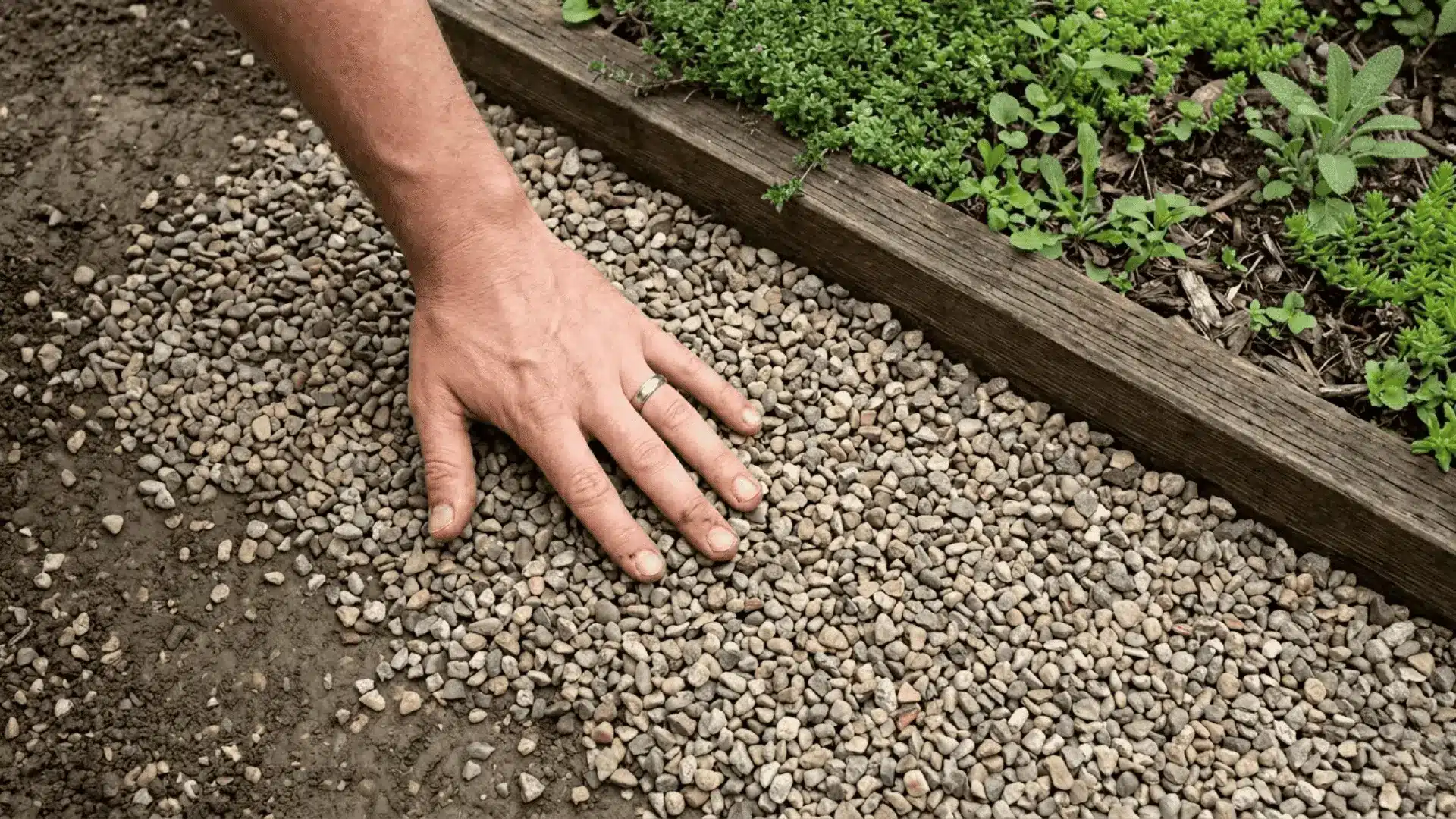
Coverage numbers from a chart are a solid starting point, but real-world results depend on a few variables that are easy to overlook.
Getting familiar with these before you order saves you from an unexpected second trip to the supplier.
1. Depth of Gravel
Depth is the most direct factor in how far your gravel goes. Thicker layers consume more material and reduce the total area you can cover with a single cubic yard.
Even a one-inch difference adds up significantly across a large space, so being precise about your target depth before calculating keeps your estimate accurate and your order right-sized.
2. Gravel Size and Type
Not all gravel packs the same way. Larger stones leave more air gaps between them, meaning you may need more material to achieve the same visual coverage and stability as smaller, more compact gravel.
Pea gravel and crushed stone behave very differently on the ground, so factoring in the specific type you’re using leads to a much more reliable estimate.
3. Ground Preparation
The condition of your ground matters more than most guides mention. Uneven, soft, or unprepared surfaces absorb more gravel, pulling material into dips and low spots before it even settles.
Leveling and compacting the base layer first means your gravel goes further and sits more evenly across the entire project area.
How to Calculate Gravel Coverage?
Getting your gravel calculation right comes down to three straightforward steps, and once you run through them once, ordering the right amount becomes second nature for every project after.
- Step 1: Measure your area by multiplying the length and width of your space in feet.
- Step 2: Choose your depth, keeping it between two and four inches for most standard residential projects.
- Step 3: Multiply length × width × depth (in feet) to get your total cubic feet.
- Step 4: Divide by 27 to convert cubic feet into cubic yards, which is how suppliers price and sell gravel.
For example: A driveway measuring 10 ft × 20 ft at a three-inch (0.25 ft) depth works out to 50 cubic feet, which divides down to roughly 1.85 cubic yards.
Once you have that cubic yard number in hand, you can match it against your supplier’s load sizes and price per yard without any guesswork, pulling your budget off track.
Gravel Coverage for Common Projects
Every project has its own depth requirements, and using the wrong one either leaves the surface looking thin or eats through your budget faster than expected.
This breakdown keeps the guesswork out of your planning.
| Project Type | Recommended Depth | Coverage per Cubic Yard | Notes |
|---|---|---|---|
| Driveways | 4 to 6 inches | 54 to 81 sq ft | Deeper layer handles vehicle weight and frequent use |
| Walkways | 2 to 3 inches | 108 to 162 sq ft | Lighter depth works well for foot traffic only |
| Landscaping Beds | 2 to 3 inches | 108 to 162 sq ft | Decorative gravel stays effective at shallower depths |
How Many Yards of Gravel Do You Need?
Running through a quick example makes this much easier to grasp.
A 12 ft × 20 ft driveway at a four-inch depth works out to roughly 3 cubic yards, which is a manageable single delivery for most suppliers. For landscaping beds, the same area at two inches drops closer to 1.5 cubic yards.
To avoid underestimating, always round up to the nearest half yard when placing your order.
Uneven ground, material settling, and edge spillage quietly eat into your total, and a small buffer upfront costs far less than a second delivery later.
Tips to Avoid Ordering Too Much or Too Little
An accurate order comes down to a few small habits that most first-timers skip over. These pointers keep your estimate tight and your project running without interruption.
- Add a ten percent buffer to your final cubic yard number to account for spillage and uneven spreading.
- Factor in settling since gravel compacts over time, and a freshly laid surface will sit lower than expected after the first few weeks.
- Order in bulk for larger projects, as most suppliers offer better pricing per yard once you cross a certain volume threshold.
- Measure twice before calling your supplier, since correcting an order mid-delivery is rarely a smooth or cheap experience.
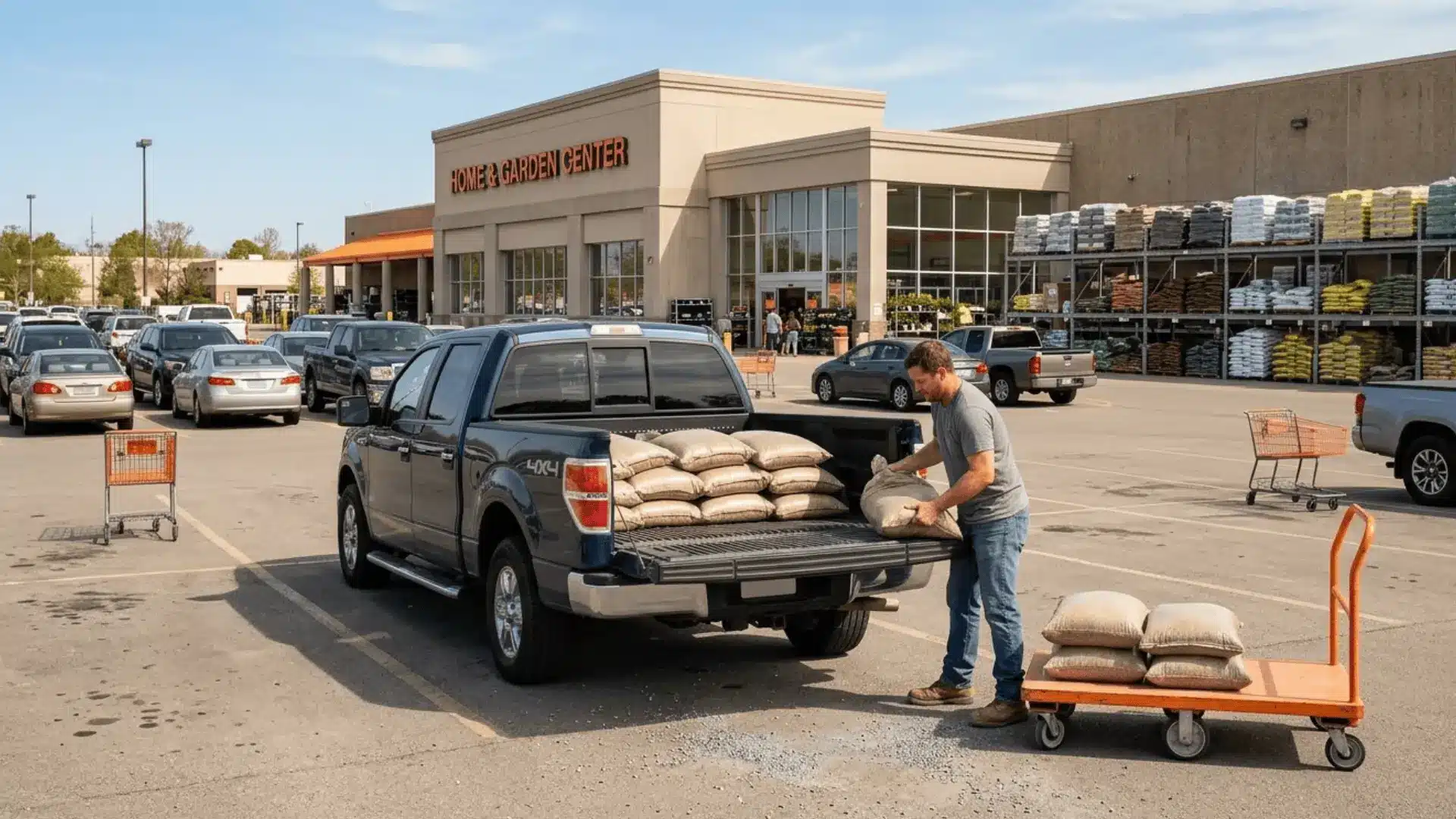
- Check with your supplier about partial yard options, since 50 lb or 80 lb bags fill that gap when your project only needs a little more
A little extra planning at the calculation stage goes a long way, and these small checks are what separate a smooth project from one that runs into avoidable hiccups halfway through.
Cost Considerations
Gravel pricing shifts based on material type, location, and how much you’re ordering at once.
Having a ballpark for each cost factor before you call a supplier keeps the conversation straightforward and the budget realistic.
| Cost Factor | Typical Range | What Influences It |
|---|---|---|
| Cost per cubic yard | $15 to $75 per yard | Gravel type, local availability, and supplier pricing |
| Dump truck delivery | $150 to $600 per load | Distance from supplier, load size, and regional demand |
| Regional price variations | Up to 30% difference | Transportation costs, local material availability, and seasonal demand |
| Bulk order discounts | 5% to 15% savings | Total volume ordered and supplier policies |
Regional pricing can swing your total cost significantly, so pulling quotes from at least two or three local suppliers before committing gives you a much clearer picture of what a fair rate looks like in your area.
The Bottom Line
Getting gravel coverage right comes down to knowing your space, your depth, and your project type before anything else.
With the right measurements and this guide as your reference, ordering the correct amount feels far less overwhelming than it used to.
Sorting out a driveway, a walkway, or a landscaping bed all start with accurate gravel coverage planning, and that one step saves both money and unnecessary stress.
Have a project in the works or a calculation you’re unsure about? Drop it in the comments and let’s figure it out together.