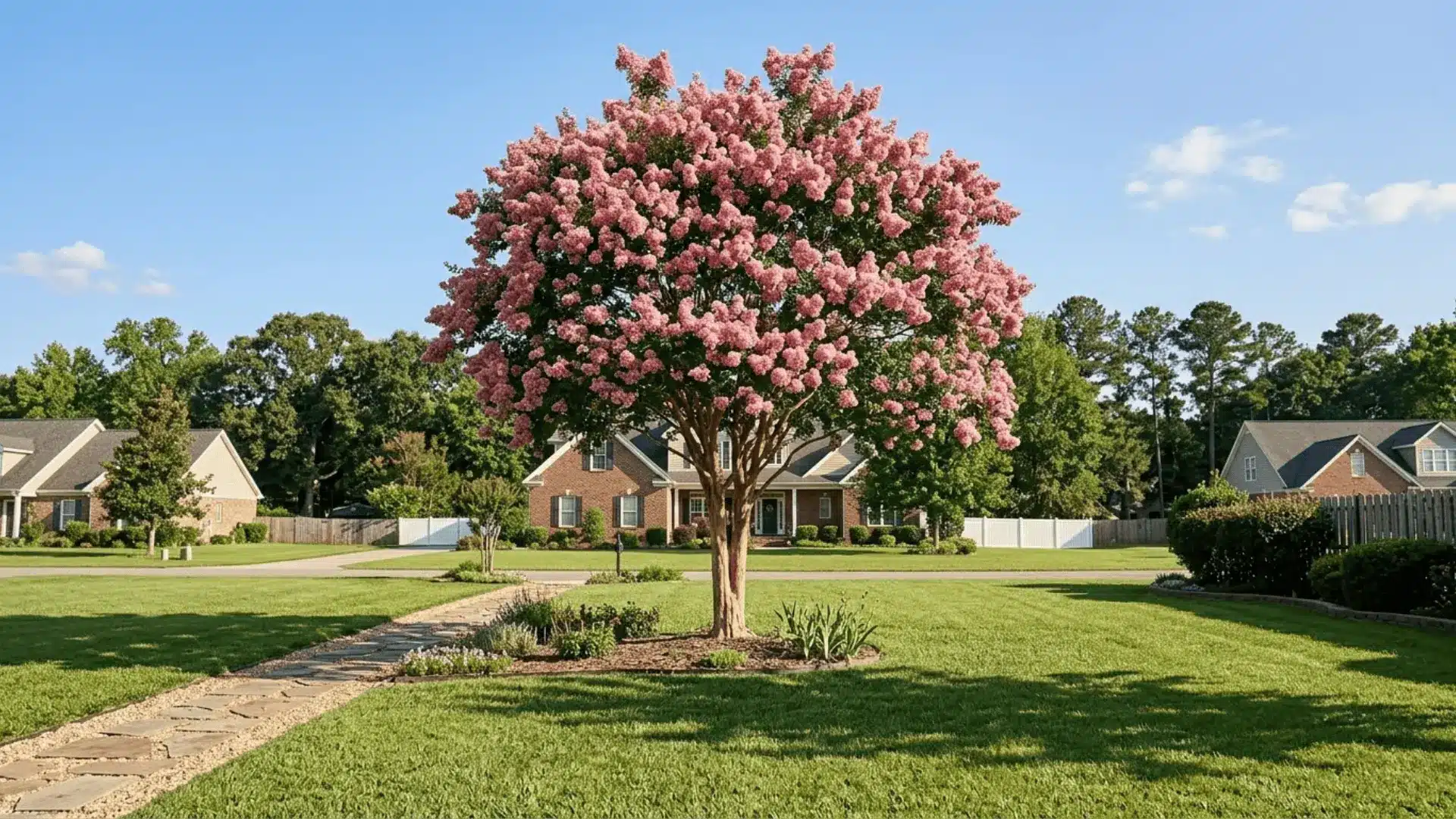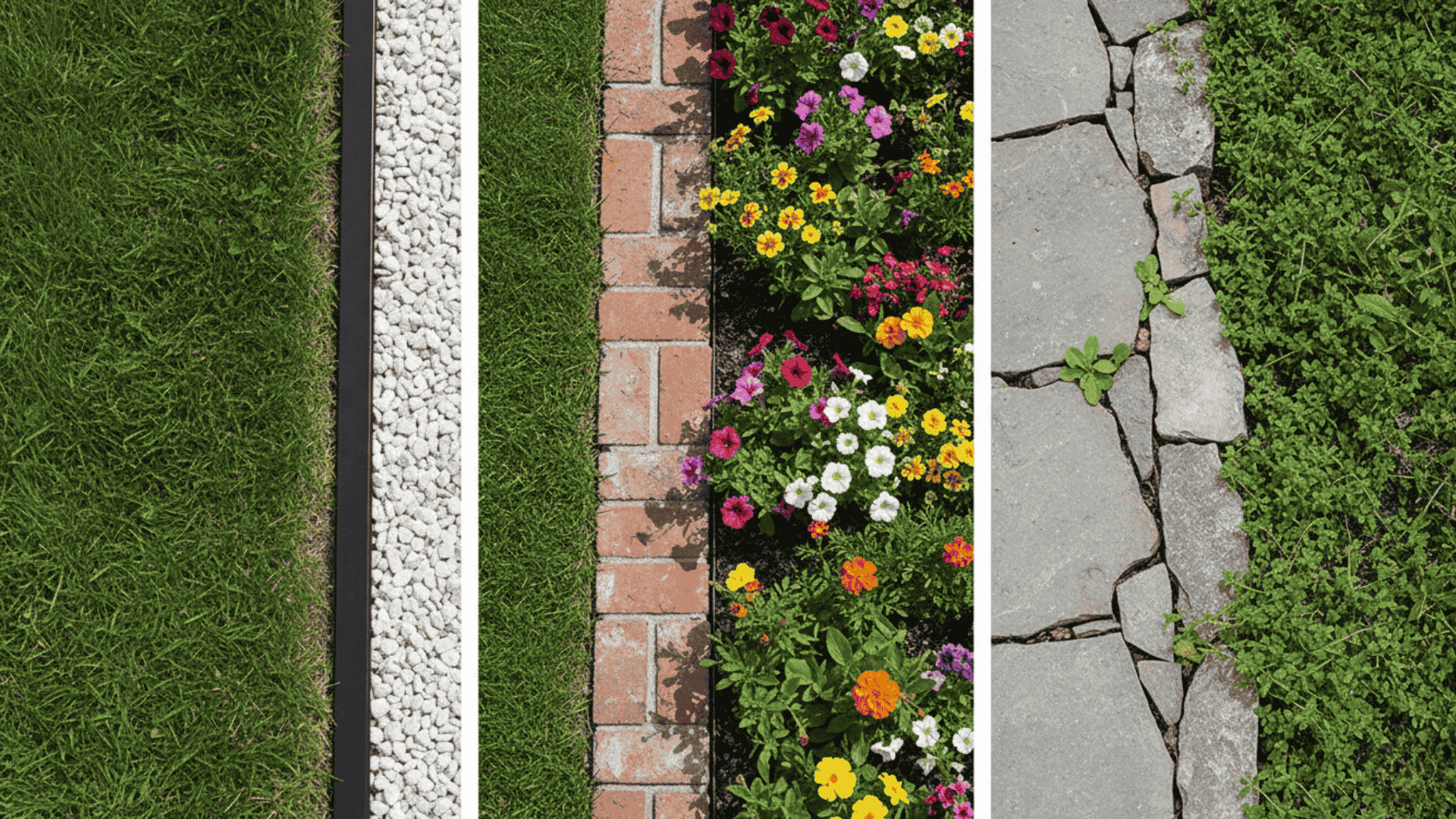
Messy lawn lines ruin an otherwise beautiful yard. Grass creeps into flower beds. Mulch spills onto pathways. Your landscape looks unfinished, no matter how much you weed or trim.
Garden edging fixes this problem fast. A solid border keeps materials where they belong and cuts your maintenance time in half. Some options cost almost nothing. Others last 30 years without repair.
This guide covers garden edging ideas for every style and budget. You’ll learn which materials work best, how to install them correctly, and simple tricks to keep borders looking sharp all year.
Ready to give your yard those crisp, professional lines? Let’s get started.
What is Garden Edging?
Garden edging is a physical barrier installed between different areas of your yard. It separates lawn from flower beds, paths from planting areas, or gravel from grass.
Edging holds materials in place, stops grass from spreading, and creates clean visual lines. Materials range from metal and concrete to stone and wood.
The right edging reduces maintenance time and gives your landscape a finished, organized appearance.
Best Materials for Landscape Edging
Different materials offer unique benefits for your borders. Compare these options to find the best option for your specific needs and budget.
| Material | Durability | Cost | Best For | Installation |
|---|---|---|---|---|
| Steel | 20+ years | High | Modern yards, straight lines | Moderate |
| Aluminum | 15-20 years | Medium-High | Curves, lightweight needs | Easy |
| Brick | 25+ years | Medium | Traditional homes, formal beds | Moderate |
| Stone | 30+ years | High | Rustic gardens, slopes | Hard |
| Concrete | 20-30 years | Medium | Mow-over edges, paths | Hard |
| Wood | 5-10 years | Low-Medium | Raised beds, cottage gardens | Easy |
| Plastic | 10-15 years | Low | Budget projects, hidden edges | Easy |
| River Rock | 20+ years | Medium | Natural look, drainage areas | Easy |
Modern and Clean Garden Edging Ideas
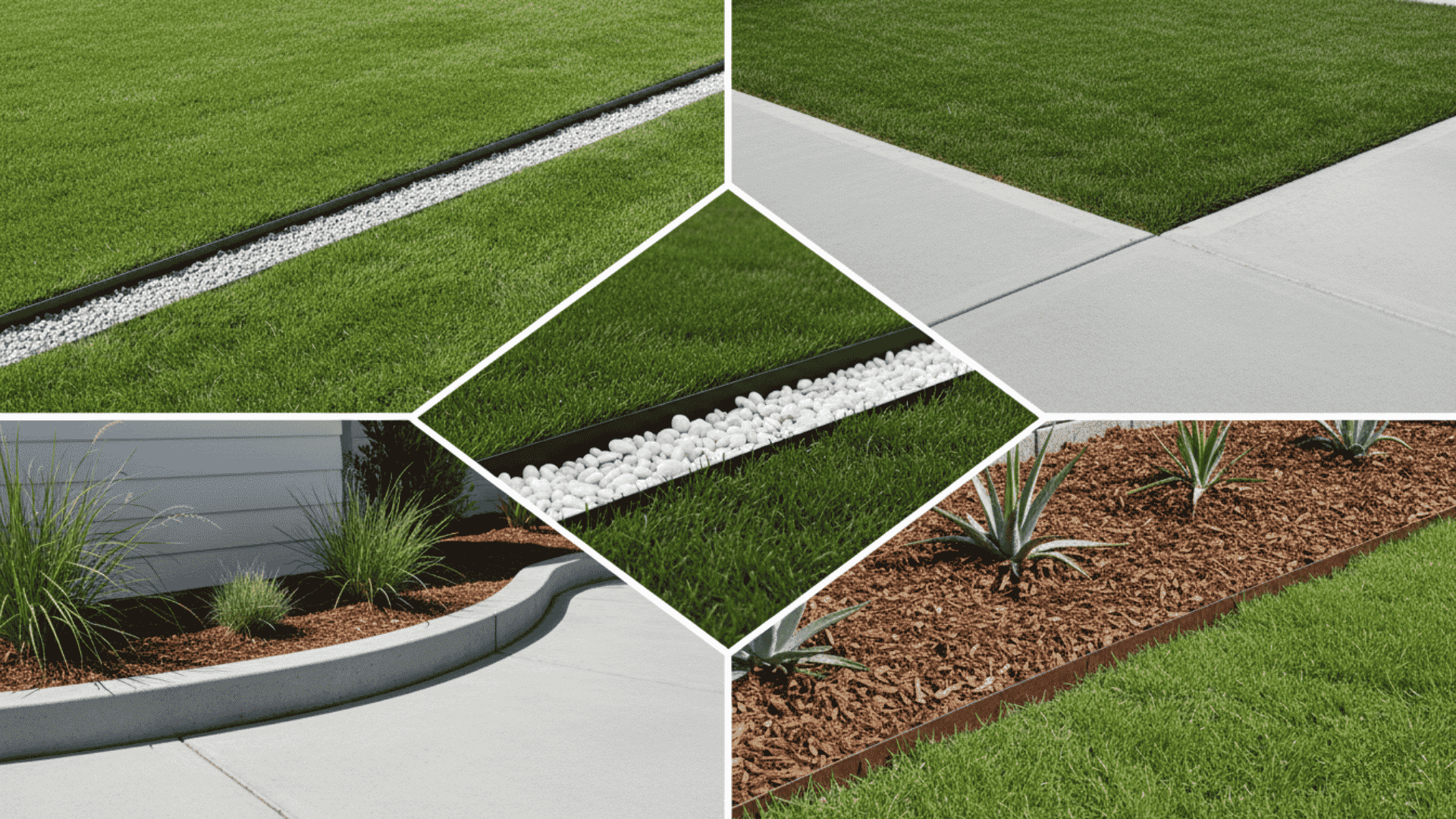
Sleek lines define modern yards. These garden edging ideas emphasize low visibility and sharp borders that complement contemporary designs.
1. Steel strip edging for sharp, uninterrupted borders: Steel strips create clean lines that last for years. They hold their shape well and work perfectly with gravel or mulch beds.
2. Aluminum landscape edging for lightweight precision: Aluminum offers strength without the weight. It resists rust and bends easily around curves while maintaining a polished look.
3. Flush concrete edging for mow-over lawn edges: This edging sits level with your grass. You can mow right over it without lifting the mower or trimming by hand.
4. Black metal edging paired with gravel beds: Black metal disappears into darker ground covers. It provides a hidden barrier that keeps gravel from spreading onto lawns.
5. Narrow poured concrete curves for modern gardens: Poured concrete follows any shape you design. It creates smooth transitions and withstands heavy foot traffic.
Classic and Timeless Garden Edging Ideas
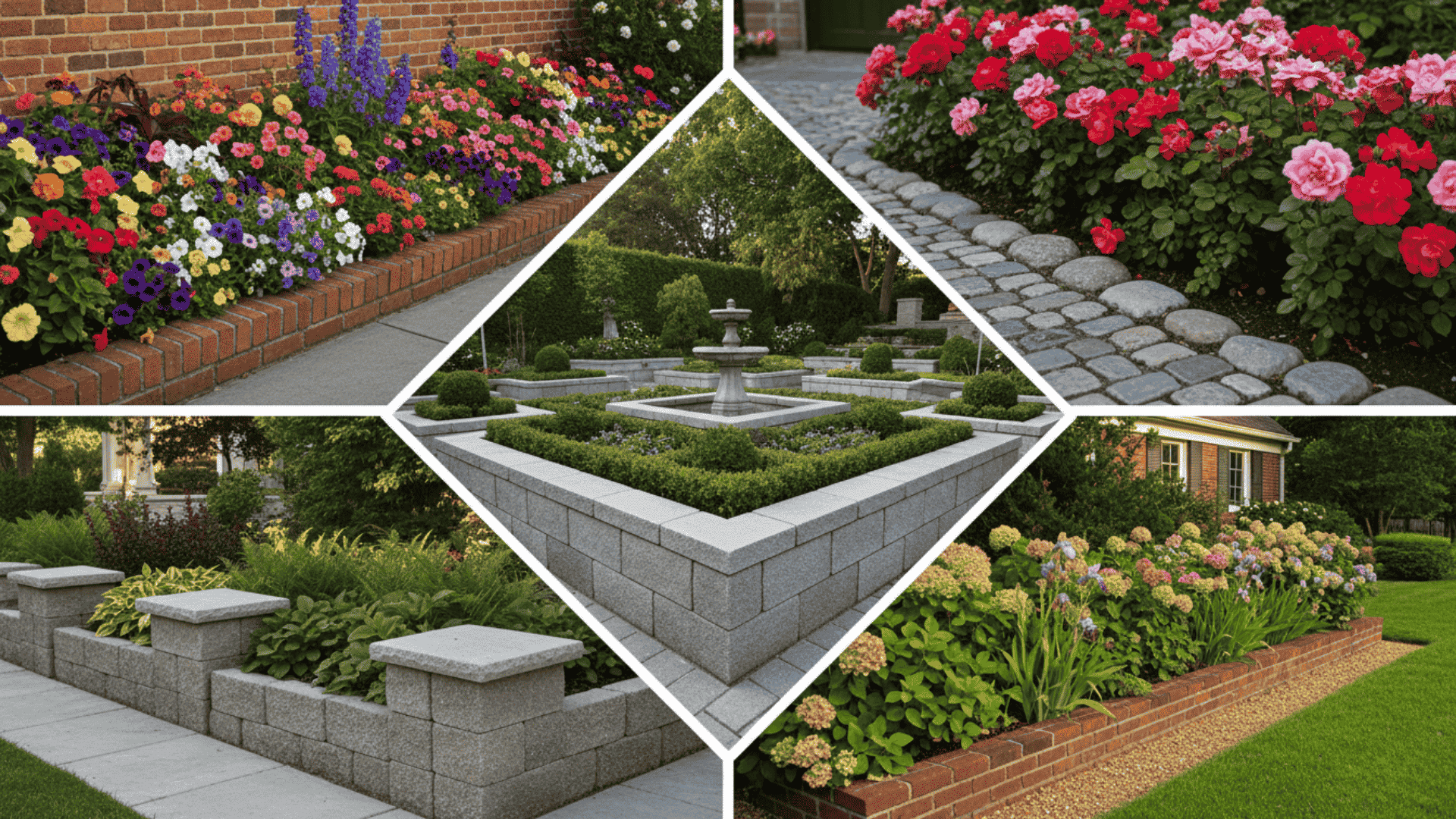
Traditional homes deserve borders that match their character. These garden edging ideas bring lasting style and work well with established landscapes.
6. Brick soldier-course edging: Bricks stand on end to form a formal border. This method has defined garden beds for generations and still looks fresh today.
7. Cobblestone garden borders: Rounded cobblestones add texture and history to beds. They suit Victorian and colonial homes perfectly and improve with age.
8. Cut stone edging for formal beds: Precisely cut stone creates refined borders. It elevates garden beds and adds significant value to your property.
9. Concrete block edging with caps: Stacked blocks with finished caps make sturdy borders. They cost less than natural stone but provide a similar structure and weight.
10. Brick-and-gravel combination borders: Mixing brick with gravel offers visual interest. The brick holds everything in place while gravel fills gaps and aids drainage.
Natural and Rustic Garden Edging Ideas
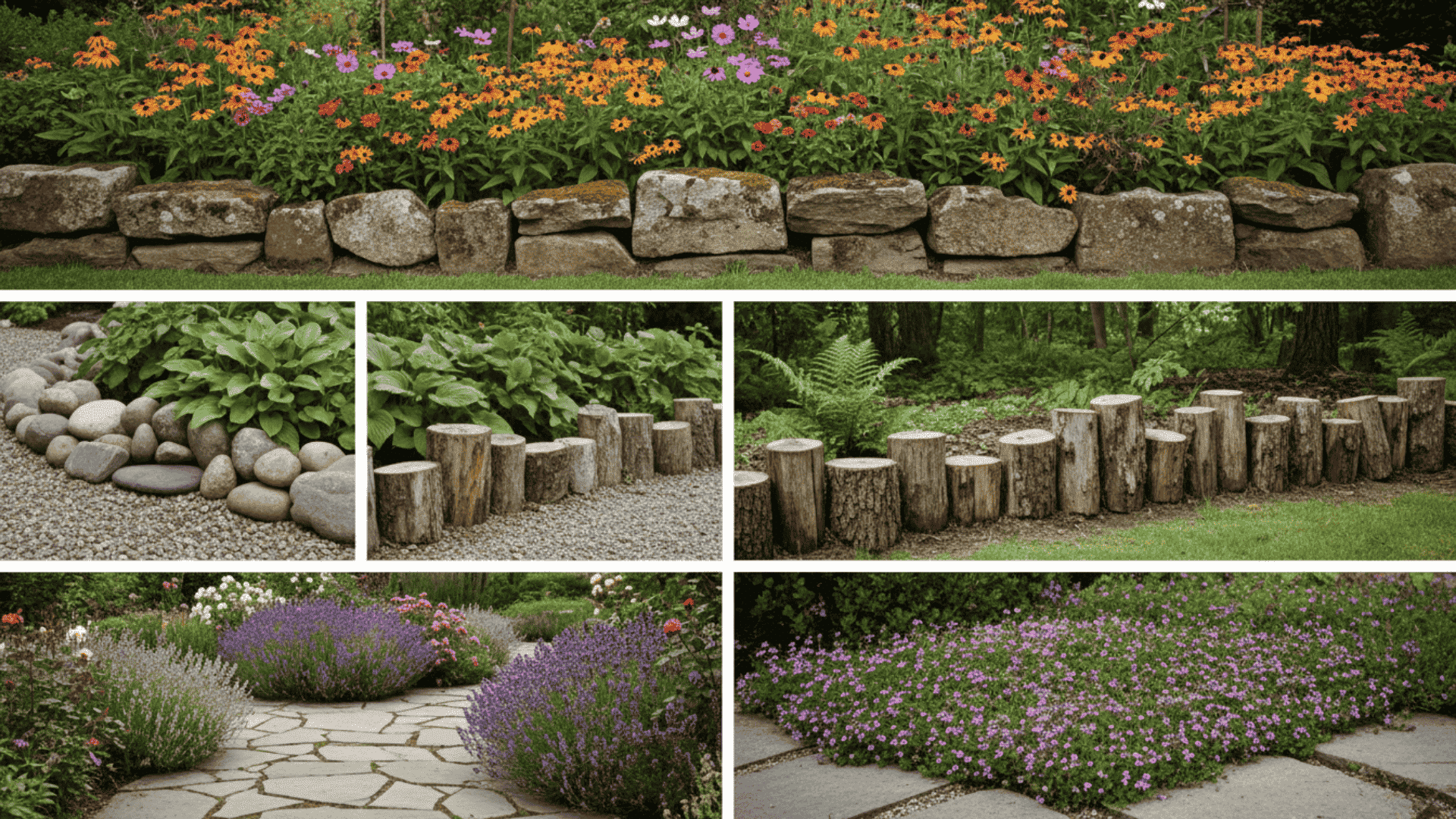
Organic materials blend gardens into their surroundings. These garden edging ideas work beautifully in cottage gardens and natural settings.
11. Fieldstone garden edging: Irregular stones from fields create relaxed borders. Each piece is unique, and the random placement feels unforced and natural.
12. River rock or pebble edging: Smooth rocks collected from streams make gentle borders. They allow water to flow through while clearly defining planting areas.
13. Wooden log or timber edging: Split logs laid horizontally form rustic barriers. They work well in woodland gardens and soften over time as they weather.
14. Natural stone slab borders: Flat stones set in soil create solid edges. They warm in the sun and provide shelter for beneficial insects.
15. Living plant edging using low-growing perennials: Plants like creeping thyme form living borders. They spread slowly, smell wonderful when stepped on, and never need replacing.
Budget-Friendly and DIY Garden Edging Ideas
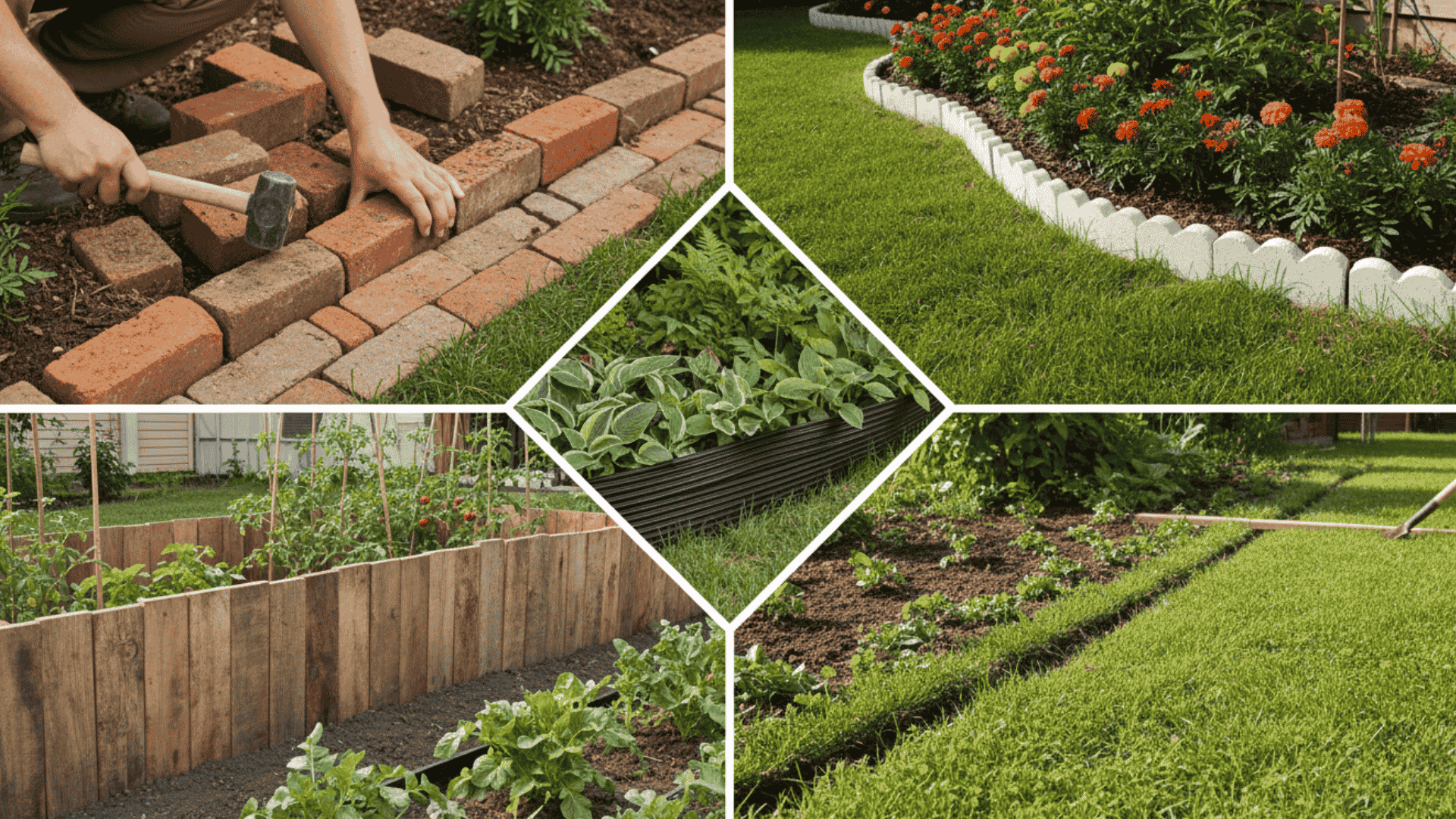
Great borders don’t require big budgets. These garden edging ideas use affordable materials and simple installation methods anyone can manage.
16. Recycled brick edging: Used bricks from demolition sites cost very little. Their weathered look adds instant character to new gardens.
17. Concrete scalloped edging: Precast concrete pieces interlock easily. You can install them in an afternoon, and they last for decades.
18. Plastic landscape edging used discreetly: Black plastic edging hides well behind plants. It flexes around curves and keeps grass roots from spreading into beds.
19. Wooden pallet garden borders: Free pallets disassemble into usable planks. Stand them vertically for quick raised bed walls that suit casual gardens.
20. Trench-cut natural lawn edging: A clean trench cut with a spade costs nothing. It requires regular maintenance but creates the sharpest possible line between lawn and bed.
Garden Edging for Paths and Driveways
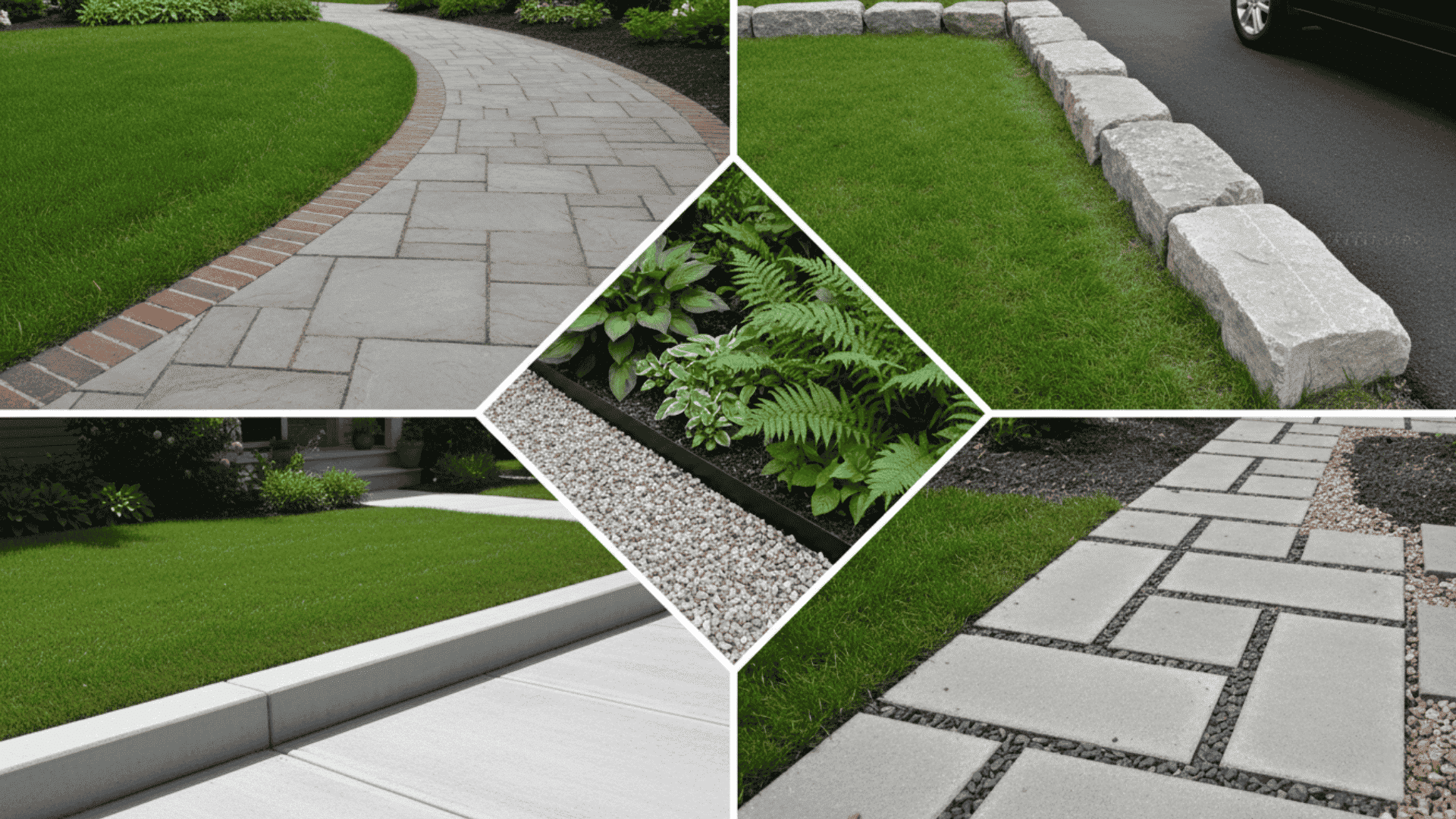
Transitions between surfaces need strong borders. These garden edging ideas handle foot traffic and vehicle weight while preventing material migration.
21. Brick edging along walkways: Laid flat or on edge, bricks guide foot traffic. They prevent path materials from scattering and significantly reduce trip hazards.
22. Stone edging between lawn and driveway: Heavy stones withstand car tires rolling over them. They protect grass edges from getting damaged and define parking areas.
23. Metal edging for gravel paths: Thin metal strips keep gravel contained. They’re nearly invisible but prevent stones from spreading across lawns or into flower beds.
24. Raised concrete curb edging: Poured curbs stop water runoff effectively. They guide drainage away from foundations and create clear boundaries for vehicles.
25. Paver edging with gravel infill: Pavers set in mortar form solid borders. Gravel between them allows water through while maintaining a finished appearance.
Garden Edging for Raised Beds and Sloped Areas
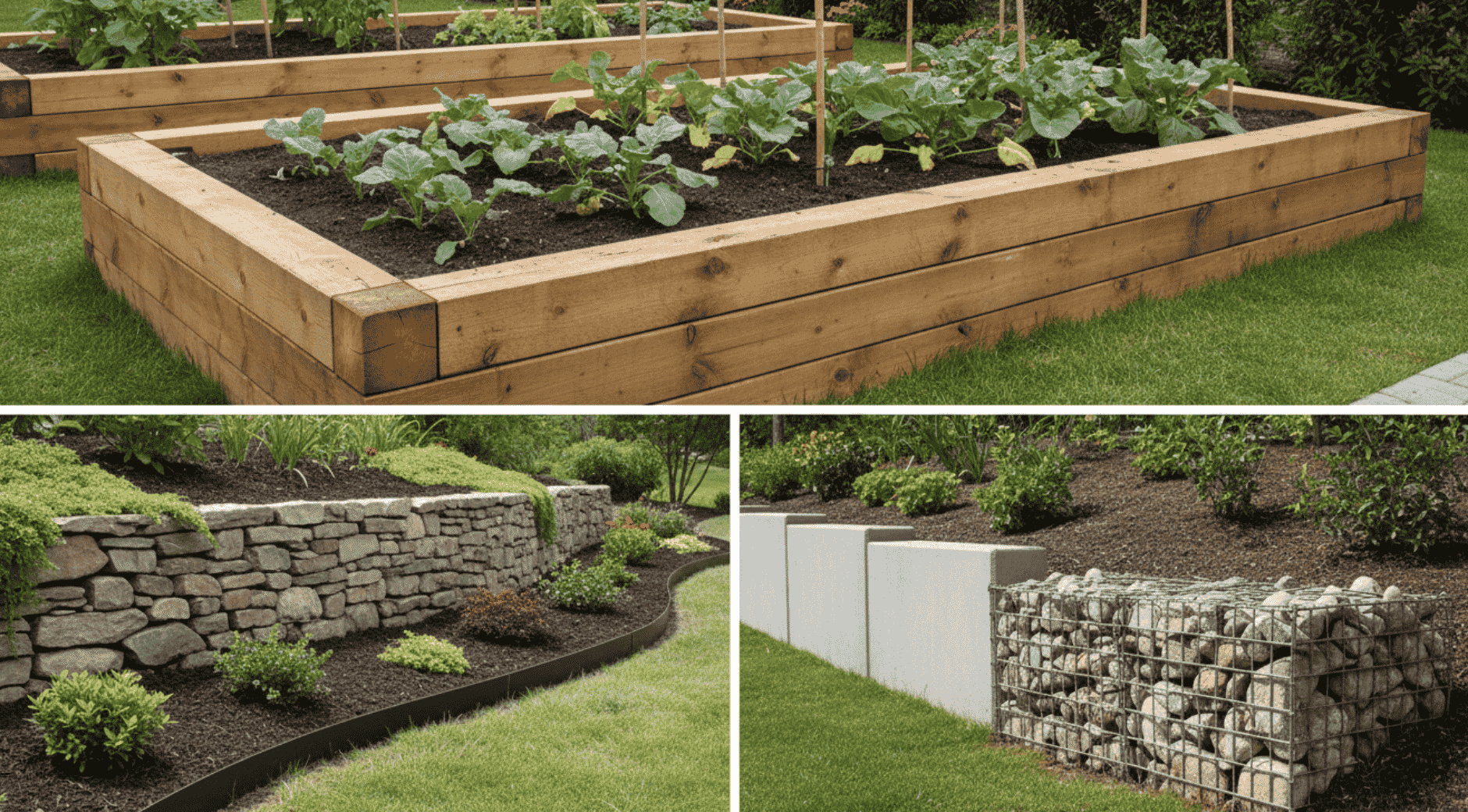
Uneven terrain requires edging that holds soil in place. These garden edging ideas manage slopes and create level planting surfaces.
26. Timber edging for raised garden beds: Thick timbers stacked horizontally retain soil well. They create deep beds that warm quickly in spring and drain efficiently.
27. Stacked stone edging for slopes: Dry-stacked stones form terraces on hillsides. Each tier catches water and prevents soil from washing downhill during storms.
28. Concrete retaining-style edging: Poured concrete walls hold back heavy soil loads. They last indefinitely and can reach several feet high when properly reinforced.
29. Metal edging for terraced gardens: Flexible metal bends to follow contours. It stakes firmly into slopes and resists shifting even in loose soil.
30. Gabion-style rock edging: Wire cages filled with rocks make strong barriers. They allow water through while holding soil firmly on steep grades.
How to Install Garden Edging: Step-By-Step
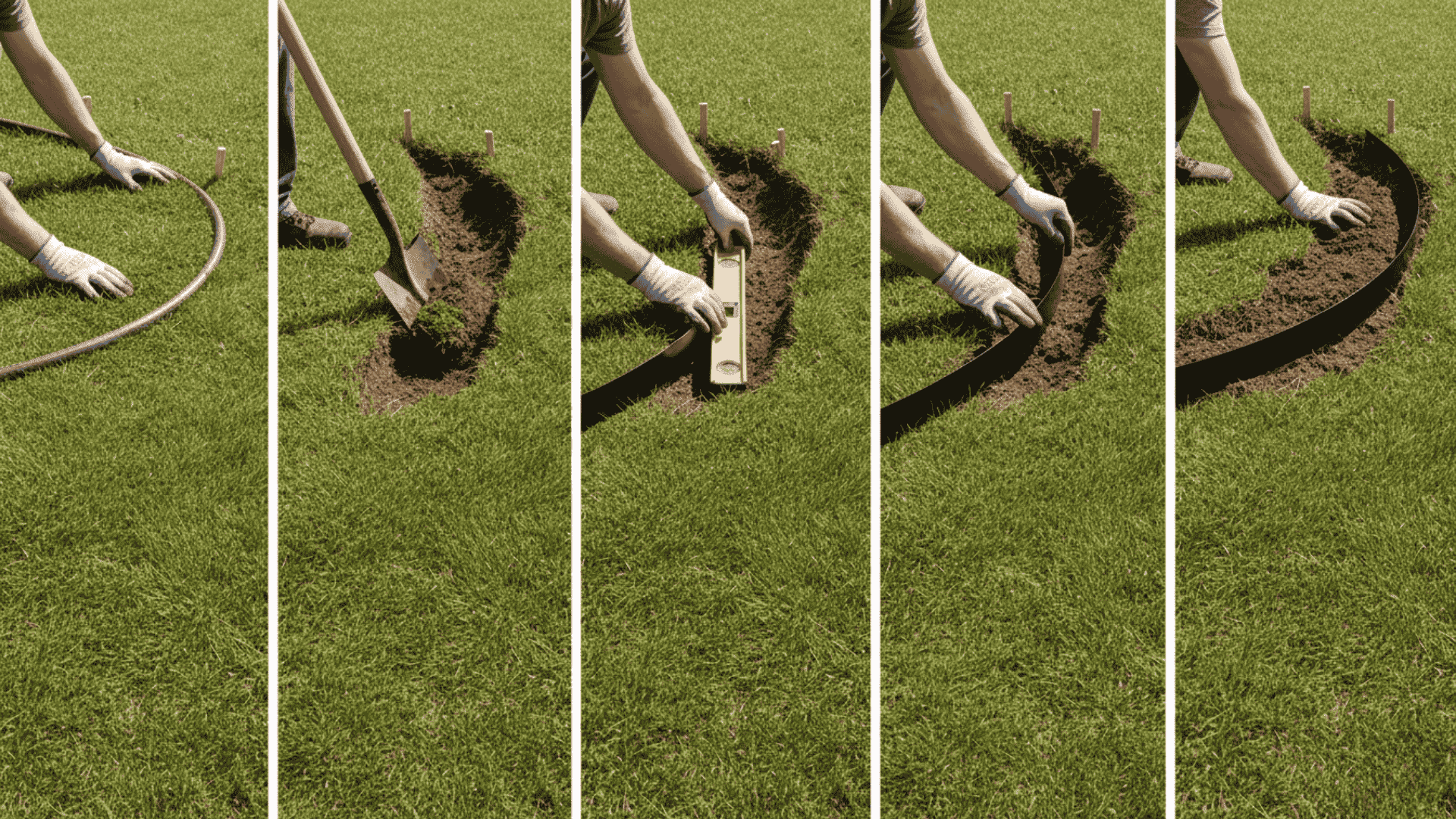
Installing garden edging takes planning and patience. Follow these steps to create clean, lasting borders that hold their shape for years.
Step 1: Mark Your Border Line
Use a garden hose or spray paint to outline where the edging will go. Step back and view it from different angles to ensure the curve or line looks right. Adjust as needed before you start digging.
Step 2: Dig a Trench Along the Marked Line
Cut a narrow trench using a flat spade or edging tool. Make it deep enough so your edging material sits at the right height. Remove all grass roots and loose soil from the trench.
Step 3: Level the Trench Bottom
Check that the trench base is even using a level. Add or remove soil to create a consistent depth throughout. This prevents your edging from tilting or sinking in spots.
Step 4: Set Your Edging Material in Place
Place your chosen edging into the trench section by section. Push materials firmly against the back wall of the trench. Connect pieces according to the manufacturer’s instructions if using metal or plastic.
Step 5: Backfill and Secure the Edging
Pack soil tightly on both sides of the edging. Tamp it down firmly with your foot or a hand tamper. Water the area to help the soil settle, then add more if gaps appear.
Maintenance Checklist: Keeping Edges Crisp Year-Round
Regular upkeep keeps your borders looking sharp. Simple maintenance tasks prevent problems and extend the life of your garden edging ideas.
- Trim grass and weeds monthly along the edge line: Use shears or a trimmer to cut growth that creeps over borders.
- Clear debris and mulch that covers edging: Remove leaves, dirt, and displaced mulch so the edge remains visible.
- Reset any shifted or sunken sections: Lift and reposition pieces that have moved or sunk below ground level.
- Refill soil gaps on both sides of the edging: Pack fresh soil into spaces where erosion or settling has created hollows.
- Inspect for rust, rot, or damage twice yearly: Check metal for corrosion and wood for decay, then repair or replace as needed.
How to Choose Between Garden Edging?
Consider your yard’s style, your budget, and how much work you want to do. Modern homes pair well with metal or concrete, while traditional properties suit brick or stone.
Think about installation difficulty and whether you need professional help. Factor in durability and how often you’ll need to replace materials.
Choose edging that matches your soil type and handles your climate’s freeze-thaw cycles. Your choice should also work with your mowing style and the curves in your landscape design.
Final Thoughts
Clean borders convert your entire yard.
The right garden edging ideas stop grass from spreading, hold mulch in place, and give your landscape that polished finish. You don’t need a huge budget or professional skills to make it happen.
Pick a style that matches your home. Start with one bed or path. Install it properly and maintain it regularly. Your yard will look better and need less work over time.
Which edging will you try first? Share your project in the comments below. We’d love to see how your borders turn out and hear what worked best for your space.