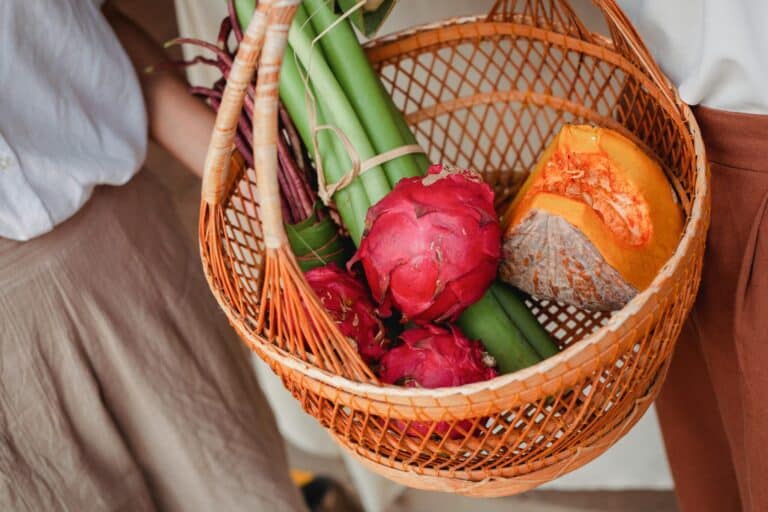
Anyone who grows their own fruits and vegetables knows the cycle: one week you’re waiting patiently for tomatoes to ripen, and the next you’re wondering what to do with a counter full of produce.
Fresh juicing is one of the simplest ways to make sure nothing goes to waste. It allows you to use surplus carrots, leafy greens, cucumbers, apples, and even herbs in a way that’s quick and nutrient-dense — especially during peak harvest season.
While whole fruits and vegetables should always be part of a balanced diet, fresh juice can be a convenient supplement when you have an abundance coming out of the garden.
Why Gardeners Turn to Slow Juicing
Traditional high-speed juicers tend to be loud, messy, and sometimes inefficient with leafy greens. Many home gardeners prefer slow juicing methods because they:
- Operate at lower speeds
- Extract juice more gradually
- Typically handle greens and softer produce well
- Produce less foam
For gardeners who regularly juice carrots, kale, celery, beets, or apples, consistency and ease of cleanup matter just as much as juice yield.
One example of a slow juicer designed with convenience in mind is the Hurom H200 easy clean slow juicer. Its larger hopper allows you to load bigger pieces of produce at once, which can be helpful when processing a large harvest. The simplified strainer design also reduces the time spent scrubbing pulp from fine mesh screens — something many juicer owners appreciate over time.
Rather than being a specialty appliance used once a month, tools like this can become part of a regular harvest routine when they’re easy to use and clean.
Smart Ways to Juice Garden Produce
If you’re new to juicing from your own garden, here are a few practical combinations that work well:
1. Leafy Green Blend
Kale or Swiss chard + cucumber + green apple + a squeeze of lemon.
2. Root Harvest Juice
Carrots + small beet + fresh ginger.
Good for using up thinning harvests or imperfect roots.
3. Citrus Garden Mix
Orange + carrot + a few mint leaves from the herb bed.
You don’t need complicated recipes — just balance sweet and earthy flavors.
A Note on Balance
Juice is best used as a complement to whole produce, not a replacement. Fiber from whole vegetables remains important, and pulp can even be reused in compost or baking to reduce waste.
For gardeners focused on sustainability, juicing can serve three purposes:
- Reducing surplus waste
- Encouraging higher vegetable intake
- Making use of slightly imperfect produce
When the goal is simply to get more of what you grow into your daily routine, keeping the process straightforward is what matters most.