

Walk into any supermarket, and you’ll find the familiar bright yellow lemon, tart and dependable.
But there’s actually a whole world of lemons beyond that standard grocery store pick. They come in different shapes, sizes, and flavors that might surprise you.
Some are sweet enough to eat straight, while others have unique aromatic qualities that work beautifully in specific recipes.
The lemon family is more varied than most of us realize, with options for baking, cocktails, preserving, or simply growing at home.
Let’s look at these different varieties and see which ones might work for what you love making.
How Lemon Varieties are Classified?
Lemons are classified in a few key ways that help explain their differences.
True lemons belong to the Citrus limon species, while many citrus fruits we call lemons are actually hybrids with other citrus relatives like oranges or citrons.
Lemons differ mainly by size, acidity level, peel thickness, and aromatic intensity. Some have thin, smooth skins perfect for zesting, while others sport thick, bumpy rinds.
Climate and growing region play a huge role, too.
Mediterranean lemons taste different from those grown in California or Asia, thanks to soil conditions, temperature, and rainfall patterns that shape each variety’s unique character.
Common & Commercial Lemon Varieties
These are the lemons you’ll most likely find at your local market or growing in backyard orchards. They’re reliable, widely cultivated, and loved for their consistent tartness and versatility in cooking.
1. Eureka Lemon
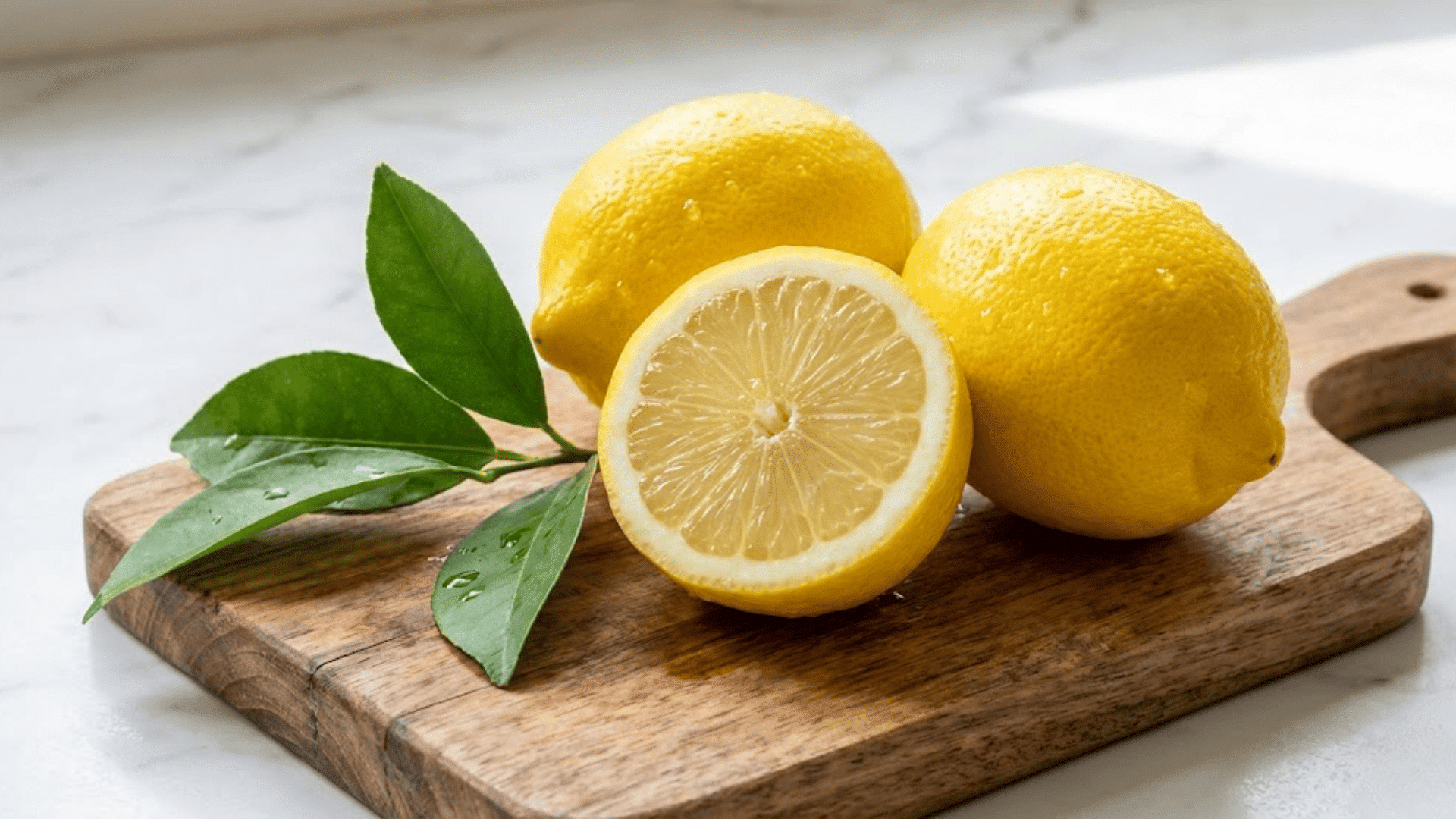
Native Region: California, USA
Growing Area: Coastal climates, USDA zones 9-11
The Eureka is the classic supermarket lemon with bright yellow skin and a reliably tart flavor. It produces fruit year-round, making it a favorite for commercial growers.
The thin skin makes it easy to zest, and the high juice content works perfectly for everything from lemonade to salad dressings. You’ll find this variety in nearly every grocery store across the country.
2. Lisbon Lemon
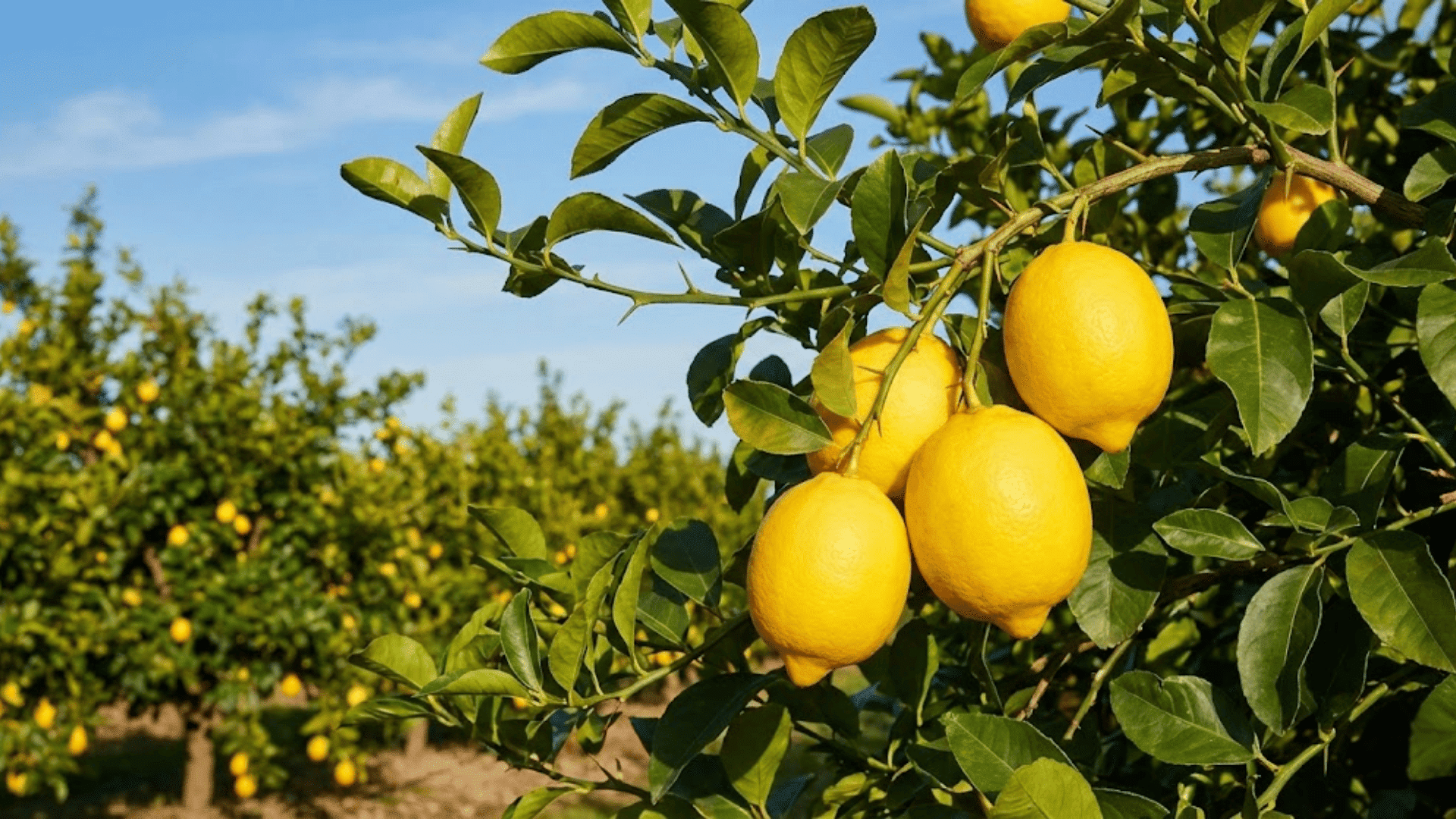
Native Region: Portugal
Growing Area: Cooler climates, USDA zones 9-10
Lisbon lemons are known for their hardiness and ability to tolerate colder temperatures better than most varieties. They’re highly acidic with a sharp, clean tartness that makes them ideal for cooking and preserving.
The tree is vigorous and thorny, producing smooth-skinned fruit mainly in winter and spring. This variety is a workhorse in commercial lemon production, especially in California.
3. Bearss Lemon
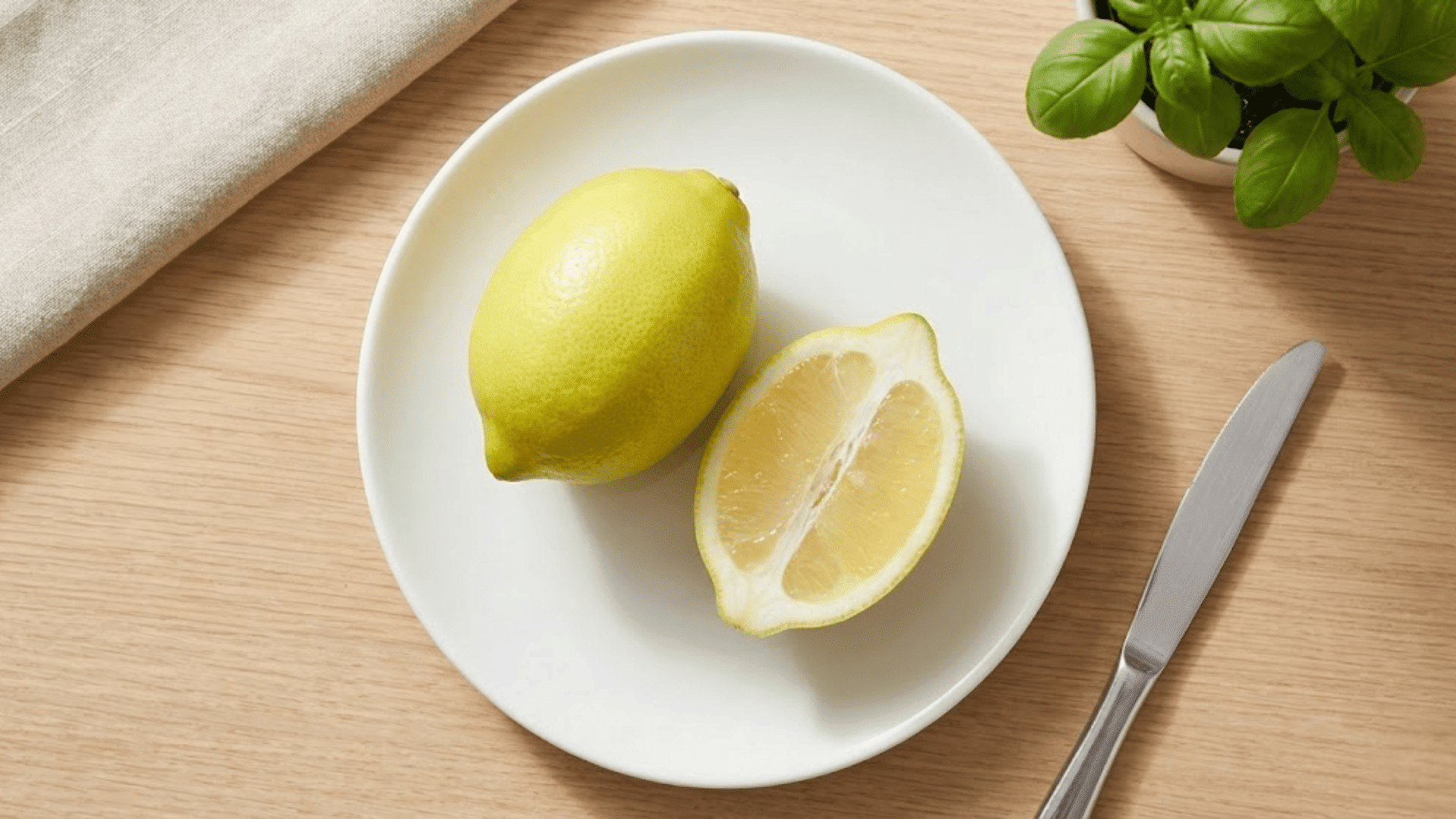
Native Region: Florida, USA
Growing Area: Warm, humid climates, USDA zones 9-11
Bearss lemons are prized for being nearly seedless, which makes them convenient for juicing and slicing. They have smooth, thin skin and a bright, acidic flavor similar to Eureka lemons.
The tree adapts well to humid climates and produces fruit throughout the year. This variety is especially popular in Florida and other subtropical regions where it thrives in heat and humidity.
4. Meyer Lemon
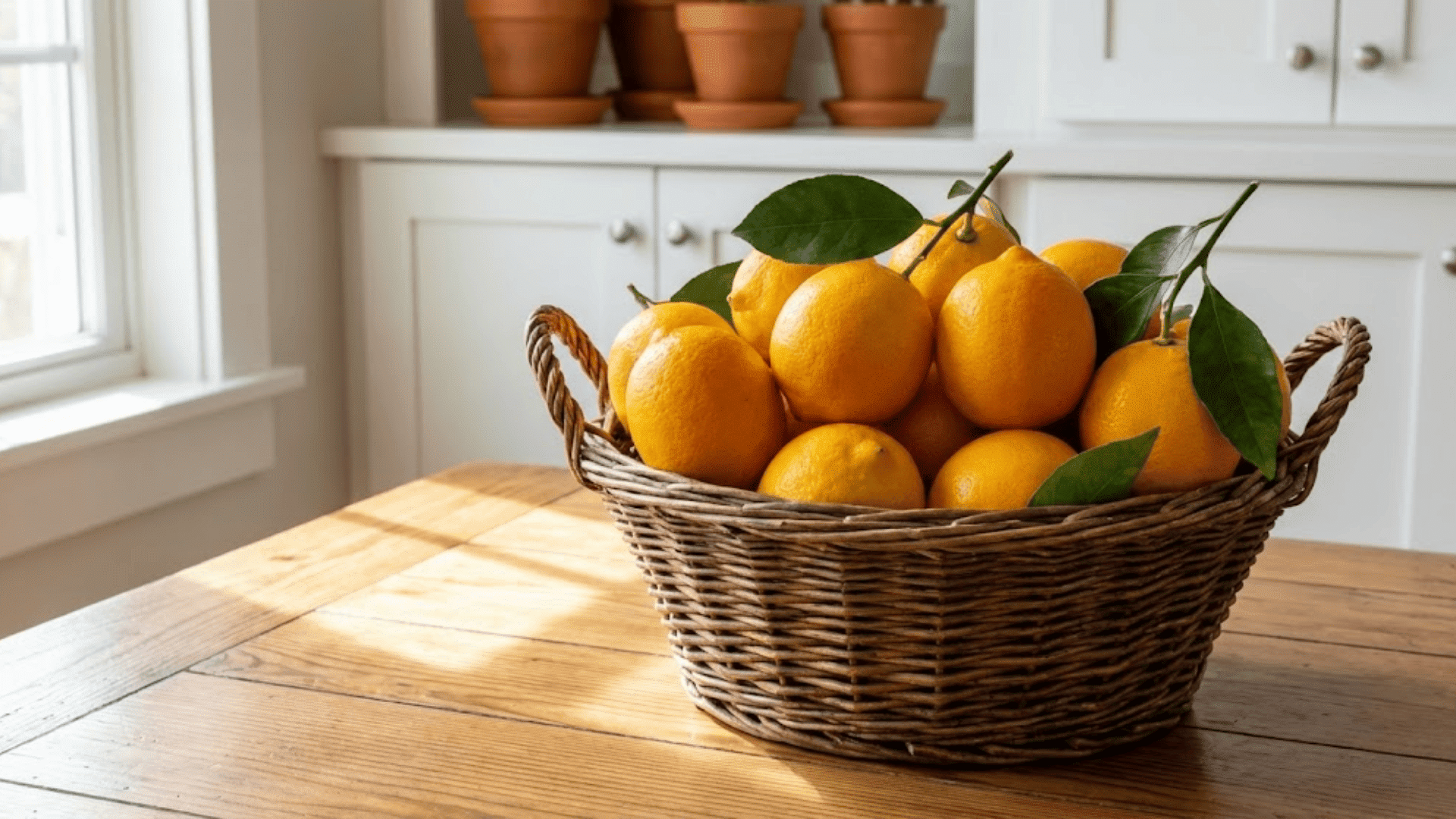
Native Region: China
Growing Area: Mild climates, USDA zones 8-11
Meyer lemons are a hybrid between a true lemon and a mandarin orange, giving them a sweeter, more floral flavor. The skin is thin and deep yellow with orange undertones, and the juice is less acidic than standard lemons.
Home gardeners love this variety for its compact size and ornamental appeal. Meyer lemons work beautifully in desserts, cocktails, and dishes where you want citrus without overwhelming tartness.
5. Primofiori Lemon
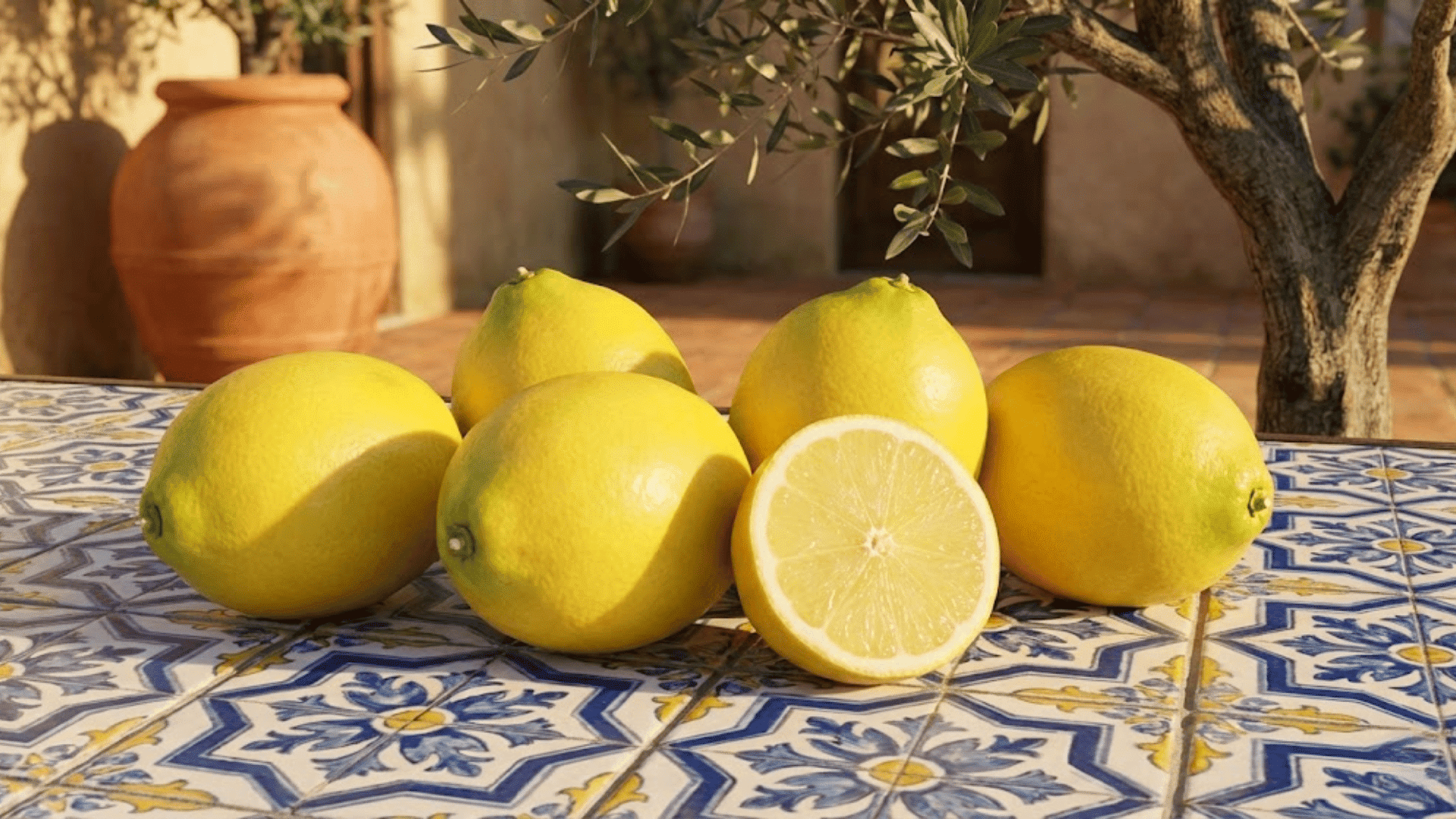
Native Region: Spain
Growing Area: Mediterranean climates, USDA zones 9-10
Primofiori is one of Spain’s most important lemon varieties, valued for its early harvest and high juice content. The fruit has smooth, thin skin and a pleasantly acidic flavor that works well in both sweet and savory dishes.
Trees are productive and relatively cold-tolerant for a lemon. This variety dominates European markets and is widely exported for fresh consumption and processing.
6. Verna Lemon
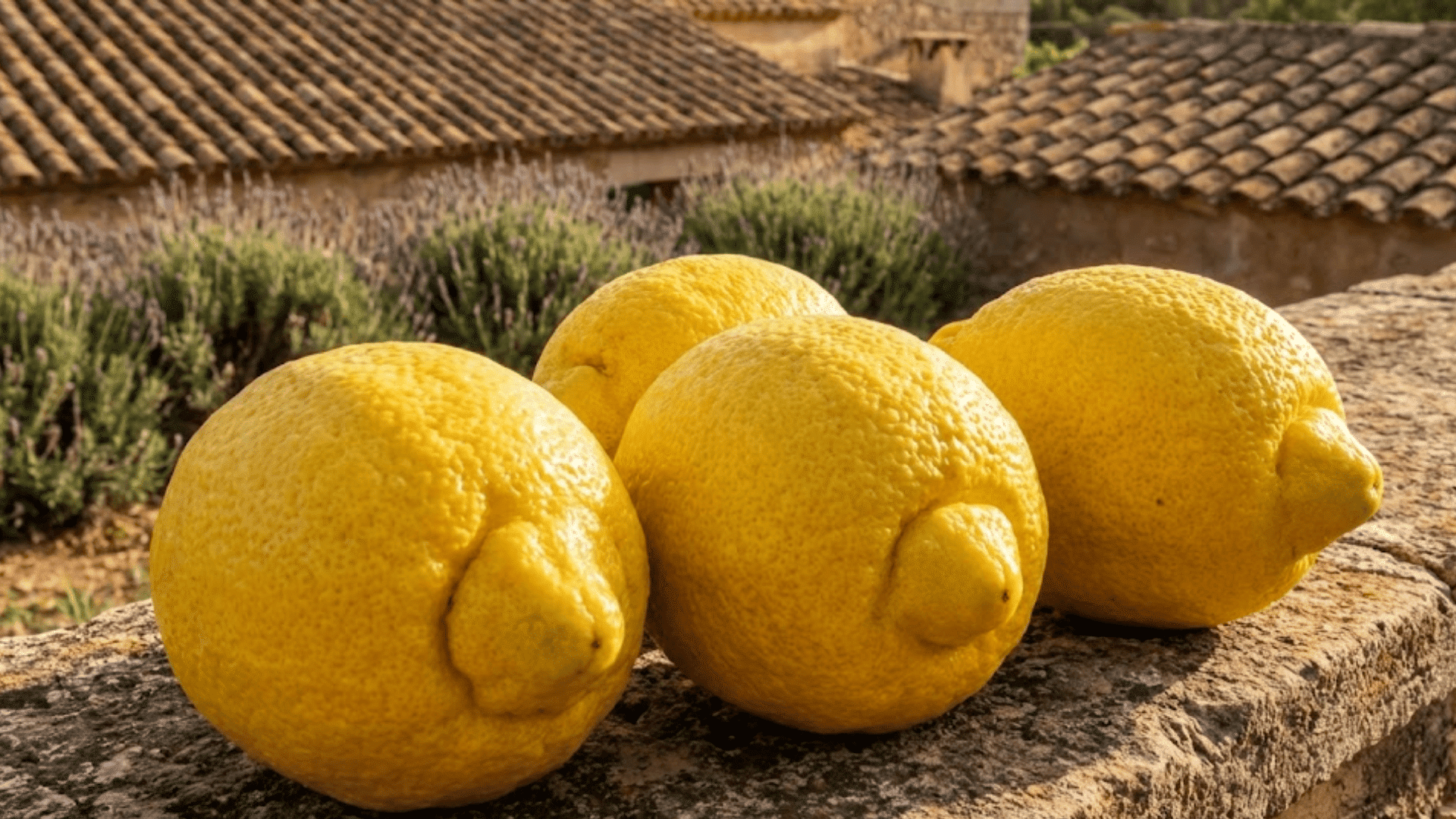
Native Region: Spain
Growing Area: Mediterranean climates, USDA zones 9-10
Verna lemons are known for their thick, textured rind and late-season harvest, often ripening in summer when other varieties are scarce. The flesh is juicy with moderate acidity, making it versatile for cooking and fresh use.
This Spanish variety stores well thanks to its thick peel, which also makes it excellent for candying or zesting. Verna lemons are a staple in Spanish cuisine and Mediterranean cooking.
7. Femminello Lemon
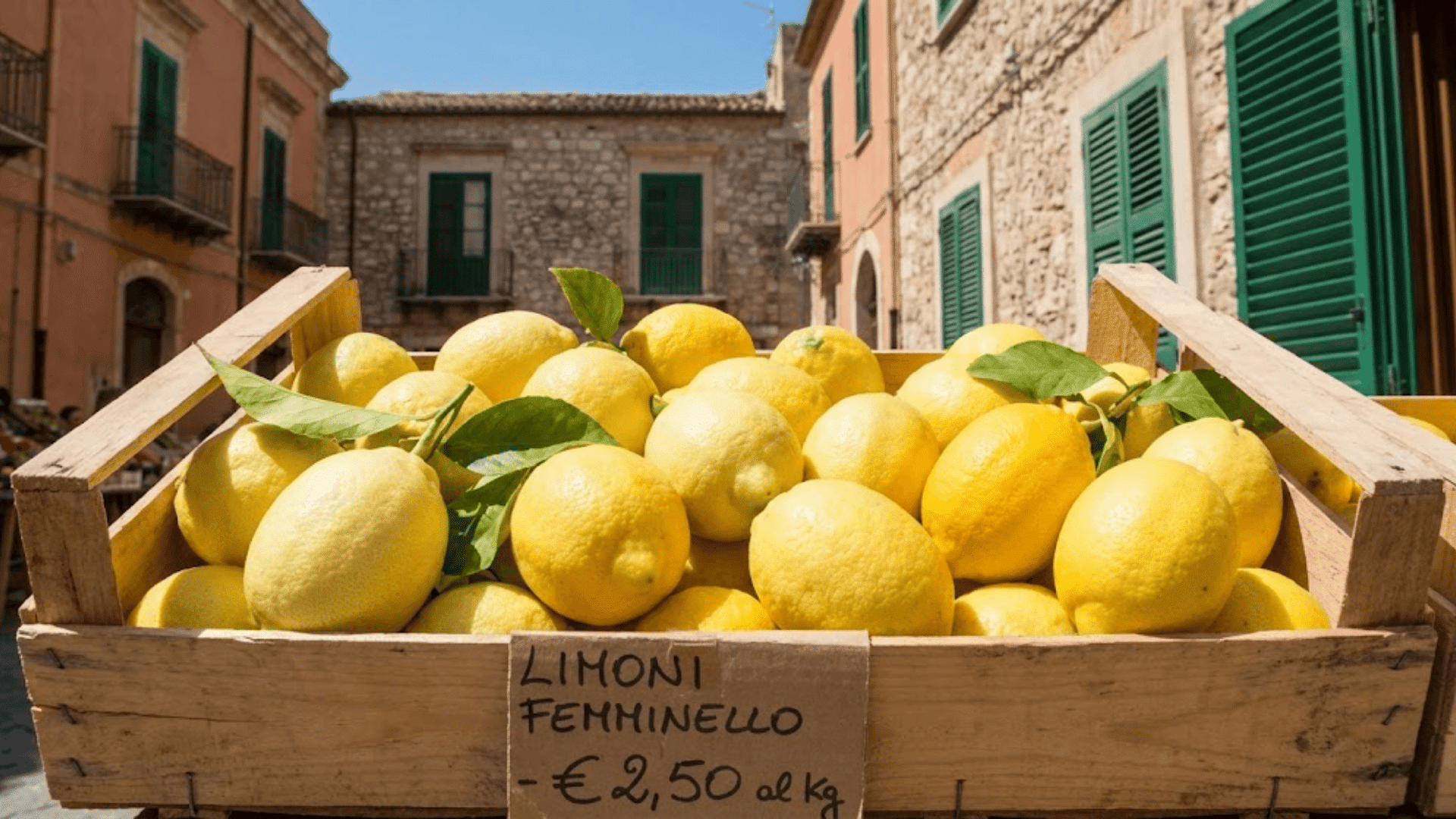
Native Region: Sicily, Italy
Growing Area: Mediterranean climates, USDA zones 9-10
Femminello is an ancient Italian variety that has been cultivated in Sicily for centuries. It produces fruit multiple times per year, with different names for each harvest season.
The lemons are medium-sized with thin skin and intense aroma, perfect for limoncello and Italian pastries. This heirloom variety is celebrated for its fragrant oils and authentic Mediterranean flavor.
8. Villafranca Lemon
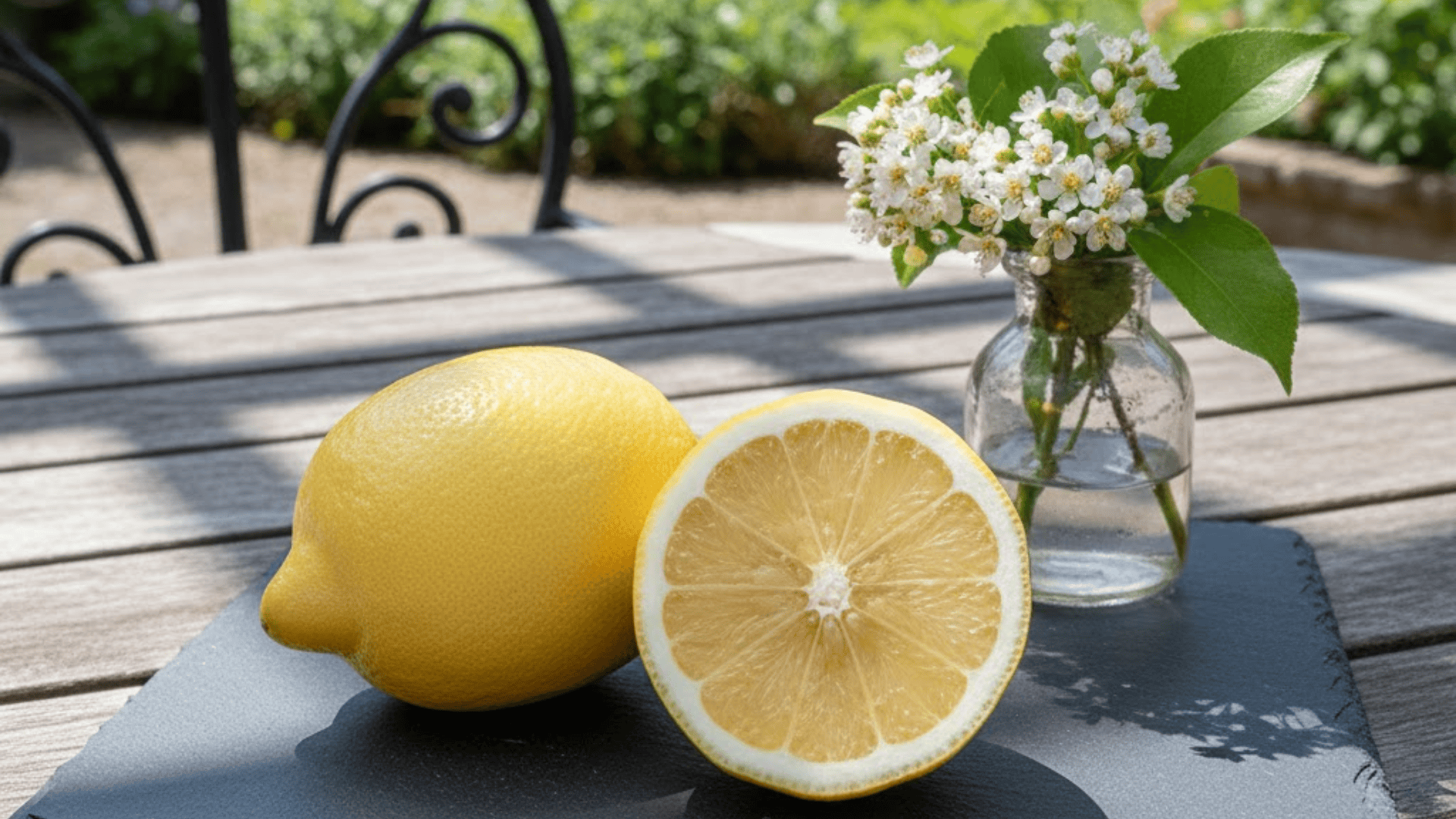
Native Region: Sicily, Italy
Growing Area: Mediterranean and subtropical climates, USDA zones 9-11
Villafranca lemons have smooth, thin peels and a milder acidity compared to Eureka or Lisbon varieties. The fruit is medium to large with plenty of juice, making it popular for fresh consumption.
Trees are productive and adapt well to warm climates. This variety is grown commercially in several countries and appreciated for its balanced, less aggressive tartness.
Heirloom & Regional Lemon Varieties
These lemons carry the heritage of specific regions and have been cultivated for generations. They often have distinct characteristics tied to their local growing conditions and traditional uses.
9. Sorrento Lemon
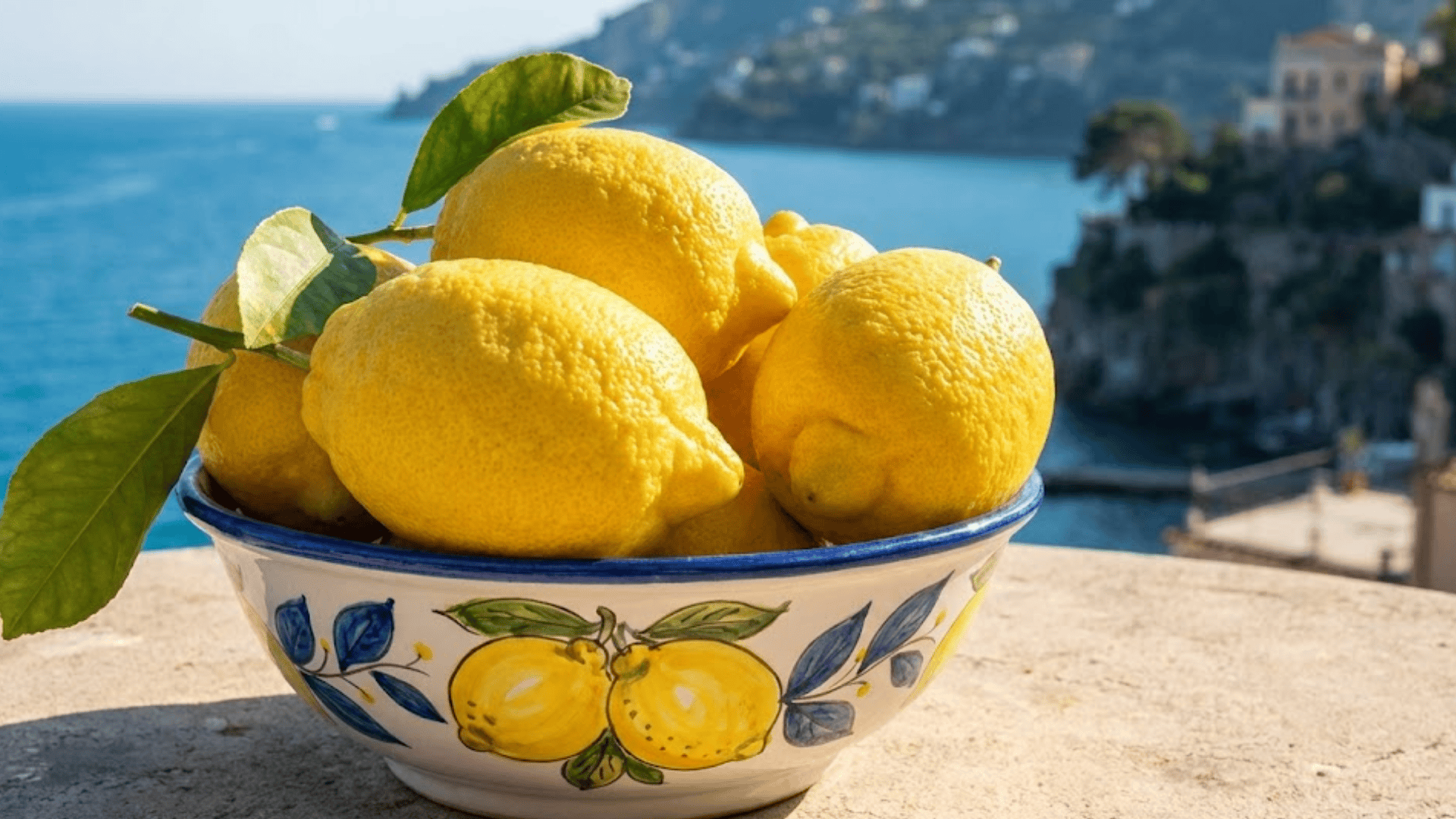
Native Region: Sorrento Peninsula, Italy
Growing Area: Coastal Mediterranean climates, USDA zones 9-10
Sorrento lemons are famous for their intense fragrance and thick, aromatic rind rich in essential oils. The fruit is large and oval-shaped with a bumpy texture.
These lemons are the traditional choice for making authentic limoncello and are protected by IGP status in Italy. The flavor is bright and perfumed, with a complexity that reflects the volcanic soil and coastal climate.
10. Amalfi Coast Lemon
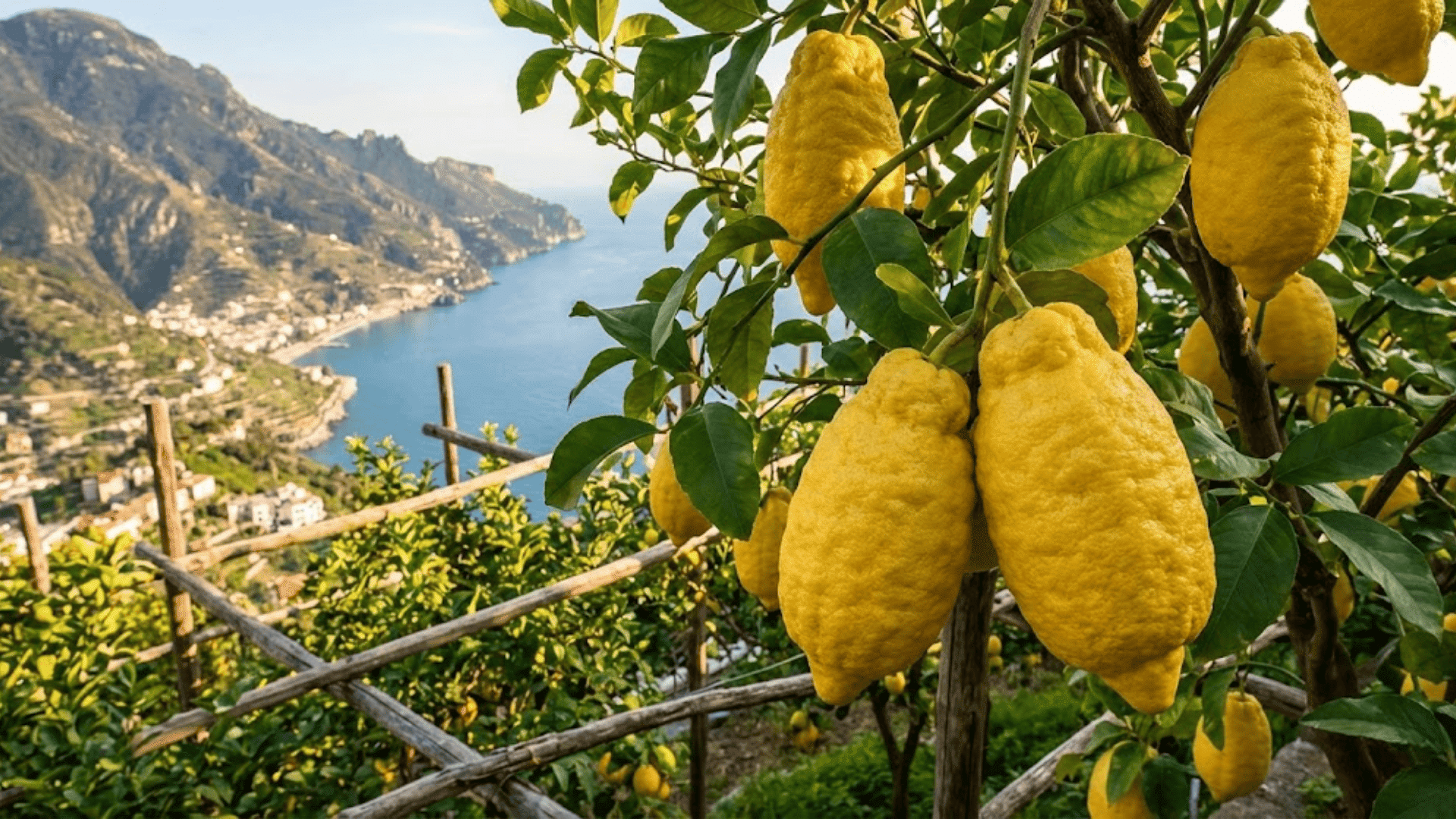
Native Region: Amalfi Coast, Italy
Growing Area: Coastal Mediterranean climates, USDA zones 9-10
Amalfi lemons, or Sfusato Amalfitano, are enormous compared to standard varieties, with elongated shapes and thick, fragrant peels. The flesh is sweet and less acidic, while the rind is prized for its concentrated citrus oils.
These lemons grow on terraced gardens overlooking the Mediterranean and are central to Amalfi Coast cuisine. They’re eaten fresh, used in desserts, and made into the region’s famous limoncello.
11. Monachello Lemon
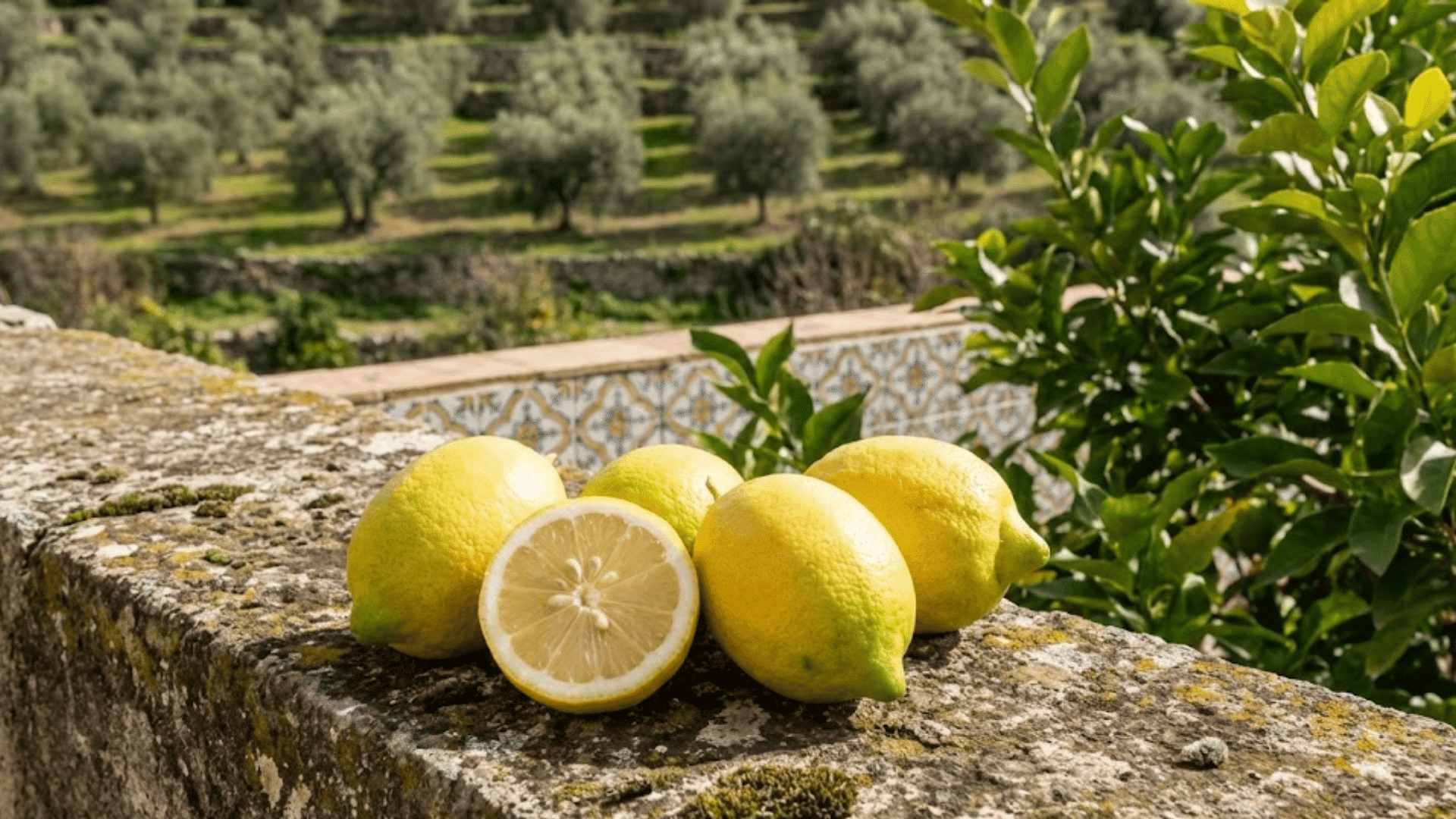
Native Region: Sicily, Italy
Growing Area: Mediterranean climates, USDA zones 9-10
Monachello lemons are valued for their resistance to mal secco, a fungal disease that affects many citrus trees. The fruit is medium-sized with good juice content and balanced acidity.
This variety has become important in organic lemon production, where disease resistance is crucial. Monachello lemons maintain the classic tart lemon flavor while offering growers a more resilient option.
12. Interdonato Lemon
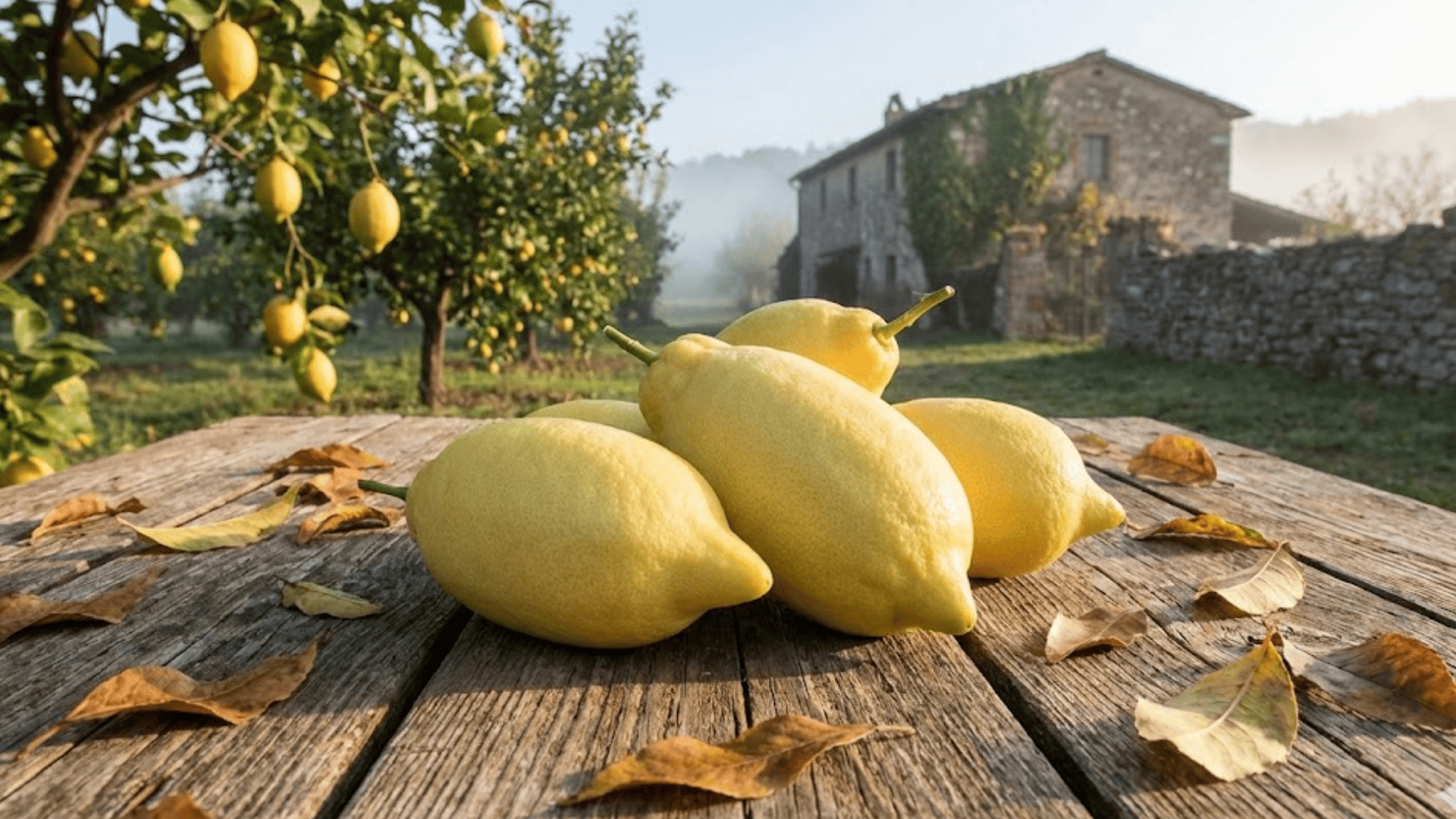
Native Region: Sicily, Italy
Growing Area: Mediterranean climates, USDA zones 9-10
Interdonato is an early-ripening variety that produces fruit as early as October, filling the gap before winter lemons arrive. It’s believed to be a natural hybrid between lemon and citron, giving it a unique flavor profile.
The fruit is large and elongated with thin skin and mild acidity. This variety is popular in Italy for fresh consumption during the autumn months.
13. Ponderosa Lemon
Native Region: United States (hybrid origin)
Growing Area: Mild climates, USDA zones 8-11
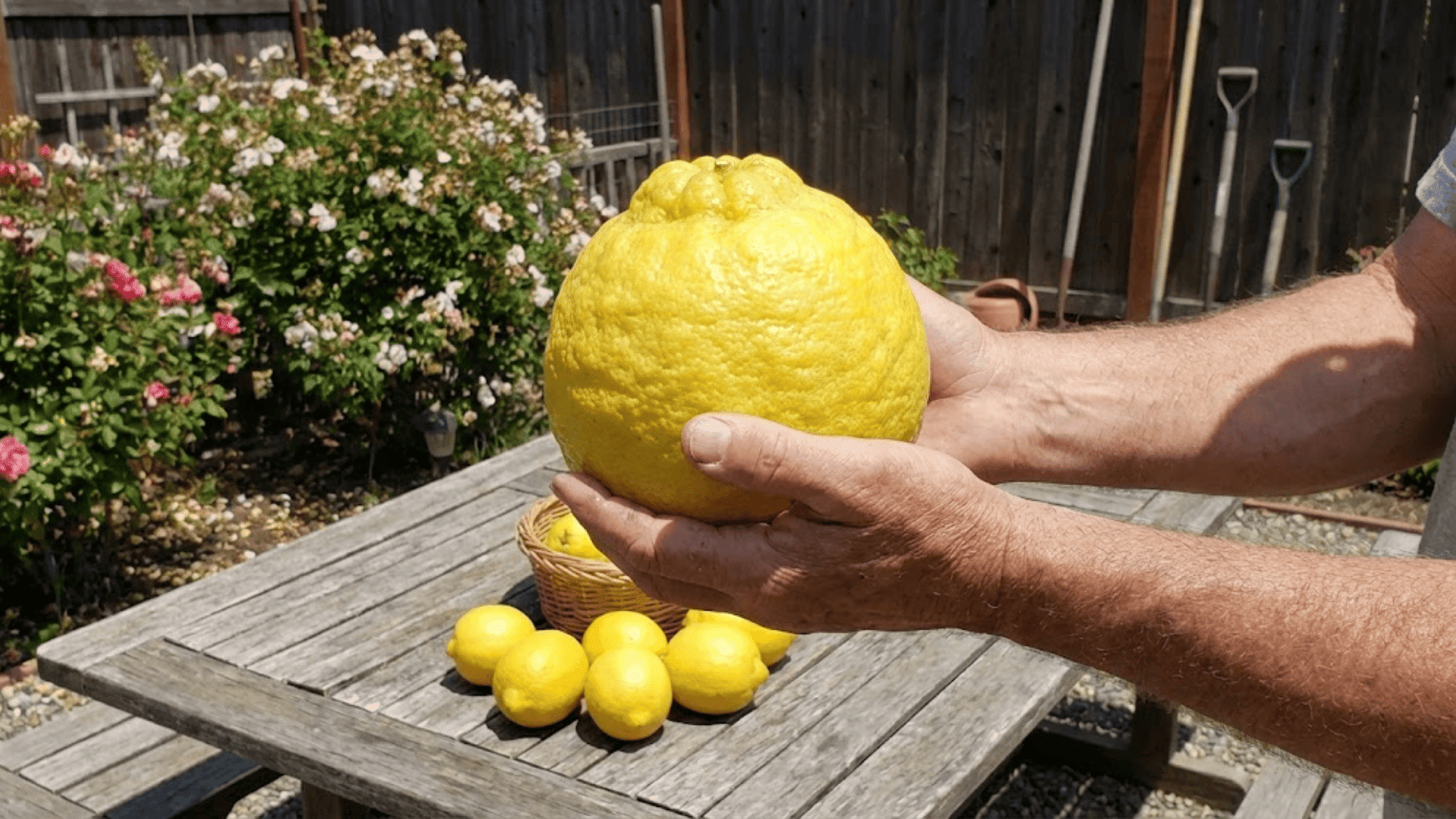
Ponderosa lemons are massive, often weighing over a pound each, with extremely thick, bumpy rinds. They’re actually a hybrid between lemon and citron, which explains their size and unique characteristics.
The flesh is tart but not as juicy as true lemons. Gardeners grow Ponderosa primarily as an ornamental curiosity, though the rind can be candied or used for zesting.
14. Molla Mehmet Lemon
Native Region: Turkey
Growing Area: Mediterranean climates, USDA zones 9-10
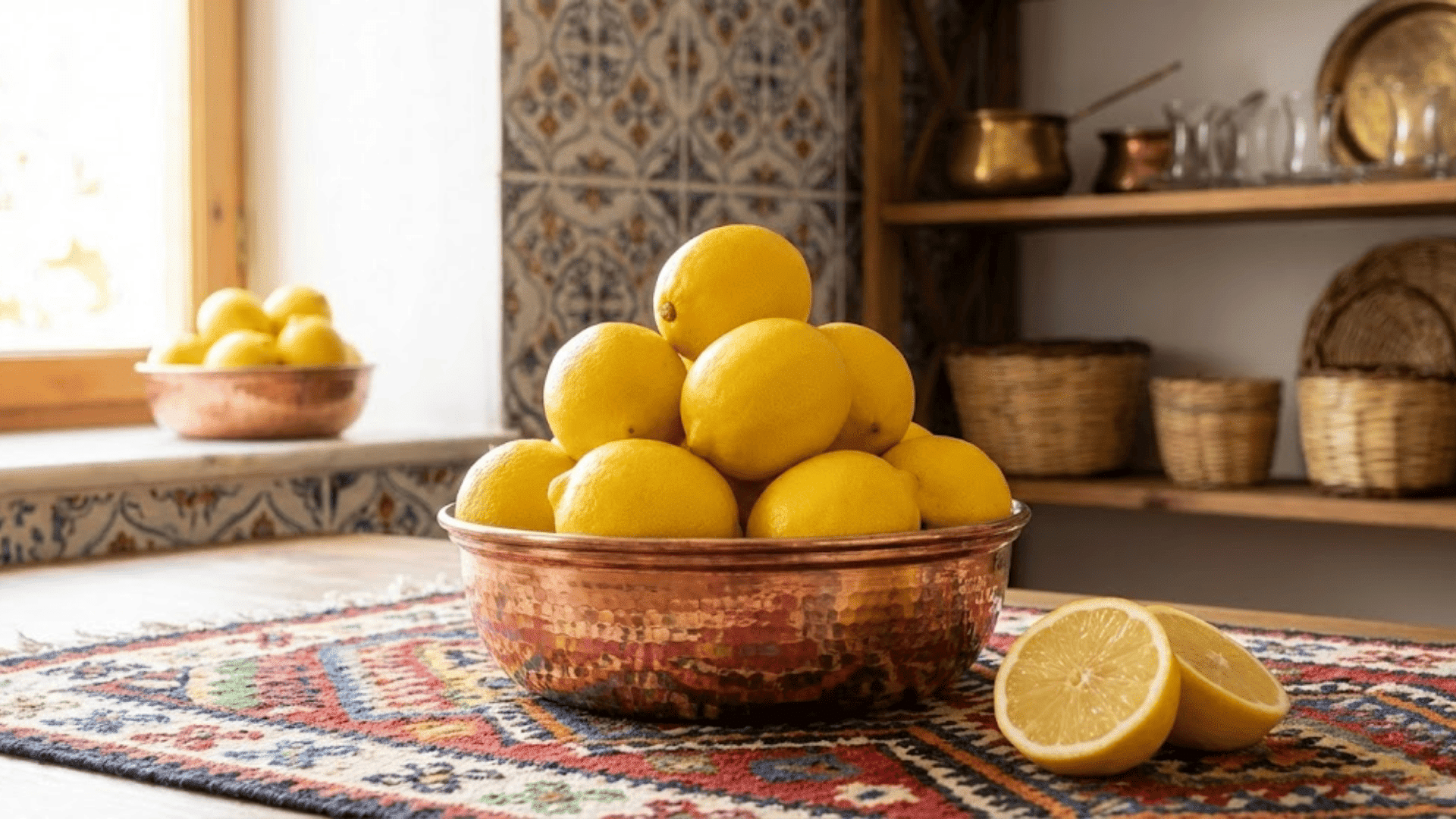
Molla Mehmet is Turkey’s primary commercial lemon variety, known for its productivity and adaptation to local growing conditions. The fruit is medium-sized with smooth skin and good juice content.
This variety handles temperature fluctuations well and produces reliable crops. Molla Mehmet lemons have a classic tart flavor that works well in Turkish cuisine and for export markets.
15. Santa Teresa Lemon
Native Region: Brazil
Growing Area: Tropical and subtropical climates, USDA zones 9-11
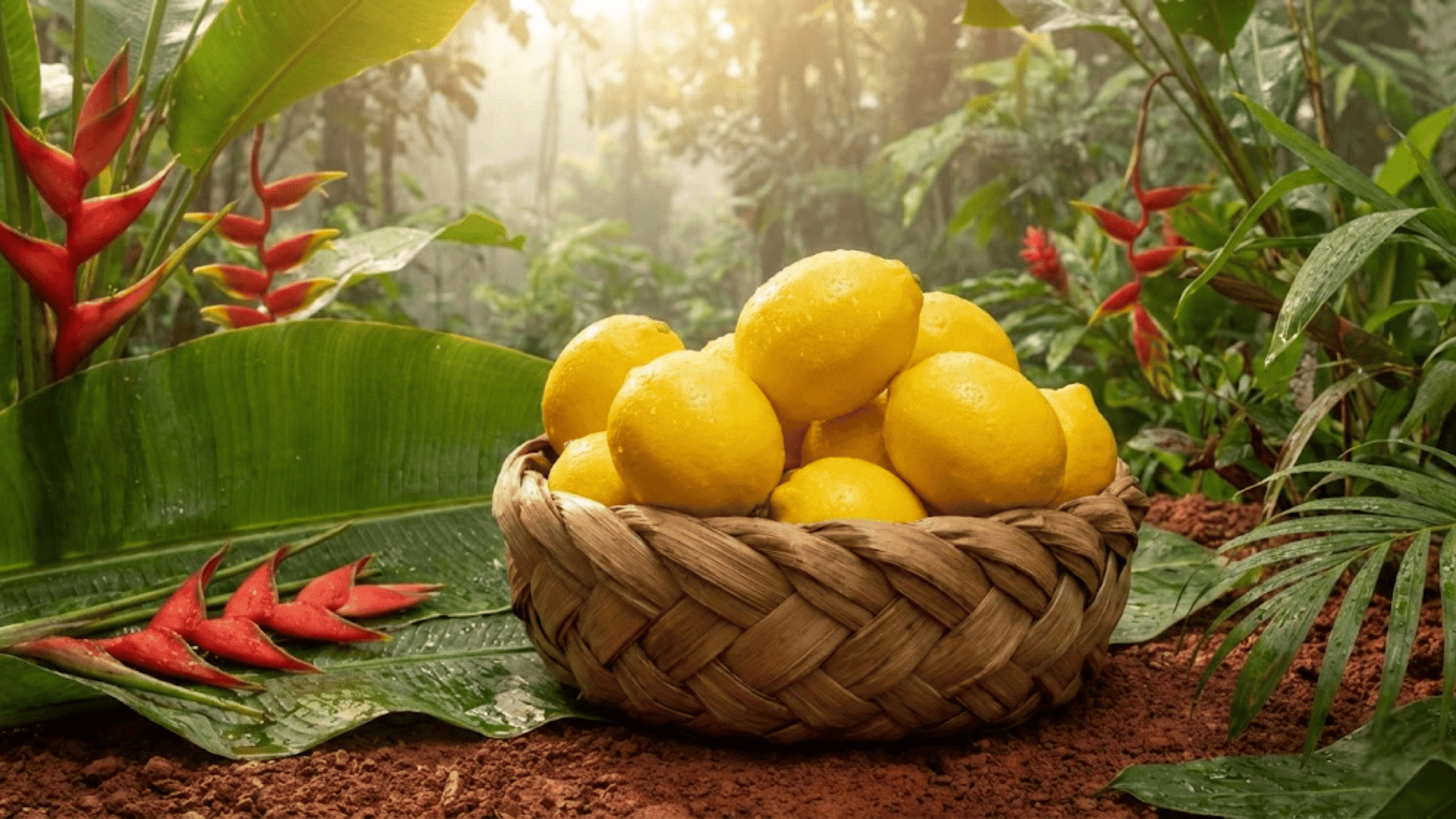
Santa Teresa is a Brazilian lemon variety adapted to tropical growing conditions where other lemons might struggle. The fruit has good acidity and juice content, making it versatile for culinary uses.
Trees are productive in warm, humid climates. This variety represents the adaptation of lemon cultivation to South American conditions and local taste preferences.
Sweet, Low-Acid & Mild Lemons
Not all lemons make you pucker. These varieties offer gentler acidity and sweeter flavors, perfect for eating fresh or adding subtle citrus notes without overwhelming tartness.
16. Sweet Lemon
Native Region: India and the Middle East
Growing Area: Tropical and subtropical climates, USDA zones 9-11
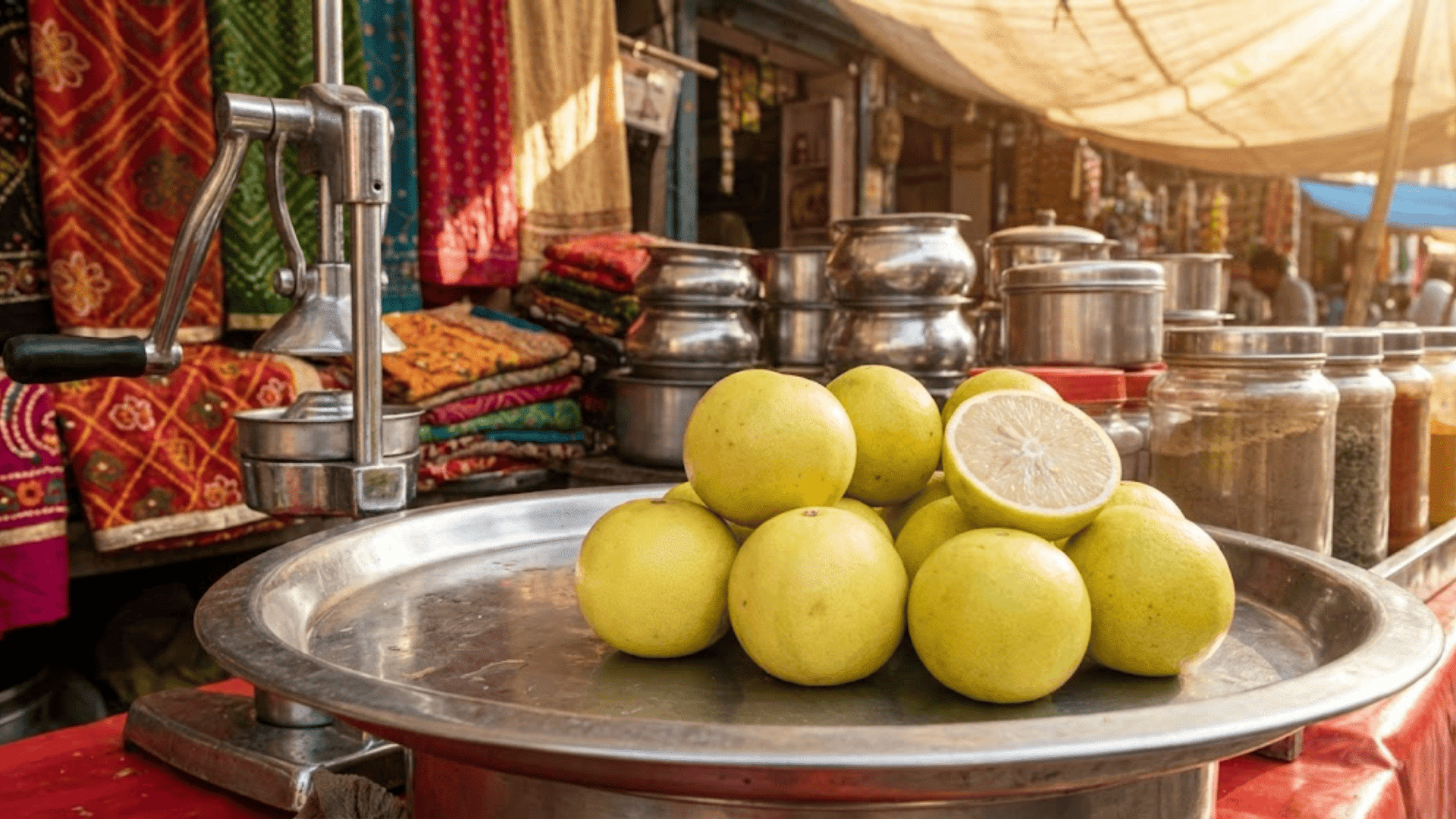
Mosambi, or sweet lime, is technically a sweet lemon with very low acidity and a mild, slightly sweet flavor. It’s incredibly popular in India as a fresh juice drink, often sold by street vendors.
The fruit has pale yellow-green skin and flesh, with none of the tartness you’d expect from a lemon. Mosambi is refreshing and hydrating, consumed primarily for its gentle, thirst-quenching qualities.
17. Palestinian Sweet Lemon
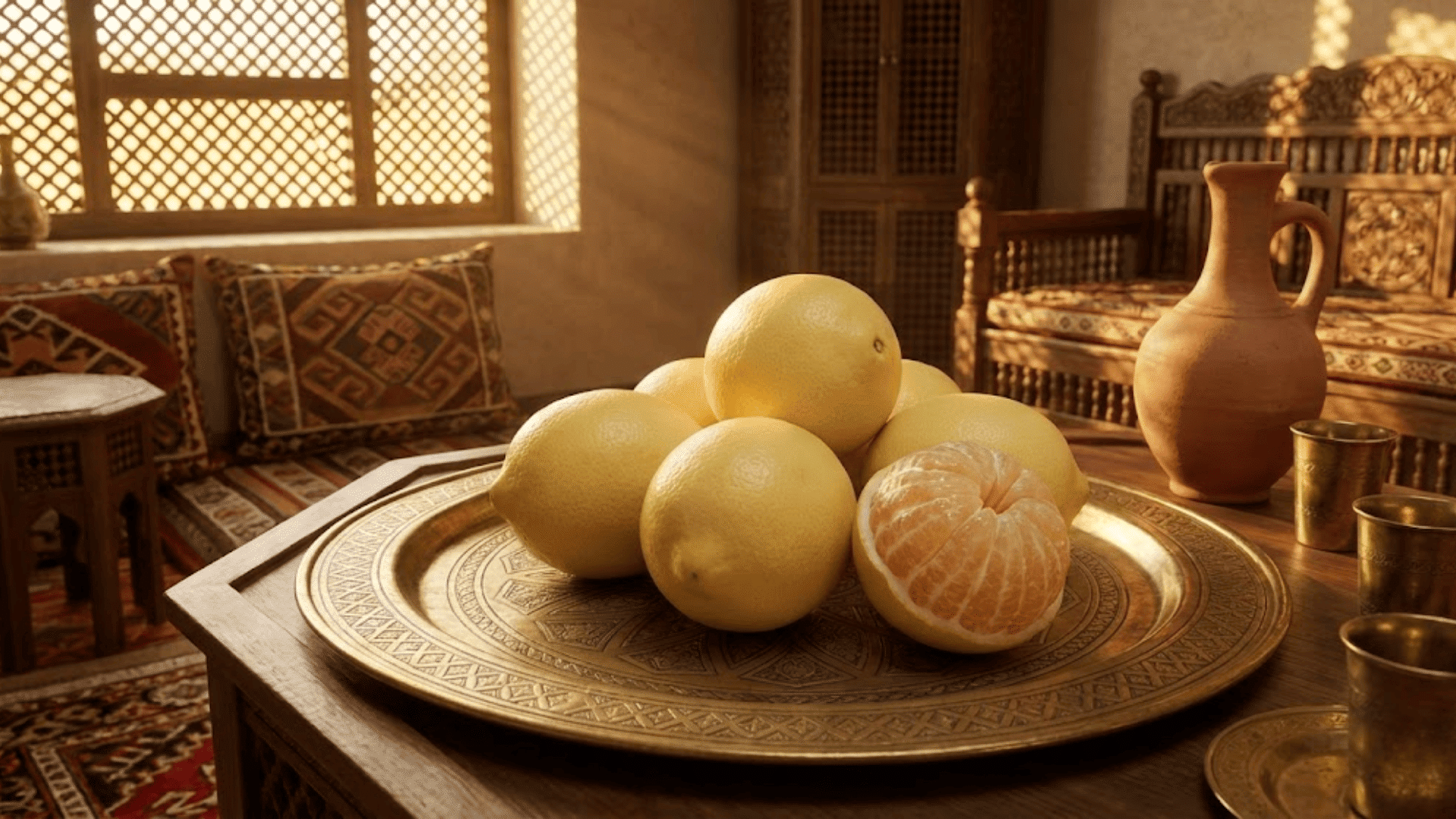
Native Region: Middle East
Growing Area: Mediterranean and arid climates, USDA zones 9-11
Palestinian sweet lemons have minimal acidity and a delicate citrus flavor that’s almost neutral. They’re eaten fresh like oranges in many Middle Eastern countries, where their mild taste is preferred for snacking.
The fruit is round with pale yellow skin and very juicy flesh. This variety shows how diverse the concept of “lemon” can be across different culinary traditions.
18. Pear Lemon
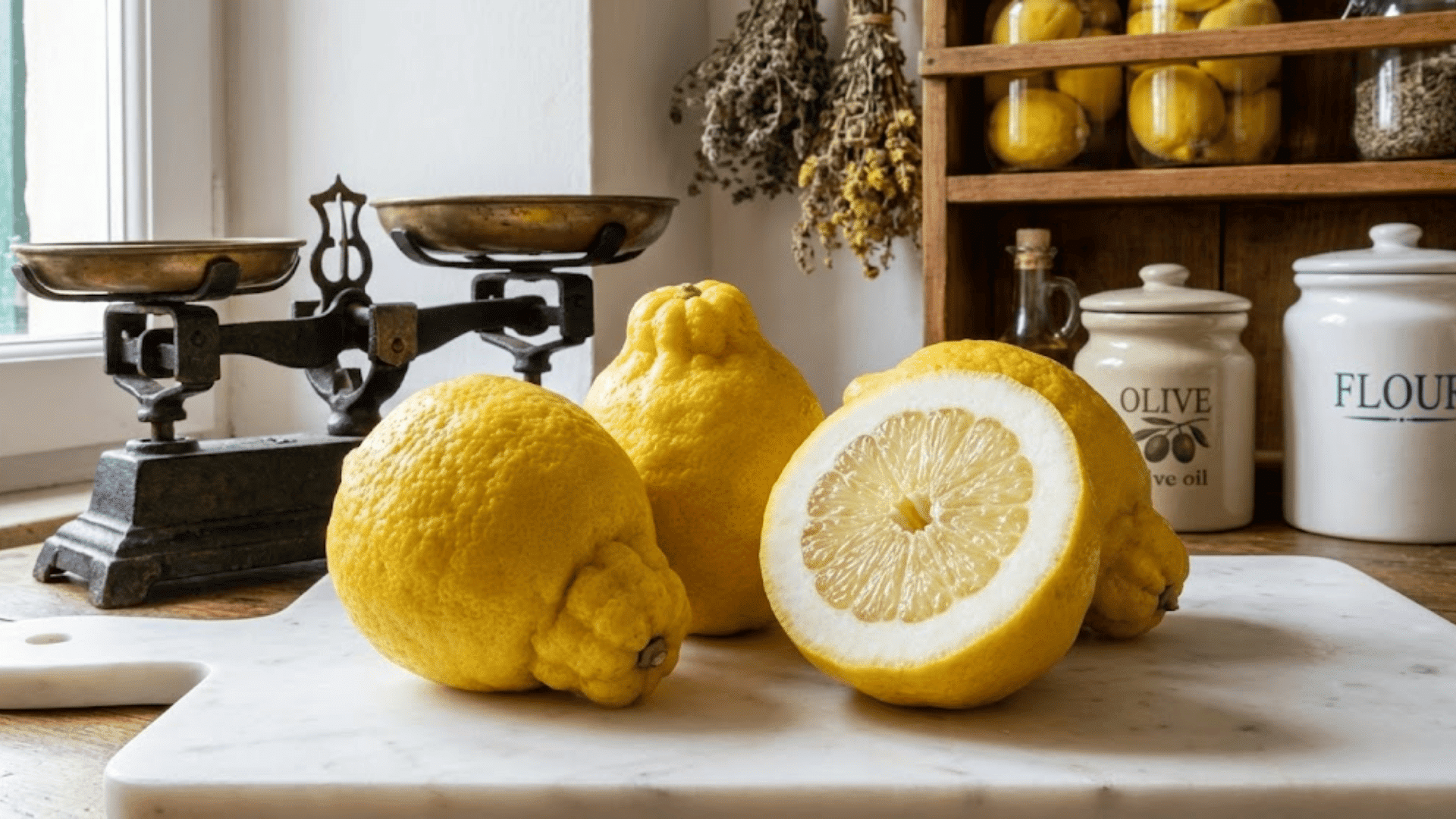
Native Region: Mediterranean region
Growing Area: Mediterranean climates, USDA zones 9-10
Pear lemons get their name from their distinctive pear-like shape and unusually thick rind. The flesh inside is sweeter and less acidic than standard lemons, making them pleasant for fresh eating.
The thick peel is often candied or used in preserves where its mild flavor and interesting texture shine. This variety is more of a specialty item than a commercial crop.
19. Sicilian Sweet Lemon
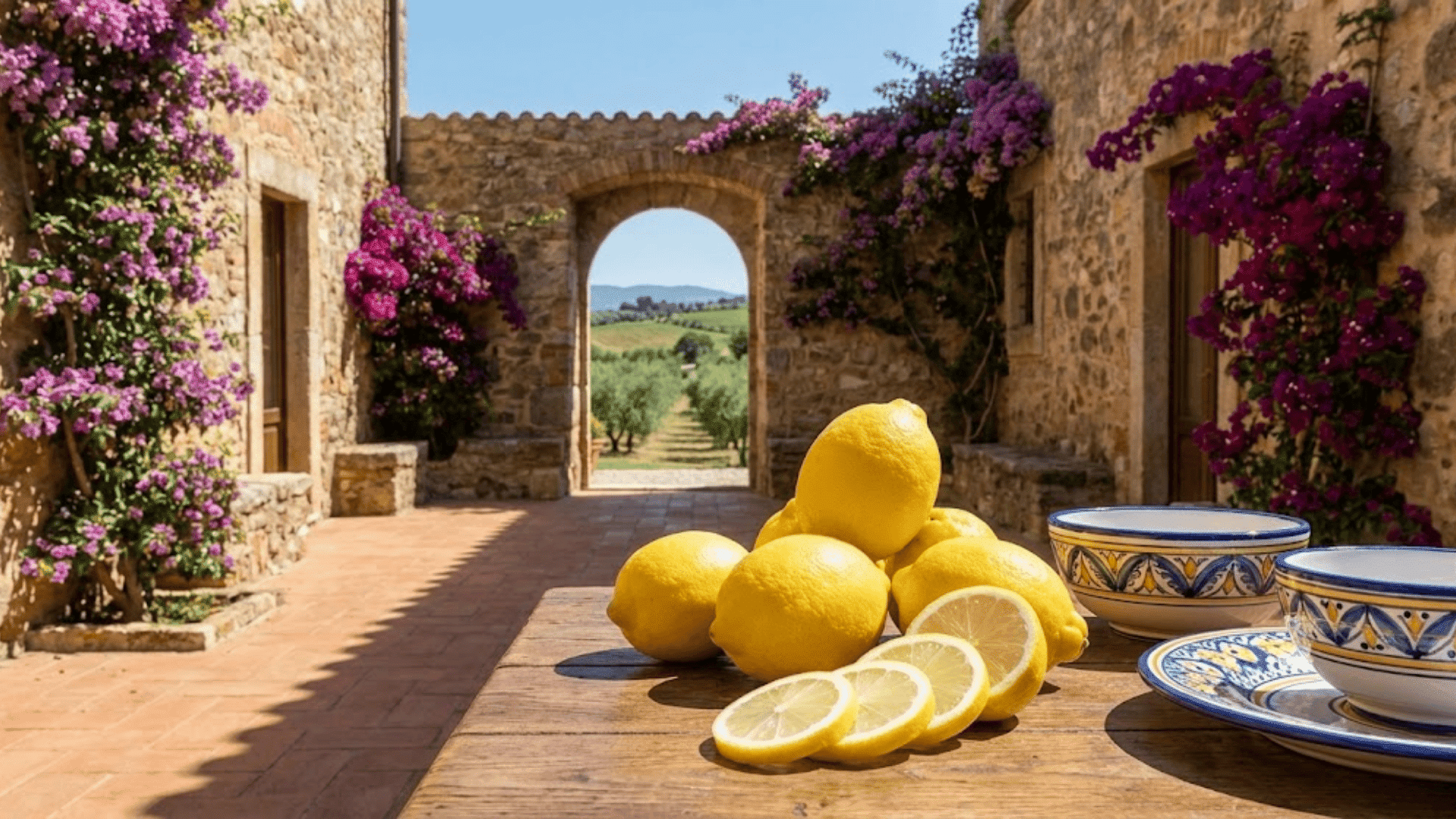
Native Region: Sicily, Italy
Growing Area: Mediterranean climates, USDA zones 9-10
Sicilian sweet lemons offer less tartness than typical varieties while maintaining recognizable lemon flavor. They’re used in Sicilian cuisine, where a gentler citrus note is desired.
The fruit has thin skin and juicy flesh that works well in both sweet and savory applications. This variety bridges the gap between tart cooking lemons and sweet eating citrus.
Rare & Specialty Lemons
These unusual varieties catch the eye with unique appearances or serve specialized purposes. Some are ornamental, others are culturally significant, and a few are just delightfully odd.
20. Pink Variegated Lemon
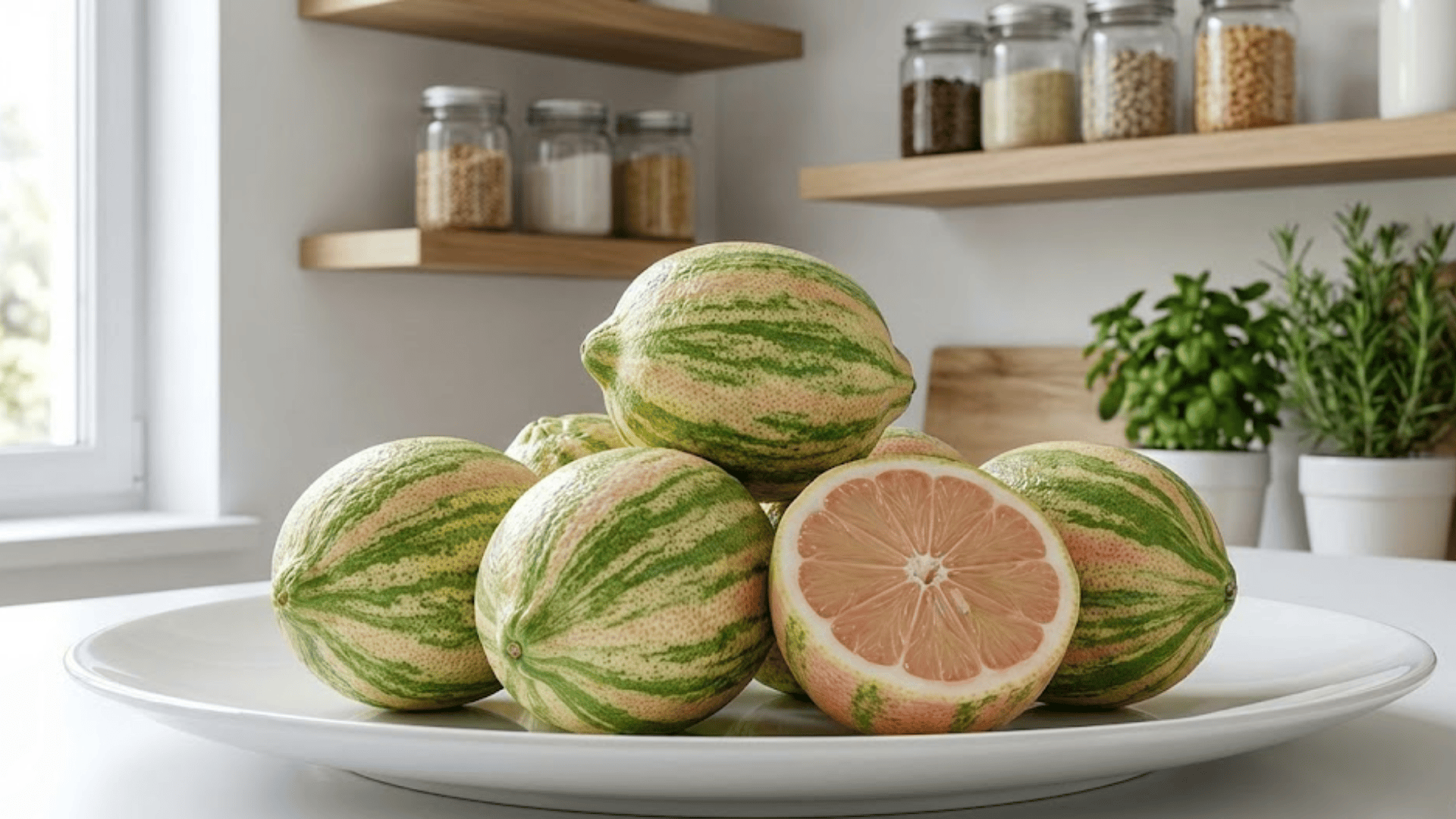
Native Region: California, USA (sport variety)
Growing Area: Mild climates, USDA zones 8-11
Pink variegated lemons are stunning with green and white striped skin that turns yellow with pink stripes as they ripen. The flesh is pink, and the juice has a raspberry-like tint.
The flavor is tart like a regular lemon but with subtle floral notes. This variety is grown mainly for its ornamental beauty, though the fruit is entirely edible and makes gorgeous garnishes.
21. Rough Lemon
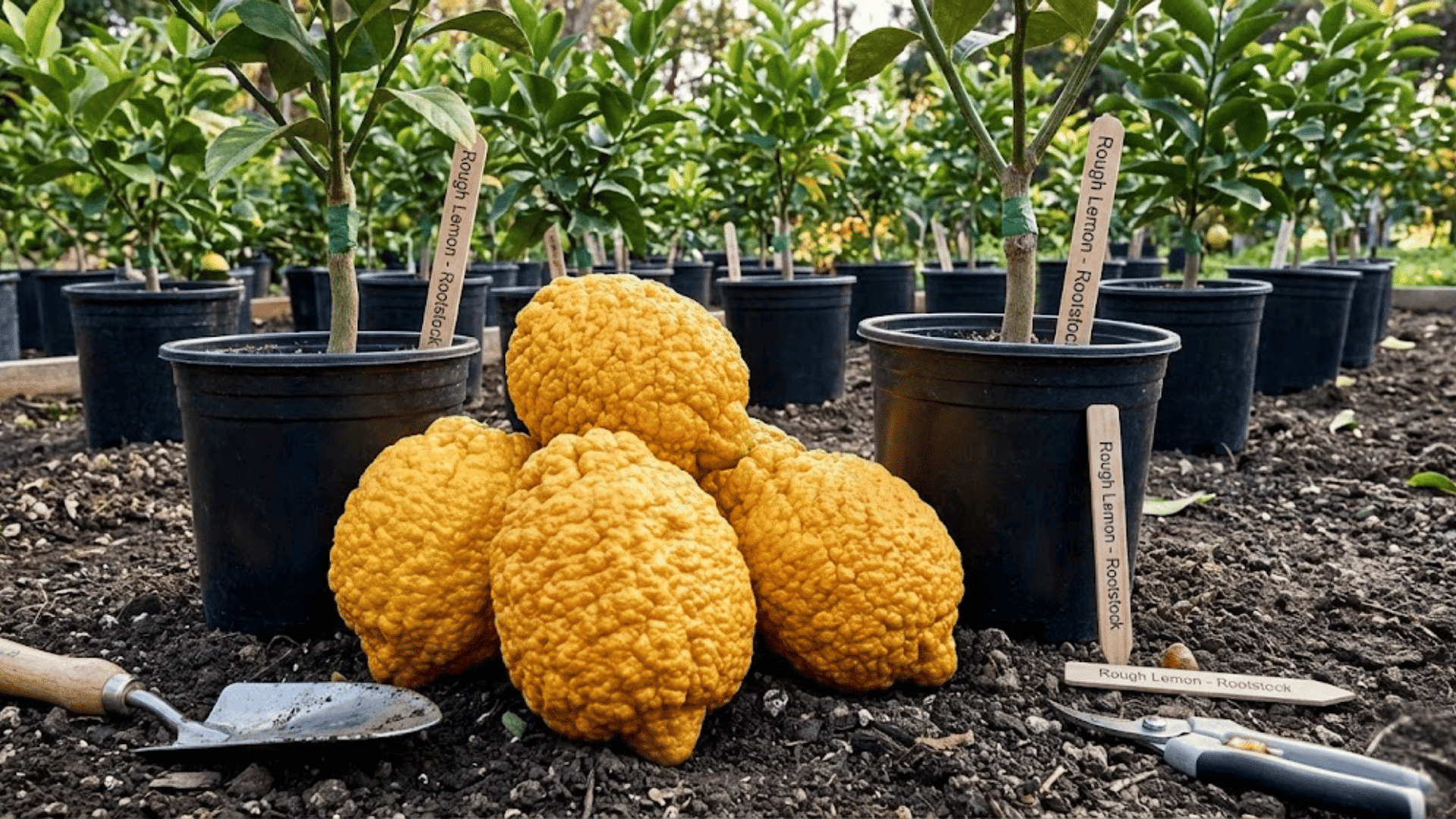
Native Region: India
Growing Area: Tropical and subtropical climates, USDA zones 9-11
Rough lemons have thick, bumpy skin and are rarely eaten fresh because of their acidic, coarse flesh. They’re mainly used as rootstock for grafting due to vigorous growth and disease resistance.
The fruit is large and deeply textured. While not a culinary lemon, rough lemon plays an important role in citrus agriculture worldwide.
22. Bush Lemon
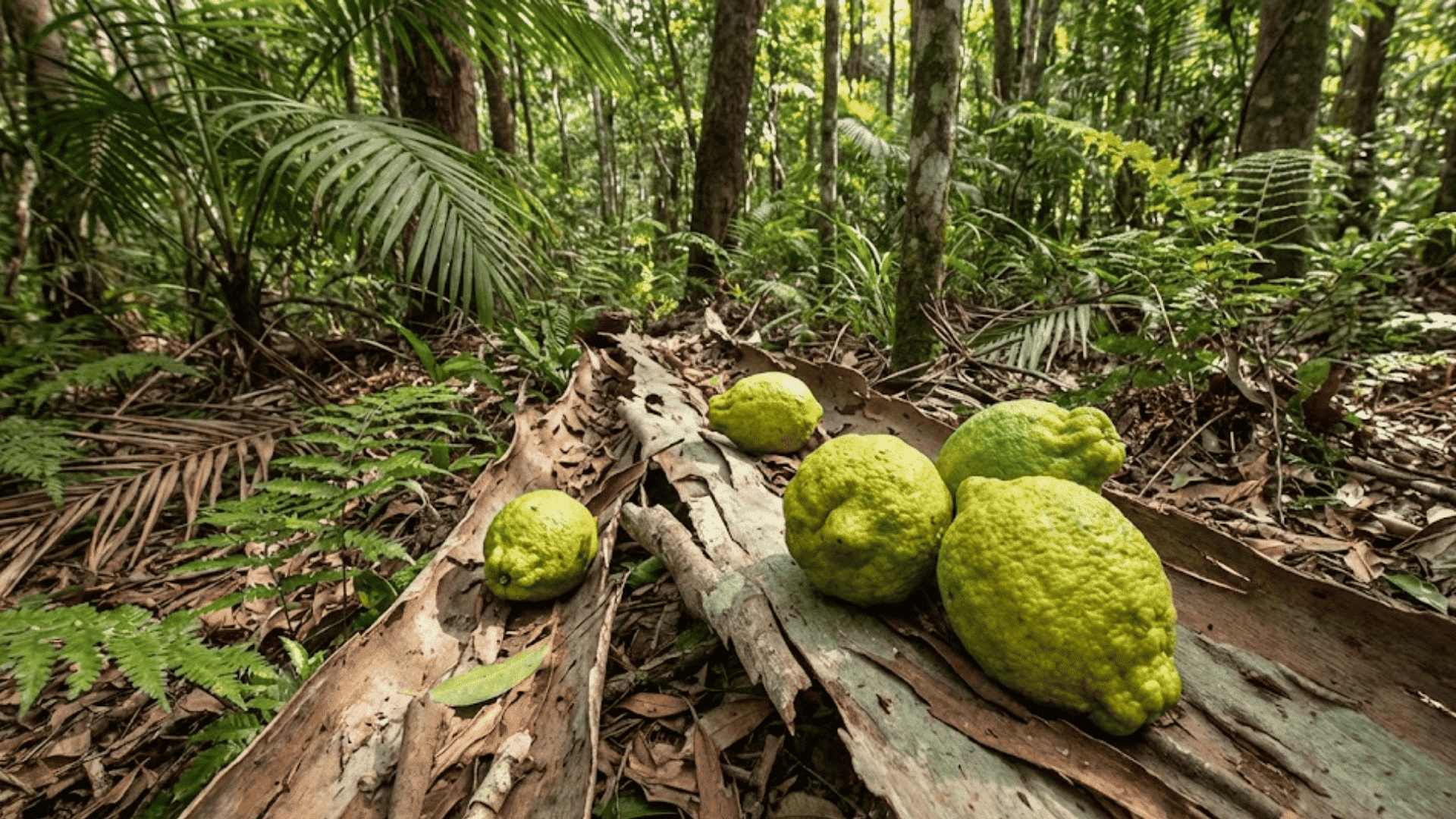
Native Region: Australia
Growing Area: Subtropical Australian climates, USDA zones 9-11
Bush lemons are wild Australian citrus with rough, thick skin and very acidic flesh. They grow naturally in subtropical rainforests and have been used by Indigenous Australians for generations.
The flavor is intensely tart with a unique, slightly resinous quality. Bush lemons are foraged rather than cultivated and appear in modern Australian cuisine as a native ingredient.
23. Karena Lemon
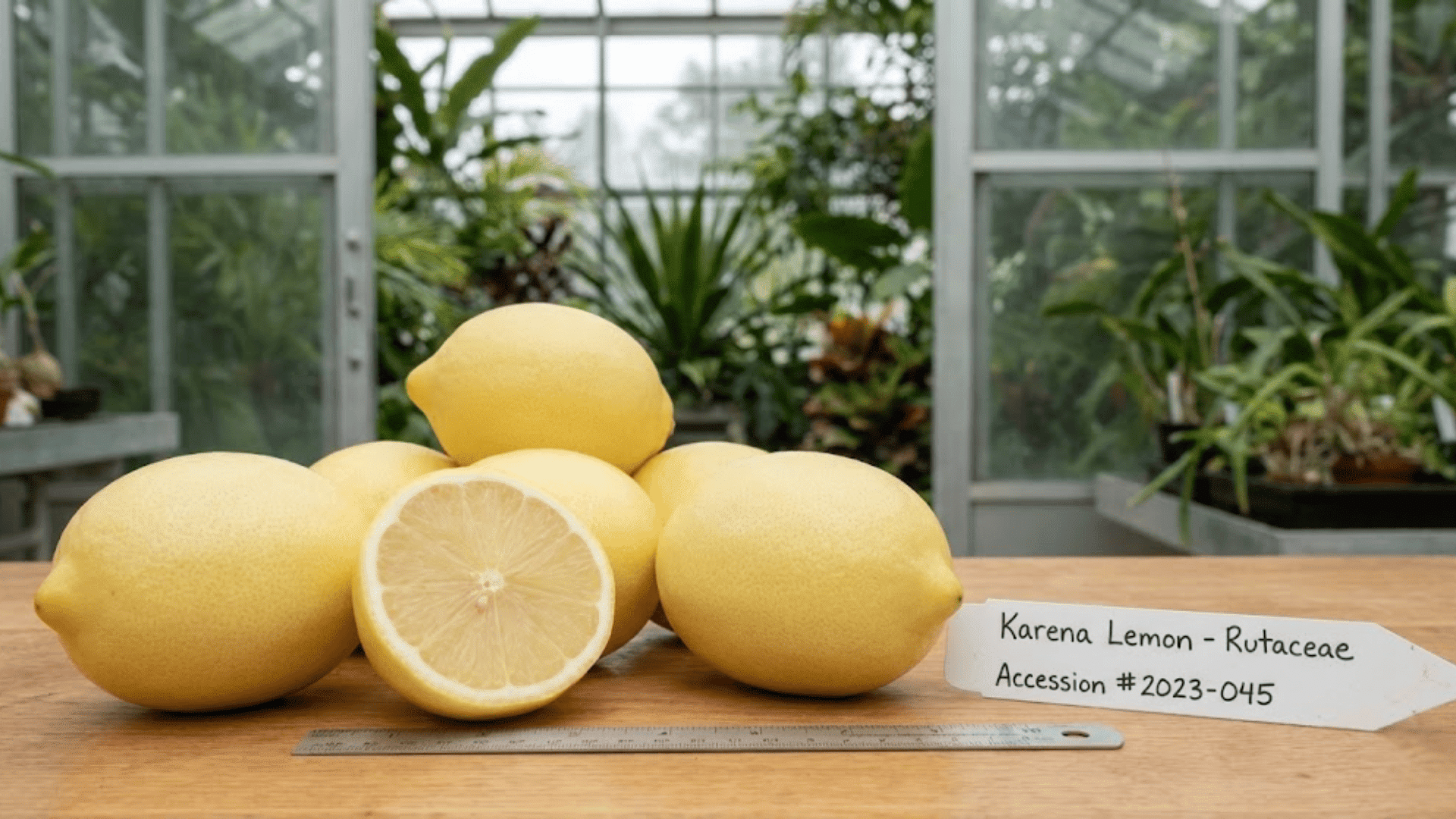
Native Region: Hybrid origin, exact origin unclear
Growing Area: Warm climates, USDA zones 9-11
Karena is a rare hybrid citrus with lemon characteristics but distinct flavor notes. Information about this variety is limited, as it’s not widely cultivated commercially.
The fruit shows typical lemon acidity with subtle differences in aroma and taste. Karena represents one of many lesser-known citrus hybrids that exist in specialty collections and research orchards.
24. Greek Citron Lemon
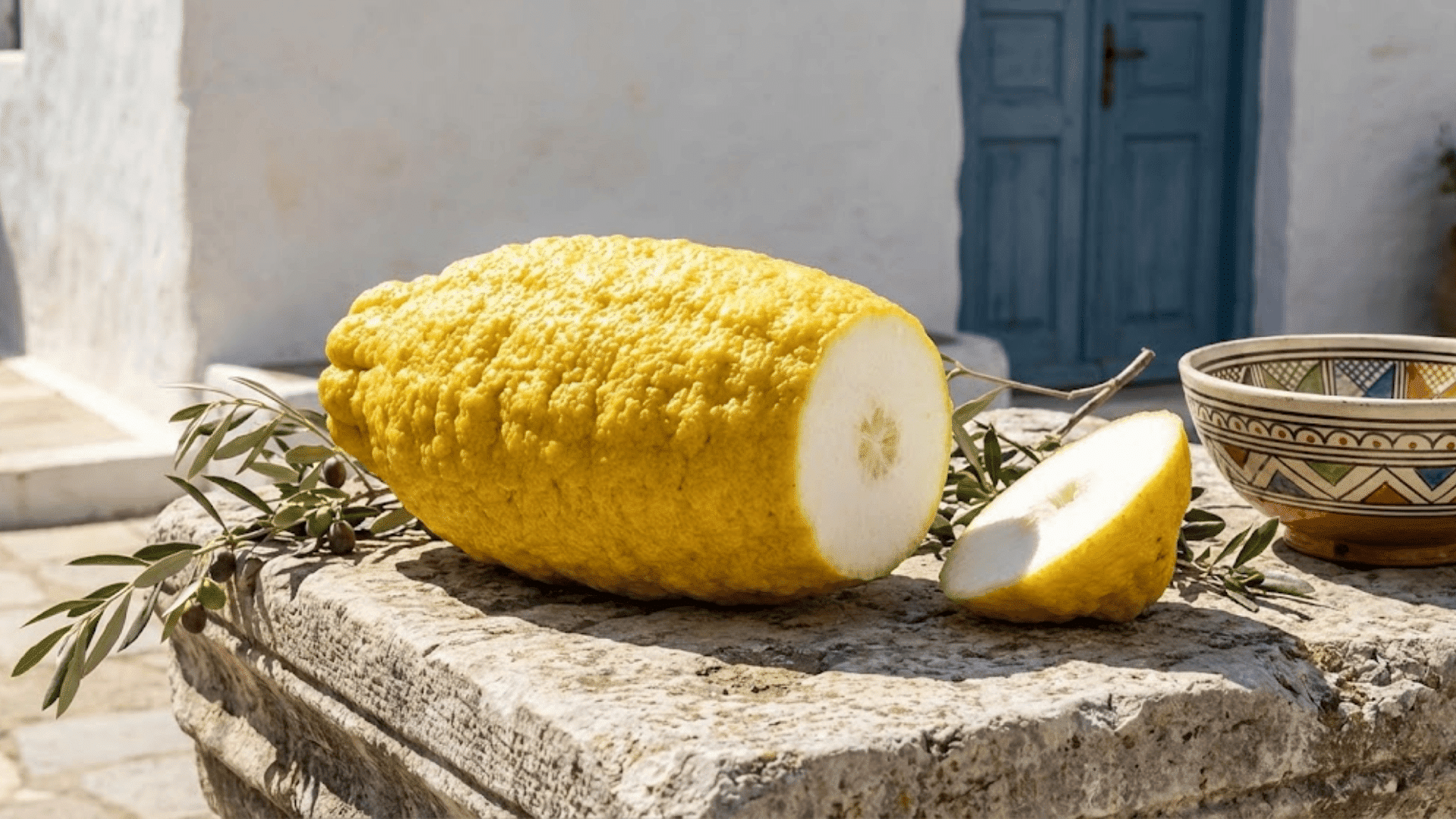
Native Region: Greece and the Mediterranean
Growing Area: Mediterranean climates, USDA zones 9-10
Greek citron is more citron than lemon, with enormous size and a thick, aromatic rind that’s mostly pith. The fruit is used in Jewish religious ceremonies during Sukkot and is also candied for sweets.
There’s very little flesh and juice compared to the massive rind. The fragrance is intensely lemony and resinous, prized for its essential oils and ceremonial importance.
25. Lapithkiotiki Lemon
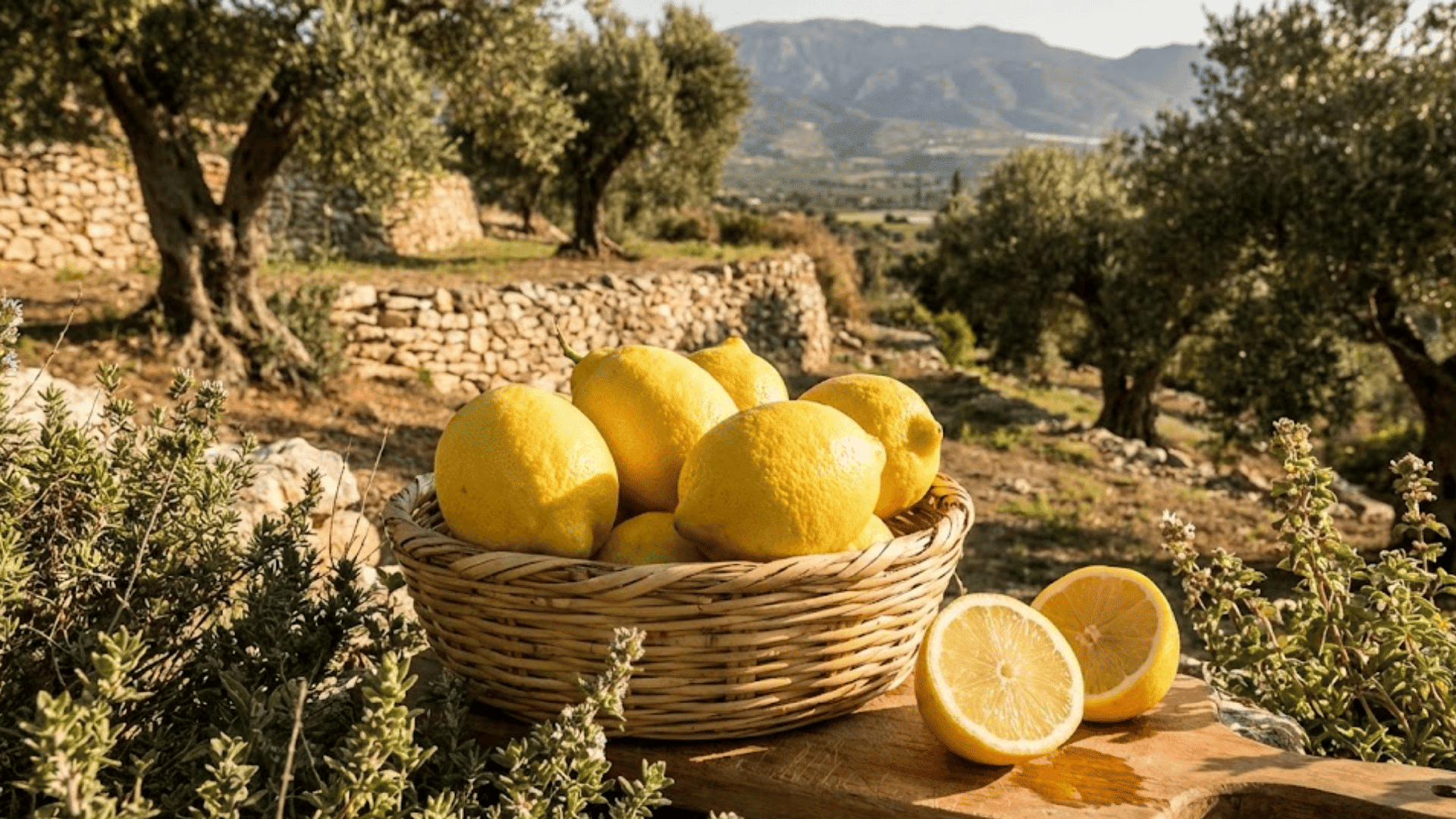
Native Region: Cyprus
Growing Area: Mediterranean climates, USDA zones 9-10
Lapithkiotiki is a traditional Cypriot lemon variety adapted to the island’s specific climate and soil conditions. The fruit has good acidity and juice content with local flavor characteristics.
This variety represents the biodiversity of Mediterranean lemons, where different regions developed their own cultivars. Lapithkiotiki lemons are important to Cypriot agriculture and culinary heritage.
Hybrid & Lemon-Like Citrus Varieties
These citrus fruits blur the boundaries of what we call a lemon. Some are close relatives, others are hybrids, and a few just share lemon’s tartness or aromatic qualities.
26. Lemonade Lemon
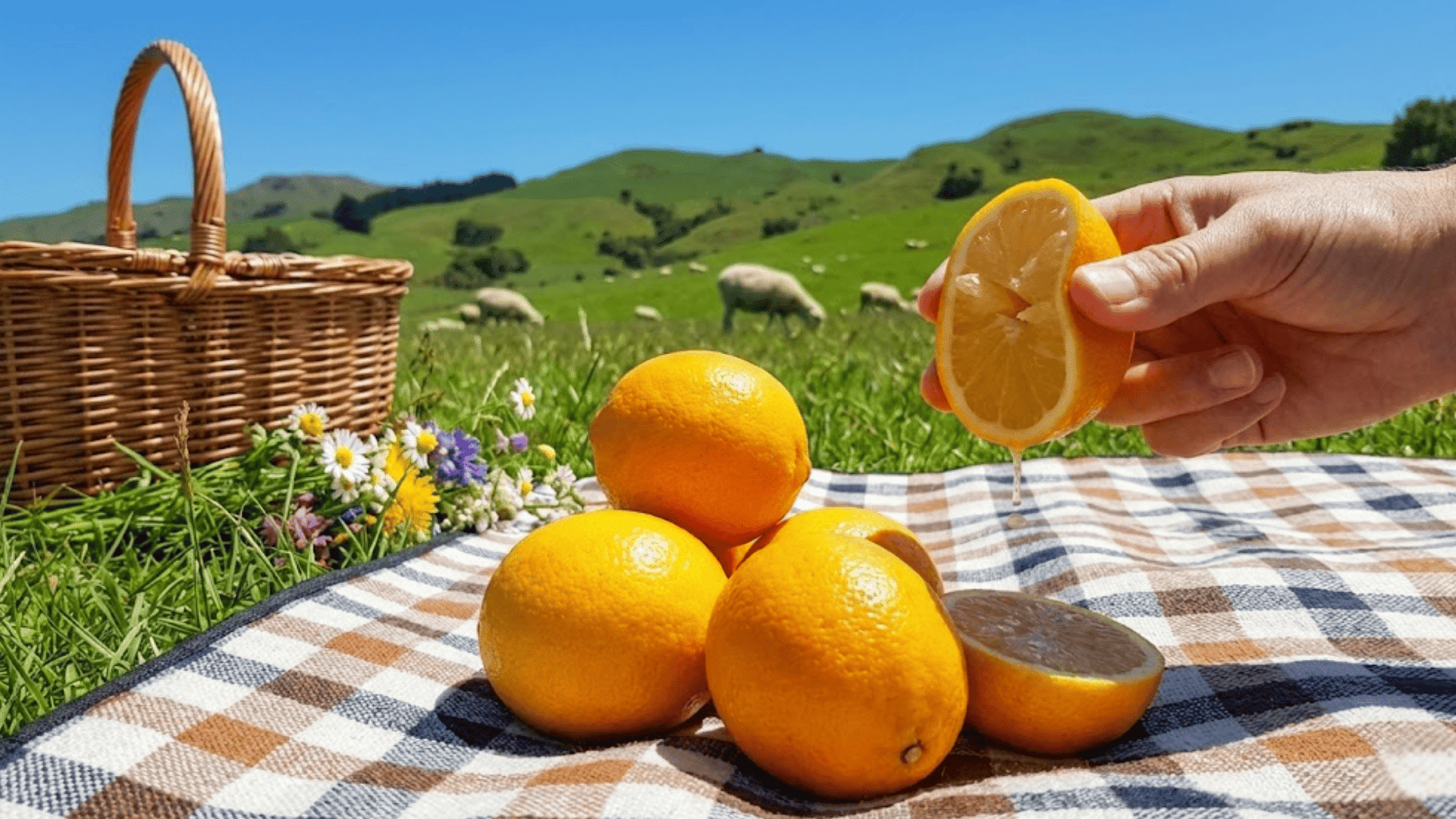
Native Region: New Zealand (hybrid origin)
Growing Area: Temperate to subtropical climates, USDA zones 8-10
Lemonade lemons are sweet enough to eat fresh off the tree, with minimal acidity and a naturally sugary flavor. They’re actually a hybrid that produces fruit resembling large, round lemons.
The taste is mild and pleasant without any harsh sourness. This variety is perfect for people who want lemon flavor without the pucker, making it popular for home gardens.
27. Citron
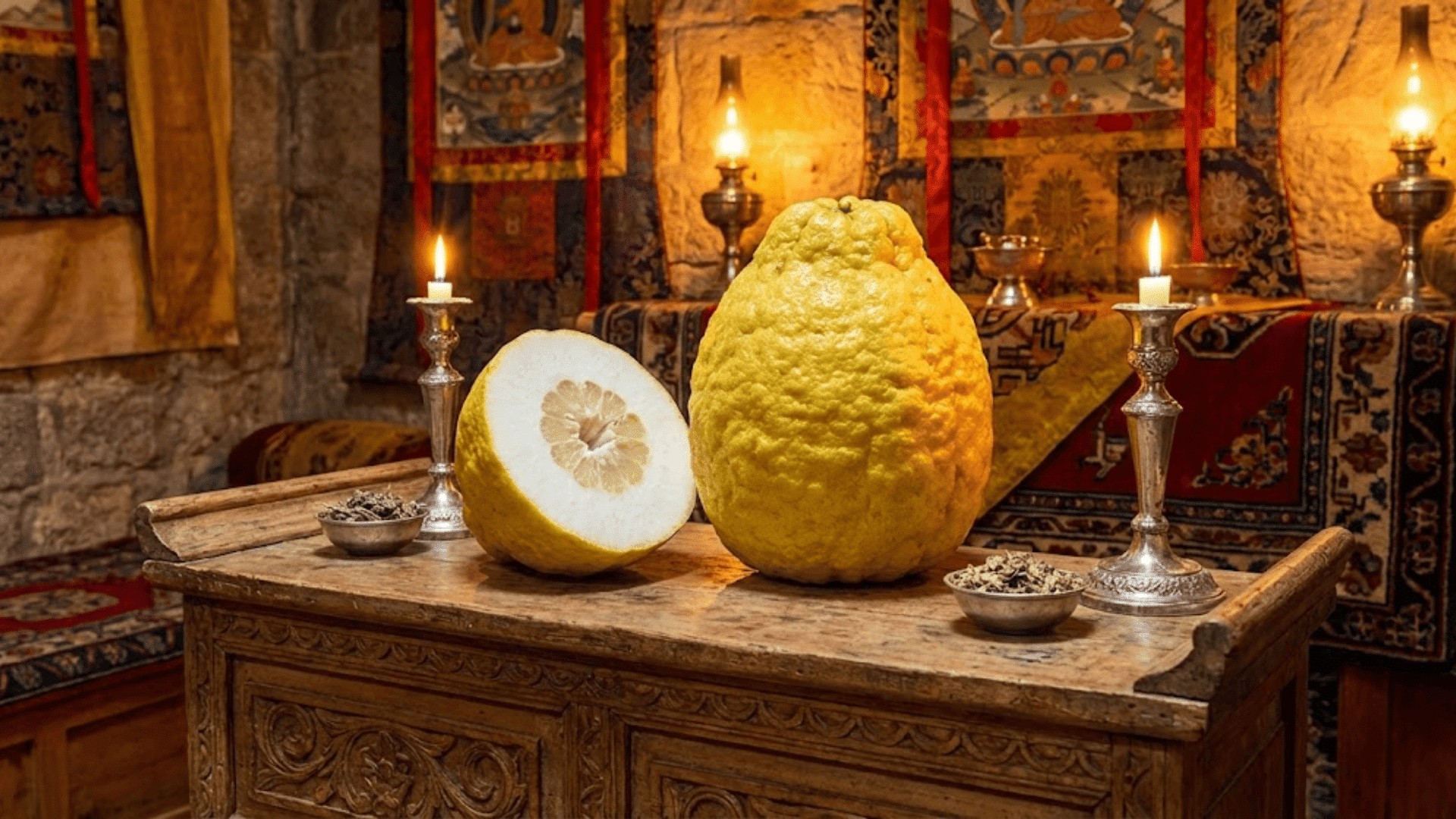
Native Region: India and Southeast Asia
Growing Area: Tropical and subtropical climates, USDA zones 9-11
Citron is one of the original citrus species from which lemons descended. The fruit is mostly thick, fragrant pith with very little juice or flesh.
Citron is valued for its intensely aromatic rind, used in candied form, perfumes, and religious ceremonies. The flavor is lemony but more complex and resinous. This ancient citrus represents the genetic foundation of modern lemons.
28. Volkamer Lemon
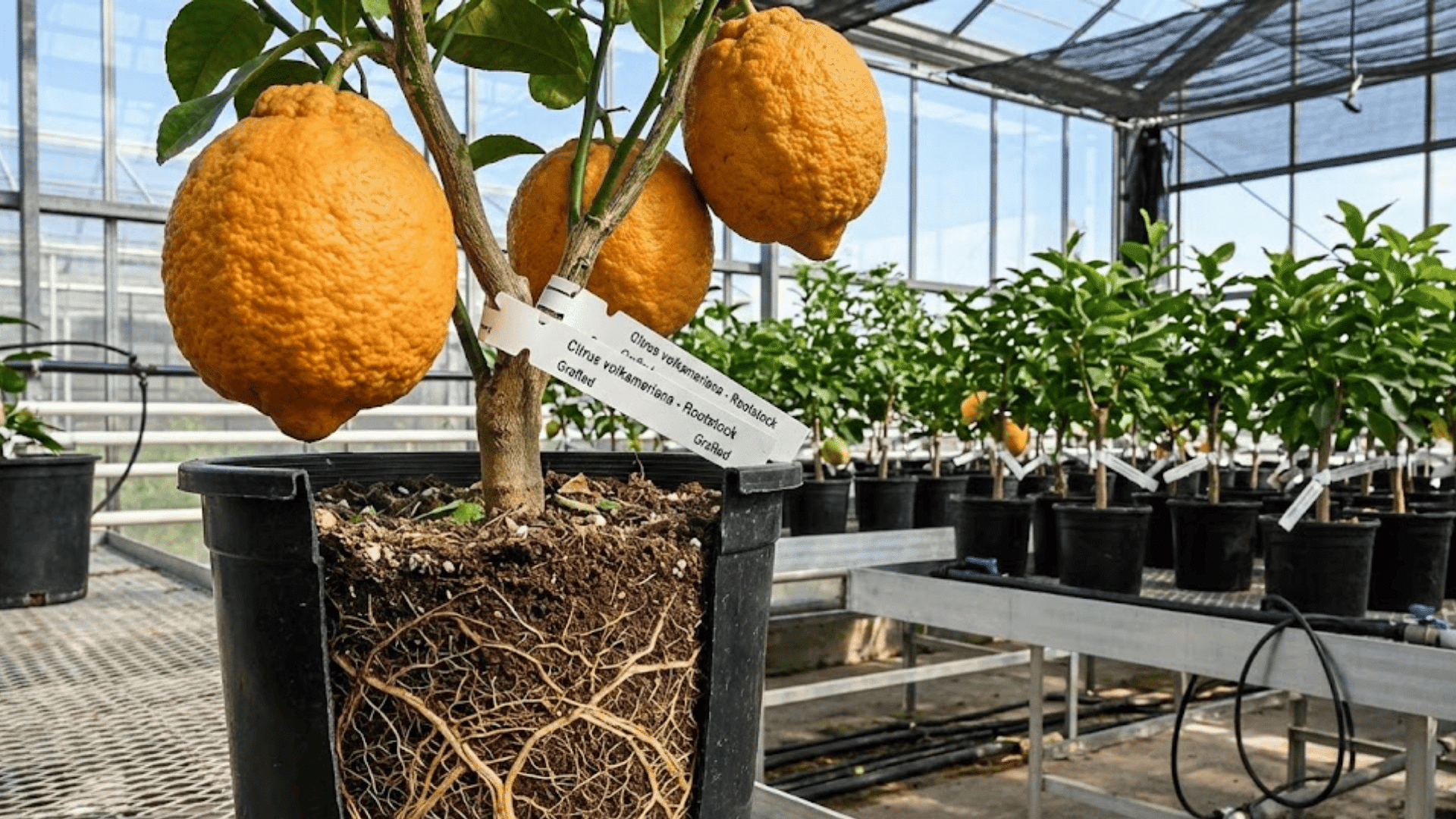
Native Region: Italy (hybrid origin)
Growing Area: Mediterranean and warm climates, USDA zones 9-11
Volkamer is a hybrid between lemon and sour orange, used primarily as rootstock rather than for its fruit. The fruit is large and acidic but lacks the refined flavor of true lemons.
Trees are vigorous and cold-hardy, making them valuable in citrus production. While the fruit is edible, Volkamer’s main contribution is supporting other citrus varieties grafted onto its robust roots.
29. Rangpur Lime
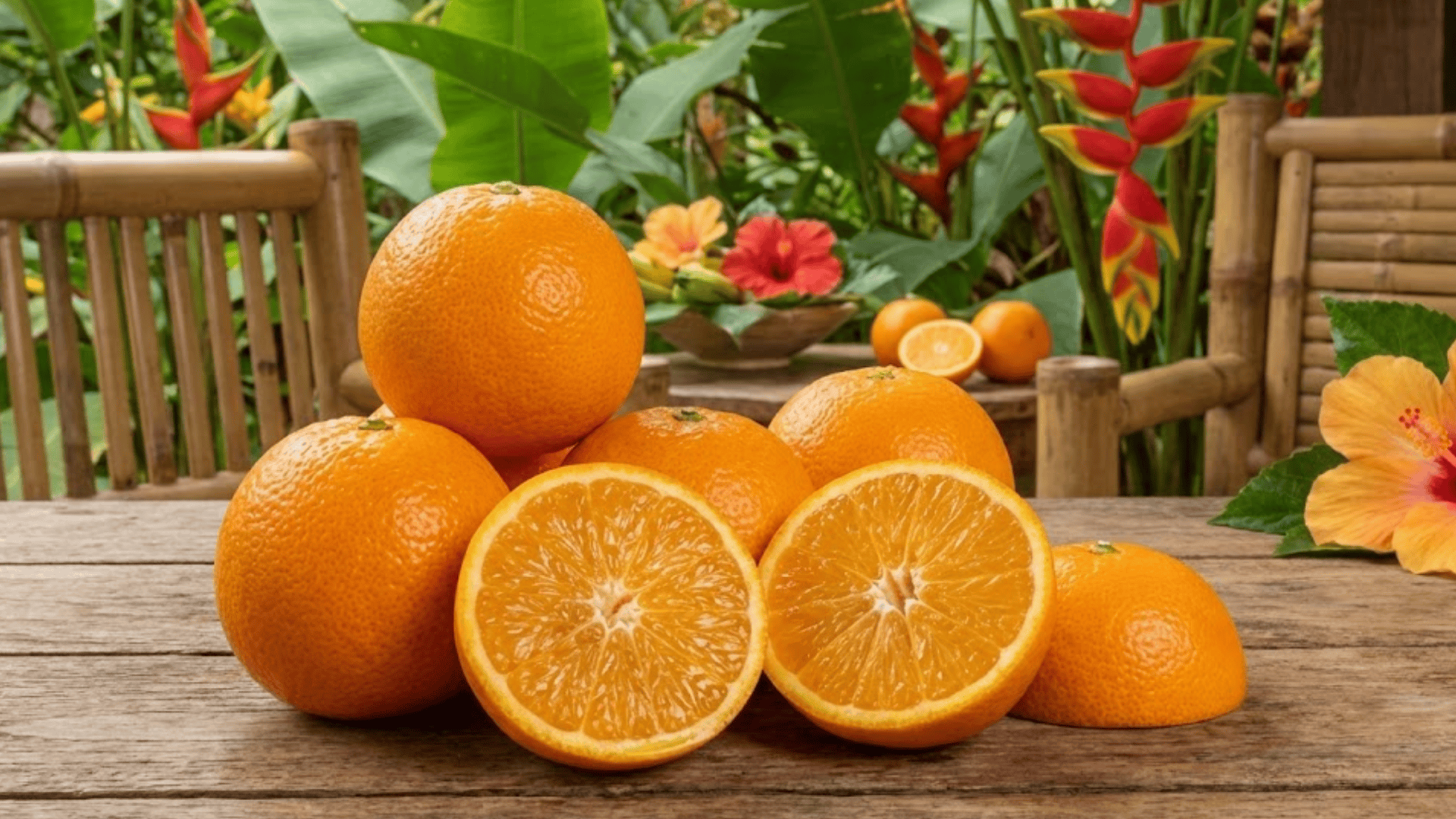
Native Region: India and Southeast Asia
Growing Area: Tropical and subtropical climates, USDA zones 9-11
Despite its name, Rangpur is actually a hybrid between mandarin and lemon, not a true lime. The fruit is orange when ripe with acidic, lemon-like juice. The flavor combines tangy sourness with subtle mandarin sweetness.
Rangpur is used for marmalade, juice, and as rootstock. This variety shows how confusing citrus naming can be across different regions.
30. Kaffir Lime
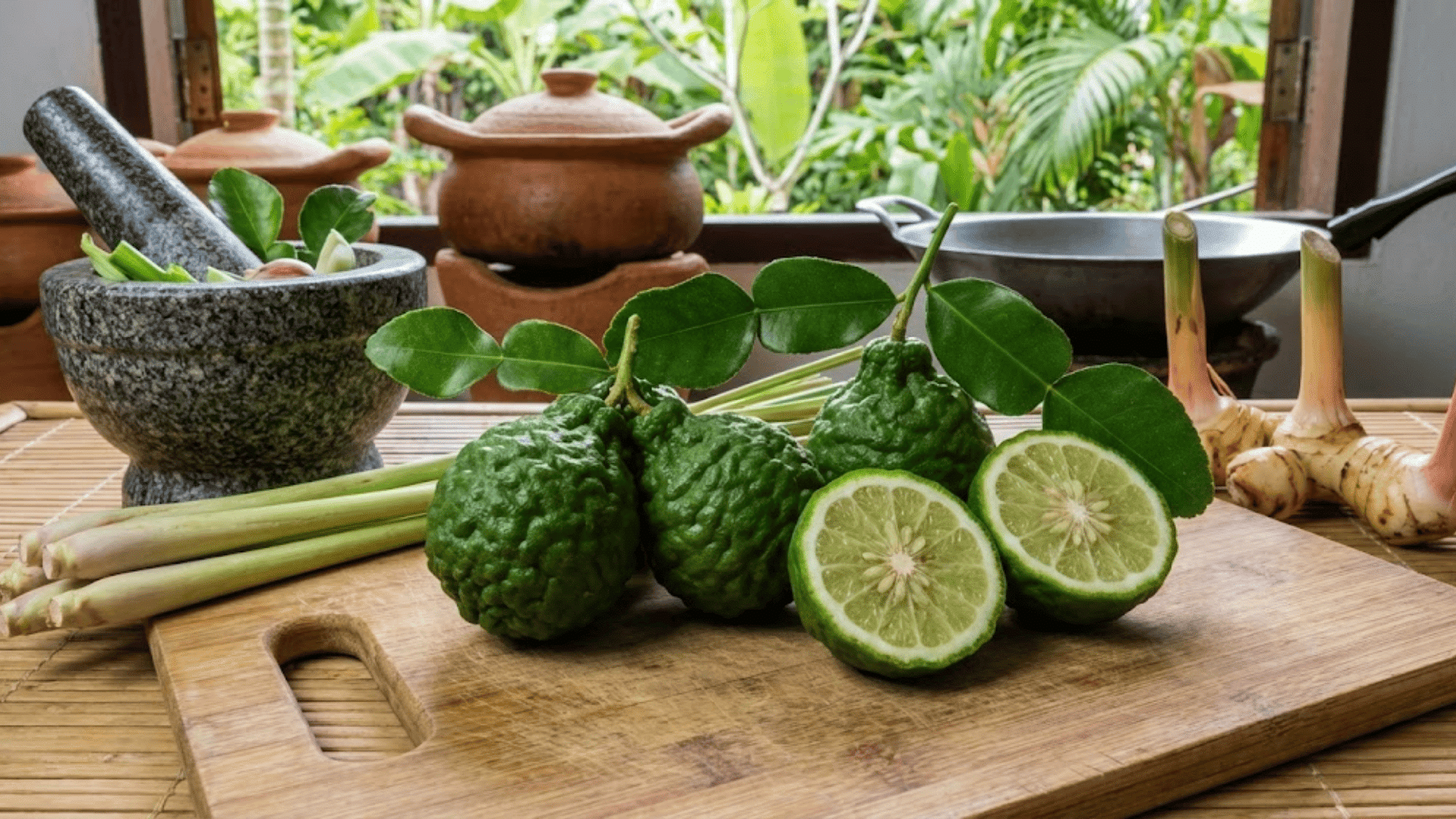
Native Region: Southeast Asia
Growing Area: Tropical climates, USDA zones 10-12
Makrut lime is famous for its aromatic leaves used in Thai, Lao, and Vietnamese cuisine. The fruit has bumpy, dark green skin and very little juice.
The zest and leaves provide an intensely citrusy, floral aroma distinct from lemons but serving similar aromatic purposes. While not a lemon, makrut belongs in any discussion of citrus that brings lemon-like brightness to cooking.
31. Yuzu

Native Region: East Asia (China, Tibet)
Growing Area: Cool temperate climates, USDA zones 8-10
Yuzu is a Japanese citrus with a tart, complex flavor combining lemon, mandarin, and grapefruit notes. The fruit is small and bumpy with aromatic skin and juice used extensively in Japanese cuisine.
Yuzu is cold-hardy and produces fruit even in climates too cool for most citrus. The flavor is unique and prized, making yuzu increasingly popular in Western cooking and cocktails.
32. Sudachi
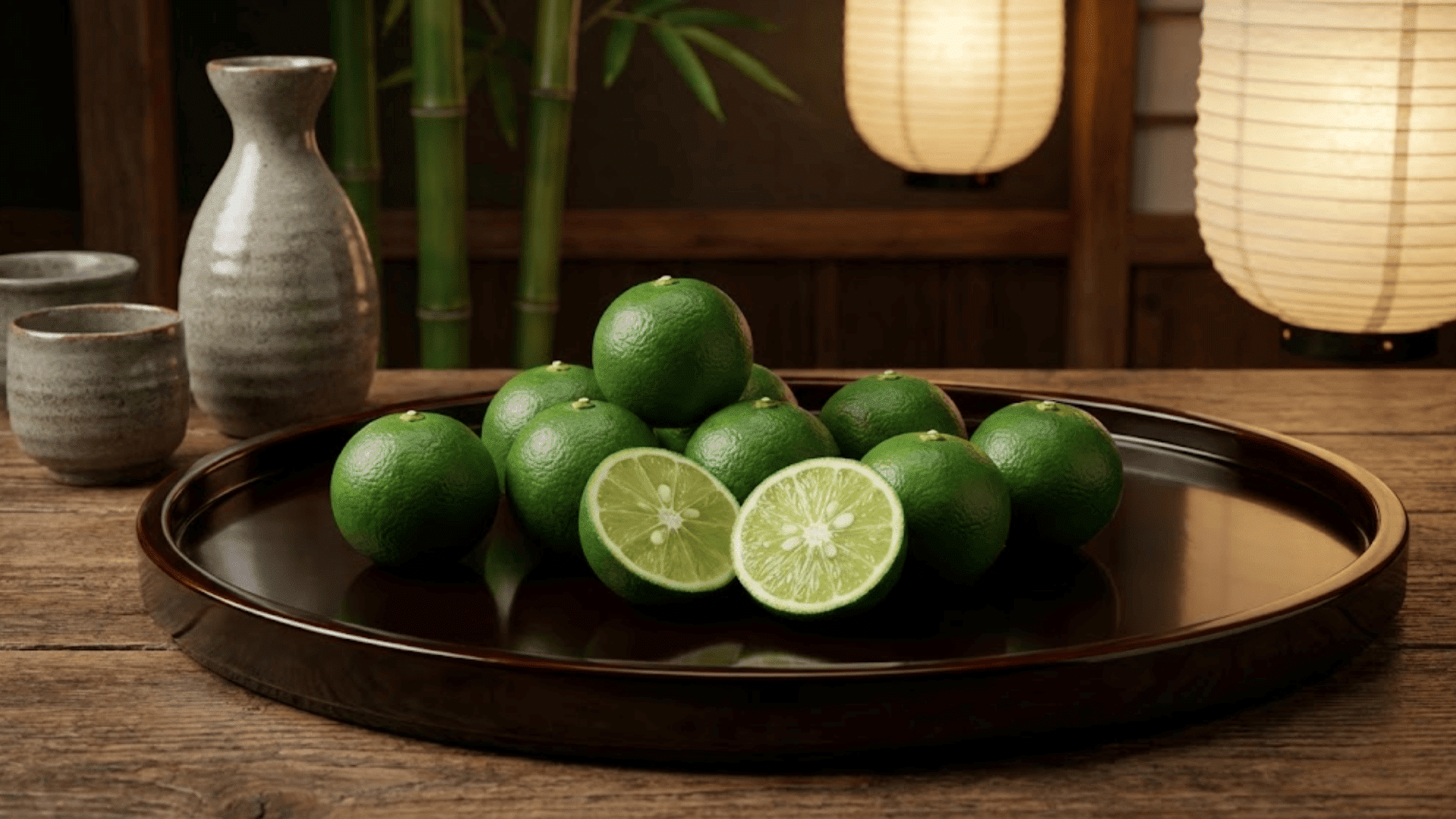
Native Region: Japan
Growing Area: Temperate climates, USDA zones 8-10
Sudachi is a small, green Japanese citrus with sharp acidity similar to lemon but with distinctive aromatic qualities. It’s harvested while still green and used as a garnish and flavoring in Japanese cuisine.
The juice is sprinkled over grilled fish, noodles, and vegetables. Sudachi’s tartness and fragrance make it functionally similar to lemon in Japanese cooking, though the flavor profile is distinctly different.
33. Calamondin
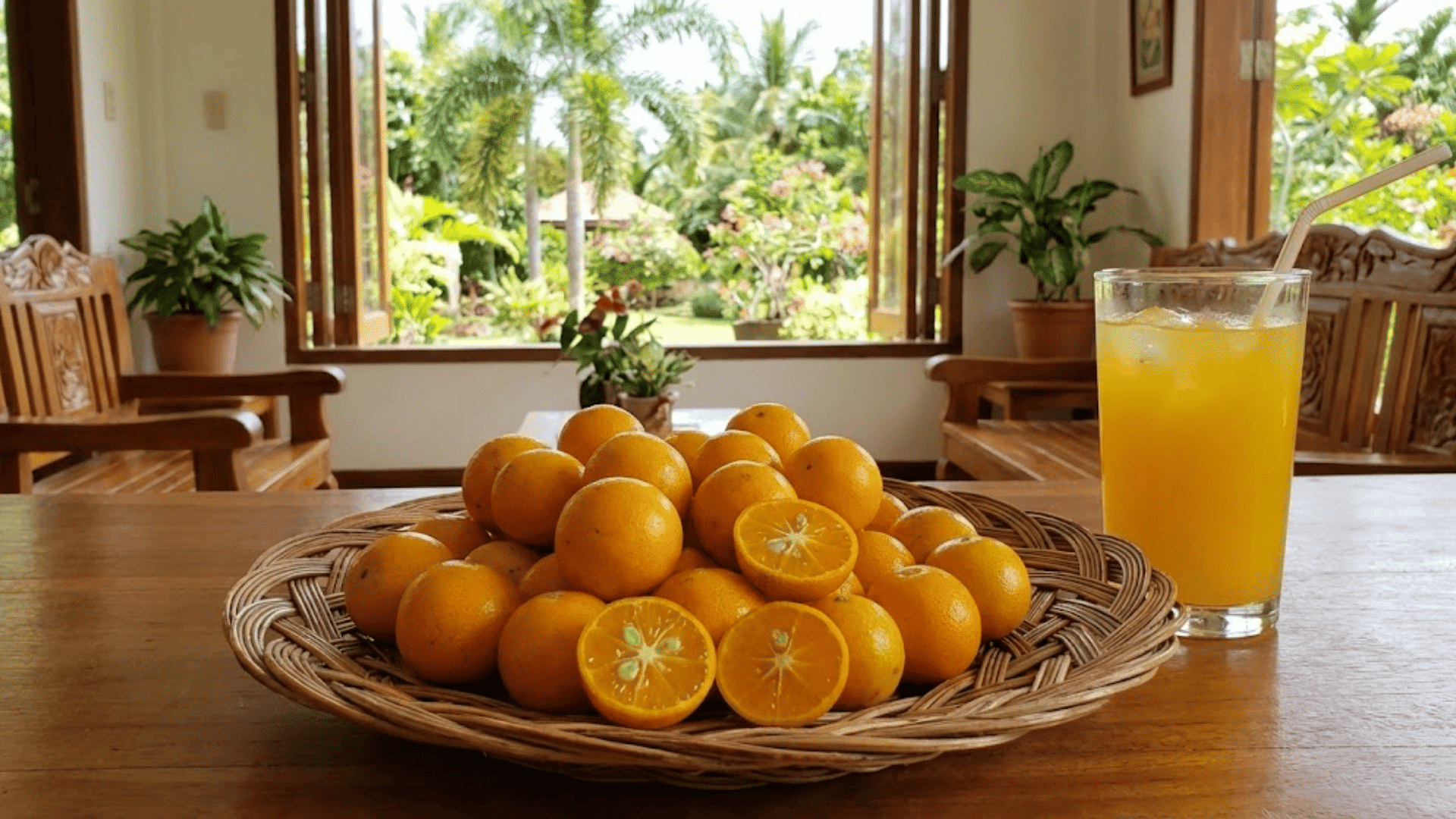
Native Region: Philippines
Growing Area: Tropical and subtropical climates, USDA zones 9-11
Calamondin is a hybrid between kumquat and mandarin, producing tiny, sour fruits with edible skin. The entire fruit can be eaten, though it’s quite tart.
In Filipino cuisine, calamondin juice is used like lemon juice for seasoning and in beverages. The trees are ornamental and productive, often grown in containers. The flavor is intensely sour with floral, tangerine-like undertones.
34. Jambhiri Lemon
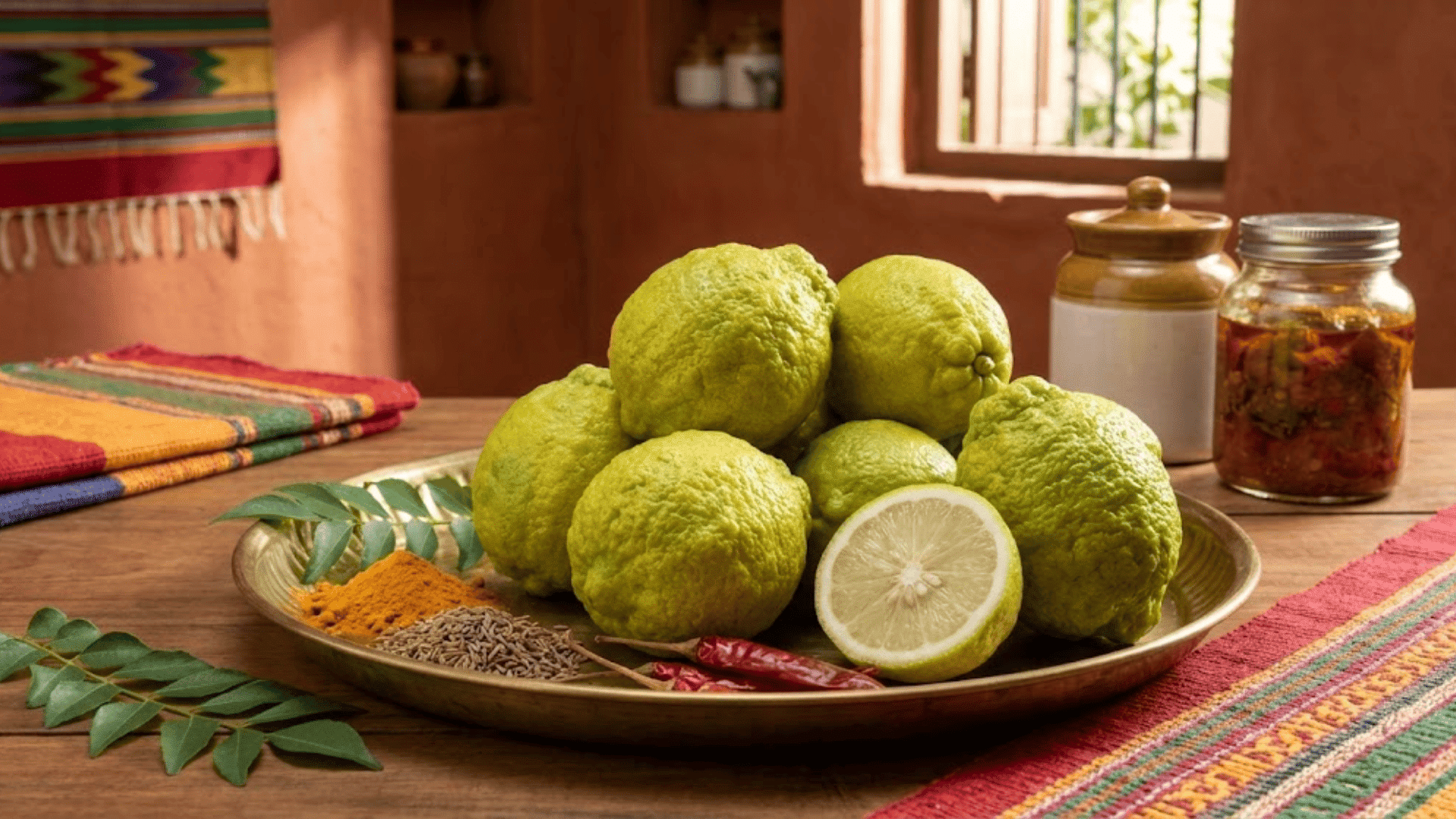
Native Region: India
Growing Area: Tropical climates, USDA zones 10-11
Jambhiri, or rough lemon, is an Indian citrus used primarily as rootstock and for its acidic juice. The fruit is large with rough, thick skin and very sour flesh. It’s used in Indian pickles and traditional medicine.
Jambhiri is hardy and vigorous, making it valuable in citrus cultivation even though the fruit quality isn’t as refined as commercial lemons.
35. Meyer Improved Lemon
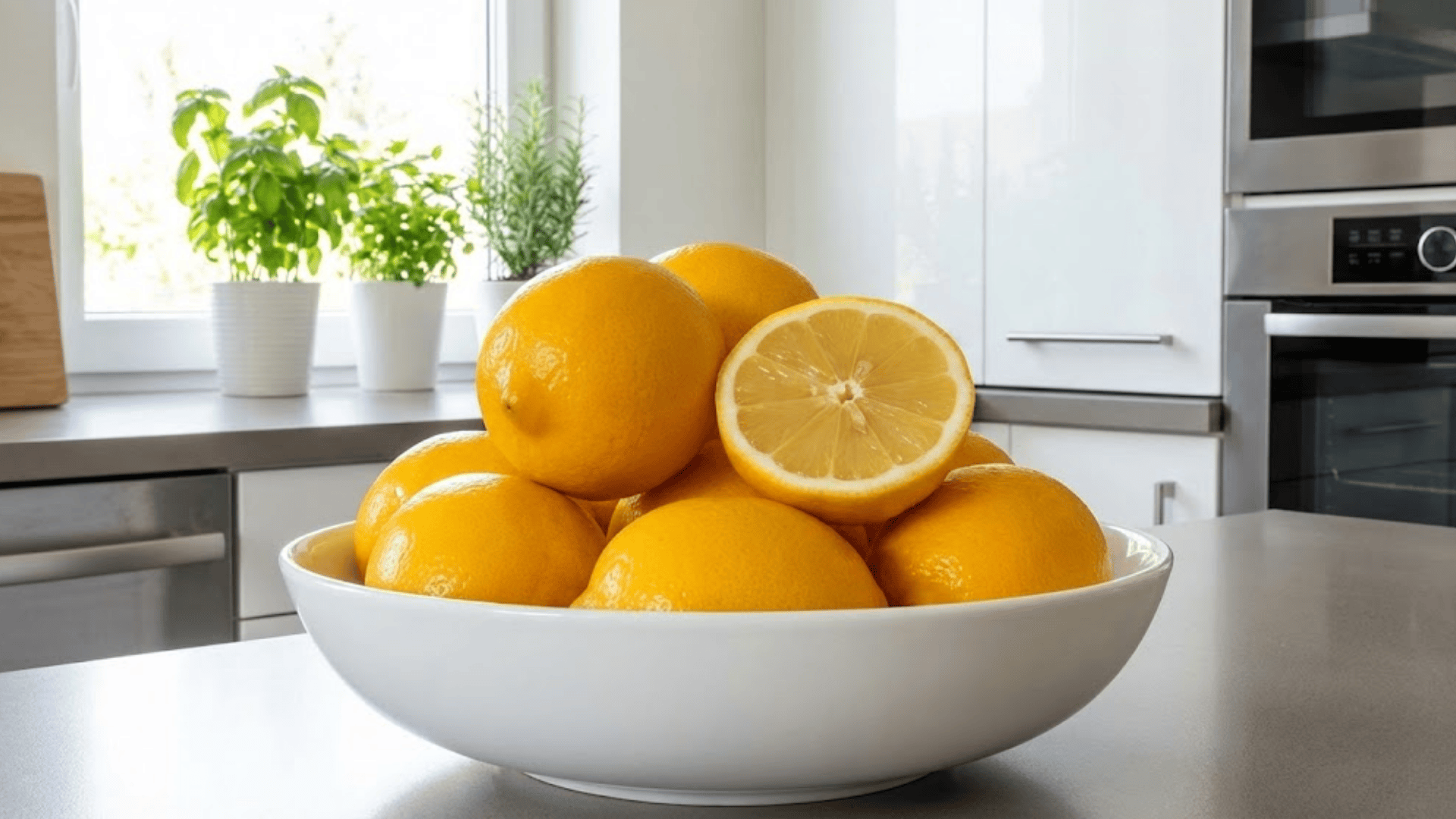
Native Region: United States (cultivated selection)
Growing Area: Mild climates, USDA zones 8-11
Meyer Improved is a virus-free selection of the original Meyer lemon, developed to eliminate diseases that plagued earlier plants. It retains Meyer lemons’ sweet, floral flavor and thin skin, but with improved health and productivity.
This is the Meyer lemon variety most commonly available today in nurseries. The improvement made Meyer lemons viable for commercial and home cultivation.
Culinary Uses by Lemon Type
Different lemons shine in different culinary applications. The acidity level, juice content, rind thickness, and flavor profile all determine where a lemon performs best.
Here’s a quick guide to help you choose the right lemon for your cooking.
| Category | Best Lemon Varieties | Why They Work |
|---|---|---|
| Desserts | Meyer, Amalfi Coast, Sorrento, Sweet Lemon, Lemonade | Lower acidity with sweet, floral notes |
| Savory Cooking | Eureka, Lisbon, Bearss, Femminello, Primofiori | High acidity cuts through rich flavors |
| Beverages | Meyer, Eureka, Mosambi, Yuzu, Sudachi | Balanced flavor for drinks and cocktails |
| Preserves & Marmalade | Verna, Amalfi Coast, Sorrento, Ponderosa, Rangpur | Thick rinds are perfect for candying |
| Zesting & Aromatics | Femminello, Sorrento, Amalfi Coast, Meyer, Makrut | Oil-rich peels with intense fragrance |
| Pickling & Fermenting | Verna, Molla Mehmet, Jambhiri, Lisbon | High acidity and sturdy structure |
| Eating Fresh | Mosambi, Palestinian Sweet, Lemonade, Meyer | Mild enough to eat like oranges |
| Baking | Meyer, Eureka, Femminello, Primofiori | Clean flavor and easy to zest |
Growing Lemon Varieties at Home
Growing lemons at home is easier than you might think, especially if you choose varieties suited to your space and climate.
- Easiest for Beginners: Meyer, Eureka, and Lisbon lemons are forgiving and productive. Meyer adapts well to different conditions and produces fruit reliably. Improved Meyer is disease-resistant, simplifying it for new growers.
- Container-Friendly Varieties: Meyer, Bearss, and Calamondin thrive in pots. Their compact size works perfectly for patios, balconies, or bringing indoors during cold weather.
- Climate Considerations: Most lemons need zones 9-11, but Meyer and Lisbon tolerate cooler temperatures. Tropical varieties like Mosambi require consistent warmth and humidity.
How to Choose the Right Lemon?
Picking the perfect lemon involves more than just grabbing the brightest one. Knowing what to look for helps you get the best flavor and value, whether you’re at the grocery store or a specialty market.
- Choose heavy lemons. Weight indicates juice content, so pick fruits that feel dense for their size.
- Look for thin, smooth skin. Thinner peels mean more juice inside, while thick, bumpy rinds are better for zesting.
- Check for firmness with slight give. Lemons should feel firm but yield slightly to pressure, avoiding rock-hard or mushy fruit.
- Buy specialty lemons for specific uses. Meyer lemons are worth it for desserts, while Amalfi or Sorrento varieties excel in preserves and limoncello.
- Store at room temperature for a week, refrigerate for longer. Keep lemons on the counter for immediate use or refrigerate in a sealed bag for up to a month.
The right lemon can make all the difference in your cooking. Pay attention to what you’re making, and let that guide your choice at the market.
Wrapping Up
The world of lemons is so much richer than that single yellow variety at the supermarket.
Sweet Meyer lemons bring brightness to your morning tea, while thick-skinned Amalfi varieties are destined for limoncello perfection. Each of these types of lemons brings something special to your kitchen and garden.
Bakers, home cooks, and gardeners alike will find a variety that fits their needs beautifully. Some lemons shine in desserts, others in savory dishes, and a few simply make stunning container plants.
Have a favorite lemon type or a recipe you swear by? Drop a comment below and share your citrus stories with us.