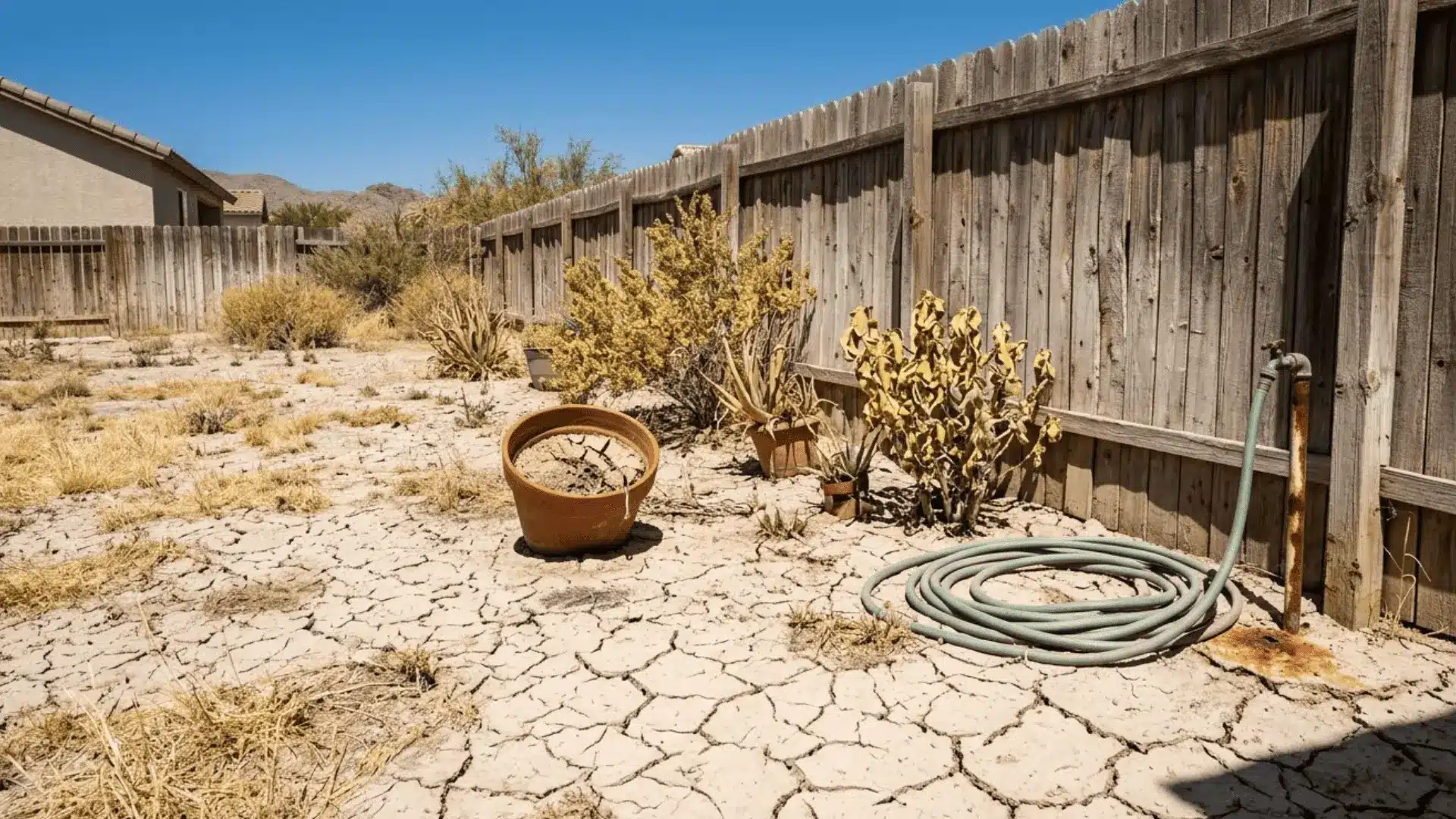
Living in a hot, dry climate means your yard has its own set of rules, and honestly, it can feel like the sun is always winning.
The soil cracks, plants give up without much warning, and water bills quietly climb higher than you planned for.
If you’ve ever stepped outside, looked at your sad little patch of earth, and thought why is this so hard, keep reading.
We’re covering the most common desert yard problems, affordable fixes that actually hold up, and simple landscaping strategies that work with your climate rather than against it.
Why are Desert Yards Difficult to Maintain?
Desert yards are up against conditions that most plants simply weren’t built for. The heat is relentless, and direct sun exposure for hours on end scorches everything faster than you’d expect.
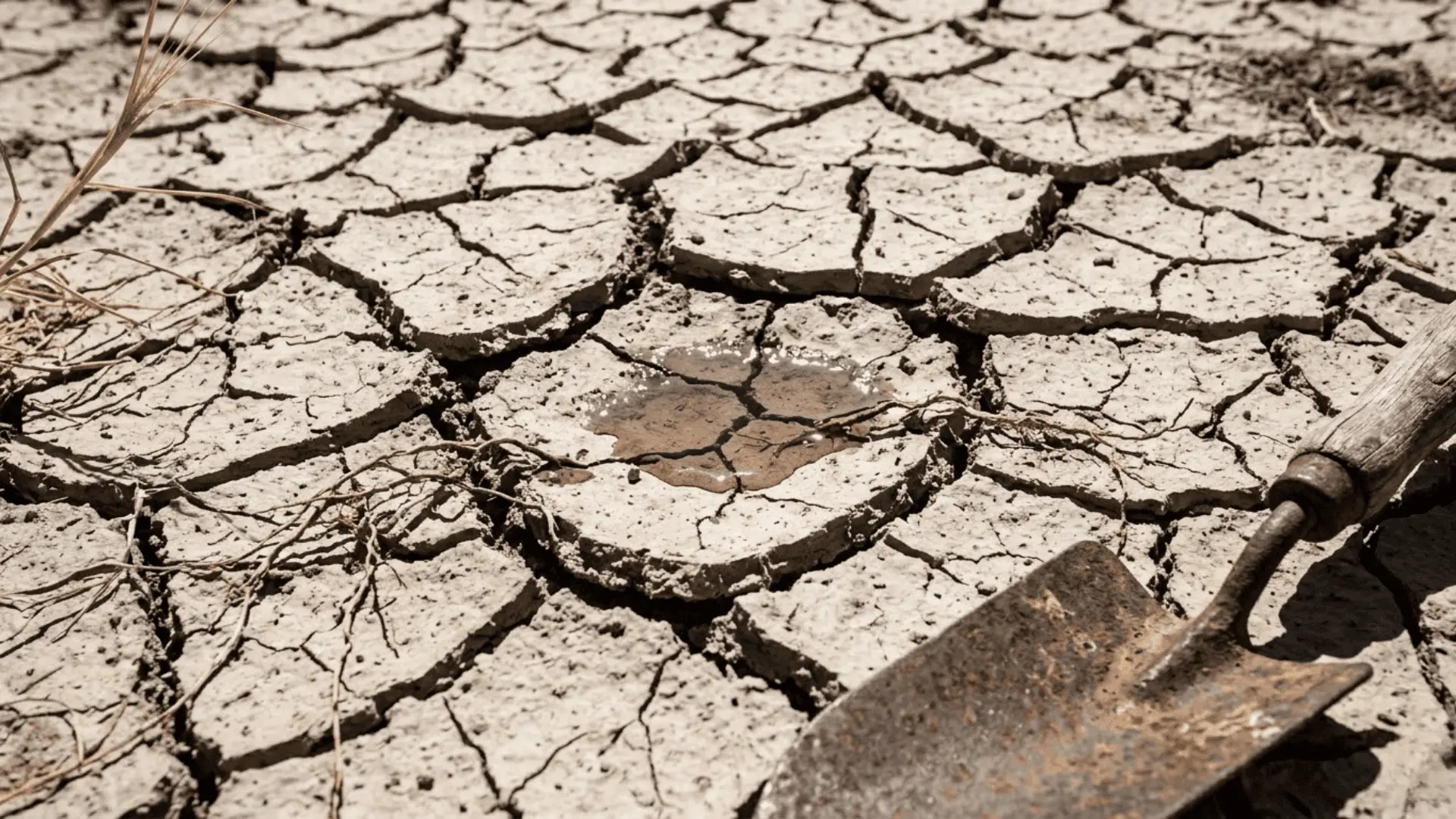
Beneath the surface, the soil is usually sandy, compacted, or both, meaning roots struggle to find nutrients or hold their ground.
Water is already limited in dry climates, and whatever moisture does reach the soil evaporates before it can do any real work.
It’s a cycle that wears down even the most determined gardener, and without the right approach, maintaining anything green feels like a losing battle.
Problem 1: Dry, Compacted Soil That Won’t Absorb Water
A lot of yard frustration traces back to planting what looks pretty at the nursery rather than what actually belongs in a dry climate. Plants that need consistent moisture and mild temperatures will always struggle here.
Pairing the right plants in intentional groupings of three makes the yard feel designed rather than random, while switching to native and drought-resistant varieties takes the guesswork out of it entirely.
Here are a few low-cost ways to bring your soil back to life:
- Mix compost into the topsoil to restore nutrients and loosen the texture.
- Lay mulch over the surface to slow down moisture evaporation.
- Use a soil conditioner to improve water absorption over time.
- Aerate manually with a garden fork to break up compacted layers.
Problem 2: Plants Burning in Extreme Heat
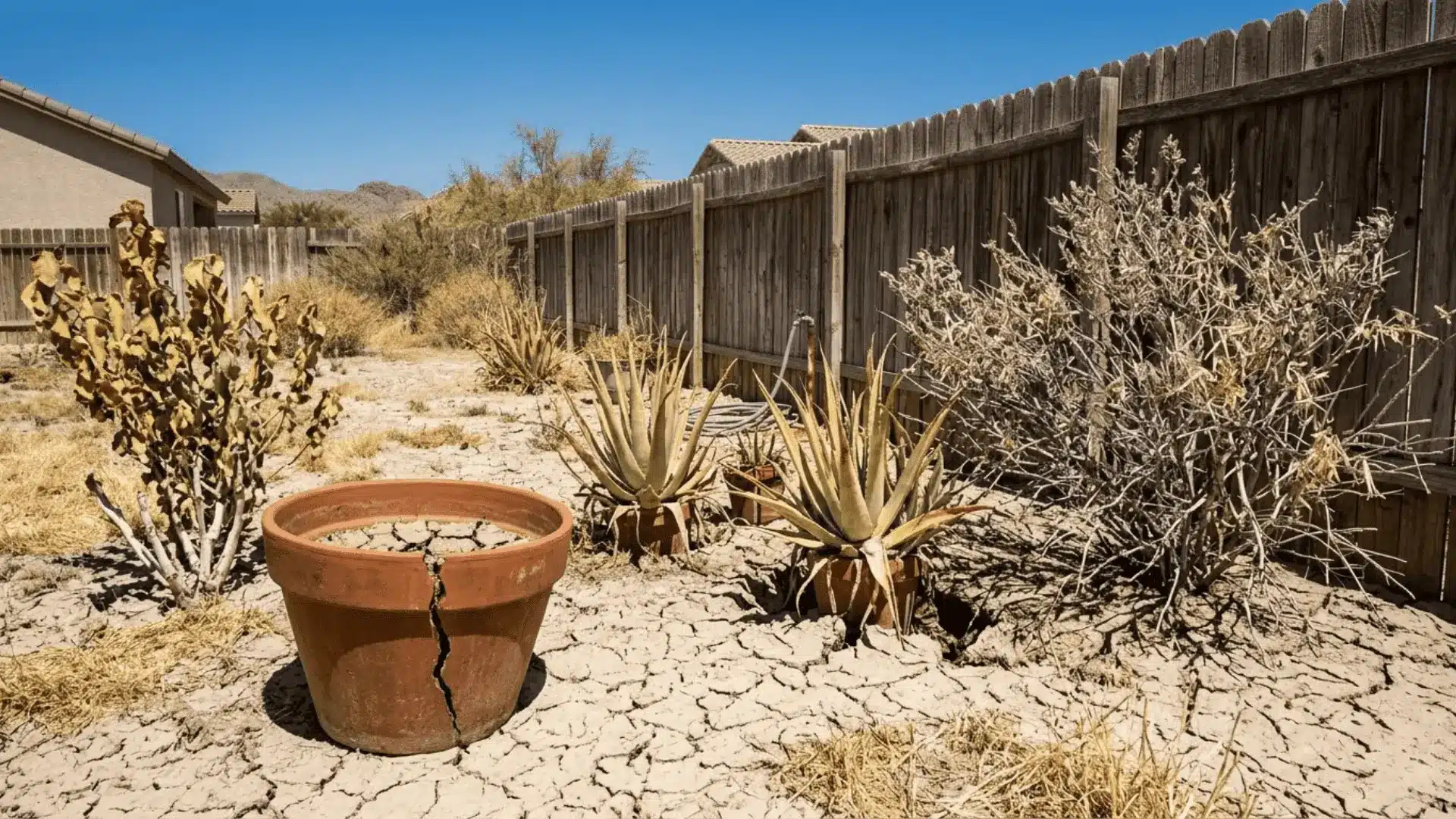
Not every plant is cut out for intense desert sun, and putting the wrong ones in direct exposure is where most people go wrong.
Without shade or protection, leaves scorch, colors fade, and plants deteriorate faster than the season turns. The heat isn’t going anywhere, so the fix has to come from how you plant and what you plant.
Small changes here go a long way:
- Drape shade cloth over vulnerable plants during peak afternoon heat.
- Swap struggling plants for heat-tolerant varieties like succulents or native species.
- Keep mulch around the base of plants to hold moisture in longer.
- Group plants together so they create natural shade for each other.
Problem 3: High Water Bills and Inefficient Irrigation
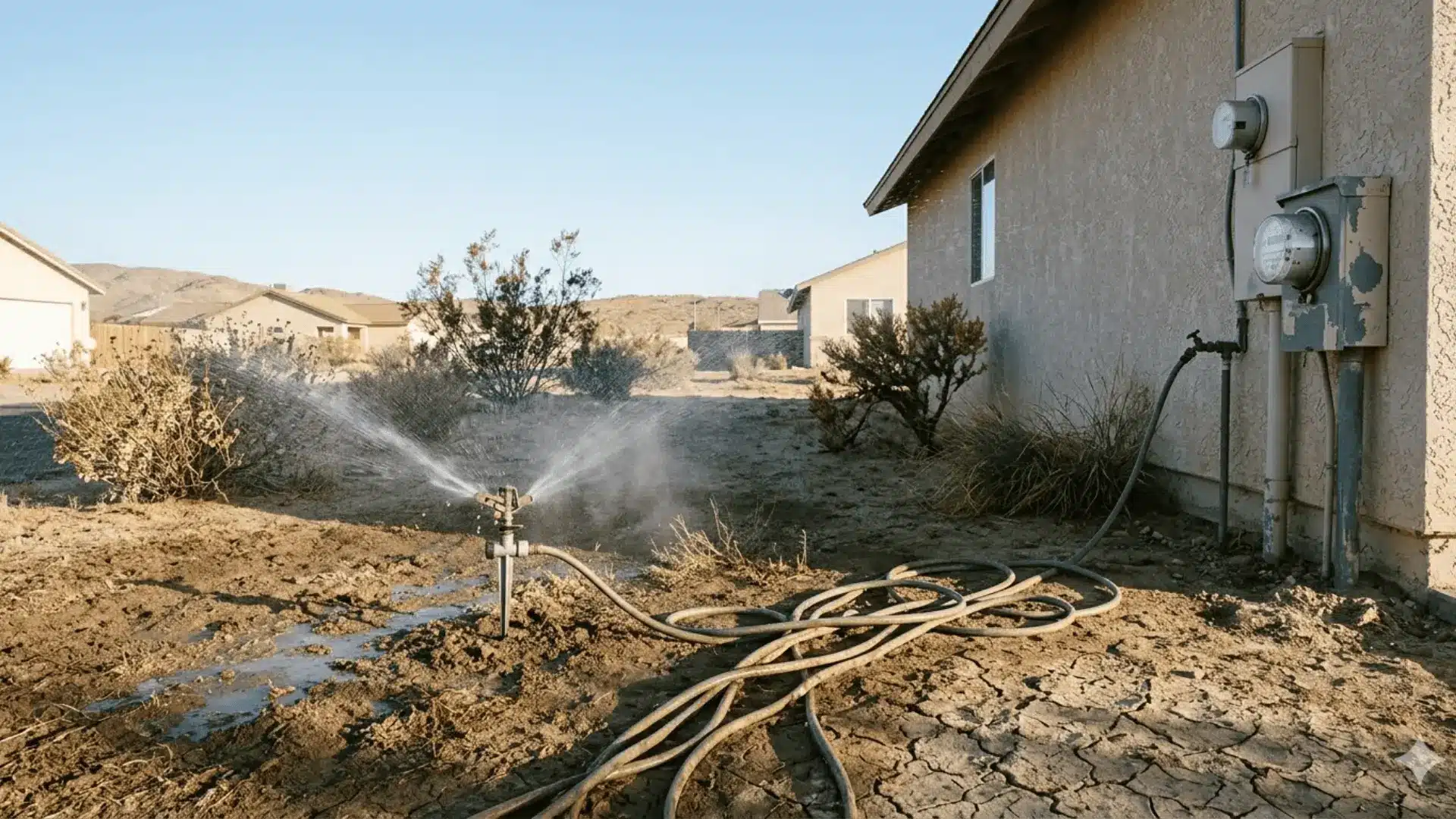
Watering a desert yard without a strategy means a lot of water is going everywhere except where it’s needed.
Overwatering, poor timing, and fast evaporation quietly add up on your bill without actually keeping your yard healthy. A few simple adjustments to how and when you water can make a noticeable difference.
Try these low-cost irrigation fixes:
- Switch to drip irrigation so water goes directly to the roots.
- Water early morning or evening when evaporation rates are lowest.
- Mulch heavily around plants to keep soil moisture from escaping.
- Check for leaks or misdirected sprinklers regularly.
Problem 4: Water Runoff Instead of Absorption
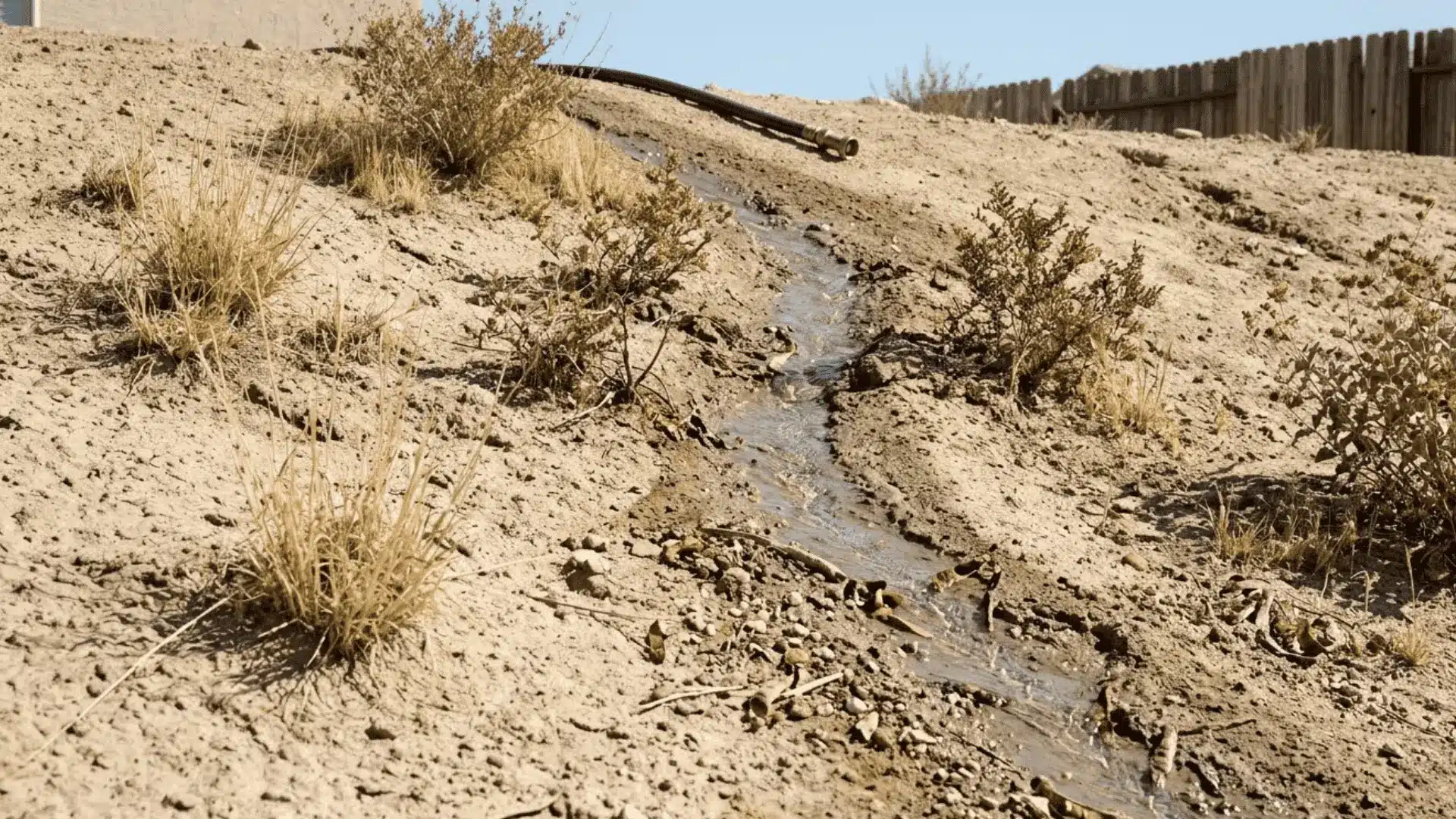
When the soil is too hard or the ground slopes, water doesn’t stick around long enough to help.
It flows away before roots ever get a chance to drink, which wastes water and leaves plants dry despite regular watering efforts.
Here’s how to slow things down and keep water where it belongs:
- Dig shallow basins around plants to direct water inward.
- Work organic matter into the soil to improve its ability to hold moisture.
- Water slowly and in intervals rather than all at once.
- Use ground covers on slopes to reduce surface runoff.
Problem 5: Weeds Thriving Despite Harsh Conditions
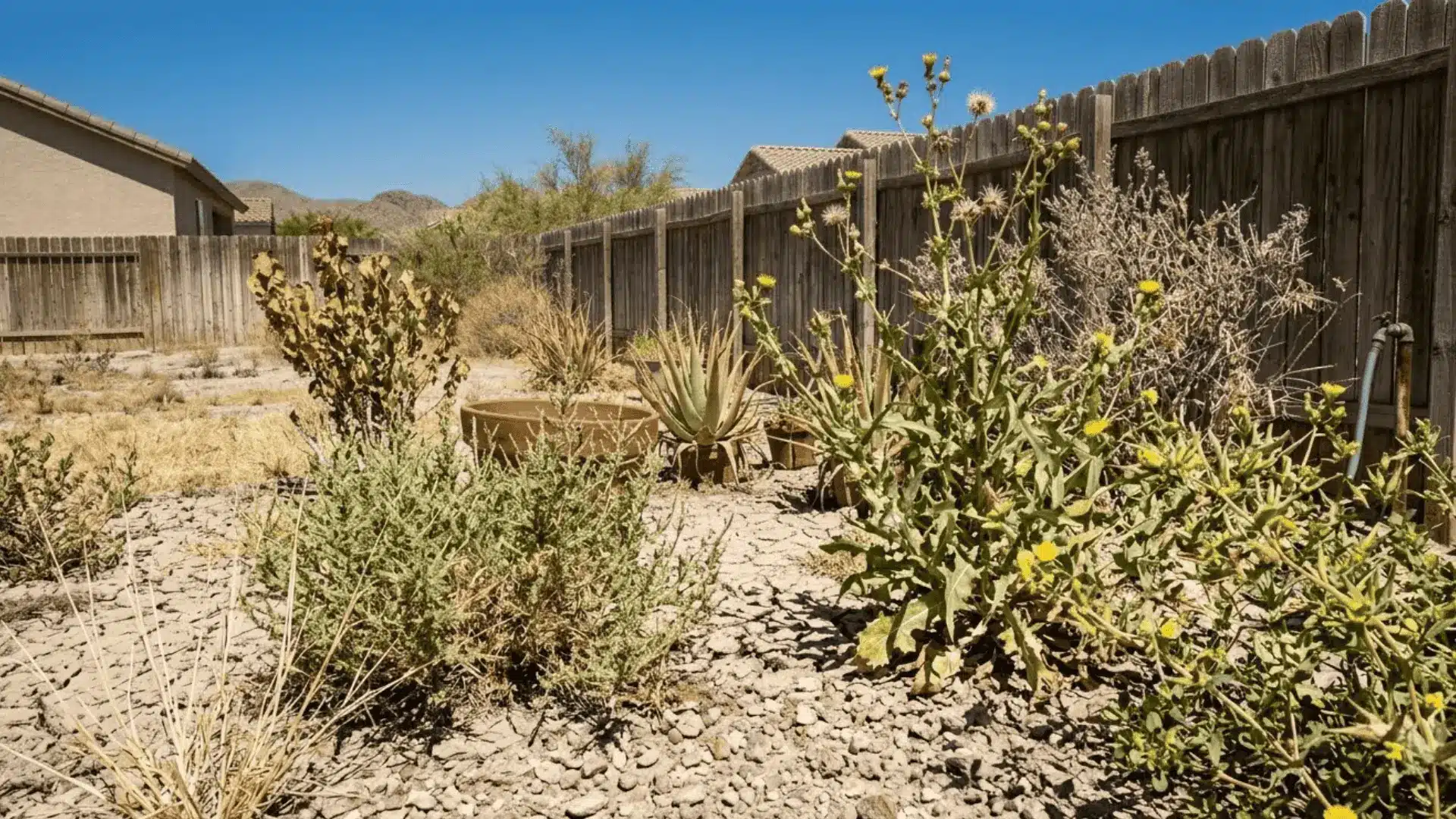
It feels unfair that weeds survive everything a desert throws at them while your other plants struggle.
Their deep roots and natural adaptability let them pull moisture from places other plants simply can’t reach, and they spread fast if left unchecked.
Keeping weeds manageable doesn’t have to cost much:
- Layer mulch thickly to block sunlight and prevent weed germination.
- Pull weeds out manually after watering when the soil is softer.
- Plant ground covers to crowd out the space weeds would otherwise claim.
- Check regularly and remove early before root systems deepen.
Problem 6: Faded, Lifeless Yard Appearance
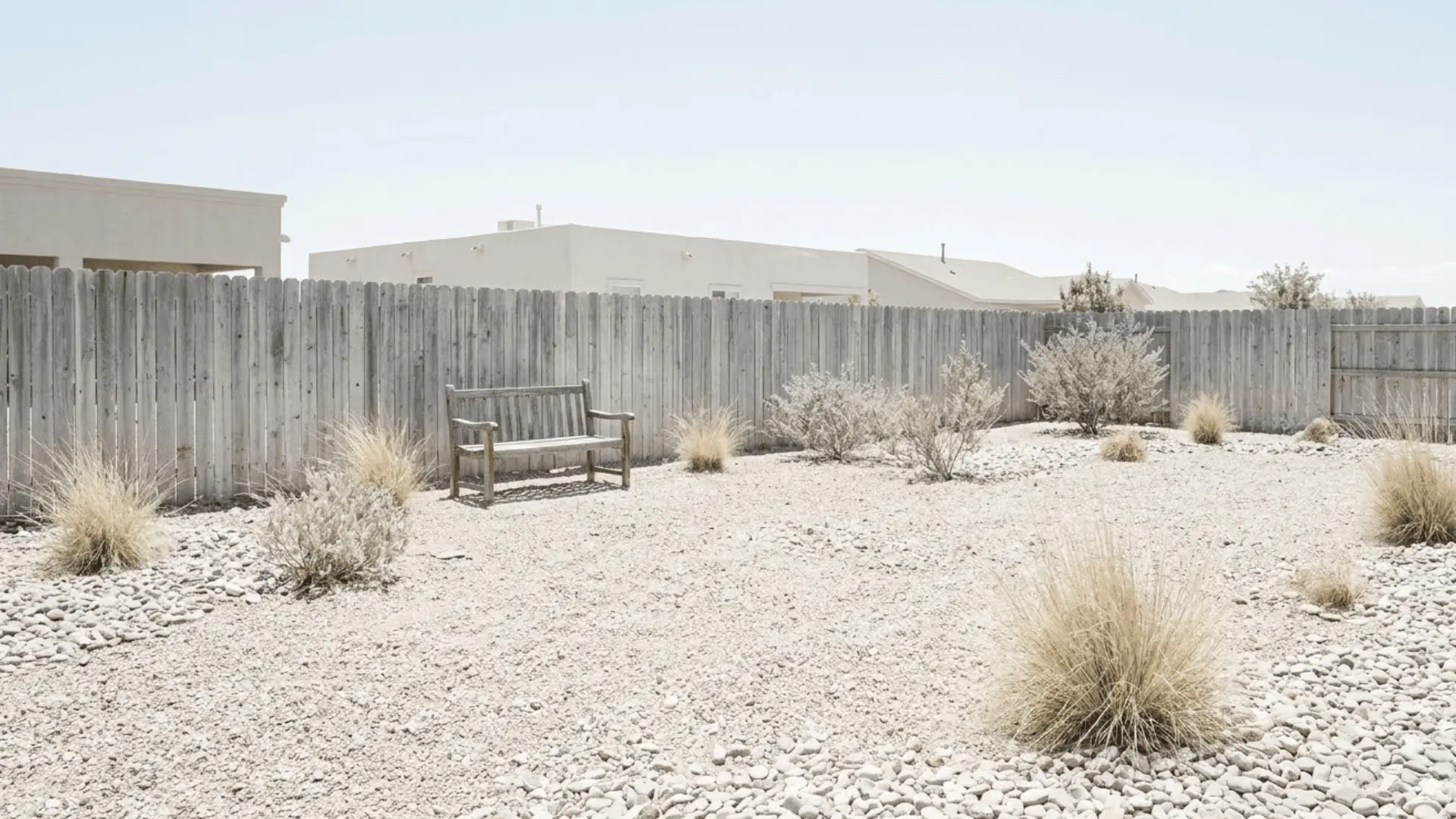
Harsh sun bleaches color out of everything, and without much greenery to work with, desert yards can start to feel more like a neglected lot than an outdoor space you actually enjoy.
With the right low-effort additions, though, even the most washed-out yard can start to feel intentional and put-together again.
These affordable touches make a real difference:
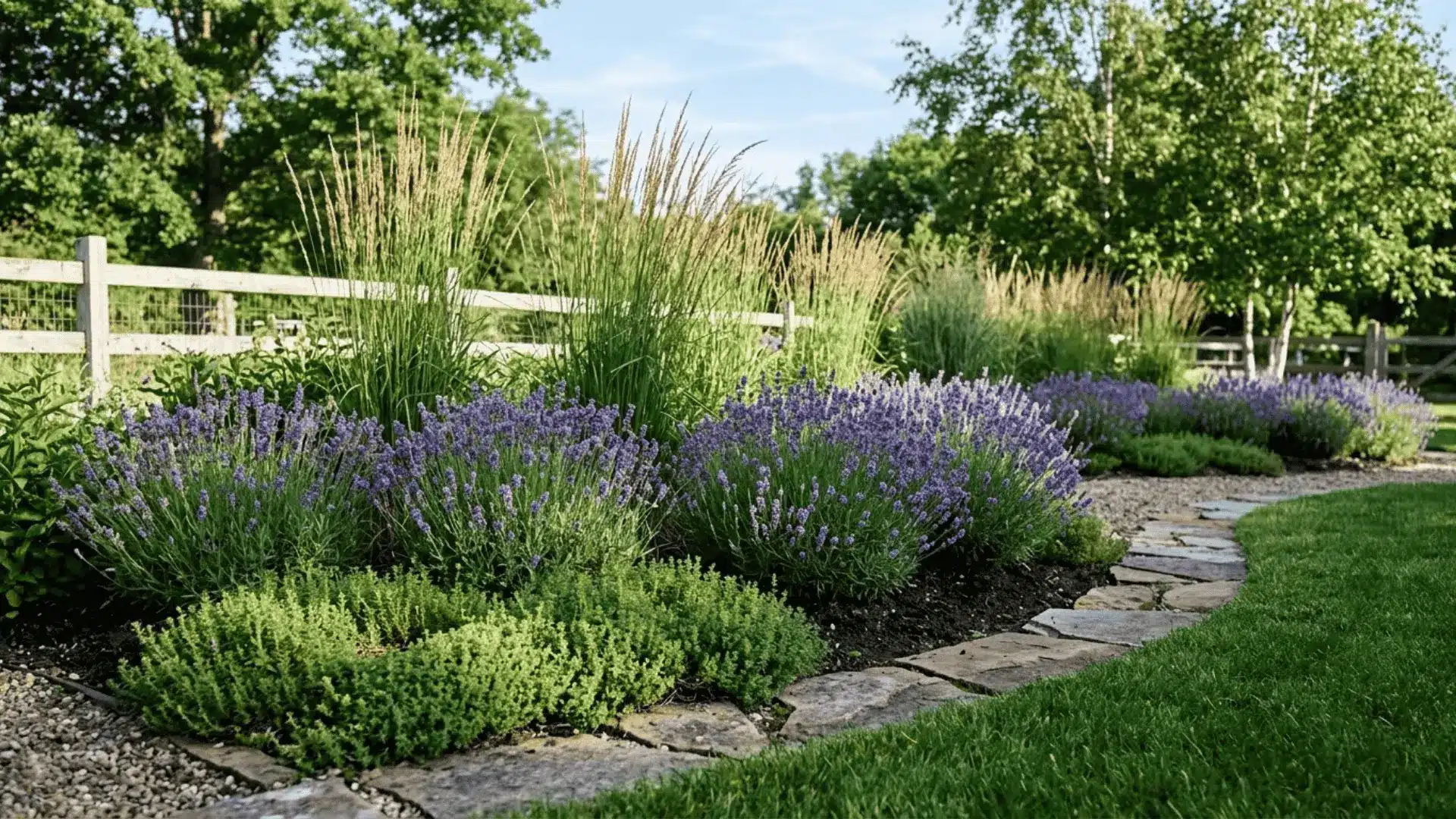
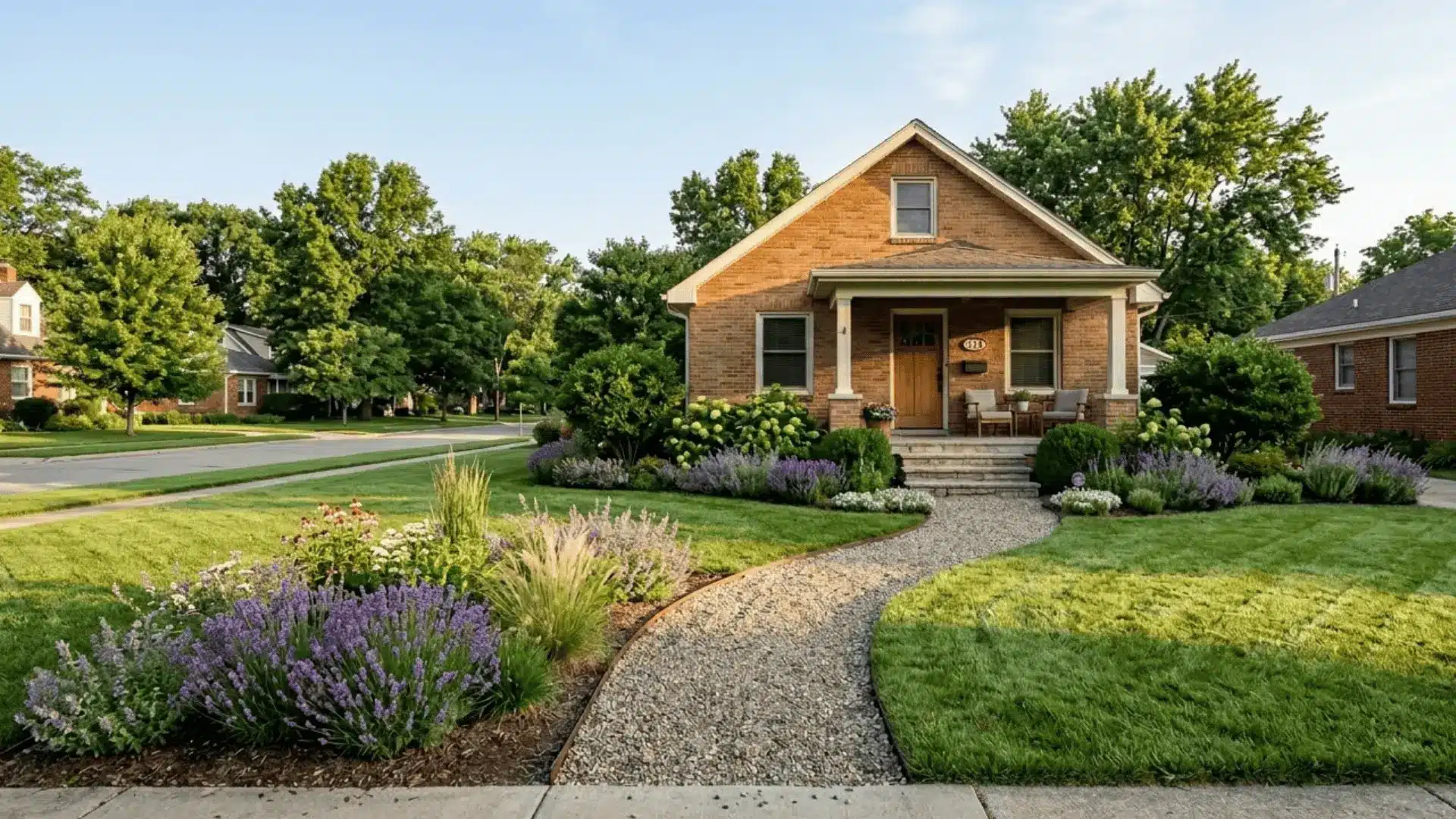
- Plant drought-tolerant varieties like lavender or agave for natural color and texture.
- Spread decorative gravel in warm tones to add dimension without needing water.
- Introduce pops of color through potted plants that are easy to move and maintain.
- Use light-colored stones or borders to reflect heat and brighten the overall look.
Poor Plant Choices for Desert Climates
A lot of yard frustration traces back to planting what looks pretty at the nursery rather than what actually belongs in a dry climate.
Switching to native and drought-resistant varieties takes the guesswork out of it entirely.
| Struggling Plant | Better Desert Alternative | Water Needs | Key Benefit |
|---|---|---|---|
| Rose bushes | Bougainvillea | Very low | Vibrant color, thrives in heat |
| Kentucky Bluegrass | Buffalo Grass | Low | Stays green through dry spells |
| Hydrangea | Lantana | Low | Heat-loving, attracts pollinators |
| Impatiens | Portulaca | Very low | Blooms beautifully in full sun |
| Japanese Maple | Desert Willow | Low | Shade-providing, built for arid conditions |
| Ferns | Agave | Minimal | Striking texture, near-zero maintenance |
| Hostas | Black-eyed Susan | Low | Sun-tolerant, drought-hardy |
Cheap Landscaping Ideas for Desert Yards
Keeping a desert yard looking good doesn’t have to mean spending much.
A few intentional choices with the right materials, from inexpensive gravel and plants to simple borders, can completely change how your outdoor space feels and functions.
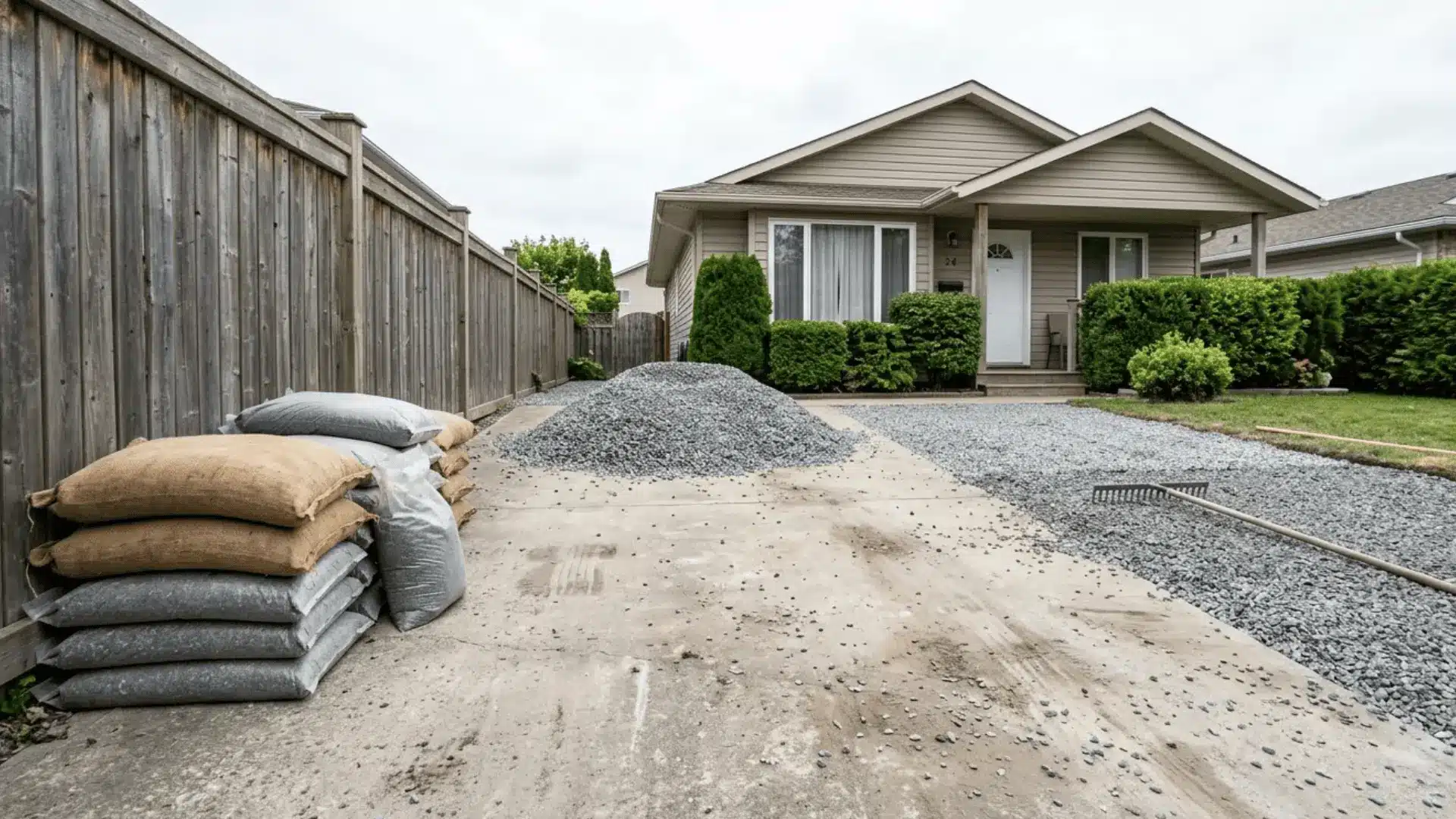
- Swap patchy grass for gravel or rock beds, low maintenance, zero watering, and surprisingly polished looking.
- Try xeriscaping by grouping drought-tolerant plants together so they shade the soil and reduce water needs naturally.
- Repurpose old pots, crates, or pallets as planters and decorative accents for an effortless lived-in look.
- Line pathways or borders with local stones to add structure without the cost of buying new materials.
Even on a tight budget, small landscaping decisions add up to a yard that feels cared for and climate-smart at the same time.
Seasonal Tips for Hot Climate Yards
Desert yards shift with the seasons more than people expect, and timing your care routine around those changes keeps your yard in better shape year-round.
Summer
- Water during early morning or evening to minimize evaporation loss.
- Add a fresh layer of mulch to protect roots from peak heat.
- Pull weeds before they flower and spread through dry summer winds.
- Move potted plants to shaded spots during the most intense afternoon hours.
- Hold off on fertilizing, as heat stress makes it harder for plants to absorb nutrients.
Winter
- Cut back dead growth to prep plants for new growth in early spring.
- Cover sensitive plants overnight when temperatures unexpectedly dip.
- Use the cooler season to amend and condition the soil before summer hits again.
- Water less frequently since evaporation slows and soil retains moisture longer.
A little seasonal awareness goes a long way in a climate that doesn’t leave much room for neglect.
Wrapping Up
Dealing with common desert yard problems gets a lot more manageable once you know what you’re actually working with.
The climate is demanding, but it’s also workable with the right fixes, a little patience, and choices that suit the environment rather than fight it.
A thriving desert yard isn’t about perfection; it’s about finding what works and building from there.
Which of these problems sounds most familiar to your yard? Drop it in the comments, would love to know what you’re working with.