Bought a plant. Watched it die. Felt guilty. Sound familiar? Most first-time plant owners kill their green friends within weeks, not because they lack care, but because they started with the wrong plants.
That fiddle leaf fig looked great at the store, but it demands attention like a needy pet. Starting simple changes everything.
The right beginner plants forgive mistakes, survive neglect, and actually want to live in your home. This guide walks you through foolproof plants that thrive with minimal effort.
You’ll learn what makes them beginner-friendly, how to avoid common killing mistakes, and how to pick the perfect plant for your specific space.
What Makes a Plant Ideal for Beginners?
The best starter plants share a few key traits. They don’t need constant watering. They can handle different light conditions without problems.
They grow slowly, so you won’t need to repot or prune often. Most importantly, they bounce back when you forget to water them or place them in the wrong spot.
These forgiving qualities mean less stress and more success as you learn.
Easy Care Plants: Best Options for Beginners
These 14 options succeed with basic care and bounce back from beginner mistakes, making them perfect first choices for anyone starting their indoor garden.
1. Snake Plant (Sansevieria)
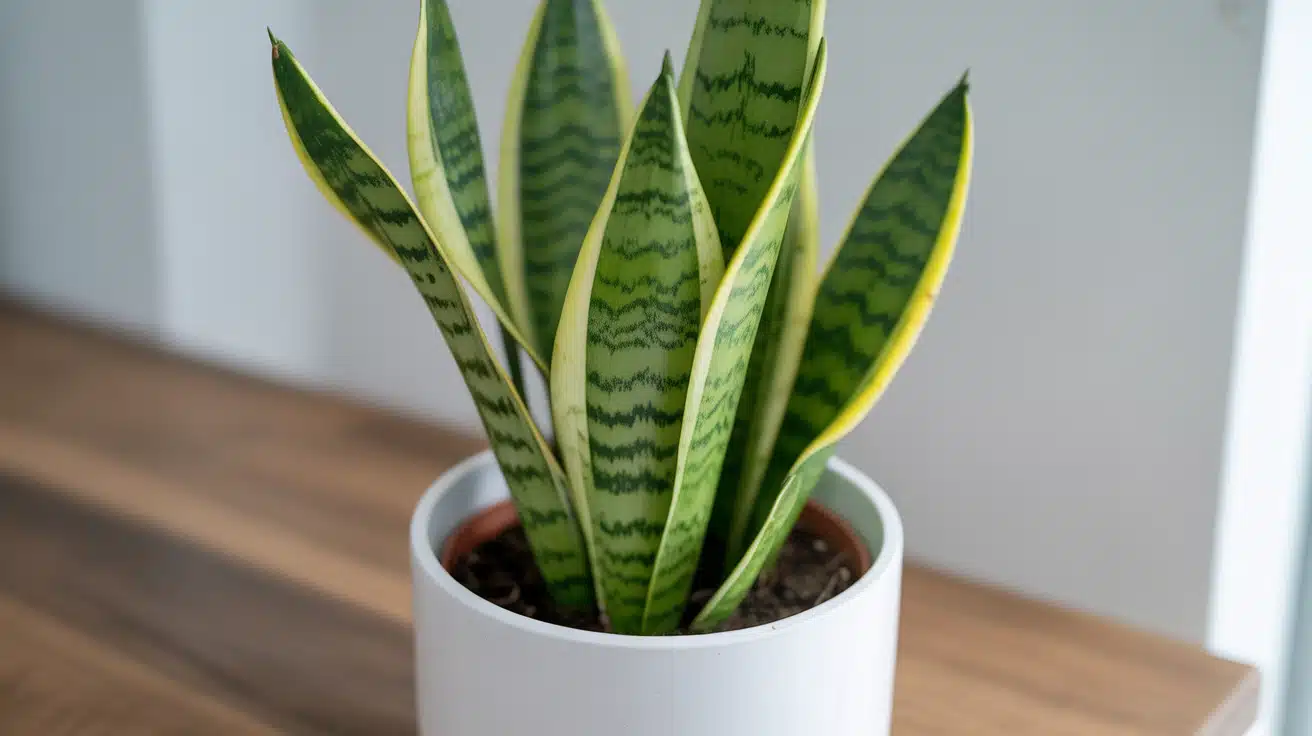
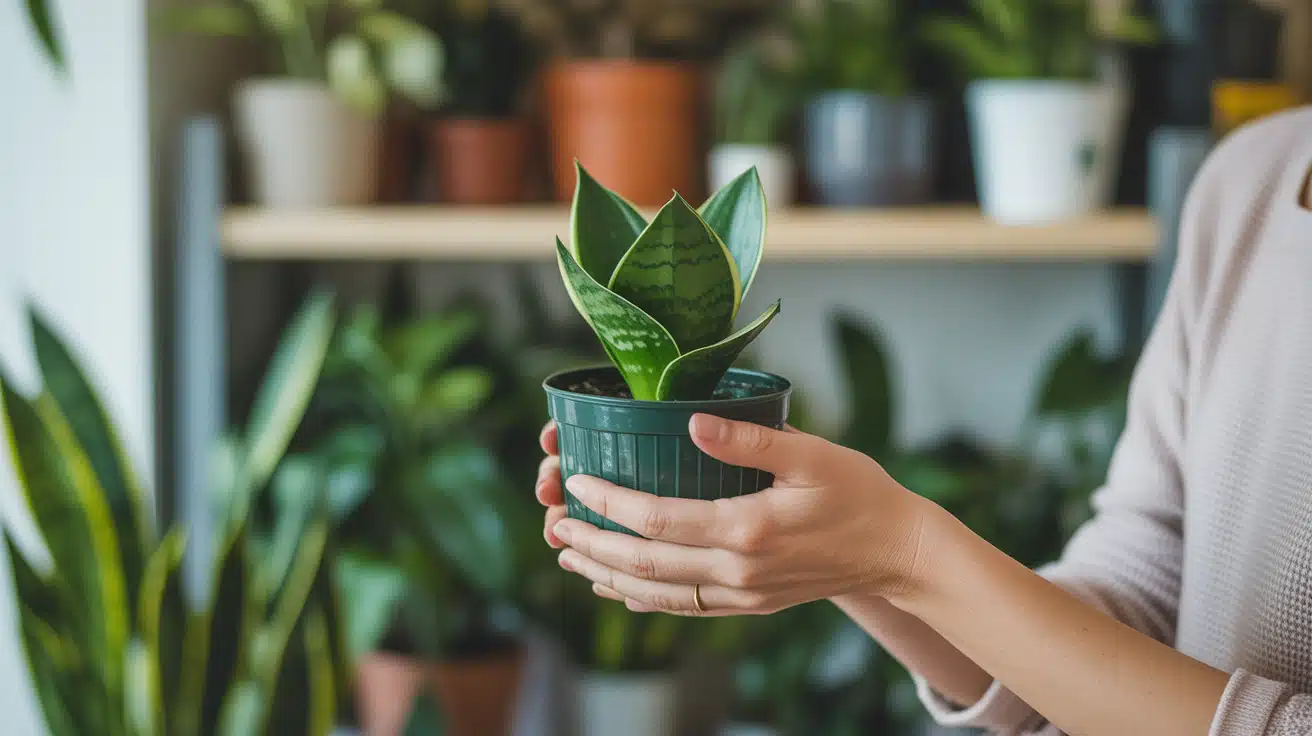
Snake plants have tall, upright leaves that stand straight like swords. They are one of the toughest indoor plants you can find and survive in almost any condition.
- Light Requirements: Tolerates low to bright indirect light and works well in dim corners or bright rooms.
- Watering Needs: Water infrequently, only when the soil is completely dry, can go weeks without water, and is highly drought-tolerant.
- Why It’s Great for Beginners: Survives neglect and forgetfulness, rarely gets pests or diseases, and is perfect for people who travel often.
2. Pothos

Pothos is a trailing vine with heart-shaped leaves that cascade beautifully. It looks great on shelves, in hanging baskets, or climbing up a wall, and grows fast.
- Light Requirements: Thrives in low to medium indirect light and can handle darker rooms without issues.
- Watering Needs: Water when the top inch of soil feels dry, leaves will droop slightly when thirsty, and bounce back quickly after watering.
- Why It’s Great for Beginners: Extremely forgiving of mistakes, grows quickly and shows progress, and is easy to propagate in water for more plants.
3. ZZ Plant
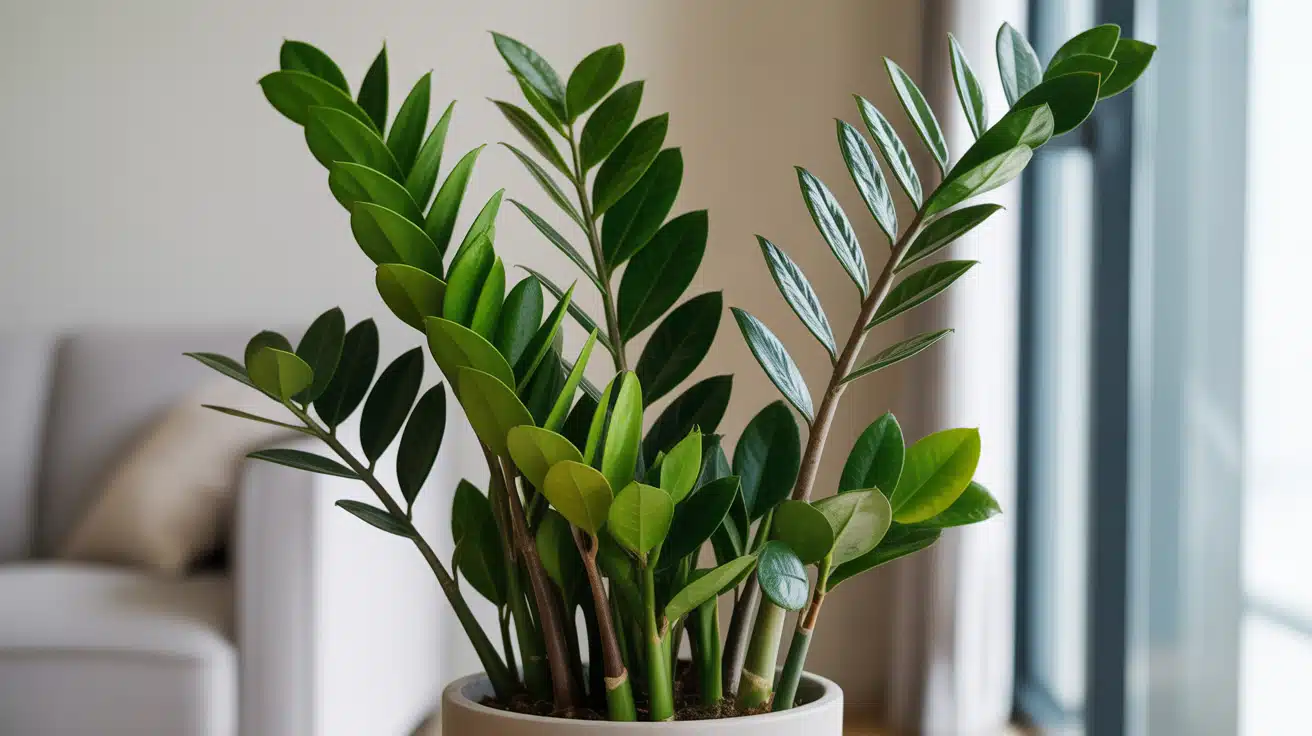
The ZZ plant has glossy, dark green leaves on thick stems. It stores water in its underground rhizomes like a built-in reservoir and can handle long periods without attention.
- Light Requirements: Does well in low to moderate light and tolerates office fluorescent lighting perfectly.
- Watering Needs: Needs minimal watering once every 2 to 3 weeks, prefers to stay on the dry side, and overwatering is the only real threat.
- Why It’s Great for Beginners: Perfect for busy or forgetful owners, requires almost no maintenance, and stays healthy with little effort.
4. Spider Plant
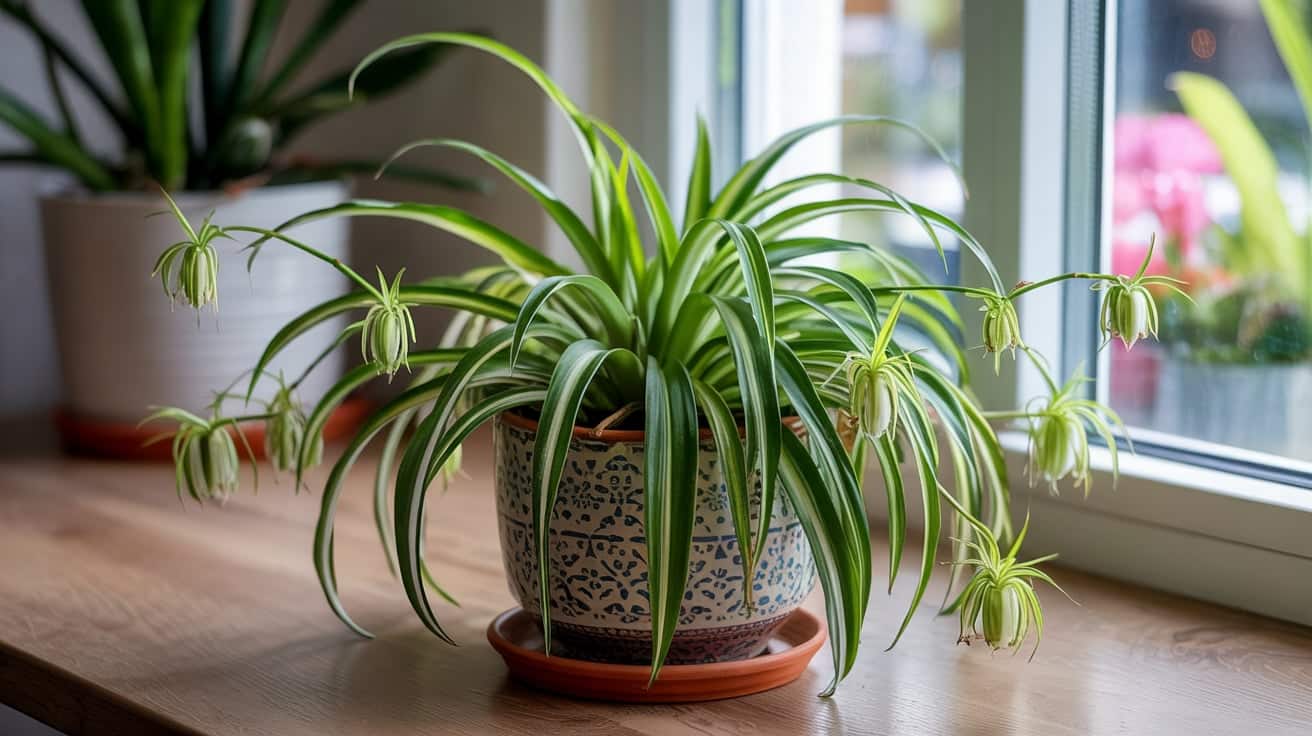
Spider plants have arching leaves that form a fountain-like shape. They produce baby plantlets on long stems that dangle down, making them a classic favorite for decades.
- Light Requirements: Prefers bright indirect light but can adapt to medium light conditions easily.
- Watering Needs: Water moderately when the soil starts to dry, tolerates occasional missed waterings, and likes slightly moist soil.
- Why It’s Great for Beginners: Easy to propagate from baby plantlets, simple to maintain and keep healthy, and shows clear signs when it needs attention.
5. Peace Lily
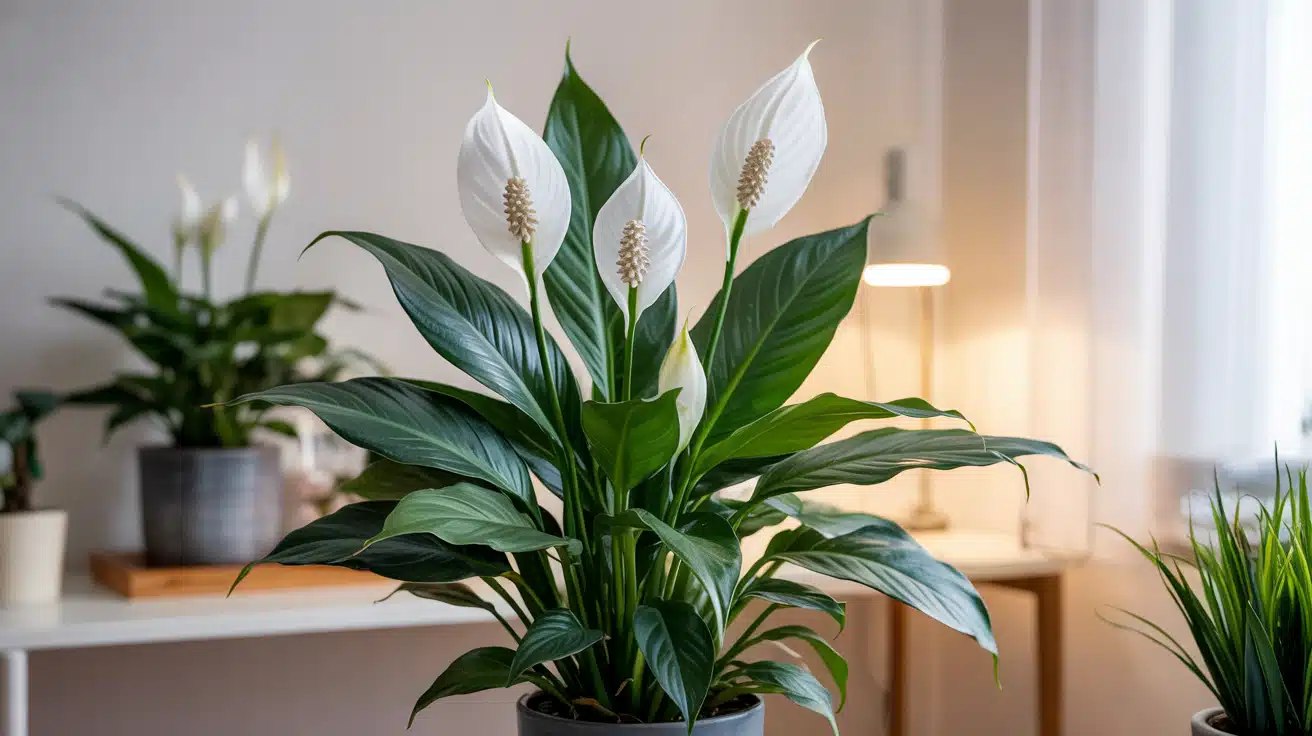
Peace lilies have dark green leaves and elegant white flowers. The flowers look like white sails rising above the foliage and bring a touch of grace to any room.
- Light Requirements: Grows well in low to medium indirect light and blooms more frequently in brighter spots.
- Watering Needs: Prefers consistently moist soil, will visibly droop when thirsty, and perks back up quickly after watering.
- Why It’s Great for Beginners: Shows clear signals when it needs water, communicates its needs obviously, and is forgiving once you learn its rhythm.
6. Aloe Vera
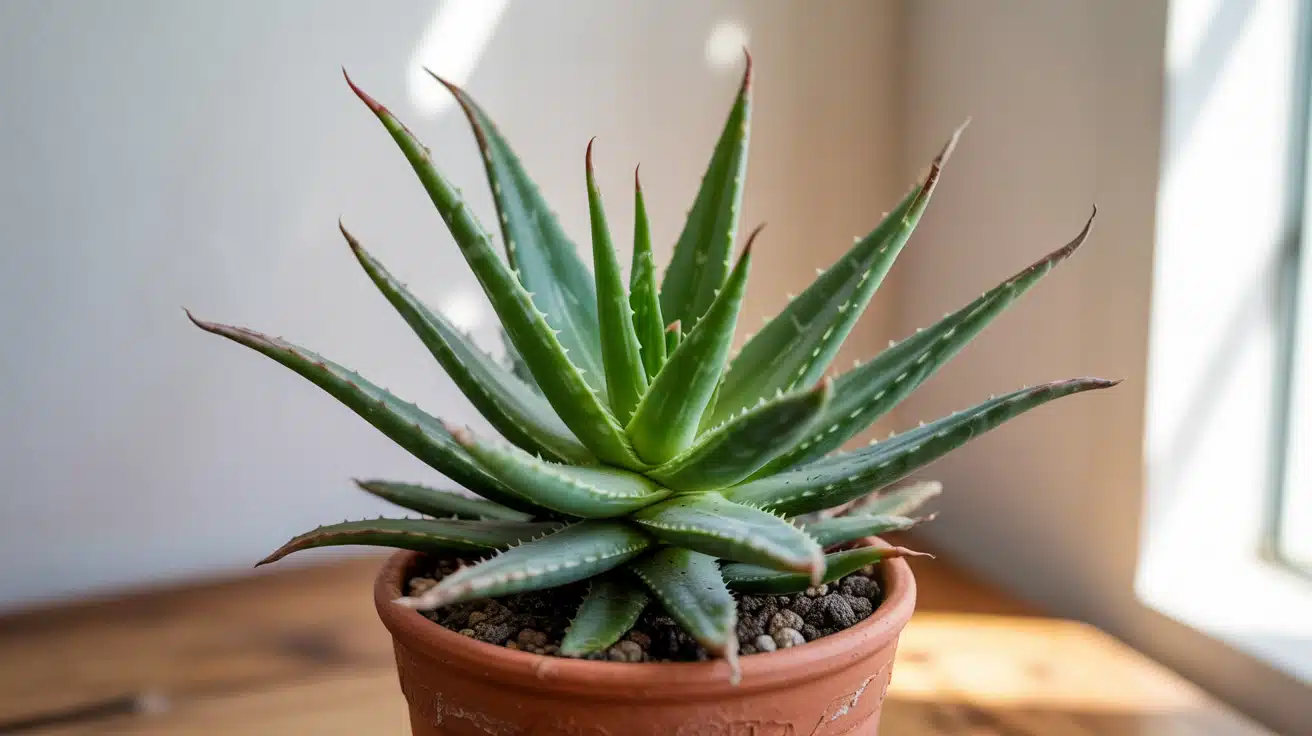
Aloe vera is a succulent with thick, fleshy leaves filled with gel. The leaves grow upward in a rosette pattern, and the plant is both attractive and functional for minor burns or skin care.
- Light Requirements: Needs bright indirect sunlight and can handle some direct morning sun without problems.
- Watering Needs: Water infrequently every 2 to 3 weeks, allow soil to dry completely between waterings, and store water in its leaves.
- Why It’s Great for Beginners: Low maintenance with practical uses, hard to kill with neglect, and grows well in small spaces.
7. Rubber Plant
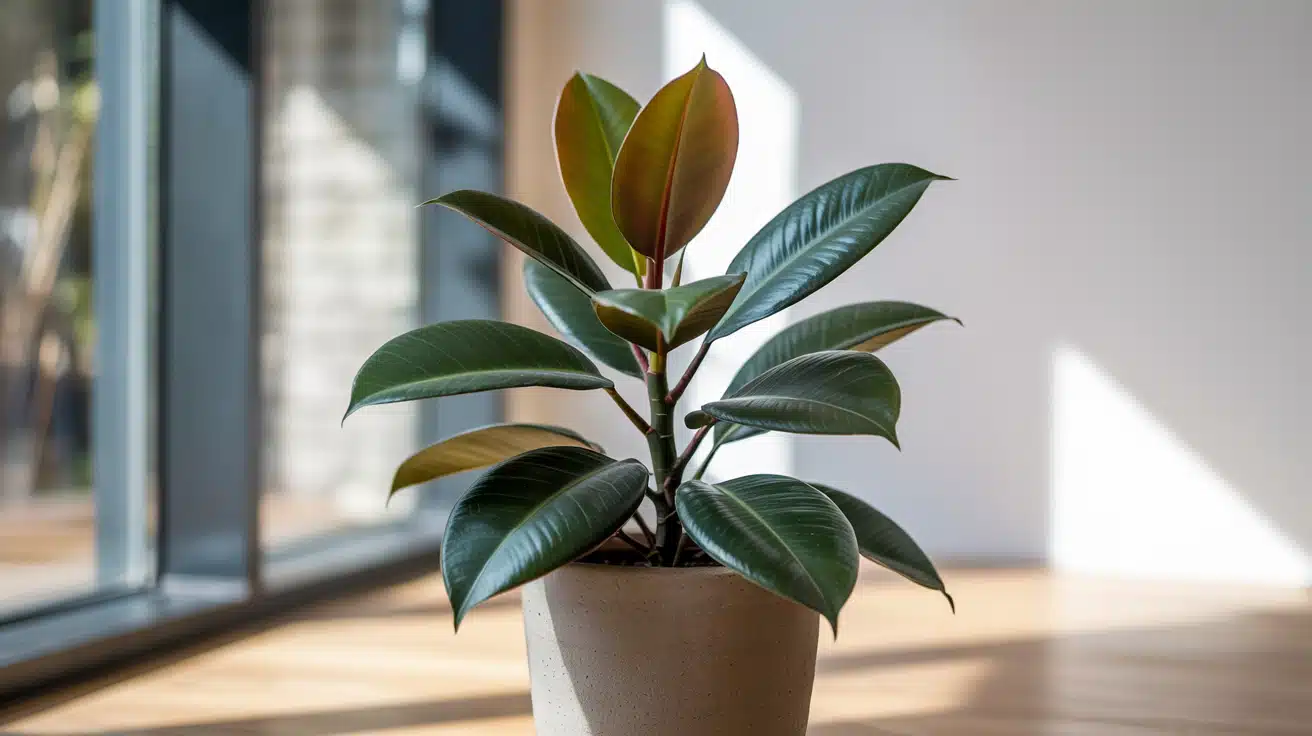
Rubber plants have large, glossy leaves that look almost polished. They start small but can grow into impressive statement plants with burgundy undersides that add visual interest.
- Light Requirements: Prefers bright indirect light but can tolerate some lower light conditions reasonably well.
- Watering Needs: Water when the top 1 to 2 inches of soil dry out, needs less water in winter months, and dislikes sitting in soggy soil.
- Why It’s Great for Beginners: Strong growth with minimal care needed, handles occasional care mistakes well, and makes a big visual impact.
8. Chinese Evergreen
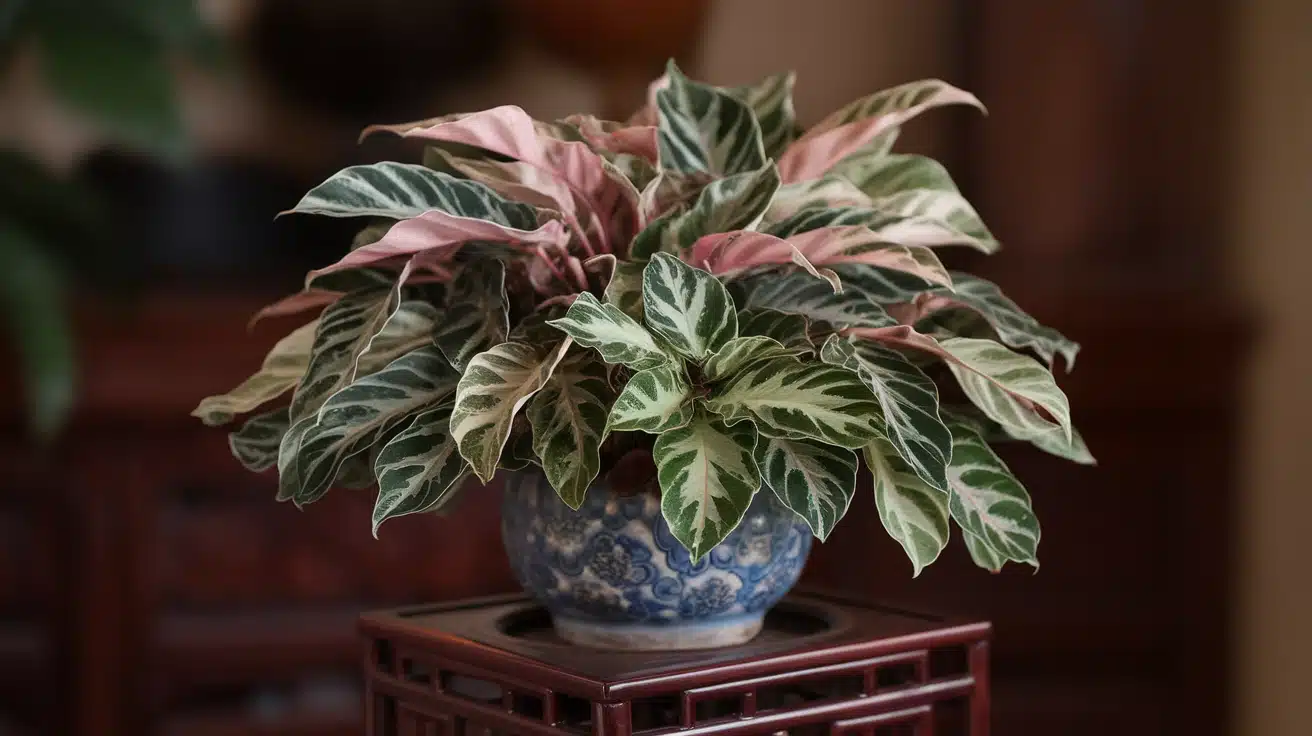
Chinese evergreens have beautiful patterned leaves in shades of green, silver, and pink. The foliage is the main attraction with its striking variegation, and it adds color without needing flowers.
- Light Requirements: Thrives in low to medium light and is one of the best plants for dim spaces.
- Watering Needs: Water moderately when the soil surface dries, prefers slightly moist conditions, and can handle some dryness.
- Why It’s Great for Beginners: Adapts easily to indoor environments, tolerates many different conditions, and stays compact and manageable.
9. Philodendron

Philodendrons have soft, heart-shaped leaves on trailing or climbing stems. Some varieties trail down while others grow upright, and they come in many different leaf shapes and colors.
- Light Requirements: Does best in medium indirect light but tolerates lower light fairly well.
- Watering Needs: Let soil dry slightly between waterings, water when the top inch feels dry, and prefers consistent moisture without being wet.
- Why It’s Great for Beginners: Very adaptable to different conditions, forgiving of watering mistakes, and grows reliably with basic care.
10. Cast Iron Plant
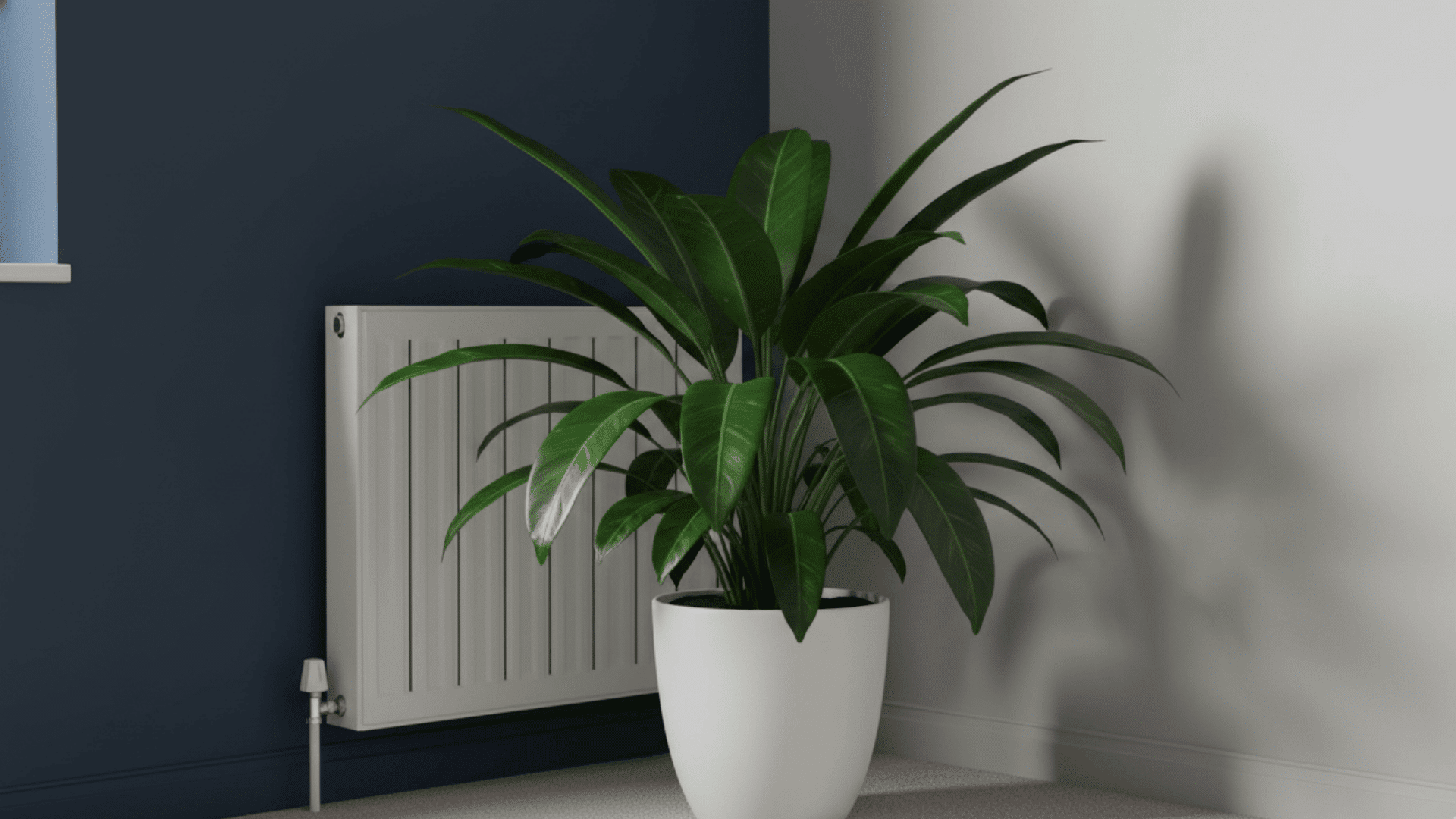
The cast iron plant has thick, dark green leaves that grow slowly upward. True to its name, this plant is nearly indestructible and tolerates neglect better than almost any other houseplant.
- Light Requirements: Survives in very low light conditions and is one of the few plants for dark corners.
- Watering Needs: Needs infrequent watering, can handle dry soil for extended periods, and prefers to dry out between waterings.
- Why It’s Great for Beginners: Lives up to its tough reputation, handles extreme neglect without dying, and is perfect for low-light spaces.
11. Lucky Bamboo
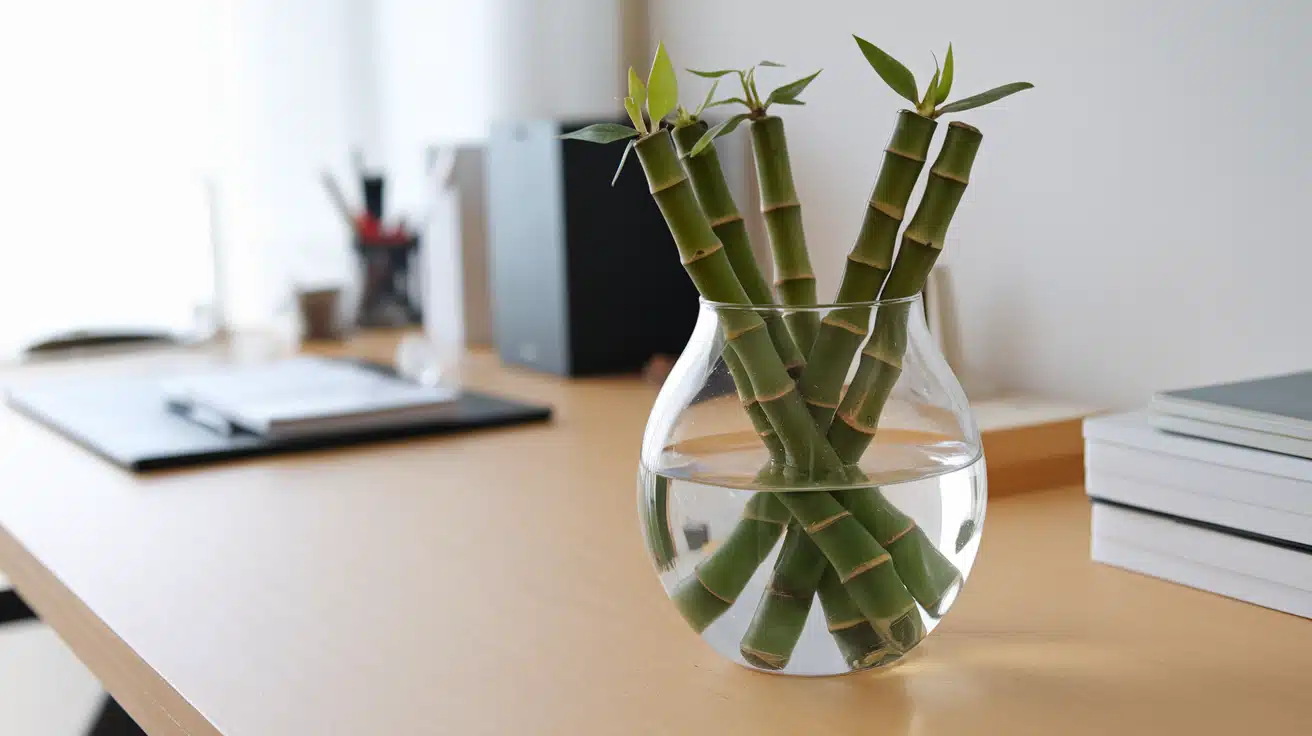
Lucky bamboo grows in water or soil with straight, jointed stems. It is actually not bamboo but a type of dracaena and is popular for desks, offices, and small spaces.
- Light Requirements: Prefers low to medium indirect light and should be kept away from direct sunlight.
- Watering Needs: Change water weekly if growing in water, keep water level covering the roots, and use filtered or distilled water for best results.
- Why It’s Great for Beginners: Very simple care routine, grows well in just water, and has minimal requirements overall.
12. Parlor Palm
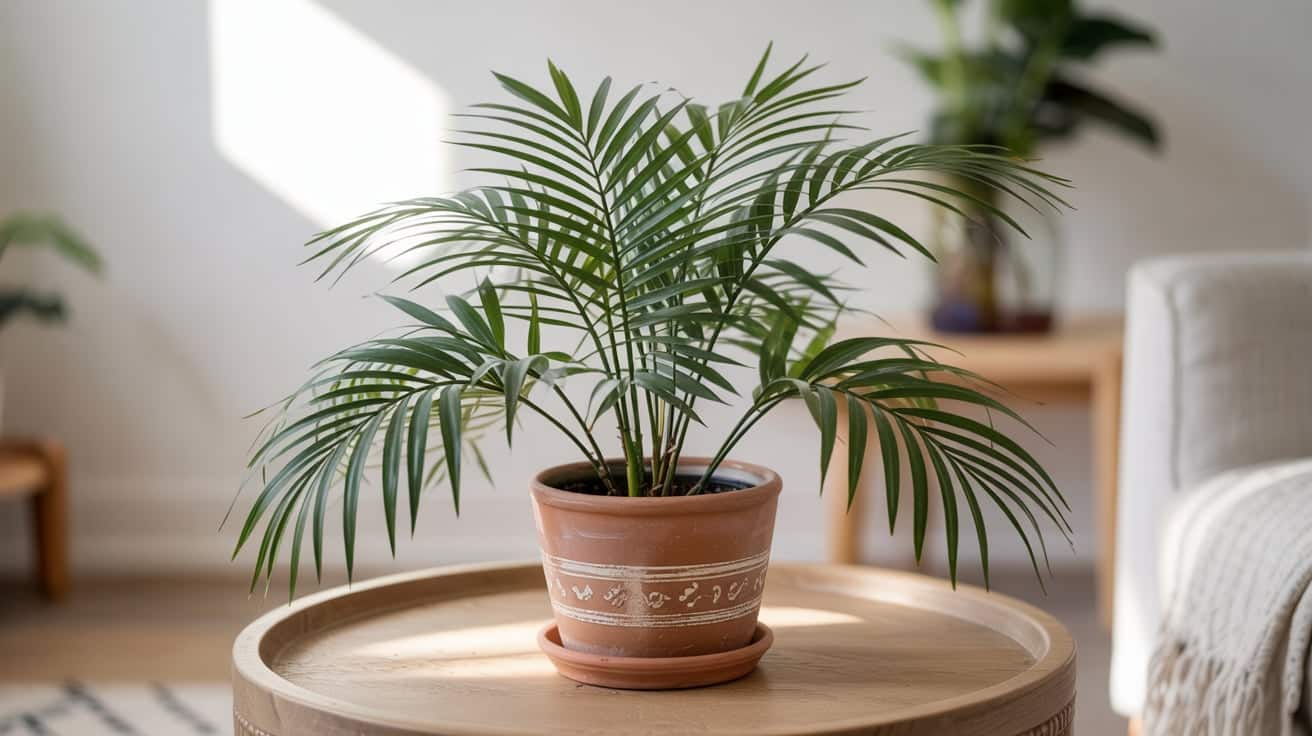
Parlor palms are compact palms with soft, feathery fronds. They bring a tropical feel without growing too large and stay manageable for indoor spaces.
- Light Requirements: Adapts to low to medium light and tolerates indirect light well.
- Watering Needs: Keep soil lightly moist but not wet, water when the top inch of soil dries, and prefers consistent moisture.
- Why It’s Great for Beginners: Grows slowly and stays small, easy to care for and maintain, and brings greenery without taking over.
13. Jade Plant
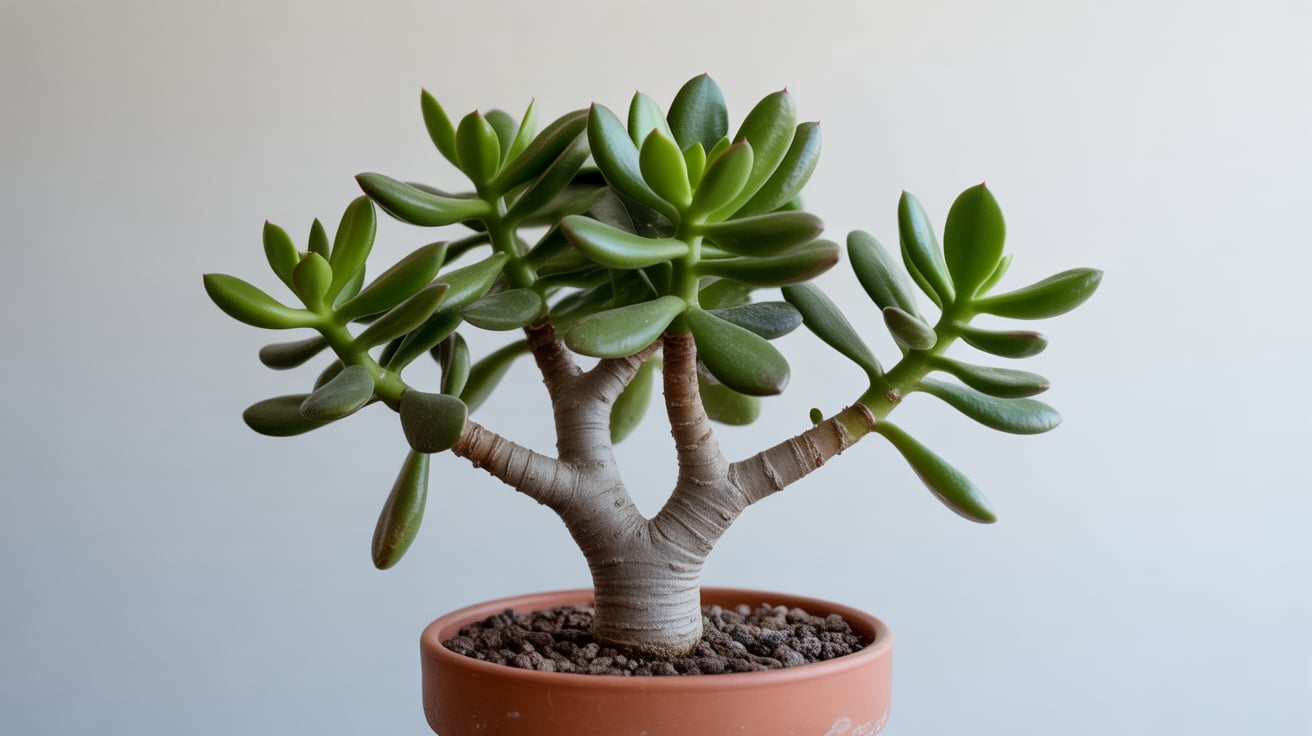
Jade plants are succulents with thick stems and plump, oval leaves. They have a tree-like appearance as they mature and can live for many years with proper care.
- Light Requirements: Needs bright light to thrive and can handle some direct morning sun.
- Watering Needs: Water sparingly every 2 to 3 weeks, let the soil dry completely between waterings, and store water in thick leaves.
- Why It’s Great for Beginners: Extremely forgiving of missed waterings, long-lasting with minimal care, and can survive years of basic attention.
14. Dracaena
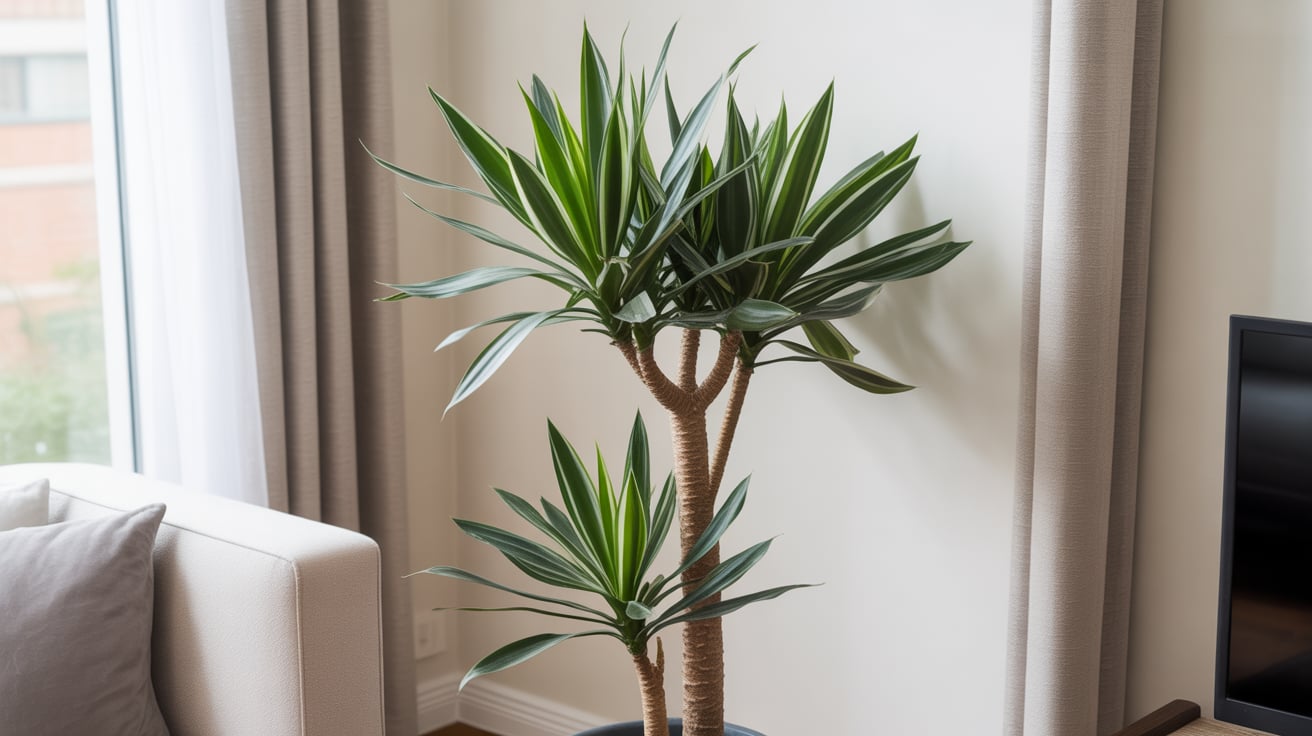
Dracaenas are tall plants with long, narrow leaves that often have stripes. They grow upright and can reach several feet tall, and are common in homes and offices worldwide.
- Light Requirements: Tolerates low to bright indirect light and adapts to various lighting conditions.
- Watering Needs: Water moderately when the soil feels dry, can handle some inconsistency, and prefers to dry out between waterings.
- Why It’s Great for Beginners: Handles inconsistent care without problems, grows reliably in most conditions, and is low maintenance overall.
What Not to Do With Your First Houseplants
Even the easiest plants can struggle if you repeat the same errors. Most beginners make these five mistakes without realizing the damage until it’s too late.
| Mistake | Why It Happens | How to Avoid It |
|---|---|---|
| Overwatering | Too much water causes root rot. | Water only when the soil feels dry. |
| Poor Drainage | No holes trap water at the bottom. | Use pots with drainage holes. |
| Incorrect Lighting | Plants placed for decor, not needs. | Match the plant to the room brightness. |
| Over-Fertilizing | Too much food burns roots. | Feed half-strength in the growing season. |
| Ignoring Warning Signs | Yellow leaves get overlooked. | Check plants weekly for changes. |
Learning to spot and fix these issues early saves your plants. Once you know what to avoid, caring for houseplants becomes second nature.
Simple Care Tips for Long-Term Success
Keeping your plants alive goes beyond just watering them occasionally. These five simple habits help your beginner plants stay healthy, grow strong, and thrive for years to come.
- Stick to a watering schedule: Set specific days to check your plants, so you develop a routine and avoid forgetting them.
- Rotate plants for even growth: Turn your plants a quarter turn every week so all sides get equal light and grow evenly.
- Clean leaves regularly: Wipe dust off leaves with a damp cloth monthly so plants can absorb light and breathe better.
- Prune dead or yellow leaves: Remove dying leaves with clean scissors to keep plants healthy and prevent pest problems.
- Adjust care seasonally: Water less in winter when growth slows down, and more in spring and summer when plants are active.
How to Choose the Right Beginner Plant for Your Space?
Start by checking how much natural light each room gets throughout the day. Bright rooms near windows suit sun-loving plants, while dimmer spaces need low-light varieties.
Always pick pots with drainage holes to prevent water from pooling at the bottom. Consider the size of your room and furniture before buying.
A small desk needs compact plants like succulents, while empty corners can handle taller options like dracaenas or rubber plants. Match the plant to your space, not the other way around.
Final Thoughts
Starting your plant parent life doesn’t have to be stressful or expensive. These beginner plants prove that anyone can keep greenery alive with the right choices.
They forgive your mistakes, survive your busy schedule, and reward you with growth. Pick one or two from this list based on your lighting and lifestyle. Start small.
Learn as you go. You’ll build confidence with each new leaf that unfolds. Remember, every expert plant owner started exactly where you are now, killing plants and learning from them.
Ready to bring home your first plant? Head to your local nursery this week and grab a snake plant or pothos. Your green thumb starts today.