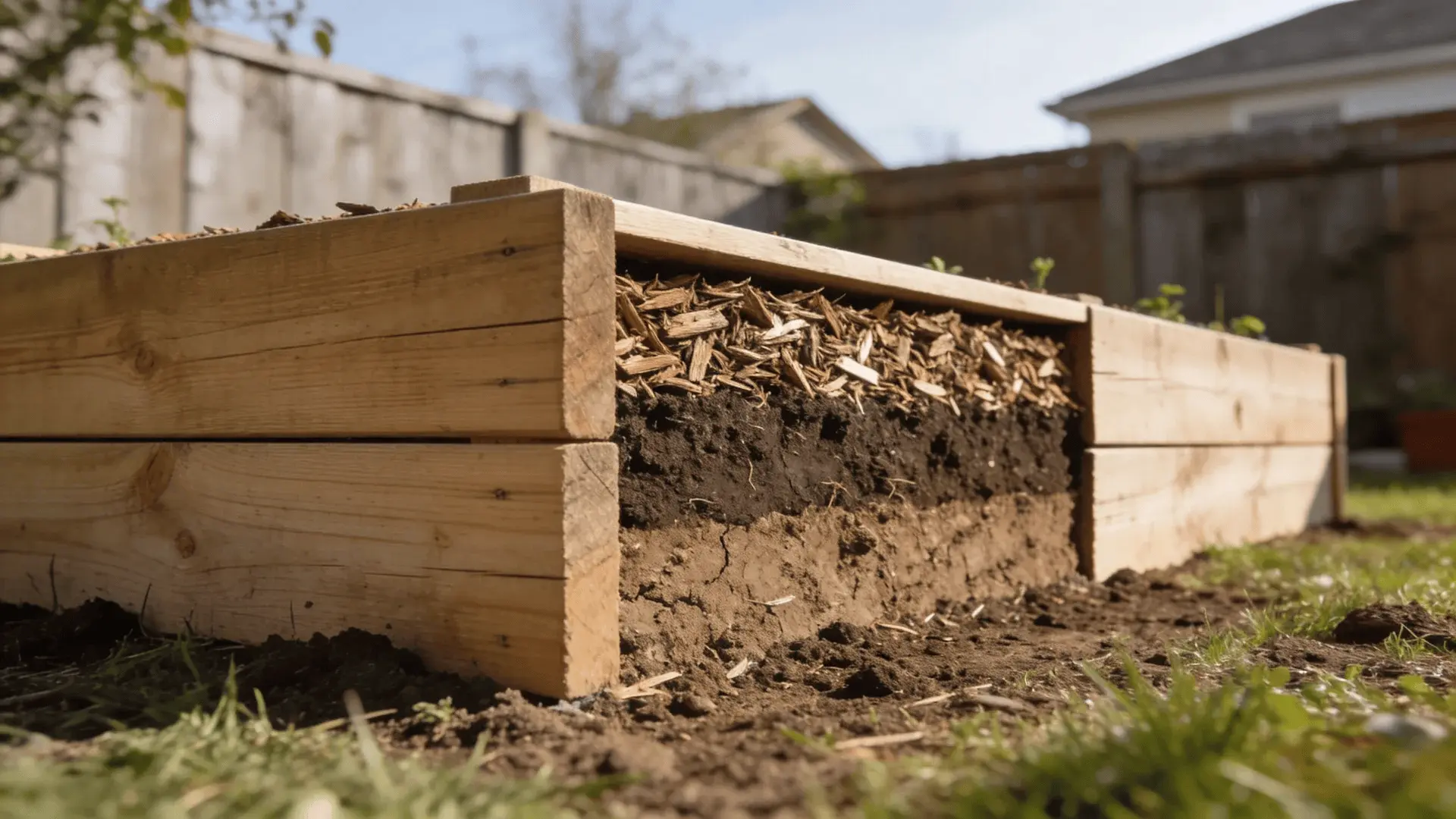

When a new year begins, I always feel like it’s a chance to reset and start fresh. You might feel the same way, ready to make changes that actually last this time.
In this blog, you’ll find some of the best and achievable New Year’s Resolutions for Everyone.
I’ll share down-to-earth ideas anyone can try. These aren’t big, impossible goals; they’re small, meaningful steps for real life.
You’ll find simple resolutions for kids, teens, adults, and older adults. Together, we’ll go over ways to improve habits, boost health, and stay consistent without pressure.
Think of this as a list of ideas you can mix, match, and make your own, because every small effort counts when it comes to building a better year.
Why Setting New Year’s Resolutions Matters?
I’ve always seen the start of a new year as a pause button, a moment to look back and plan ahead.
Setting New Year’s resolutions isn’t just about making promises. It’s about reflection, seeing what worked, and what didn’t.
When you set clear goals, you give yourself a sense of direction. You know where you want to go and why.
For me, it’s also about confidence. Each small goal you reach reminds you that you can do hard things. And when you keep showing up, those little steps turn into lasting habits.
You don’t need to chase big, unrealistic goals. Start with small, doable changes. Over time, they add up and shape your routine.
Setting resolutions is really about growth, steady, honest progress that helps you feel proud of where you’re headed.
New Year’s Resolution Ideas for Kids and Teens
The start of a new year is a good time for kids and teens to set simple goals that make life better. Resolutions don’t need to be big, just realistic and consistent.
1. Keep a Tidy Room

Keeping your room clean isn’t just about looks; it helps you stay calm and organized.
Start with small steps: make your bed in the morning, pick up clothes off the floor, and clear your study desk before bedtime.
When your space feels tidy, it’s easier to focus on schoolwork, play, and rest.
Over time, you’ll find it becomes second nature to clean up as you go. A neat room can also make you feel proud and more motivated to take care of your things.
It’s a simple habit that makes a big difference in how your day feels.
2. Read More Often

Reading is one of the easiest ways to grow your mind and imagination.
Pick books, magazines, or comics that match your interests; it could be sports stories, mysteries, or even science facts. You can set a small goal like reading ten pages a day or one book each month.
Try reading before bed instead of scrolling on your phone; it helps you sleep better and relax your mind.
The more you read, the more words you’ll learn and the more ideas you’ll have. Over time, reading can even help you do better in school and feel more confident in conversations.
3. Be Kind Every Day

Kindness might seem small, but it’s one of the most powerful habits you can build. Try helping a classmate, thanking a teacher, or saying something nice to a friend or sibling.
Being kind doesn’t cost anything, but it can change someone’s day. You’ll feel happier too, because doing good makes you feel good inside.
Kindness also helps you build stronger friendships and teaches you empathy, understanding how others feel.
If you make kindness part of your routine, it soon becomes a natural part of who you are. A simple act of kindness can have a lasting impact you might not even notice right away.
4. Spend Less Time on Screens

Screens are fun, but too much time online can leave you feeling tired, distracted, or even bored. Try setting limits, like no screens during meals or for one hour before bed.
Replace that time with something meaningful, playing outside, reading, doing crafts, or helping around the house.
Taking short breaks from screens helps your brain rest and improves your focus. You might also notice you sleep better and enjoy spending more time with family or friends.
The goal isn’t to stop using screens, it’s to find balance. A little less scrolling gives you more time for real-life fun.
5. Learn a New Skill

Learning something new can be exciting and rewarding. You might try painting, cooking, learning an instrument, coding, or playing a sport.
Pick something that genuinely interests you, and take small steps to get better each week.
At first, you might struggle, but that’s part of learning. Each time you practice, you build patience, confidence, and discipline.
It’s also a great way to discover what you’re good at and what you enjoy.
You might even turn your new skill into a lifelong hobby or a future career path. Every new thing you learn opens doors to more possibilities.
6. Get Active
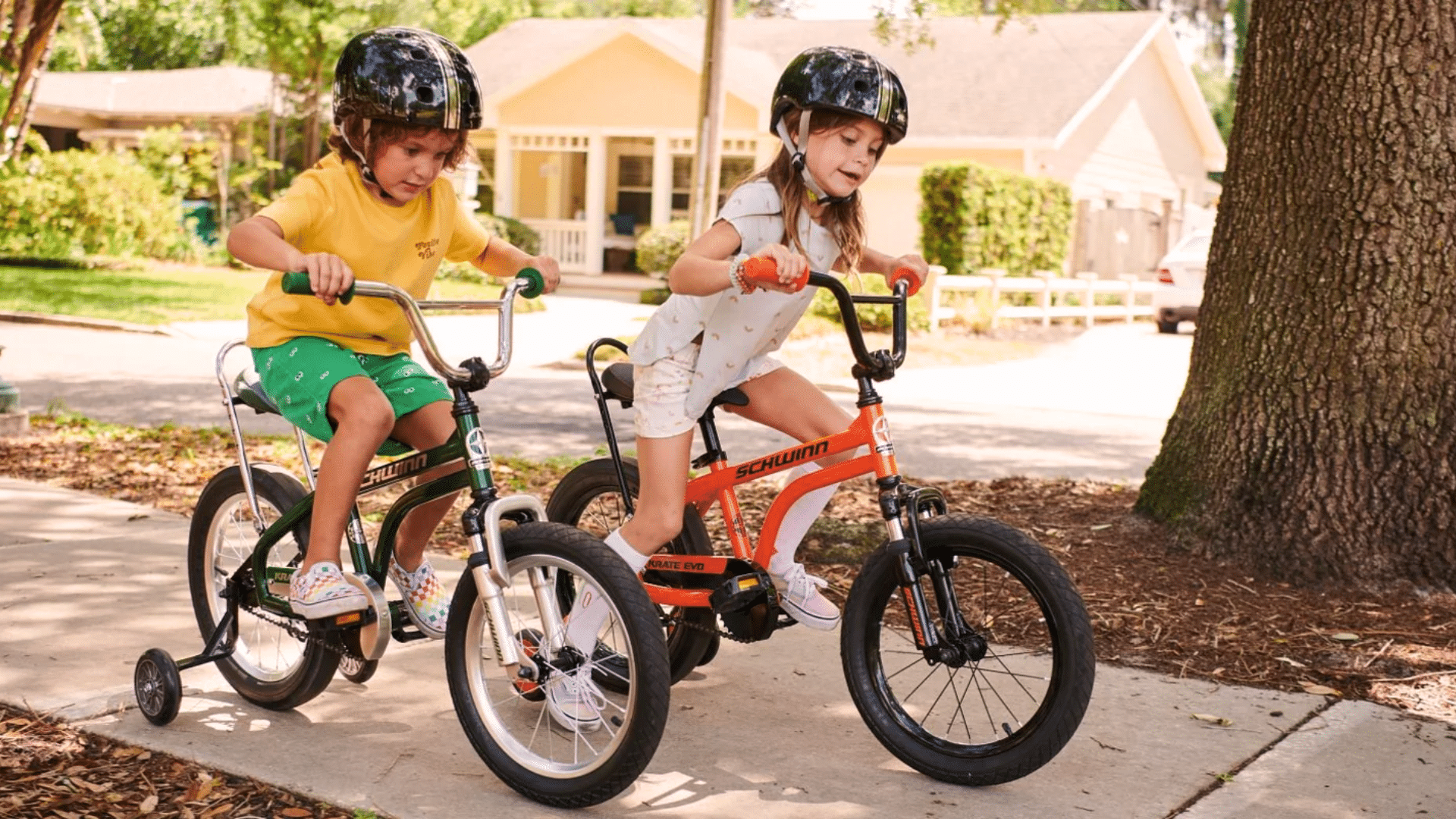
Being active isn’t about strict exercise; it’s about moving your body in ways that feel fun.
You can dance to your favorite songs, ride a bike, go swimming, or join a sports team. Physical activity boosts your energy, helps you sleep better, and lifts your mood.
Try setting small goals like walking a little every day or stretching before bed.
It’s not about being the fastest or strongest; it’s about staying healthy and enjoying how movement makes you feel.
When you move regularly, you’ll notice how much more confident and focused you become, both in and out of school.
7. Save a Little Money

Learning to save early helps you understand the value of money and builds smart habits for the future. Start by setting aside a small part of your allowance, birthday cash, or holiday gifts in a jar or piggy bank.
Watching your savings grow is motivating; it shows how small amounts can add up over time.
You can save for something special, like a toy, a trip, or even donate to a cause you care about. Saving teaches you patience and helps you make better spending choices.
It’s a simple resolution that builds independence and responsibility, skills that will help you for life.
8. Stay Positive

It’s easy to focus on what goes wrong, but learning to see the good helps you feel happier and stronger.
Try keeping a small journal where you write one good thing about each day, it could be a laugh with a friend, a good grade, or just finishing your homework on time.
When bad days happen, looking back at those moments reminds you of how much is going right.
Staying positive doesn’t mean ignoring problems; it means believing you can handle them.
The more you practice this mindset, the more it becomes your natural way of thinking. It’s one of the best habits you can carry through the year.
Top New Year’s Resolutions for Young Adults
The New Year is a good time for young adults to set simple, meaningful goals. Small changes in health, finances, and mindset can lead to lasting growth.
9. Create a Simple Budget

Managing money can feel overwhelming, but starting small makes it easier. Begin by tracking your income and expenses for a month to see where your money really goes.
Cut back on things like unused subscriptions or takeout and put that money into savings.
You can use an app, spreadsheet, or even a notebook to keep things organized. Having a clear picture of your finances reduces stress and gives you control.
Over time, budgeting becomes less about limiting yourself and more about planning for what truly matters: travel, future goals, or financial freedom.
10. Eat Healthier

Healthy eating doesn’t mean giving up everything you love. It’s about finding balance and making small, doable changes.
Try adding more fruits, vegetables, and whole grains to your meals while cutting back on sugary drinks or fried foods.
Cooking at home a few times a week helps you eat better and save money. Start with simple swaps, like choosing water instead of soda or adding a salad to dinner.
Over time, your body will adjust, and you’ll notice better focus, more energy, and improved mood. It’s not about dieting, it’s about building habits that help you feel your best.
11. Stay Active

Exercise isn’t just for fitness; it’s a key part of staying balanced. You don’t need to spend hours at the gym; even a 20-minute walk, yoga session, or dance break can make a difference. And don’t forget to wear a chest pack if you choose to exercise outside so you can bring essentials like phone, keys, and wallet.
The goal is consistency, not perfection. Try setting simple goals, like moving your body five days a week or hitting 8,000 steps a day.
Regular activity boosts mood, relieves stress, and improves sleep.
Plus, it builds discipline that carries into other areas of your life. The more you move, the more confident and energized you’ll feel throughout your day.
12. Learn Something New

One of the best resolutions for young adults is to keep learning, formally or casually. Pick something that excites you: a new language, coding, photography, or even cooking.
Learning something new expands your perspective, builds patience, and adds value to your career or personal life.
Dedicate just 20–30 minutes a few times a week to practice. Progress will come faster than you expect.
The best part? It boosts confidence and reminds you that growth doesn’t stop after school; it’s a lifelong process. Every new skill you gain adds another layer of opportunity.
13. Build a Consistent Sleep Routine

Sleep is often the first thing sacrificed when life gets busy, but it’s the foundation of productivity and good health.
Aim for 7–8 hours of sleep each night and try to keep a regular bedtime and wake-up schedule. Avoid screens right before bed and instead read, stretch, or listen to calm music.
Quality rest improves your focus, decision-making, and mood.
Over time, a consistent sleep schedule helps your body reset naturally, making mornings easier and your energy more stable throughout the day.
Treat sleep like self-care; it’s one of the simplest ways to take care of yourself.
14. Spend Wisely on Experiences, Not Things

It’s easy to fall into the trap of buying things that give quick satisfaction, but experiences often bring longer-lasting happiness.
Instead of spending on trends or impulse buys, save for trips, hobbies, or activities that create memories.
Go hiking with friends, take a weekend trip, or attend a class you’ve always wanted to try. These moments enrich your life and help you feel more fulfilled than temporary purchases ever could.
You’ll find that experiences build connection, reduce stress, and make your year more meaningful without cluttering your space.
15. Practice Mindfulness
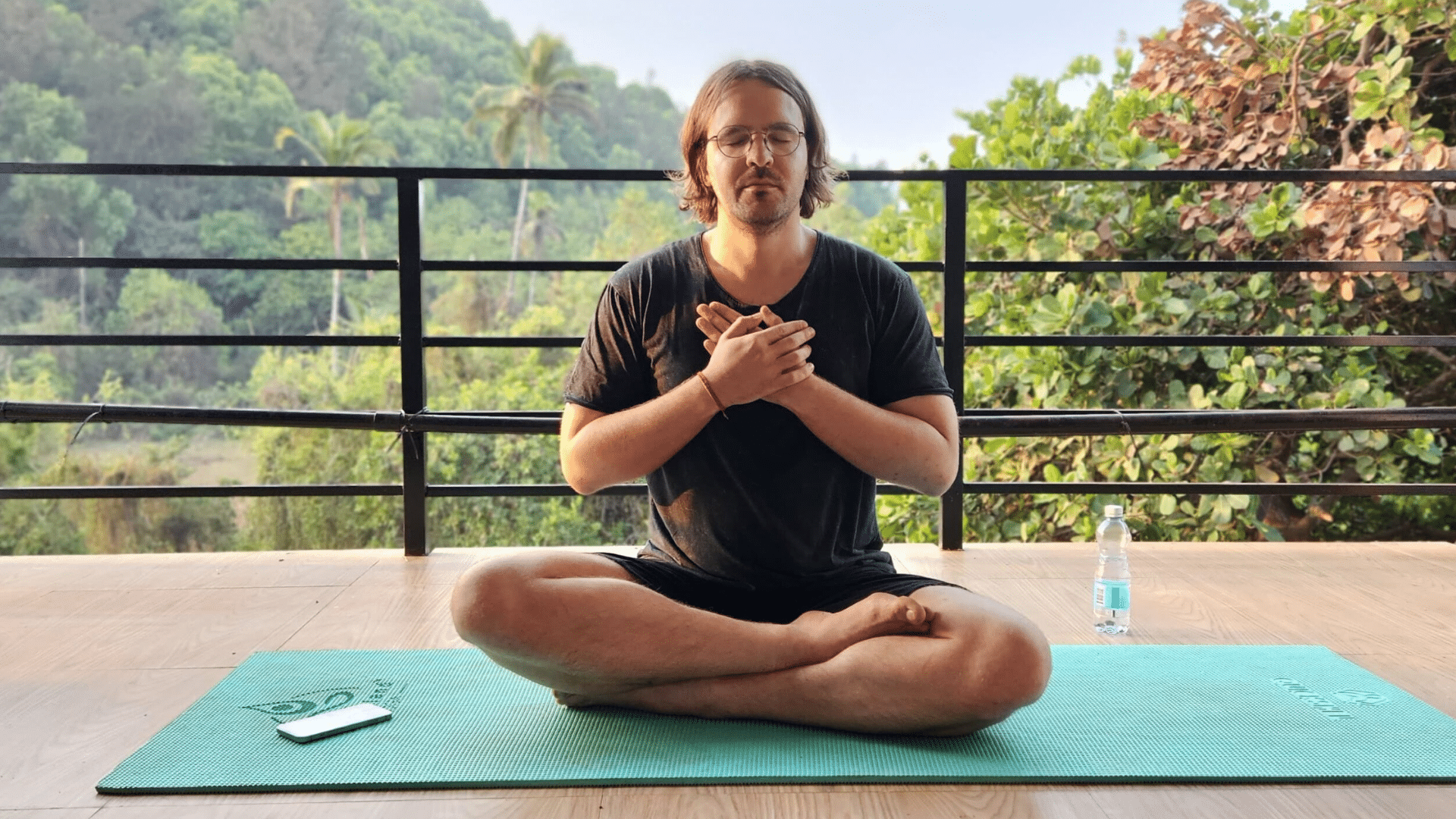
Modern life moves fast, and it’s easy to get caught up in constant noise and stress. Mindfulness helps you slow down and focus on the present.
Start by taking five minutes a day to breathe deeply, stretch, or write down what you’re grateful for.
You can also try guided meditations or quiet walks without your phone. Being mindful reduces anxiety and improves clarity, helping you make better decisions.
Over time, you’ll become more aware of your habits and thoughts, which makes it easier to handle challenges calmly and confidently.
16. Build Stronger Relationships

In a busy life filled with school, work, and social media, it’s easy to lose touch with the people who matter most. Make a resolution to connect more deeply with family, friends, or mentors.
Reach out with a message, plan a call, or spend time together without distractions.
Building strong relationships gives you support, comfort, and joy. Listen more, show appreciation, and make an effort to be present.
These connections remind you that success and happiness aren’t just about achievements; they’re also about the people you share them with.
Best New Year’s Resolution Ideas for Adults
The New Year is a good time for adults to pause, reflect, and set goals that add balance and meaning. These resolutions focus on health, relationships, and personal growth, simple steps for a more peaceful year.
17. Prioritize Your Health

Health is the foundation of everything else, and caring for it doesn’t have to be complicated. Start by building small, steady habits: drink more water, eat balanced meals, and get enough sleep.
Even short daily walks or light stretches can boost your energy and reduce stress.
Schedule regular checkups, listen to your body, and rest when you need to. Good health isn’t just physical, it’s also about mental balance.
Try meditation, journaling, or quiet time each day to reset your thoughts. Over time, these small actions lead to big changes, helping you feel stronger, calmer, and more confident in daily life.
18. Make Time for Self-Care

Life moves fast, and adults often forget to care for themselves while taking care of others. Self-care isn’t selfish, it’s essential.
Start by setting aside 15–30 minutes each day for something that recharges you.
That could be reading, walking, gardening, or simply doing nothing for a while. Try turning off your phone for an hour each evening to rest your mind. The goal isn’t perfection; it’s consistency.
When you make time to rest and recharge, you show up as a better version of yourself, at work, at home, and with loved ones.
Remember, caring for yourself is the first step toward a healthier, happier life.
19. Strengthen Family Connections

Family relationships are one of the most valuable parts of life, but they often get pushed aside in busy schedules.
Make a conscious effort to spend quality time together, even in small ways. Eat meals as a family, plan weekend outings, or have simple check-ins to talk about your day.
Put away distractions like phones during these moments to really connect.
It’s also important to show appreciation, thank your loved ones for their support, or do small acts of kindness.
Strengthening these connections builds trust and warmth that lasts far beyond the year. Even small moments of togetherness can strengthen closeness and support.
20. Focus on Personal Growth

Personal growth doesn’t stop when adulthood begins; it evolves. Take time to learn something new or improve a skill that excites you.
This could be professional development, creative hobbies, or courses that help you grow.
Setting clear goals and tracking progress keeps you motivated. You can also focus on mindset growth by reading, reflecting, and surrounding yourself with positive influences.
Growth comes from small, steady steps that shape who you become. When you invest in yourself, every part of your life benefits.
21. Declutter and Simplify

Too much clutter, physical or mental, can make you feel overwhelmed. Start by organizing one area at a time, like your workspace, closet, or digital files.
Keep only what adds value or joy to your life, and let go of what doesn’t.
Simplifying your surroundings helps you think clearly and feel lighter. You can also apply this mindset to your schedule: say no to things that drain your energy and yes to what truly matters.
Over time, simplicity brings peace, focus, and room for new opportunities.
22. Disconnect to Reconnect

Technology keeps us connected, but can also pull us away from real life.
Try setting limits, like no phone use during meals or an hour of “offline time” each evening. Use that time to relax, talk to loved ones, or enjoy quiet hobbies.
Being present helps you recharge and deepens your relationships. You don’t need to cut off completely, just create healthy boundaries that let you enjoy both online and offline moments.
When you disconnect regularly, you reconnect with yourself and the world around you in a more mindful way.
23. Set Boundaries for Balance

Learning to set boundaries is one of the healthiest habits an adult can build. It means knowing when to say no, managing your time wisely, and protecting your peace.
Boundaries help you avoid burnout, reduce stress, and make more room for what truly matters.
This could mean setting limits at work, taking breaks from social media, or saying no to commitments that drain your energy.
When you respect your own limits, others do too. Healthy boundaries bring balance, control, and more time for what fulfills you.
New Year’s Resolutions for Older Adults
The New Year is a great time for older adults to focus on health, happiness, and connection. Resolutions don’t have to be big; they can simply help you stay active, social, and mindful.
24. Stay Physically Active

Movement is one of the best ways to stay healthy and independent. Try to make daily activity part of your routine, like walking, stretching, or light yoga.
You don’t need intense workouts; short walks or gentle exercises at home can boost balance, strength, and energy.
Consistent activity also boosts mood and keeps your body flexible.
Choose activities you enjoy, so it feels like something you look forward to instead of a chore. Staying active helps maintain both physical health and a positive outlook on life.
25. Keep Your Mind Engaged

A strong mind stays sharp through learning and curiosity.
Make it a goal to challenge your brain daily, read books, solve puzzles, or try learning something new, like a language or craft.
You can also take part in online courses, workshops, or community classes to keep your brain active and growing.
Engaging your mind regularly helps with memory, focus, and confidence. It’s never too late to learn, and keeping your brain busy can make each day feel purposeful and rewarding.
26. Nurture Social Connections

Social interaction is essential for emotional well-being. Make an effort to connect with friends, neighbors, or family members regularly.
You can join a hobby group, volunteer, or attend community events to meet new people.
Even small conversations can lift your mood and reduce feelings of loneliness. Staying connected strengthens your sense of belonging and gives you a support system to rely on.
Make this year one where you spend more time sharing stories, laughter, and moments that bring joy.
27. Eat with Health in Mind

Good nutrition plays a key role in maintaining strength and energy. Focus on balanced meals with fresh fruits, vegetables, lean proteins, and whole grains.
Try to drink plenty of water and limit processed foods or excess sugar.
Cooking at home allows you to control portions and ingredients, but it can also be a fun and creative part of your day. If cooking feels overwhelming, plan simple meals or cook with friends.
Eating well fuels your body, supports immunity, and helps you stay active and healthy throughout the year.
28. Find a New Hobby
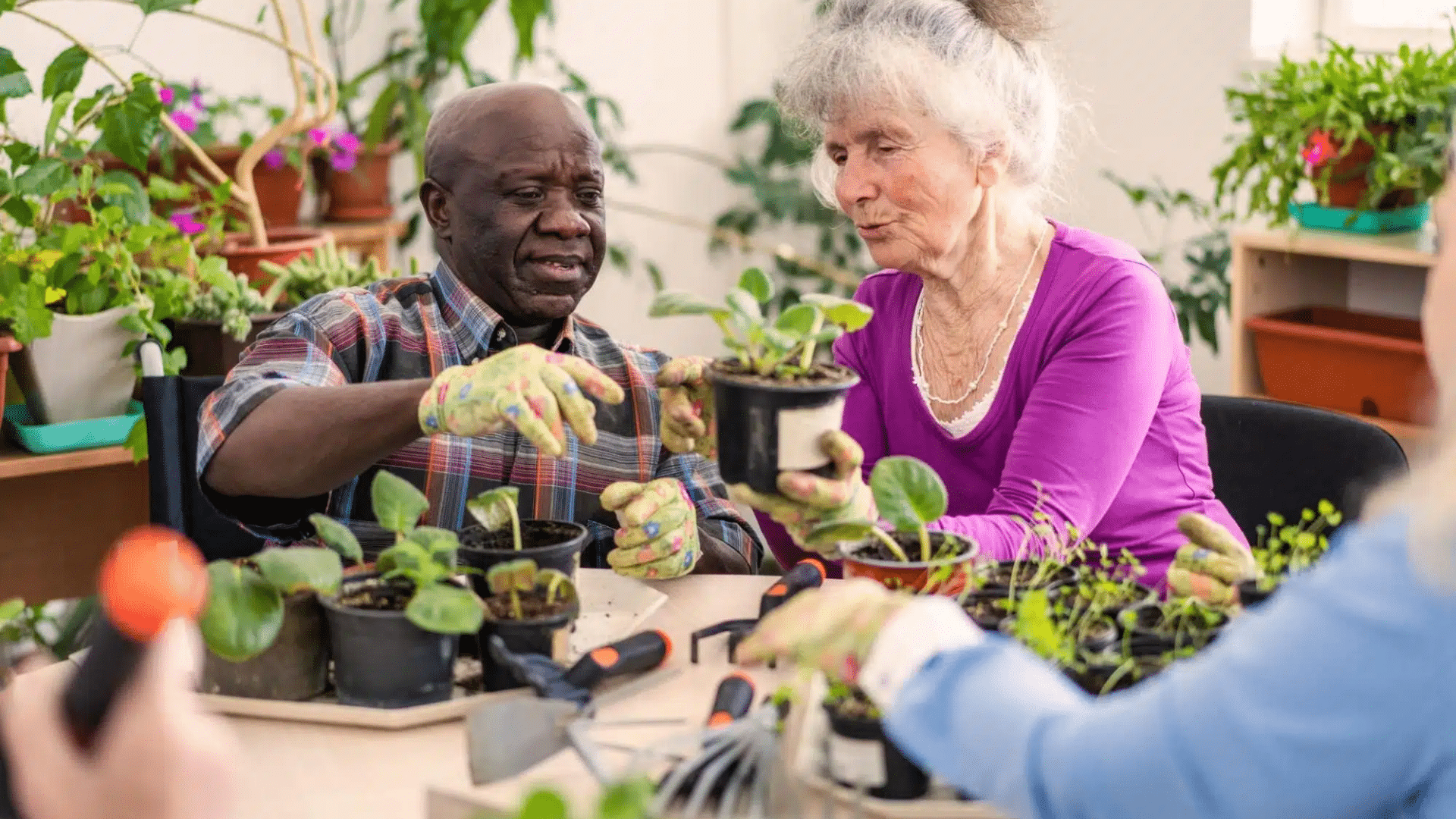
Hobbies add joy and keep your mind and hands busy. Whether it’s painting, gardening, knitting, or playing an instrument, doing something creative can bring a sense of satisfaction.
Join local clubs or online groups where you can share your interests with others.
Learning or practicing a hobby gives your days structure and keeps you motivated. It also helps reduce stress and adds fun to your routine.
It’s never too late to try something new; each hobby can become a source of happiness and connection.
29. Give Back Through Volunteering
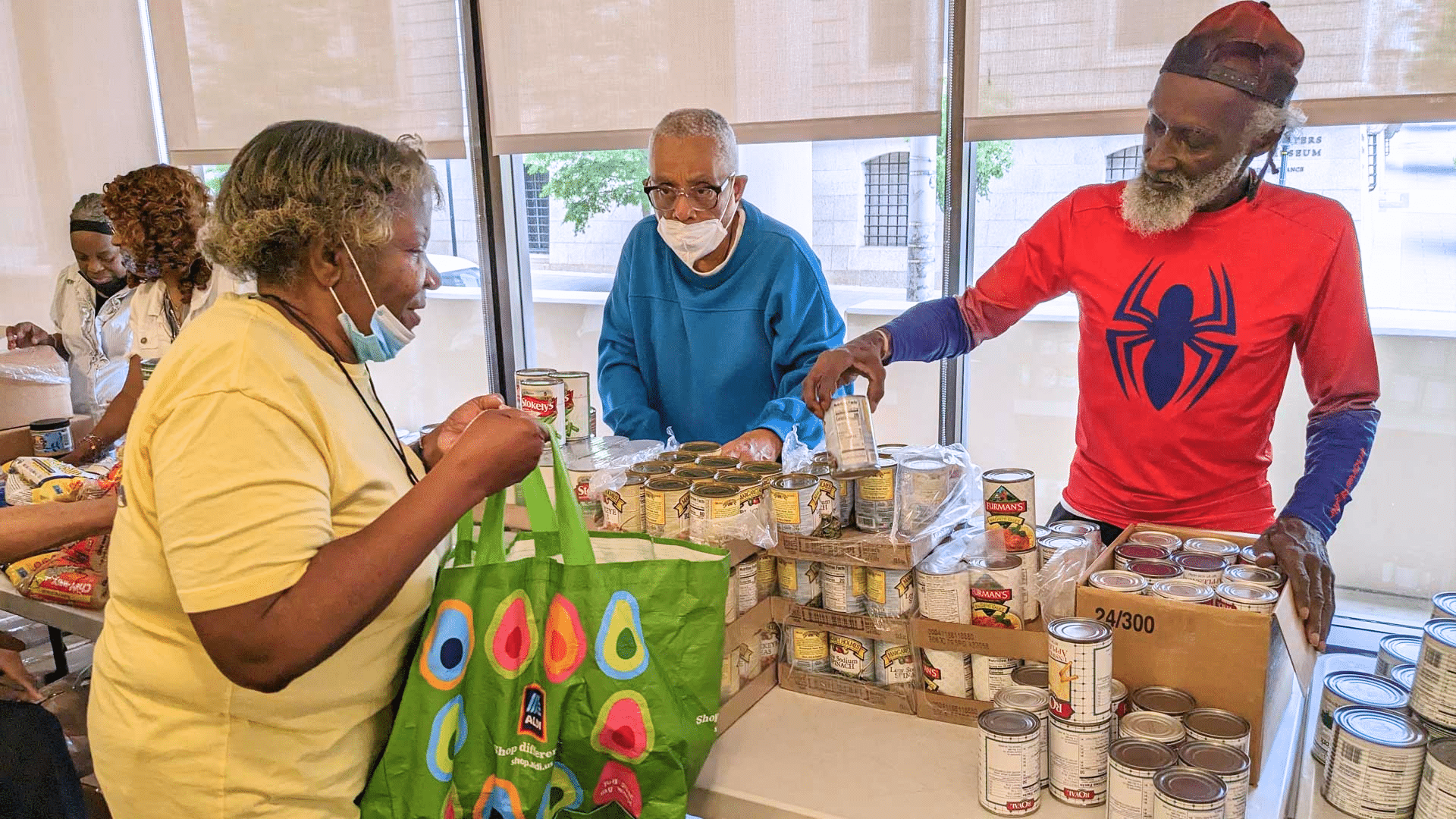
Helping others brings a deep sense of purpose and fulfillment. Look for volunteer opportunities in your community, like helping at a local school, food bank, or senior center.
You can also share your skills by mentoring or teaching younger generations.
Volunteering connects you with people who care about similar causes and helps you stay active socially and emotionally.
Even small acts of kindness make a big difference, not just for others, but for your own sense of joy and purpose.
Tips to Stay Motivated All Year Long
Staying motivated through the year can be tough, but small habits and the right mindset make a big difference. These are a few simple ways to keep going when motivation fades:
- Start small. Pick one or two easy goals to begin with. Small wins build confidence and make it easier to stick with new habits.
- Track your progress. Use a notebook, app, or calendar to mark each step you take. Seeing your growth keeps you encouraged.
- Celebrate milestones. Reward yourself for reaching small goals. It reminds you that progress, no matter how small, deserves credit.
- Find support. Share your goals with a friend or family member. Having someone to talk to or check in with helps you stay on track.
- Stay flexible. If things don’t go as planned, adjust your goals. What matters most is keeping the effort going.
Conclusion
Starting a new year doesn’t have to feel stressful or serious. It’s really about progress, not perfection.
Even small changes, like drinking more water, reading a few pages a day, or taking short walks, can make a big difference over time.
These resolutions in this list are here to help you find ideas that fit your life, not add pressure.
As you go through the year, take it one step at a time. Some days will go great, others might not, and that’s okay. What matters is that you keep moving forward and stay kind to yourself.
I’d like to hear what goals you’re planning to try this year.
Share your favorite resolution in the comments, and let’s see how small steps can make the year better, one day at a time.