Starting fresh in the kitchen might be a big step forward, yet picking out cabinets? That part tends to trip people up. These built-in shelves eat up more of the budget than almost anything else during a renovation, so slipping up here means extra bills later. Picture saving money just by knowing better options early on. One slip in material, size, or layout might stretch your budget well beyond the intended limit.
Not Defining Your Budget Upfront
Most people overlook how crucial it is to pick a solid price limit early on. When it comes to kitchen cabinets, costs can vary widely. Jumping in without knowing exactly how much you’re willing to spend opens the door to pricier choices. Those might look impressive, yet they often miss the mark when money matters aren’t matched with planning.
Set a firm budget covering every dollar needed for the remodel – think cabinets, hardware, installation, plus extra costs you might miss. Once numbers stabilize, gently reshape plans to fit financial limits.
Choosing the Wrong Material
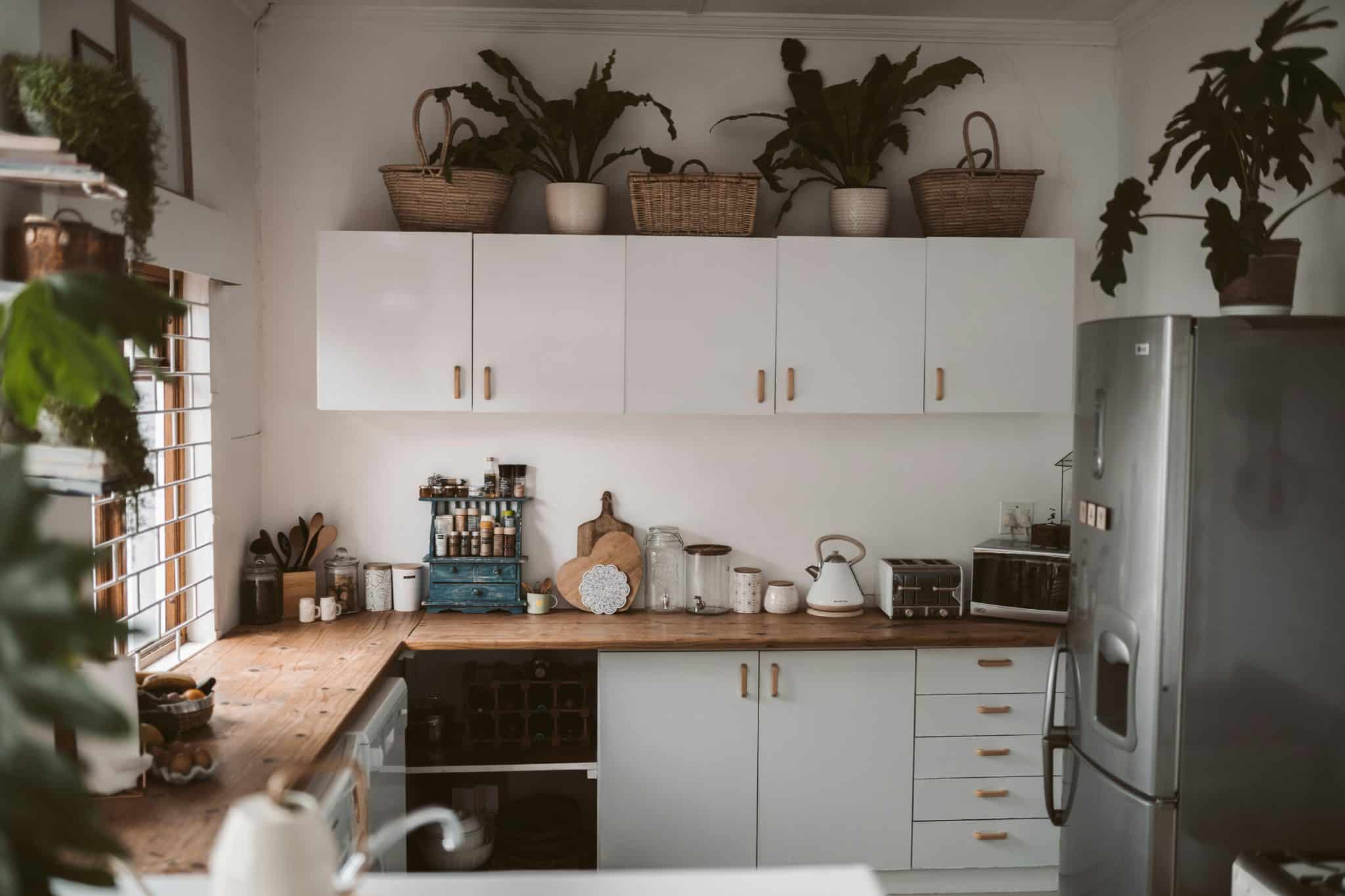
Common materials for cabinetry include solid wood, plywood, particleboard, and MDF. Beauty and toughness stand out in real timber, yet cost tends to run high. Meanwhile, low-cost options can seem appealing at first glance, but they typically wear out faster and require more maintenance over time.
Think beyond today when picking your cabinet material. How your kitchen works matters here, so does what it looks like, and how often things get scrubbed off shelves. Even if solid hardwood feels right, engineered choices such as plywood or MDF might last longer while saving money. Not every durable answer needs a price tag.
Ignoring Professional Installation Costs
Not everyone realizes how tricky cabinet setups really are until after they start building them at home. When corners are cut without proper guidance, door frames may tilt. Drawers sometimes drag rather than glide smoothly. Small missteps early on tend to ripple into bigger settlement cracks later. Fixing these slips often demands materials plus labor, more than most expect.
Include the cost of hiring a pro to install your cabinets before settling on a price. Having an experienced professional handle the job ensures proper alignment, level, and fit, fewer later regrets, and fewer major repairs.
Not Planning for Customization or Upgrades
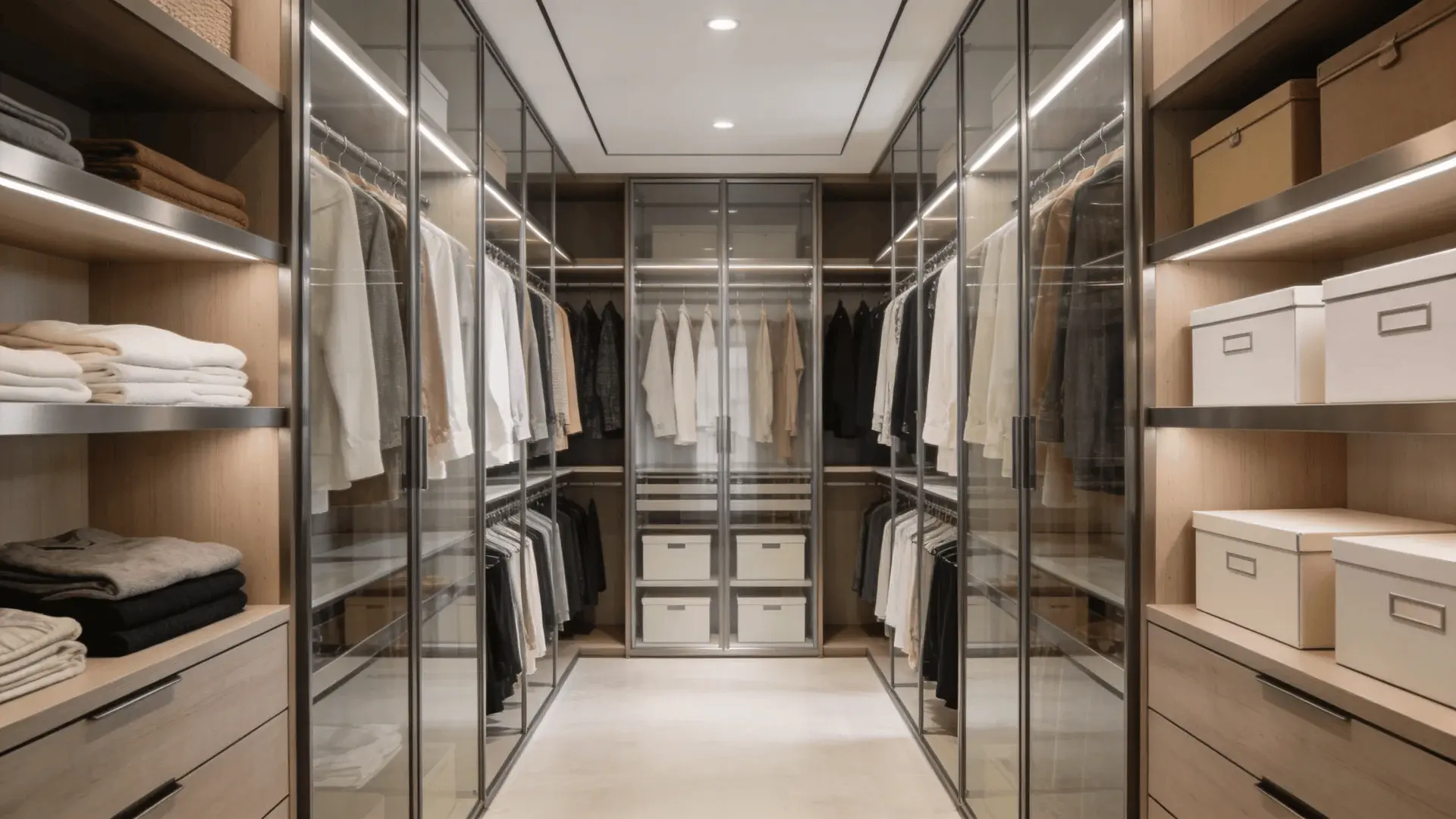
Stock cabinets can be affordable, but they often fail to fit your kitchen layout. Instead of standard setups, built-in shelving might create space where none existed before. Specialty drawers designed for specific needs can transform cluttered zones into useful areas. Upgrading existing cabinets with tailored designs shifts the room from functional to extraordinary, especially when working with experienced custom cabinet builders who can adapt every detail to your space.
When creating an individual kitchen or managing a specialized area, expect to incur additional costs for custom work. Discuss each option with your provider, including how the cabinets will appear and which functional parts they include.
Failing to Account for Storage Needs
Picking cabinets? Style often grabs attention first. Yet storage matters just as much. Homeowners might overlook actual needs, available space, or whether layouts work day-to-day.
Mistake to watch out for: Start by looking at what your kitchen already has, then consider real moments, like how you reach for dishes every morning. Could built-in drawers store what you actually use? Pulling out baskets helps keep things within reach. When it comes to kitchen gear, size matters. Pots, pans, or compact machines – they take up space. Storage that works doesn’t have to look cluttered. Function first, then fit.
Not Considering the Long-Term Value of Quality
Starting with lower-priced cabinets could appear helpful for people looking to cut expenses. Yet such choices tend to deteriorate more quickly, sometimes requiring fixes or even a replacement before their time. Now here’s a twist: selecting subpar units may ultimately increase overall spending, despite initial savings.
One common error? Spending less on cabinetry just because it’s cheaper. Quality fixtures may appear more expensive at first, but they often last much longer in everyday use. Additionally, well-made units tend to boost a property’s future selling point when updated. Be cautious if prices drop dramatically – low bids often reflect weak materials or shoddy work.
Focusing Only on Looks, Not Functionality
Beauty alone won’t make cabinets work well in a kitchen. Function sneaks around behind looks when it comes to picking them out. Think beyond how they appear on walls. What good do sleek units do if drawers run short or shelves stack awkwardly? Style grabs attention, yet real usability holds everything together.
Mistake to watch out for: Even if design matters, pay attention to how your cabinets are laid out and what they offer. Think about comfort, ease of use, and what gets done in the room. Parts such as quiet-closing hinges, slide-in drawers, or turnable shelves might make a real difference here.
Overlooking Cabinet Warranty and After-Sales Service
Cabinets might not always come with warranty coverage or support after you’ve bought them. A few brands offer short-term guarantees, though many stand by their customers when problems arise. Picking one that skips protection entirely may result in broken units with no way to repair or replace them.
One wrong move? Check the warranty first. Protection lasts long when it’s part of the deal from the start. What happens later matters just as much as the price tag.
Forgetting About Cabinet Hardware
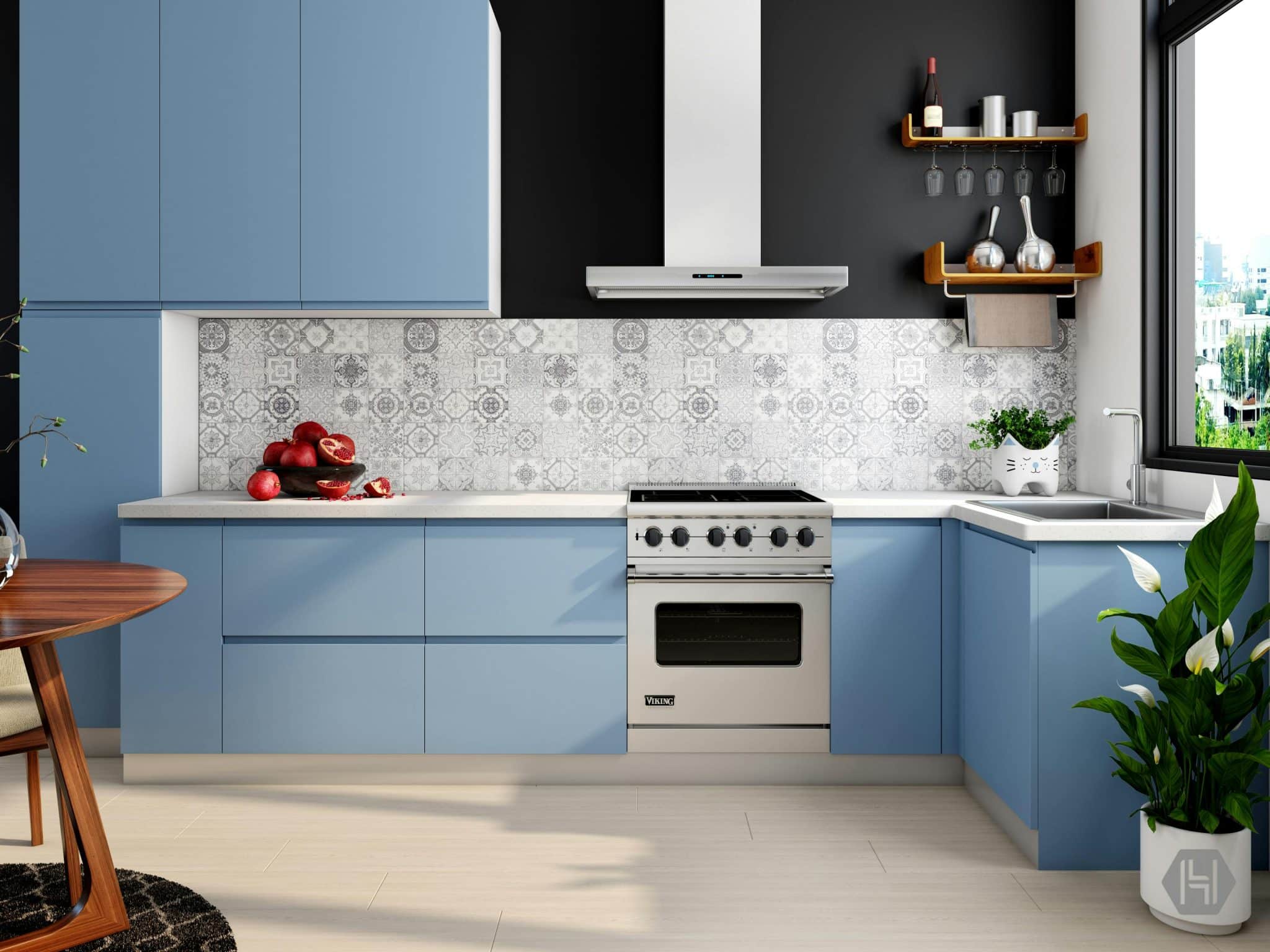
Homeowners sometimes fixate only on the cabinet frames, overlooking what holds them together – the knobs, handles, or pulls. These small details shape how your space looks and works, more than you might expect.
Hardware matters more than you think. Good-looking, well-made knobs or pulls elevate entire cabinet areas, while a proper choice also supports everyday use. Pick pieces that fit how your cabinets are built to look.
Neglecting to Review the Entire Layout
Start fresh when redoing a kitchen; imagine it differently. Picture how walls, counters, and doors connect once those old cabinets vanish. Jumping straight to cabinet purchases often blinds people to layout issues later. Space is wasted when one part receives attention while the overall picture remains unclear.
Mistake to watch out for: Start by mapping out the kitchen design, even if it’s just rough, using a designer or basic drawing tools. This step helps avoid later missteps when buying cabinetry. When done early, everything fits together better —space included—functionality lines up more naturally once measurements are considered.
Final Thoughts
Starting, picking out kitchen cabinets isn’t something you do lightly – yet making thoughtful choices early helps sidestep costly errors. When the budget comes first, shaping it early sets the tone for everything after. Style matters, sure, but what things actually do inside the room deserves equal weight. Quality doesn’t just look better; it lasts longer under real use. A little patience up front leads to results worth staying for in the years ahead.
Pause before acting. Look closely at the options and reach out for clear guidance when it feels right. Thoughtful choices shape how your updated kitchen becomes both a valuable ground and somewhere you actually want to be.