
Mulch works great until you see the price tag. Then you have to replace it again next season. And again.
The costs add up fast, especially if you have a large garden. Plus, some types attract pests or wash away after heavy rain. What if there were better options that cost less or even nothing at all?
There are. This guide shows you practical alternatives to mulch that save money and work just as well. Some are completely free. Others last for years without replacement.
You’ll learn which option fits your garden type, climate, and budget. By the end, you’ll know exactly what to use instead of traditional mulch.
Why Mulch Works and When You Need Other Options?
Mulch acts as a protective blanket for your garden soil by keeping moisture locked in, blocking weeds, and controlling temperature swings.
Most gardeners rely on it to reduce watering and maintenance work. However, traditional mulch has real downsides that lead people to seek alternatives.
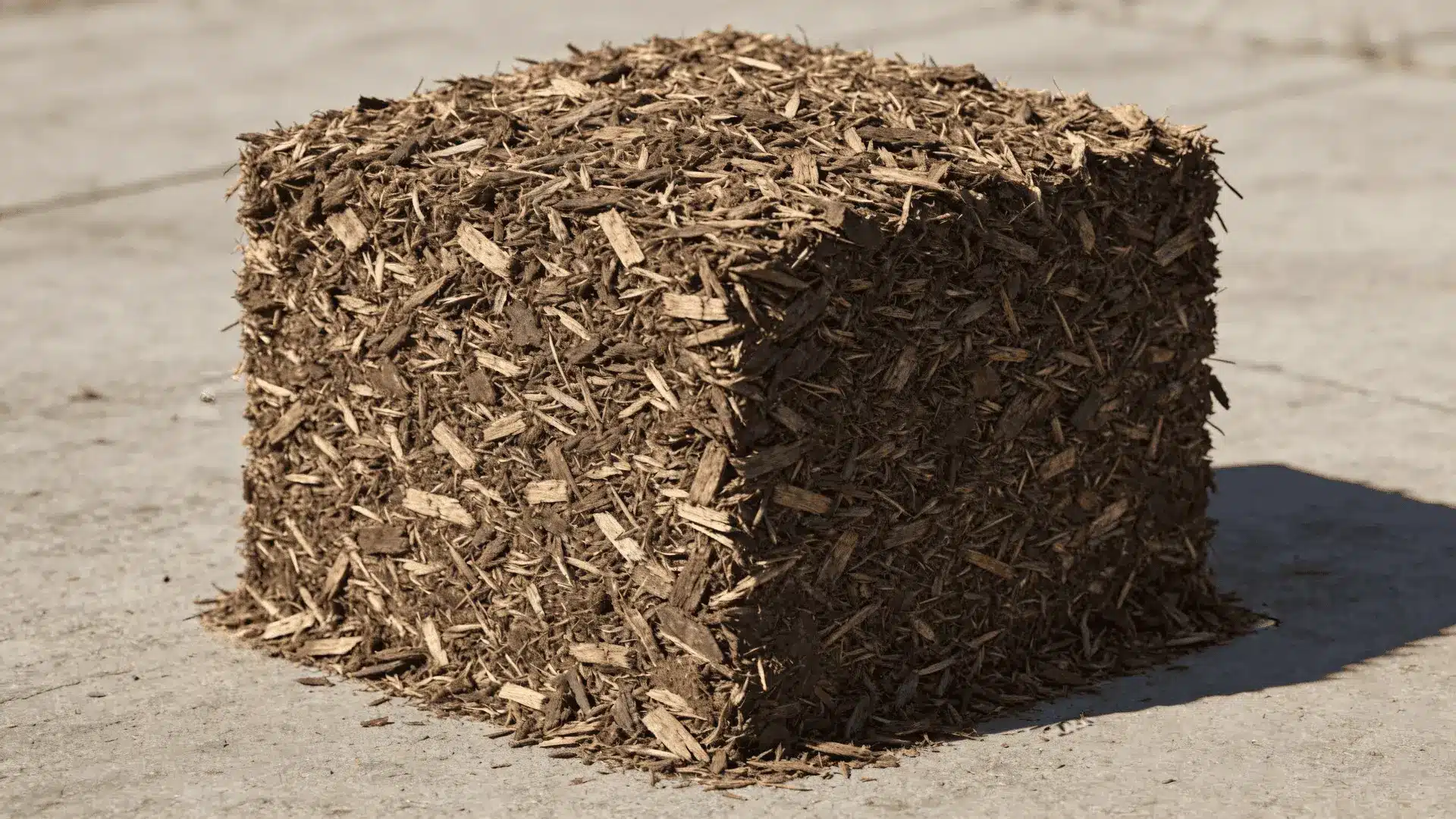
Wood chips and bark cost money and need to be replaced every year or two. Some types attract termites and carpenter ants near your home.
Mulch can get moldy in wet climates, blow away in windy spots, or rob nitrogen from the soil as it breaks down. For large gardens, the expense and effort of buying and spreading mulch add up quickly.
Top Alternatives to Mulch
Now that you know why traditional mulch has limits, let’s look at better options. These alternatives to mulch save money, work just as well, and fit different garden styles and climates.
1. Grass Clippings
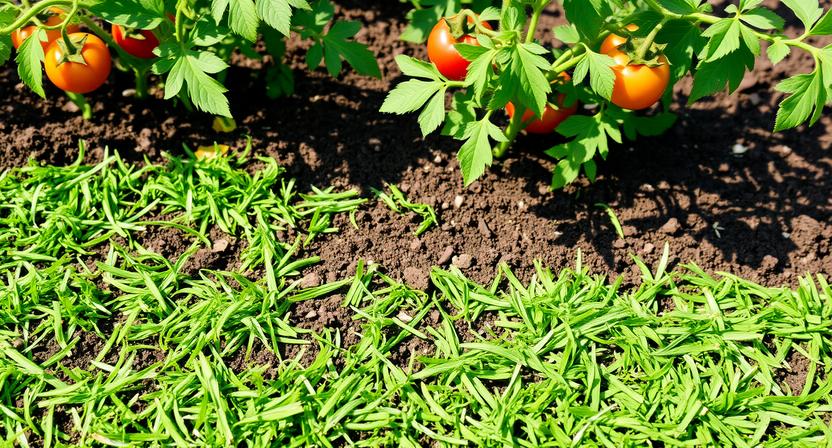
Grass clippings are one of the easiest and cheapest alternatives to mulch you can find. You already have them after mowing your lawn. They break down fast and feed your soil with nitrogen.
Benefits:
- Completely free if you have a lawn and returns nitrogen to the soil as it breaks down
- Decomposes quickly within a few weeks and keeps moisture locked in
- Blocks weeds effectively and reduces watering needs
Best Practices:
- Spread clippings in thin layers about 1 to 2 inches thick to avoid clumping
- Let the clippings dry slightly before applying to prevent mold growth
- Use only on lawns not treated with herbicides or weed killers
Cons:
- Thick layers can clump together, smell bad, and block air flow
- May contain weed seeds if the grass was mowed after it went to seed
- Breaks down fast, so you need to reapply often throughout the season
2. Shredded Leaves and Leaf Mold
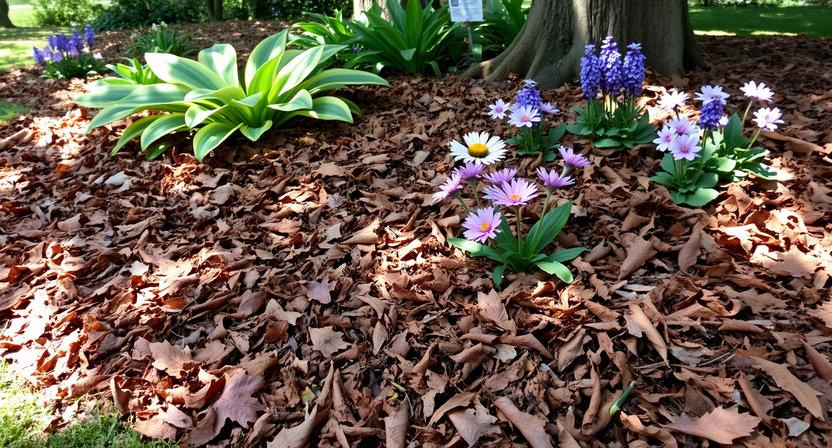
Fallen leaves make excellent free mulch that improves your soil over time. You can shred them with a mower or leaf shredder. Leaf mold forms when leaves decompose completely, creating rich organic matter.
Benefits:
- Completely free and adds tons of organic matter as leaves break down
- Holds moisture well during dry spells and improves soil structure
- Works great around perennials, under trees, and feeds earthworms
Best Practices:
- Shred leaves with a mower before applying to speed decomposition
- Spread 2 to 3 inches thick and wet them down so they stay in place
- For leaf mold, pile leaves and let them sit for 6 to 12 months before using
Cons:
- Whole leaves can mat down and prevent water from reaching the soil
- May blow away in windy areas if not shredded or kept moist
- Takes time to collect and shred large quantities for bigger gardens
3. Straw or Hay
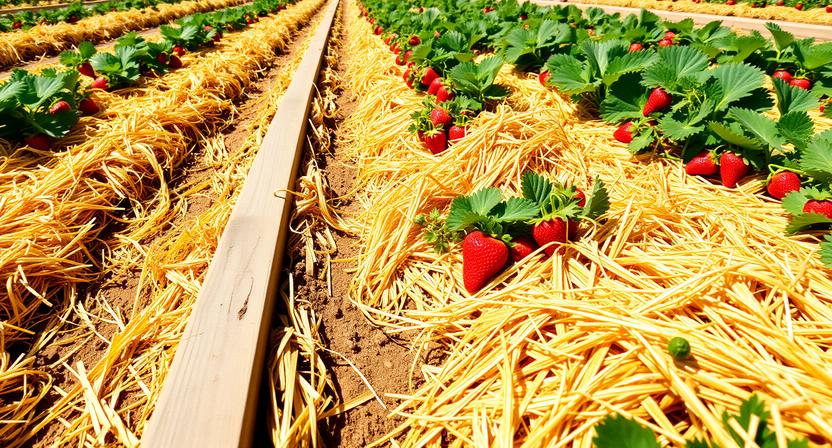
Straw makes a clean, light mulch perfect for vegetable gardens. It comes from grain crops after harvest. Straw has no seeds, while hay includes grass seeds that can sprout weeds.
Benefits:
- Straw stays cleaner with no seeds and costs less than hay
- Perfect for vegetables like tomatoes, peppers, strawberries, and annual flowers
- Reflects light back onto plants and keeps soil cool in summer heat
Best Practices:
- Spread straw 3 to 4 inches thick and fluff it up for air circulation
- Replace or add more each season as it breaks down into the soil
- Choose certified weed-free straw to avoid introducing new weed problems
Cons:
- Hay contains seeds that sprout weeds and create more work
- Can become a fire hazard if it dries out completely in hot weather
- May attract rodents looking for nesting material near your garden
4. Pine Needles (Pine Straw)
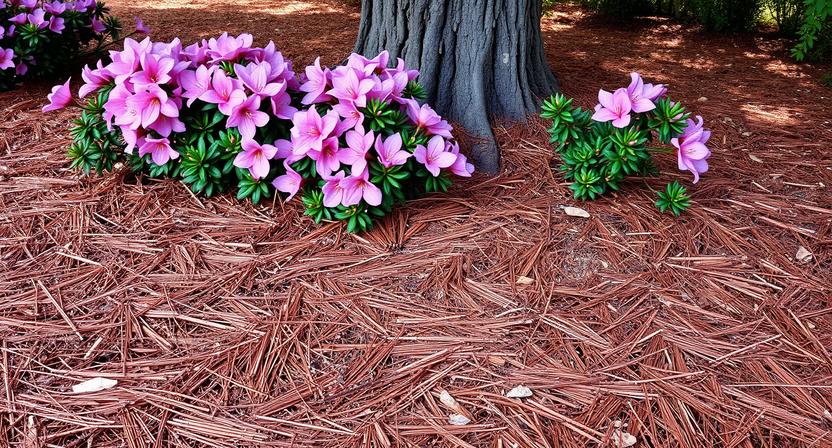
Pine needles fall naturally from pine trees and make long-lasting mulch. They stay in place even on slopes. The needles add slight acidity to the soil, which some plants love.
Benefits:
- Holds moisture in soil very well and lasts longer than most organic mulches
- Does not compact or mat down and stays put on slopes
- Perfect for acid-loving plants like azaleas, blueberries, and rhododendrons
Best Practices:
- Spread pine needles 2 to 3 inches deep around plants
- Collect them free from under pine trees in your yard or neighborhood
- Avoid piling needles directly against plant stems to prevent rot
Cons:
- Adds acidity to the soil, which some plants do not like or tolerate well
- Can take a long time to break down compared to other organic options
- Not ideal for vegetable gardens that need neutral pH levels
5. Compost as Ground Cover
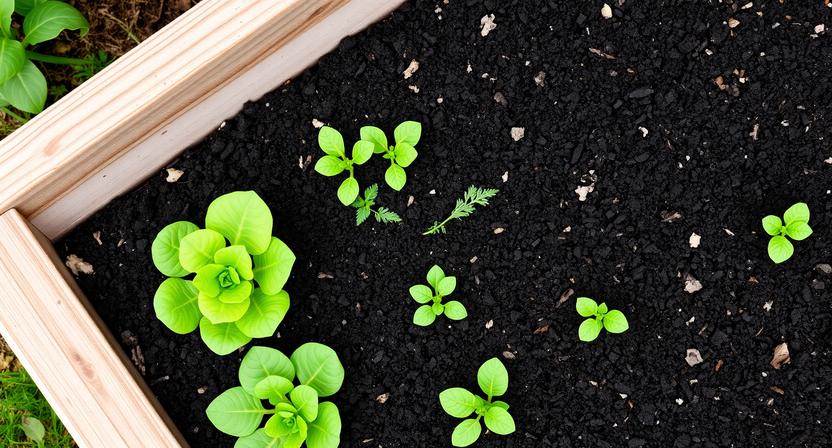
Finished compost works as both mulch and fertilizer at the same time. It feeds your plants while blocking weeds. This makes it one of the most useful alternatives to mulch for food gardens.
Benefits:
- Adds nutrients directly to the soil and feeds plants as rain washes through
- Suppresses weeds by blocking light and keeps soil moist
- Builds soil health faster than regular mulch and improves texture
Best Practices:
- Spread 1 to 2 inches thick around plants in raised beds or vegetable gardens
- Use only finished compost that looks dark and crumbly with no smell
- Reapply every few months, as it breaks down into the soil
Cons:
- More expensive than free options if you buy bagged compost
- Breaks down quickly, so you need to add more often than wood mulch
- May contain weed seeds ifthe compost pile did not heat up properly
6. Cardboard and Newspaper (Sheet Mulching)
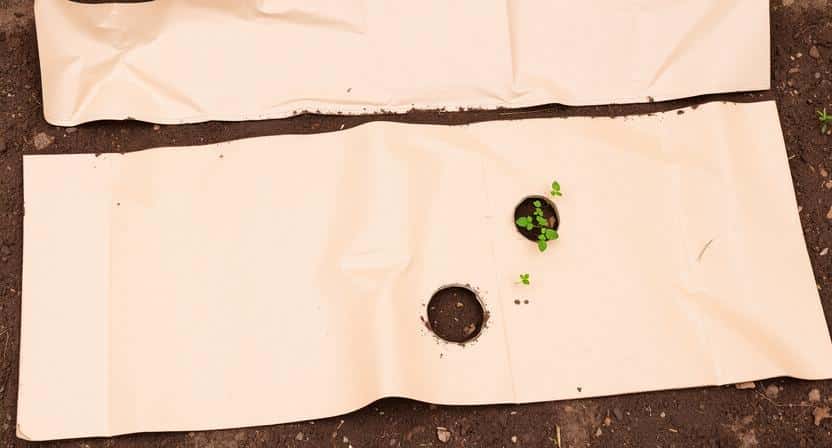
Cardboard and newspaper smother weeds by blocking all light and air. This method works great for starting new garden beds. The paper breaks down over time and feeds soil organisms.
Benefits:
- Kills existing weeds completely without digging or using chemicals
- Cheap or free, since you can use boxes and newspapers you already have
- Breaks down within 6 to 12 months and improves soil as it decomposes
Best Practices:
- Wet the ground thoroughly, then lay cardboard or 6 to 10 sheets of newspaper flat
- Overlap edges by several inches to prevent gaps where weeds can grow
- Cover with 2 to 3 inches of soil, compost, or wood chips to hold it down
Cons:
- Looks messy if you do not cover it with another material on top
- Takes several months to fully break down before you can plant
- Newspaper ink may contain chemicals, though most use soy-based ink now
7. Living Ground Covers (Green Mulch)
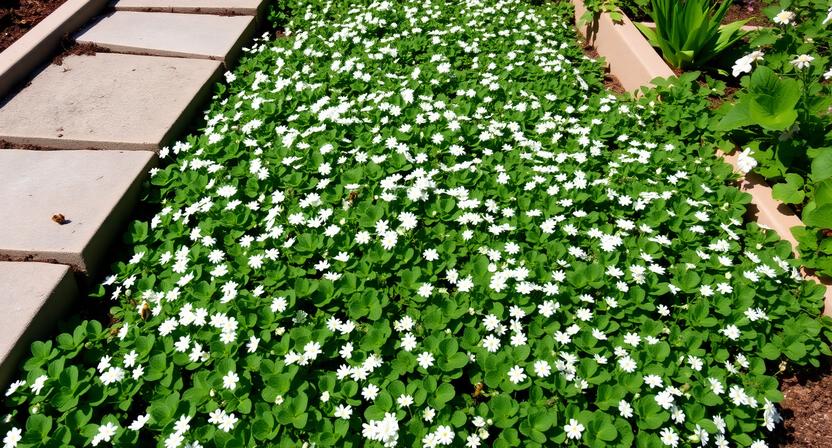
Living plants can act as mulch by covering bare soil with dense growth. These low-growing plants spread to form a mat. They stay green year-round in many climates and never need replacing.
Benefits:
- Never needs replacing, topping up, or buying new materials each year
- Feeds pollinators with flowers and prevents erosion on slopes
- Adds beauty with color and texture while staying low-maintenance
Best Practices:
- Choose clover for nitrogen fixing, sedum for drought areas, or moss for shade
- Plant in spring or fall when the soil stays moist for good establishment
- Water regularly for the first few months until roots spread and fill in
Cons:
- Takes time to establish and fill in bare spots completely
- Not suitable for vegetable gardens where you till the soil each season
- Some ground covers can spread too aggressively and invade other areas
8. Rocks, Gravel, and Pebbles
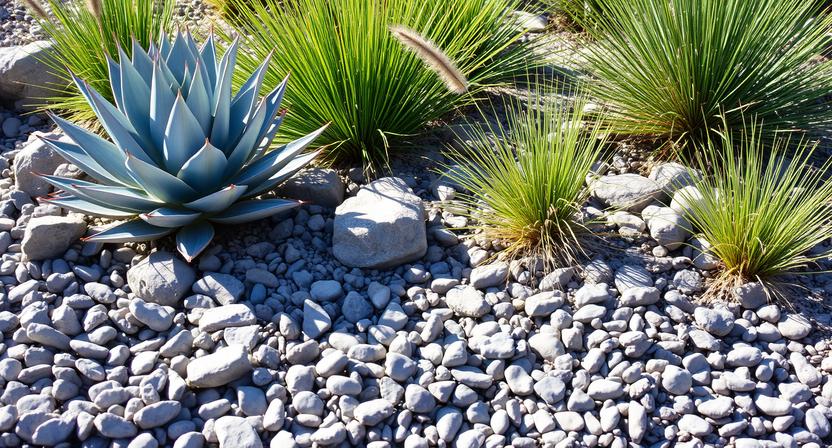
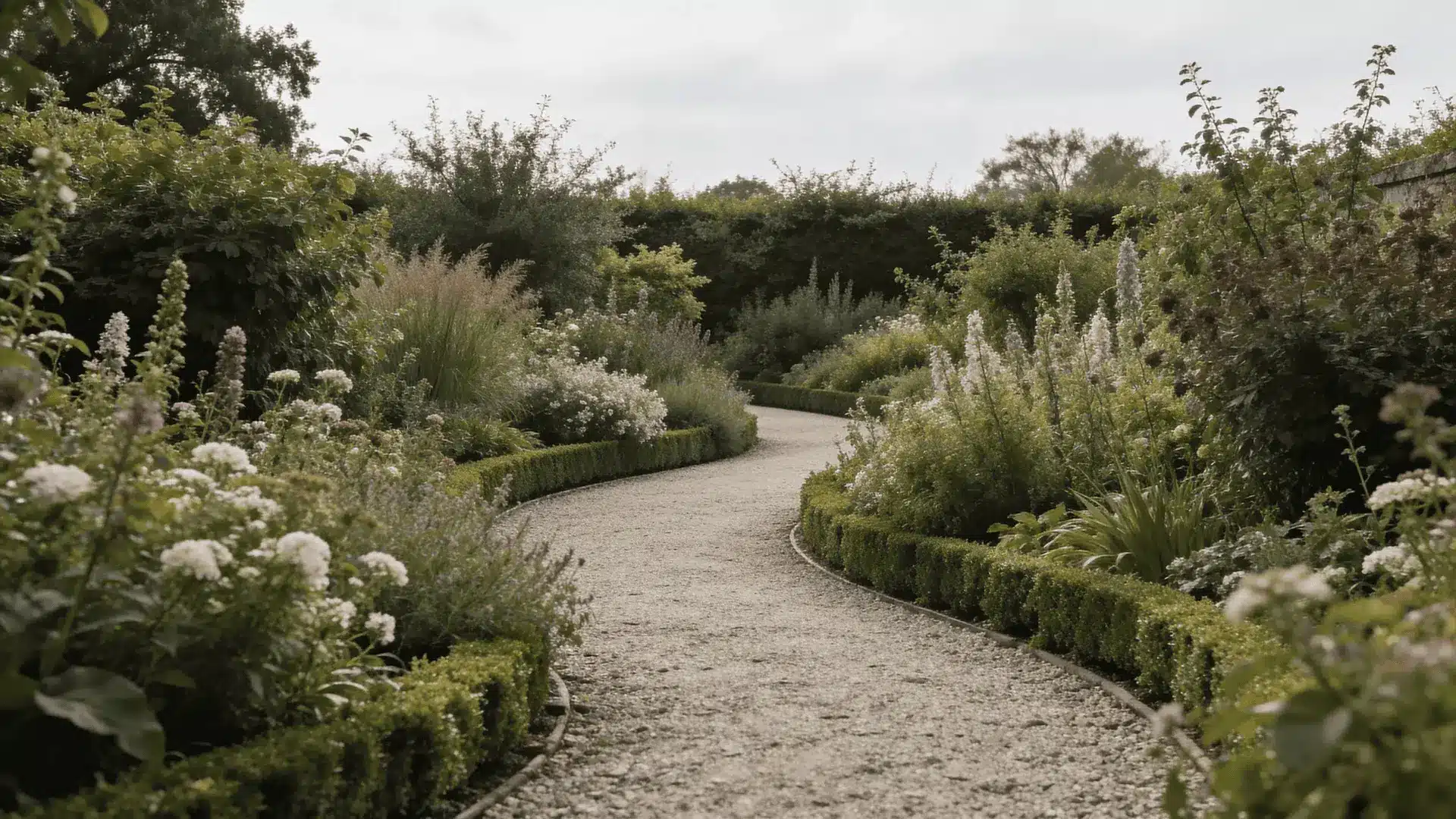
Stone mulch lasts forever and never needs replacing. It works best in dry, hot climates. Rocks come in many sizes and colors to match your garden style.
Benefits:
- Extremely low maintenance once installed, and never decomposes or blows away
- Blocks weeds effectively when laid thick over landscape fabric
- Creates clean, modern looks with many color options available
Best Practices:
- Use for pathways, desert gardens with cacti, and sloped areas
- Lay landscape fabric first, then add 2 to 3 inches of rock on top
- Choose lighter colors to reflect heat or darker ones to absorb warmth
Cons:
- Adds zero nutrients to soil and can make soil too hot for some plants
- Very heavy and difficult to move if you want to change the garden layout
- Hard to remove leaves and debris that fall between the rocks
9. Crushed Shells and Decorative Stones
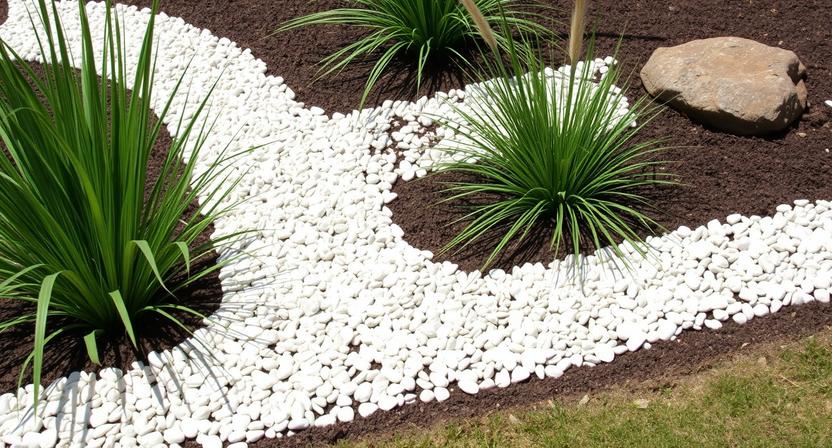
Crushed shells work like gravel but add calcium to soil over time. They look beautiful in coastal-themed gardens. Decorative stones come in polished or natural finishes for visual interest.
Benefits:
- Shells improve soil pH for plants that need calcium, like tomatoes
- Both options last for years without replacement or maintenance
- Creates attractive borders, pathways, and adds texture to garden beds
Best Practices:
- Use for garden borders, pathways, and around drought-tolerant plants
- Spread 2 to 3 inches thick over landscape fabric forthe best weed control
- Choose colors and sizes that match your garden style or theme
Cons:
- Can be expensive compared to free options like leaves or grass clippings
- Shells may attract cats who use the area as a litter box
- Gets very hot in direct sun, which can stress plants nearby
10. Rubber Mulch
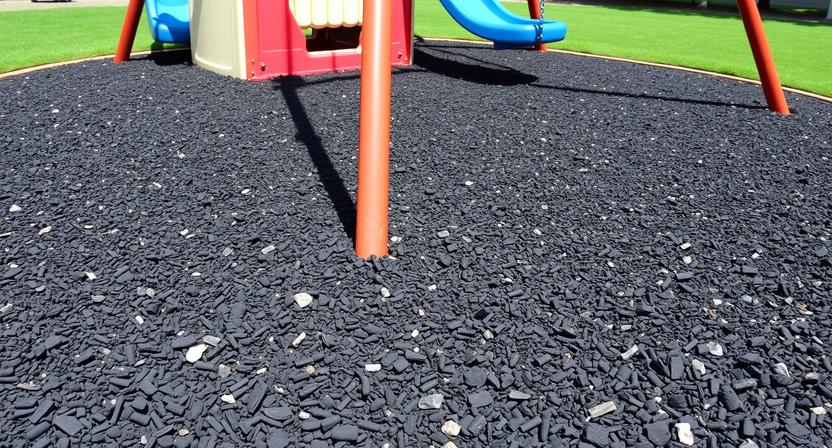
Rubber mulch comes from recycled tires ground into small chunks. It never rots or breaks down. This makes it popular for playgrounds and low-maintenance areas where you want long-term coverage.
Benefits:
- Lasts 10 years or more without replacement and never needs topping up
- Does not attract insects, pests, mold, or fungus like organic mulches
- Cushions fall in play areas and stay in place during wind and rain
Best Practices:
- Use for playgrounds, pathways, and ornamental areas away from edibles
- Spread 2 to 3 inches thick for proper cushioning and weed control
- Choose natural colors that blend with the landscape rather than bright dyes
Cons:
- Adds zero nutrients to the oil since it never decomposes or breaks down
- Not recommended for vegetable gardens or around edible plants
- Can get extremely hot in direct summer sun and may leach chemicals
11. Landscape Fabrics and Plastic Mulch Sheets
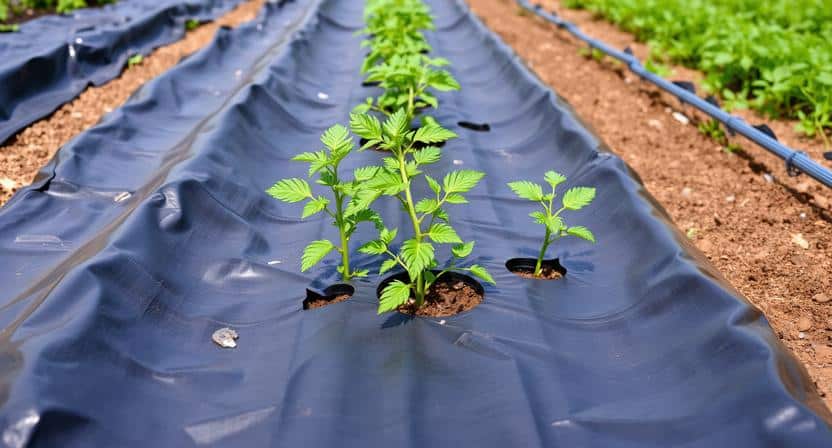
Fabric and plastic sheets are placed under other mulch or soil to completely block weeds. They create a barrier between the soil and the surface. Many commercial farms use plastic mulch for vegetables to warm the soil faster.
Benefits:
- Very effective at stopping weeds for several years with minimal maintenance
- Plastic warms the soil faster in spring for earlier planting of warm crops
- Fabric allows water and air to pass through while blocking light
Best Practices:
- Use for vegetable garden rows, perennial beds, and under gravel on pathways
- Secure edges with landscape staples so material does not shift or blow away
- Cut X-shaped holes where you want to plant through the fabric
Cons:
- Plastic types do not biodegrade and create environmental waste
- Can trap too much heat in hot climates and stress plant roots
- Makes it harder to add compost or fertilizer to the soil later on
How to Choose the Right Mulch Alternative?
Choosing the best alternatives to mulch depends on your climate, budget, and garden type. Think about what you want most: free materials, long-term coverage, or soil improvement.
Grass clippings and leaves work great for vegetable gardens that need nutrients. Rocks and gravel are suitable for dry climates and permanent plantings.
Living ground covers fit shady areas where other options fail. Sheet mulching with cardboard kills weeds in new garden beds.
Match your choice to your plants, weather patterns, and how much time you want to spend on maintenance. Start with free options, such as yard waste, before buying expensive materials.
Final Verdict
You now have solid alternatives to mulch that save money and work just as well. Some are free, like grass clippings and leaves. Others last forever, like rocks and rubber mulch.
Each option solves different problems based on your climate, budget, and garden needs. The best part?
You can start using most of these today without spending a dime. Stop buying expensive mulch every year when better options sit right in your yard.
Pick one alternative from this list and try it in a small section of your garden first. See how it works for your plants and soil.
What alternative will you try first? Drop a comment below and share your experience with us!