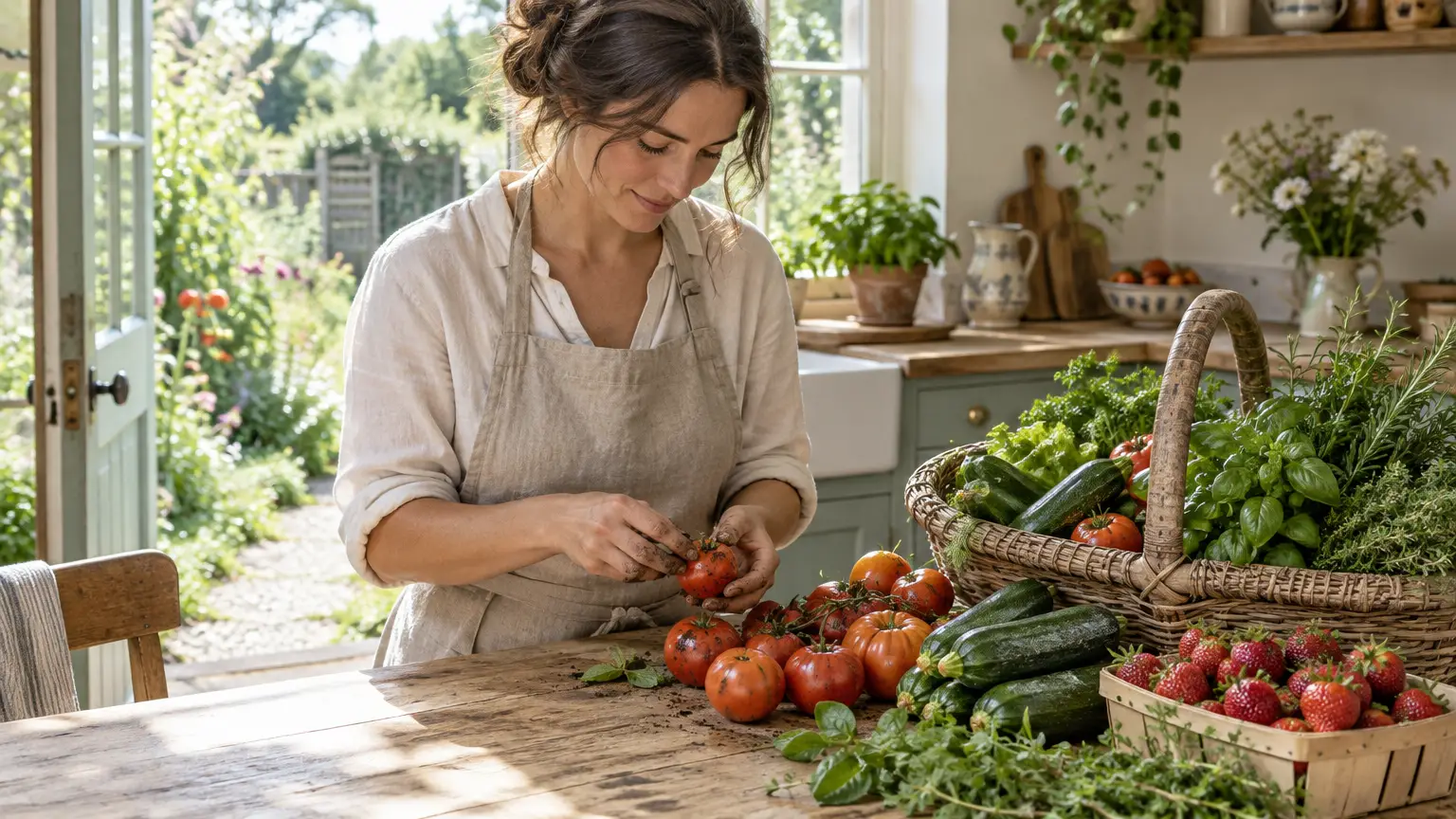
There’s something incredibly satisfying about growing your own food, whether it’s picking ripe tomatoes straight from the vine or cutting off fresh herbs for dinner. However, if you’ve ever found yourself with more zucchini than you know what to do with or watched your strawberries spoil before you could eat them, you’ll know that making the most of your harvest isn’t actually the most straightforward task.
With a little bit of planning and creativity, you can enjoy your homegrown produce for longer, reduce waste, and make your efforts in the garden even more rewarding.
Harvest Your Produce At The Right Time
Timing can make a big difference to the flavor and quality of your fruits and vegetables. While some crops, such as tomatoes and strawberries, taste best when fully ripe, others, including zucchini and green beans, are often more tender when picked young.
Get into the habit of checking your garden regularly, particularly during the warmer months when produce can ripen surprisingly quickly. Picking vegetables frequently can also encourage certain plants to continue producing, helping you get more from your garden throughout the growing season.
Get Creative With Your Cooking
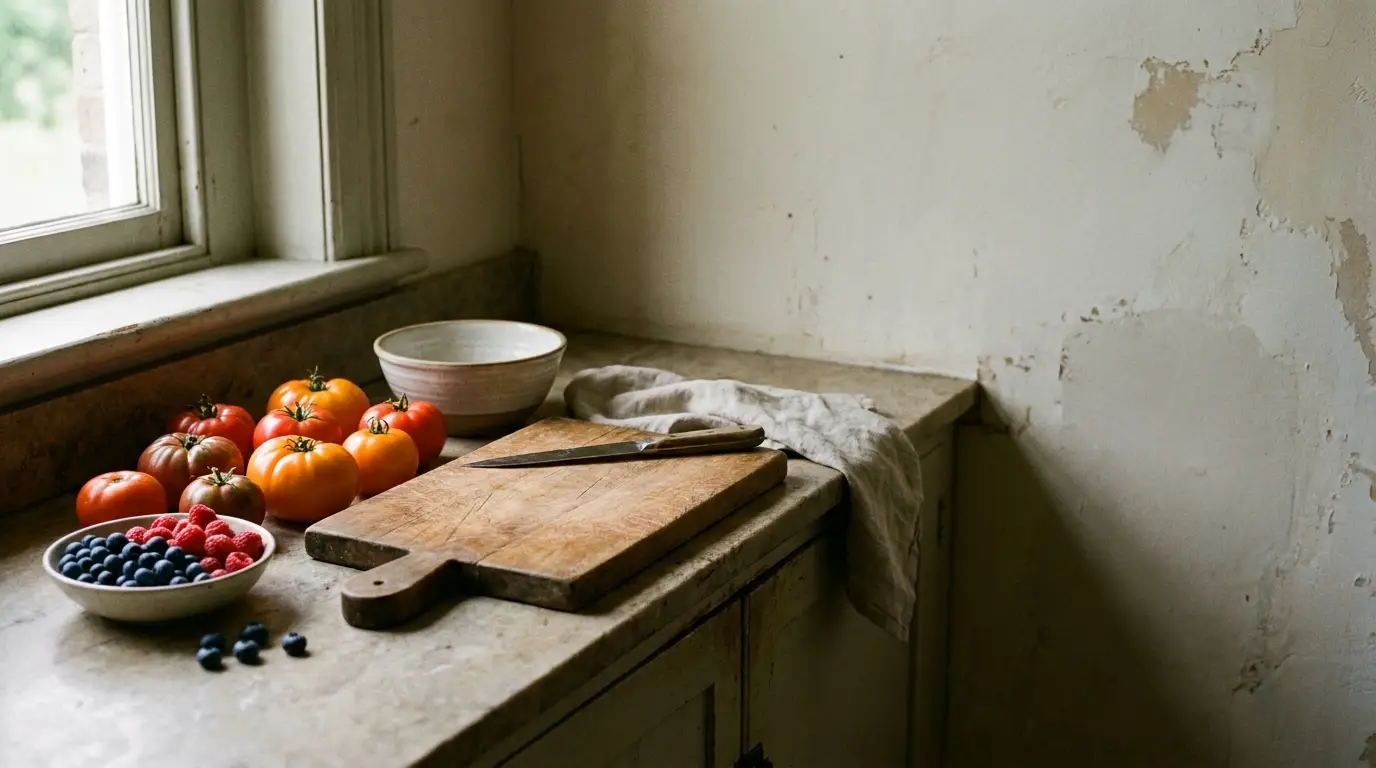
One of the best things about growing your own food is having the opportunity to experiment with different recipes. Instead of preparing the same meals every week, challenge yourself to find new ways to use whatever is ready to harvest. For example, extra tomatoes can become homemade pasta sauce, while zucchini works beautifully in soups, fritters, and even cakes. Fresh berries are perfect for smoothies, homemade jams, or desserts, and herbs can add flavor to almost anything.
Cooking with freshly harvested produce can sometimes be a messy process, especially when you’re washing vegetables, preparing sauces, or preserving fruit. If you’re spending more time experimenting in the kitchen, you can find practical kitchen aprons online to help protect your clothing while you make the most of your harvest.
Learn How To Store Everything Properly
Not all fruits and vegetables need to be stored in the same way, and understanding that can help them stay fresh for longer. Leafy greens generally benefit from refrigeration with a little moisture, while potatoes prefer a cool, dark, well-ventilated environment. Whole tomatoes often retain their flavor better at room temperature until ripe, although refrigeration can help prevent overripe tomatoes from spoiling. It’s also worth checking your stored produce regularly and using anything that’s beginning to soften before it goes to waste.
Preserve Your Harvest For Another Day
If your garden produces more than you can realistically eat, preserving your harvest is a fantastic way to enjoy homegrown flavors outside the growing season. Freezing is one of the easiest options, particularly for berries, herbs, and vegetables such as peas and beans. You could also experiment with making jams, chutneys, or pickles, provided you follow tested, food-safe preserving recipes.
Share Your Harvest With Others
Sometimes, even your best efforts won’t be enough to use everything your garden produces. Rather than letting perfectly good food go to waste, consider sharing your surplus with friends, family, or neighbors. You could even organize a produce swap with other gardeners, exchanging your extra tomatoes for someone else’s apples or peppers.