Simple updates can improve how a place feels and functions without turning it into a huge project. Whether it’s something small that helps with daily routines or a larger fix that adds to your long-term comfort, making steady progress is what matters. The key is to look at what affects you the most. Does a noisy entryway slow down your mornings? Is your lighting outdated? These are the kinds of details that deserve attention. You don’t have to commit to everything at once. Start where it counts.
Here’s how you can work through one by one, all of which bring noticeable improvements without overwhelming your time or budget:
Fix What Slows You Down Inside
Walk through your most-used areas and pay attention to what gets in the way. A drawer that sticks, a hallway that stays dark, or a light switch in an odd place can affect how you move around. Instead of ignoring these things, start listing what feels off. Fix one thing each week, whether it’s swapping out a noisy fan, switching to LED bulbs, or tightening that shaky handrail. Focus on quality parts, not trendy looks. Reliable fixtures don’t need to be fancy to make a difference. This approach keeps things manageable while still helping you feel the difference almost immediately.
Make Your Entry Points Feel Secure and Efficient
A reliable entry can shape the tone of your entire routine. If it creaks, hesitates, or looks worn down, it’s worth addressing. Reliable support makes all the difference when you’re considering garage door installation. A trusted garage door provider can offer options for residential and business needs, from sleek aluminum designs to insulated steel doors. They also supply quality openers, accessories, and same-day support. If your door isn’t working smoothly, they can inspect or repair the issue without pushing you to replace it unless absolutely necessary. Their team also guides you through safety features, smart opener options, and design selections that match your home’s style and comfort level.
Make Lighting More Comfortable
Bright overhead lights aren’t always the answer. You might feel more relaxed with softer tones and better-placed switches. Use warm-toned LEDs in places where you relax, and cooler lighting where you need to stay focused, like the kitchen or workspace. Add motion sensors in stairwells or garages so you don’t fumble in the dark. If certain switches never made sense in the first place, a licensed electrician can move or rewire them for better reach. These changes don’t have to cost a lot. When the lighting feels right, your routines will feel easier, and the whole place will feel more inviting.
Look for Energy Gaps
Cold spots and high bills usually mean energy is slipping out through cracks or thin materials. Check door edges and window seals, especially in older setups. Use weather strips where needed and swap worn-out sealant with a quality caulk. You can even find thermal curtains that keep heat in during winter and block the sun in the summer. In attics or crawlspaces, check if your insulation is still doing its job. Heating doesn’t need to be cranked up if your structure holds temperature well. These steps may be small, but they’ll help your indoor climate feel more stable while lowering energy use.
Repaint Key Surfaces for a Cleaner Feel
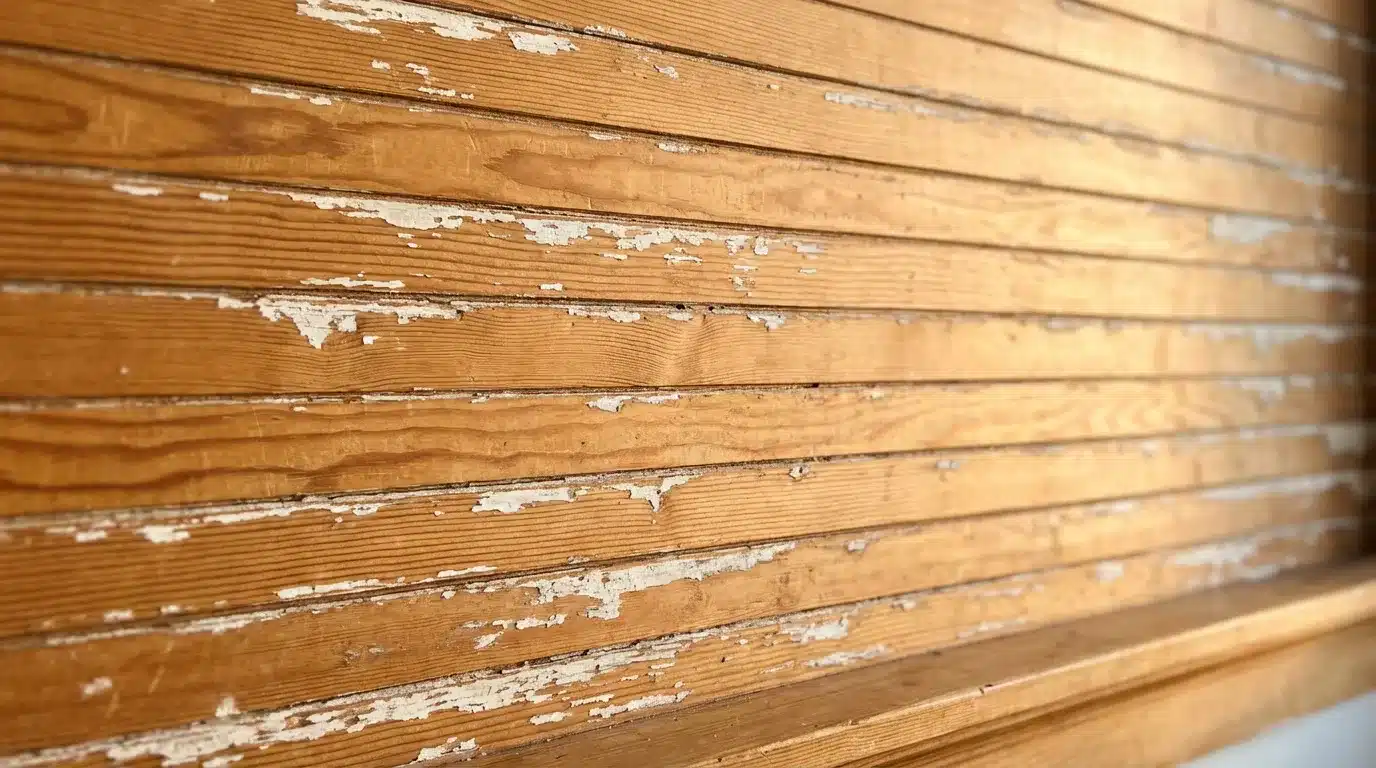
New paint always makes a room feel refreshed. You don’t have to redo everything. Just focus on the places that show wear first. Touch up baseboards, door frames, and high-traffic walls with durable, wipe-clean paint. You can use painter’s tape to outline neat edges, or patch old nail holes with simple filler. Use semi-gloss for trim and eggshell or matte for the main walls. A neutral shade can brighten the space without feeling cold. If your corners have yellowed over time, fresh white paint can make those areas feel much cleaner without redoing the entire room.
Improve the Kitchen’s Workflow
You don’t need to do a full kitchen overhaul to make things easier. Just a few changes can make prep and cleanup faster. Add dividers to drawers so utensils aren’t always jumbled. If the faucet leaks or barely swivels, replace it with a pull-down version that rinses more efficiently. Change handles and knobs to make older units feel new without replacing them. Poor lighting above counters? Add under-cabinet strips or tap-on LEDs. Fix the things you notice every day: a cabinet that won’t close or a bin that doesn’t fit. The kitchen runs smoothly when your tools are within reach and working properly.
Make the Bathroom Feel Easier to Use
A better bathroom doesn’t always mean spending thousands. Look at your current setup. If the fan is loud or ineffective, swap it out. If the mirror lighting makes your morning routine hard, replace it with something brighter and more direct. Leaks should never be ignored, even if they seem minor. Re-sealing around sinks and tubs also prevents grime from building up. Use stackable baskets or wall-mounted racks to avoid cluttered counters. Little details, like a towel hook where you actually use it, can streamline your routine. Focus on how the space works instead of aiming for a complete redesign.
Keep Your Floors in Good Shape
Floors take the most wear and tear. Walk through and listen for creaks or feel for uneven boards. Some fixes are as easy as tightening screws or adding shims. If you have hardwood that looks scratched, a gentle sanding and fresh sealant can bring it back. For entryways, consider tough mats that trap dirt before it gets in. In living areas, thick rugs can soften sound and reduce echo. If you’re replacing flooring, pick materials that match how the room is used. Vinyl and laminate are sturdy for high-traffic areas, while carpet makes sense where you want to reduce noise.
Better living doesn’t always come from one huge update. It often comes from paying attention to small details and choosing what to fix based on what affects your daily life the most. Whether it’s better lighting, smarter storage, or a more secure entry point, each change builds momentum. You can make your space more reliable and comfortable without doing it all at once. These changes may seem simple, but over time, they make routines easier and your place more enjoyable to be in. Make a list, focus on one area at a time, and you’ll feel the difference sooner than you think.