There’s something deeply satisfying about building your own greenhouse, a space that’s completely yours where seedlings thrive, and tomatoes ripen even when frost blankets the ground outside.
More gardeners are realizing that creating a DIY greenhouse isn’t just about saving money, though that’s definitely a perk.
It’s about crafting a growing sanctuary that fits your exact vision, whether that’s a cozy corner for herbs or an expansive haven for exotic plants.
Ready for inspiring designs, essential materials, and insider tips that’ll help you avoid rookie mistakes? Let’s get into the beautiful world of DIY greenhouses together.
Before You Build: DIY Greenhouse Basics
Before you start hammering and measuring, a few smart choices will set you up for greenhouse success.
Location matters more than you think: aim for at least six hours of direct sunlight, shelter from harsh winds, and ground that drains well after rain.
For materials, you’ll want a sturdy frame like pressure-treated wood, galvanized metal, or even budget-friendly PVC.
Your covering choice affects everything from light diffusion to durability, so consider UV-resistant polycarbonate for longevity or reinforced plastic sheeting for a wallet-friendly start.
Skip these common pitfalls:
- Poor ventilation that traps heat
- Flimsy plastic that degrades within months
- Building too small for your growing ambitions
Step-by-Step: How to Build a Basic DIY Greenhouse?
Building your own greenhouse doesn’t have to be complicated or expensive. With some creativity and basic materials, you can create a functional growing space that serves you for years.
Step 1: Prepare Your Site
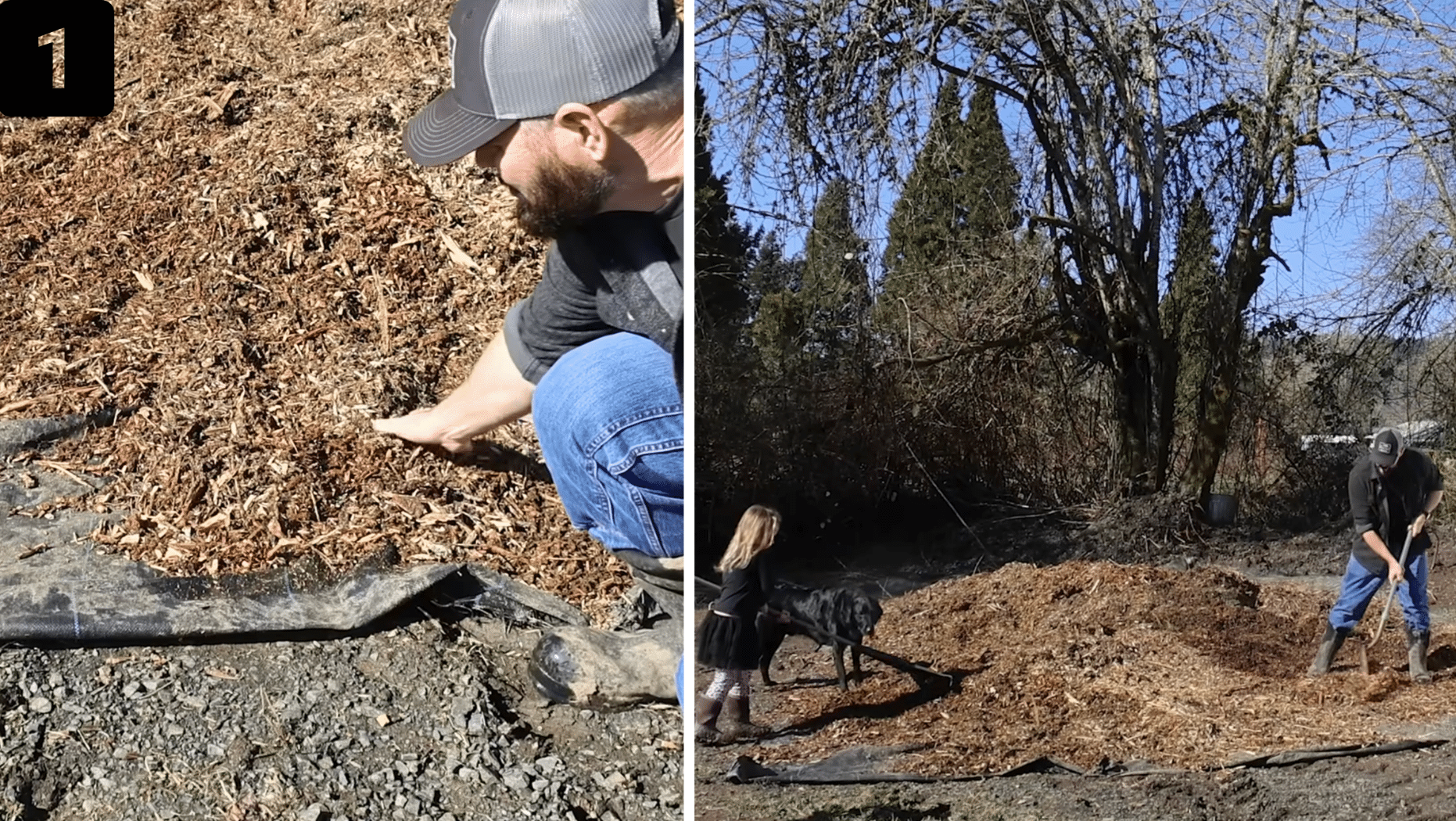
Start by choosing a level spot with good sun exposure and drainage. Clear the area and lay down a weed mat to prevent unwanted growth through your greenhouse floor.
Add a layer of bark mulch or gravel for a clean, functional base. This groundwork prevents future headaches and keeps your greenhouse tidy. Take time to mark out your dimensions before moving forward with construction.
Step 2: Set Up Your Frame Structure
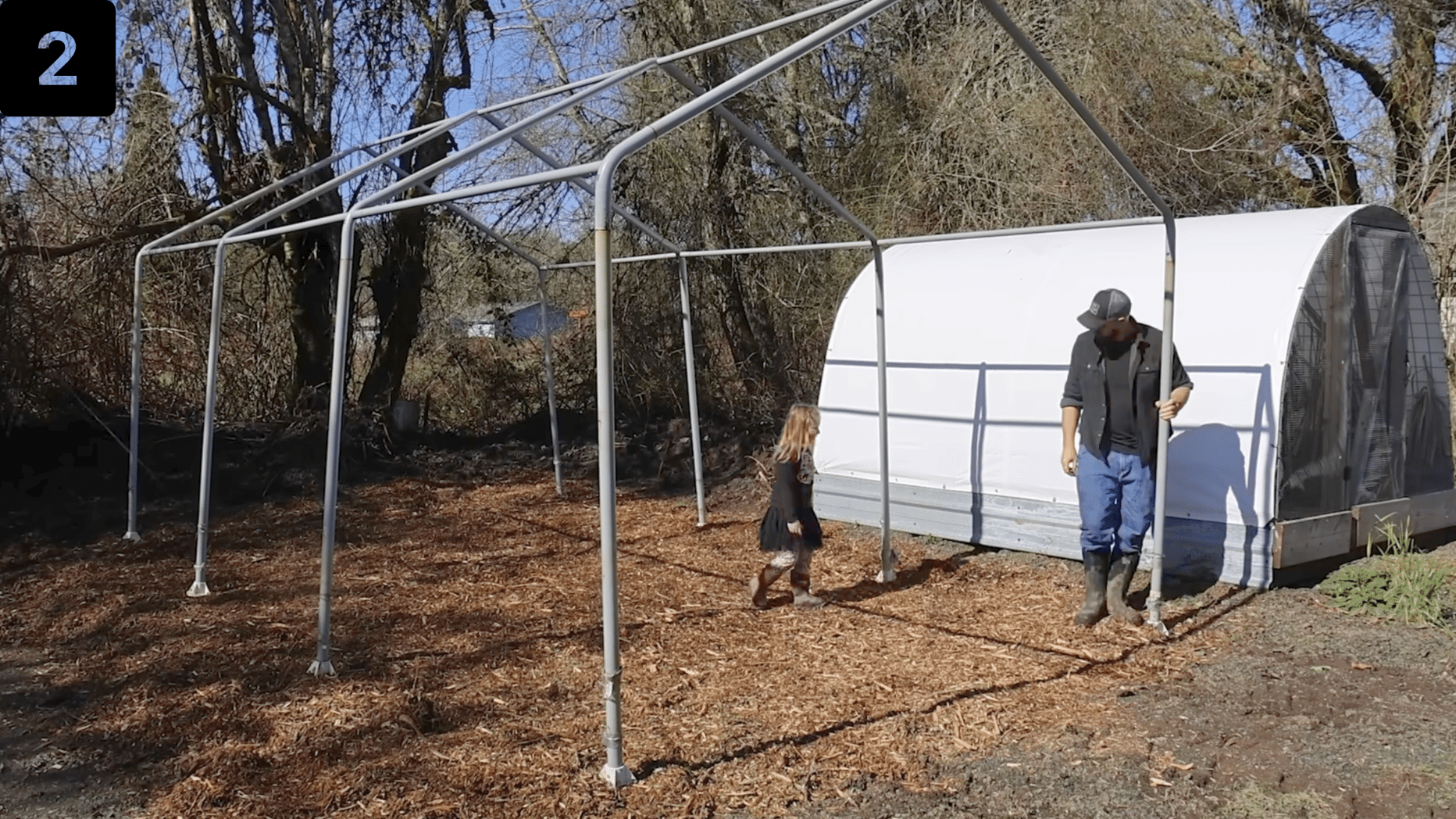
If you’re repurposing a carport frame, using PVC pipes, or building with wood, your frame is the skeleton of your greenhouse. Metal pole structures work beautifully and offer durability.
Position your frame on the prepared site and ensure it’s stable and square. A frame around 10×18 feet provides ample growing space without feeling overwhelming for beginners.
Step 3: Build the Walls
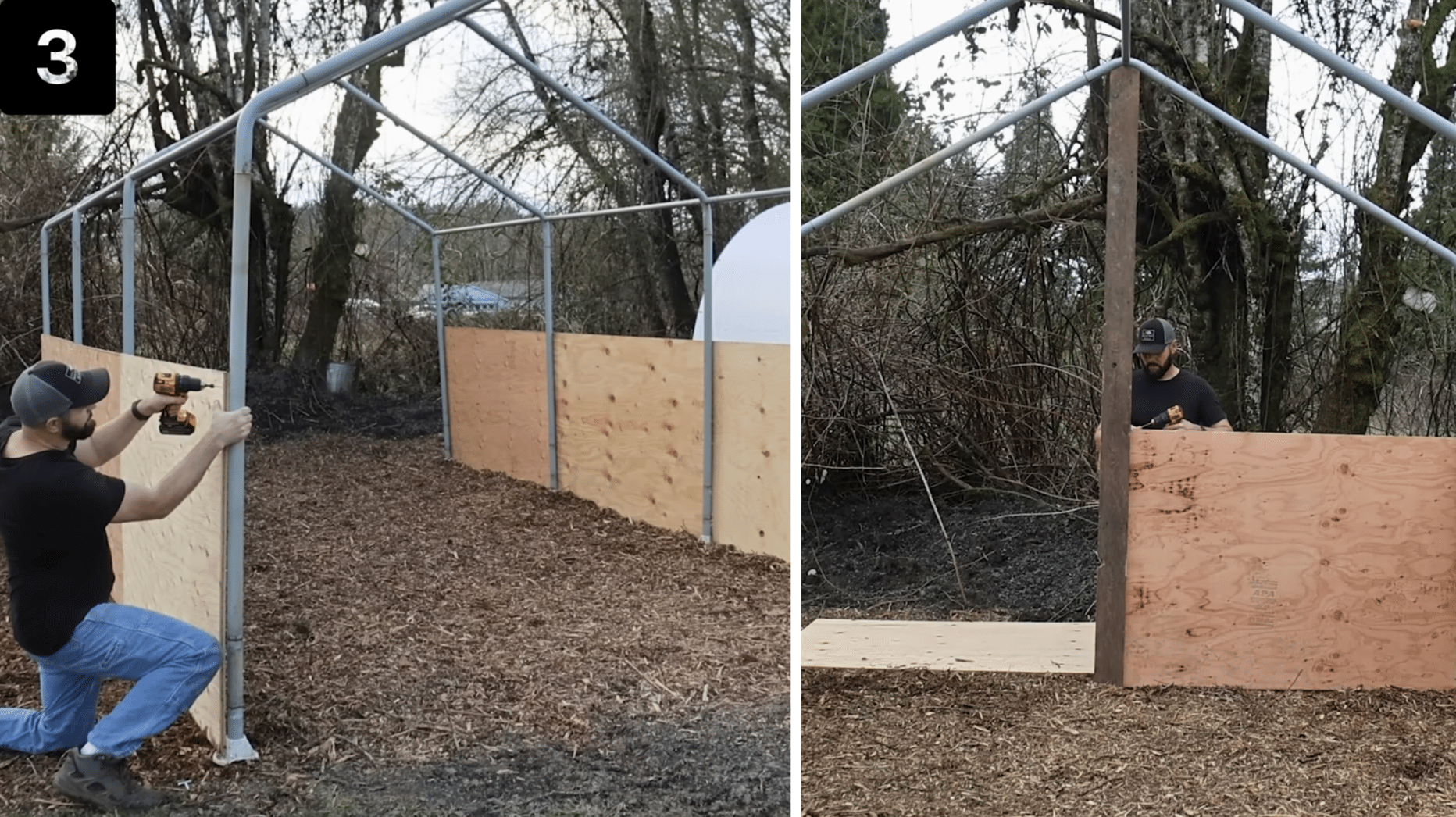
Attach plywood sheets to the lower portion of your sidewalls for stability and insulation. Secure them firmly to your frame with screws.
For the back wall:
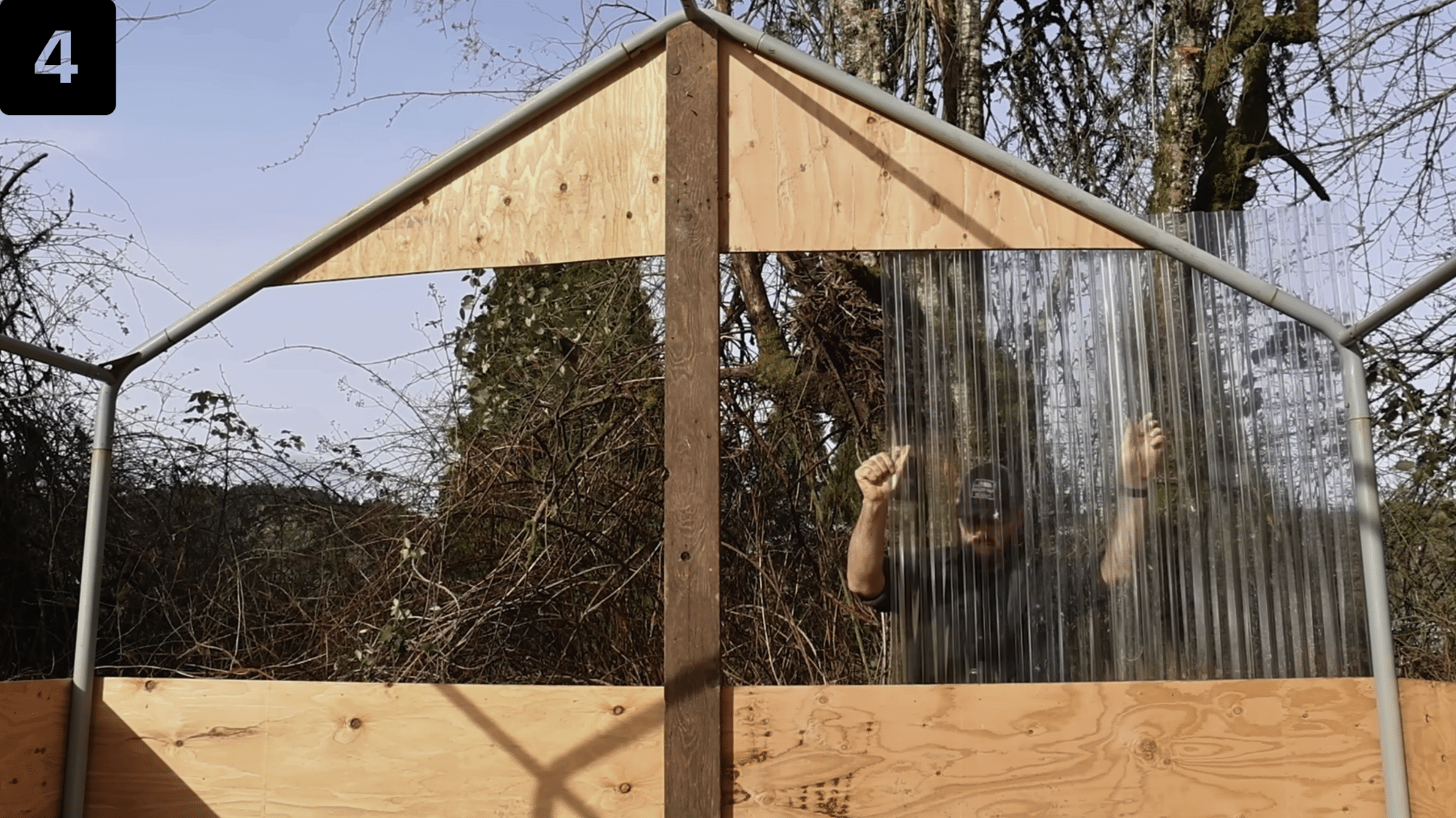
- Add a center support post for structural integrity
- Use plywood at the base
- Install clear plastic siding or polycarbonate panels above for maximum light penetration
Step 4: Add Your Covering
Drape greenhouse plastic or a heavy-duty tarp over your frame, ensuring it’s pulled taut to prevent sagging and water pooling. Secure all edges firmly to withstand wind and weather.
UV-resistant greenhouse plastic works better than standard tarps for longevity. Make sure your covering extends past the frame edges so you can anchor it properly to the ground or structure.
Step 5: Install Doors and Ventilation
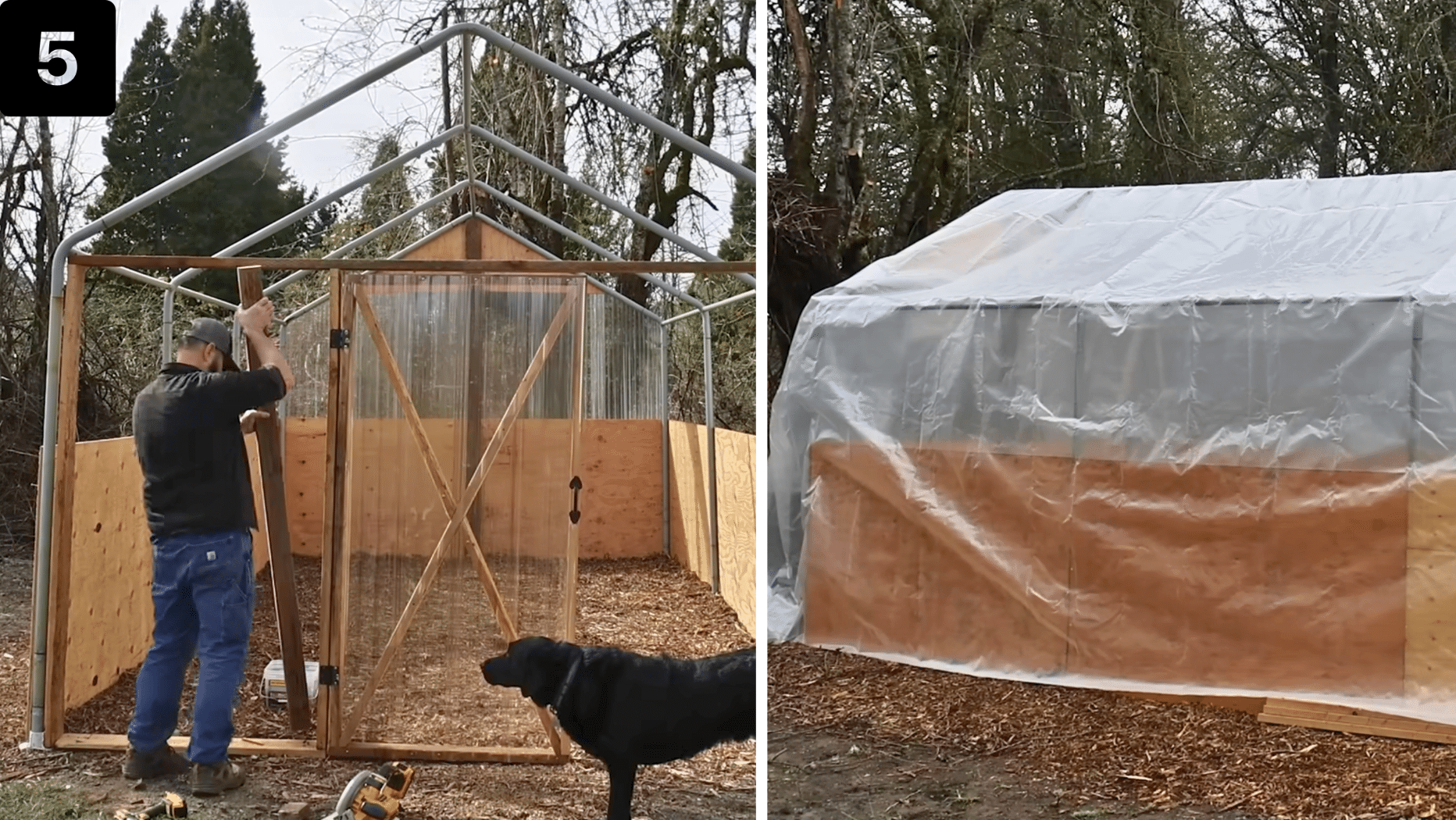
Create a functional entrance using hinged plywood or a simple frame covered with plastic sheeting. Plan for ventilation by installing windows, vents, or fans to prevent overheating during warmer months.
Even a basic greenhouse needs air circulation to keep plants healthy and prevent moisture buildup that leads to mold and disease.
For a more detailed walkthrough of the process, check out the complete video tutorial below by Shawn Woods.
DIY Greenhouse Ideas
Whether you’re working with a tiny balcony or a sprawling backyard, there’s a greenhouse design that fits your space and skill level.
Here are 15 creative approaches to match every budget and growing goal.
1. Hoop House Greenhouse
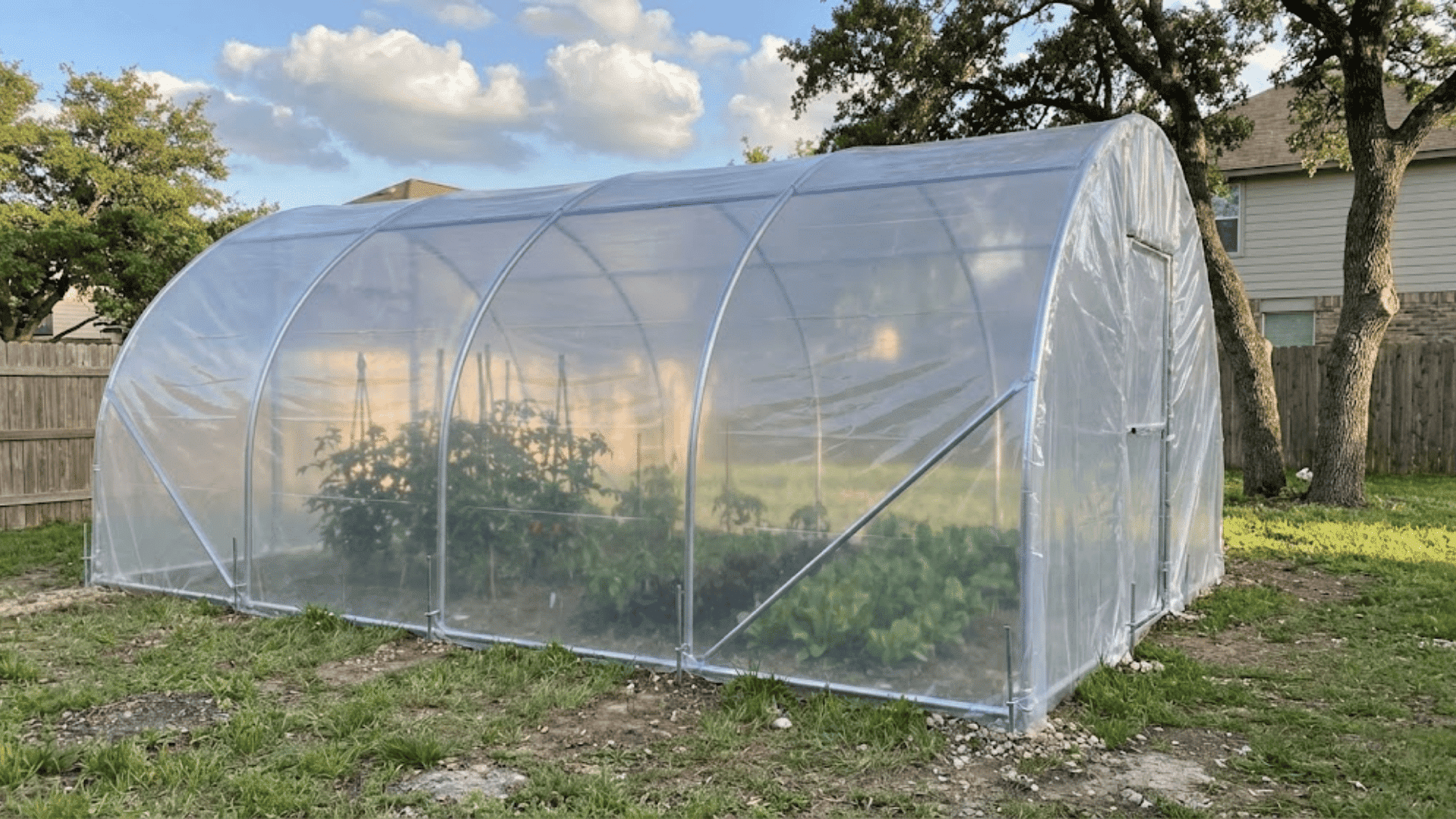
DIY Kit:ShelterLogic 10′ x 10′ GrowIT Greenhouse-in-a-Box
Ideal For:
- Beginning gardeners on a budget
- Seasonal growing and crop extension
- Those wanting flexibility to relocate
The hoop house is the gateway greenhouse for most DIY enthusiasts. Built with curved metal or PVC hoops covered in plastic sheeting, this design goes up quickly and costs very little.
It’s perfect for protecting crops during shoulder seasons and can be disassembled when not needed. Just secure the plastic well to handle the wind.
2. Lean-To Greenhouse
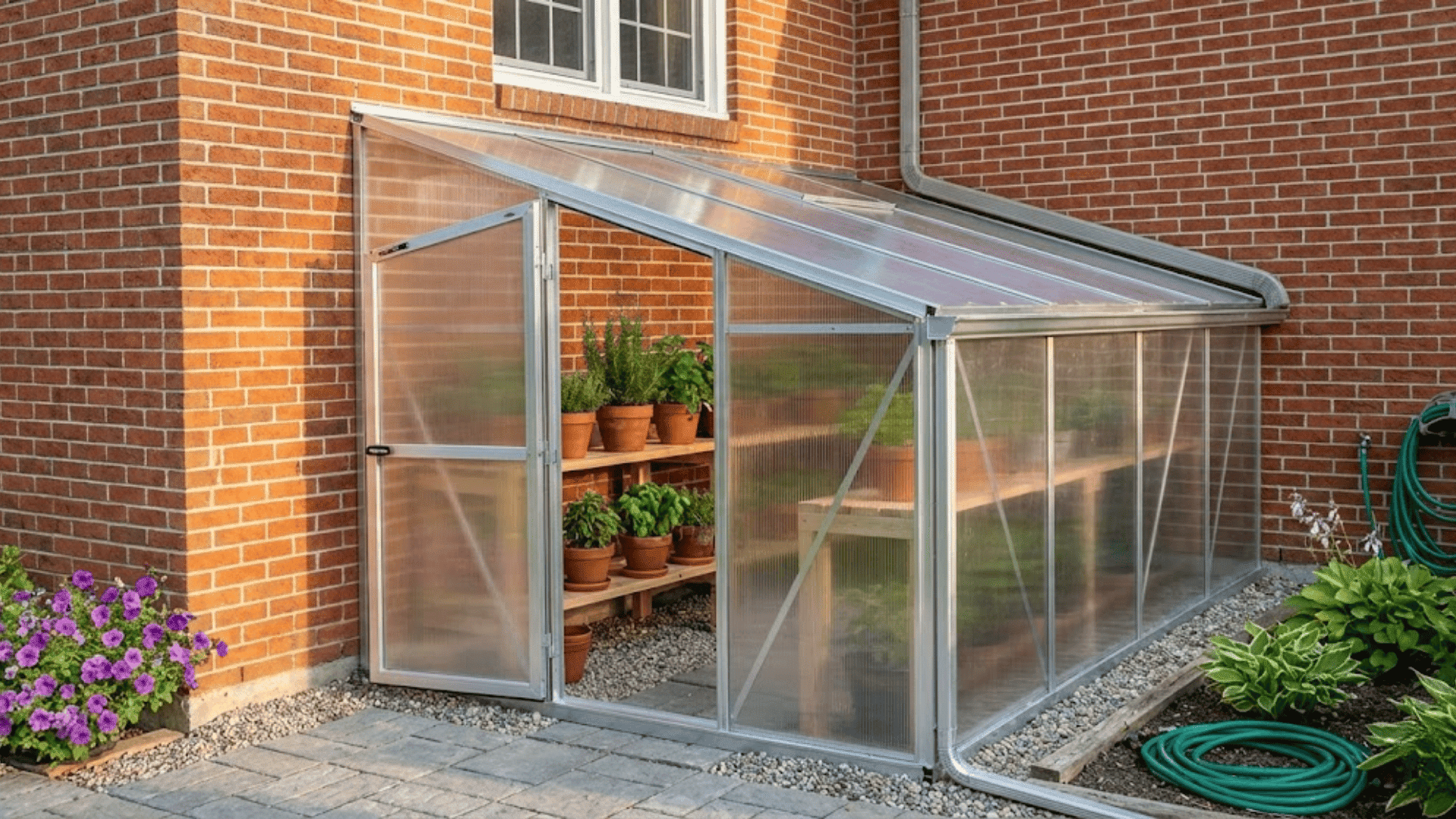
DIY Kit:Palram Canopia 4×8 Lean-To Greenhouse
Ideal For:
- Homeowners with limited yard space
- Gardens near existing structures
- Those seeking easier climate control
Attaching your greenhouse to an existing wall gives you instant insulation on one side and convenient access from your home.
This design captures heat from your house during cold months and provides a protected microclimate. You’ll save on materials since one wall is already built, and utilities like electricity and water are nearby.
3. Raised Bed Greenhouse
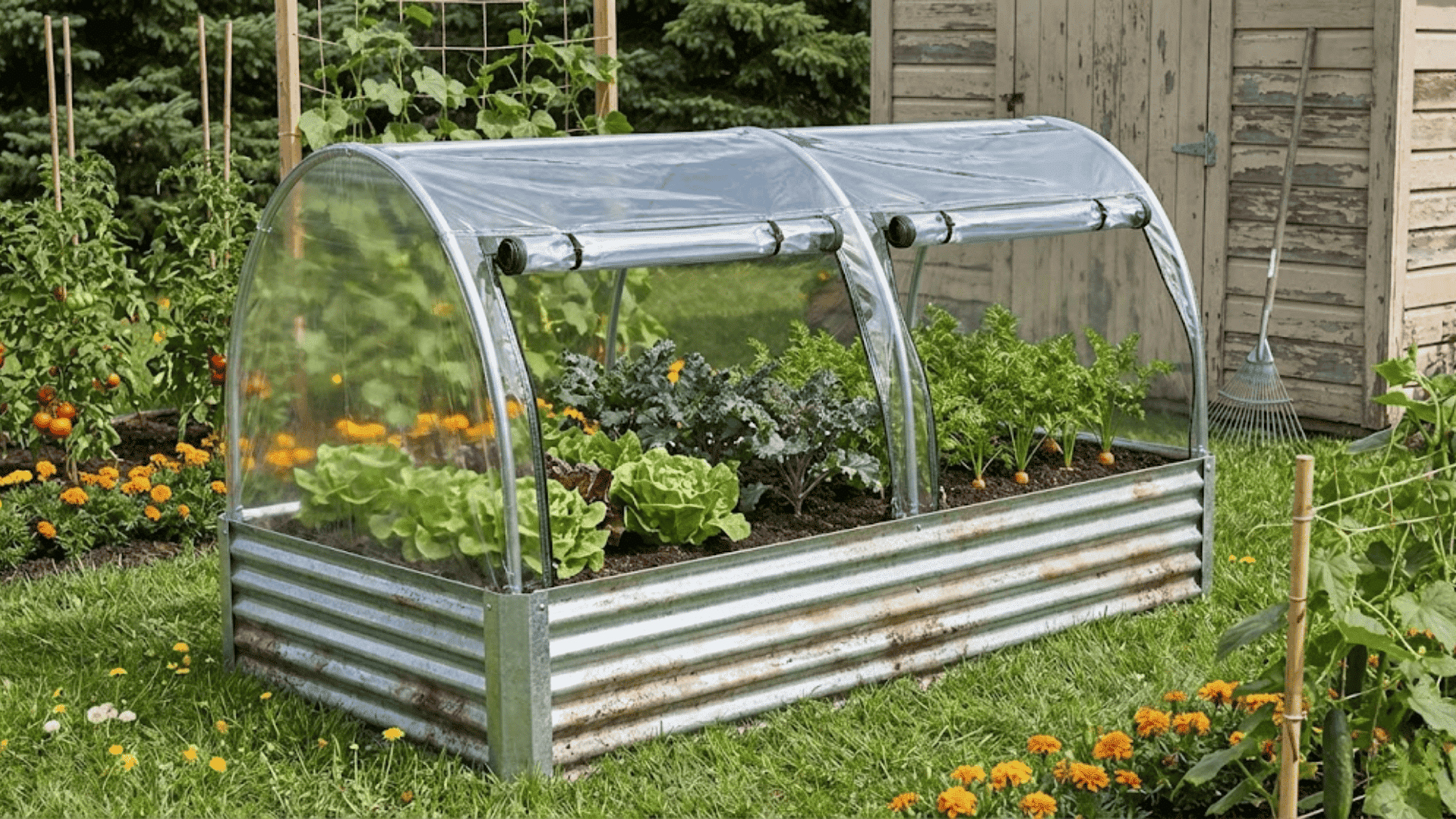
DIY Kit:Quictent Raised Garden Bed with Greenhouse Cover
Ideal For:
- Vegetable gardeners, prioritizing drainage
- Areas with poor soil quality
- Gardeners with mobility concerns
Combining raised garden beds with greenhouse coverage gives you the best of both worlds. Raised beds improve drainage and soil warmth, and the greenhouse extends the growing season.
This setup works beautifully for tomatoes, peppers, and leafy greens that appreciate consistent warmth and protection from pests.
4. Cold Frame Greenhouse
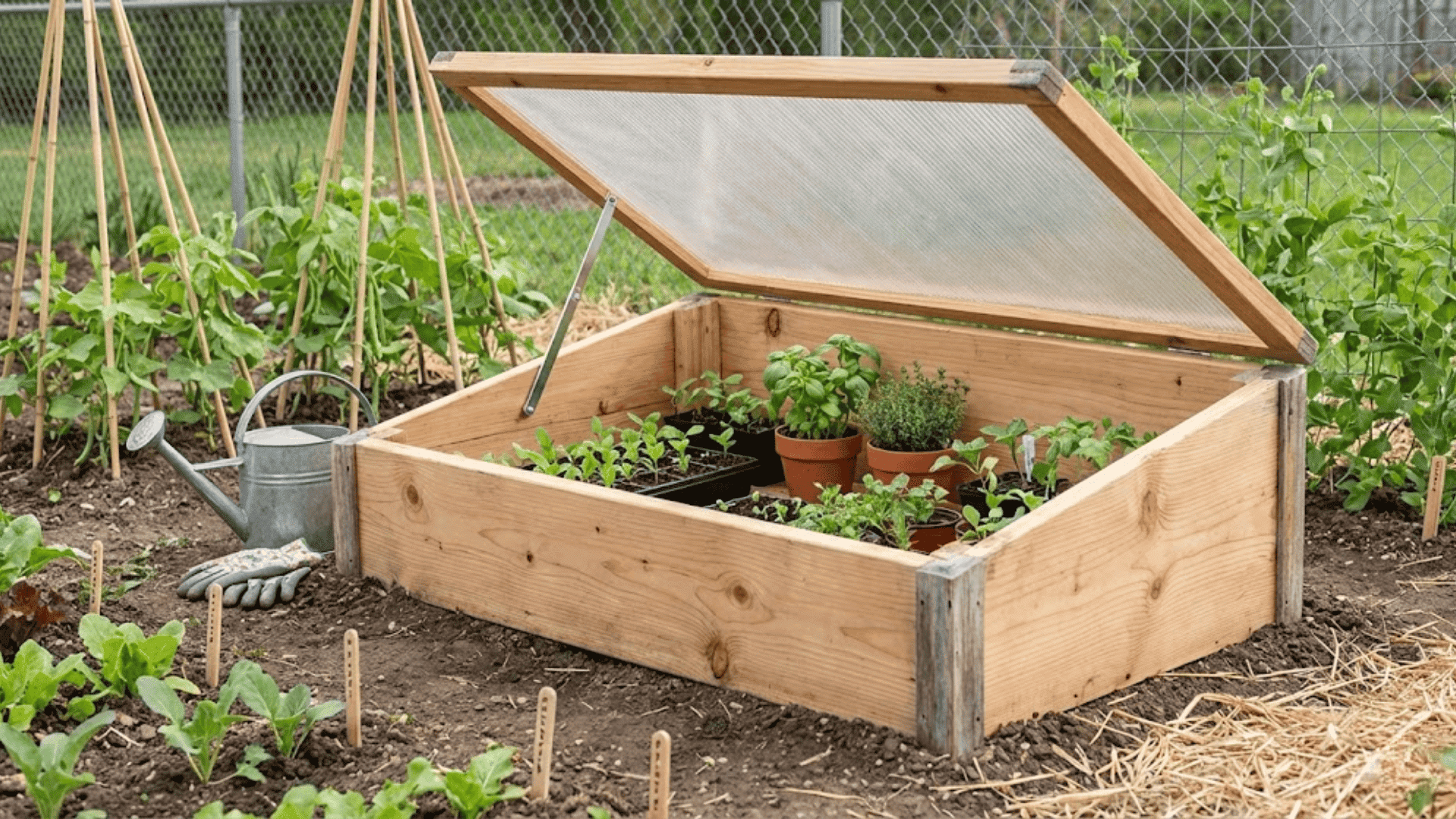
DIY Kit:Outsunny Wooden Cold Frame with Polycarbonate Panels
Ideal For:
- Hardening off seedlings before transplanting
- Small-space gardeners
- Winter protection for hardy greens
Think of a cold frame as a mini greenhouse that sits directly on the ground. This simple box with a transparent lid protects plants from frost while letting in sunlight.
You can build one from scrap wood and an old window in an afternoon. It’s the perfect stepping stone before committing to a full-sized greenhouse.
5. PVC Pipe Greenhouse
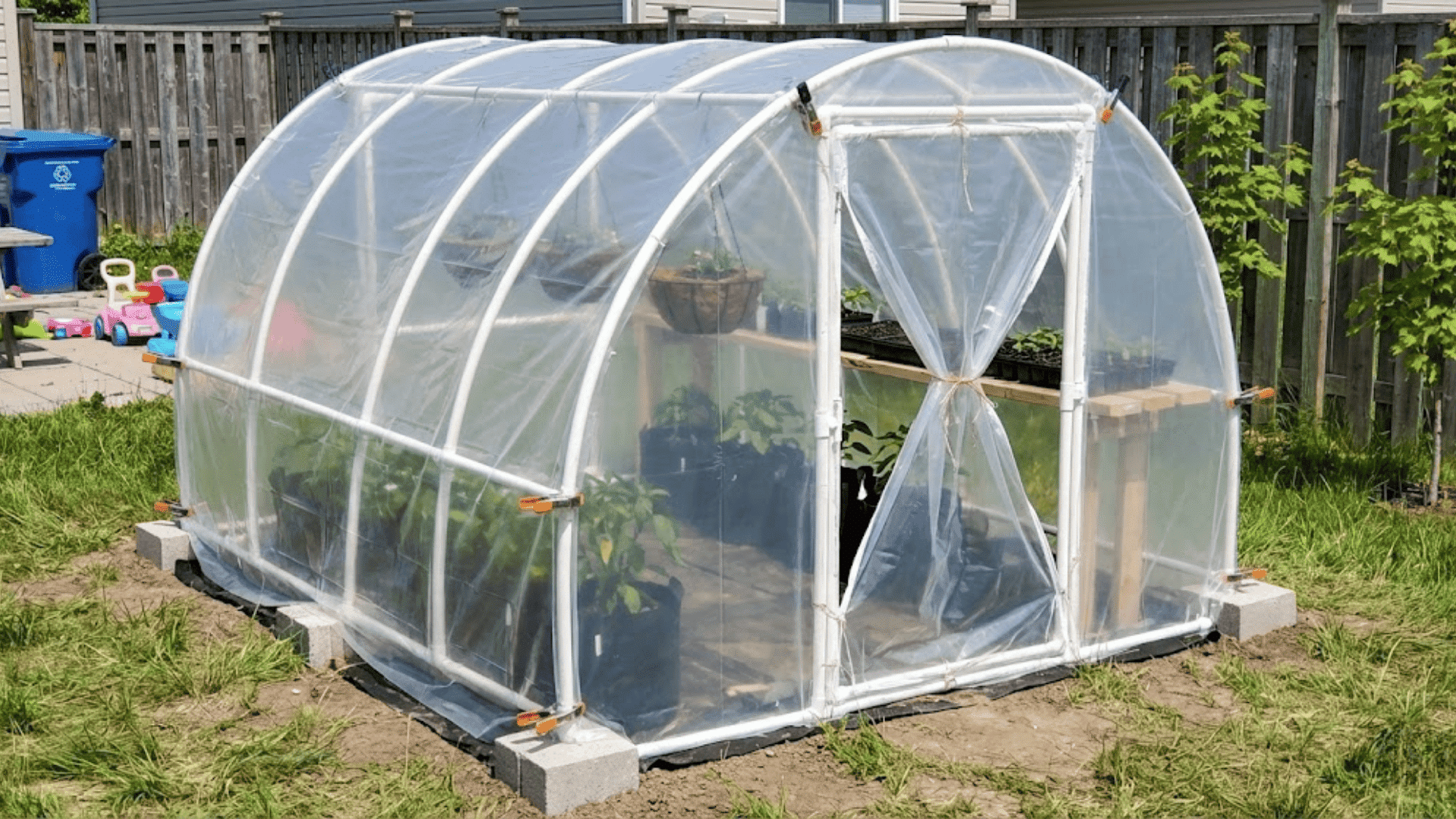
DIY Kit:King Canopy 10×10 Fully Enclosed Greenhouse
Ideal For:
- Budget-conscious beginners
- Mild climates with minimal snow loads
- Temporary or seasonal growing structures
PVC pipe greenhouses are incredibly affordable and surprisingly functional. The lightweight frame assembles without special tools, and you can customize the size to fit your space.
Just anchor it securely since PVC doesn’t handle heavy wind or snow well. This design shines in areas with gentle weather patterns.
6. Wooden Frame Greenhouse
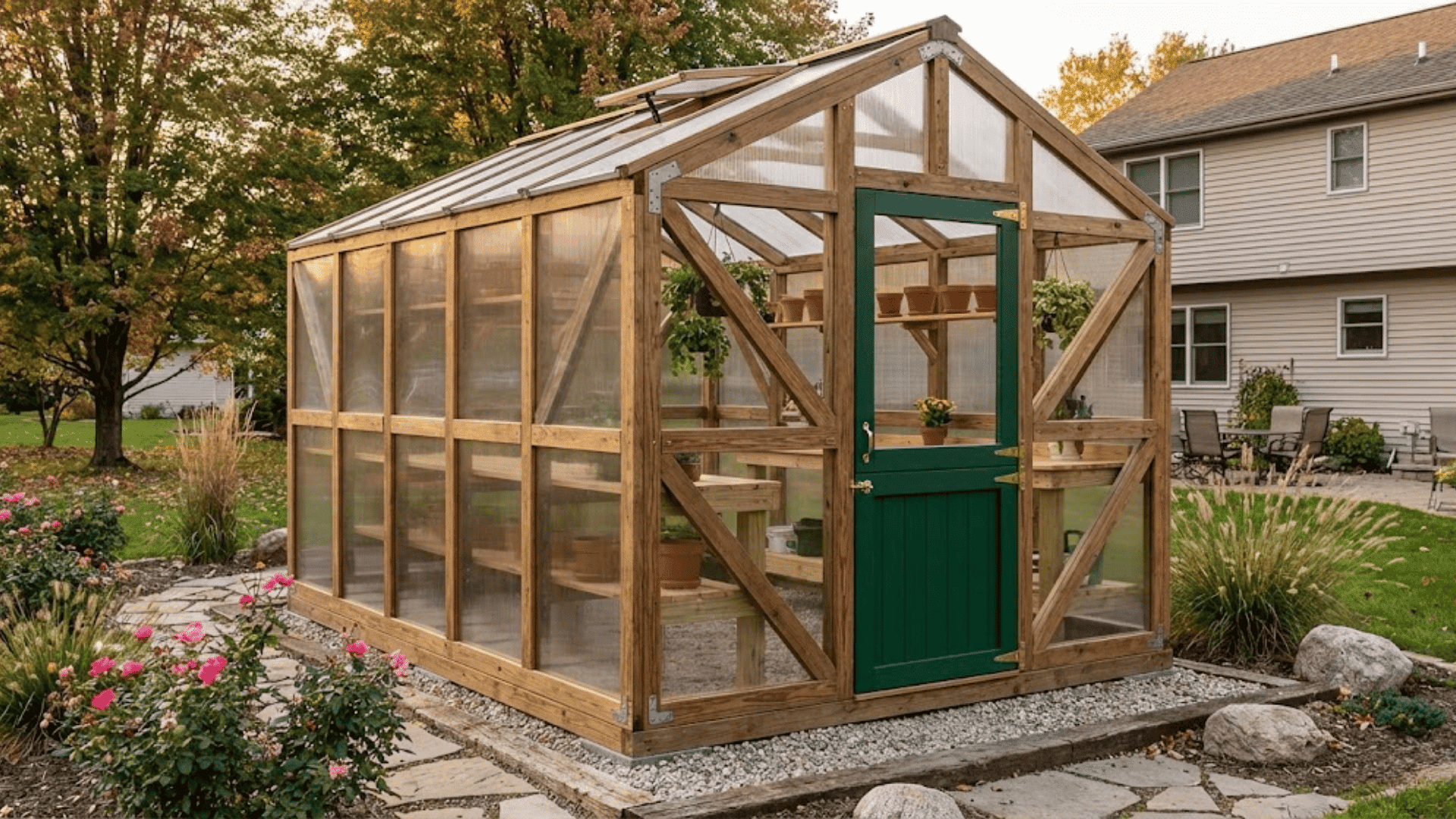
DIY Kit:Palram Canopia Snap & Grow 6×12 Greenhouse
Ideal For:
- Permanent garden installations
- Those valuing aesthetics alongside function
- Climates with varied weather conditions
A wooden frame greenhouse looks beautiful and stands up to decades of use when properly maintained. Cedar and redwood resist rot naturally, while pressure-treated lumber offers affordability with regular sealing.
The sturdy construction supports heavier glazing options like glass or thick polycarbonate. Treat the wood with weatherproof sealant annually to maintain its integrity.
7. Recycled Window Greenhouse
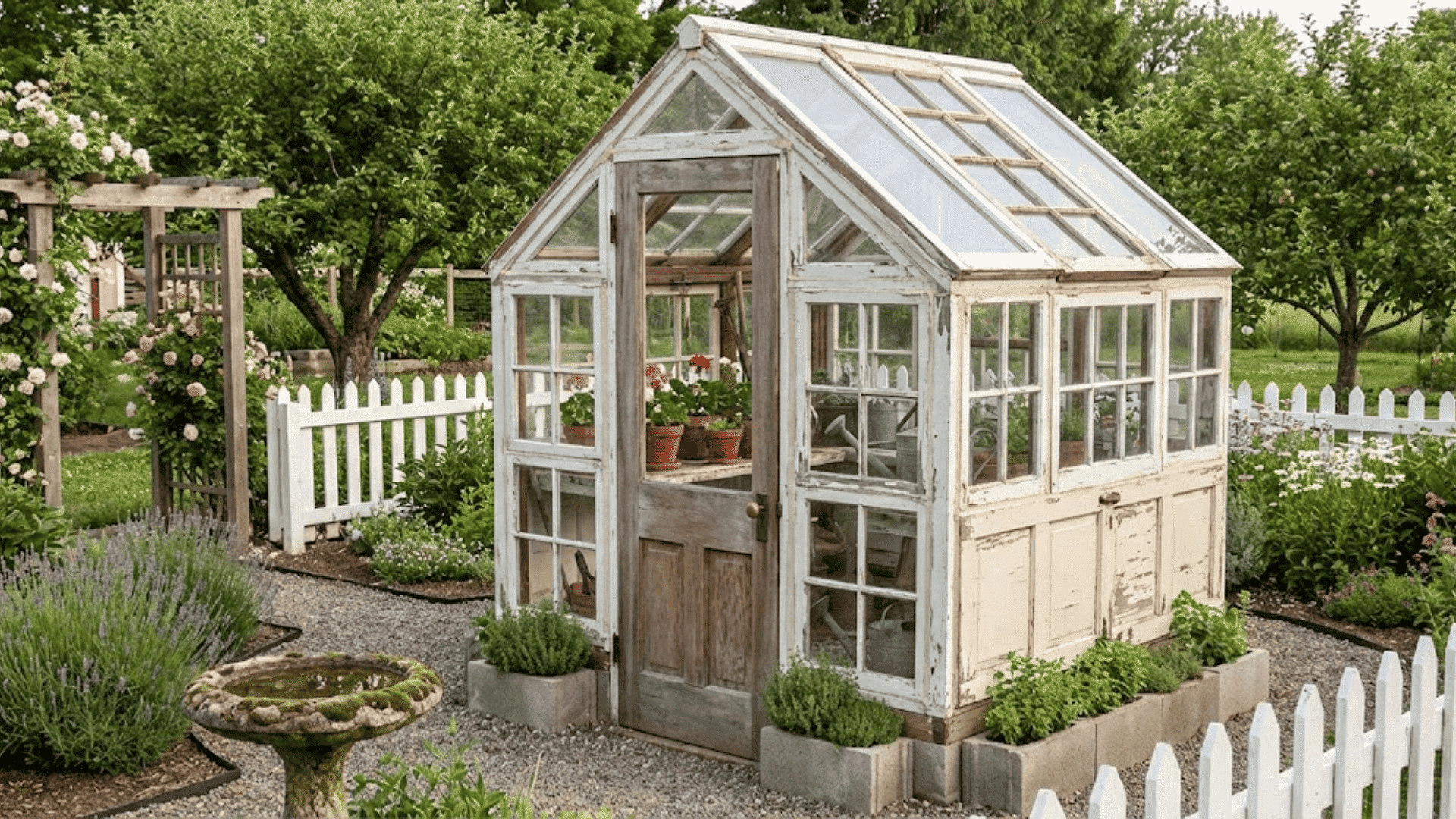
DIY Kit:Aluminum Frame Greenhouse Kit 6×8 ft (use frame structure, replace panels with salvaged windows)
Ideal For:
- Eco-conscious gardeners
- Those loving vintage, cottage aesthetics
- DIYers with access to salvaged materials
Old windows from demolition sites or salvage yards create charming, one-of-a-kind greenhouses. Each pane tells a story while providing excellent light transmission.
The key is sealing gaps between mismatched frames with caulk and weatherstripping. This approach takes more planning than uniform panels, but the character and sustainability make it worthwhile.
8. Mini Greenhouse for Backyards
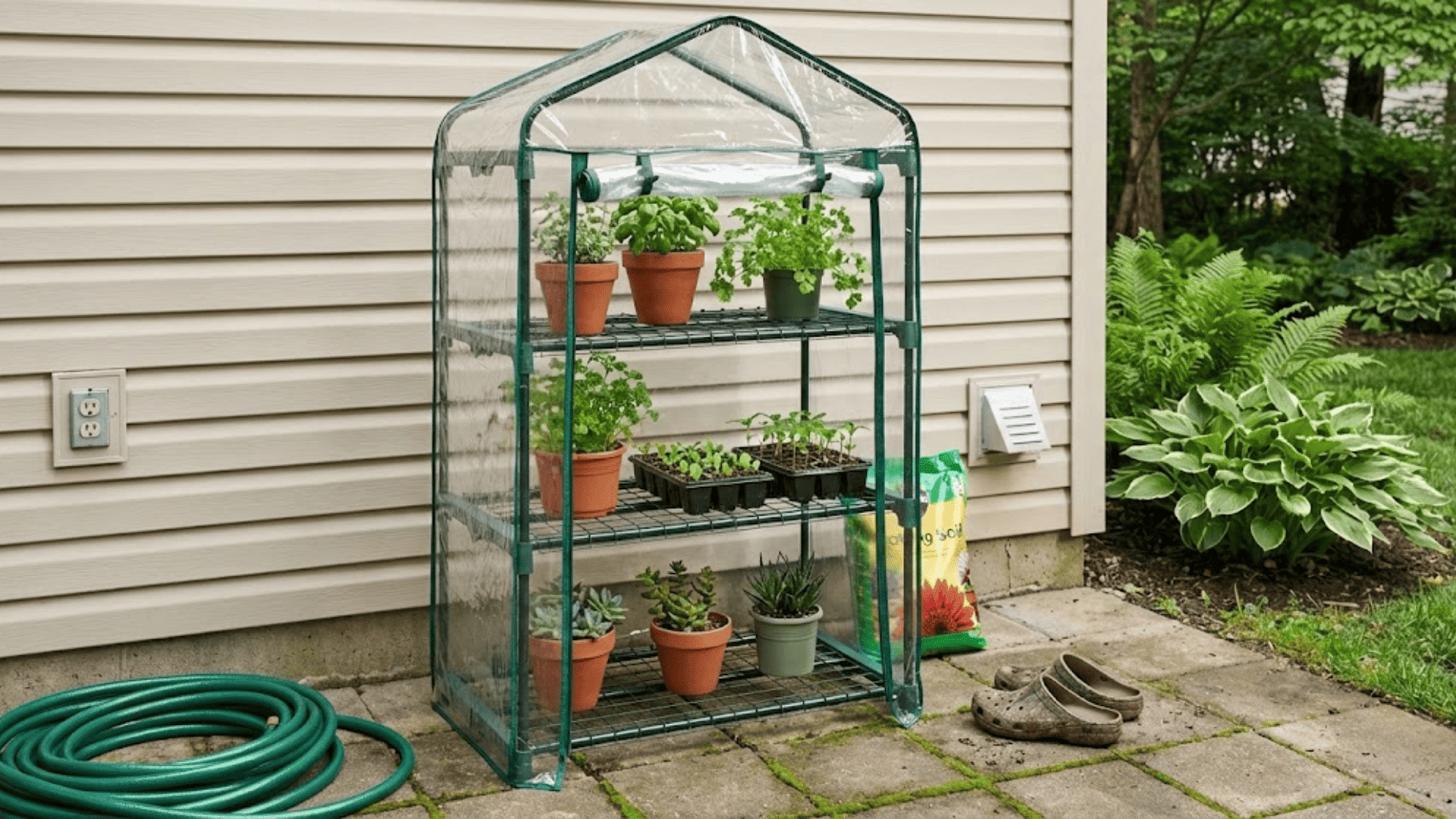
DIY Kit:ShelterLogic GrowIT Mini Walk-in Greenhouse
Ideal For:
- Urban gardeners with limited space
- Growing herbs and small vegetables
- Apartment dwellers with patios or balconies
Don’t let a small yard stop you from greenhouse gardening. Compact designs measuring just a few feet wide can house dozens of plants on vertical shelving.
These petite structures fit against walls or in corners, creating productive microclimates. They’re simple to maintain and perfect for starting seeds or overwintering tender perennials.
9. Walk-In DIY Greenhouse
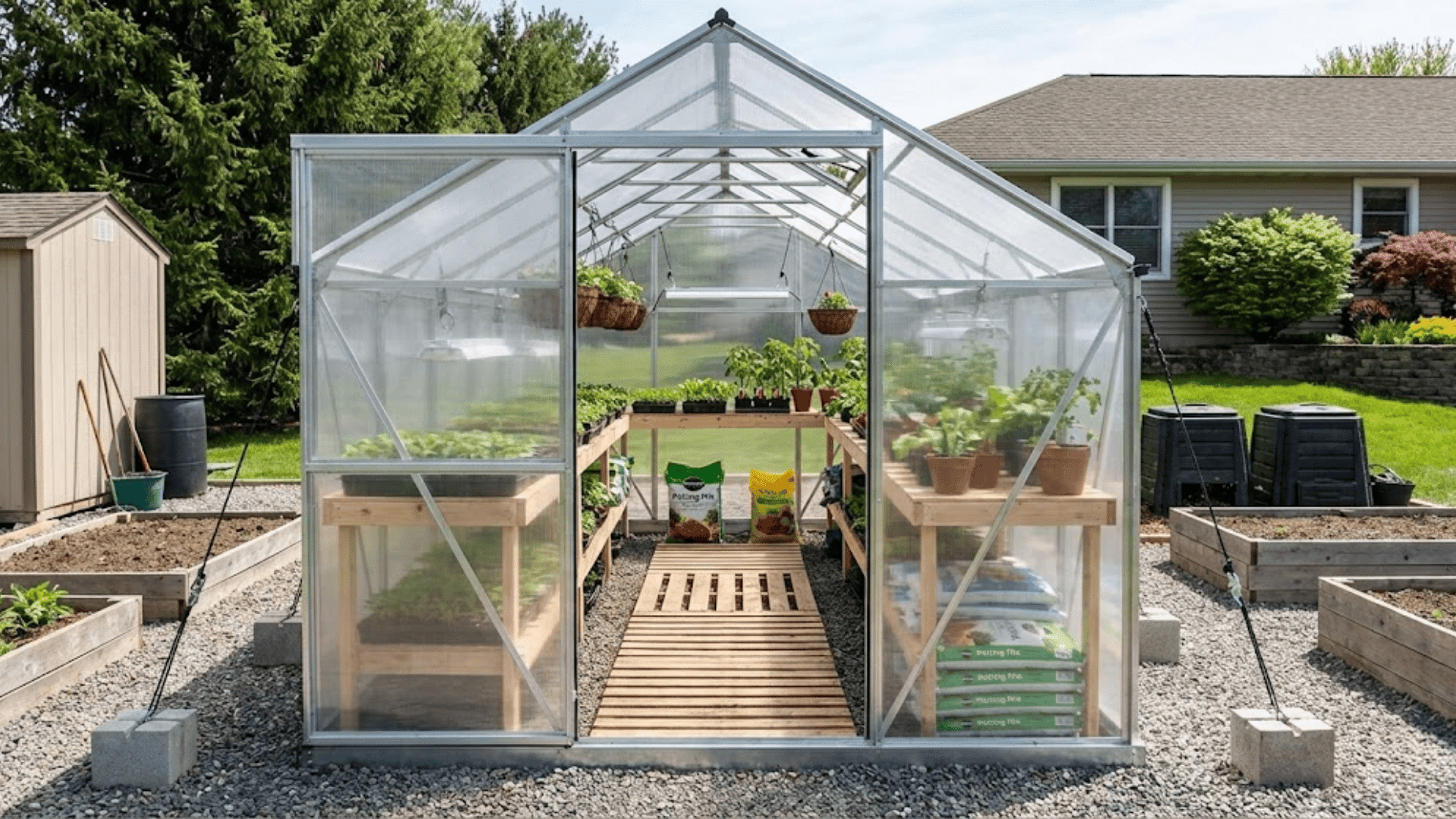
DIY Kit:ShelterLogic 6×8 GrowIT Greenhouse with Shelving
Ideal For:
- Serious gardeners, managing many plants
- Those needing a comfortable working space
- Year-round growing operations
Being able to stand upright while tending plants converts the greenhouse experience. Walk-in designs need stronger framing for larger structures but offer space for workbenches, shelving, and ventilation.
This is where hobby gardening becomes a true passion project with space to grow into your ambitions.
10. Portable DIY Greenhouse
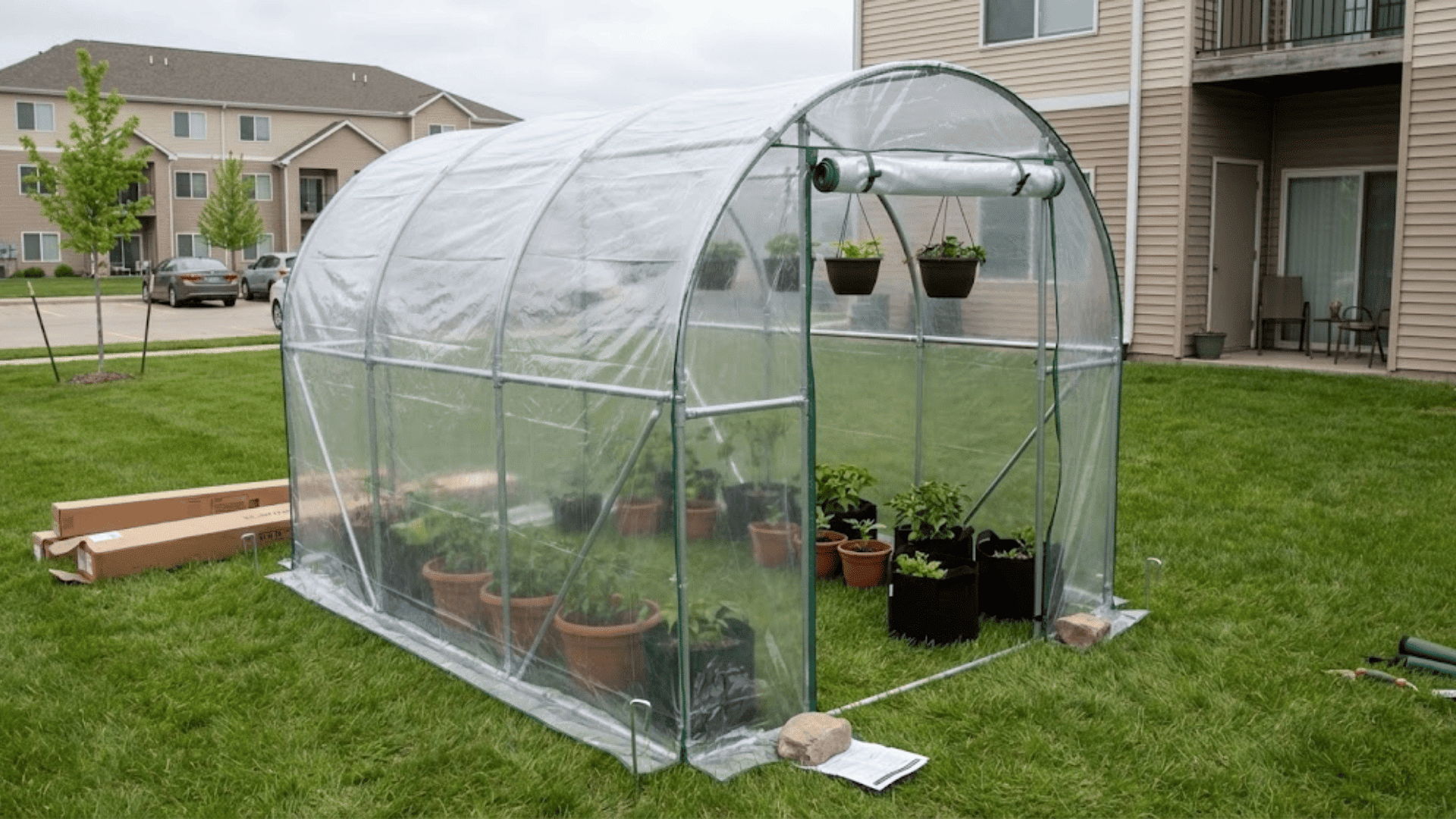
DIY Kit:Quictent Portable Walk-In Greenhouse
Ideal For:
- Renters who may relocate
- Following the sun seasonally
- Testing greenhouse placement before committing
Portability offers incredible flexibility for experimenting with locations or adapting to changing needs. These structures typically feature lightweight frames that disassemble without tools and covers that fold for storage.
You can shift your greenhouse to capture different sun angles throughout the year or pack it up when moving to a new home.
11. Plastic Sheeting Greenhouse
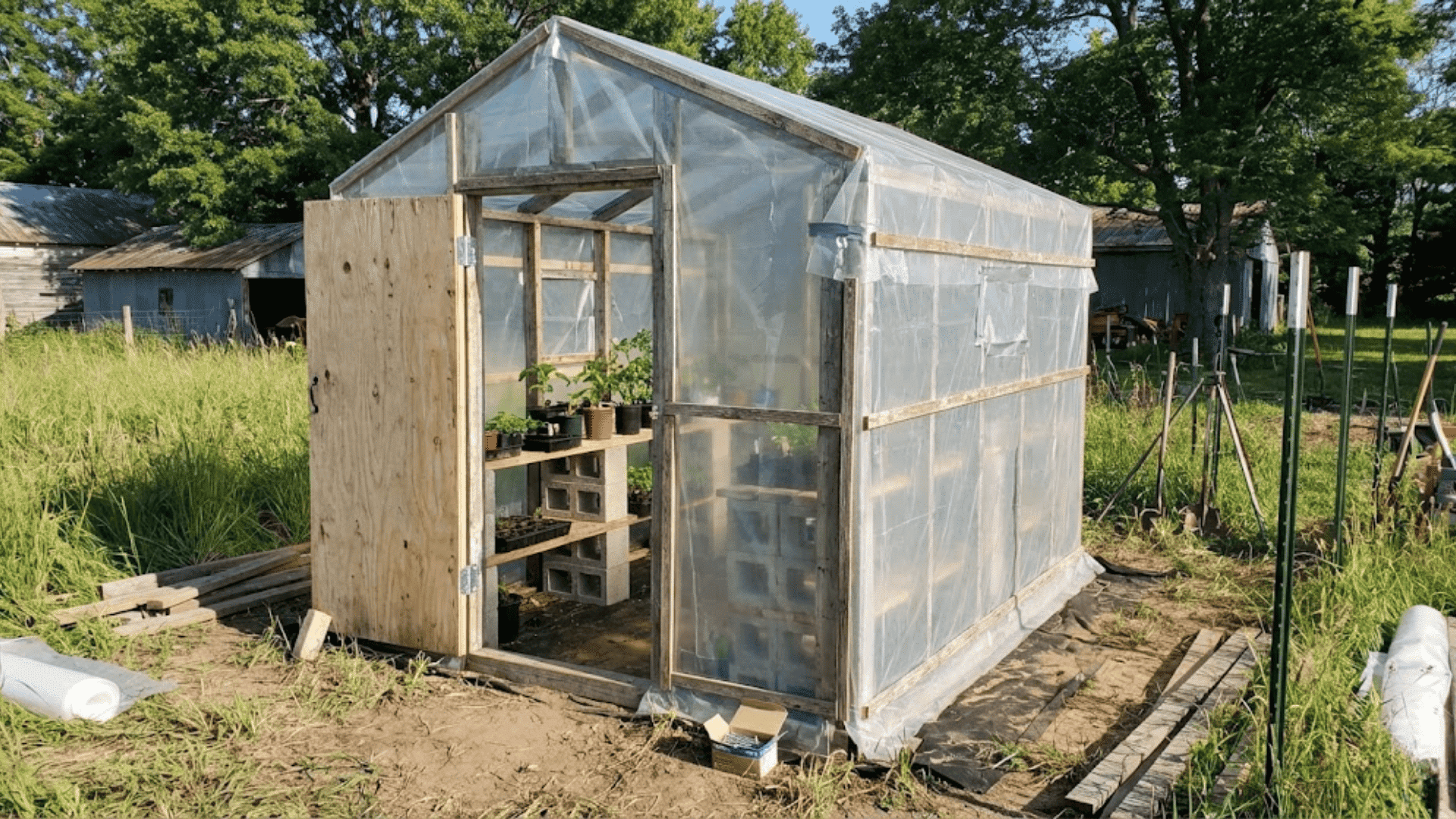
DIY Kit:Farm Plastic Supply 6 mil Clear Greenhouse Film (covering material for custom builds)
Ideal For:
- Ultra-tight budgets
- Quick seasonal protection needs
- First-time greenhouse builders
Plastic sheeting is the most economical covering option available. You can wrap any simple frame in greenhouse plastic and start growing immediately.
While it won’t last as long as rigid panels, UV-treated greenhouse film provides several seasons of protection. Replace it every few years, and you’ll still spend less than premium materials.
12. Polycarbonate Panel Greenhouse
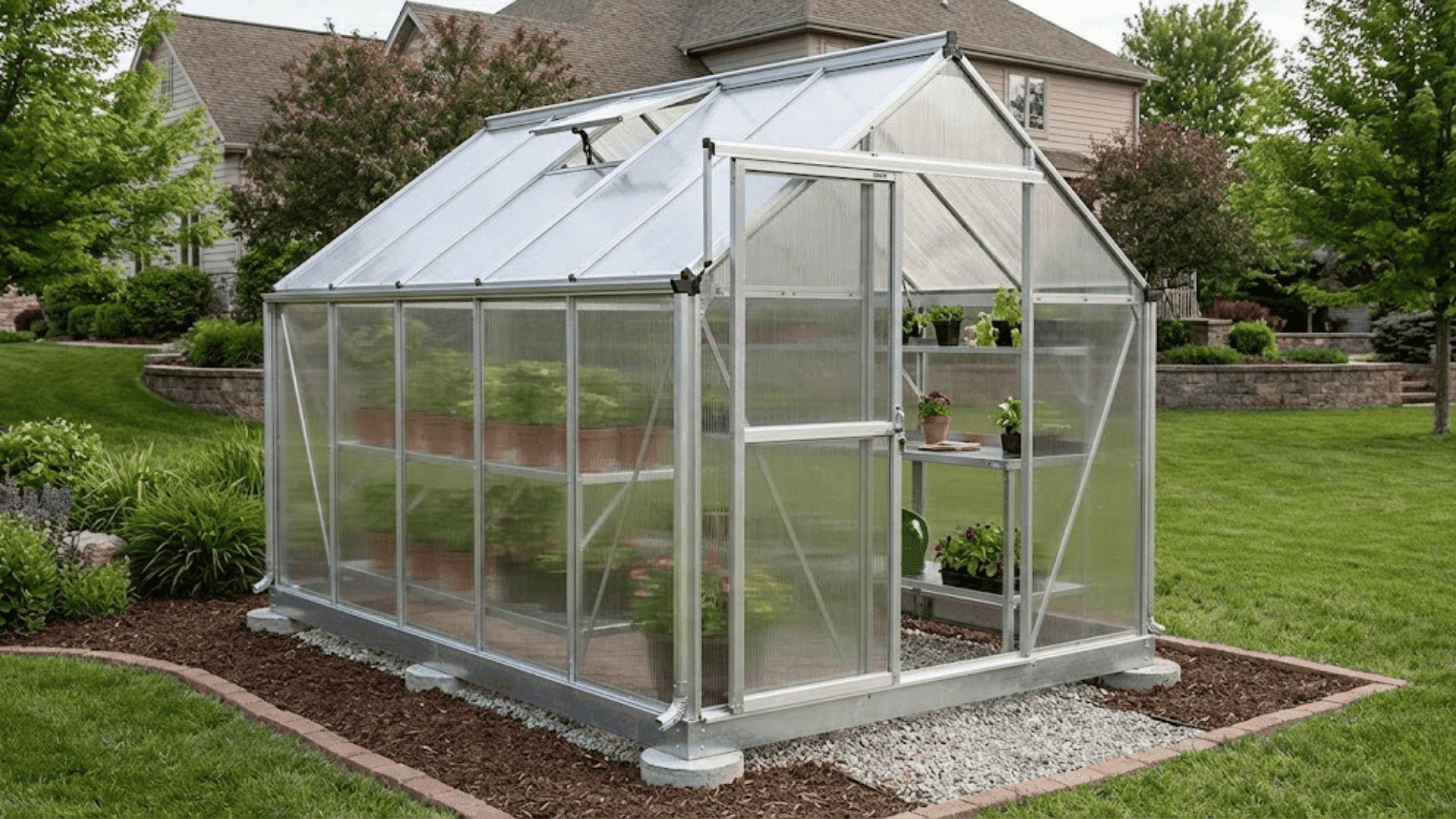
DIY Kit:Palram Canopia Balance Hobby Greenhouse
Ideal For:
- Long-term investments in garden infrastructure
- Cold climates needing superior insulation
- Gardeners prioritizing durability over cost
Polycarbonate panels outlast plastic sheeting by years and provide better insulation than glass. Twin-wall panels trap air for temperature regulation while diffusing light evenly throughout the space.
The initial investment is higher, but these panels resist impacts, block harmful UV rays, and maintain clarity without yellowing for over a decade.
13. Pallet Wood Greenhouse
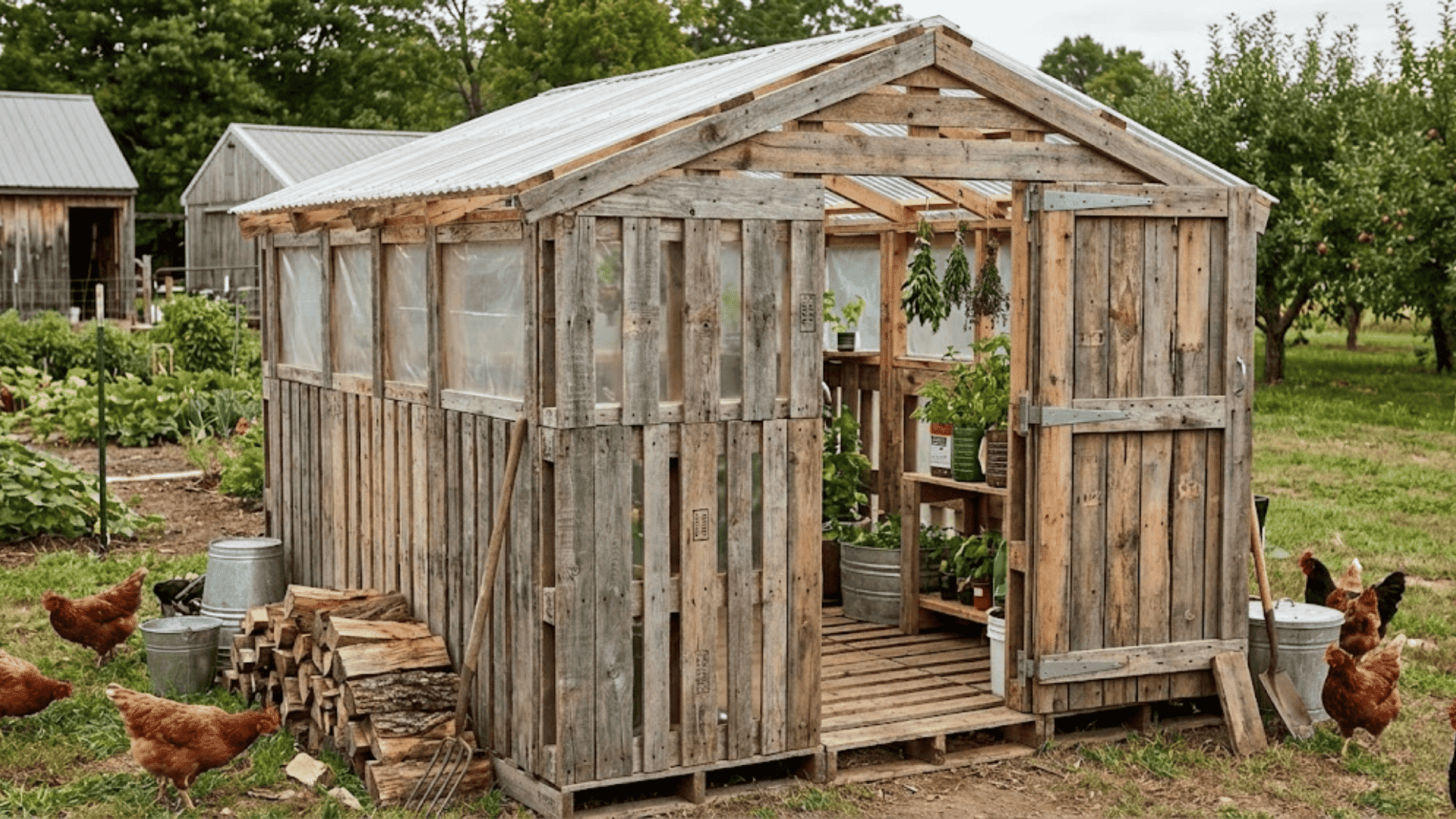
DIY Kit:ShelterLogic GrowIT Raised Bed Greenhouse (framework, then add pallet siding)
Ideal For:
- Eco-friendly building on a budget
- Rustic, farmhouse aesthetics
- Those with access to free pallets
Free wooden pallets become charming greenhouse walls with minimal effort. Disassemble pallets for individual boards or use them whole as rustic siding.
The gaps between slats provide natural ventilation, though you’ll want to line interior walls with plastic for better heat retention. Reinforce corners and add diagonal bracing since pallet wood varies in strength.
14. A-Frame DIY Greenhouse
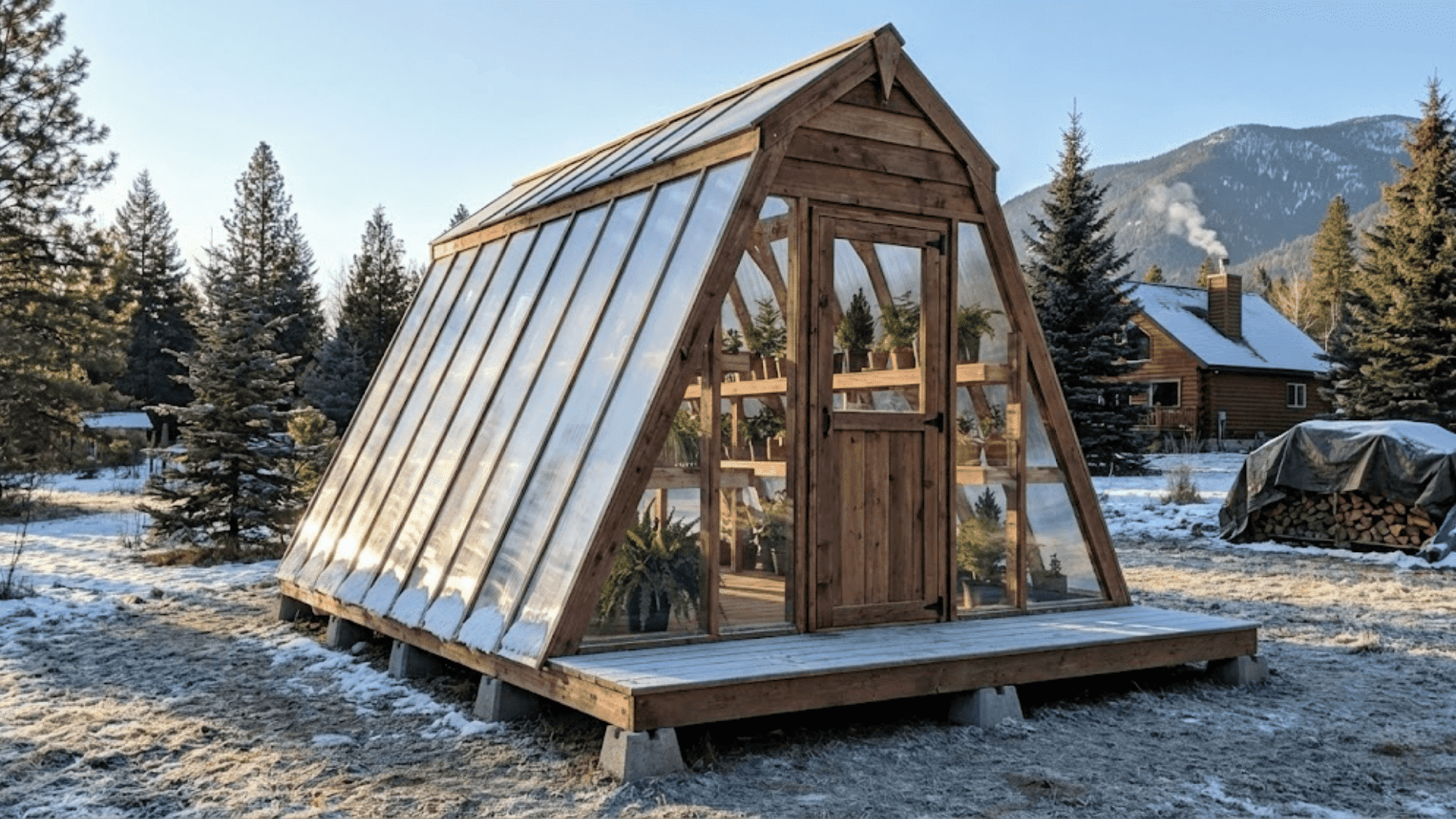
DIY Kit:Outsunny A-Frame Cold Frame Greenhouse
Ideal For:
- Snowy regions with heavy winter loads
- Efficient heating and heat retention
- Gardeners wanting a distinctive look
The triangular A-frame profile sheds snow beautifully and creates a cozy interior with excellent heat dynamics. Warm air naturally rises to the peak while cooler air circulates at the plant level.
This classic design requires less framing material than vertical walls while providing surprising interior space. The steep sides also maximize southern light exposure during the winter months.
15. Backyard Greenhouse Shed Hybrid
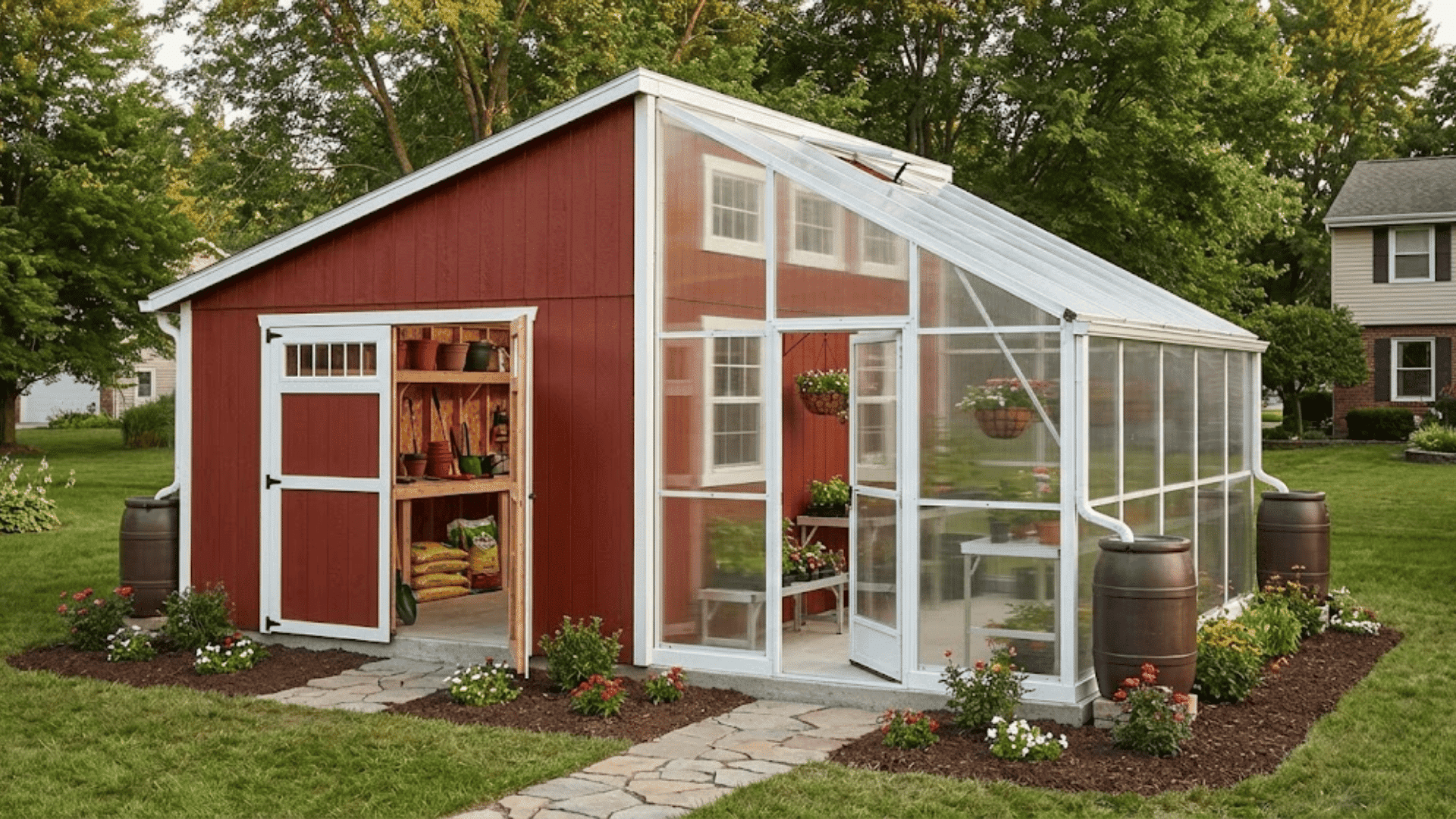
DIY Kit:ShelterLogic 12×20 GrowIT Greenhouse-in-a-Box Pro
Ideal For:
- Year-round gardeners needing storage
- Medium to large yards with room to expand
- Combining multiple garden functions in one structure
Why choose between a potting shed and a greenhouse when you can have both? This hybrid design dedicates half the structure to storage for tools, pots, and soil, while the other half features windows or clear panels for growing.
You’ll appreciate having everything in one weatherproof location, especially during unpredictable spring weather.
DIY Greenhouse Ventilation & Temperature Control
Proper ventilation keeps your greenhouse from becoming a plant oven during warm days or a frost trap on cold nights.
Air circulation prevents disease by reducing humidity and maintaining consistent temperatures throughout the space.
Manual vents work well for attentive gardeners, while automatic openers adjust based on temperature without your intervention.
Roof vents release hot air naturally as it rises, while side vents draw in cooler air from below.
Shade cloths reduce summer heat by filtering sunlight, while thermal mass like water barrels or stones absorbs and slowly releases warmth overnight, stabilizing temperatures.
Common DIY Greenhouse Mistakes to Avoid
Learning from others’ mistakes saves time, money, and a lot of frustration. Here are the most common greenhouse pitfalls and how to sidestep them before they derail your growing dreams.
- Skipping Ventilation Planning: Without proper airflow, your greenhouse becomes a sauna that cooks plants instead of nurturing them.
- Building Without a Level Foundation: Uneven ground leads to warped frames, doors that won’t close, and panels that crack under stress.
- Placing Doors Where Wind Hits Hardest: Strong gusts make entry difficult and let cold air blast your tender plants every time you open up.
- Ignoring Your Local Climate’s Extremes: Snow loads, high winds, and temperature swings demand materials and designs suited to your specific region.
- Undersizing for Future Growth: What feels spacious today becomes cramped once you fill it with plants, supplies, and the inevitable “just one more” additions.
Take your time during planning, and your greenhouse will reward you with years of reliable service and bountiful harvests.
Cost Breakdown: How Much Does a DIY Greenhouse Cost?
Building a greenhouse doesn’t have to drain your wallet, but knowing where your money goes helps you make smart choices.
Here’s what to expect at different budget levels and where each dollar makes the biggest impact.
| Budget Level | Cost Range | Materials | Where to Save | Where to Spend |
|---|---|---|---|---|
| Ultra Budget | $50 – $200 | PVC pipes, 6-mil plastic, salvaged wood | Frame, covering, hardware | UV-resistant plastic, anchoring |
| Mid-Range | $300 – $800 | Steel hoops, treated lumber, greenhouse film | DIY assembly, basic hardware | Quality frame, foundation |
| Premium | $1,000 – $3,000+ | Cedar/redwood, twin-wall polycarbonate, aluminum | Labor, decorative elements | Foundation, glazing, ventilation |
| Recycled | $100 – $500 | Old windows, reclaimed lumber, salvaged doors | Sourcing materials, repurposing | Sealing, reinforcement, roof |
Best Plants for DIY Greenhouses
Your greenhouse opens up a world of growing possibilities, letting you cultivate plants that would struggle outdoors in your climate.
Here are the best performers that thrive under protective cover.
- Vegetables: Tomatoes, peppers, cucumbers, eggplant, lettuce, spinach, kale, arugula
- Herbs: Basil, cilantro, parsley, oregano, rosemary, thyme, mint, chives
- Flowers: Geraniums, impatiens, marigolds, petunias, orchids, begonias, dahlias
- Seedlings and Starts: Get a 6-8 week head start on spring planting for stronger transplants and extended growing seasons.
Gardener’s Tip: Start with easy wins like lettuce and herbs to build confidence, then graduate to heat-loving tomatoes and peppers once you’ve mastered temperature control. The most successful greenhouse gardeners rotate crops seasonally, using cool-season greens in winter and warm-season vegetables in summer.
Final Thoughts
Building your own greenhouse changes how you garden, giving you control over growing seasons and opening doors to plants you never thought possible in your climate.
From simple hoop houses to permanent polycarbonate structures, these DIY greenhouse ideas adapt to your space, budget, and ambitions.
The satisfaction of harvesting fresh tomatoes in February or starting seedlings under your own roof is incomparable.
Ready to start planning your greenhouse project? Share your favorite design or biggest question in the comments below. We’d love to hear what you’re growing and help you troubleshoot along the way