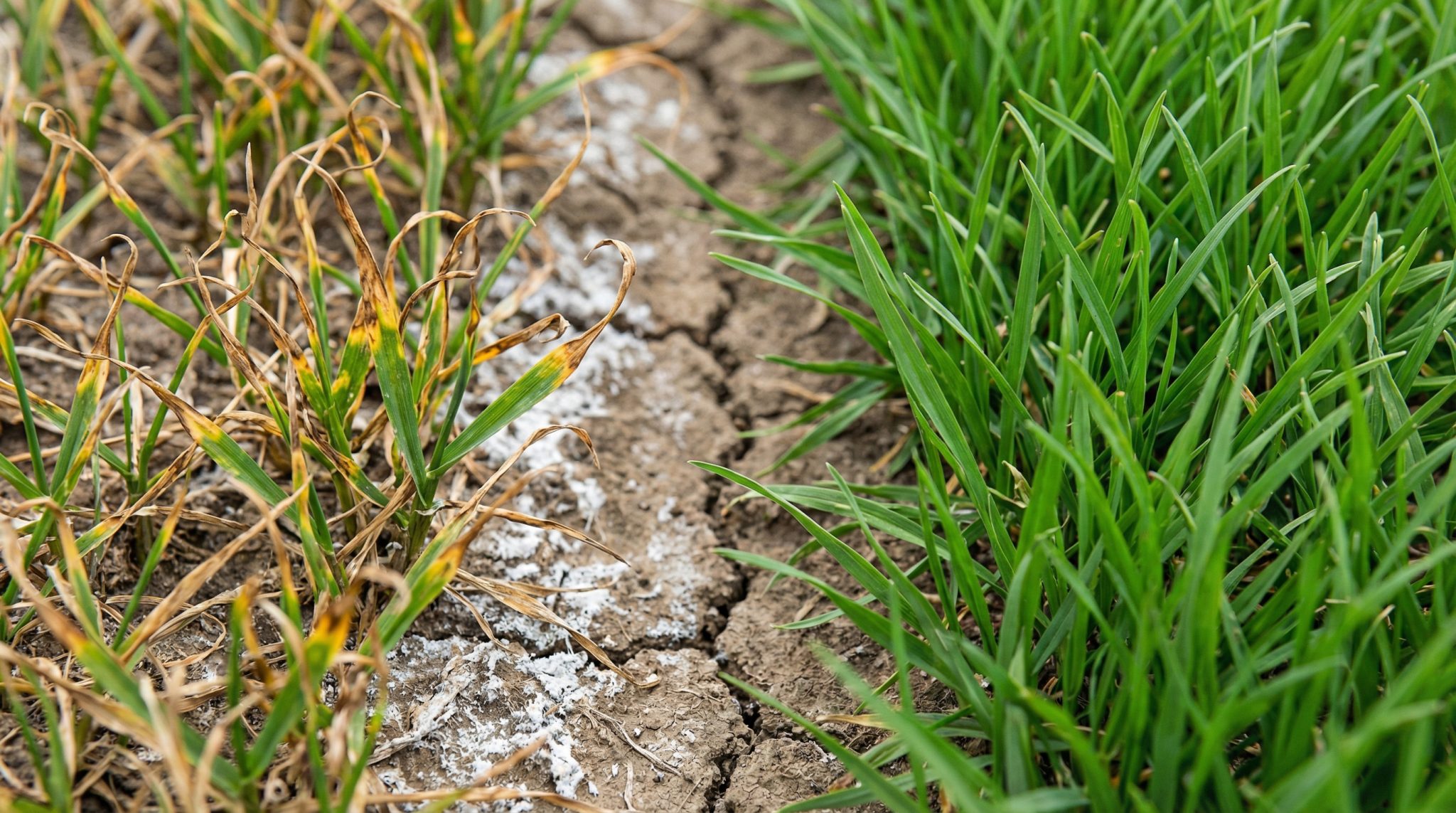
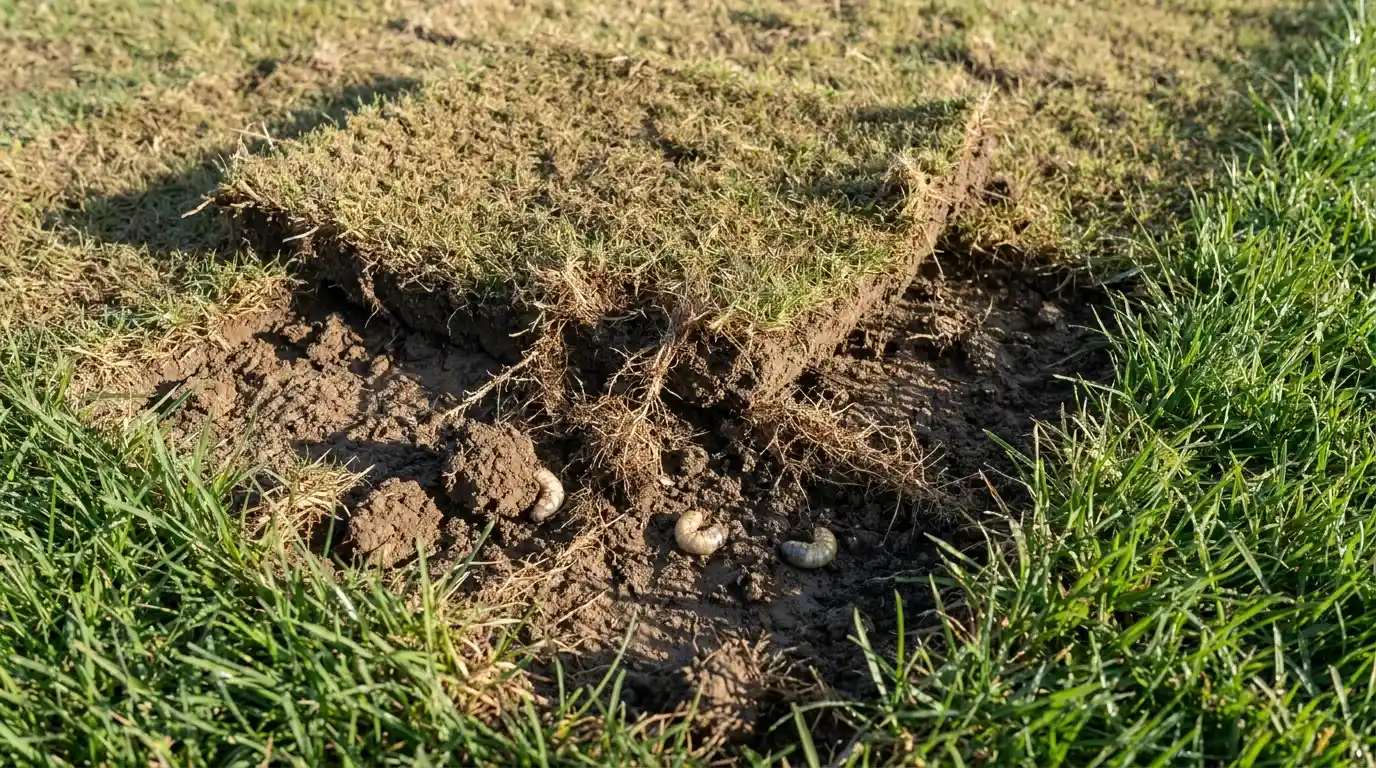
If one corner of your lawn suddenly looks greener than the rest—or you keep finding soggy soil even when the weather’s been dry—it’s easy to blame sprinklers, soil, or drainage. But in many cases, the real issue starts underground. A leaking or partially blocked sewer line can quietly feed the soil with moisture (and nutrients), creating “too-healthy” grass, soft spots, odors, or even settling near patios and walkways.
The tricky part is that yard symptoms don’t tell you why it’s happening. Tree roots, shifting soil, cracked joints, and buildup deep in the main line can all look similar from the surface. That’s where a sewer camera inspection earns its keep: it turns guesswork into evidence—showing what’s happening inside the pipe, how far down the issue sits, and how severe it really is.
Below are seven signs your yard may be warning you about a sewer line problem—and why getting a camera inspection early can help you avoid expensive, disruptive repairs.
Why “Yard Symptoms” Often Start Underground
A sewer line doesn’t have to fully collapse to cause trouble. In fact, it rarely does. More often, you’ll get small warnings—slow drains, odd noises, shifting soil—long before a full-blown emergency.
The earlier you catch it, the more options you typically have: targeted cleaning, root cutting, spot repair, or trenchless solutions instead of major excavation.
7 Signs You Need a Sewer Camera Inspection
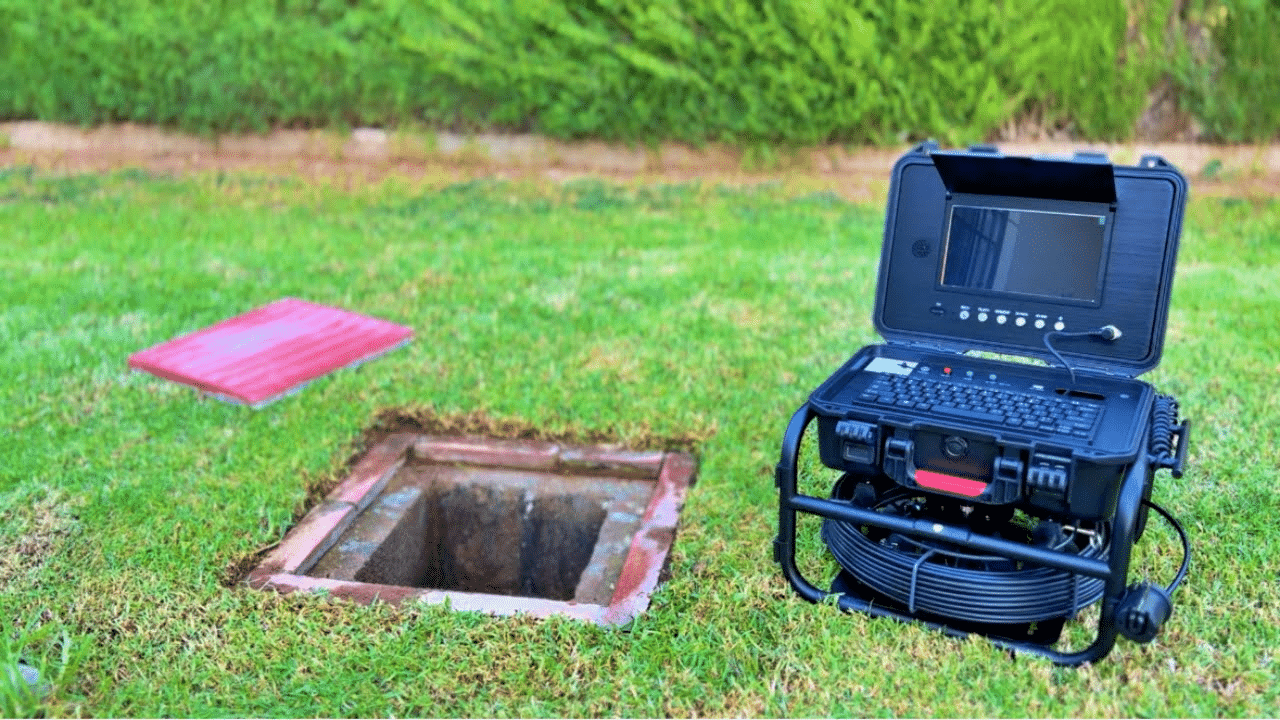
1) A patch of grass is suddenly too green (or growing faster than everything else)
If one strip of lawn looks like it’s getting VIP treatment—extra lush, extra tall, extra green—don’t assume “good soil.” Wastewater leaking underground can act like an unwanted fertilizer, creating that suspiciously healthy look in a concentrated area.
What a sewer camera can confirm: Root intrusion, cracks, separated joints, or bellies (low spots) that hold water and encourage buildup.
What to do now: Rule out obvious sprinkler overspray first. If the pattern doesn’t match irrigation coverage, add this to your “inspect ASAP” list.
2) Soggy ground that doesn’t match the weather
A lawn that stays wet even when it hasn’t rained (and your irrigation schedule hasn’t changed) is a classic “underground leak” flag. It can show up as mud, pooling, or just soil that never seems to dry out.
What a drain camera can confirm: A cracked section, joint failure, or blockage causing seepage/overflow.
What to do now: Avoid driving heavy equipment over the area. Saturated soil + voids underneath can turn into settling.
3) Odors near beds, walkways, or cleanouts
A persistent musty or sewage smell outdoors is not a “wait it out” situation. It can mean gas is escaping from a compromised line or a backed-up system.
Also: sewer gas can contain hydrogen sulfide, which at low levels can irritate eyes and airways and cause symptoms like headaches or nausea.
What a pipe camera can confirm: Standing waste in a belly, a partial blockage, or a break that’s venting into surrounding soil.
What to do now: Ventilate indoor spaces if you smell it inside too, and call a pro promptly—especially if anyone in the home is feeling symptoms.
4) Soft spots, settling soil, or “baby sinkholes.”
If the ground feels spongy in one area, or you notice a dip forming near a path, driveway edge, patio, or bed line—take it seriously. Leaks can wash out soil, leaving voids that eventually collapse.
What a plumbing camera can confirm: The exact failure point and whether it’s a localized break or a larger structural issue.
What to do now: Keep kids and pets away from the spot. Mark it. Don’t “just fill it” until you know the cause.
5) Insects or rodents suddenly focus on one area
If flies, roaches, or rodents seem unusually interested in a particular section of yard (or near the foundation), it can be because moisture and waste are attracting them.
What a pipeline camera can confirm: A slow leak or recurring backup that’s feeding that wet zone.
What to do now: Treat this as a symptom, not the problem itself. Pest control won’t fix an active leak.
6) Indoor drains are slow or gurgling, plus the yard looks “off.”
A single slow sink can be a localized clog. But if multiple fixtures are slow, bubbling, or gurgling—and your yard is also showing wet spots, odors, or settling—that points toward the main line.
This combination matters: yard symptoms + whole-house drain weirdness is one of the clearest “don’t guess” signals.
What a sewer inspection camera can confirm: Whether the restriction is grease/buildup, root intrusion, a belly, or a collapsed section.
What to do now: Skip the chemical drain openers. If there’s a structural issue, chemicals won’t solve it—and can complicate service.
7) “We fixed it”… and it keeps coming back
If you’ve snaked the line, used a cleanout, or paid for a quick clearing and the problem returns, that’s often because the underlying cause wasn’t addressed: roots still there, pipe still separated, belly still holding sludge, or a damaged area still catching debris.
A camera inspection is the fastest way to stop repeating the same cycle.
What a sewer camera can confirm: Why it’s recurring—and what kind of repair will actually last.
What to do now: Ask for footage or a clear description of what was found and where. The “where” is what prevents blind digging.
What a Sewer Camera Inspection Actually Tells You
A proper inspection typically answers four practical questions:
- What’s in the line? (roots, grease, debris, standing water)
- Is the pipe structurally sound? (cracks, corrosion, offsets, collapse)
- Where is the problem located? (distance from cleanout + sometimes surface locating)
- How severe is it? (maintenance-level, repair-level, replace-level)
That’s why sewer camera inspections are so useful before big decisions—because the fix for a soft root intrusion is very different from the fix for a broken, offset joint.
DIY vs Pro: When to Call Someone
You can absolutely do smart homeowner prep, like:
- Photograph the yard symptoms (wide shot + close-up)
- Note when it happens (after showers? after heavy water use?)
- Identify irrigation zones to rule out overwatering
- Find your cleanout location (if accessible)
But call a qualified plumber promptly if you have:
- Sewage odors indoors or strong odors outdoors
- Multiple drains are clogging up at once
- Any backup into tubs/showers/floor drains
- Settling/voids/sinkholes or sudden soft ground
Those are the scenarios where a fast diagnosis can prevent major property damage.
How to Prepare So the Inspection Gives Real Answers
Do these before the appointment:
- Write down symptoms: slow drains, gurgling, odors, backups, wet areas
- Map the “hot zone” in the yard (even a simple sketch helps)
- Mention recent changes: new trees, stump grinding, heavy rain, foundation work, driveway work
- Avoid chemical drain cleaners right before inspection (they don’t fix structural problems and can make service more hazardous)
After the Sewer Camera: Choosing the Least-Disruptive Fix
Once you know the cause and location, repairs get more targeted:
- Buildup / soft blockage: cleaning + habit changes + periodic maintenance
- Early root intrusion: root cutting + prevention plan (and sometimes pipe lining, depending on condition)
- Cracked/separated joint: spot repair or trenchless lining (case-by-case)
- Belly/offset/collapse: repair or replacement—often the only long-term fix
The big win here is simple: you’re no longer throwing money at “maybe.”
Quick Recap
If your yard is getting mysteriously greener, wetter, smellier, softer, or sinkier—especially alongside slow drains inside—treat it as a clue that something underground needs attention. A sewer camera inspection is one of the cleanest ways to confirm the cause, pinpoint the location, and pick the least disruptive repair.
If you’re pitching this as a guest post, the natural CTA is encouraging homeowners to document symptoms and book a camera inspection early, before a small underground issue turns into a ruined lawn (or a torn-up patio).
Before you dig up part of the yard or pay for repeat “quick fixes,” consider a DIY check first. On Sanyipace, homeowners can choose from multiple sewer camera models—including S5517DC, S8951DSRTM, and S510DSRKM—to get clear visuals inside the line and target the right solution.
FAQ
How long does a sewer camera inspection take?
Often under an hour for a typical home, depending on access, length of run, and how many problem areas show up.
Will a camera inspection tell me exactly where to dig?
It can show the distance from the entry point, and many pros can locate the camera head from the surface. Ask what locating method they use.
Can I just rent a camera and do it myself?
You can, but interpreting what you see (and navigating bends without damaging equipment) is where pros add value. For recurring issues or suspected structural damage, professional inspection is usually worth it.
Does “green grass” always mean a sewer leak?
No—sprinklers, drainage, and fertilizer patterns can do it too. What makes it suspicious is a concentrated patch that doesn’t match irrigation coverage and pairs with odors, soggy soil, or indoor drain symptoms.
What if I smell sewer gas?
Treat it seriously. Ventilate, avoid lingering in the area, and get the plumbing checked—hydrogen sulfide in sewer gas can irritate eyes/airways and cause symptoms like headaches and nausea.