Some houses feel like too much. Too many walls. Too many rooms. Too many things are trying to impress.
I started looking into barn-style homes because I wanted the opposite: space that felt open, calm, and easy to live in. Nothing extra. Just what works.
If you’re here, you’re probably thinking the same way. You want a home that’s simple, smart, and built for real life. Not just something that looks good on paper.
In this blog, I’ll break down what barn-style homes are, how they’re set up, what makes them practical, and what to know before choosing one.
This isn’t about trends. It’s about function, comfort, and making sure the space you live in actually works for you.
Why Barn Style Homes Are Gaining Attention
More and more people are looking into barn-style and barndominium homes. It’s not just about how they look. It’s about how they work for real life.
Families today want open spaces, flexible rooms, and smart builds that fit their changing needs.
That’s why these homes are catching on. Big open layouts make it easier to move around and feel connected. High ceilings and wide rooms make everything feel roomy and fresh.
Another reason? These homes often cost less to build. You get a lot of space without spending a ton of money.
They also give you more freedom in how you set things up inside. You can have a home office, gym, workshop, or guest area, without needing to follow a strict setup.
When people start looking at barn house plans, they usually expect something strong, simple, and easy to make their own. And that’s exactly what they find.
What Defines a Barn Style Home
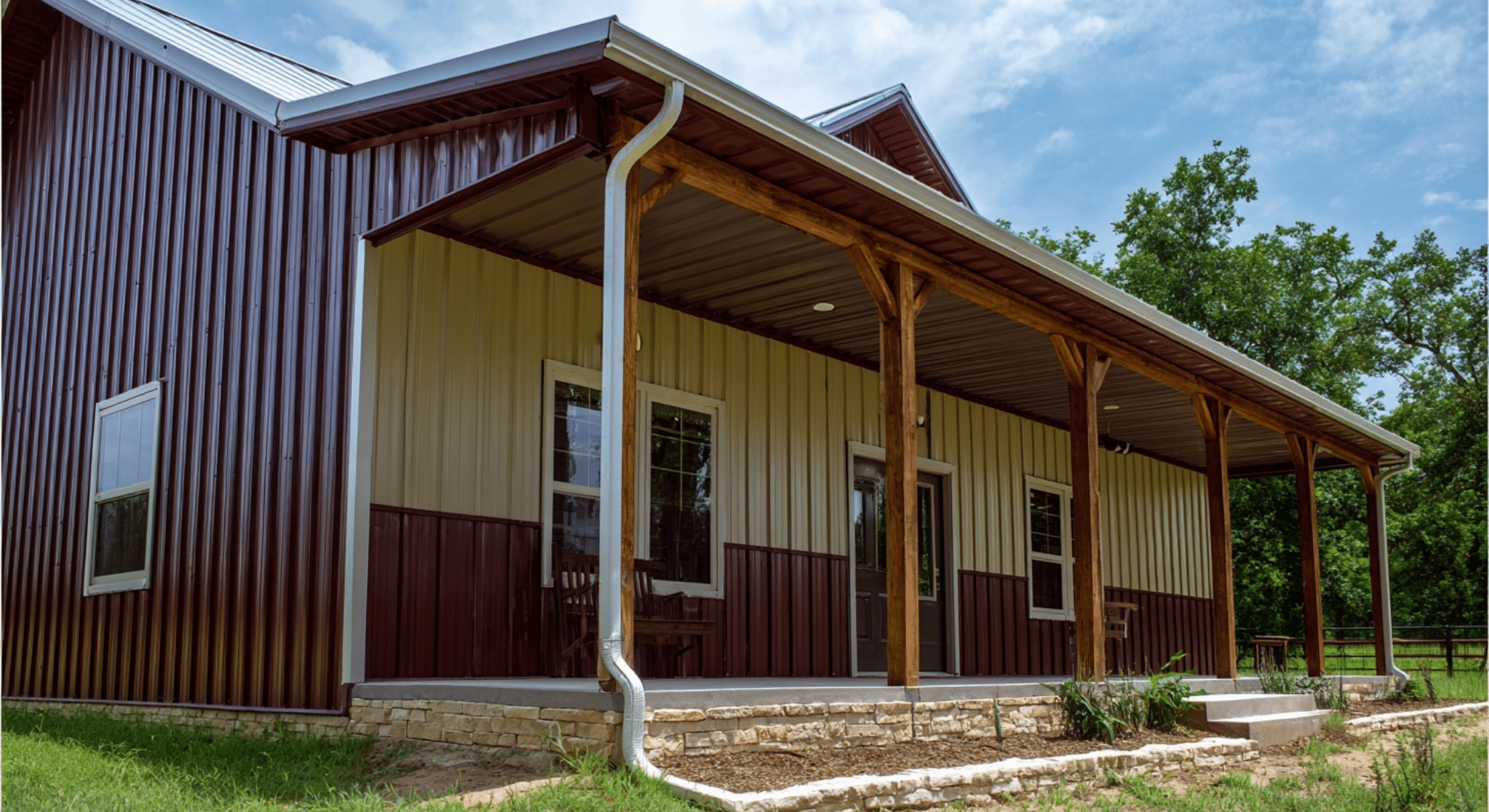
A barn-style home looks like a barn on the outside, but it’s built to be lived in, not to store animals or tools.
These homes have big, open floor plans, high ceilings, and simple shapes. They often have metal roofs and strong siding, as real barns do. But inside, they’re just like regular homes, sometimes even nicer.
Barn homes are different from regular houses because of how they’re built. They often use metal frames or post-frame building methods, which means fewer inside walls and more open space.
This makes it easy to design your home the way you want.
People often use different names for these homes. Some call them barn homes. Others say barn houses or barndominiums.
These all mean pretty much the same thing: a home that looks like a barn but works like a house.
This mix of names can cause confusion when you’re making plans. You might see very different layouts and building styles under the same name. So it helps to know what you want first.
Barn Style Homes vs. Barndominiums
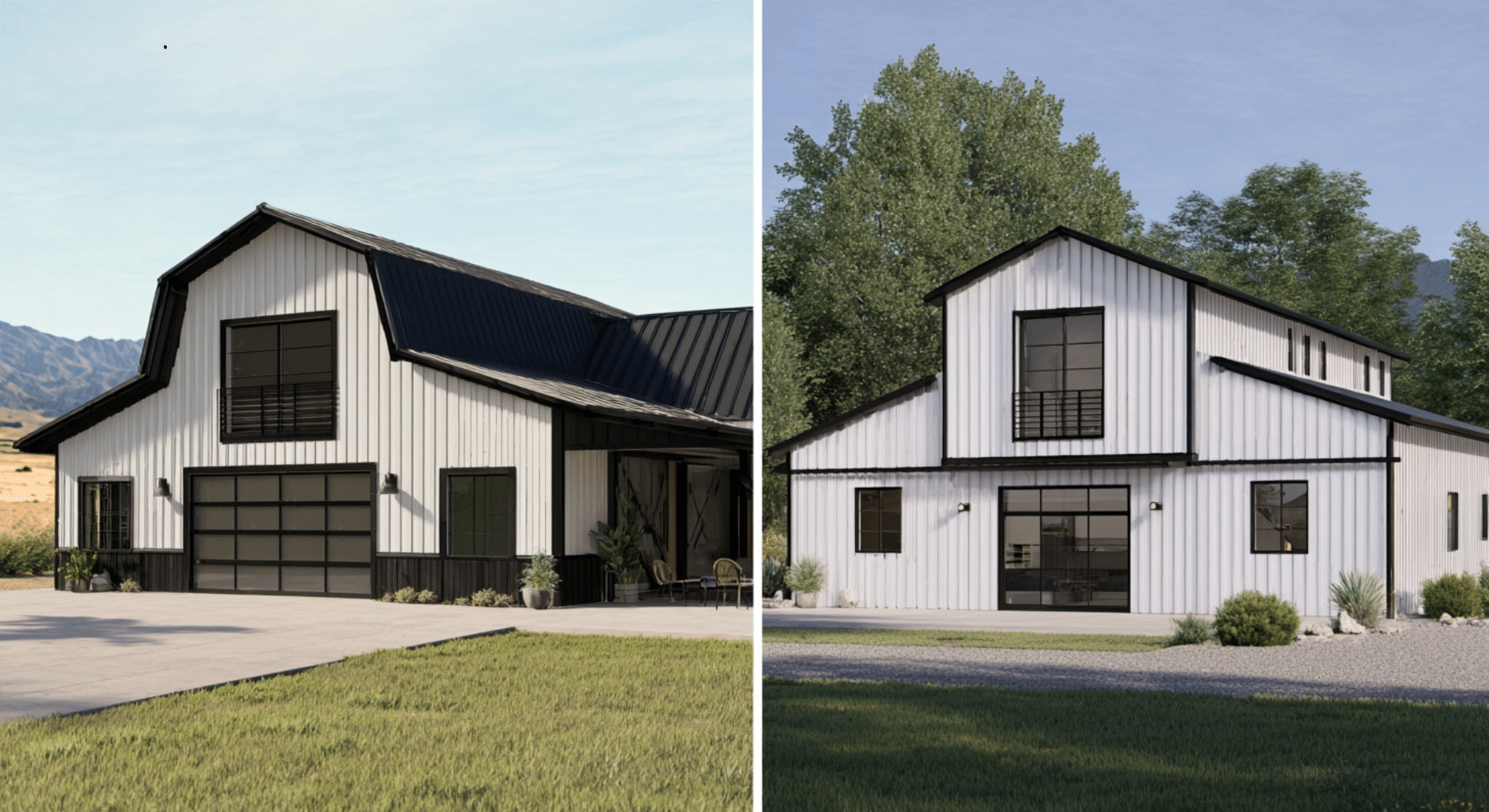
Sometimes these two names mean the same thing. Other times, they don’t. It depends on who you’re talking to or what website you’re using.
The table below shows when they match and when they don’t:
| Feature | Barn Style Homes | Barndominiums |
|---|---|---|
| Look | Often looks like a barn | Also looks like a barn |
| Main Use | Usually just a home | Home + garage, shop, or storage |
| Building Material | Often wood or a mix of wood and metal | Usually metal frame and metal siding |
| Inside Layout | Open layout, like a modern home | Open layout with space for work or tools |
| Common Features | Tall ceilings, big porches, wood beams | Tall ceilings, roll-up doors, metal shop |
| Used By Plan Sites | As a style of house | As a type of home with mixed use |
Some websites and builders use both names for the same type of house. Others use “barndominium” only when the building has space for both living and work. When you’re searching for house plans, it helps more to focus on what you want inside than just the label.
Popular Barn Style Home Designs to Know
When you search for barn house plans, you’ll see a few main styles pop up again and again. Here’s what each one means and who they’re best for:
Traditional Barn-Inspired Homes
These look like real barns from the outside. They usually have steep rooflines, wood siding, and big front porches. Inside, they often feel cozy but still open. This style works best for people who want that old-school farm look with a real home inside.
If you like appeal and don’t mind a little more woodwork or detail, this might be a good fit.
Modern Barn Style Homes
These are cleaner and simpler. They use straight lines, big windows, and flat or low-pitch roofs. These homes often show up first on floor plan sites because they’re easy to build and look fresh.
People who want a mix of barn style and modern design usually like this the most. It’s also great for open land or places with views.
Farmhouse-Influenced Barn Homes
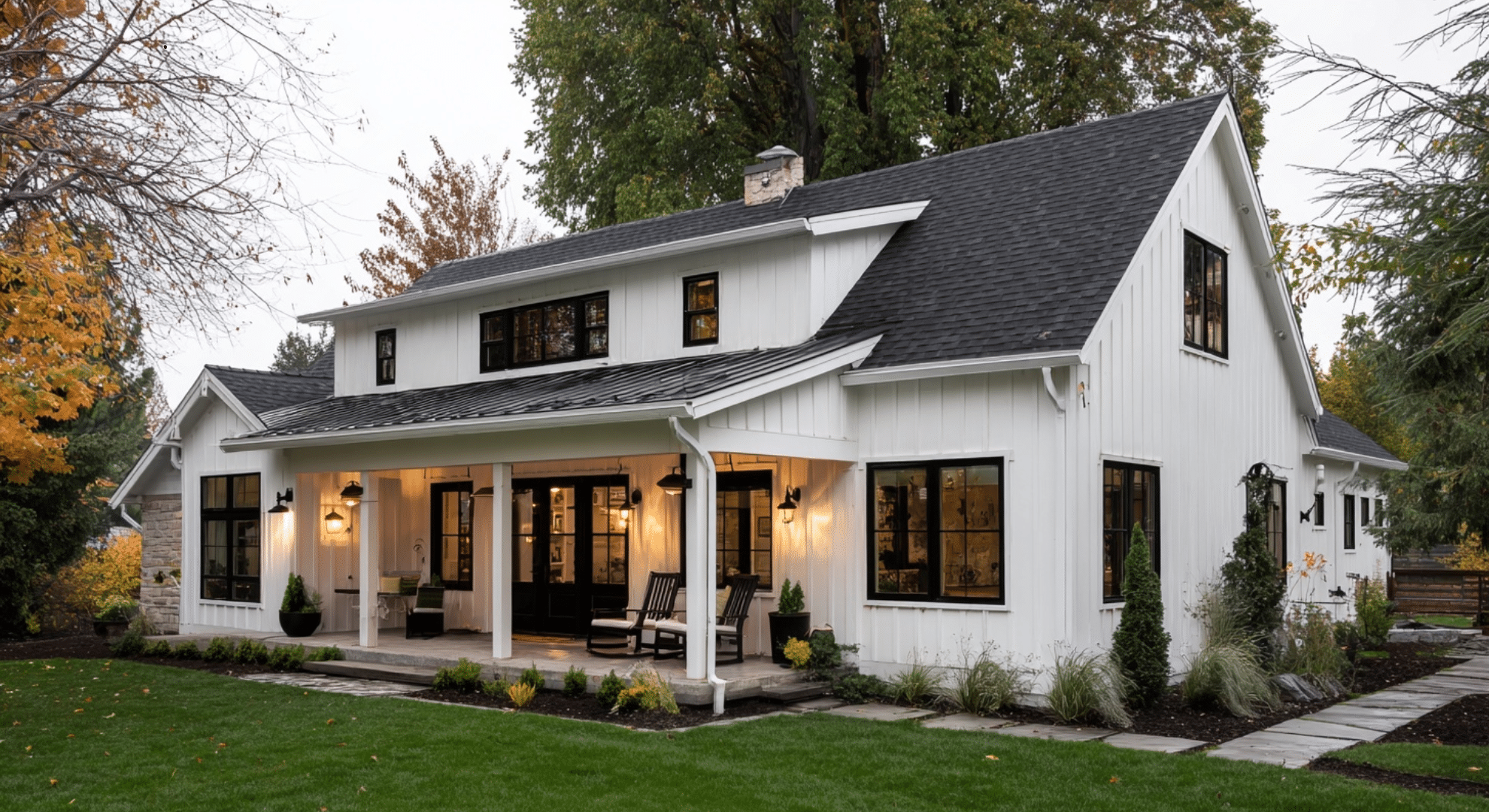
This is a mix of barn and farmhouse styles. You might see barn-style roofs and shapes, but with classic farmhouse touches like white siding, black windows, and more closed-off rooms inside.
Families often pick this because it feels warm and lived-in, but still roomy. It’s good if you want some privacy while still keeping open areas.
Industrial and Minimal Barn Designs

These use a lot of metal, both inside and out. They’re built strong, with wide-open spans and less detail. These work best for people who need space for tools, cars, or even a home business. They’re also quicker to put up.
The tradeoff? They can feel colder or more plain unless you add your own style inside.
No matter which one you choose, it helps to know what style fits your needs before searching.
That way, you won’t waste time on plans that don’t match what you’re looking for.
Barn Style House Plans: Layouts That People Actually Build
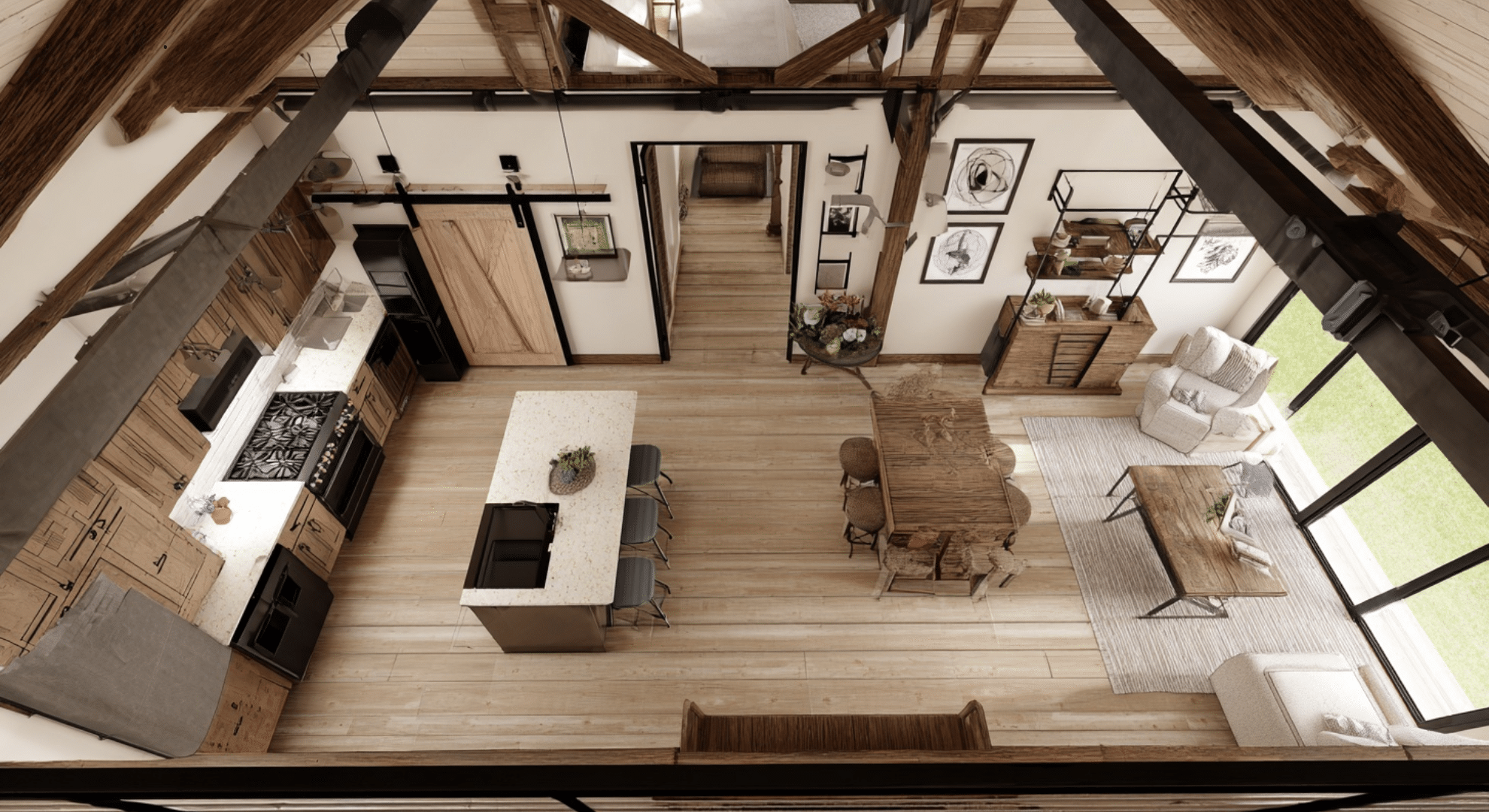
When people look at barn house plans, they usually want more than just a cool outside. The inside matters just as much.
These homes are often picked for their wide-open spaces and smart layouts that fit real life:
Common Square Footage Ranges
Most barn-style homes fall between 1,500 and 3,000 square feet. That’s enough room for 2–4 bedrooms, big living areas, and extra space for work or hobbies. Some are even larger, especially when they include garages or workshops under the same roof.
One-Story vs. Two-Story Layouts
- One-story plans are easier to move around in. Great for families with small kids or older folks.
- Two-story plans let you build up instead of out. Good for smaller lots or bigger families.
Open Living, Kitchen, and Dining Combos
Most barn homes have one large space for cooking, eating, and hanging out.
These open areas make the home feel bigger and brighter. They’re also easier for families to stay connected throughout the day.
Bedroom Placement for Privacy
A common layout is to put the main bedroom on one side of the house and the others on the opposite side.
This gives parents or couples more quiet time. Some plans place all bedrooms along the same hallway but space them out to keep things calm.
Loft Layouts and Daily Living
Lofts are a popular feature in barn homes. They sit above the main floor and can be used as a playroom, office, or guest area.
Just know: lofts don’t have full privacy, and sound can carry. They work best for quiet tasks or short-term stays.
When choosing a layout, think about how you’ll actually use the space every day. Do you need more bedrooms or more open space? Do you want stairs or not? These questions help you find the right barn home plan faster.
Choosing the Right Barn Style Floor Plan for Your Needs
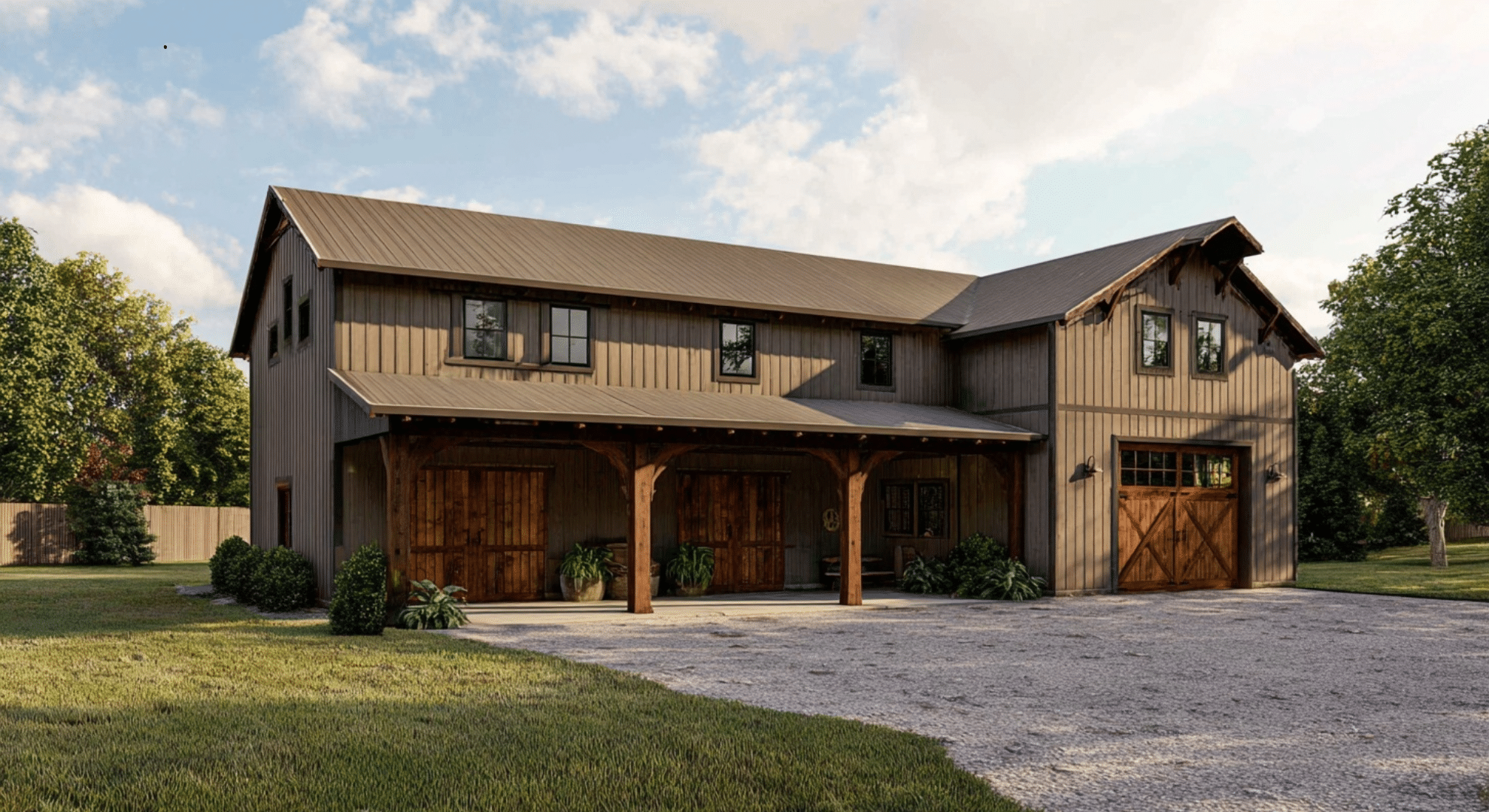
Picking the right barn-style floor plan starts with how you live. Families might want split bedrooms, a mudroom, and an open area where everyone can hang out. Couples may prefer fewer rooms but more open space, maybe with a loft or office.
If you’re building in a rural area, think about storage, animals, or space for outdoor gear.
Open barn layouts feel big but can be tricky when it comes to storage. Built-in shelves, bigger closets, or a walk-in pantry can help.
Some plans include a shop, garage, or workspace right under the same roof. This works great for home businesses, hobbies, or storing tools.
Also think about future needs. Will you want to add rooms later?
Some barn homes make it easy to grow by adding on to the sides or finishing attic or loft areas later.
Plan smart now, and you’ll thank yourself later.
Building Options for Barn Style Homes
Most people think picking a house plan is the hard part, but building it comes with big choices too.
These are a few main ways to build a barn-style home, and each one works better for different needs:
Barn Style Home Kits
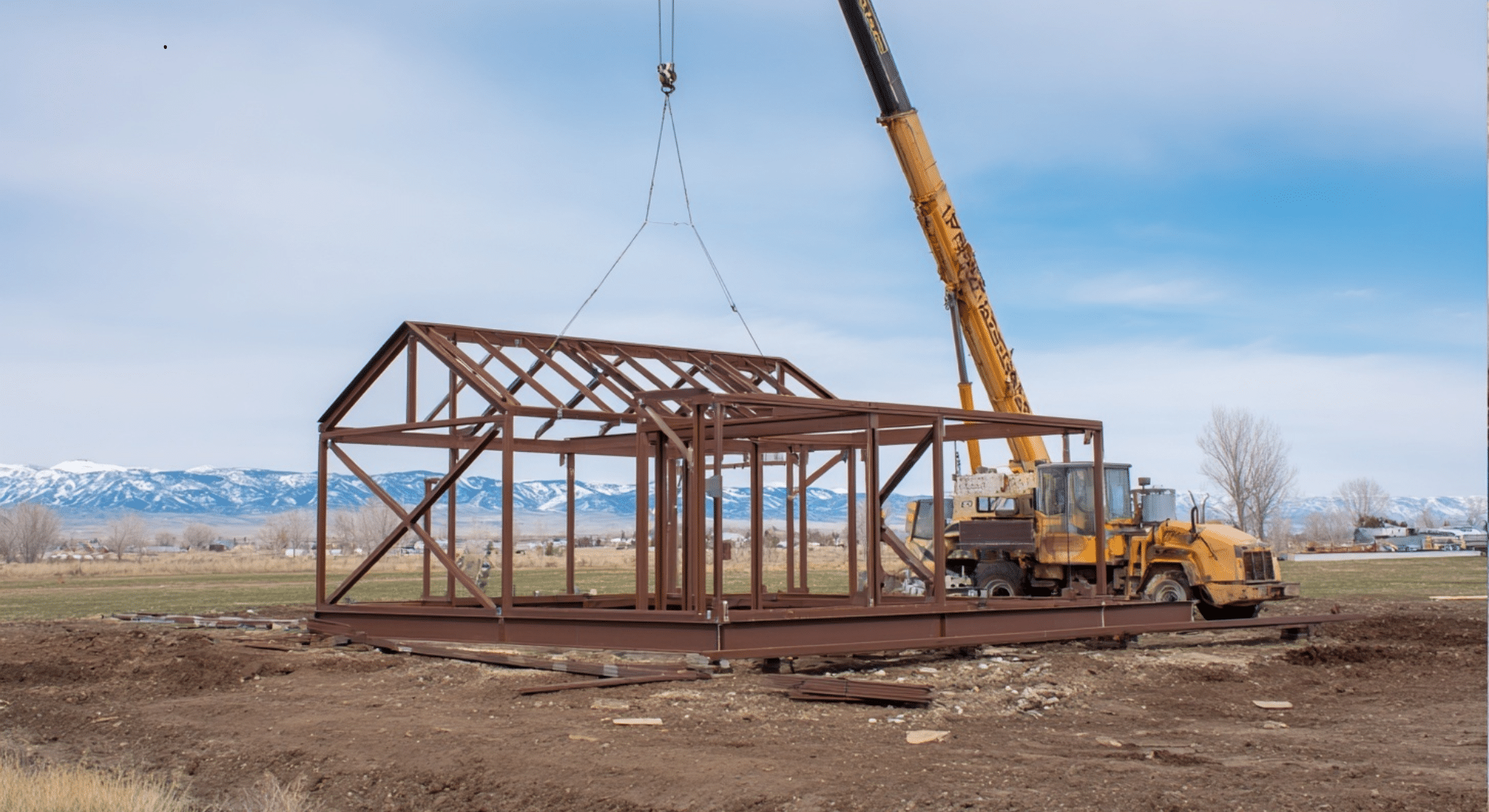
What’s included: Kits usually come with the basic frame, roof panels, walls, and sometimes windows and doors. You still need to buy things like plumbing, wiring, flooring, and inside walls.
Who kits work best for: These work best for people who want to save money and have a builder, or want to do some of the work themselves. They’re also great if you want to speed up the building process.
Prefab and Panelized Barn Homes
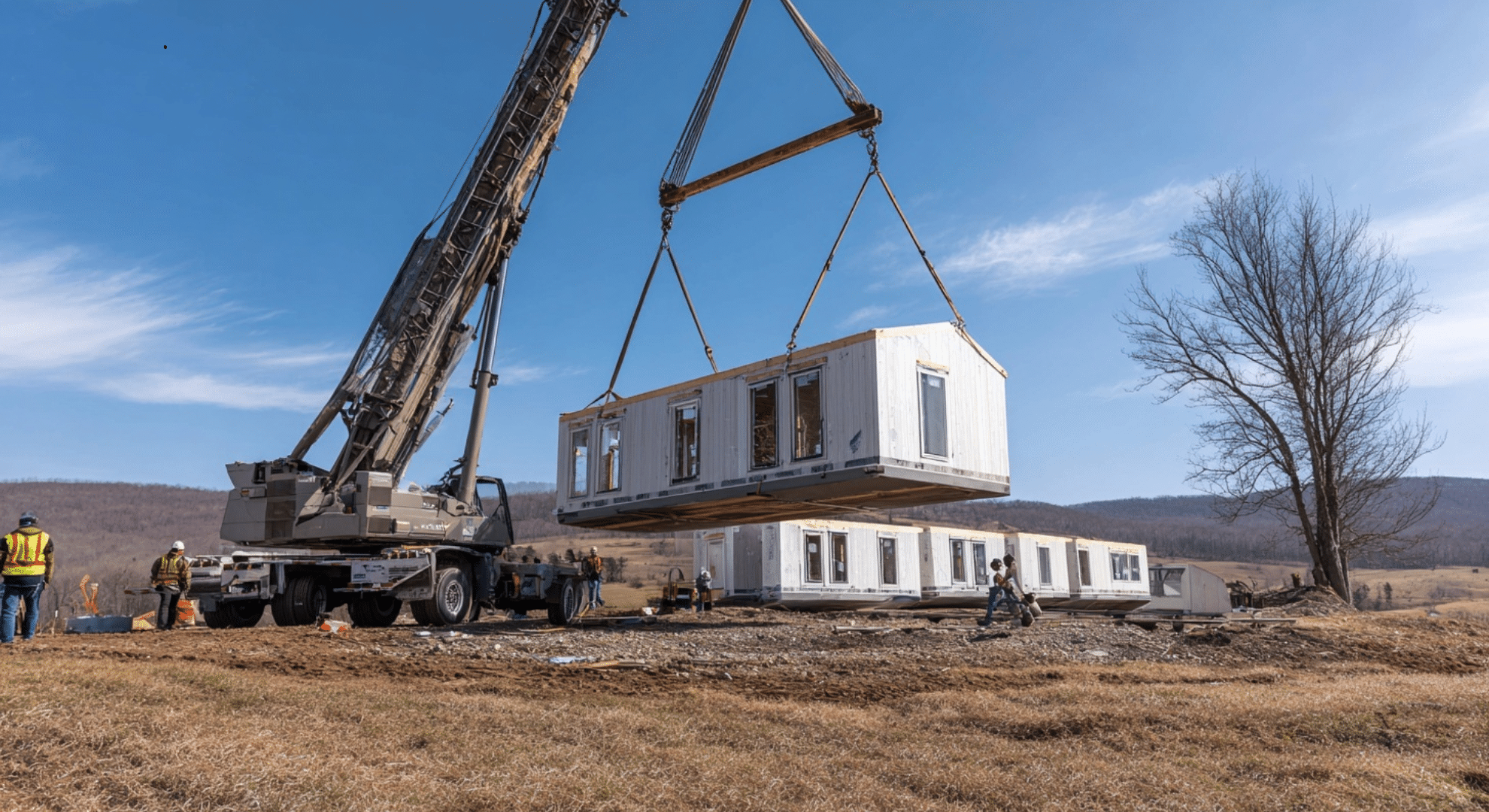
How it works: Prefab and panelized homes are built in a factory, then shipped in big sections to your land. A crew puts them together quickly.
Timeline and limits: These homes can go up fast, often in a few weeks. But changes are harder once things are built. If you want a lot of custom changes, this might not be the best pick.
Fully Custom Barn Style Homes
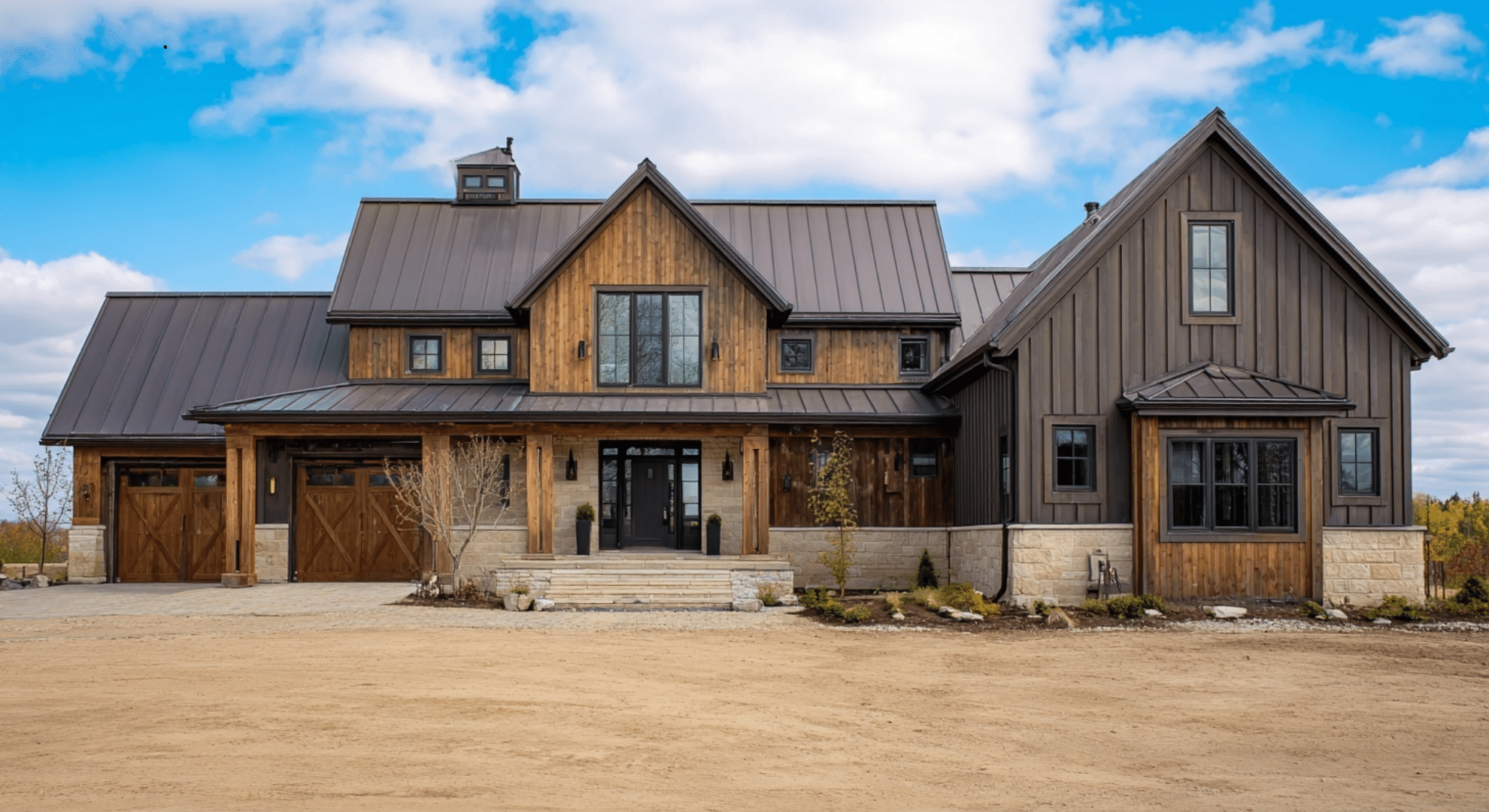
Cost and design freedom: Custom homes cost the most, but you get to pick everything from layout to materials. This works best if you have special needs, a tricky lot, or want something one-of-a-kind.
When it makes more sense: Custom homes are a good choice if no plan fits what you want, or if you’re building in a place with rules that need special designs. You’ll also need a good builder and more time.
Think about how much work, time, and money you’re ready for.
That will help you pick the best building option for your barn-style home.
Cost Expectations for Barn Style Homes and Barndominiums
How much does a barn-style home or barndominium cost? It depends on a few things, but here’s what you can expect:
- Most barn-style homes cost $120–$180 per square foot to build.
- Barndominiums with shops or large garages can be a little more, around $150–$200 per square foot if you’re adding extras.
Why Prices Vary So Much: Costs can go up or down based on:
- Where you’re building
- Labor prices in your area
- If you’re using a kit, prefab parts, or going fully custom
- Material choices (metal vs wood, high-end finishes vs. basic)
What Plan Listings Don’t Always Show: Many floor plan sites only show the plan cost, not full build costs. Be ready for extra costs like:
- Land clearing
- Septic or well
- Driveway
- Permits
- Electrical and plumbing
- Labor if you’re not building it yourself
Always ask for a full cost breakdown before starting. That way, there are no big surprises later on.
Are Barn Style Homes a Smart Choice Long Term?
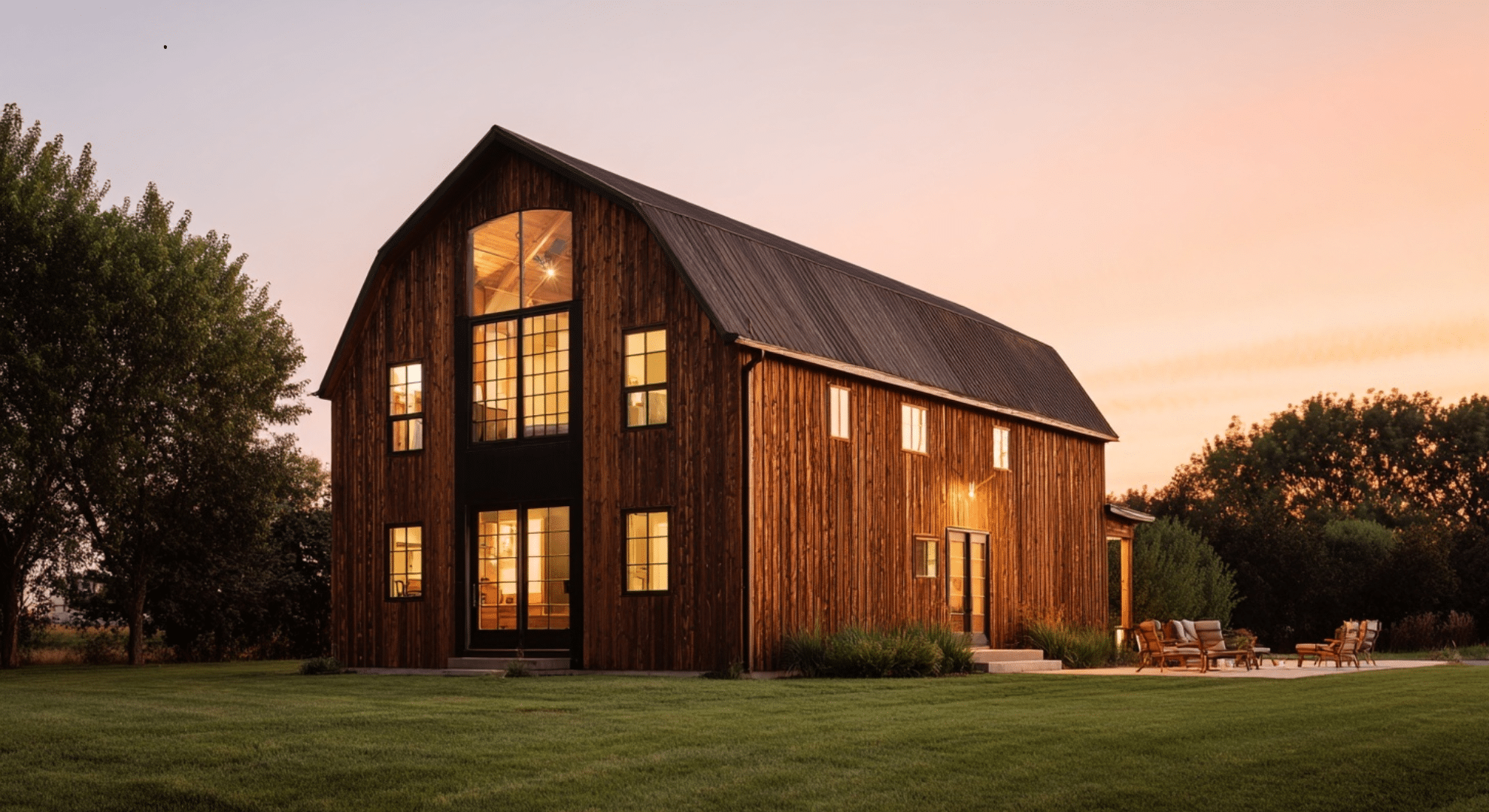
Barn-style homes can be a smart long-term choice, but it depends on how they’re built and where you live. These homes often have metal siding and roofs, which last a long time and don’t need much upkeep.
But if parts of the home use wood, you’ll need to check for wear, repaint, or seal it from time to time.
Energy use depends on insulation. Since many barn homes have open layouts and high ceilings, they need good spray foam or thick insulation to stay warm in winter and cool in summer.
Sound can also be an issue: big open rooms and lofts may cause echoes.
Rugs, curtains, and soft furniture can help. Resale value is strong in rural areas or places where people want land and space. In cities or tight neighborhoods, these homes may take longer to sell.
Overall, with the right plan, insulation, and materials, barn-style homes can hold up well over time.
Zoning, Permits, and Location Considerations
Barn-style homes often face zoning questions because they look and function differently from regular houses. Some areas see them more like farm buildings or shops, which can lead to confusion during the approval process.
In rural areas, it’s usually easier to get permission to build a barn-style home.
There’s more land, fewer rules, and people are used to this kind of building. But in suburban neighborhoods, it can be harder. Local rules may limit what your home can look like or what materials you can use.
Some areas have homeowner associations (HOAs) that don’t allow metal siding, big garages, or certain roof styles.
Before you buy land or a floor plan, it’s important to check the local rules.
Here’s what to look into:
- Zoning rules for the land
- If the area allows metal buildings
- HOA rules on home styles and siding
- Required permits and inspections
Taking these steps early can save you time, money, and stress later on. Always call the city or county office before starting anything.
Common Planning Mistakes With Barn Style House Plans
Barn-style homes are simple in looks but planning one isn’t always easy. Many people rush in without thinking through the details. Here are some mistakes to avoid:
- Not checking local zoning rules before buying a plan
- Ignoring insulation needs for large metal buildings
- Skipping sound control in big open spaces
- Placing bedrooms too close to noisy areas
- Forgetting about storage in open layouts
- Underestimating build costs beyond the floor plan
- Choosing the wrong layout for your land shape
- Not planning for future add-ons or changes
Taking time to plan early helps you build a home that really works for you. A good plan today saves headaches later.
Conclusion
What stuck with me most about barn-style homes is how they give you space that actually feels useful. No wasted rooms. No confusing layouts. Just open, simple living that fits real life.
I hope this helped you see how this kind of home can work for the way you live, not just how it looks. Now you’ve got a clearer idea of what matters, what to look for, and what makes barn-style homes stand out.
Before you go, keep in mind, what feels right in a home usually is right.
If this got you thinking, there’s more where that came from. Check out the rest of the blogs for more ideas and helpful tips!