It’s easy to miss the small stuff until you step into a puddle by your water heater. That’s when it hits you: why is my water heater leaking from the bottom?
I’ve been there, and I know how quickly questions pile up. Is it dangerous? Can I fix it? Do I need a new one? You start wondering what’s going on inside that big tank and how serious the leak really is.
In this blog, I’ll walk you through why it happens, what signs to look for, and how you can figure out your next step. You’ll get clear tips you can actually use at home.
This isn’t just about fixing a leak, it’s about keeping things safe, simple, and stress-free.
Why You Need the Right Diagnosis Before Taking Action
When a water heater leaks from the bottom, it’s easy to assume the worst. But not all leaks mean your heater is broken. That’s where the confusion begins.
Many people mistake harmless condensation for a real leak. Others think a drain valve is faulty when it’s just loose. Some even miss signs of internal tank damage because they’re focused on the outside.
Online forums are full of mixed opinions: one person swears it’s a valve issue, while another says the tank is done for. The truth? They could both be wrong.
Without checking carefully, it’s easy to go down the wrong path and waste time or money.
That’s why figuring out the real cause matters. Before you reach for tools or call for help, slow down. Knowing what you’re dealing with first will save you from a lot of trouble later.
The right fix starts with the right answer.
What Homeowners Commonly Share About Bottom Leaks
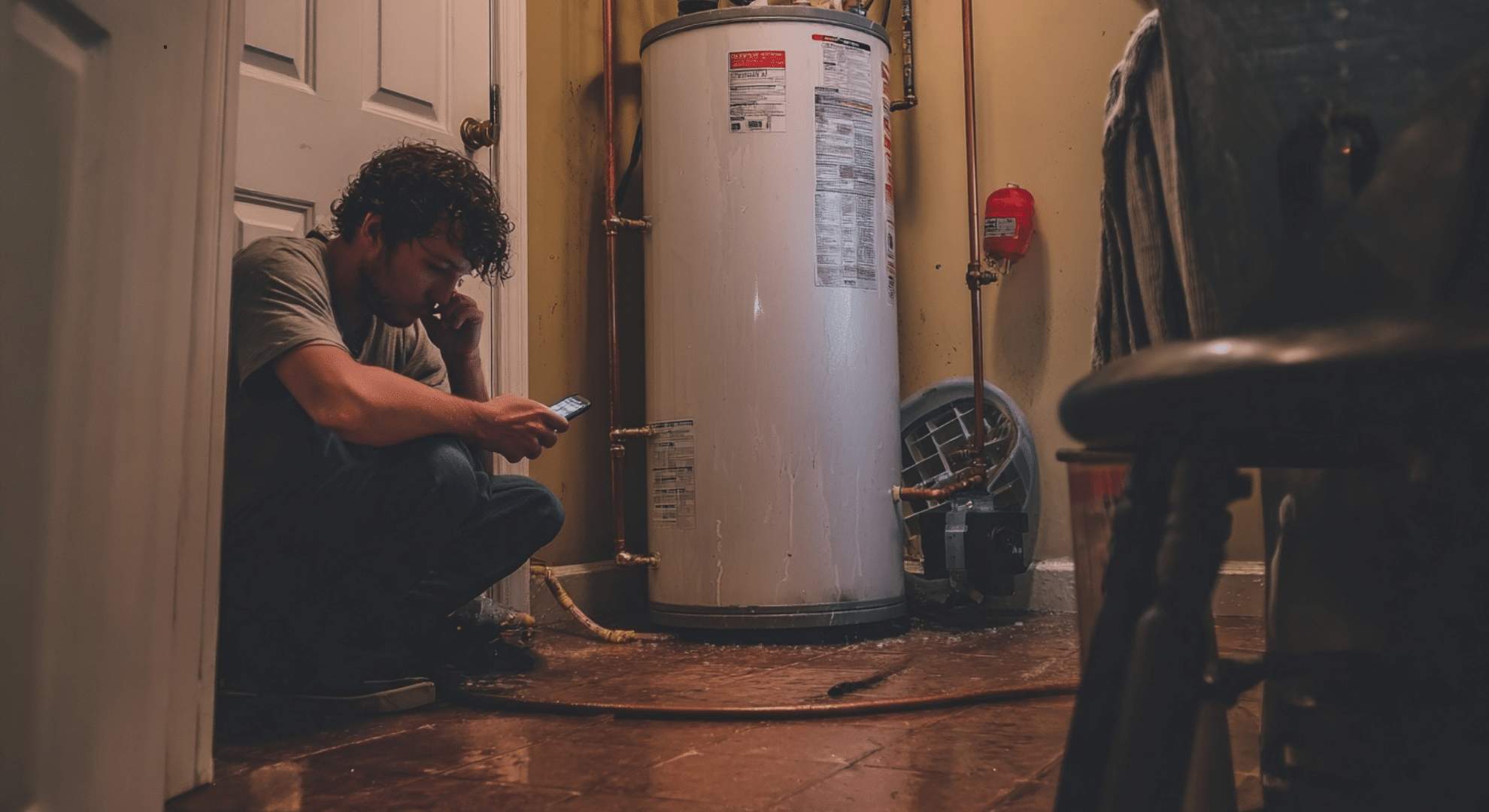
Many folks on Reddit and homeowner forums describe the sinking feeling of finding that first wet spot on the floor and thinking, “Maybe it’s nothing.” In multiple posts, people say it started as a small puddle under their heater and only later did they realize the water wasn’t just condensation or a loose pipe fitting.
They share stories of tightening fittings or valves hoping it would fix things, only to find the leak persisted because corrosion, a bad drain valve, or internal tank issues were the real cause.
These threads often turn into long discussions about whether the problem was something they could fix themselves or something that required calling a plumber.
Many homeowners wish they’d known earlier signs to check, like rust around the base, moisture before actual pooling, or unusual noises, because catching these signs sooner could save time and money.
Real user experiences are full of lessons about how small leaks can quickly become big headaches if ignored. For more real examples and tips from community posts, you can read detailed guides on Reddit experiences.
If you want a broader homeowner‑oriented explanation of common causes and what people talk about when their heater leaks at the bottom, here’s another helpful resource with community insights.
These links show the patterns of homeowner stories: first small drips, then deeper investigation and help you connect your own situation to what others have experienced.
Water Heater Leaking From Bottom: What It Really Means
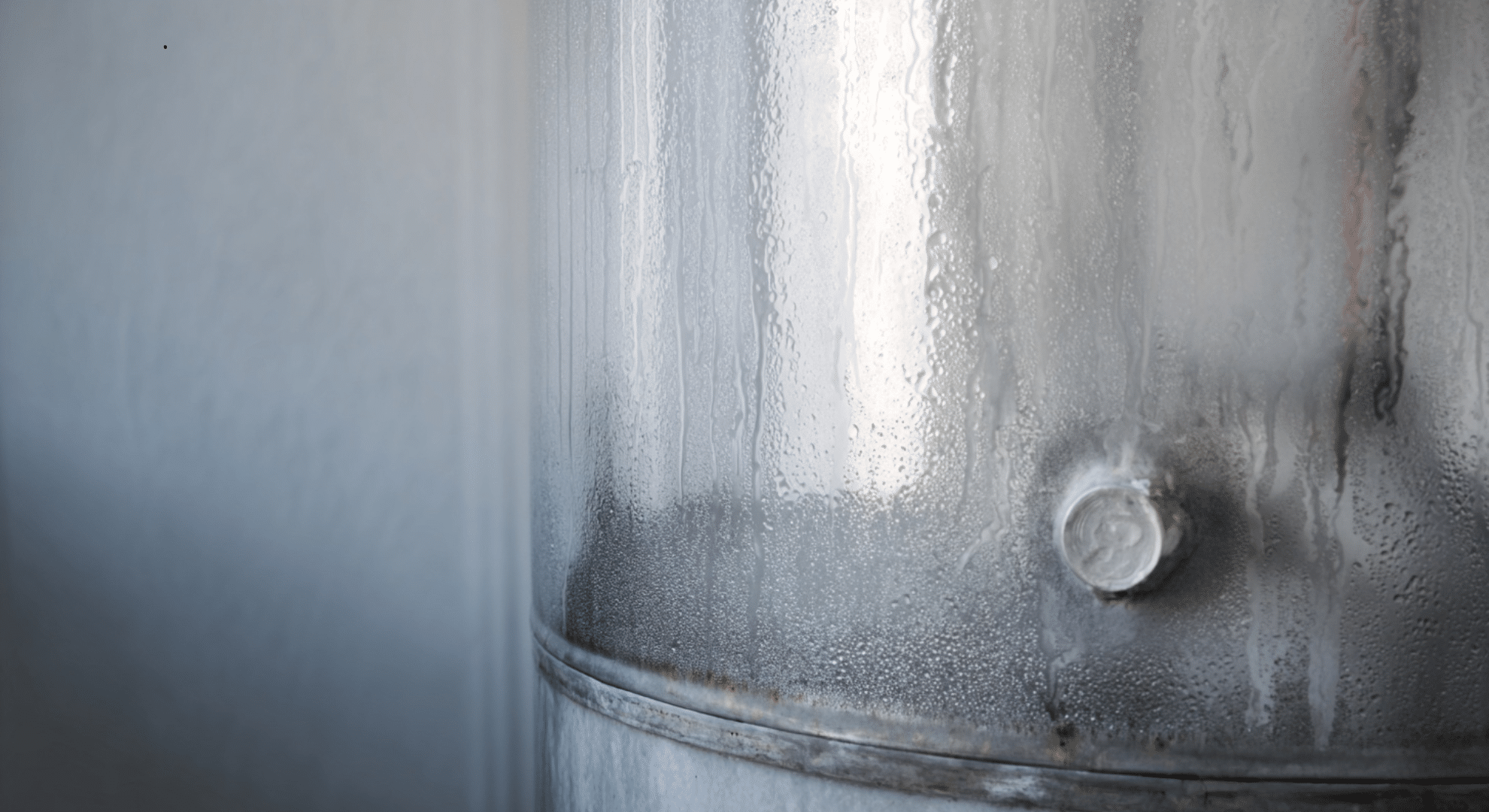
Seeing water collect at the bottom of your water heater can be confusing, but a puddle doesn’t always mean the leak is coming from the bottom itself.
Because of gravity, water from a small drip higher up, like from a loose pipe or valve, can run down the sides and settle underneath. This makes it easy to assume the problem is at the base when it might not be.
However, if your water heater is leaking from the bottom, it’s often a sign of a deeper issue. It could be a cracked tank, corrosion inside, or a faulty drain valve.
These are problems that usually get worse over time. The real concern is knowing whether the water is just running down or if it’s truly coming from the base.
Understanding this difference matters. A true bottom leak can mean the tank is near the end of its life and may need more than a simple repair.
Main Reasons a Water Heater Leaks From the Bottom
Inside every water heater is a metal tank that holds water day and night. Over time, tiny amounts of oxygen and minerals in the water cause rust to form on the inside walls.
This process speeds up if there’s a lot of sediment at the bottom. That sediment traps heat and creates “hot spots,” which wear out the metal even faster.
Once corrosion breaks through the tank’s wall, water begins to leak and at that point, there’s no easy fix. A rusted tank can’t be patched or sealed. In most cases, replacement is the only safe option.
Minerals from hard water settle at the bottom of the tank as sediment. This layer builds up over time and creates extra stress on the tank floor. It’s a slow process, but once the damage starts, it’s hard to stop without draining or replacing the unit.
The drain valve near the bottom of the heater lets you empty the tank for maintenance. But sometimes, these valves wear out or don’t close all the way. A slow drip from the valve can look just like a tank leak.
The TPR valve is a safety feature that releases water if the pressure or temperature gets too high. When it does this, the water usually flows through a discharge pipe. This confuses a lot of people, but the tank itself may still be fine. It’s important to trace where the water is coming from.
Condensation Mistaken for a Leak
Sometimes, a “leak” is just your water heater sweating. When cold water enters the tank and meets the warm outer air, condensation can form on the outside of the tank.
This is common in damp spaces or during humid seasons. It’s harmless and usually stops once the tank heats up. You’ll notice light moisture around the base but no steady dripping or puddles forming.
If the moisture clears up quickly and doesn’t return, it’s likely not a real leak at all.
How to Tell Where the Water is Really Coming From
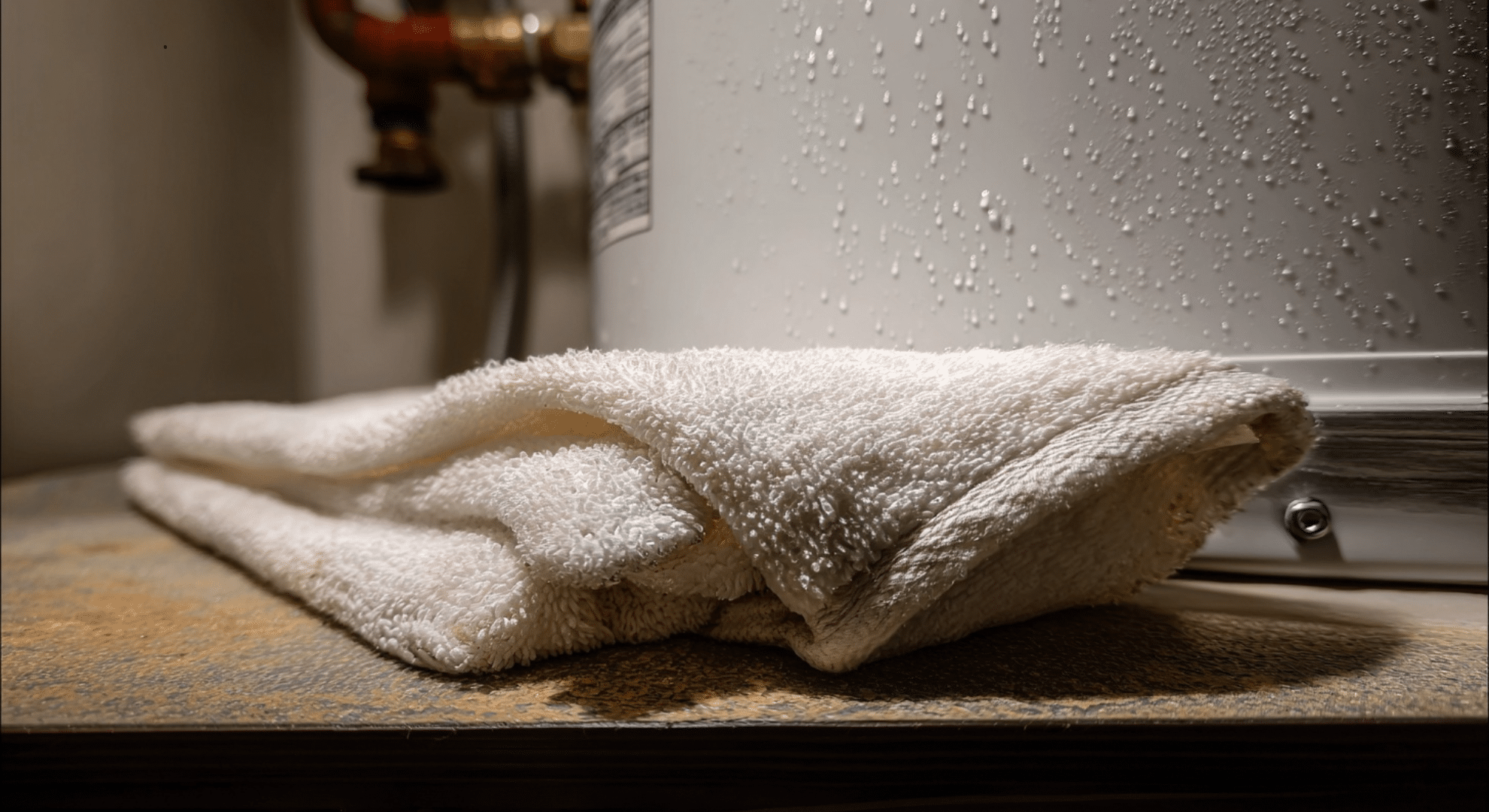
Finding water around your heater doesn’t always mean the tank is leaking. To figure out the real source, you need to watch closely and check a few key spots.
The first thing to do is dry up all the water you see around the base. That gives you a clean start and helps you see where the water returns.
Look carefully at the top of the heater. Water from a loose pipe or fitting up there can run down the side and pool underneath. Sometimes, this makes it seem like a bottom leak when it’s not. Use your hand to feel around the pipes and valves for any moisture.
Next, check the drain valve near the base. If it’s wet, wrap it with dry paper and wait. If that paper gets damp again, the valve might be leaking slowly.
The same goes for the pipe attached to the pressure relief valve; if it’s dripping, it may just be doing its job.
Don’t forget to check for condensation too. If the tank feels cold and lightly damp without steady dripping, it might just be sweating, especially in humid areas or after a fresh fill with cold water.
If you’ve checked everything else and water still shows up right under the tank, with no moisture on pipes, valves, or outside areas, then it’s likely coming from inside the tank.
Internal leaks often mean the tank has corroded and can’t be repaired. That’s usually a sign that it’s time for a replacement.
Is It Safe to Use a Water Heater Leaking From the Bottom?
If your water heater is leaking from the bottom, safety should be your first concern. Many people wonder if it’s still okay to shower or use hot water. The answer depends on the cause and how bad the leak is.
For electric heaters, water near the wiring or heating elements can create a shock risk. Even a slow leak can become dangerous if moisture reaches the electrical parts.
Gas heaters have different risks leaks near the burner or pilot light can cause the flame to go out or lead to gas flow issues.
Also, using the heater while it’s leaking can make things worse. If the tank is rusting or cracked, pressure and heat can spread the damage quickly. Even small leaks can lead to major flooding if the tank fails completely. If you see water collecting at the base, it’s safest to turn it off and have it checked right away.
Can a Bottom Leak Be Fixed or Does It Mean Replacement?

When a water heater is leaking from the bottom, most people hope it’s a simple fix but it depends on what’s actually causing the leak.
If the water is coming from the drain valve, there’s a chance it can be tightened or replaced without much trouble.
A leak from the pressure relief valve pipe might also be fixable if the valve is working correctly and just releasing extra pressure.
But if the leak is coming from the tank itself, usually due to rust or corrosion, there’s no real way to fix it. The metal has broken down from the inside, and once that happens, patching or sealing won’t hold.
These kinds of leaks usually mean the tank is failing and needs to be replaced. It’s not safe or cost-effective to keep using a heater in that condition.
Getting a proper check can help you know the difference and avoid bigger problems later.
How Long Does a Water Heater Last After It Starts Leaking
Once a water heater starts leaking, time isn’t on your side. Even a slow drip can turn into a steady flow within hours.
That’s because leaks usually don’t happen until the tank has already started breaking down from the inside. Rust, pressure, and heat keep working on the weak spot, making it worse with every use.
Some people get a few days out of a leaking unit, but that’s rare. In many cases, the leak gets worse in just a few hours, especially if you keep using hot water.
If the bottom of the tank gives out completely, it can release all the water at once, leading to flooding and property damage.
Waiting too long adds more risk. Water damage, mold, electrical issues, and even fire hazards (in gas units) can happen if the leak isn’t handled quickly. Once a leak begins, it’s best to shut the unit off and act fast.
How to Reduce the Risk of Bottom Leaks in the Future
You can’t stop a water heater from aging, but you can slow down the wear that causes bottom leaks. These few simple habits can help your unit last longer and run safer:
- Flush the tank once a year to remove sediment before it builds up and creates hot spots.
- Check the anode rod every 2–3 years. This metal rod helps prevent rust inside the tank.
- Replace the anode rod when it’s worn down to less than half an inch thick.
- Use a water softener if your home has hard water to limit mineral buildup.
- Install a sediment filter to catch debris before it reaches the heater.
- Keep the area around the heater dry so you can spot leaks early.
- Know your model’s lifespan; most last 8 to 12 years, so plan ahead as it gets older.
Staying on top of these small checks can help you avoid bigger repairs and surprise leaks later on.
Conclusion
It always starts with a drip you almost ignore. That’s how it was for me, just a little water under the tank, nothing urgent. But that small puddle turned out to be a big warning sign.
A water heater leaking from bottom isn’t just about water on the floor. It’s about knowing what that water is trying to tell you.
I’ve broken down the real causes, what to look for, and how to spot the difference between a minor issue and a tank that’s done for.
Now it’s your move. Take a closer look at your heater.
Even five minutes of checking could save you a big headache later.
If this made things clearer, there’s more where that came from. Check out other blogs for more ways to keep your home running smoothly, without the stress!