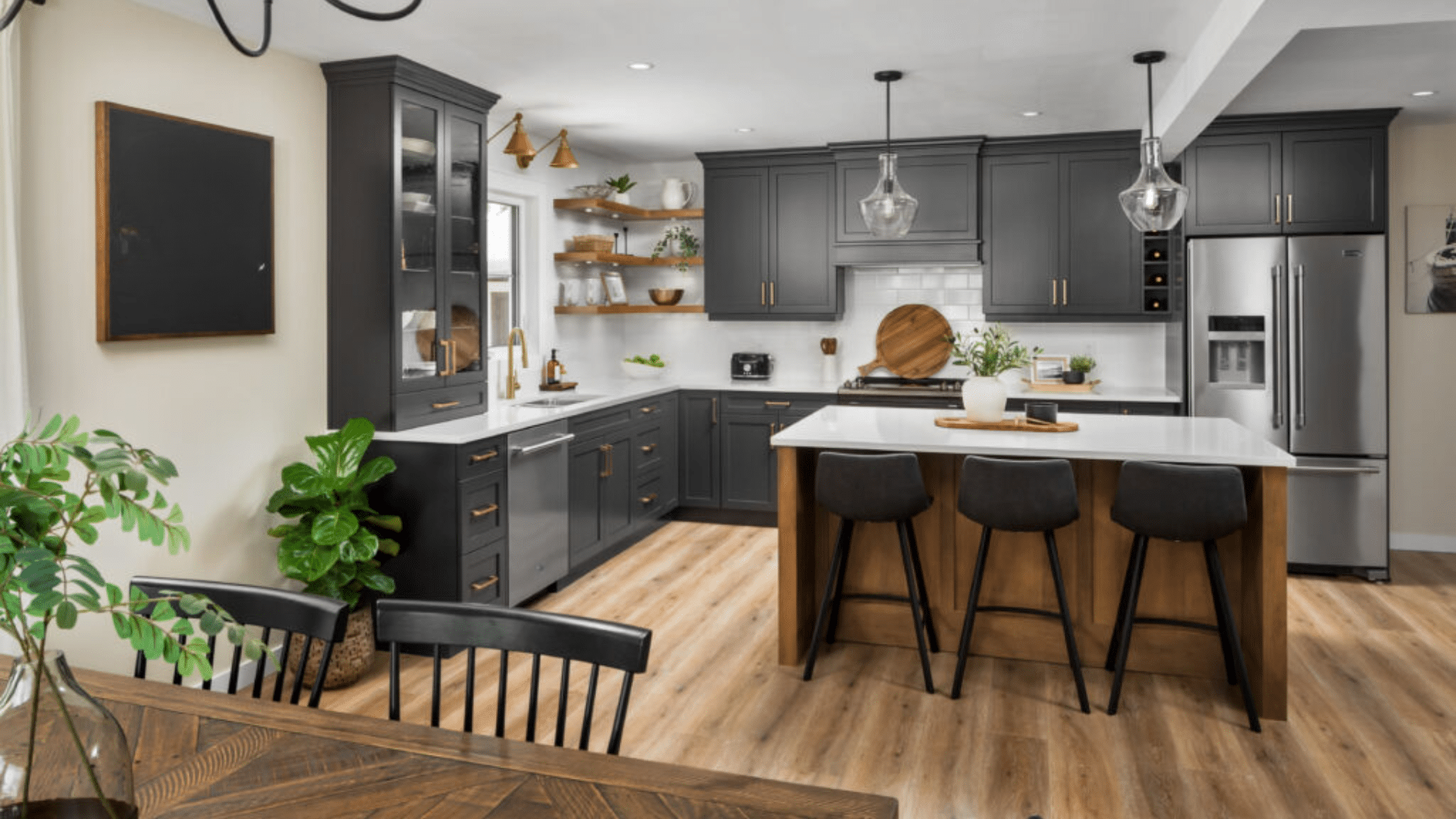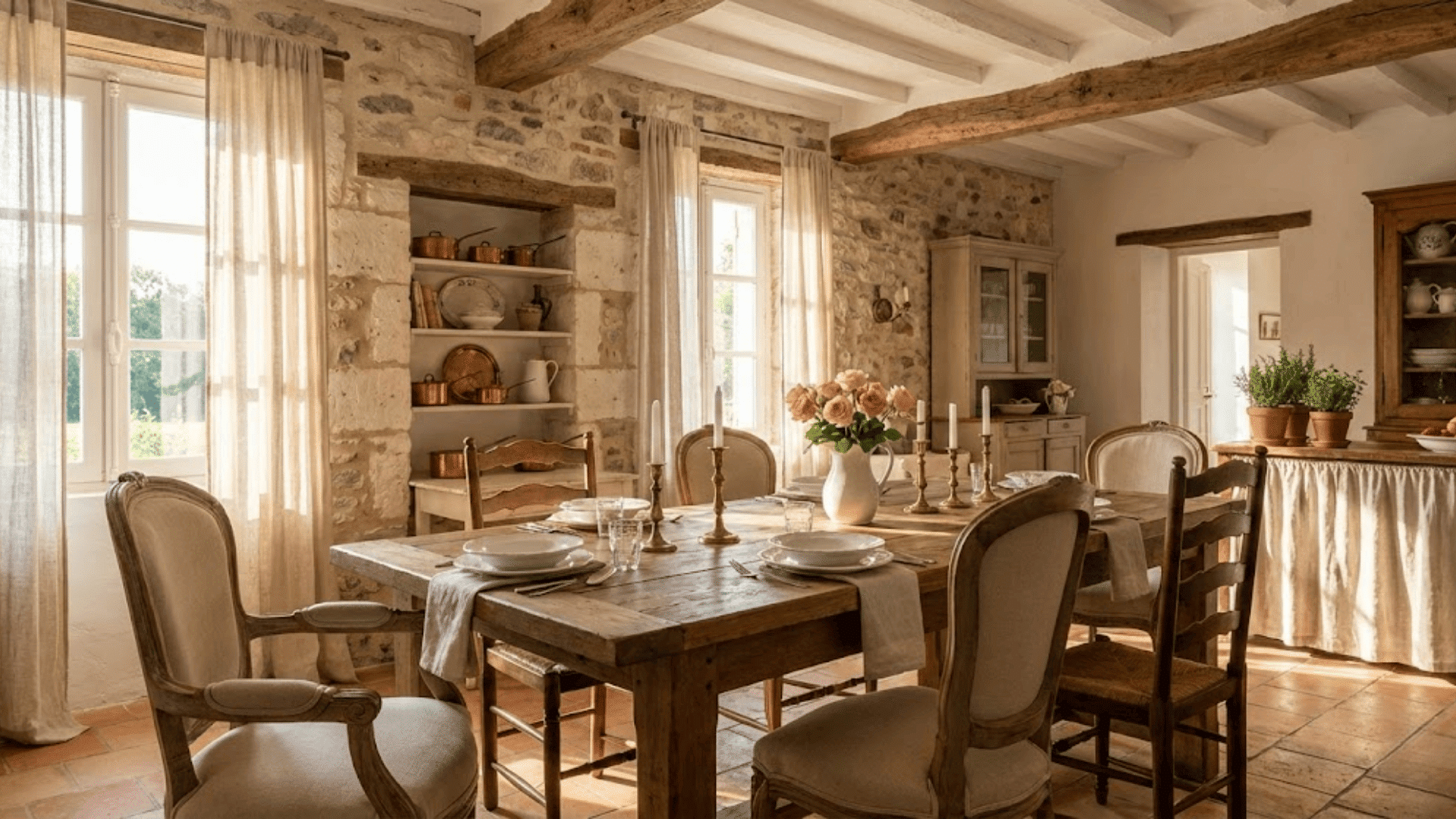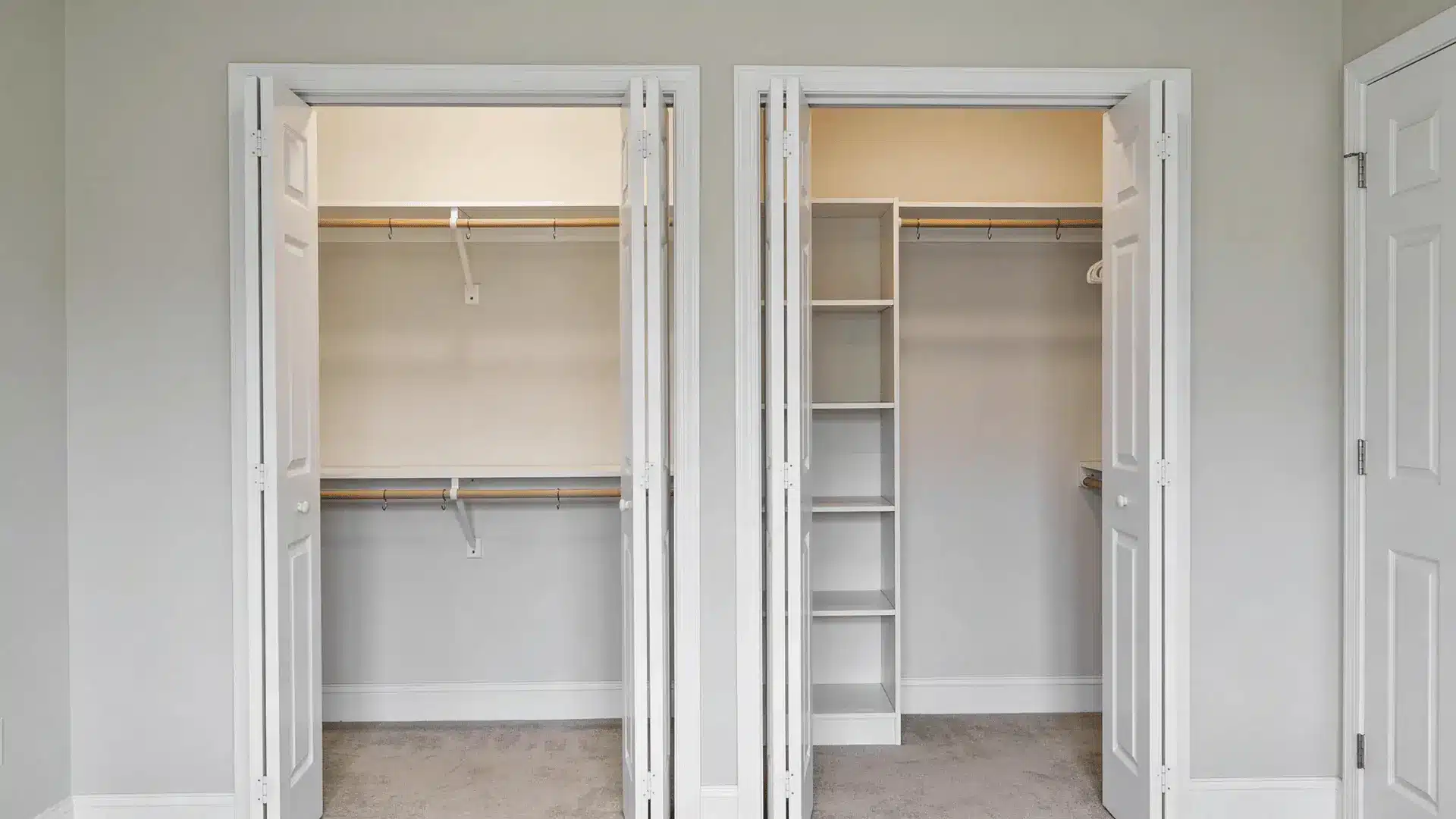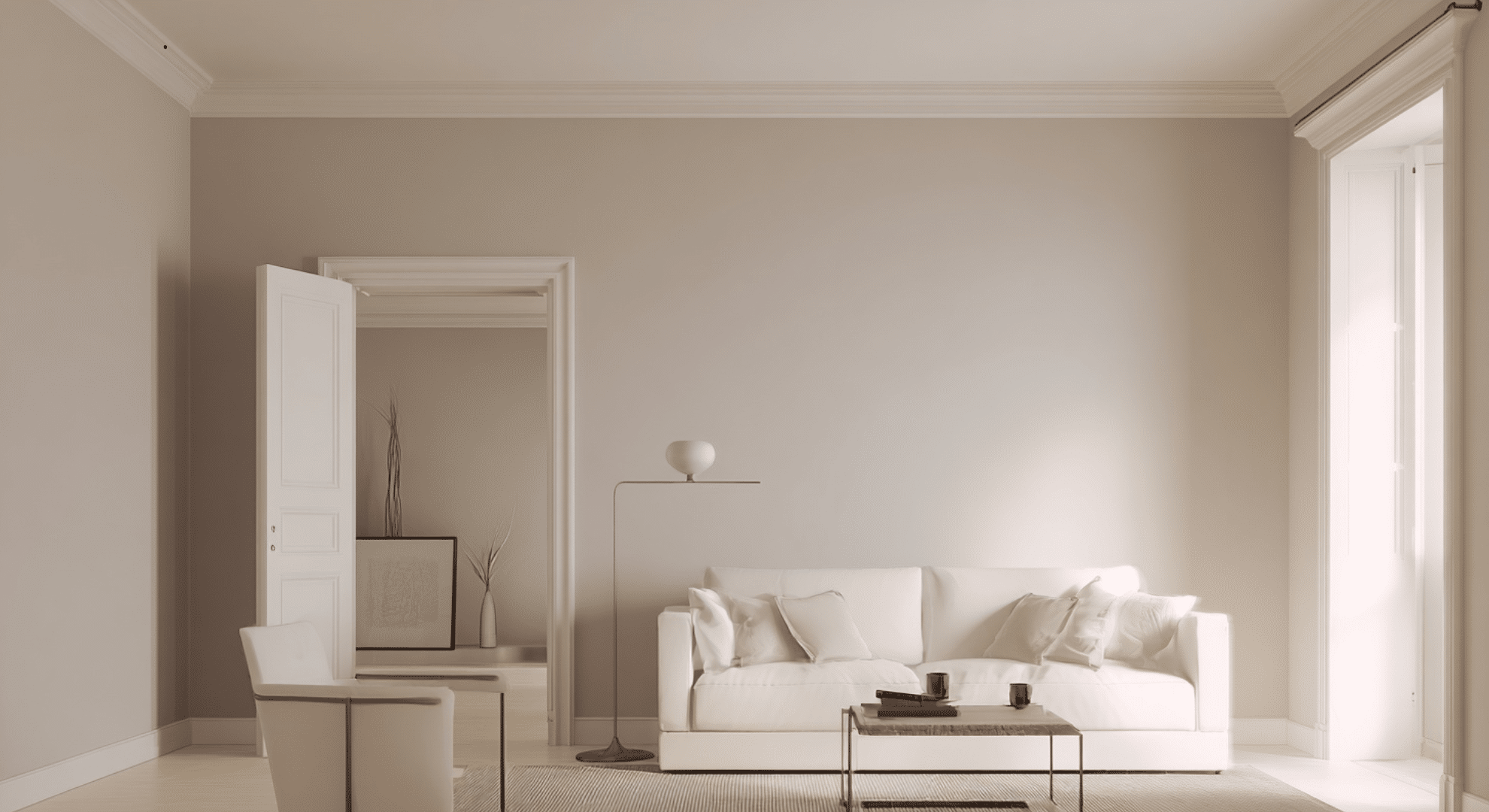
The moment I painted my walls and trim the same color, something unexpected happened. The room felt quieter, smoother, like it finally made sense. It wasn’t dramatic.
It was subtle, but it changed how I felt in the space. That small choice had a bigger impact than I expected.
You might be wondering if painting walls and trim the same color is too much or too plain. The truth is, it can make your home feel more open, calm, and put together, if done right.
In this blog, I’ll show you how to use this simple paint trick to shape the mood of your room, avoid common slip-ups, and choose the right colors.
Why This Question Sparks So Much Debate
Talking about painting walls and trim the same color often stirs up strong opinions. Designers usually love it. It helps a room feel calm, smooth, and pulled together.
Using one color removes distractions and lets the rest of the space shine. It also hides awkward shapes or trim that might otherwise stand out.
But many painters and homeowners push back. Painters take pride in clean lines between walls and trim. One color can feel like skipping a step. Homeowners may also feel more comfortable with the classic white-trim look they’re used to.
Then there’s social media. Photos online make one-color rooms look perfect. But real homes have shadows, scratches, and different lighting. What looks great online may feel off in your space.
In the end, there’s no one-size-fits-all answer. What matters most is how you want your space to feel. Your comfort and style are what really count.
What Changes When You Paint Walls and Trim the Same Color
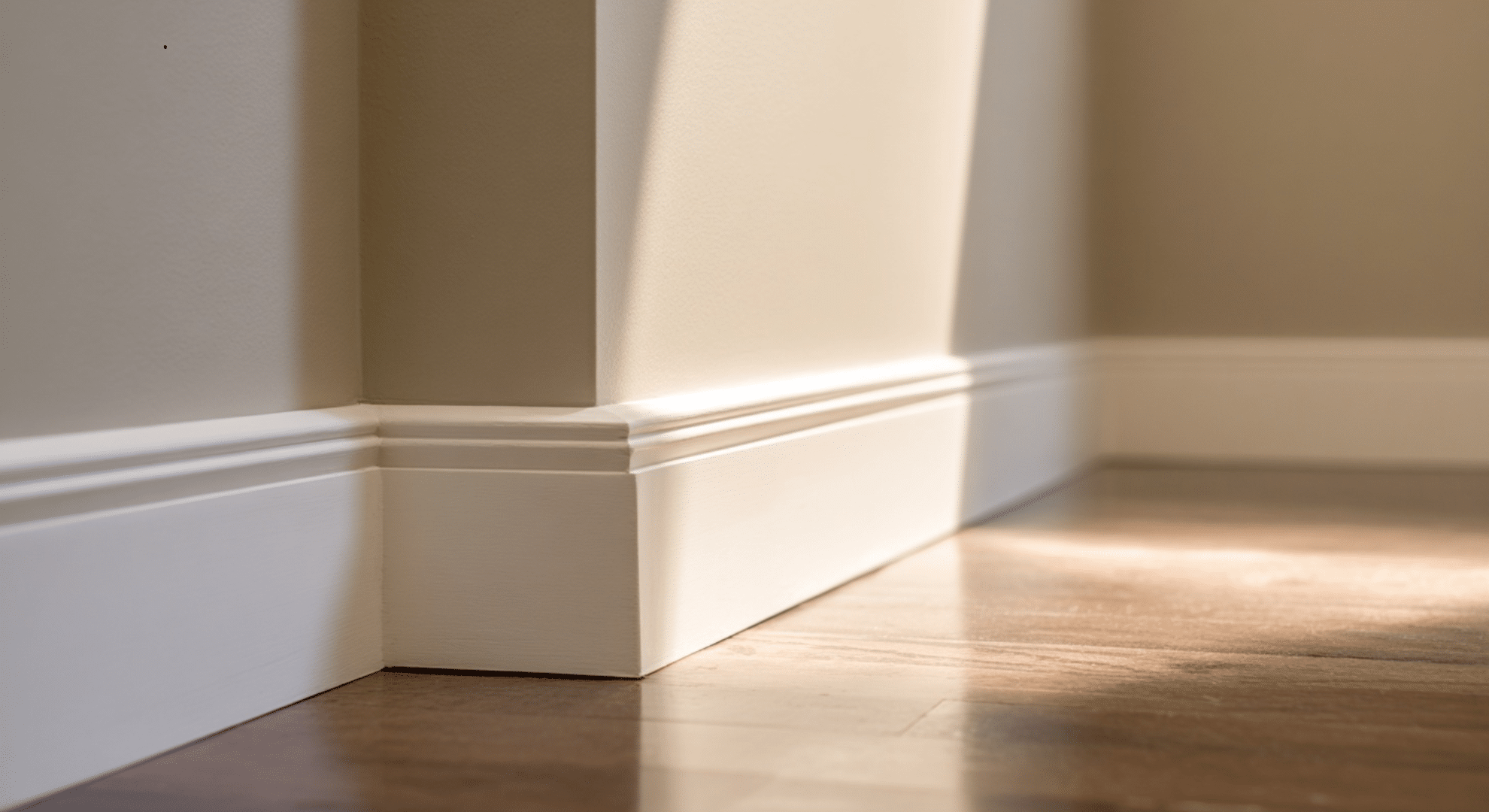
When you paint walls and trim the same color, your eyes stop jumping from one part of the room to another. Without sharp color breaks, the space feels softer and more relaxed. It’s not just about looks; it’s about how your brain reads the room.
Normally, trim acts like a border. It outlines windows, doors, and baseboards. That outline creates contrast, which makes things stand out. When you remove that contrast, the room feels smoother.
The edges blend in. Your eyes don’t stop and start as much; they glide.
That’s why people often say a room feels “bigger” or “calmer.” There’s less visual noise. The walls stretch out more. Corners feel softer.
But this only works when it’s done with thought. If the color is slightly off or the finish is wrong, it can feel like something got missed, not like a design choice.
The goal is to make the space feel connected and clean, not empty or plain. When done right, this one-color trick changes more than just how a room looks. It changes how it feels.
Style Preferences That Influence If This Works
Some styles welcome the look of painting walls and trim the same color. Others fight against it. This isn’t just about taste; it’s also about what the room was built to do.
Let’s look at when this choice feels natural, and when it can feel off:
Homes That Tend to Benefit From This Look
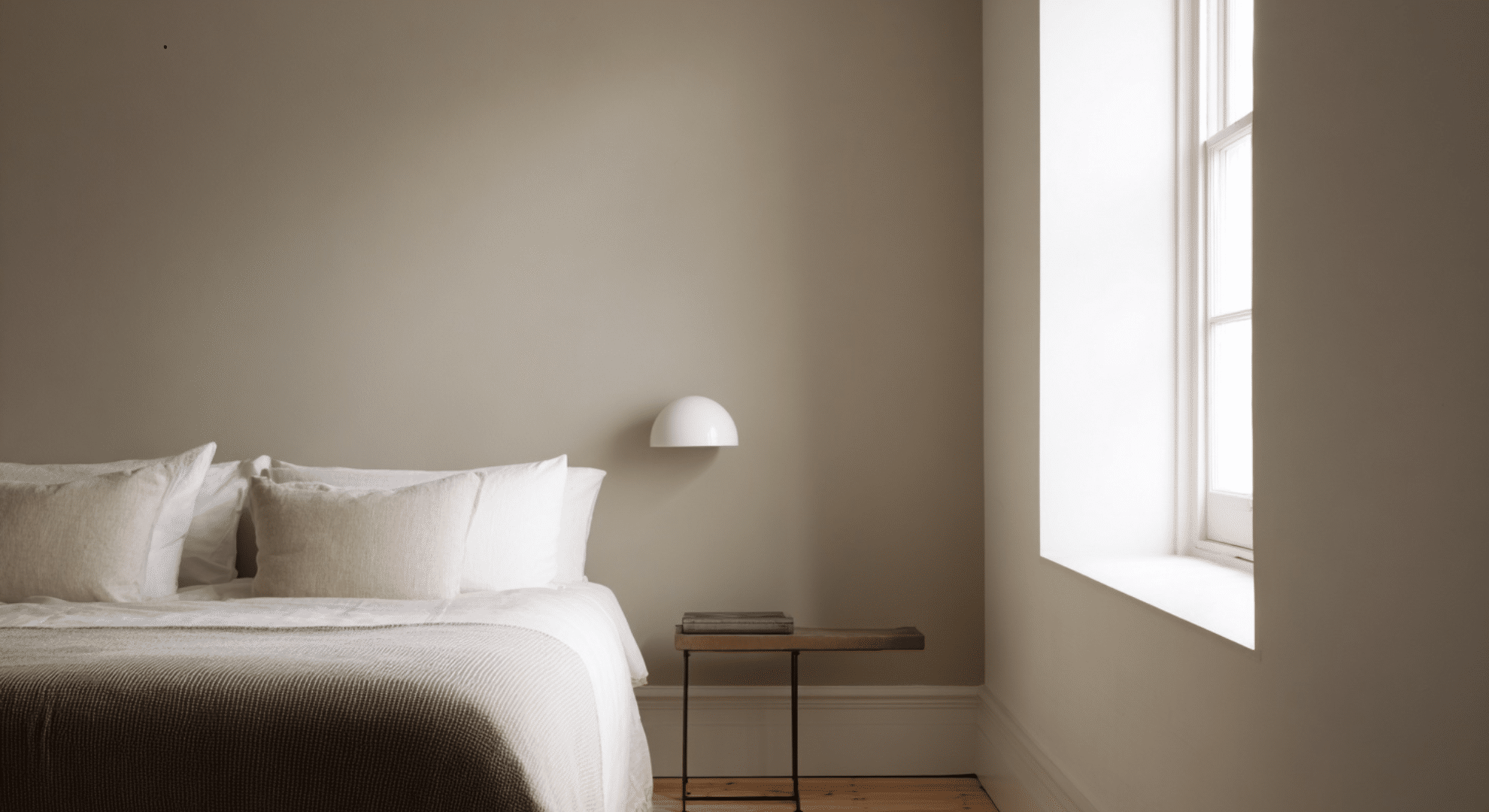
Modern and minimal spaces: These homes already focus on clean lines and fewer details. Using one color keeps things calm and simple.
Homes with simple trim profiles: If your trim isn’t fancy or bold, painting it the same color as the wall can help it blend in, instead of looking awkward or half-finished.
Rooms meant to feel quiet or enclosed: Bedrooms, offices, or cozy reading corners can feel softer and more relaxed when there are no sharp lines breaking up the walls.
Homes Where It Often Feels Wrong
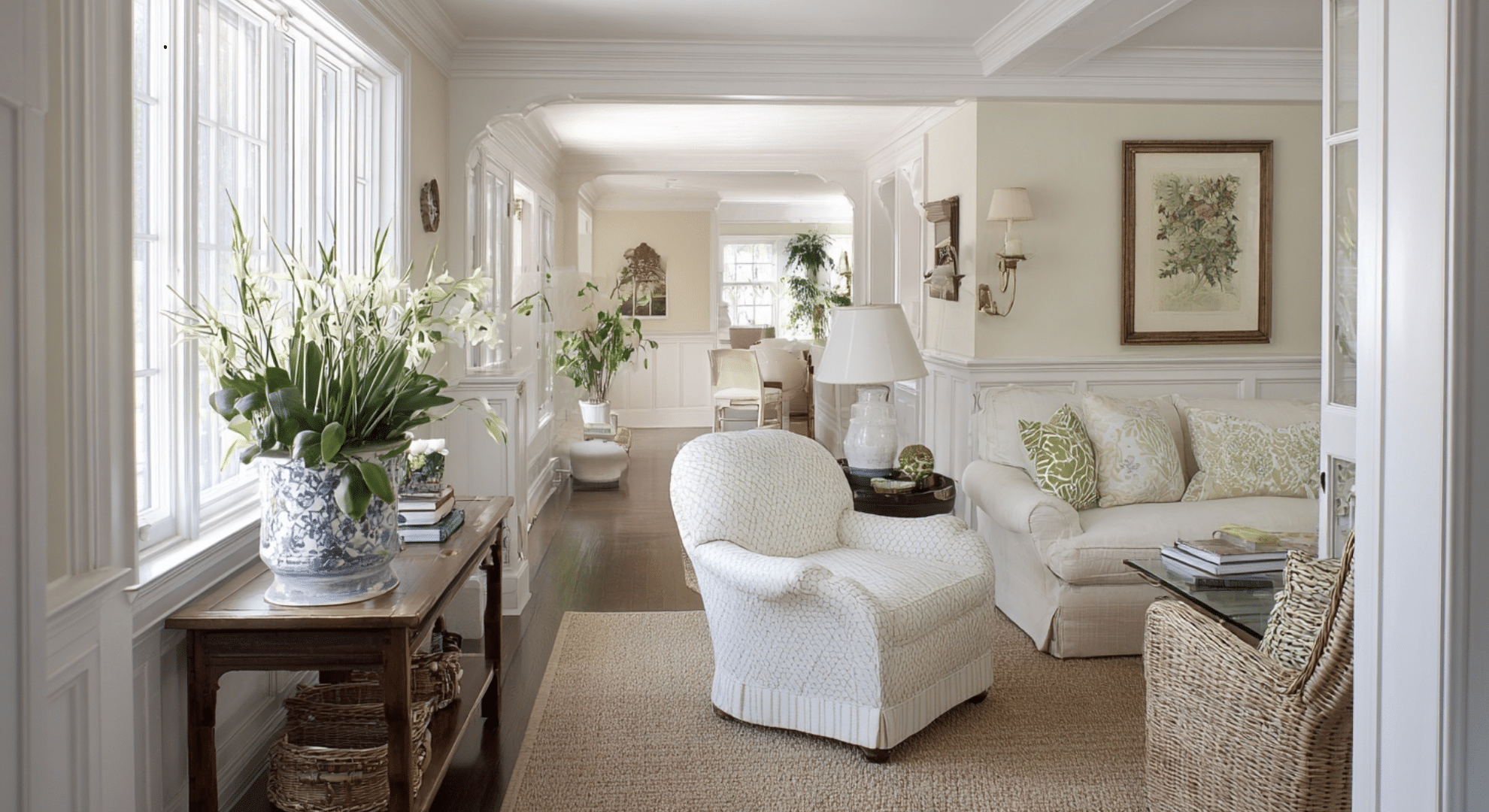
Highly traditional interiors: Classic homes often rely on contrast, especially white trim, to show off detail. Removing that contrast can feel like something’s missing.
Spaces with decorative or historic trim: If your trim has lots of curves, grooves, or woodwork, one color can flatten it out and hide what makes it special.
Rooms designed around contrast: In some spaces, the difference between light and dark is part of the design. Using one color here may take away that structure.
What Real Homeowners and Designers Commonly Say
When people talk about painting walls and trim the same color, both homeowners and design pros share honest views backed by real experience.
Many homeowners like the seamless look because it makes rooms feel larger and more harmonious. Removing contrast between trim and walls lets the eye move freely, which can make a space feel more open and calm.
Designers also point out this seamless effect as a strength, especially in modern or minimalist spaces where uninterrupted color ties everything together.
On the other hand, some homeowners worry that too much uniformity can make a room feel flat or dull.
Others miss the traditional look that contrasting trim brings, especially in classic or historic homes where architectural detailing is part of the appeal.
Designers agree that there’s no absolute rule: monochromatic schemes work beautifully in the right setting, but contrasting trim can add definition and character when that’s needed.
Ultimately, the choice should reflect your comfort and how you want your room to feel, not just what’s trending or what works in someone else’s house.
Personal preference and the way light interacts with your space matter most when making this decision.
The Role of Sheen
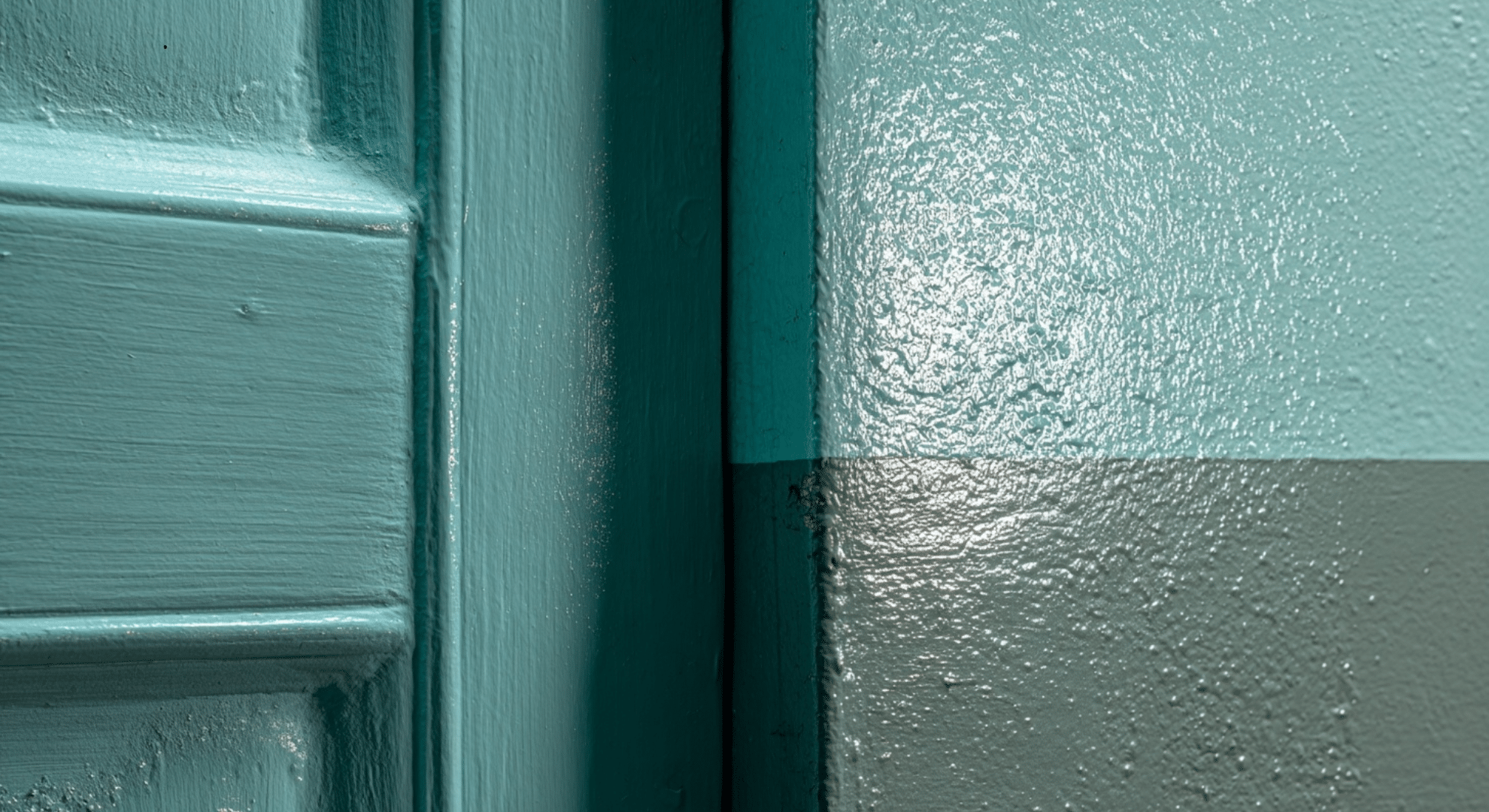
When you decide on painting walls and trim the same color, it’s easy to assume everything should match exactly,including the finish. But sheen plays a bigger role than most people realize.
Using the same color in different sheens can create just enough difference to add depth without using contrast. It keeps the look clean while still giving each part of the room its own place.
This quiet shift helps the trim stand out just enough without shouting for attention. Here’s how sheen works in different areas:
- Walls: A matte or eggshell finish works well on walls. It softens the look and hides small marks or dents.
- Trim: A satin or semi-gloss finish is better for trim. It’s more durable, easier to clean, and gives a slight shine that helps it stand out from the walls, without changing color.
- Doors: Like trim, doors take more handling, so semi-gloss is often a smart choice for both function and looks.
So even if everything is the same color, sheen lets you guide the eye in a subtle way. It adds a bit of structure without changing the calm feeling that a one-color room brings.
What About Doors, Baseboards, and Molding?
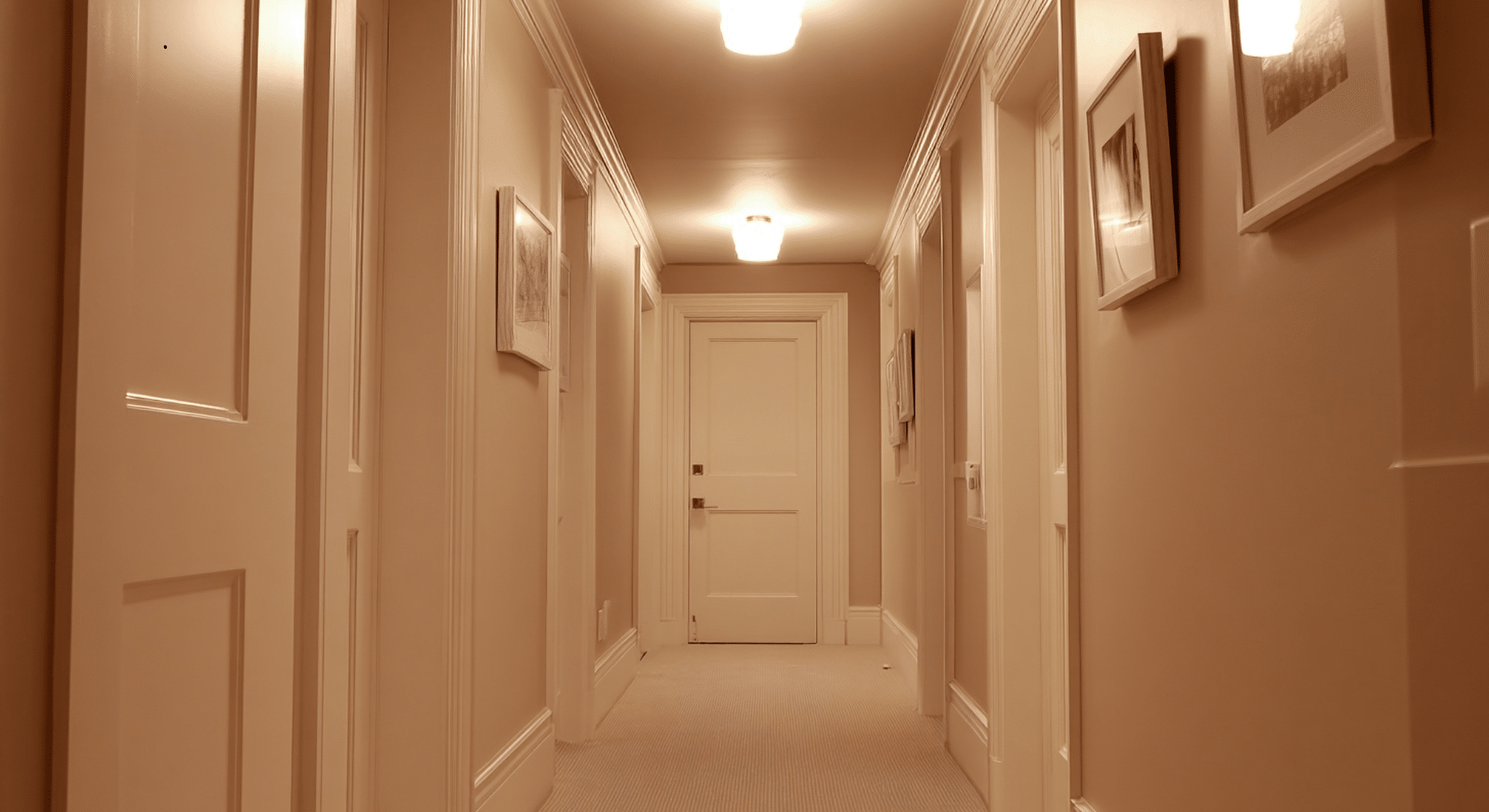
Once you commit to painting walls and trim the same color, the next question usually pops up fast: What about the doors, baseboards, and molding?
These parts often get overlooked, but how you treat them can make or break the look.
You don’t have to treat every surface the same, but it helps to understand how each one works in the room and how it affects the way things feel.
Some people paint doors to match the walls, which makes them almost disappear. This works great in smaller rooms or tight hallways where visual clutter builds up fast.
Other times, doors are painted to match the trim, giving them a clean, framed look that feels slightly more classic.
Still, in some homes, keeping doors a separate color like wood, black, or a deep accent tone makes sense. This works well in larger or more traditional homes where contrast brings structure.
Here’s what to consider:
Baseboards are low to the ground and often scuffed. Even if they match the wall color, using a semi-gloss finish makes them easier to clean and slightly more defined.
Window and door trim draw more attention. Matching them to the wall creates calm, but leaving them a different color gives stronger shape to the room.
The trick is to be clear about what you want each part to do. Should it blend in or stand out? Answer that, and the color choice gets easier.
How to Decide If This Is Right for Your Home
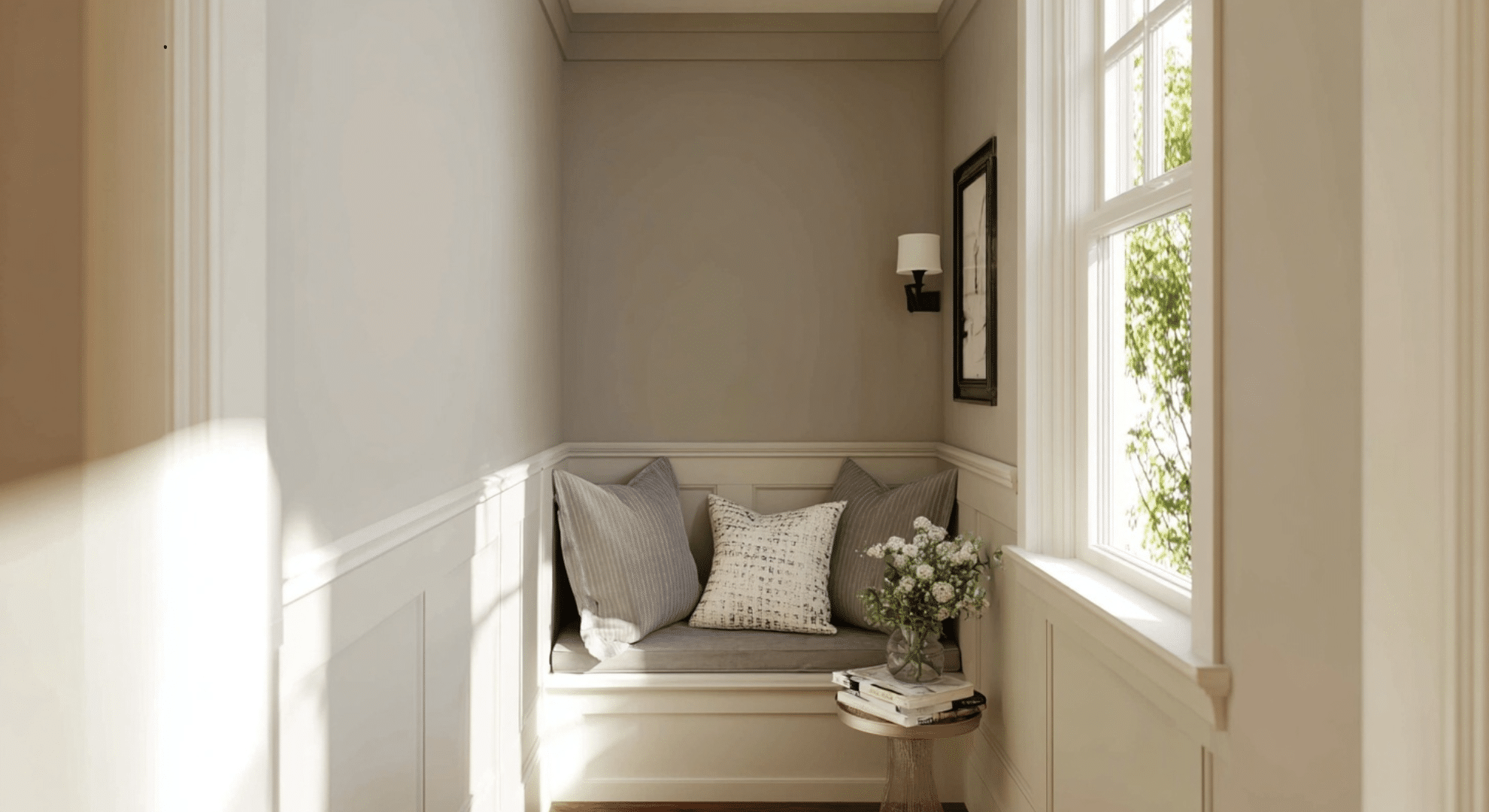
Before painting walls and trim the same color, it helps to slow down and ask yourself a few key questions. Do you want the room to feel soft and blended?
Or do you like strong outlines and contrast? Is your trim simple, or is it detailed and worth showing off? Your answers will guide the choice.
It’s likely to work if your space feels too busy, the trim is plain, or you want a cleaner, quieter look. But you may regret it if your home has detailed molding, strong natural light that highlights flaws, or if you love bold contrast.
Want to try it without fully committing? Start in a smaller space, like a powder room or hallway.
You’ll see how it feels in real life before doing a larger area. Testing with sample boards or using removable peel-and-stick swatches can also help you feel more confident before picking up the brush.
Is This a Trend or Something That Lasts?
Painting walls and trim the same color may feel trendy now, but it’s not new.
Older homes; especially historic ones, often used a single color across walls, trim, and even ceilings.
This created a cozy, enclosed feel, especially in rooms with high ceilings or deep wall colors. The idea faded for a while as white trim became the standard, but now it’s cycling back.
Why? People are looking for calm, simple spaces that don’t feel too busy. One-color rooms help with that. But to make it feel timeless, not trendy, focus on how it fits your home.
Choose colors that feel natural in the space. Keep the finish practical. Pay attention to how the light hits each surface.
If it suits your style and space, it won’t feel dated later. It’ll just feel right for years to come.
Common Mistakes That Lead to Regret
Painting walls and trim the same color can look great but it’s easy to get wrong if you don’t plan carefully. A few small choices can lead to results that feel off or unfinished.
- Choosing the wrong sheen for trim or doors: Too flat and it scuffs easily; too shiny and it looks harsh.
- Not testing the color in different lighting: Colors shift throughout the day and may look dull or too dark.
- Forgetting to patch or prep trim properly: Painting over damaged trim without smoothing it first makes flaws more obvious.
- Using different paint types with slightly different tones: Even a tiny color mismatch between walls and trim can stand out.
- Skipping color samples on actual surfaces: Paint chips don’t show how color behaves on wood or textured walls.
- Trying it in a large room first: Bigger rooms show mistakes more clearly; start small.
- Forcing it into a style that doesn’t support it: This look can clash in homes with bold trim or high contrast decor.
Getting it right takes a little thought, but avoiding these mistakes makes a big difference in how the final room feels.
Conclusion
What surprised me most about painting walls and trim the same color was how it made the room feel quieter like it stopped trying so hard. It didn’t scream for attention; it just worked. No flash. Just ease.
Now it’s your turn to look at your space with fresh eyes. Does it feel too broken up? Too busy? Or maybe it just needs less contrast to feel more like home. You don’t need to change everything. Sometimes, one calm choice is enough.
Keep in mind: sheen does the quiet lifting. Same color, different finish: small shift, big difference.
Liked this kind of real talk? There’s more where that came from. Scroll through the website for more ideas that actually feel doable!