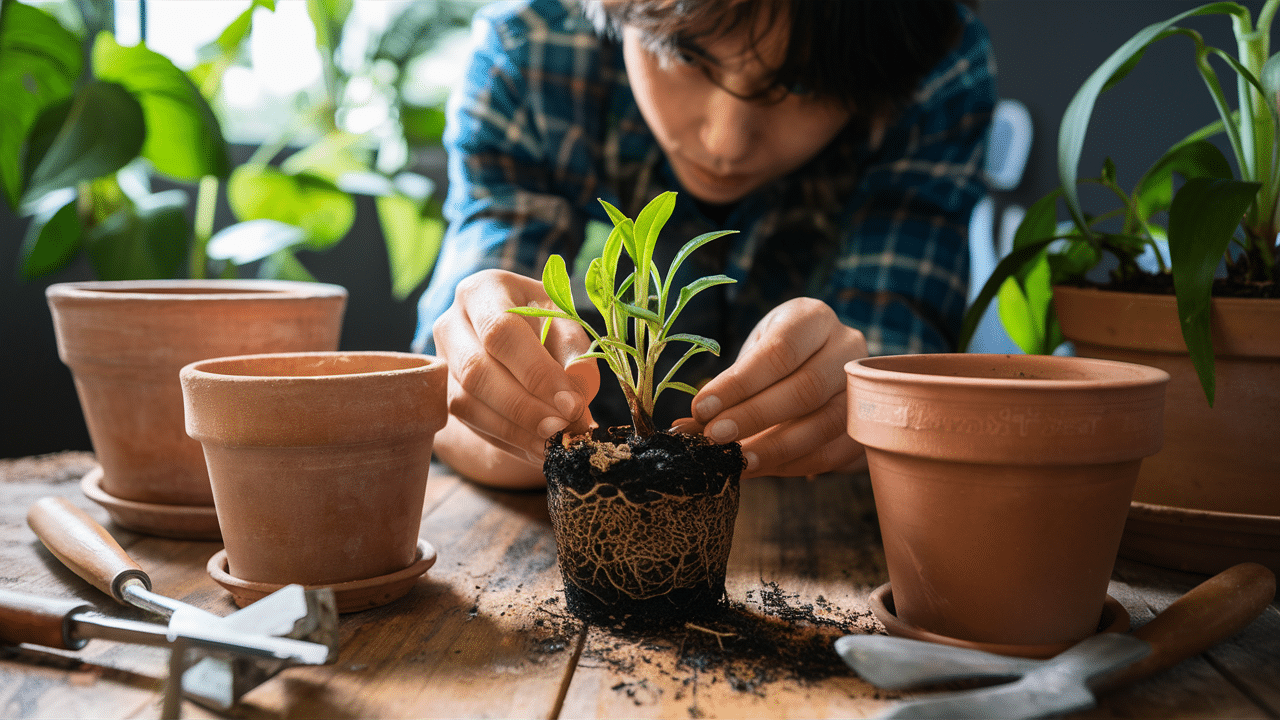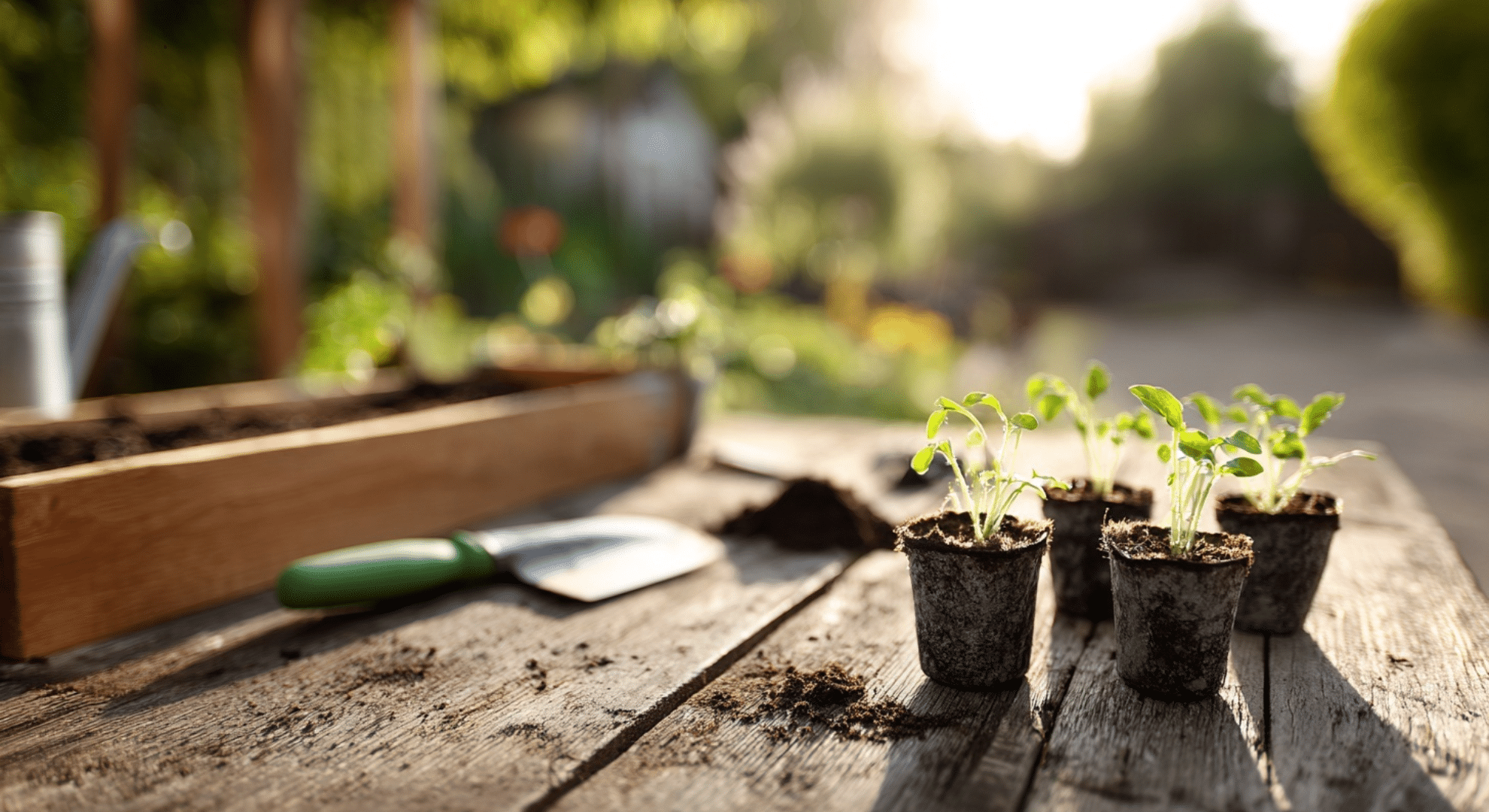
Some plants grow just fine on their own. But young seedlings? They need help.
If you’ve ever started seeds indoors, you know they can look weak or floppy. That’s because they’re not ready for the outdoors yet.
Hardening off seedlings means getting them used to life outside. It’s like giving them training wheels before they face wind, sun, and cooler nights.
I’ll walk you through how I handle this step-by-step, so you don’t lose your plants right after all that early work. You’ll learn when to start, how long it takes, and what to watch out for.
You’ll also get tips to fix common mistakes that can set your plants back. Stick with me, your plants are about to get stronger.
Why Seedlings Struggle When Moved Outdoors
Seedlings grow up soft indoors. They get steady light, no wind, and warm, cozy air. Everything is calm. But outside? It’s a whole different world. The sun is much brighter than any grow light.
The wind pushes and pulls on their thin stems. And the temperature goes up and down, sometimes fast.
To a young plant, that change feels like a shock. Even healthy seedlings can’t handle it right away. Their leaves can burn. Their stems can bend or snap. They can stop growing or even die.
This happens because indoor plants don’t build strength like outdoor ones do. Their skin is thinner. Their roots are not ready for stress. That’s why any move outside needs to happen slowly.
Even skipping a few steps can hurt them. So, the way you help them shift from inside to outside really does matter, even if it feels like a small thing.
What Hardening Off Seedlings Actually Means
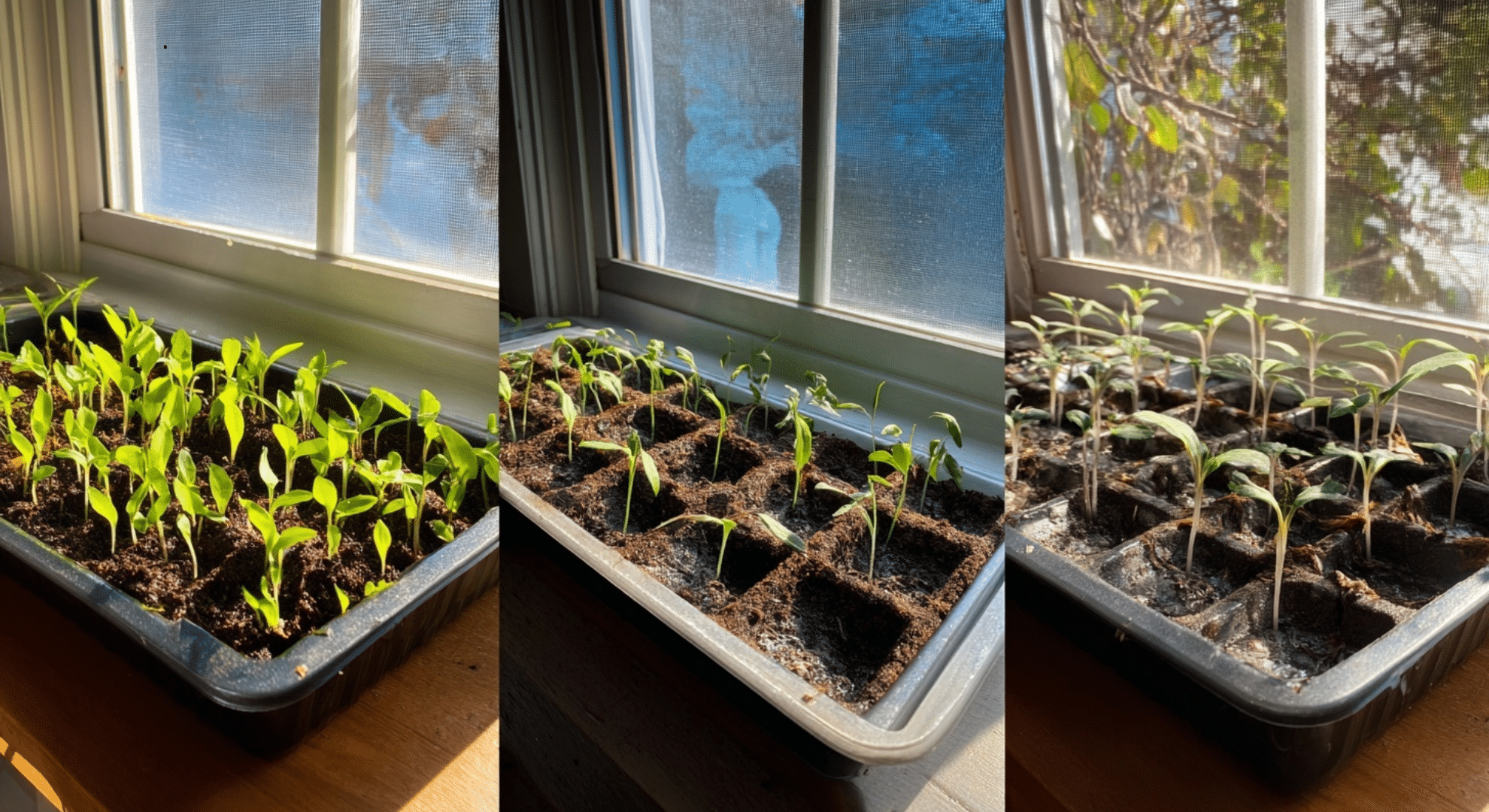
Hardening off seedlings means slowly getting them used to the outdoors. It’s like easing into cold water instead of jumping right in.
You take them outside a little at a time: just an hour or two at first, then bring them back in. Over several days, you increase how long they stay out.
This process triggers real changes inside the plant. Their stems get tougher. Their leaves grow a thicker surface to handle stronger light. The roots learn to work harder in cooler, less steady soil.
That’s what acclimation means is getting used to new conditions bit by bit. It’s not just about surviving; it’s about helping the plant adjust so it can thrive.
But here’s the thing: it’s not forever. You don’t have to do this every day, once it’s done. It’s a short period that prepares your plants for a full life outdoors, all on their own.
Do You Always Need to Harden Off Seedlings?
In most cases, hardening off seedlings is a must. If you’ve grown them indoors under grow lights or on a windowsill, they’ve been sheltered.
These plants haven’t felt real sun, wind, or cold nights, so going straight outside can shock them. This step is not optional if you want your plants to live and grow strong.
That said, there are times you can shorten the process. If the weather has been mild or your seedlings have had time near an open window or a covered porch, they might already be a little tough.
You can also ease up if they’ve had time outside in a cold frame or unheated greenhouse. Here’s a quick guide to help:
| Source of Seedlings | Hardening Off Needed? | Why |
|---|---|---|
| Indoors under grow lights | Yes | No exposure to outdoor conditions |
| Greenhouse (heated) | Yes | Still protected, light filtered |
| Greenhouse (unheated) | Maybe | Some exposure to cold, less shock |
| Store-bought (outdoor area) | Maybe or No | Often already hardened off |
If you’re unsure, it’s safer to give them a few days of adjustment. A little caution can save weeks of lost growth.
The Traditional Hardening Off Method
The traditional way to harden off seedlings takes about 7 to 14 days. You start by putting plants outside in a shaded, sheltered spot for a short time: maybe 1–2 hours.
Each day, you leave them out longer and give them a bit more sun and wind. By the end of the process, they’re staying out all day and night.
This method exists for a reason: it protects young plants from stress. Sudden exposure to strong sunlight, wind, or cool air can shock their system.
The leaves can burn, the stems can droop, and the whole plant may stop growing.
This full method is best for first-time growers, anyone with delicate seedlings, or people growing plants indoors from scratch.
If you’ve put in time to raise plants from seed, it’s worth giving them the full care they need before planting them in the ground for good.
Lazy and Efficient Ways to Harden Off Seedlings
You don’t always need to carry trays in and out every day. If you’re short on time or just want to make it easier, there are smarter ways to do it that still protect your plants.
These methods cut down the work while keeping your seedlings safe:
The Overcast Weather Method
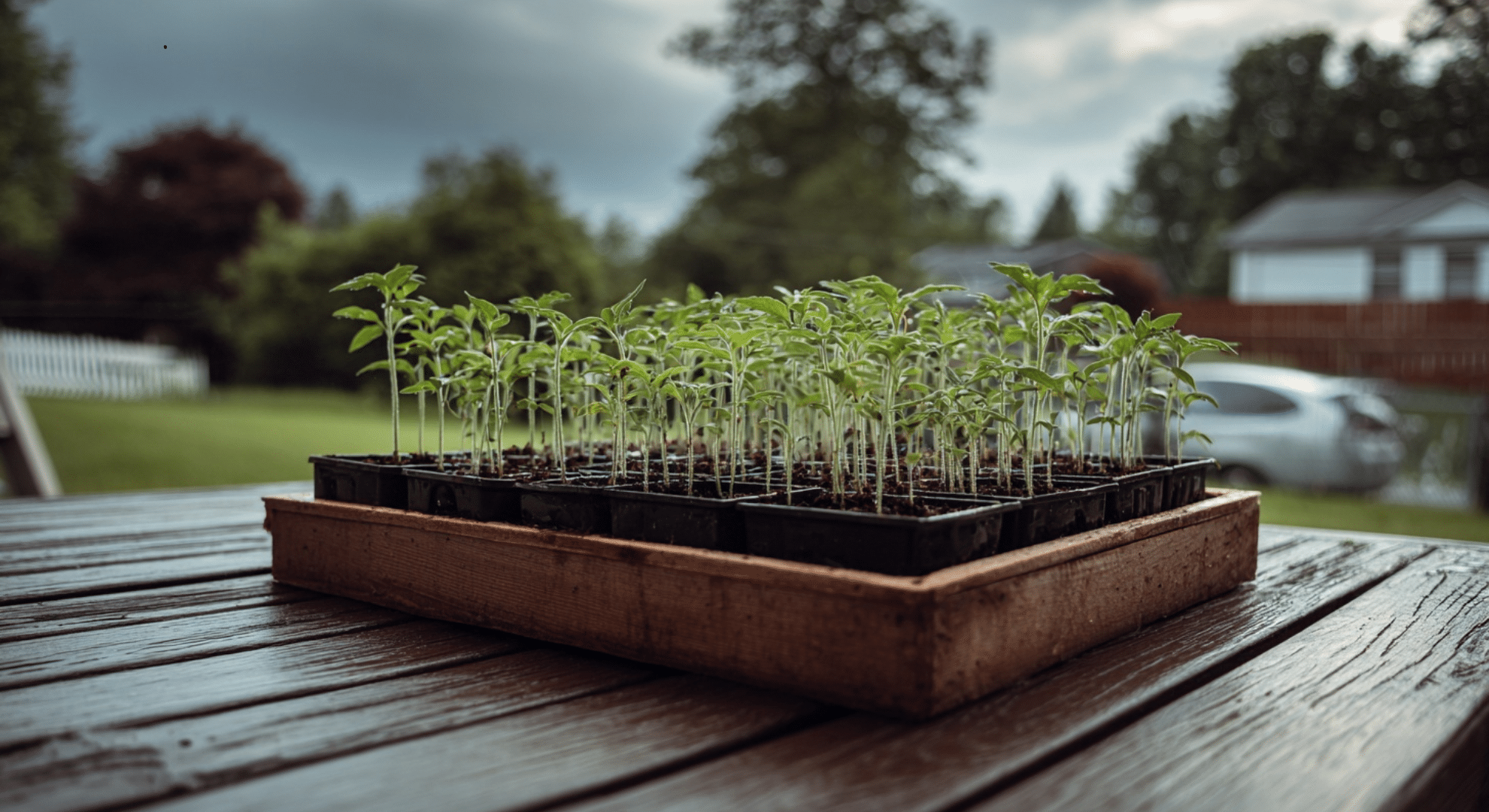
Cloudy days act like a natural soft filter. The sunlight is gentle, so seedlings don’t get shocked. It’s one of the easiest ways to start hardening off with less work.
- Start on mild, overcast days for short periods outside
- Avoid direct sunlight during early outings
- Use this method in early spring or during cool weather
It’s a hands-off start, but still keep an eye out for wind or sudden cold.
The Partial Shade Shortcut
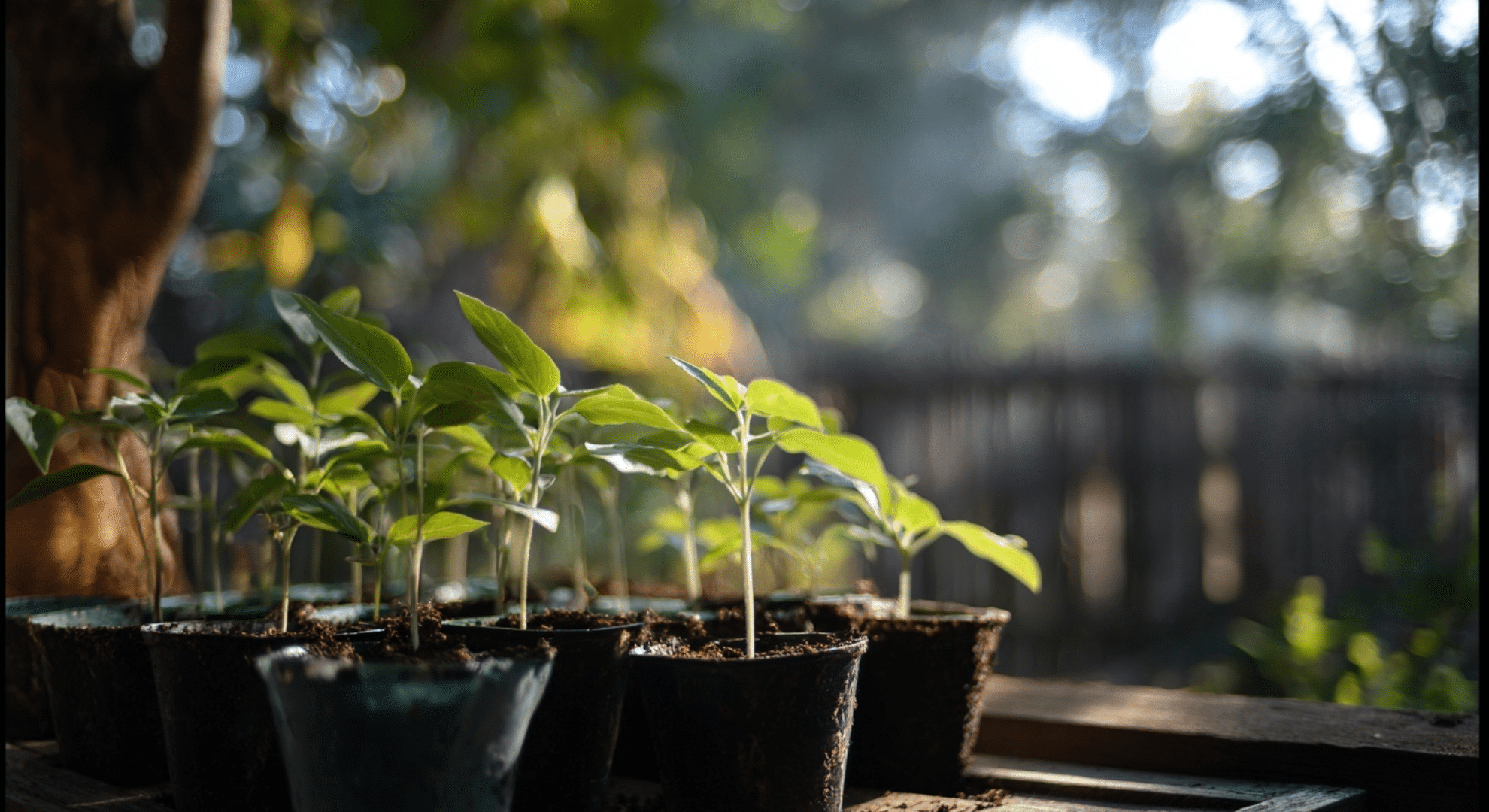
Using shade from trees, walls, or porches gives your seedlings cover from strong sun while still getting them used to the outdoors.
- Choose east-facing spots for softer morning light
- Avoid west-facing areas that get hot afternoon sun
- Leave trays in shaded areas to avoid moving them often
This trick saves time and works great if you have a steady spot with natural shade.
The Cold-Frame or Covered Setup
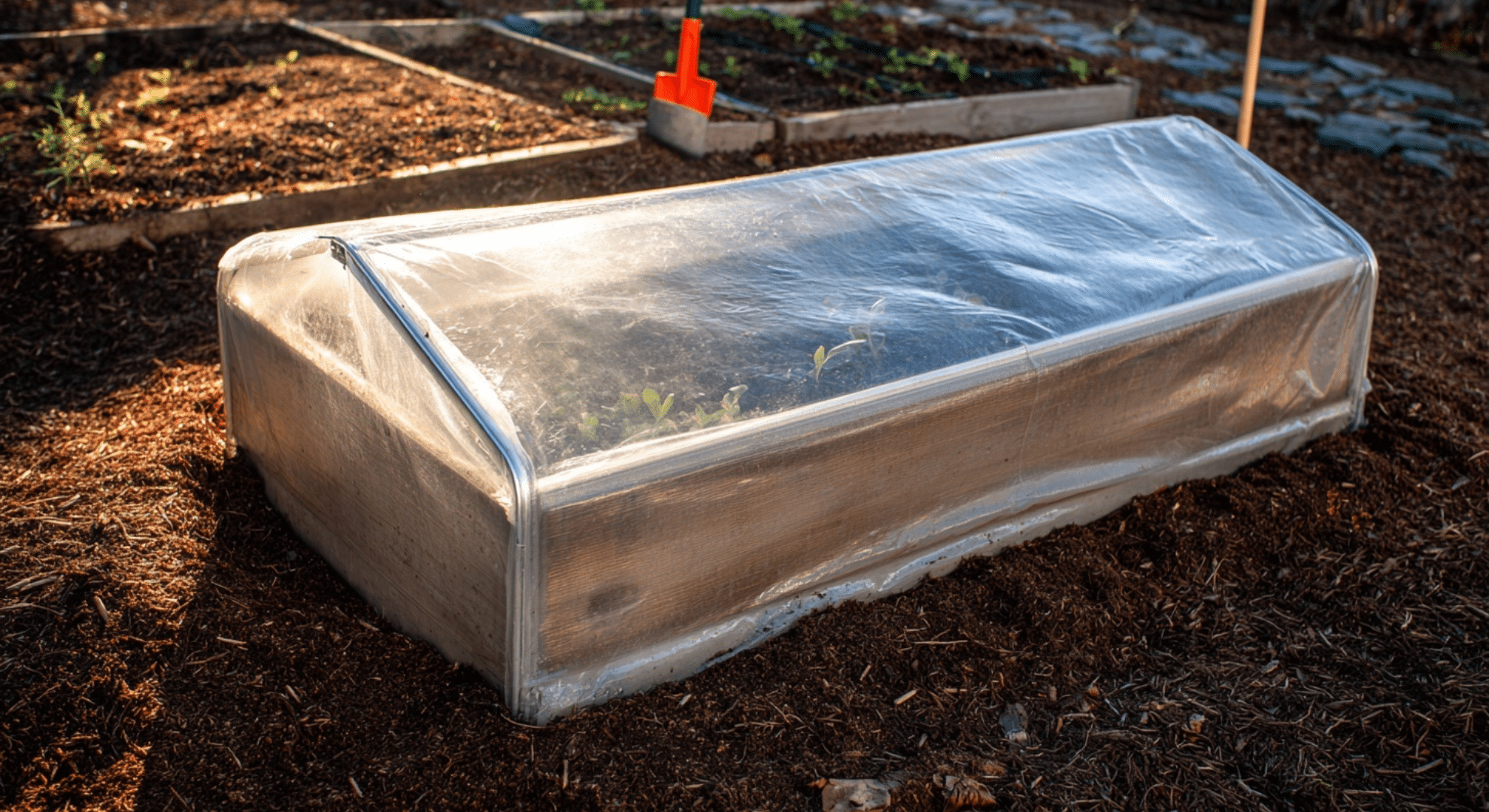
Cold frames, row covers, or clear bins act like soft shields. They protect from wind, chill, and strong sunlight while letting seedlings get used to outdoor air.
- Use lids or covers to trap warmth and reduce harsh exposure
- Open during the day to avoid overheating
- Close at night or during cold snaps
This setup is perfect if you want to “set it and check it” without moving trays back and forth.
What “Lazy” Does NOT Mean
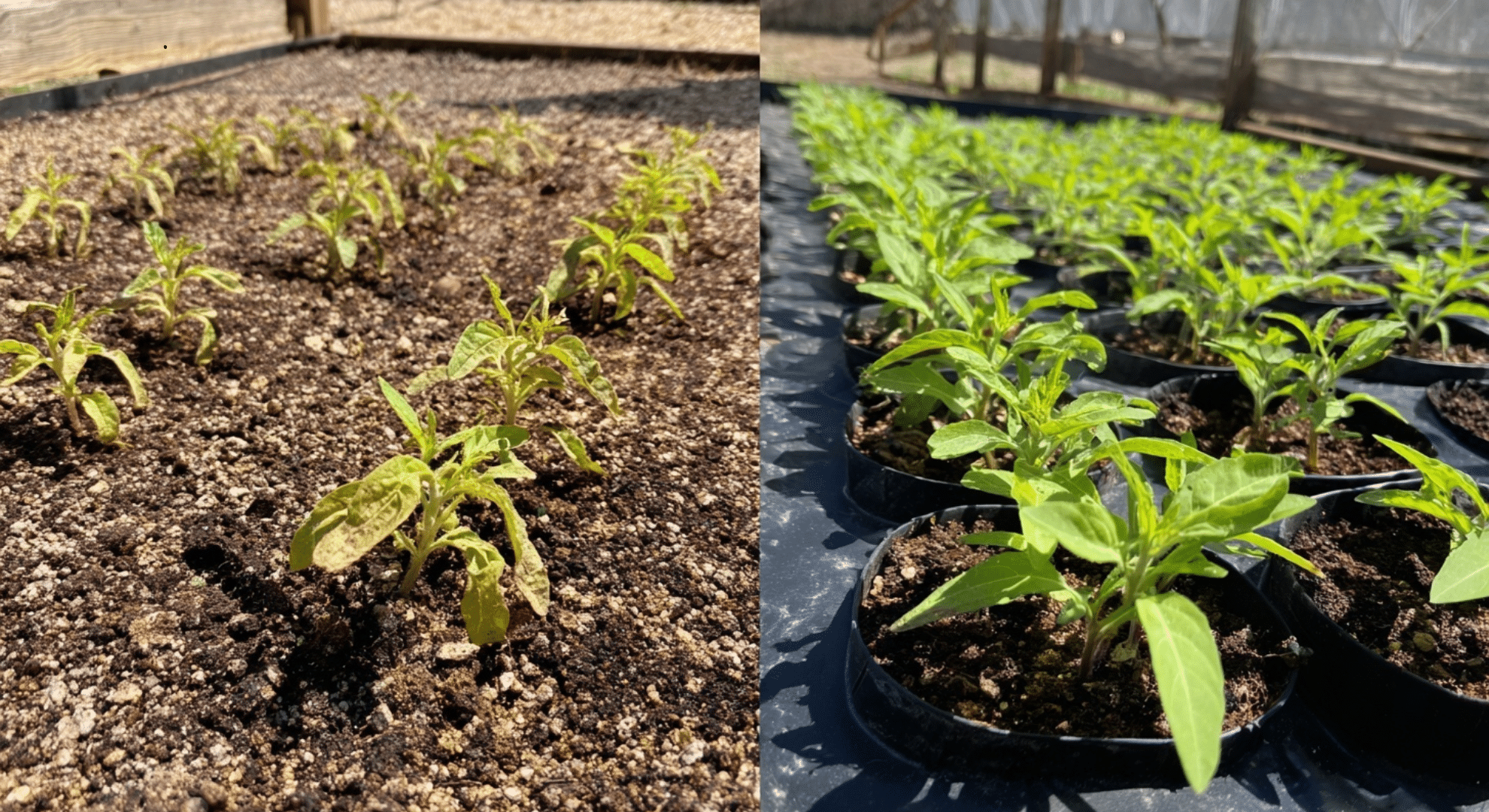
Skipping hardening off completely can backfire. Seedlings may wilt, burn, or stall out. If leaves start curling, bleaching, or turning dry, it means you rushed.
These shortcuts still need your eyes and quick action if something looks off.
Lazy doesn’t mean careless; it just means smart, low-effort ways that still give your plants a chance to grow strong. Pay attention, even if you’re doing less.
How Long Hardening Off Really Takes
The time it takes to harden off seedlings isn’t the same for every plant. Some bounce back fast. Others need more time to toughen up. Knowing what affects the timeline helps you avoid pushing too fast or dragging it out too long.
- 7 days is often enough for hardy plants like lettuce, kale, or marigolds
- Closer to 14 days is better for slower growers like tomatoes, peppers, and basil
- Cool, cloudy weather can make the process easier and faster
- Hot sun, strong wind, or cold nights slow things down and add stress
If you see signs of stress like leaf curl, color fading, or drooping, just pause. Move them back to shade or indoors for a day or two, then pick up again. You don’t have to start over.
Just let your plants catch their breath before continuing.
Hardening Off Based on Plant Type
Not all plants need the same treatment when moving outdoors.
Some handle stress better, while others need extra time.
Here’s a quick guide to help you adjust based on what you’re growing:
| Plant Type | Examples | Speed | Key Needs | What to Watch For |
|---|---|---|---|---|
| Tender Crops | Tomatoes, Peppers, Eggplants | Slow (10–14 days) | Warm temps, low wind, gentle sun | Avoid cold nights below 50°F |
| Cool-Season Crops | Lettuce, Kale, Cabbage, Broccoli | Fast (5–7 days) | Tolerates cool air, okay with partial sun | Watch for frost or drying wind |
| Herbs | Basil, Parsley, Thyme, Cilantro | Varies | Basil is tender; others adjust faster | Basil needs warmth, cilantro bolts in heat |
| Flowers & Ornamentals | Marigolds, Petunias, Impatiens | Medium (7–10 days) | Gentle light early, build sun over time | Petunias and impatiens burn easily |
Even with tougher plants, rushing can lead to shock. Go at the plant’s pace, not the calendar’s.
Weather Conditions That Change Everything
Even if your schedule is perfect, the weather can flip your plan upside down. Quick shifts in temperature, wind, or sun can stress seedlings fast.
The good news? You don’t have to start over, just pause and adjust.
- Cold nights: Bring plants in if temps drop below 50°F, especially for warm-season crops
- Heat spikes: Move seedlings to shade and reduce sun exposure hours that day
- Windy locations: Block strong wind with fences, boxes, or place seedlings near walls
- High-UV regions: Use shade cloth or start with early morning sun only
- Sudden storms: Keep trays portable or set up covers to shield from heavy rain
- Chilly mornings: Wait until mid-morning before putting seedlings out
Think of hardening off like a dial, not a switch. If the weather turns, just turn the dial down a bit—then keep moving forward when it settles.
Signs Your Seedlings Are Struggling
When seedlings are having a hard time adjusting, they’ll show you, if you know what to look for. One of the first signs is leaf burn.
This shows up as pale spots, white patches, or crispy edges, usually after too much sun. Another red flag is wilting, even when the soil is moist. That often means wind or temperature stress, not water problems.
Curling or cupping leaves can also signal stress, especially if it happens right after a big weather change. If your plants stop growing or seem “stuck” for several days, that’s another clue they’re not adjusting well.
Sometimes the plant color fades, turning a dull green or even purple; that’s a sign they’re cold or under too much pressure.
If you catch these signs early, you can ease up, give them a break in the shade or indoors, and restart the hardening process more slowly.
Common Hardening Off Mistakes
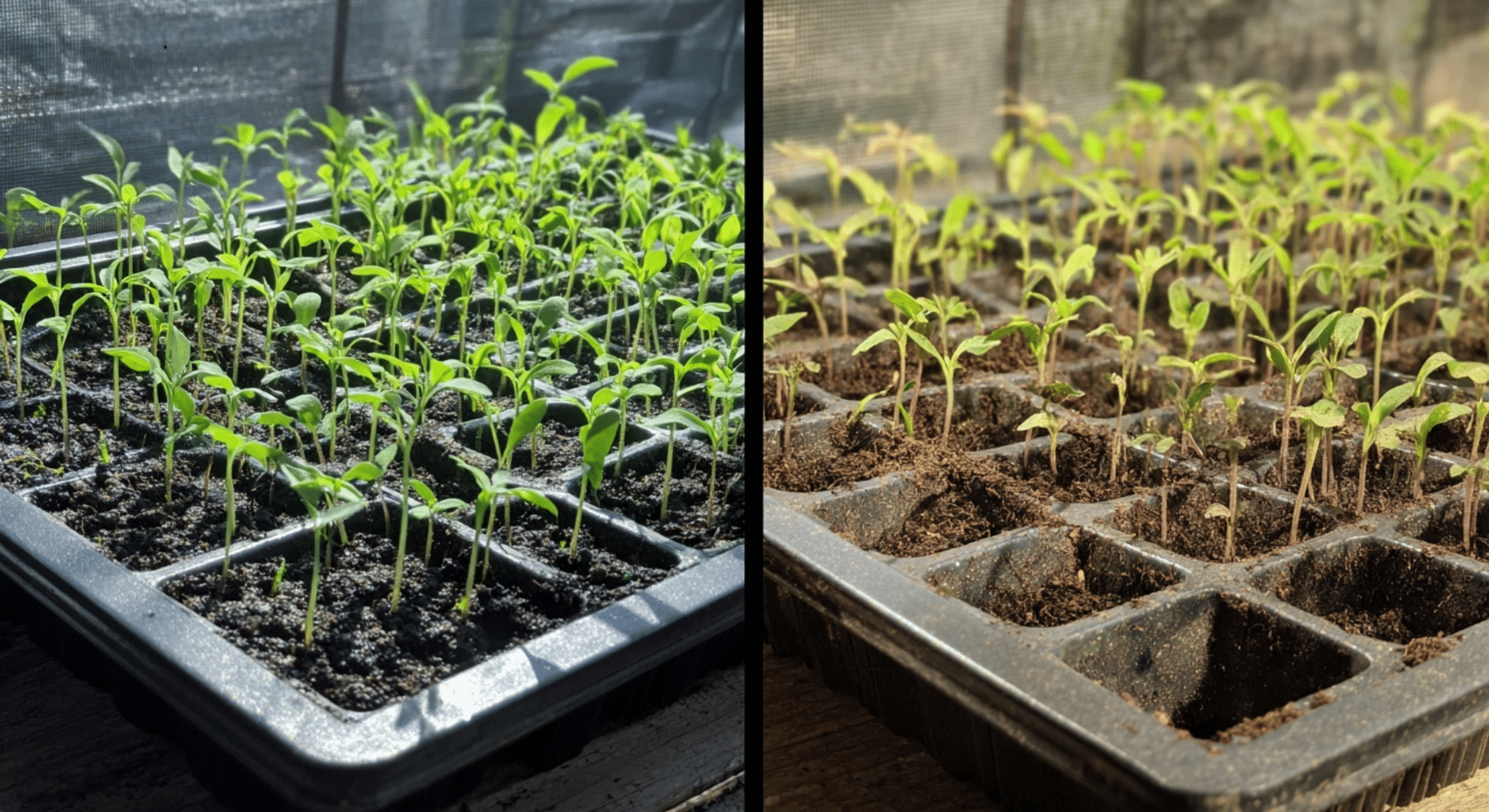
Even with the best intentions, it’s easy to make small mistakes that lead to big setbacks. Here are some of the most common ones to watch out for:
- Jumping straight to full sun on day one, this burns leaves fast
- Leaving plants out overnight too soon when temps are still too cold
- Ignoring the wind, even a light breeze can snap weak stems
- Not checking the weather, sudden rain or heat can ruin your progress
- Keeping them out too long too early, especially on bright or breezy days
- Skipping days, then jumping back in as if nothing changed
These mistakes can slow growth or even kill young plants.
The key is to go steady and watch your seedlings closely. If they show stress, pull back for a day or two. Starting slow is better than starting over.
Know When Seedlings Are Ready for Transplanting
You’ll know your seedlings are ready for the garden when they start acting less like fragile babies and more like strong young plants. One clear sign is stem strength.
If you gently touch the stem and it feels sturdy, not floppy or thin, they’ve likely toughened up enough. The leaves will also feel different.
Instead of being soft and delicate, they’ll be thicker and more textured, showing that they’ve adjusted to sun and air.
Nighttime tolerance is another big clue. If your seedlings can stay outside overnight, especially when temperatures stay above 50°F, without drooping or showing stress, they’re probably ready.
A healthy plant will also start showing new growth: fresh leaves, longer stems, or a brighter green color. That means the roots are still working and the plant is on track.
If your seedlings look steady each day with no signs of burn, curl, or weakness, it’s time to get them into the soil.
Conclusion
Hardening off seedlings isn’t hard, it just takes a little time and care. I’ve learned that this small step can make a big difference in how well my plants grow once they’re outside.
Strong stems, thicker leaves, and stress-free plants all come from easing them into the real world slowly.
Now you know how to spot stress, adjust when the weather turns, and use smarter ways to make it easier on yourself.
Take this knowledge into your garden. Watch your plants closely, trust the process, and adjust when needed.
If this helped, there’s more where that came from. Check out other blogs on the website for tips on growing strong, healthy plants, all with the same simple approach!