You buy tulip bulbs in the fall, plant them carefully, and wait for spring. The flowers show up right on time. Two weeks later, they’re gone. Next year? Maybe a few blooms. The year after that? Nothing.
So what happened?
Tulips don’t last forever, but most people don’t know they have three separate lifespans: the bulb before planting, the bloom after planting, and cut flowers indoors. Each one follows different rules.
This guide breaks down how long tulips actually last at every stage, what kills them early, and how to keep them coming back season after season.
Quick Facts About Tulips
Want the basics first? This quick reference covers everything that impacts how long your tulips will flourish.
| Feature | Details |
|---|---|
| Botanical name | Tulipa |
| Plant type | Bulb perennial, often grown as an annual |
| Bloom season | Spring |
| Bloom duration | 7 to 14 days |
| Bulb lifespan (unplanted) | Up to 12 months |
| Sun requirement | Full sun to partial shade |
| Common uses | Garden beds, pots, cut flowers |
What “How Long Do Tulips Last” Really Means?
When people ask how long tulips last, the answer depends on what stage you’re talking about. Are you wondering about unplanted bulbs sitting in storage? Or the blooms once they’re in your garden?
Maybe you mean cut tulips in a vase on your kitchen table. Each situation has a different timeline. A bulb can stay good for months before planting. Blooms in the ground might last one to two weeks.
Cut flowers typically survive about a week indoors. Understanding these differences helps you know what to expect and how to care for your tulips at every step.
How Long Do Tulips Last in Different Situations
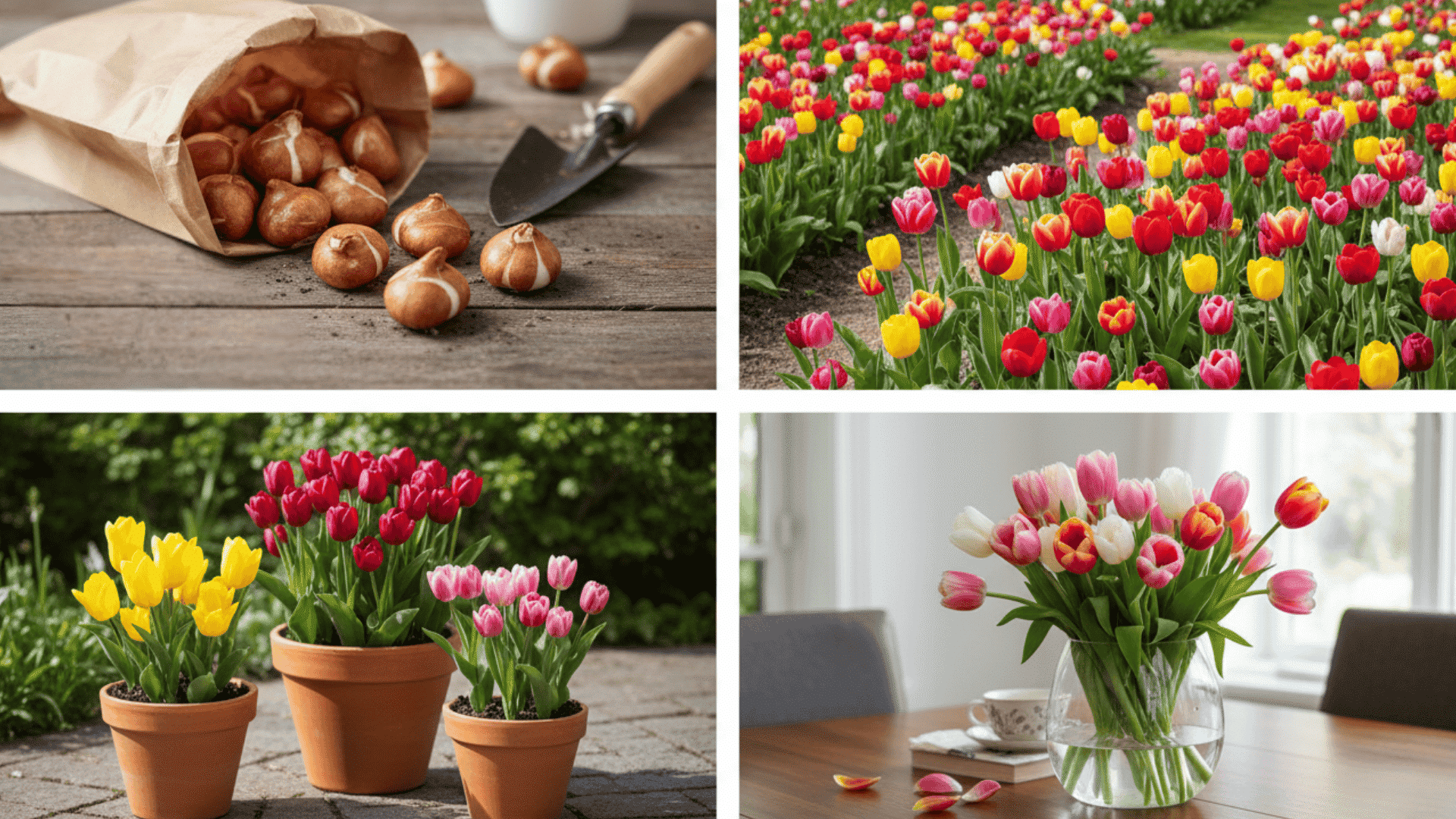
Tulip lifespan changes based on where and how you’re growing them. Let’s break down what to expect at each stage so you can plan better and keep your tulips looking their best.
1. Tulip Bulb Lifespan Before Planting
Tulip bulbs are alive even before you put them in the ground. They store all the energy needed for future growth inside their layers. Proper storage makes a huge difference in whether they’ll bloom successfully.
What affects bulb lifespan:
- Bulbs stay suitable for 8 to 12 months when stored correctly
- Fresh bulbs planted the same year produce stronger blooms
- Cool, dry conditions slow down natural breakdown
- Firm, dry bulbs are healthy; soft spots or mold mean trouble
2. Tulip Lifespan After Planting in the Ground
Once you plant tulips, they follow nature’s schedule. Spring brings blooms, but how long they stick around depends on the weather and care you provide.
Expected bloom duration:
- Flowers typically last 1 to 2 weeks during the spring
- Cooler weather helps blooms last longer
- Hot days or sudden temperature spikes cut flowering short
- Leaves must stay on after blooms fade to feed the bulb for next year
3. Tulip Lifespan in Pots and Containers
Container tulips face more challenges than their in-ground cousins. The restricted space and changing conditions make it harder for bulbs to thrive long-term.
Why container tulips struggle:
- Limited soil space restricts how roots can grow
- Pots heat up and cool down faster than garden beds
- Water drains quickly or sits too long, depending on the container
- Flowers last the same time, but bulbs rarely rebloom well
4. How Long Cut Tulips Last Indoors
Bringing tulips inside gives you a week or so of indoor beauty. They keep growing even after cutting, which explains why stems bend and stretch toward light.
Maximizing cut tulip life:
- Expect 5 to 10 days in a vase with proper care
- Fresh water and cool rooms help them last longer
- Tulips keep growing after cutting, causing stems to curve
- Change water daily and trim stems to extend freshness
Factors That Influence Tulip Lifespan
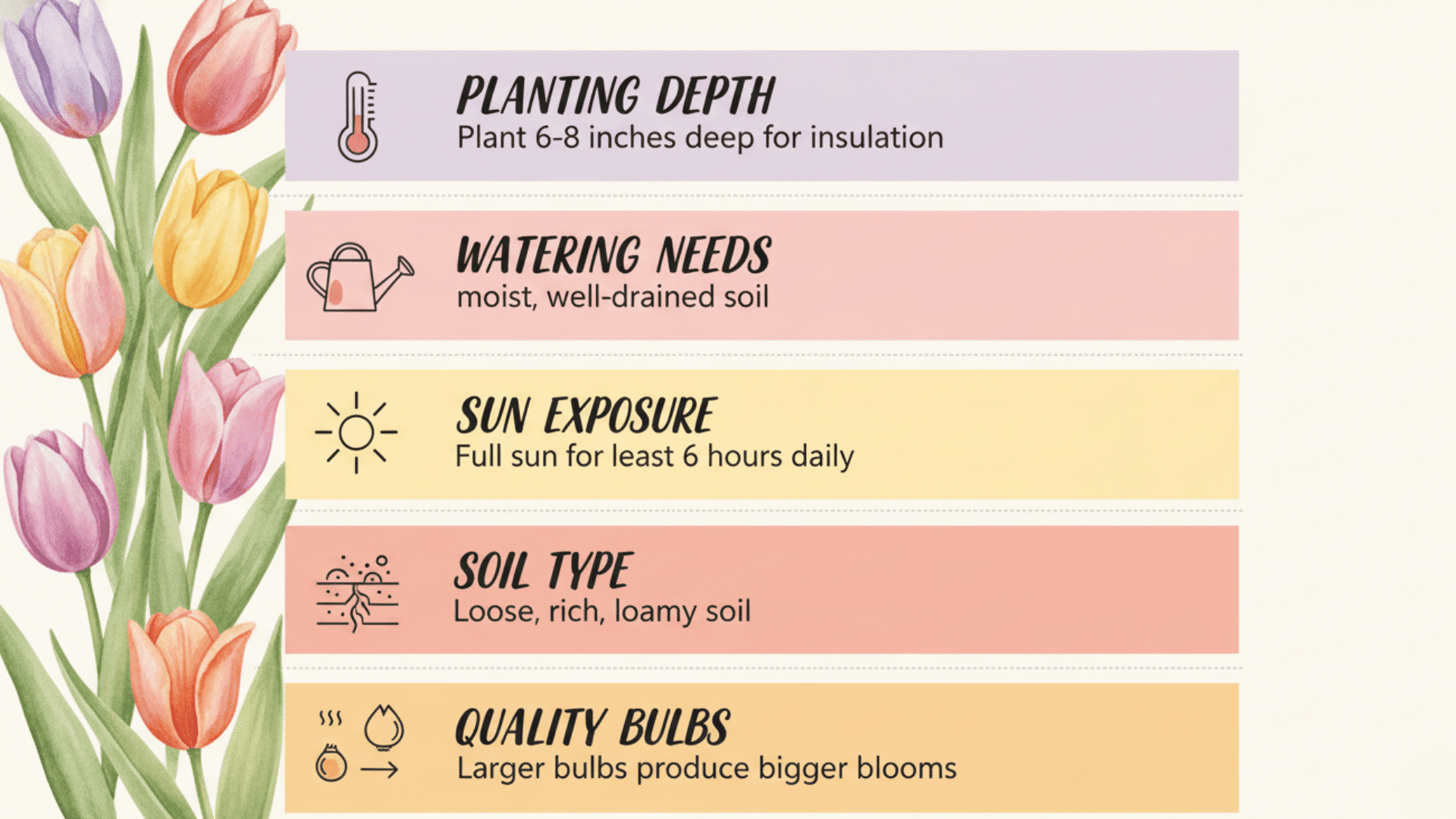
Many things affect how long your tulips will last and bloom. Here are the main factors that make the most significant difference:
- Climate and winter temperatures – Tulips need cold winters to bloom properly; mild climates often produce weak flowers or none at all.
- Soil drainage and structure – Well-draining soil prevents bulb rot, while heavy clay or waterlogged ground kills bulbs quickly.
- Sunlight exposure – Full sun produces the strongest blooms, though partial shade works in hot climates.
- Watering consistency – Steady moisture during growth helps, but too much water causes bulbs to rot and die.
- Tulip variety and bulb size – Species tulips and smaller types return year after year, while large hybrids often fade after one season.
How Chilling Requirements Affect Tulip Longevity?
Tulips won’t bloom right without enough cold weather. Most types need 12 to 14 weeks of chilling to produce strong flowers. Skip this cold period, and you’ll get weak blooms or nothing at all.
Warm winters hurt both bulb lifespan and flower quality. If you live somewhere mild, you can pre-chill bulbs in the fridge before planting.
This tricks them into thinking winter happened and helps them perform better when spring arrives.
How to Care for Tulips to Extend Their Lifespan
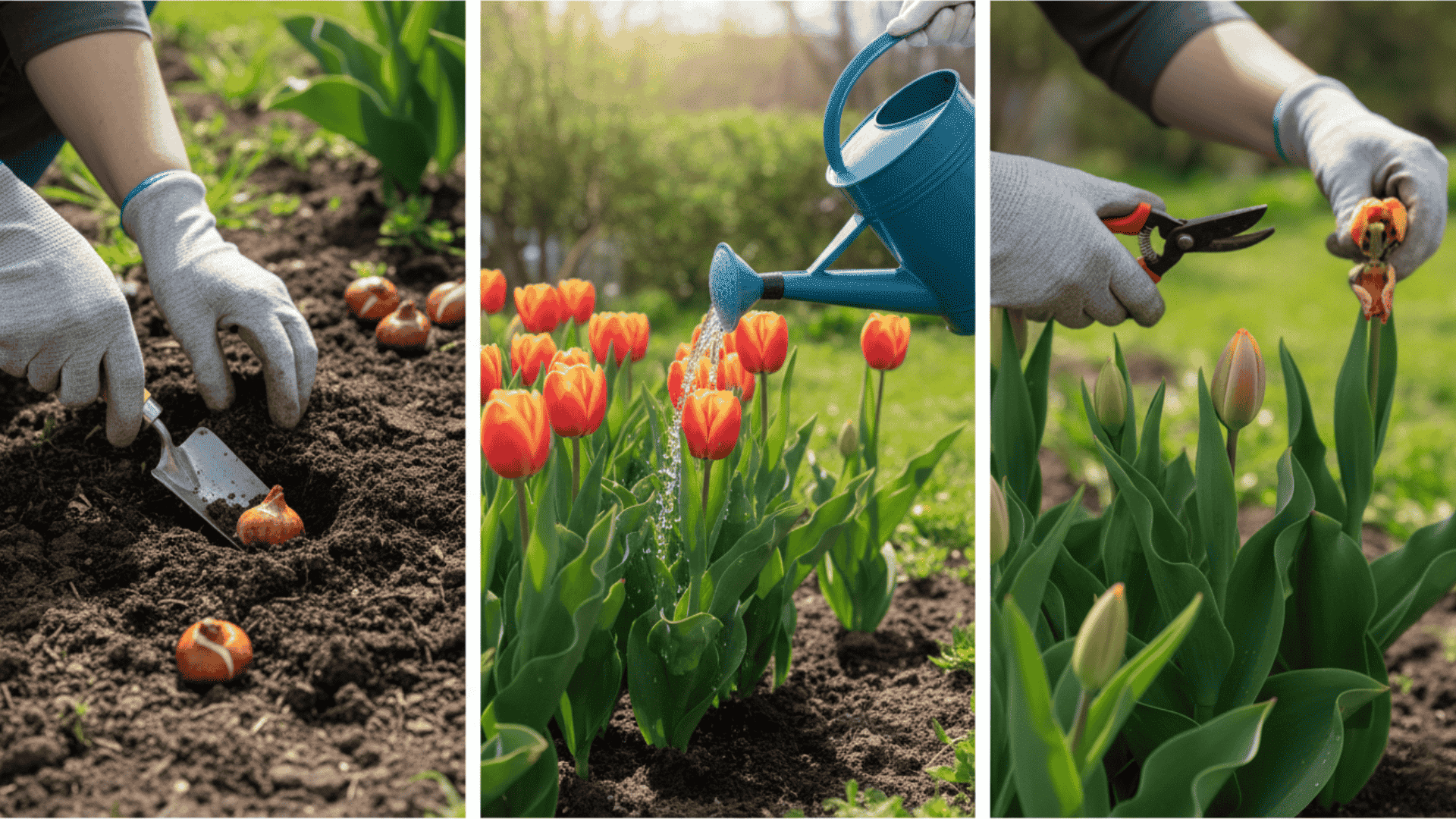
Taking care of tulips at the right time makes all the difference. Each growth stage needs specific attention to help bulbs stay healthy, and blooms come back strong.
Before Blooming
Getting tulips off to a good start begins with wise planting choices. Plant bulbs at the correct depth, usually about three times their height.
Use soil that drains well so water doesn’t pool around the bulb. Avoid spots that get too warm or stay hot all day, as this weakens the bulb before it even sprouts.
During Flowering
Once flowers open, keep care gentle and simple. Water lightly but stay consistent so the soil doesn’t dry out completely. Protect blooms from sudden heat waves or scorching sun if possible.
Skip fertilizer while flowers are open since the plant focuses on blooming, not feeding.
After Flowering
What you do after petals fade matters most for next year. Remove spent blooms so the plant doesn’t waste energy making seeds.
Keep all leaves on the plant until they turn yellow naturally. This lets the bulb collect and store the energy it needs to survive and rebloom later.
Don’t Do This: 5 Habits That Kill Your Tulips
Many tulip problems come from simple mistakes that are easy to avoid. Here’s what kills tulips early and how to fix it:
| Mistake | Why It’s a Problem | What to Do Instead |
|---|---|---|
| Storing bulbs in warm or damp areas | Heat and moisture cause bulbs to rot or sprout too early | Keep bulbs in a cool, dry spot until planting time |
| Cutting foliage too early | Leaves feed the bulb after blooming; removing them weakens next year’s growth. | Wait until the leaves turn completely yellow before cutting |
| Planting in poorly draining soil | Waterlogged soil rots bulbs quickly | Use loose, well-draining soil or add sand and compost |
| Expecting all tulips to rebloom equally | Large hybrids often bloom once; species tulips return reliably | Choose perennial varieties if you want blooms year after year |
| Skipping cold requirements | No chill period means weak blooms or no flowers at all | Plant in fall or pre-chill bulbs in the fridge for 12 to 14 weeks |
Avoiding these mistakes helps tulips last longer and perform better each season.
How to Make Your Tulips Last Longer?
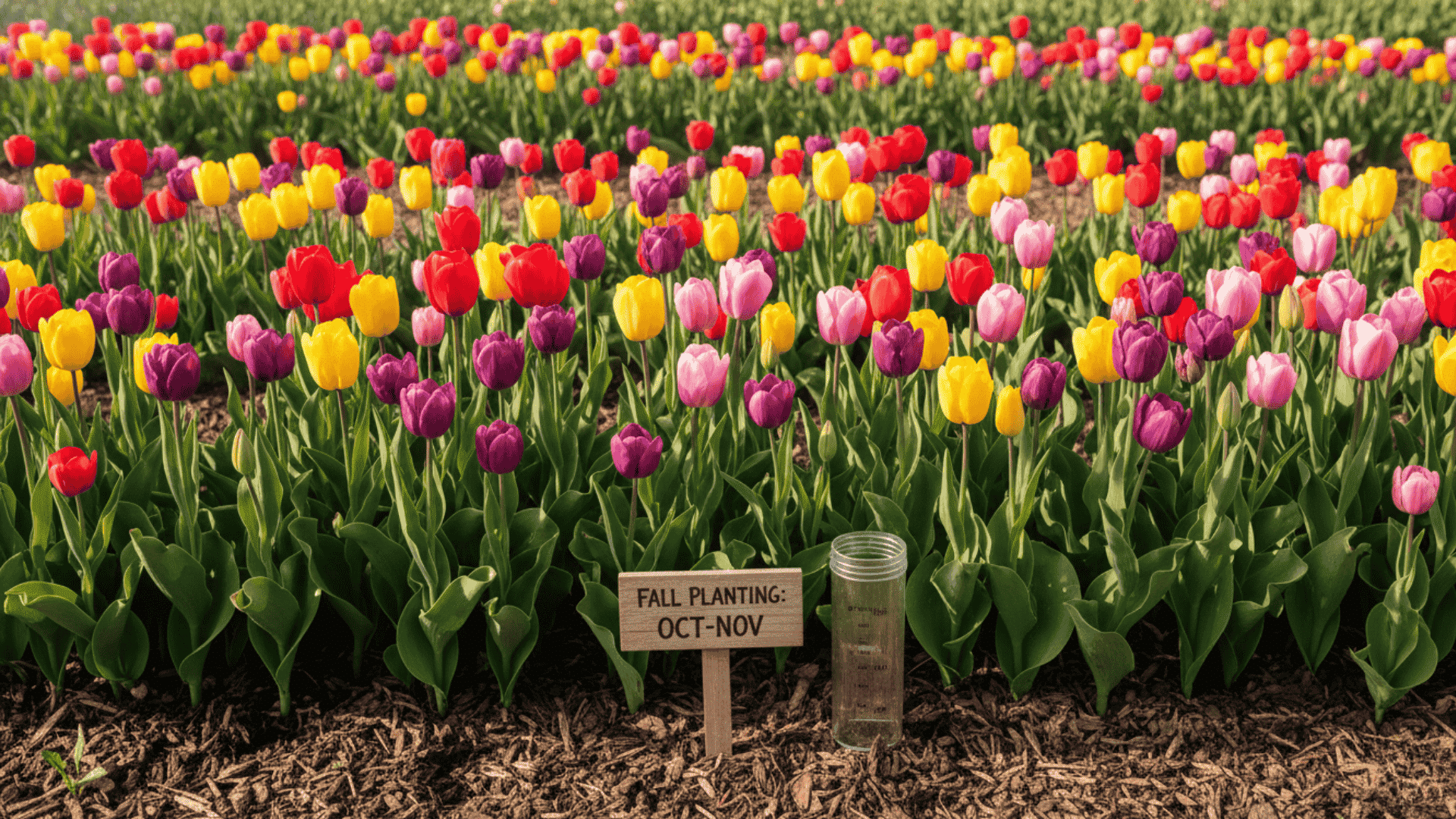
Small changes in how you handle tulips can add weeks to their lifespan. Here are simple habits that make a real difference:
- Plant bulbs at the right time in fall – Planting six to eight weeks before the ground freezes gives roots time to establish before winter.
- Choose varieties suited to your climate – Species tulips work better in warm areas, while hybrids thrive where winters are cold.
- Mulch lightly to regulate soil temperature – A thin layer of mulch keeps soil cooler in summer and warmer in winter, protecting bulbs from temperature swings.
- Avoid excessive watering – Too much water rots bulbs fast; water only when the soil feels dry an inch below the surface.
- Store unused bulbs properly – Keep bulbs in a cool, dry, dark place with good airflow until you’re ready to plant them.
These steps support healthier bulbs and better blooms season after season.
How to Know When Tulips Won’t Come Back?
Sometimes tulips just won’t come back, no matter what you do. Look for bulbs that feel soft, mushy, or hollow when you squeeze them gently. Mold, dark spots, or a rotten smell mean the bulb is dead.
After a few seasons, you might notice smaller blooms, fewer flowers, or stems that don’t grow as tall. This is a natural decline, not a care mistake.
If bulbs stop blooming for two years straight or produce only leaves, they’ve likely run their course. At that point, replacing them with fresh bulbs makes more sense than trying to bring them back.
In Closing
So, how long do tulips last? Bulbs stay suitable for up to a year in storage.
Blossoms last one to two weeks once they open. Cut flowers give you about a week indoors. With the proper care, planted bulbs can return for several seasons.
The key is understanding what each stage needs. Plant at the correct depth. Water consistently but not too much. Let leaves die back naturally.
Avoid mistakes like cutting foliage early or skipping cold requirements.
Ready to grow tulips that actually last? Start with fresh bulbs, follow these tips, and watch your spring garden come alive year after year.