Boxing demands more than just throwing punches. To compete at any level, fighters need to develop power, speed, endurance, coordination, and defensive skills.
This requires a combination of specialized equipment designed to target different aspects of physical performance. Whether you train at a commercial gym or set up a space at home with equipment like cable machines available at Fitness Avenue, understanding which equipment boxers use can help you build a well-rounded training routine.
As such, we will cover the core categories of boxing equipment, from striking tools to conditioning gear, so that you can make informed choices about your training setup.
Striking Equipment
Striking equipment forms the foundation of boxing training. These tools allow fighters to practice punches, develop power, and refine technique without needing a sparring partner.
Heavy Bag
No boxing gym is complete without a heavy bag. Weighing anywhere from 70 to 150 pounds, it provides resistance for practicing combinations, building punching power, and improving endurance. Boxers use heavy bags to simulate hitting an opponent, allowing them to work on body shots, hooks, uppercuts, and straight punches. Regular heavy bag sessions also condition the hands, wrists, and shoulders for impact.
Speed Bag
Speed bags are smaller, air-filled bags mounted on a platform at head height. Boxers use them to develop rhythm, timing, and shoulder endurance. The rapid, repetitive motion required to keep the bag moving trains hand-eye coordination and builds the muscle stamina needed to keep your hands up during a fight. Speed bag work also improves the speed of straight punches and helps fighters maintain a consistent tempo.
Skill and Coordination Tools
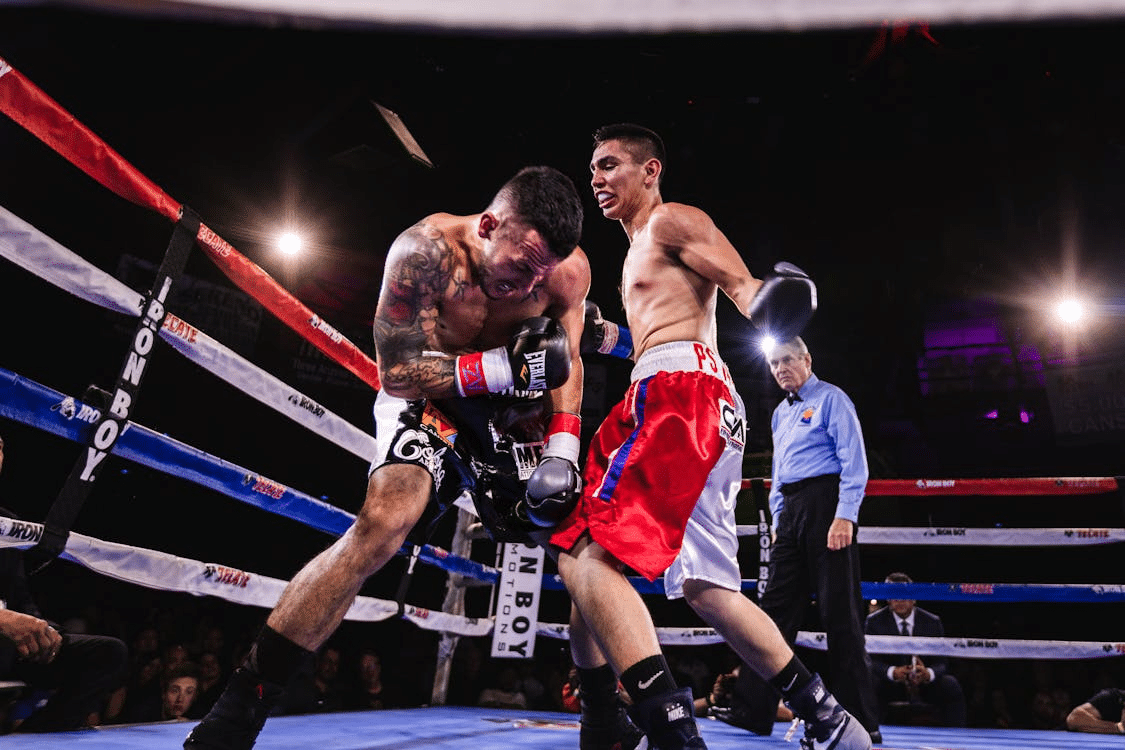
Beyond basic striking equipment, boxers rely on tools that sharpen coordination, timing, and movement patterns. These items help fighters develop the technical precision that separates competent boxers from skilled ones.
Focus Mitts
Focus mitts, also called punch mitts, are handheld pads used by trainers during one-on-one sessions. The trainer calls out combinations and moves the mitts to simulate a moving target. This drill improves punch accuracy, reaction time, and the ability to throw combinations while on the move. Focus mitt work also trains defensive movements, as trainers often throw light punches back to keep the boxer alert.
Jump Rope
Jump ropes are among the most effective and affordable pieces of boxing equipment. Boxers use them to build cardiovascular endurance, improve footwork, and develop coordination. Regular jump rope sessions increase agility and foot speed while providing a high-intensity workout. Many fighters incorporate jump rope drills into their warm-up and cool-down routines, making it a daily part of training.
Slip Bag
Slip bags, sometimes called maize bags due to their shape, hang from a hook and swing when pushed. Boxers use them to practice head movement and defensive slipping. By moving their head side to side as the bag swings, fighters develop the reflexes needed to avoid punches in the ring. Slip bag training reinforces the habit of keeping the head moving, which reduces the chance of taking clean shots during competition.
Protective Equipment
Protection is a priority in boxing. Proper gear prevents injuries during training and allows fighters to spar safely without risking long-term damage.
Boxing Gloves
Gloves protect both the fighter’s hands and their training partners. Training gloves typically range from 12 to 16 ounces, with heavier gloves offering more padding for sparring. Bag gloves are lighter and designed specifically for heavy bag and mitt work. Competition gloves are even lighter, usually 8 to 10 ounces, and are regulated by sanctioning bodies.
Hand Wraps
Before putting on gloves, boxers wrap their hands with cotton or elastic wraps. This protects the small bones and tendons in the hands and wrists from impact injuries. Proper wrapping technique supports the knuckles, secures the wrist, and reduces the risk of sprains or fractures over time.
Headgear
Headgear is worn during sparring to reduce the risk of cuts, bruises, and minor head trauma. While it does not eliminate the risk of concussion, it provides padding that absorbs some impact. Most amateur competitions require headgear, though professional bouts do not.
Mouthguards
Mouthguards protect the teeth, gums, and jaw during sparring and competition. A proper mouthguard fits snugly over the upper teeth and cushions blows to the face. Many fighters use custom-fitted mouthguards for better protection and comfort.
Groin Protectors
Groin protectors, also called cups, are worn during sparring to protect against accidental low blows. They are required in both amateur and professional competitions and are a standard part of any sparring session.
The Bottom Line
Boxing equipment serves specific purposes, from developing power and speed to protecting the body during training. A complete training setup includes striking tools such as heavy and speed bags, skill-building equipment like focus mitts and jump ropes, protective gear for safe sparring, and conditioning tools for strength and endurance.
Understanding how each piece of equipment contributes to overall performance allows fighters to train more effectively and reduce the risk of injury. Whether you are a beginner setting up a home gym or a seasoned competitor refining your skills, the right equipment makes a measurable difference in your training outcomes.