During Lunar New Year, families come together to share food that’s believed to bring luck and good fortune.
Every dish on the table has a story: dumplings for wealth, noodles for long life, and oranges for happiness. I’ve always enjoyed learning the meaning behind these foods, and I think you will too.
In this post, I’ll take you through some lucky foods for your Lunar New Year feast that can make your celebration more meaningful.
You’ll learn what each dish represents and how to include it in your own meal.
If you’re cooking a full spread or just trying a few traditional recipes, these foods are a simple way to welcome the Year of the Snake with hope, health, and prosperity.
Why Food Matters in Lunar New Year Celebrations?
When I think about why food matters during Lunar New Year, it’s clear that it’s more than just eating together. It’s about connection, respect, and meaning.
These food traditions go back hundreds of years across China and other Asian cultures.
Each dish tells a story that families have passed down for generations. Many foods have special symbolism. Their shapes, colors, and names often sound like words for luck, wealth, or happiness in Chinese.
For example, dumplings look like old gold ingots, and eating them is believed to bring money and success. Fish stands for abundance, while noodles represent long life.
For me, the most important part is the family connection. Sharing these symbolic dishes during the reunion dinner brings everyone together.
It’s how you and I can keep traditions alive and share good wishes for the new year ahead.
Lucky Lunar Foods for Wealth and Prosperity
These dishes aren’t just delicious, they’re believed to invite money, growth, and abundance into your life. Add these traditional foods to your New Year’s table to start the year with fortune on your side.
1. Dumplings (Jiaozi)
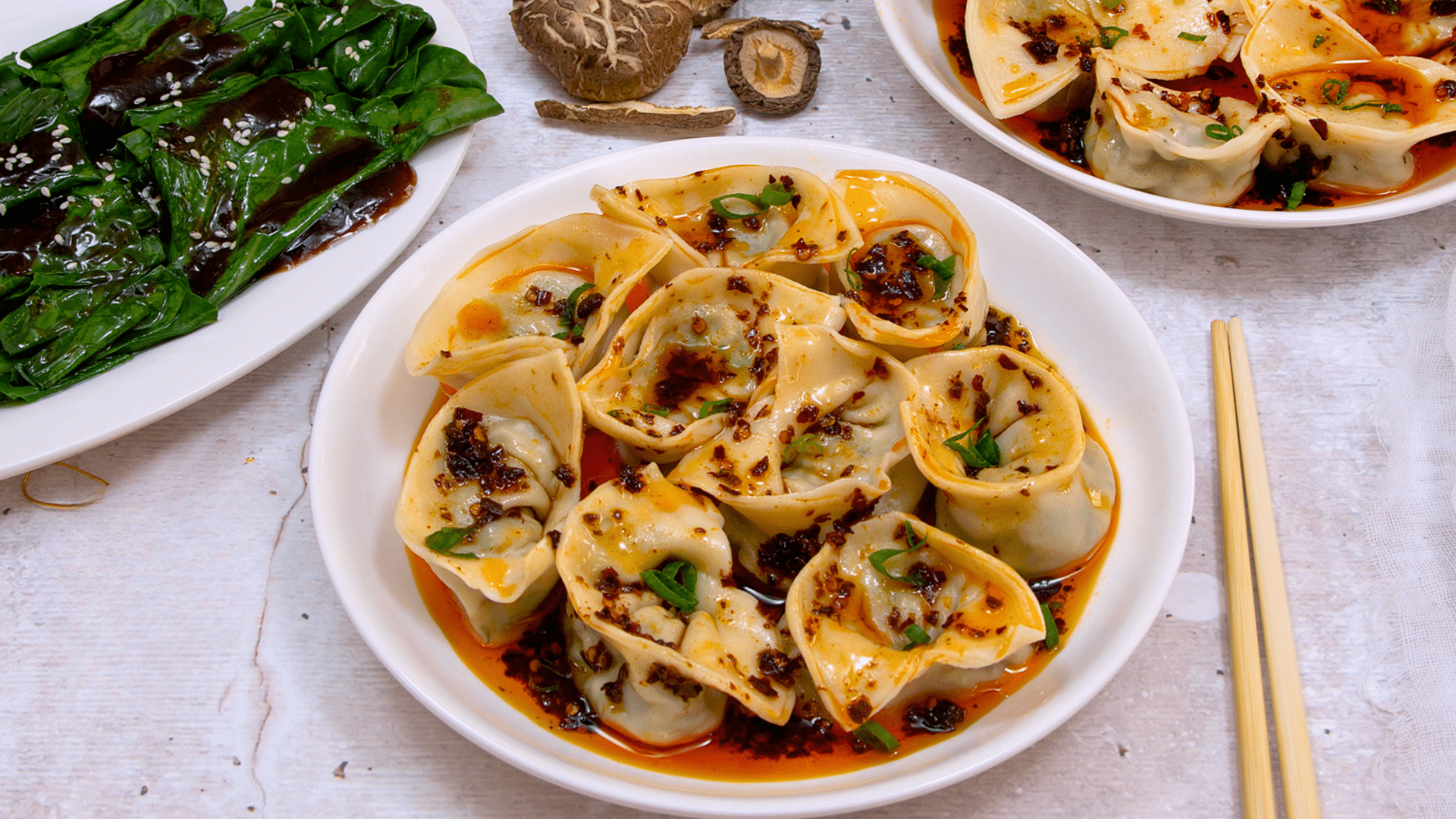
Dumplings are one of the most well-known Lunar New Year dishes, especially in northern China. Their shape resembles ancient gold or silver ingots, making them a powerful symbol of wealth and prosperity.
Families often gather to make dumplings together on New Year’s Eve, wrapping fillings that vary by region.
Some even hide a coin in one dumpling for extra luck; whoever finds it is said to enjoy a year full of fortune and success in both life and business.
2. Spring Rolls
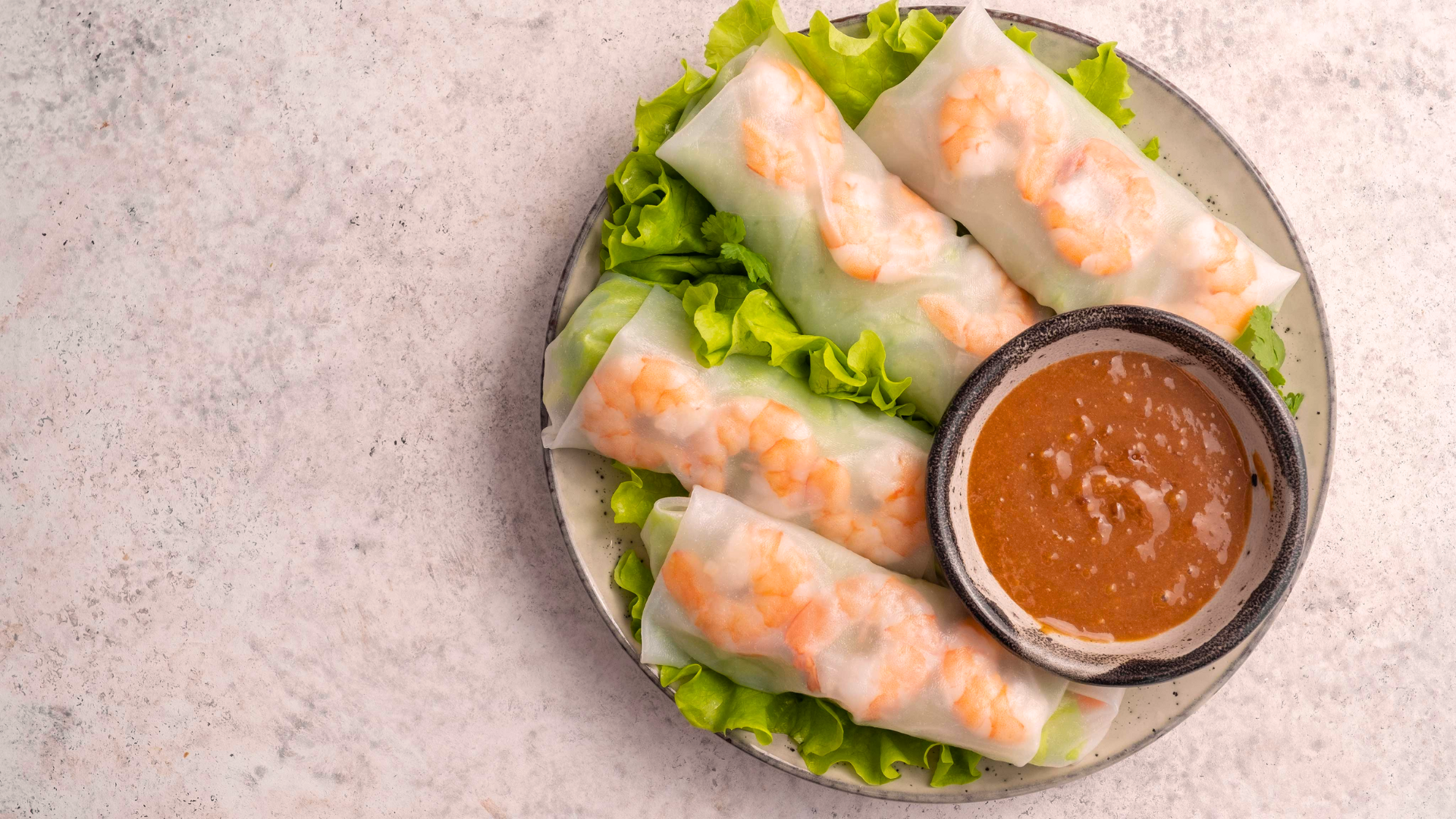
Crispy and golden, spring rolls are a festive favorite that symbolize wealth and good fortune.
Their appearance is similar to gold bars, which is why they’re often served during Lunar New Year celebrations.
Originally from southern China, spring rolls are filled with vegetables, meat, or sweet bean paste and fried to perfection.
Serving them represents a wish for a “rolling in” of prosperity, as each bite is believed to bring happiness and abundance for the coming year.
3. Steamed Fish (Yu)
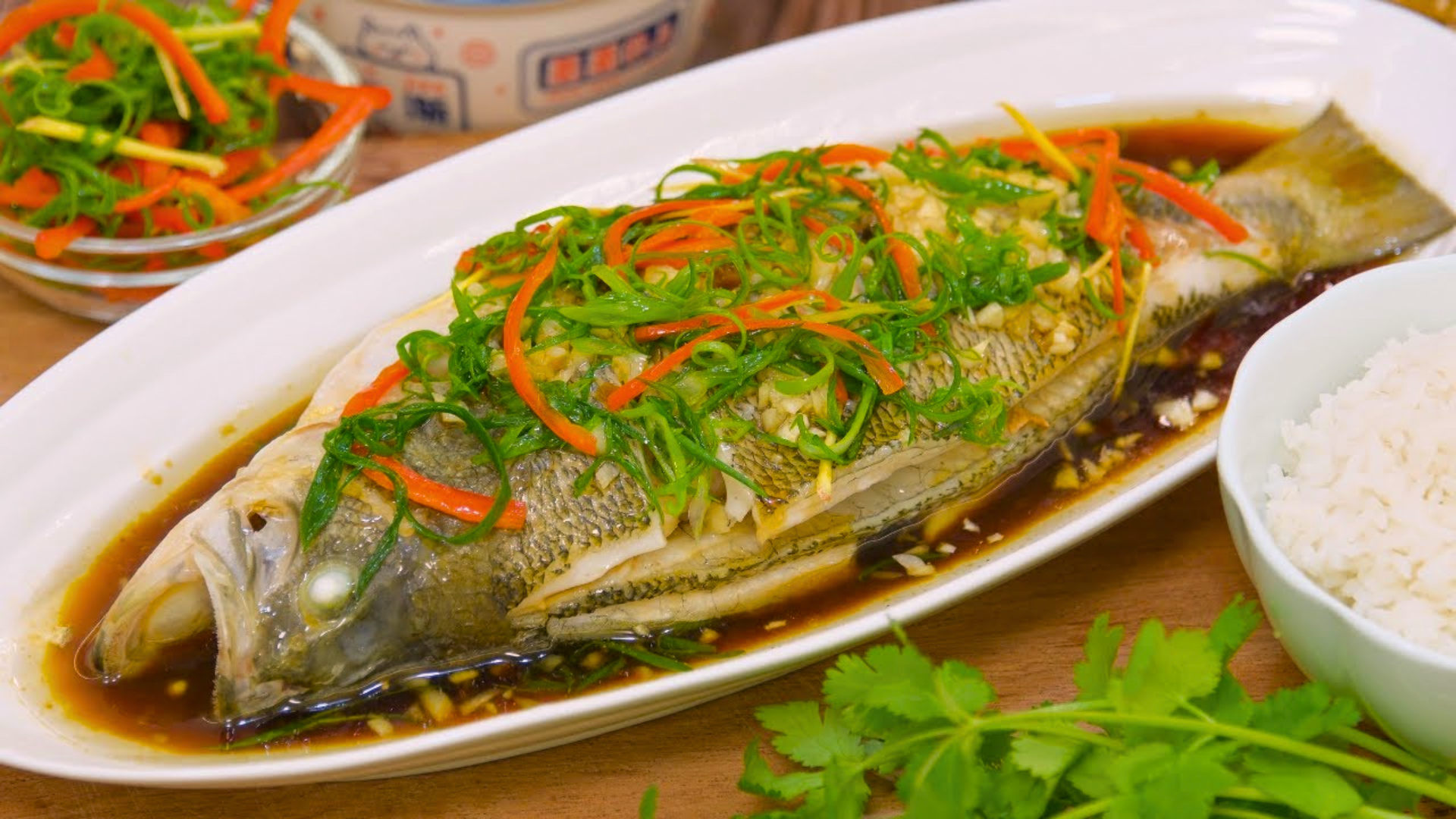
Fish is one of the most important dishes on the Lunar New Year table.
In Chinese, the word for fish, yu, sounds like “surplus” or “abundance.” This connection makes fish a symbol of having more than enough each year, whether that’s food, wealth, or luck.
Traditionally, the fish is served whole to represent completeness and unity in the family.
It’s also customary to leave some fish uneaten to ensure prosperity continues into the next year.
4. Glutinous Rice Cake (Nian Gao)
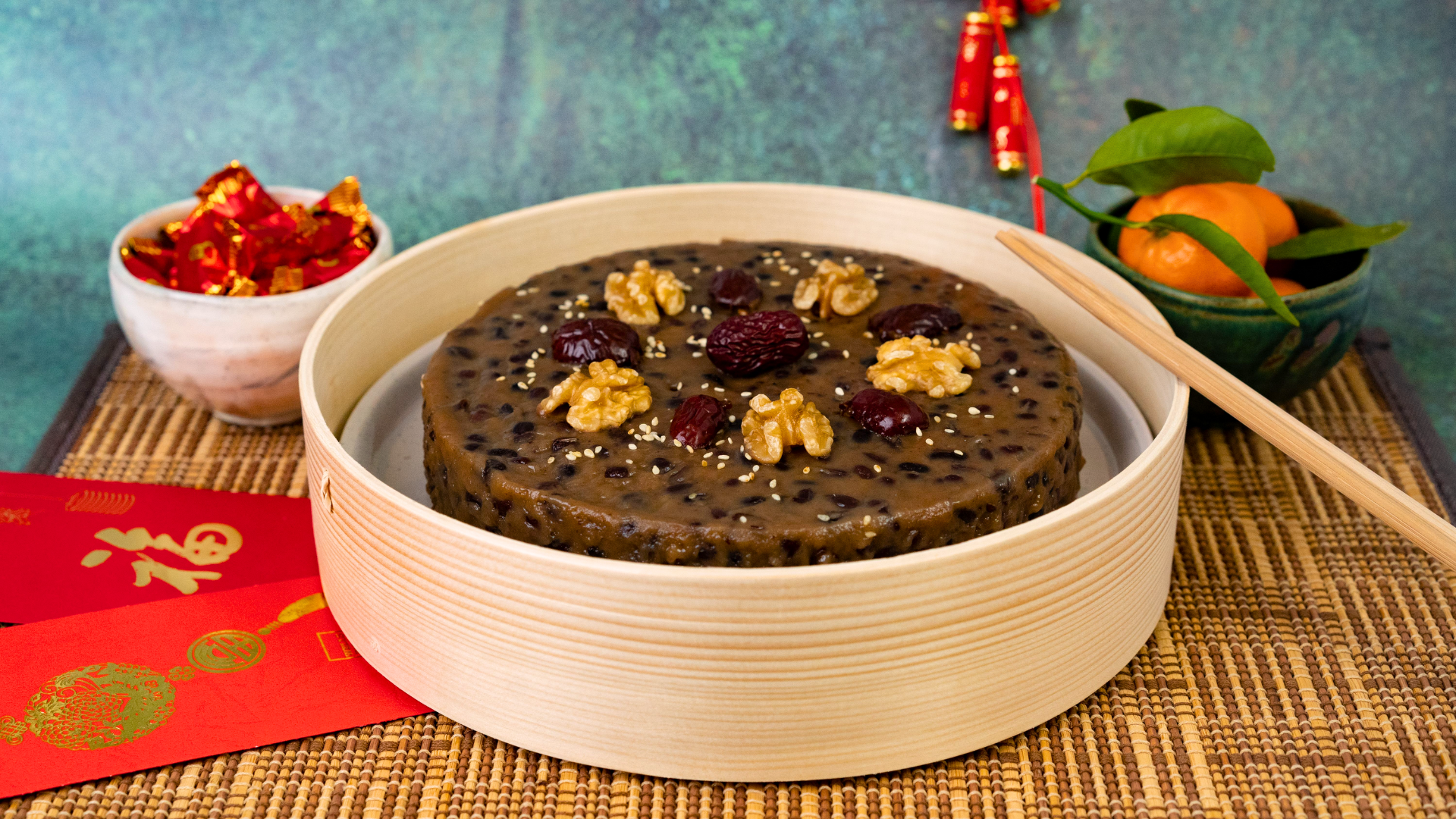
Nian Gao is a sticky, sweet rice cake eaten during the Lunar New Year as a symbol of growth and progress. The name sounds like “higher year” in Chinese, expressing the wish to rise in wealth, career, and happiness.
Its sticky texture represents family closeness, while its golden color stands for riches.
Eating Nian Gao is believed to bring steady improvement and success in the new year, making it a must-have treat in many Chinese households during the celebration.
5. Stir-Fried Rice with Shrimp and Vegetables
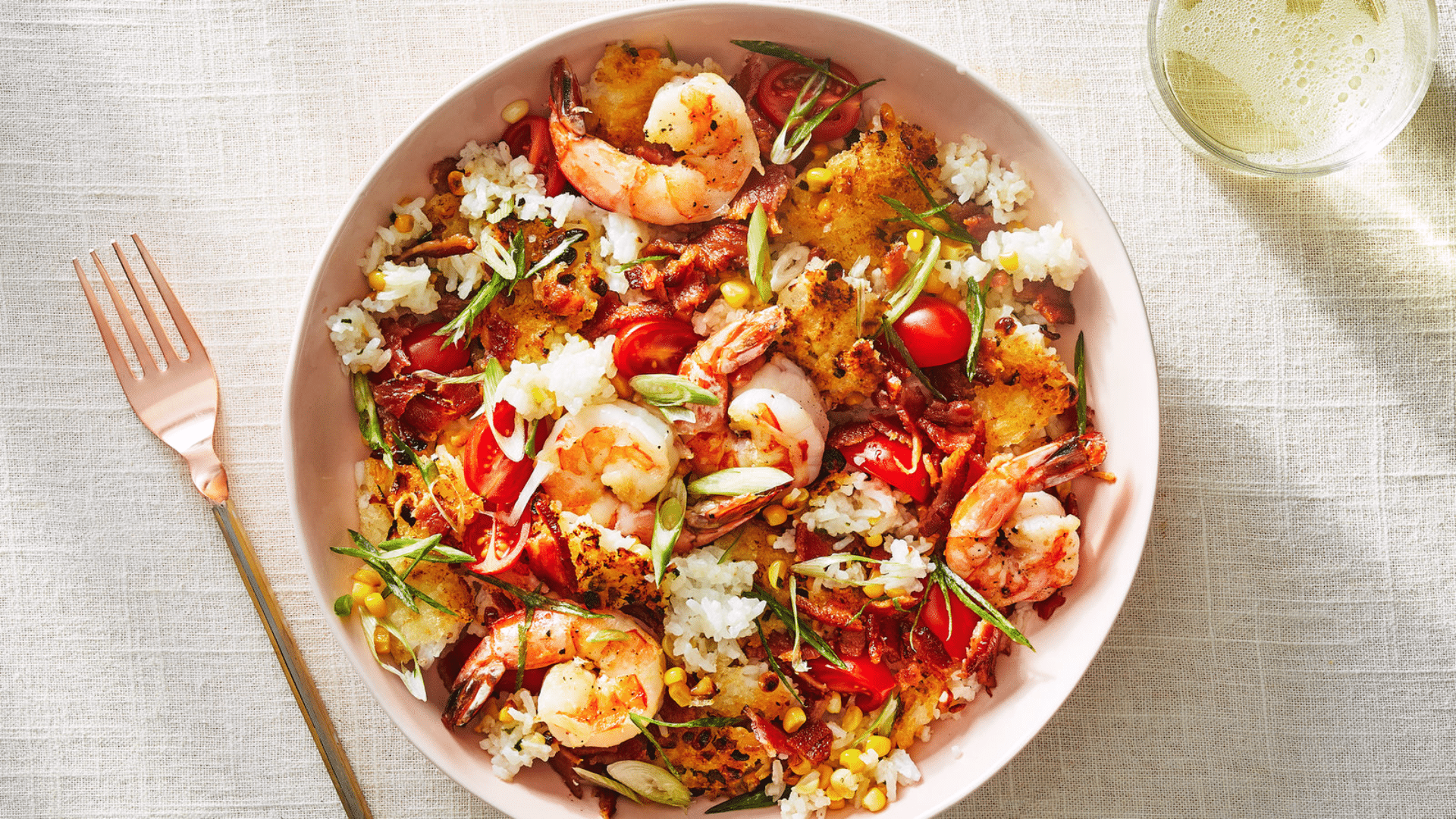
Stir-fried rice with shrimp and colorful vegetables is a popular symbol of wealth, luck, and success during the Lunar New Year.
Each ingredient adds meaning; shrimp represents happiness and good fortune, while golden rice stands for prosperity. The vibrant mix of colors reflects a balanced, flourishing life.
This dish is often served near the end of the meal to remind everyone that abundance comes from hard work and unity.
Sharing it brings wishes for financial stability and a bright, thriving year ahead.
Chinese New Year Foods for Longevity and Health
These traditional dishes are meant to nourish the body and strengthen the spirit, helping you welcome the new year with balance, vitality, and lasting well-being. Each one carries a wish for a long, healthy, and happy life.
6. Longevity Noodles (Changshou Mian)
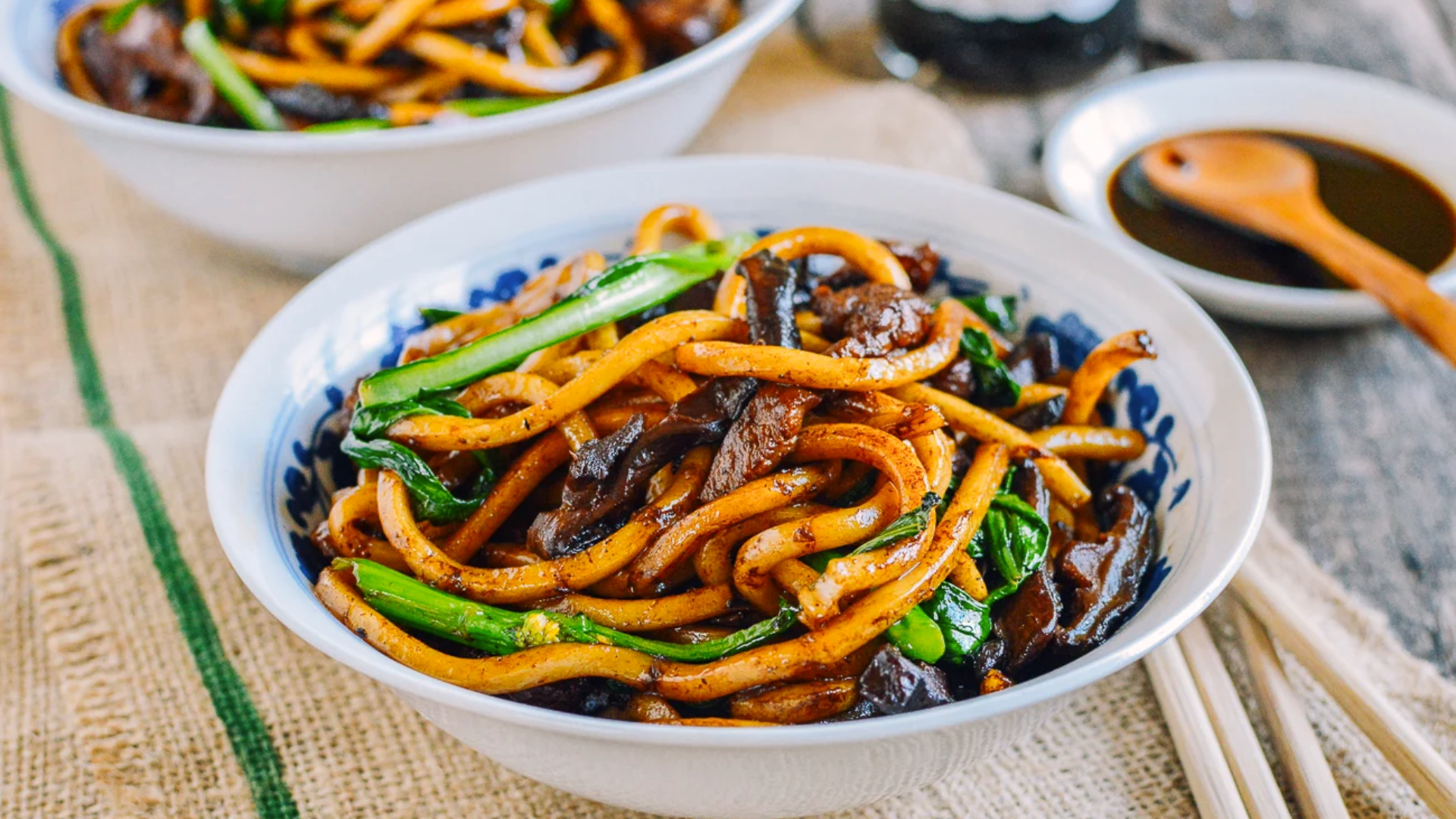
Longevity noodles are one of the most symbolic foods for health, long life, and happiness. Their long, uncut strands represent the wish for a smooth and lasting journey through life.
The belief is that the longer the noodle, the longer your years ahead.
Families often serve these noodles during Lunar New Year and birthdays as a blessing for continued strength and well-being.
They’re usually stir-fried or served in broth, and it’s important not to cut or break them, as doing so may “shorten” one’s luck and lifespan.
7. Steamed Whole Chicken
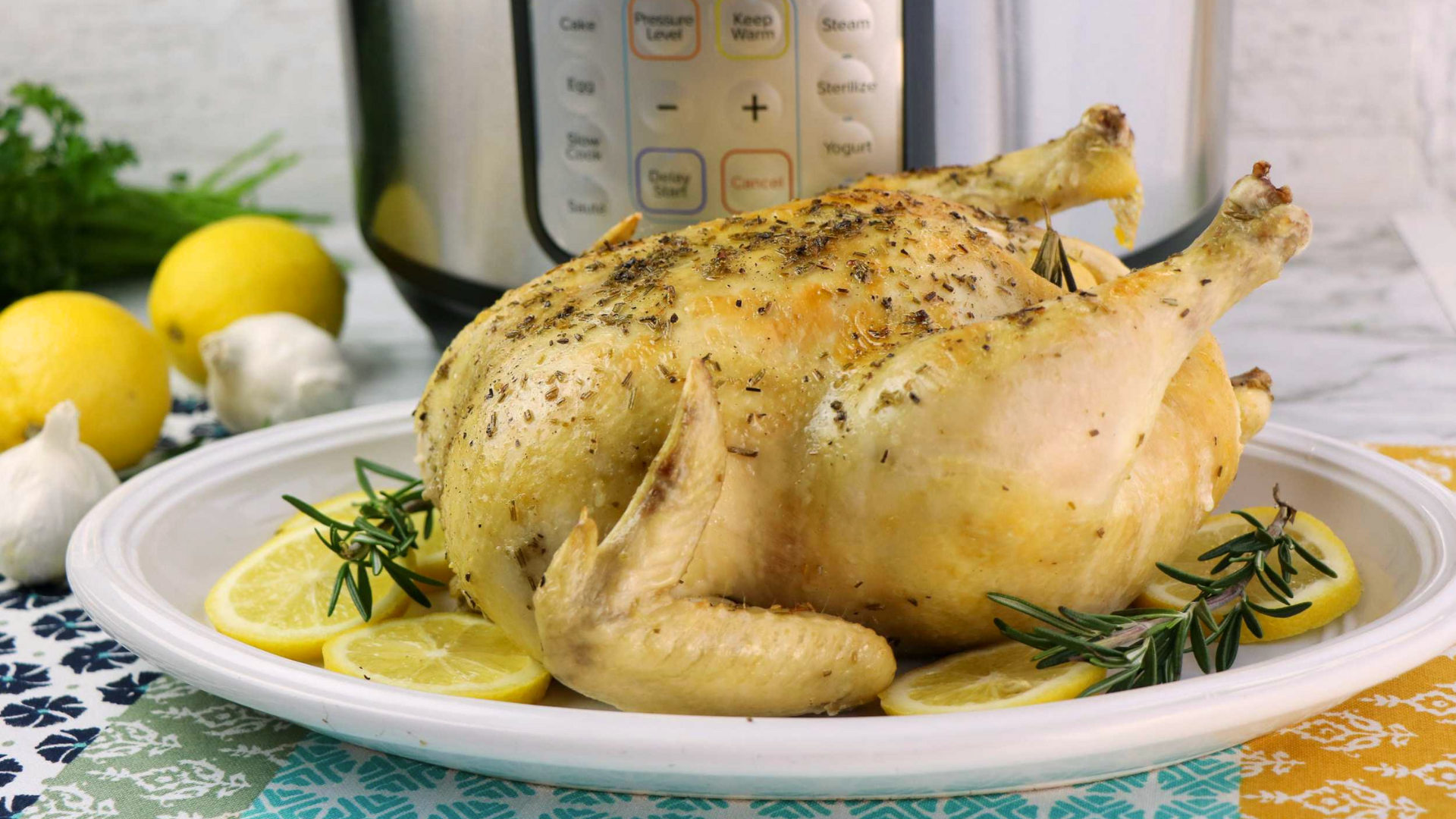
A whole chicken symbolizes family unity, completeness, and good health, making it a centerpiece of the Lunar New Year feast.
Served with the head and feet intact, it represents wholeness and the cycle of life.
The chicken reminds families to stay strong and grateful for what they have, especially health and togetherness. Sharing this dish during reunion dinners reinforces the bond between generations.
It’s also believed that serving a whole bird helps invite stability, peace, and lasting blessings into the home for the new year.
8. Chinese Broccoli (Gai Lan)
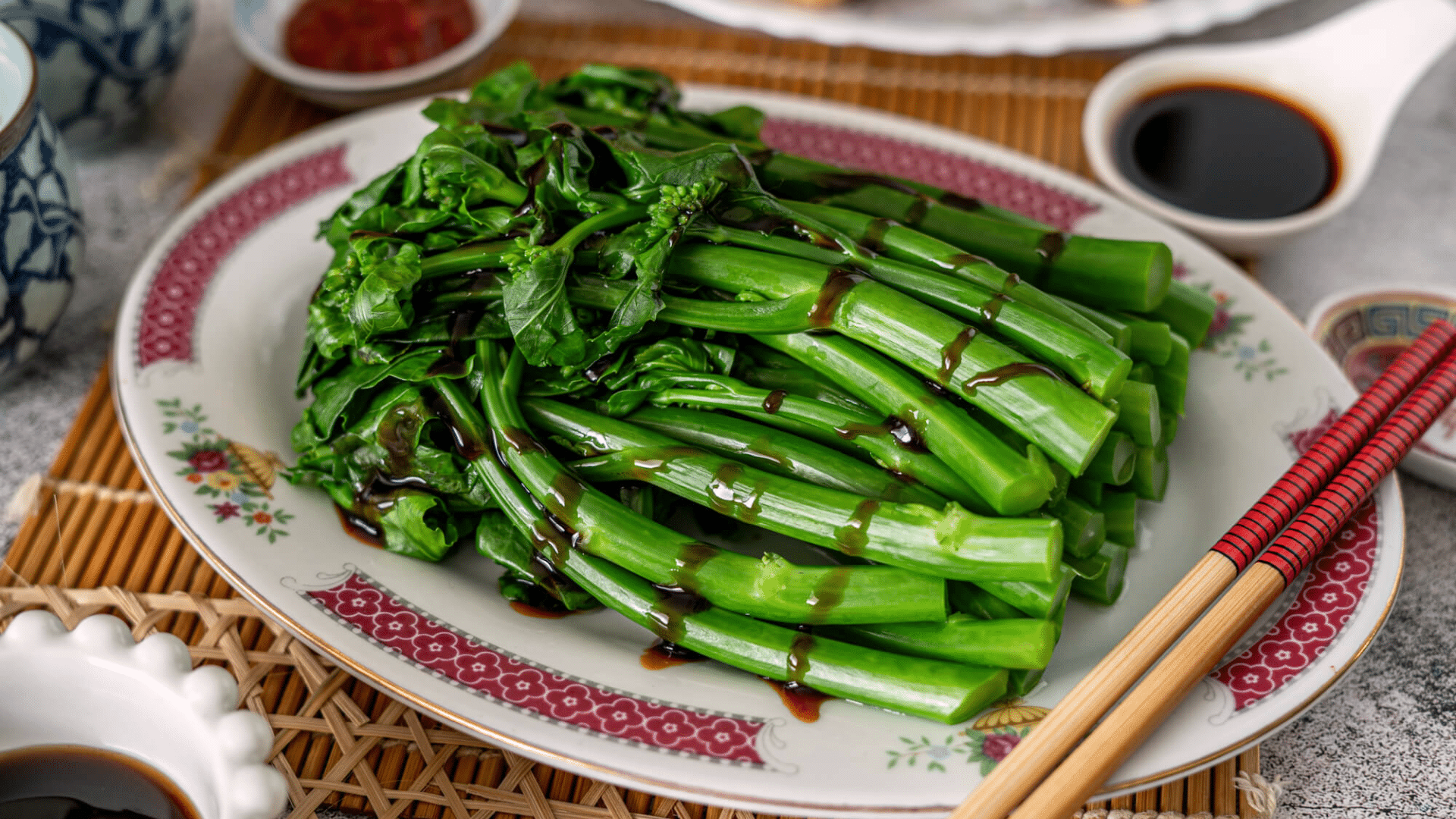
Chinese broccoli, or Gai Lan, is a bright green vegetable that represents vitality, renewal, and strong health.
Its rich color and crisp texture symbolize the strength needed to thrive in the coming year. Eating green vegetables during the Lunar New Year is thought to clear away bad energy and make room for a fresh start.
Gai Lan is often steamed or stir-fried with oyster sauce, offering a healthy balance to the rich holiday dishes.
Including it on your table shows your wish for wellness, balance, and steady growth.
9. Tofu
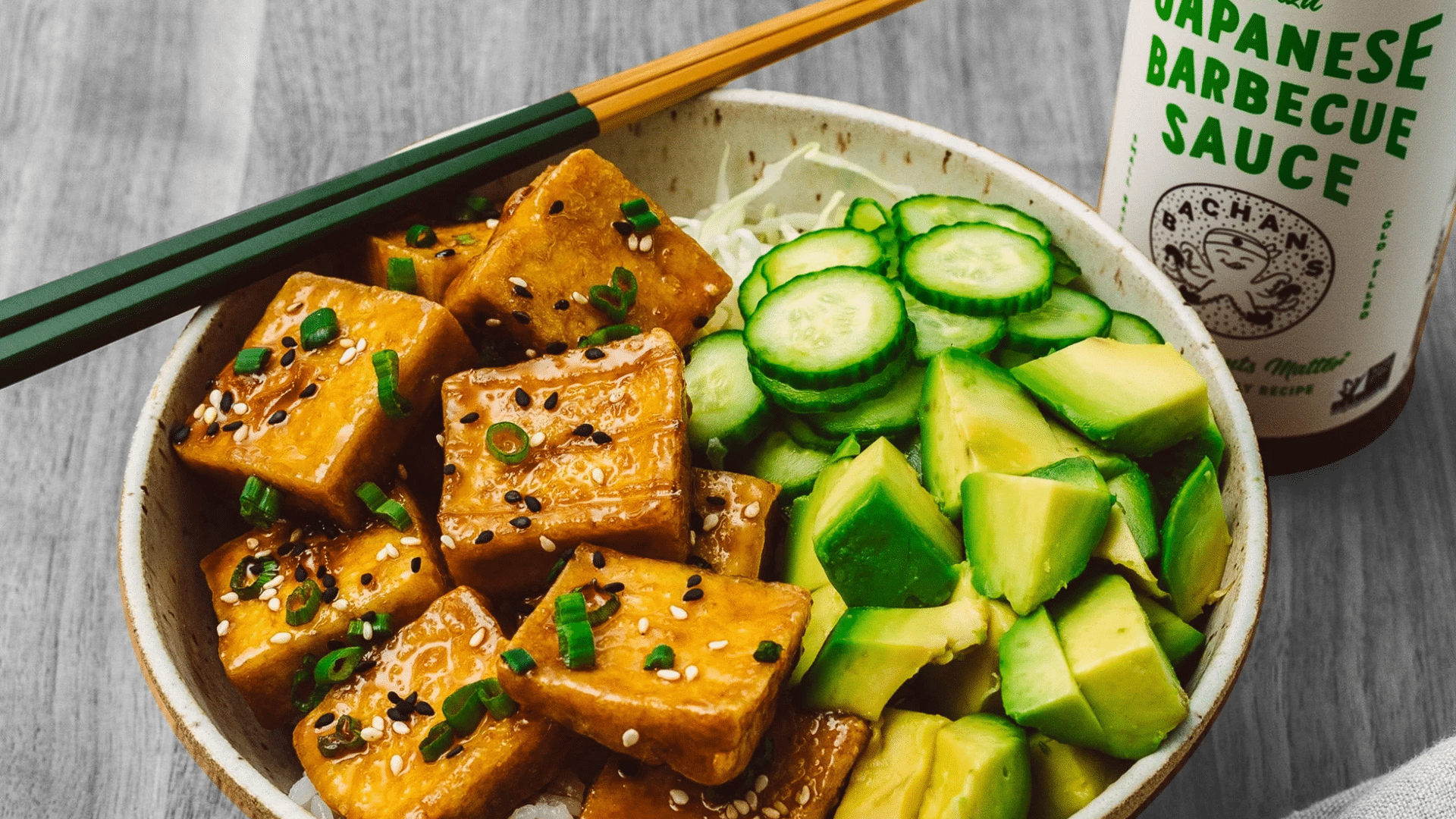
Tofu may seem simple, but it holds deep meaning in Chinese culture. Its soft texture and pure white color represent peace, purity, and lasting health.
It’s often served during the Lunar New Year as a way to start the year clean and balanced.
Some families enjoy tofu in soups or with vegetables to symbolize harmony between elements. The dish also reflects modesty and nourishment, a reminder to stay grounded and care for one’s well-being.
By including tofu, families express hope for a calm, healthy, and steady year ahead.
10. Black Moss (Fat Choy)
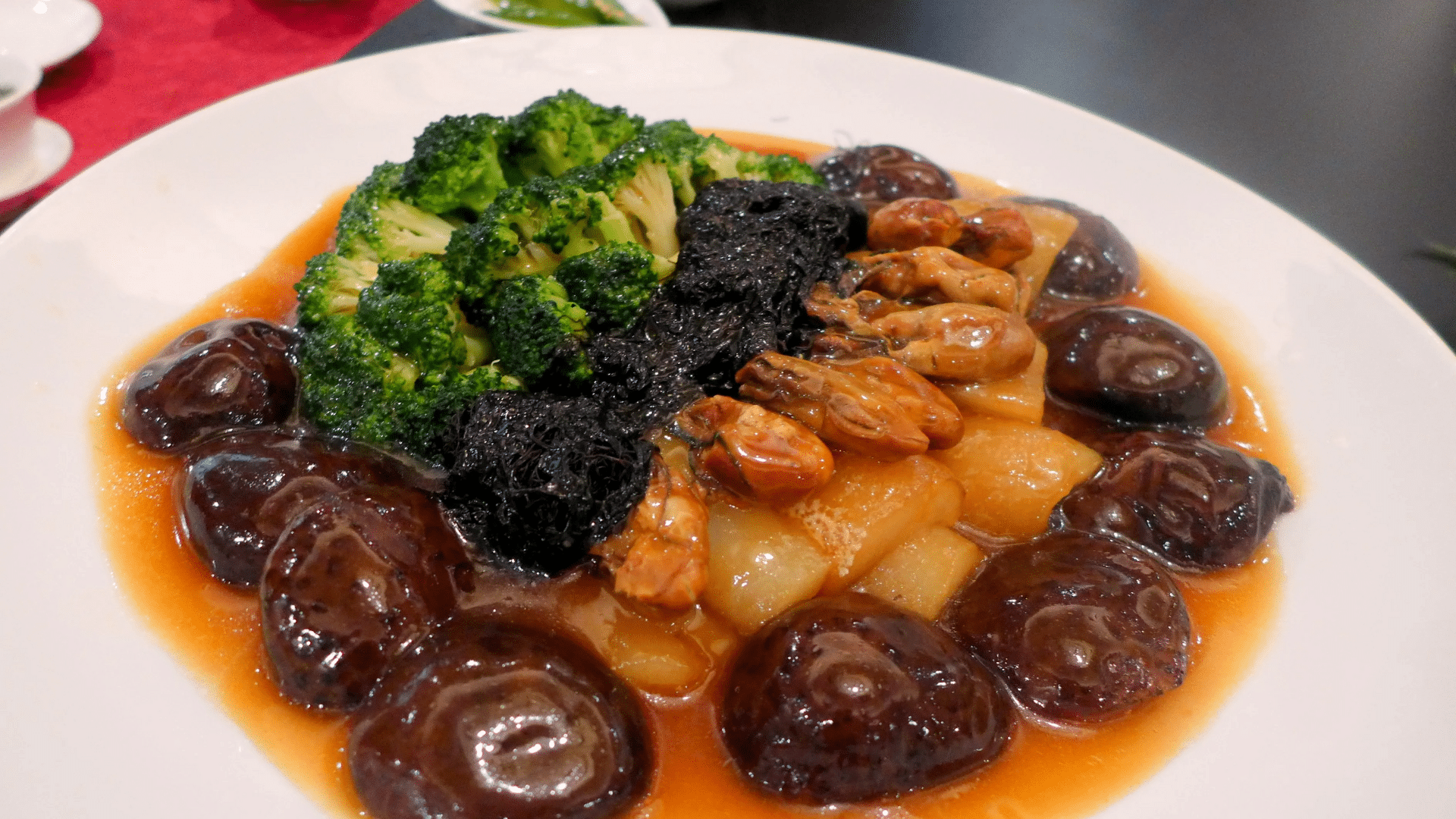
Black moss, called Fat Choy in Cantonese, is a fine, dark sea plant that symbolizes wealth, health, and prosperity.
Its name sounds like “get rich,” making it a popular New Year’s dish in southern China. Families often cook it with mushrooms or dried oysters for added good luck.
Beyond its symbolic meaning, it’s also valued for its unique texture and nutritional benefits.
Though it’s now used sparingly to protect the environment, it remains a meaningful food choice for those wishing to welcome abundance, strength, and well-being in the new year.
Lucky Foods for Happiness and Growth
These dishes are all about joy, unity, and moving forward. They remind you to celebrate every small success, nurture relationships, and welcome a year filled with progress, harmony, and happiness.
11. Steamed Lotus Seed Buns
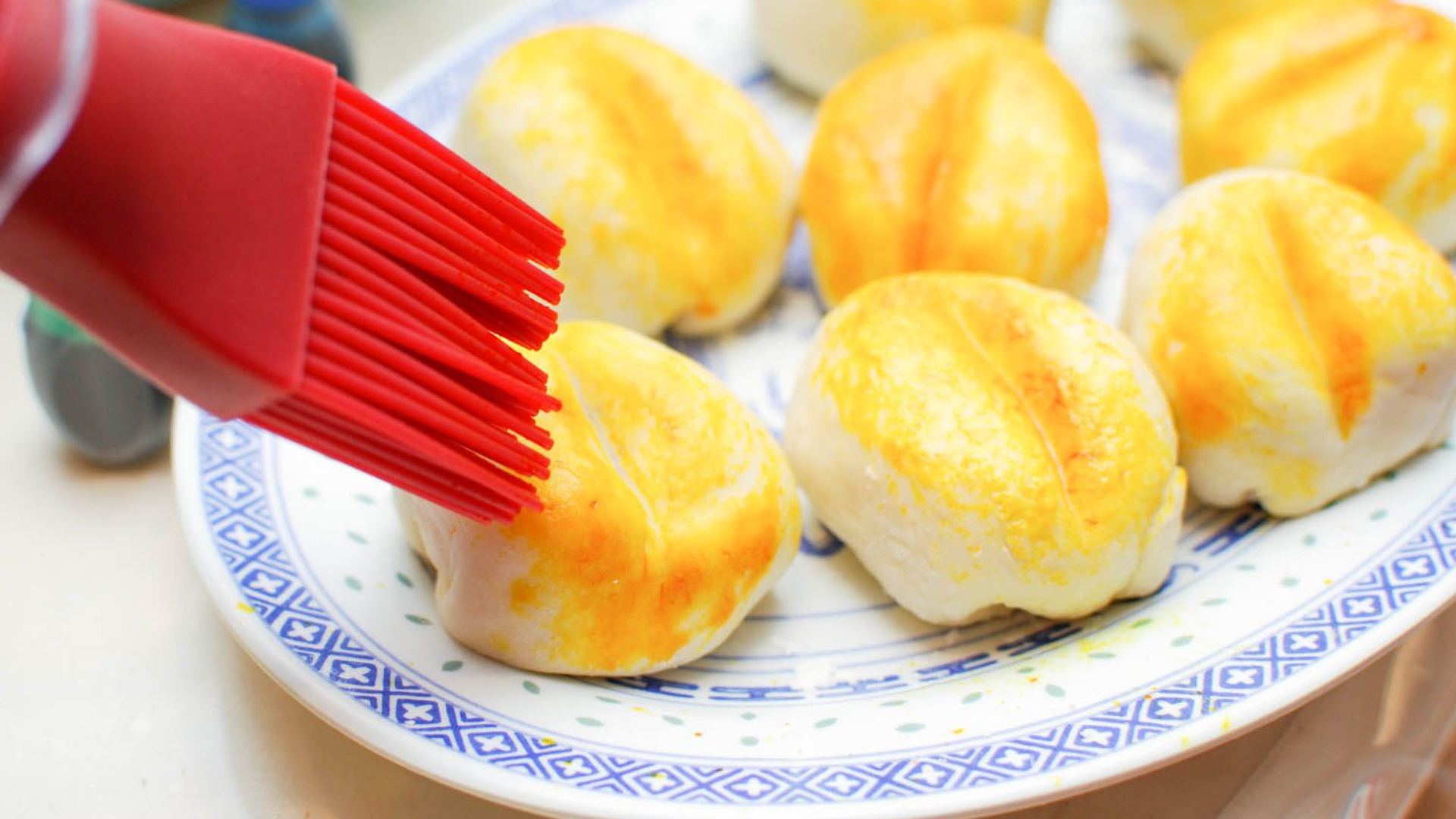
Steamed Lotus Seed Buns are a traditional treat that represents happiness, harmony, and new beginnings.
The lotus seed filling stands for purity and the hope for continuous growth, while the soft, round buns symbolize completeness and family unity.
They are often served during the Lunar New Year as a sweet way to wish for peace and lasting joy in the coming year.
Sharing these buns with loved ones brings a sense of warmth and renewal, making them a perfect addition to your festive celebration.
12. Tangyuan (Sweet Rice Balls)
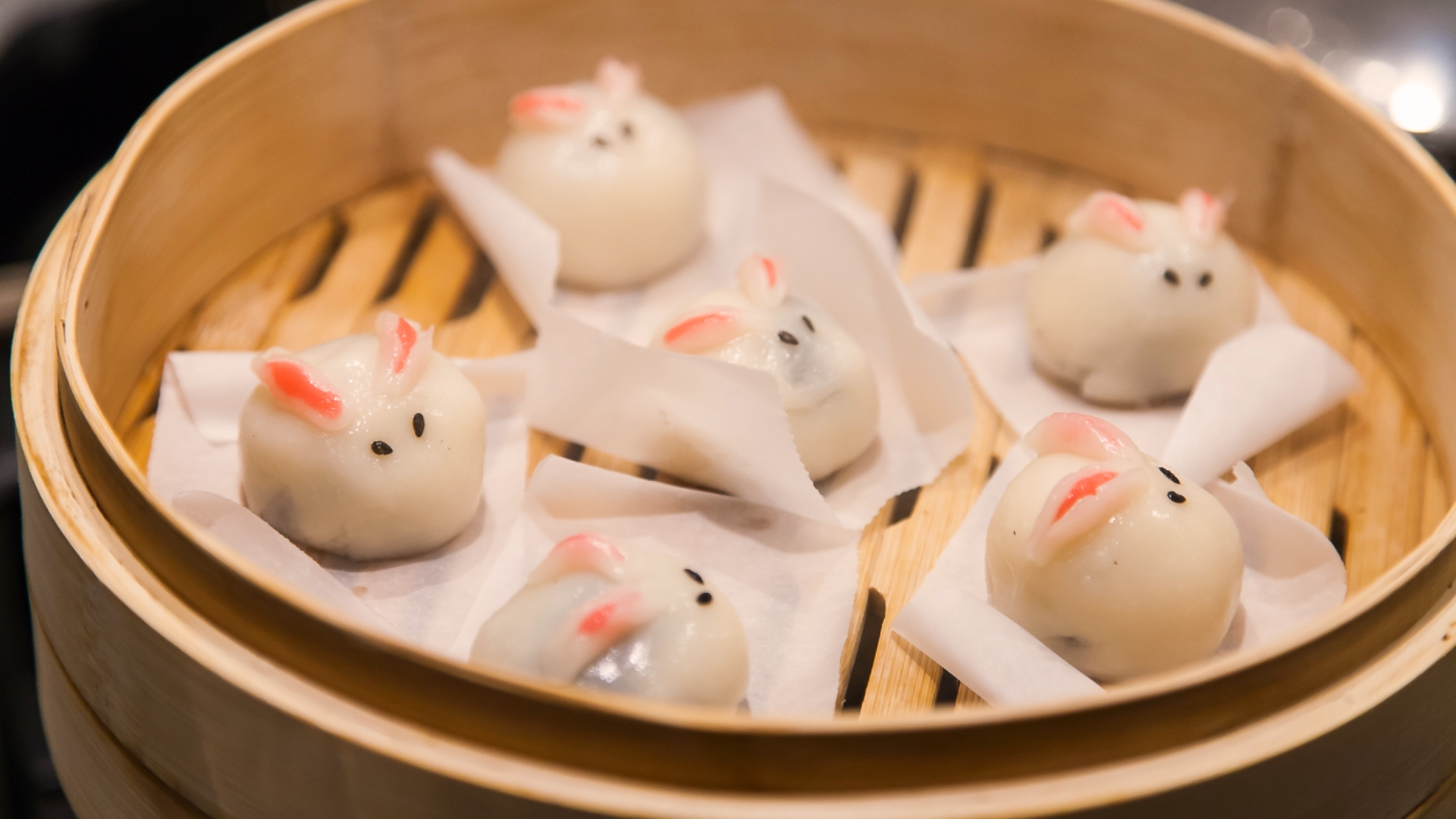
Tangyuan, or sweet rice balls, are a symbol of family unity, harmony, and happiness.
Their round shape stands for completeness and the circle of life. Traditionally served in warm, sweet syrup, they are enjoyed during family gatherings to bring everyone closer.
The stickiness of Tangyuan represents the strong bonds between loved ones.
Eating this dish during Lunar New Year reminds families to stay connected, no matter how far apart they may live, and to begin the year with warmth and joy.
13. Tangerines and Oranges
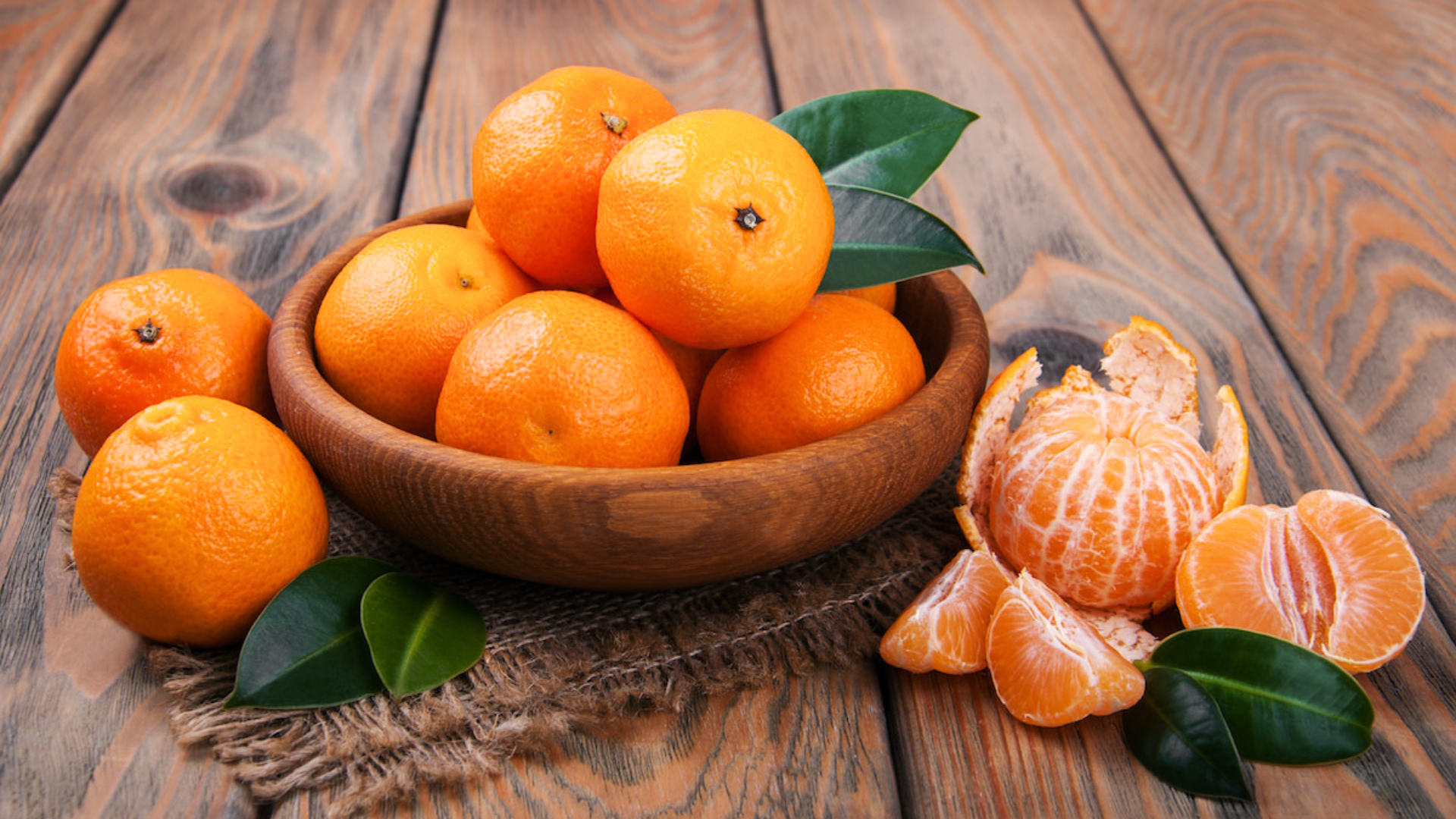
Tangerines and oranges are popular during the Lunar New Year because they symbolize luck, happiness, and wealth.
The Chinese word for orange sounds like “success,” and their bright golden color resembles gold, representing prosperity.
These fruits are often displayed in homes or given as gifts to wish others a year full of positivity.
I like how simple they are, no cooking needed, yet deeply meaningful. Sharing tangerines and oranges is a cheerful way to invite good energy and a fresh start.
14. Eight Treasures Rice
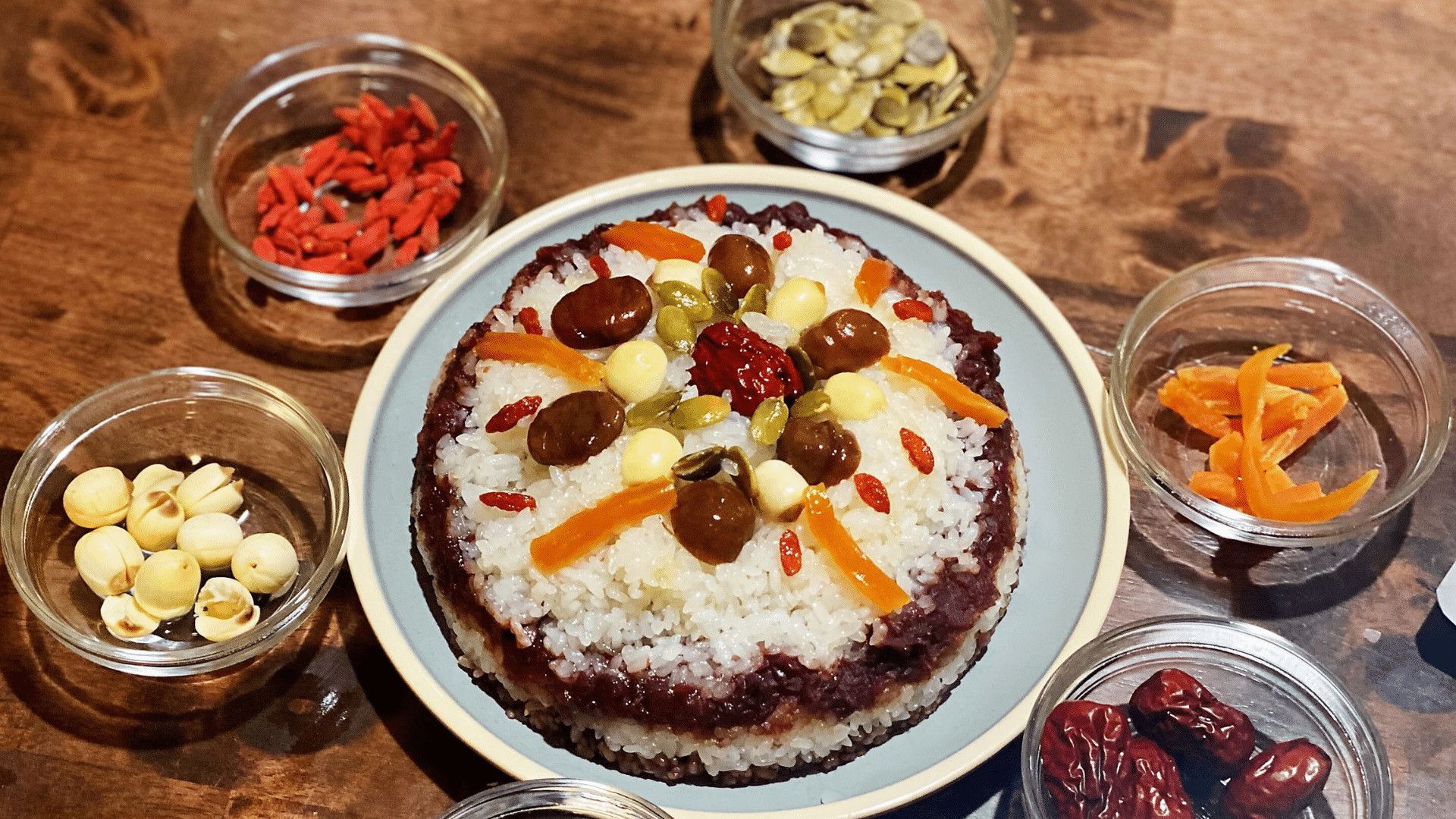
Eight Treasures Rice is a traditional dessert made with glutinous rice, nuts, seeds, and dried fruits.
The number eight is lucky in Chinese culture, symbolizing wealth and endless blessings. Each ingredient represents a good wish, like health, happiness, or prosperity.
This colorful dessert is often served at the end of the feast to complete the celebration on a sweet note.
It’s more than just dessert; it’s a message of abundance, showing that life can be both rich in flavor and full of joy.
15. Fortune Cake (Fa Gao)
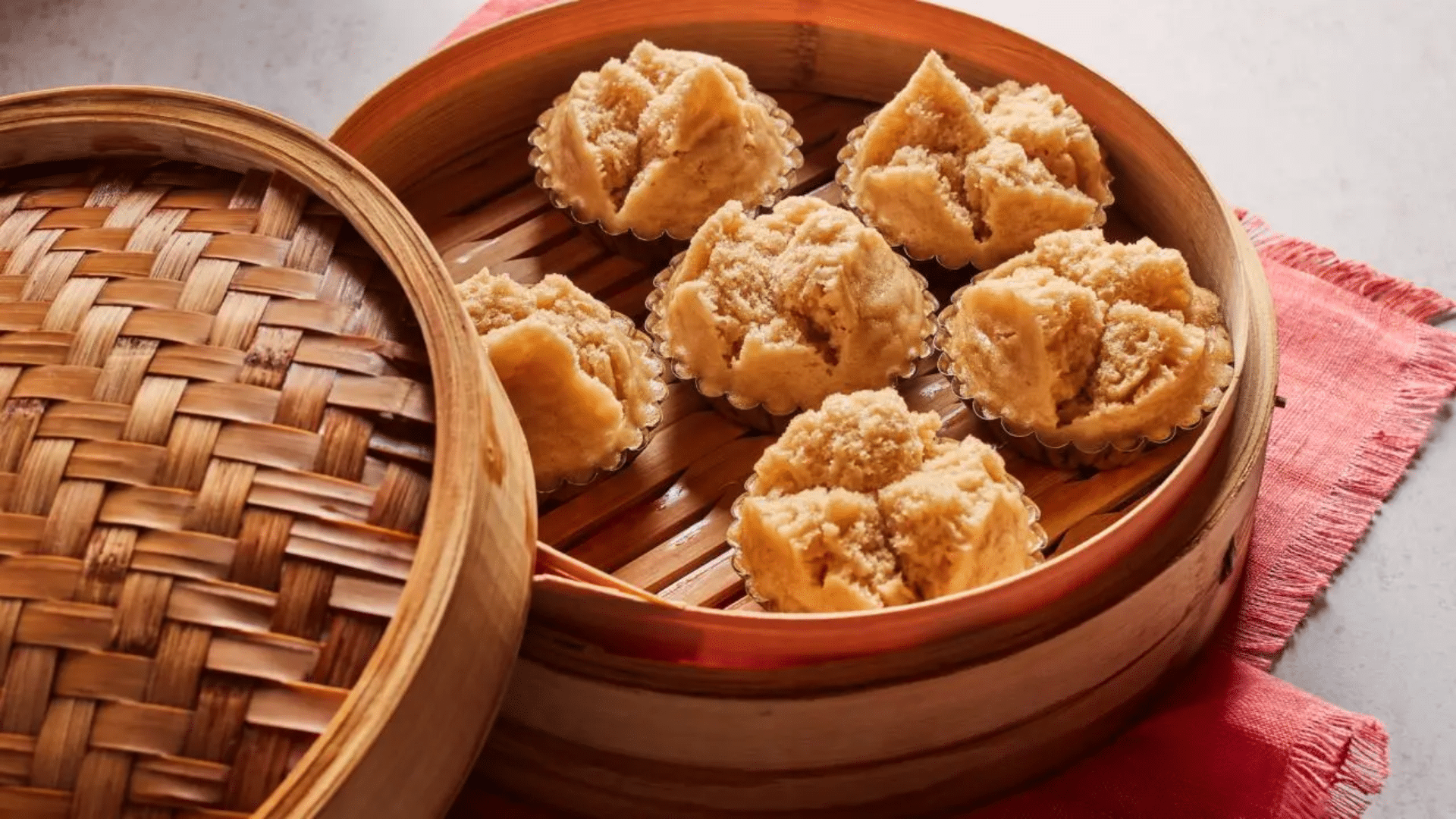
Fa Gao, also known as the Fortune Cake, is a steamed cake that represents rising fortune and new beginnings. The word “fa” means “to grow” or “to prosper,” so the cake’s fluffy, split top symbolizes wealth expanding.
Families serve or gift Fa Gao during the Lunar New Year to encourage growth in happiness, success, and opportunity.
Its light, airy texture reminds us to approach the new year with positivity. Eating Fa Gao brings hope for a year filled with progress, success, and good fortune.
How to Create a Balanced Lunar New Year Feast?
A good Lunar New Year meal isn’t just about what’s on the table; it’s about balance, meaning, and togetherness. Here’s how you can plan a feast that feels complete and festive.
- Combination of Flavors: Mix sweet, savory, and spicy dishes so everyone finds something they enjoy. Variety keeps the meal exciting and makes the table look rich and colorful.
- Balance Symbolism: Include foods that represent wealth, health, and happiness. For example, dumplings for fortune, noodles for long life, and oranges for joy.
- Family-Style Sharing: Serve dishes in large shared portions. Passing plates and eating together reminds everyone that the Lunar New Year is about unity and gratitude.
- Modern Touches: Add fusion recipes or easy versions of traditional meals if you’re short on time. It’s okay to blend old traditions with new ideas; the meaning still stays the same.
Conclusion
Each dish on your Lunar New Year table carries a wish for something good, dumplings for wealth, fish for abundance, and rice cakes for growth.
Together, they create more than a meal; they build a sense of hope and connection for the year ahead.
I believe it’s important to honor these traditions, but also to make them your own.
Whether you keep recipes passed down from family or try new versions, what matters most is sharing them with people you care about.
The spirit of the celebration comes from being together, reflecting on the past year, and welcoming the new one with gratitude. So, as you enjoy your feast, may your home be filled with luck, health, and joy.
Gong Xi Fa Cai! (Wishing you prosperity) Xin Nian Kuai Le! (Happy New Year).