Homeschooling can be a rewarding and enriching experience for both parents and children. Unlike traditional schooling, homeschooling offers flexibility, the ability to cater to a child’s individual learning needs, and the opportunity to build strong, positive relationships through shared learning experiences.
However, one of the key factors for homeschooling success is creating an effective home learning environment. In this article, we’ll explore how to set up a space that fosters creativity, focus, and a love for learning.
1. Choose a Dedicated Learning Space
The first step in setting up a successful home learning environment is choosing a dedicated learning space. While homeschooling offers flexibility in terms of where lessons can take place, it’s important to designate a specific area that’s free from distractions. Whether it’s a separate room or a corner of the living room, having a defined space helps your child understand when it’s time to focus and learn.
A dedicated learning area should be well-lit and comfortable, with appropriate seating for your child. Ensure the space has all the materials your child will need, such as books, art supplies, and a computer for online resources. If space is limited, consider using multifunctional furniture that can be easily adapted to both learning and other activities.
2. Incorporate Movement and Breaks
While it’s crucial to have a designated space for learning, it’s equally important to create opportunities for movement and breaks. Long periods of sitting at a desk can make it difficult for children to stay engaged and focused. Integrating regular breaks for physical activity can help your child reset, leading to improved focus and productivity.
Consider activities such as stretching, jumping jacks, or a quick walk outside. A change of scenery can also work wonders. Some families use learning stations or rotating activities to keep things dynamic, such as moving from the desk to a cozy reading nook or a standing desk.
3. Organize Learning Materials
One of the keys to creating an effective homeschooling environment is keeping materials well-organized. Disorganized clutter can be distracting and overwhelming for both children and parents. Use shelves, bins, and storage containers to keep books, educational tools, and other resources easily accessible.
A good organizational system will save time and reduce stress. For example, separate supplies by subject or activity—math materials in one bin, science books in another, and craft supplies in yet another. This not only keeps everything in its place but also allows your child to feel more in control of their learning.
4. Make Learning Fun and Interactive
Homeschooling offers the opportunity to turn learning into an interactive, hands-on experience. Incorporating educational games, experiments, and activities can make lessons more engaging and enjoyable for your child.
Interactive learning allows your child to actively participate in their education rather than simply passively absorbing information. Consider using games, puzzles, or building activities that tie into your lessons. For example, building a small model of the solar system or conducting simple science experiments can make subjects like science or geography come alive.
Tuttle Twins offers a range of educational resources that are not only informative but also designed to spark your child’s curiosity. Their books, which teach valuable lessons on economics, personal responsibility, and freedom, can be used as part of a fun, interactive approach to learning. You can explore more about their resources at tuttletwins.com, where you’ll find books that introduce children to essential life skills.
5. Establish a Routine and Set Goals
One of the benefits of homeschooling is the flexibility it provides, but this can also be a challenge for families if there’s no clear structure in place. To ensure homeschooling success, establish a routine that works for your family. A consistent daily schedule helps children know what to expect and helps to create a sense of stability.
Start each day with a brief morning routine to set the tone, whether it’s reading a story, discussing the day’s lessons, or setting goals. These goals can be academic or personal, such as completing a math worksheet or reading a chapter of a book. Having clear goals allows your child to track progress and feel a sense of accomplishment.
Setting aside specific times for each subject, as well as regular breaks, can also prevent burnout and keep the learning process flowing smoothly. For example, you might choose to focus on math in the morning when your child is most alert, and leave more creative subjects like art or writing for the afternoon.
6. Create a Positive, Supportive Atmosphere
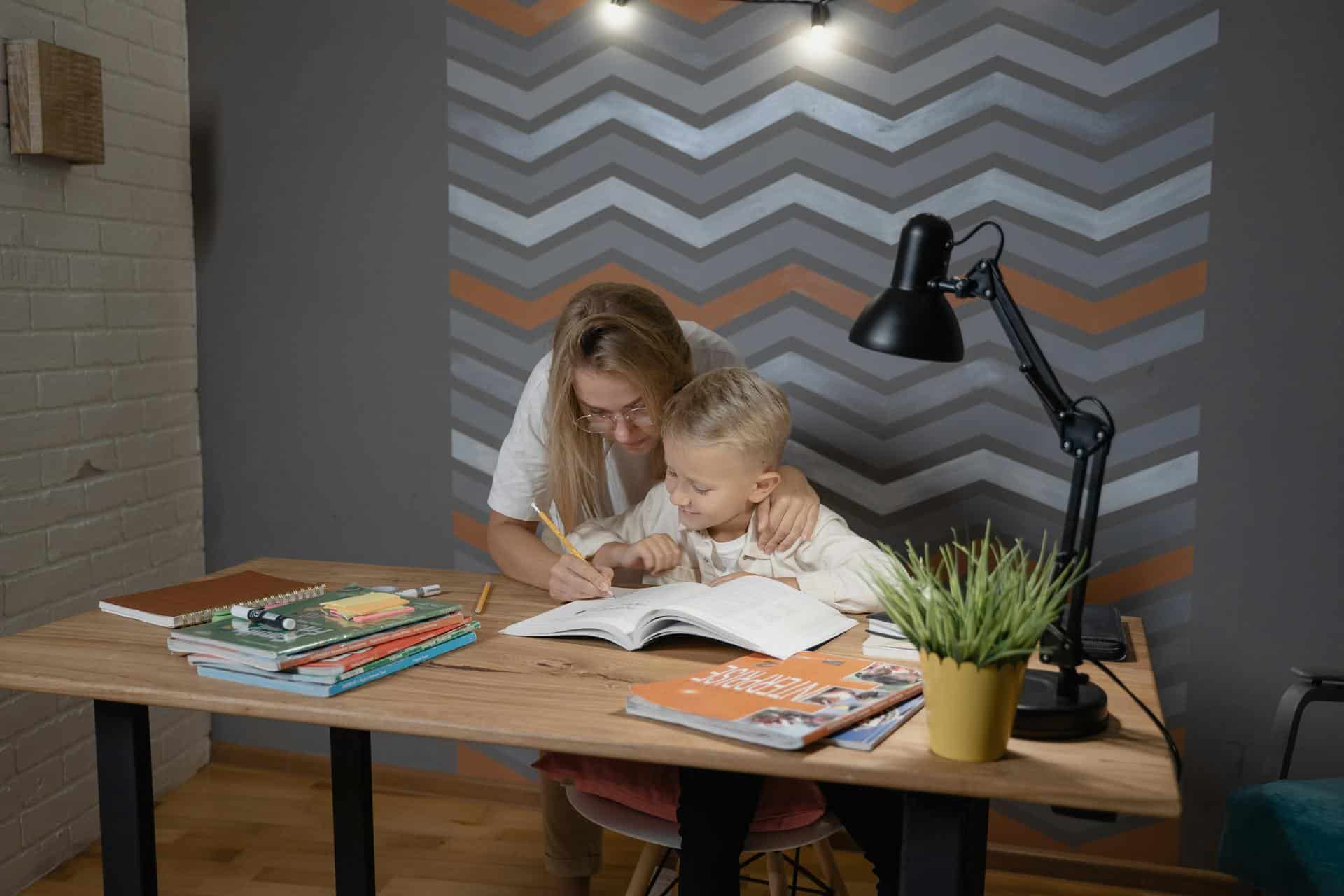
The tone you set in your home learning environment is just as important as the physical setup. A positive and supportive atmosphere is essential for nurturing a child’s love of learning. Your attitude towards learning, as well as your interactions with your child, can have a profound impact on their attitude towards schoolwork.
Praise effort over perfection. Celebrate progress, no matter how small, and encourage your child to ask questions and explore topics that interest them. Learning is an ongoing process, and mistakes are part of that journey. Creating a space where your child feels safe to take risks and make mistakes fosters confidence and a growth mindset.
Additionally, incorporate quiet moments of reflection into your routine. Some families create a “chill-out” space with pillows and soft lighting, where children can take a break, read independently, or think quietly about what they’ve learned.
7. Personalize the Learning Experience
One of the great advantages of homeschooling is the ability to tailor the curriculum to fit your child’s individual needs and interests. Take time to get to know what excites your child and incorporate those passions into your homeschooling lessons. Whether it’s music, art, animals, or technology, finding ways to connect your child’s personal interests with educational topics can make learning feel more relevant and exciting.
For example, if your child loves animals, use books, videos, and activities related to wildlife to enhance lessons on biology. If they’re passionate about building, hands-on construction projects can bring concepts in math or engineering to life.
Tuttle Twins’ books offer a unique opportunity to tie learning about economics, history, and personal responsibility into your child’s interests. Whether your child is interested in entrepreneurship, politics, or social issues, Tuttle Twins offers books that make these complex topics accessible and engaging for young minds.
8. Incorporate Family Learning Activities
One of the joys of homeschooling is the ability to bring the whole family together for learning experiences. Family learning activities provide opportunities to bond while learning something new. Consider activities like cooking together, doing home improvement projects, or taking nature walks while discussing science concepts.
These activities provide hands-on learning experiences that can supplement traditional lessons and deepen your child’s understanding of various subjects. Whether you’re building a garden or doing a home repair project, these experiences offer valuable opportunities for your child to learn practical skills and apply concepts in real-world settings.
Conclusion
Creating an effective home learning environment is key to homeschooling success. By setting up a dedicated, organized space, establishing a routine, and fostering a positive atmosphere, you can help your child thrive academically.
Incorporating interactive resources like Tuttle Twins books can further enrich their education by teaching valuable lessons on personal responsibility, freedom, and economics. With the right environment and tools, homeschooling can be a fulfilling and successful experience for both parents and children.