New homeowners often feel eager to explore their outdoor space. The first month offers a perfect chance to understand what new homeowners should check in their yard. You assess the yard layout and spot issues early. You inspect visible damage and identify safety hazards. You note grading issues that may cause trouble later. Then again, you mark areas that need immediate attention. Your first review guides future projects and sets the pace for smart improvements. Above all, a clear start supports safer and more confident yard care.
First Look at Your Yard’s Overall Condition

A careful first walk across the yard gives you a strong starting point. You assess the yard layout and determine which areas require early attention. In short, you study surface changes, broken areas, or any unusual shifts. You inspect visible damage that may spread with heavy use. In contrast, you identify safety hazards such as loose stones, sharp edges, or unstable ground. You note grading issues that direct water toward the home. You also mark areas that need immediate attention so repairs stay simple. You compare trouble spots with areas ready for future upgrades. You think ahead as you study how sunlight, soil, and foot traffic shape outdoor use. This first review guides smart planning and supports ongoing improvements across the entire yard.
Soil Health and Drainage Patterns
Healthy soil and dependable drainage give your yard stronger long-term results. You check soil texture and moisture to understand how plants respond. On the other hand, you also watch how water moves during rain. You review spots where puddles form or where runoff pushes soil downhill. Nevertheless, you study areas near the home to stop moisture from reaching the foundation. You look for signs of erosion, such as exposed roots or shifting mulch. You compare dry patches with soaked patches to spot grading issues. You test soil depth before planting anything new. You adjust watering schedules for balance. You map the yard to track each problem area. This early assessment helps you decide which sections need improvement before you build larger outdoor projects.
Assess Hardscape, Patio Areas, and Plan a Patio Makeover

A detailed review of your patio helps you plan upgrades with confidence. Examine patio cracks to see which areas need fast repair. You should check pavers for shifting because uneven lines disrupt both comfort and style. Inspect railings and steps to confirm they stay secure during daily use. Besides, evaluate furniture stability before shaping a new layout. A patio makeover may include resurfacing, fresh lighting, or updated seating that supports a better outdoor routine. Most projects require cleared space, so you may need temporary spots for furniture or décor. Short-term containers or covered areas work well during active updates. At this point, it becomes helpful to explore storage options during a patio makeover that protect valuable items. You can choose simple, low-cost improvements that support long-term value and steady use.
Trees and Shrubs: Safety and Condition
Once you understand the soil and drainage, turn your attention to the living structures in your yard—trees and shrubs. Trees and shrubs often shape the health and safety of your yard. You scan the canopy for broken limbs. Similarly, you look for leaning trunks or unusual growth that signals trouble. You inspect bark for insects or fungus. You check tree roots that rise above the soil or push too close to walkways. You trim branches that hang near the roof. You study shrub beds for thinning leaves or dead sections. You track how shade falls across the yard to plan future plant choices. You also consider the size of each plant as it grows. You decide which trees need expert care. You prepare notes for later pruning or replacement. This steady routine strengthens the yard and prevents surprises during storms.
Fences, Gates, and Borders
After the trees and shrubs, what new homeowners should check in their yard are the non-living boundaries. Strong borders create safer outdoor spaces. You start by testing every gate to confirm smooth movement. However, you also push against fence panels to study their stability. You look for rot, rust, or gaps that invite animals inside. You check posts for shifting soil that weakens support. You tighten loose hardware or plan repairs for larger problems. You inspect garden borders to see where soil washes away or piles against structures. You follow the property line to spot damage hidden by plants. You track uneven sections that tilt or sag. You evaluate how each border handles wind or water flow. You make a repair list based on urgency. This steady inspection protects your yard and keeps every outdoor area secure.
Pest Activity is What New Homeowners Should Check In Their Yard During the First Month
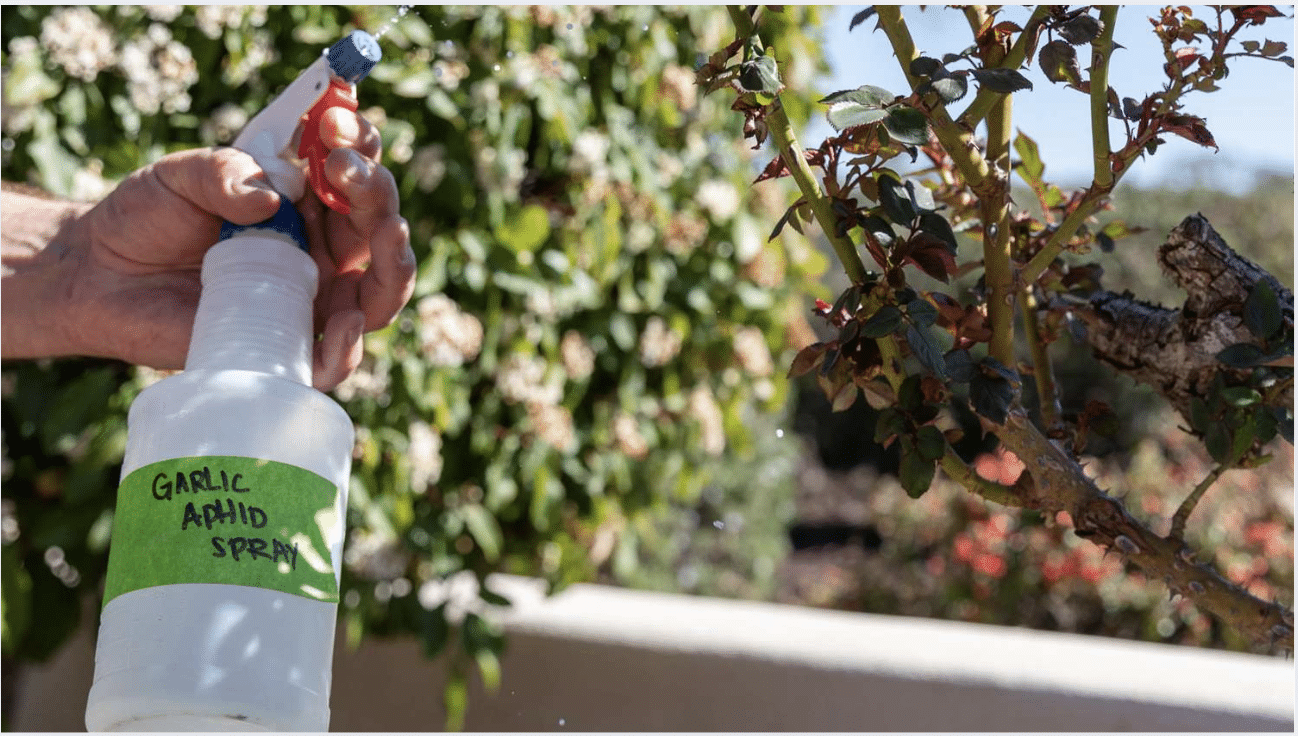
Pests spread quickly, so you inspect the yard with care. Surveys show around 50-60% of US households deal with ants, spiders, or cockroaches annually. When searching for them, you should walk the perimeter to look for burrows, nests, or trails. On the contrary, you also check mulch beds for ants or moisture-loving insects. You study wood structures for early termite signs. Hence, you check trash areas for openings that attract wildlife. You clear debris that shelters pests. You trim plants that grow too close to the house. You remove standing water that breeds insects. You seal small gaps near sheds or fences. You place barriers around vulnerable plants. You decide if professional help fits the situation. This focused routine strengthens your yard and protects outdoor spaces during your first month in the home.
Outdoor Water Systems and Irrigation

Water systems shape how your yard grows. You turn on each sprinkler zone to study coverage. For this reason, you look for weak spray patterns or clogged heads. You inspect hoses for cracks and leaks. You check spigots near the home to stop unwanted moisture. Follow irrigation lines across the yard to spot breaks or bends. You adjust timers to match the climate. Track how water reaches plants at different elevations. You note dry circles that signal poor reach. You test the pressure at several points. You should also decide if older parts need upgrades for efficiency. This careful review reduces waste and strengthens soil performance. Strong water control helps every plant settle into its space during the first month.
A Confident Start to Your First 30 Days of Yard Care
A strong first month shapes long-term yard success. You track repairs, study growth patterns, and plan upgrades with purpose. As a matter of fact, you strengthen safety and improve curb appeal as you follow what new homeowners should check in their yard. This steady approach supports confident outdoor care all year.