Growing berries in Southern California offers unique rewards and challenges that differ significantly from other regions. The Mediterranean climate with mild winters and hot, dry summers creates conditions where careful variety selection becomes absolutely critical for success. Blackberries and blueberries can thrive in this region when gardeners understand the specific conditions these plants need to produce abundant, flavorful fruit.
How to Choose the Right Blueberry Varieties?
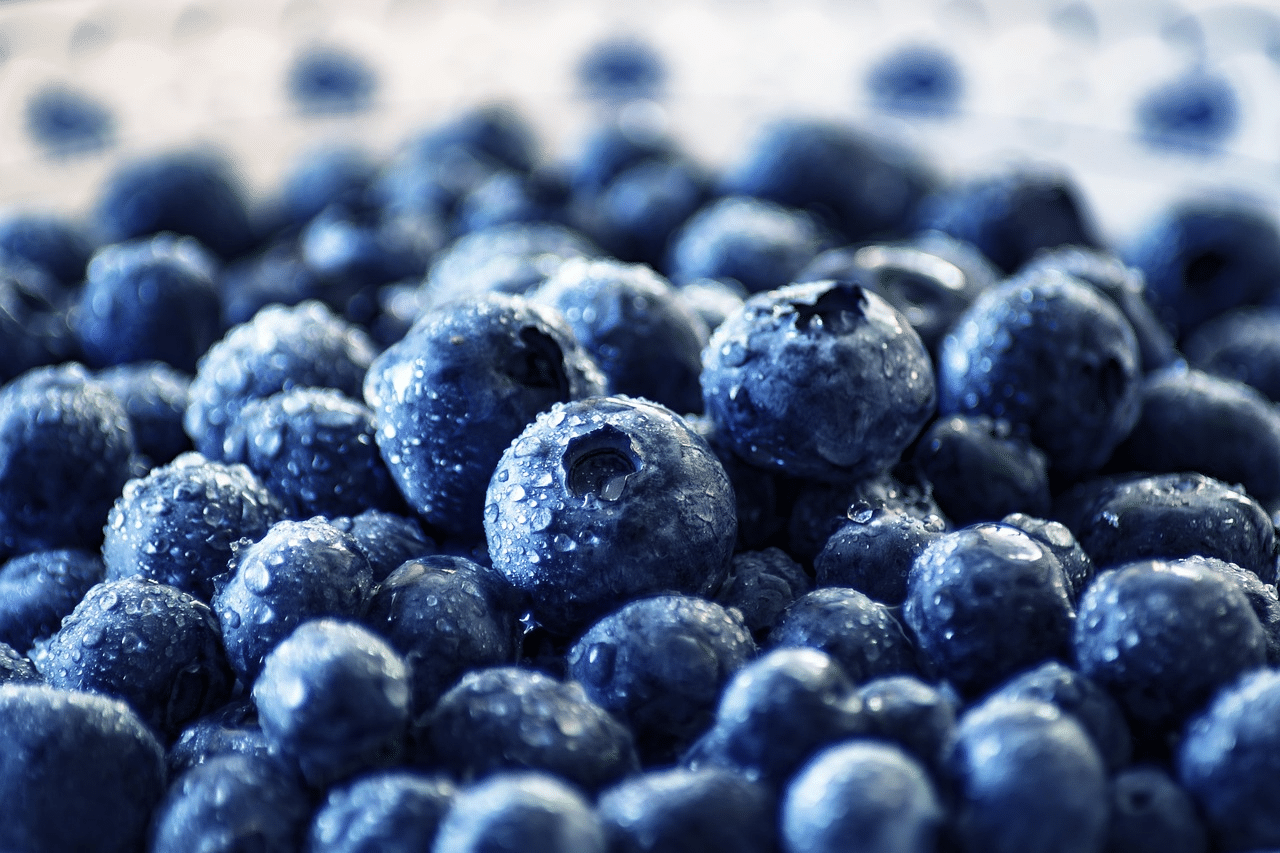
Blueberries require acidic soil and specific chill hours to set fruit properly, which makes variety selection crucial. Most traditional varieties need 800 to 1,000 chill hours, which Southern California cannot provide except in mountain areas. Verifying the exact chill hour requirements for your location demands the same attention to detail you might use for a California plate lookup when checking a vehicle registration, because planting varieties mismatched to your climate wastes an entire growing season.
The Southern Highbush blueberry category includes varieties that need only 150 to 500 chill hours, which makes them ideal for this region. Misty, O’Neal, and Sharpblue represent three of the most reliable varieties for Southern California gardens:
- Misty produces medium to large berries with excellent flavor and requires approximately 300 chill hours, which makes it suitable for most coastal and inland areas.
- O’Neal ripens earlier in the season and produces very large, flavorful berries that gardeners prize for fresh eating.
- Sharpblue tolerates heat exceptionally well and produces consistently, even in warmer inland valleys.
Sunshine Blue offers another excellent option, particularly for container growing or small space gardens. This compact variety reaches only four to five feet tall and produces sweet, medium-sized berries on attractive plants with ornamental value. The foliage turns brilliant red in fall and provides seasonal interest beyond just fruit production. It needs only 150 chill hours, which makes it suitable even for the warmest Southern California locations.
Soil Requirements for Blueberries
Blueberries absolutely require acidic soil with a pH between 4.5 and 5.5 to absorb nutrients properly and thrive. Southern California soils typically range from neutral to alkaline, which creates a fundamental challenge that must be addressed before planting.
Testing your soil pH should be the first step in any blueberry growing project. Home test kits work adequately, but professional soil testing through university extension services provides more detailed nutrient analysis and specific amendment recommendations.
Blackberry Varieties for Southern California
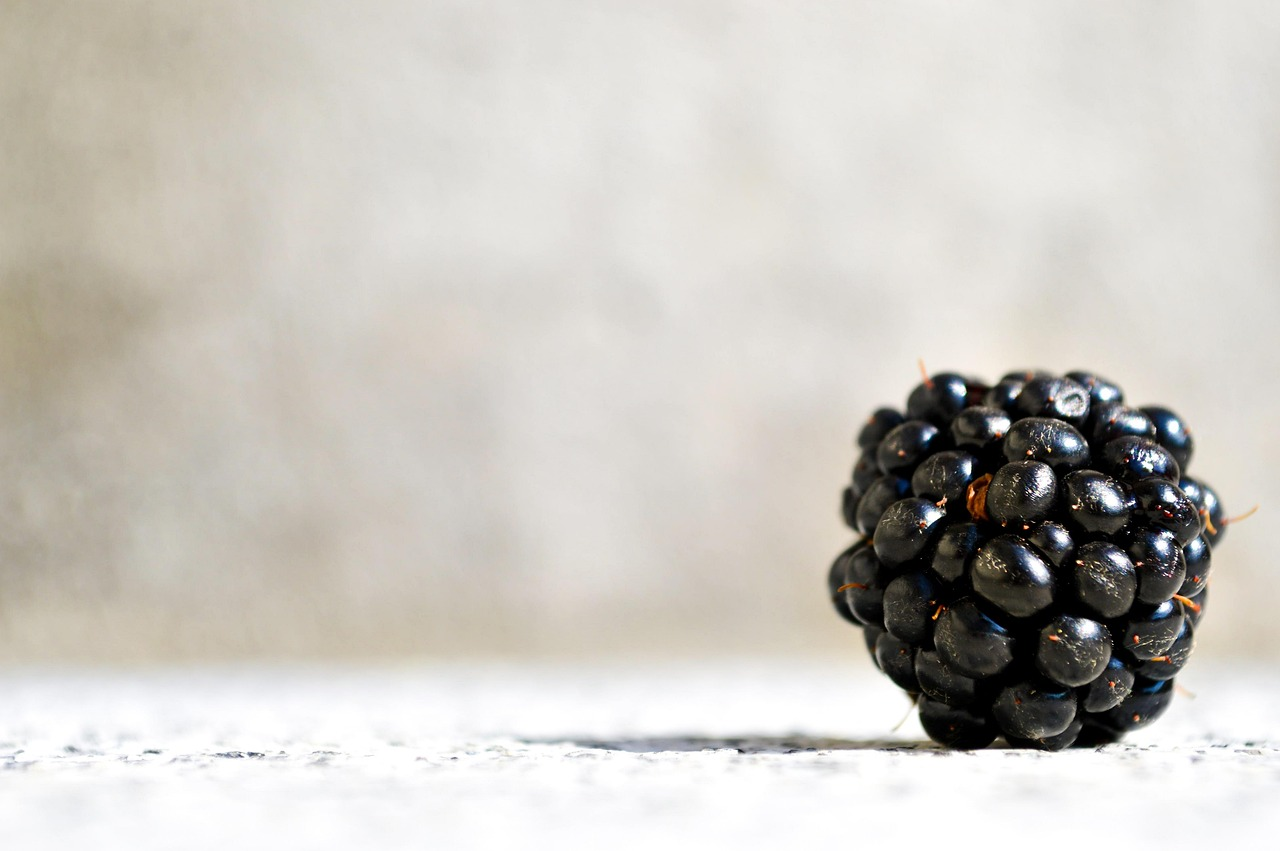
Blackberries generally adapt more easily to Southern California conditions than blueberries because they tolerate a wider range of soil types and require fewer specific chill hours. Thornless varieties have become increasingly popular because they make harvesting and maintenance much more pleasant. They also produce fruit identical in quality to thorny types, while eliminating the painful scratches and tears that come with managing traditional brambles.
Prime Ark Freedom represents a breakthrough thornless blackberry that produces two crops per year in Southern California. The first crop appears on second-year canes in late spring, while the second crop develops on first-year canes in fall. This primocane fruiting habit extends the harvest season significantly and provides fresh, sweet berries for months.
Boysenberries deserve special mention because they were actually developed in California and perform exceptionally well throughout the region. This blackberry hybrid produces large, reddish-purple berries with a distinctive, sweet-tart flavor perfect for fresh eating and preserves. Boysenberries thrive in the warm climate and tolerate the alkaline soils better than many other bramble fruits.
Planting and Spacing Considerations
Blackberries and blueberries need full sun for optimal fruit production, though they appreciate some afternoon shade in the hottest inland valleys. Site selection should prioritize areas with good air circulation to reduce disease pressure and morning sun to dry dew quickly from leaves. Avoid low-lying areas where cold air settles during winter or where water accumulates after rain or irrigation.
Space blueberry plants four to six feet apart in rows to ensure there is room for their mature size and adequate air circulation between plants. Blackberries need more space, with six to eight feet between plants in rows and eight to ten feet between rows. Proper spacing prevents overcrowding, reduces disease problems, simplifies harvest, and allows sufficient light penetration.
Water and Fertilizer Management
Berry plants have shallow root systems that require consistent moisture but cannot tolerate waterlogged conditions. Drip irrigation works ideally for blackberries and blueberries because it delivers water directly to the root zone while keeping foliage dry. Install emitters six to twelve inches from the plant base, water deeply two to three times per week during hot weather, and adjust watering frequency based on soil type and weather conditions.
Blueberries require acidic fertilizers formulated specifically for acid-loving plants. Apply fertilizer in late winter before new growth begins, again after fruit set, and a final application in late summer. Blackberries benefit from balanced fertilizers applied in early spring and again after harvest. Mulching with two to three inches of organic material conserves moisture, moderates soil temperature, and gradually adds nutrients as it decomposes over time.
Successfully growing blackberries and blueberries in Southern California requires understanding regional climate limitations and selecting appropriate varieties for local conditions. With proper variety selection and ongoing care, home gardeners can enjoy abundant harvests of fresh berries throughout the spring and summer.