Most Americans spend roughly 90 percent of their time indoors. The air you breathe inside your home affects your health more than outdoor pollution. Bad indoor air triggers allergies, makes asthma worse, and leaves you feeling exhausted.
You can fix this without spending thousands of dollars. Simple changes create cleaner air fast. Here are seven methods that actually work.
Change Your Air Filters on Schedule
Your HVAC system pulls air through filters that catch dust, pollen, and particles. Clogged filters stop working. They let pollutants slip through and make your system run harder.
Check filters monthly and swap them out every one to three months. Pets and allergies mean you need more frequent changes. An HVAC contractor can check your system and tell you exactly how often to replace filters.
Basic filters grab big particles. Better filters catch smaller stuff. Pick filters rated between MERV 8 and MERV 13 for solid filtration without blocking airflow.
Open Windows for Fresh Air
Fresh air pushes out indoor pollutants and drops moisture levels. Open windows on opposite sides of your house to get air moving through. This costs nothing and works in minutes.
Morning air tends to be the cleanest. Skip this during high pollen days or air quality alerts. Just 10 to 15 minutes flushes out stale air and reduces carbon dioxide buildup.
Keep Humidity in Check
Your indoor humidity should sit between 30 and 50 percent. Too much moisture grows mold and feeds dust mites. Too little dries out skin and bothers your breathing.
Run exhaust fans in bathrooms and kitchens to pull out moisture. Keep them running during showers and for 20 minutes after. Fix leaks right away since standing water creates perfect mold conditions.
Grab a dehumidifier for damp basements or humid summer months. Add a humidifier during dry winters. Most modern thermostats show humidity levels so you can track them easily.
Clean Regularly and Thoroughly
Dust, pet hair, and allergens land on every surface in your home. Cleaning removes them before they float back into the air. Vacuum carpets twice a week, at a minimum, using a vacuum with a HEPA filter.
Wipe hard surfaces with damp cloths instead of dry ones. Dry dusting just spreads particles around. Wash your sheets in hot water weekly to kill dust mites. Clean ceiling fans, air vents, and other dust magnets, too.
Take off shoes at the door to stop tracking in outside dirt. Put mats on both sides of entryways to catch grime before it spreads.
Add Indoor Plants That Filter Air
Some houseplants pull toxins from your air naturally. Spider plants, snake plants, and pothos remove chemicals like formaldehyde and benzene. NASA research proved plants improve air quality in closed spaces.
Put plants in rooms where you spend the most time. Water carefully since soggy soil grows mold. Pick easy-care varieties if you’re new to indoor plants.
Plants help, but can’t replace good ventilation or filters. They add natural beauty while giving modest air quality benefits.
Cut Down on Chemical Products
Many household items release volatile organic compounds into your air. Paints, cleaners, air fresheners, and personal care products all add chemicals. These cause headaches, dizziness, and breathing problems.
Switch to cleaners with fewer harsh ingredients. Vinegar, baking soda, and mild soap clean most things just fine. Store paints and solvents in your garage instead of inside.
Ditch artificial air fresheners and scented candles. They add chemicals instead of removing smells. Open a window or use an exhaust fan to clear odors naturally.
Get Professional HVAC Service
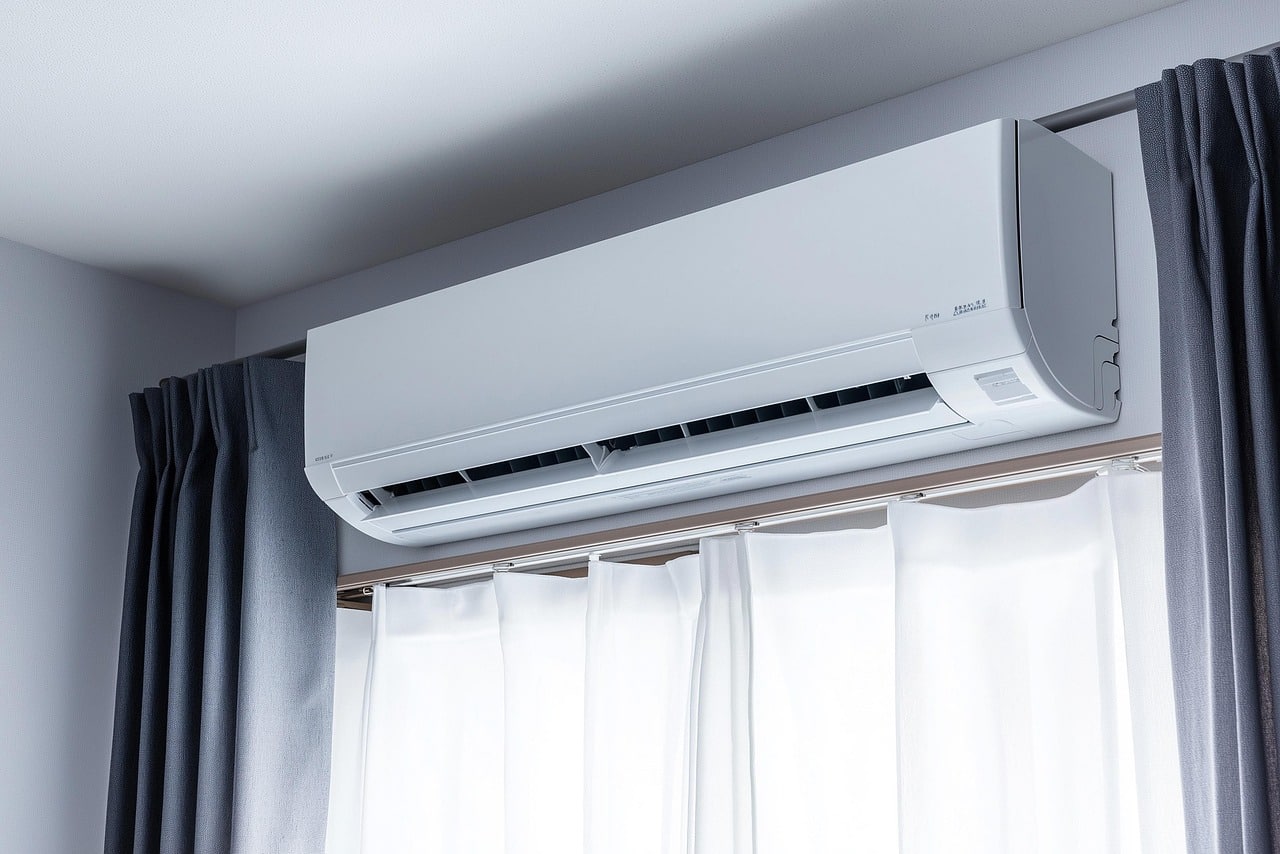
Your heating and cooling system does more than adjust temperature. It moves air through your entire house. A system that’s not maintained properly spreads dust, mold spores, and contaminants.
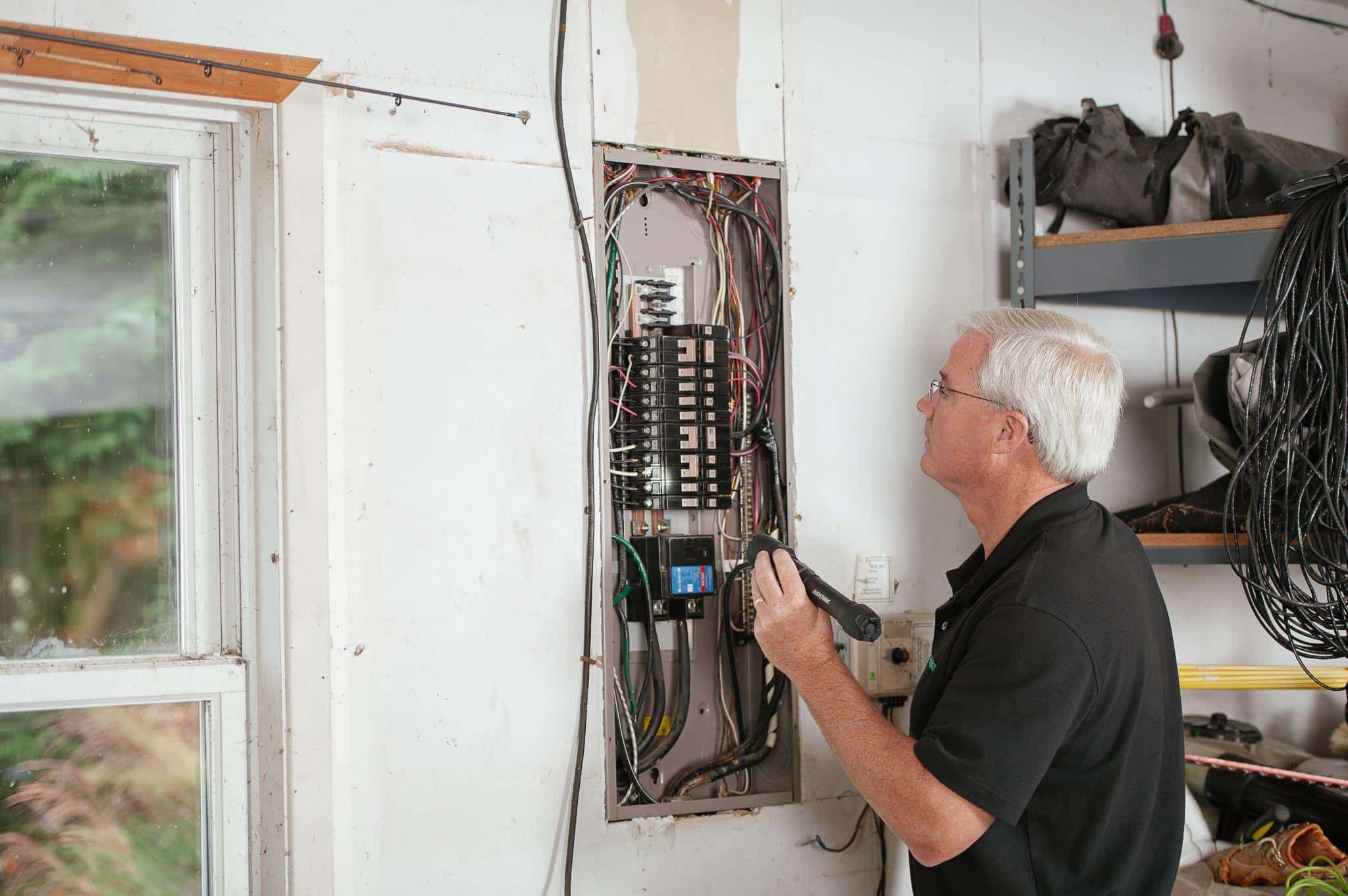
Professional techs clean parts you can’t reach yourself. They look for mold in ductwork and check drain pans for water. Annual service catches small issues before they turn into big, expensive problems.
Clean ducts boost airflow and cut down on dust entering your rooms. Ask about UV lights or air purifiers that work with your HVAC system for better filtration.

Pick One and Start Now
You don’t have to do all seven things today. Choose the easiest one for your situation. Change your filter right now or open windows for 15 minutes this afternoon.
Small steps add up over weeks and months. Your body will notice the difference. Cleaner air means better sleep, fewer sniffles, and more energy all day long.