A septic system does most of its work out of sight, and that is easy to forget until the ground freezes. Cold weather brings its own problems: pipes that freeze, drain fields that lose their snow cover, and holiday weeks when the house is full and the water never stops running.
The good news is that a few checks in the fall can head off most winter trouble. Here is what to look at before the first deep freeze.
Why Cold Weather Is Hard on Septic Systems
A septic system relies on two things that winter works against: steady flow and active bacteria. Warm wastewater moving through the pipes keeps them from freezing. Bacteria in the tank and the soil break down solids and treat the water as it drains.
When flow slows down or stops, water can sit in a pipe and freeze. When soil gets very cold and is left exposed, the drain field works less well. A frozen line from the house to the tank, or from the tank to the field, can back sewage up into the home. That is the kind of repair nobody wants to schedule in January.
Areas with real winters, like the Colorado Front Range, see this every year. Freezing nights, uneven snow and long dry stretches all play a part. Around Boulder, local contractors such as Septic & Sewer Boulder handle septic repair, maintenance and sewer line work, and they can tell you whether your setup needs anything special before the cold arrives.
Check Your Snow Cover and Drain Field
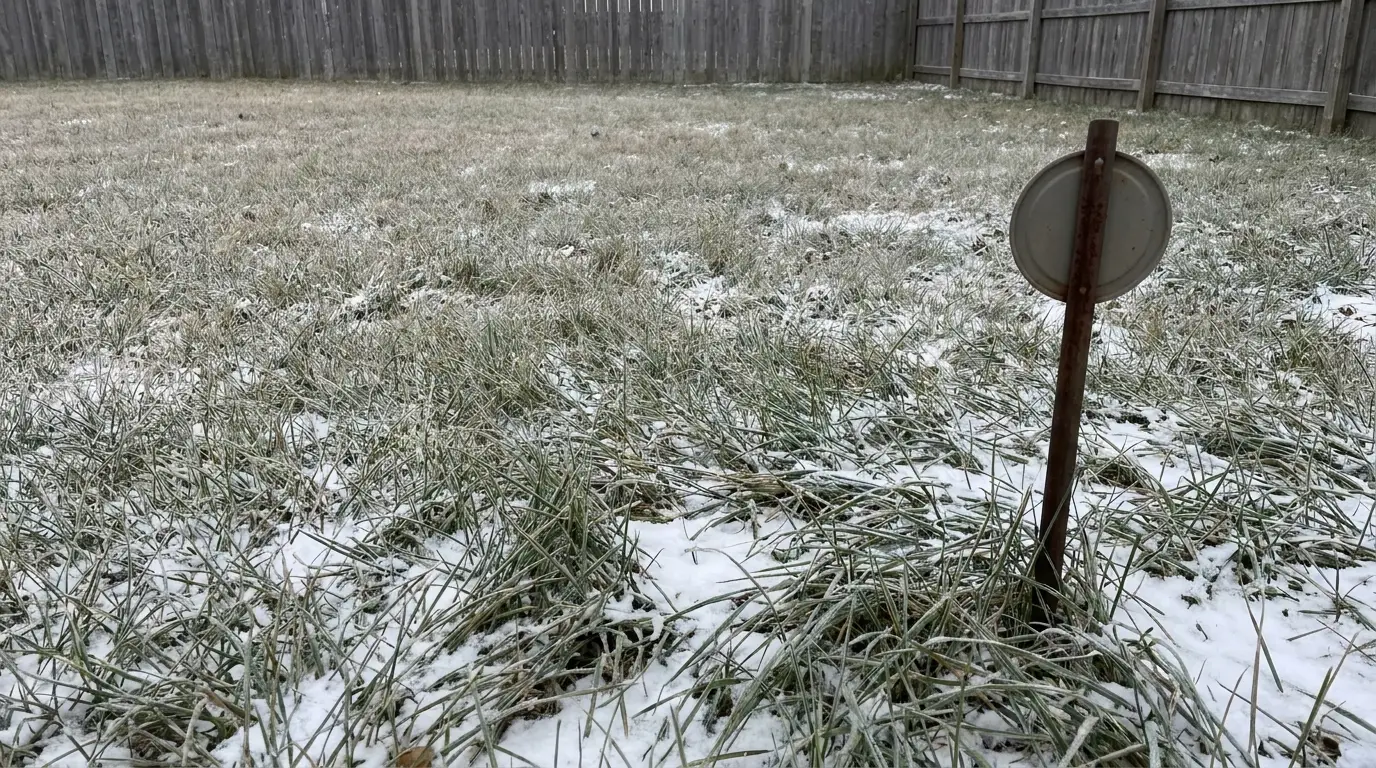
Snow is one of the best insulators a drain field can have. A steady layer keeps the ground below it warmer and helps the soil keep treating water. That means some fall habits work against you.
Start by keeping cars, trucks, snowmobiles and heavy foot traffic off the tank and drain field. Packed snow and packed soil let frost go deeper. When you do the final mow of the season, leave the grass a bit longer over the field so it holds snow in place.
If the field was recently installed or has thin vegetation, a loose layer of straw or mulch can help. Ask your service provider first so you don’t cover anything that needs to stay accessible. And don’t plow snow onto the field. Plowed snow is usually dense and dirty, and it can melt into a wet mess in spring.
Protect Pipes and Access Points From Freezing
Most freezing problems start at weak spots: shallow pipes, lids that don’t seal, and low places where water sits. Before winter, walk the system and check:
- Tank lids and risers. Make sure they are in place, sealed and not cracked. Cold air getting into the tank can cool things down fast.
- Inspection ports. Caps should be tight. A missing cap is an easy way for cold air and debris to get in.
- Exposed or shallow pipes. If any part of the line from the house is close to the surface, talk with a pro about insulating it.
- Downspouts and drainage. Roof water should flow away from the tank and field, not toward them. Saturated soil freezes more easily.
- Marked locations. Put a stake or marker by the tank lid so you can find it under two feet of snow if you need a service call.
Pay attention to small leaks inside the house too. A dripping faucet or a toilet that runs slowly sends a thin trickle of water down the line. That small flow can freeze in a cold pipe, where a normal flush would have moved through fast enough to stay liquid.
If you’re leaving the house for a long stretch, ask your septic professional how best to leave the system.
Plan Ahead for Holiday Water Use
The holidays are hard on septic systems for a simple reason: more people, more cooking, more laundry and more showers, often all in the same few days. A tank sized for a family of four may be handling twice that.
A few habits help a lot. Spread out the laundry, doing one or two loads a day instead of five on a Saturday. Big bursts of water can push solids into the drain field before they settle.
Keep grease out of the drain, too. Holiday cooking means roast drippings, gravy and fryer oil, so let fats cool and put them in the trash. Guests may not know you’re on septic, and a small sign in the guest bath about wipes and paper towels can save you a service call.
If your tank is close to its usual pumping date, having it pumped in the fall before the ground freezes is often easier than calling for service in mid-winter.
When to Call a Professional Before the Freeze
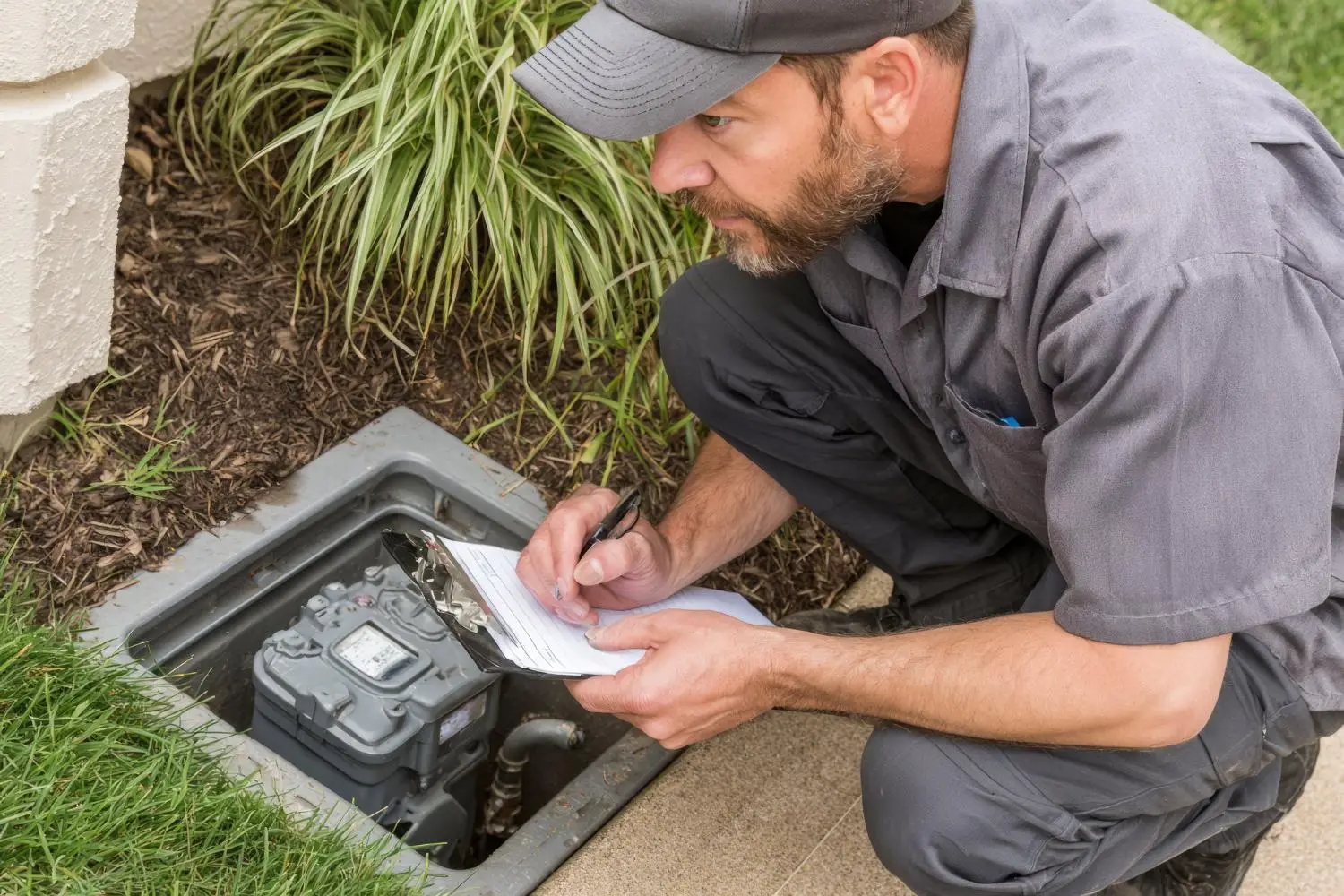
Fall is a good time for a general inspection. A technician can check the baffles and lids and make sure the system is ready for a few months under snow. Getting this done in October or early November also means nobody is trying to dig through frozen ground.
It helps to understand the basics before the visit. The National Onsite Wastewater Recycling Association, a professional association for the onsite wastewater field, shares homeowner information on how these systems work, which makes conversations with a technician easier.
A Short Fall Checklist
Before the ground freezes, check the lids, risers and port caps so cold air stays out of the tank, and mark the tank location so winter service is possible. Keep vehicles off the field to prevent deep frost and damage, and leave the grass longer or add mulch to insulate the soil.
Inside, fix drips and running toilets to stop the slow trickles that freeze. Then plan holiday laundry and cooking so the tank doesn’t get overloaded.
Walk the yard, fix the small leaks and set a few house rules for the holidays. Your septic system will handle the cold much better for it.