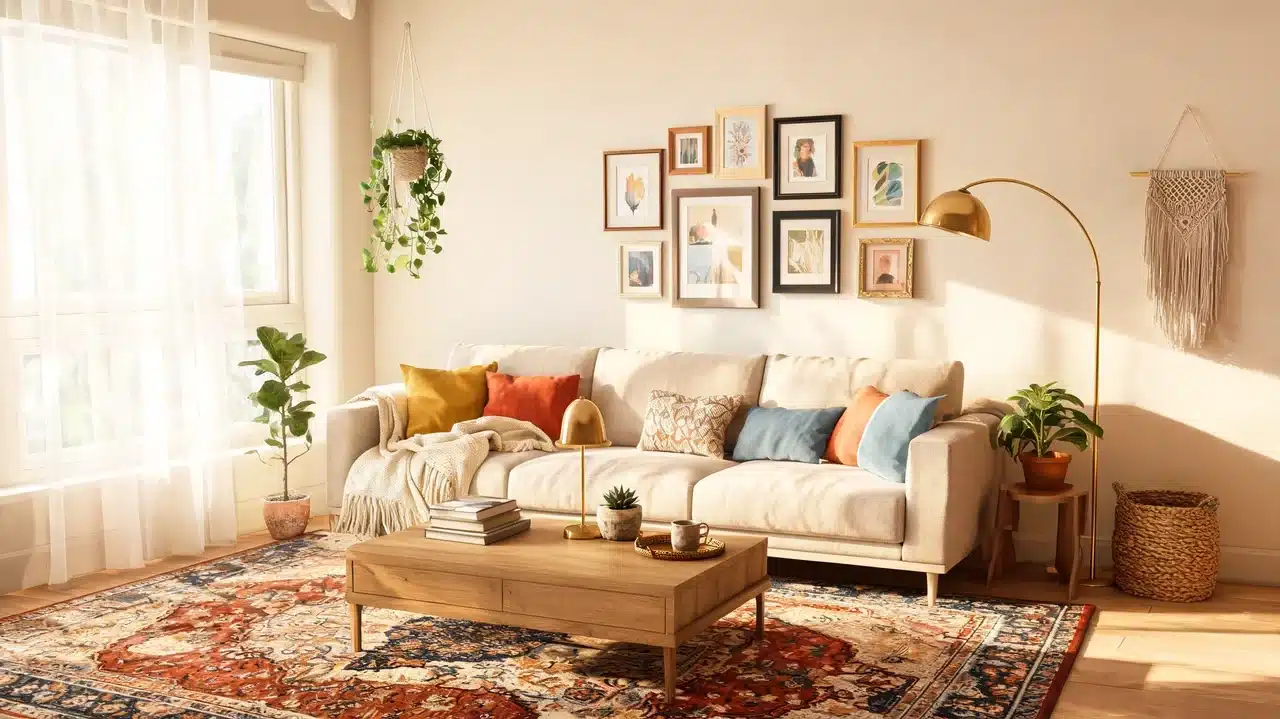
Have you ever walked into a room and felt like it had no real story? I have seen that happen when every piece looks too matched, too plain, or too copied from a catalog.
In my years running consultations in homes across Houston and the Gulf Coast, I’ve noticed the same problem shows up indoors just as often as it does in a yard. Everything is safe, everything is matched, and nothing tells you who actually lives there.
That is where eclectic interior design feels so useful. It lets you mix furniture, color, art, texture, and personal decor in a way that feels lived-in and real.
You do not need a perfect home or a huge budget. You need a few pieces that work together and a clear sense of what feels like you.
The Meaning of Eclectic Design
Eclectic interior design is the art of making mixed pieces feel like they belong together.
It is the kind of room where a sleek sofa, an old rug, bold art, a carved table, a brass lamp, and a handmade vase can all sit in the same space and still feel right.
The style has been around longer than most trends on this list. It traces back to 19th-century Paris, where architects trained at the École des Beaux-Arts began blending historical styles rather than sticking to a single one.
The word itself comes from the Greek “eklektikos,” meaning selective. That is still the core idea today: you are not throwing things together; you are selecting on purpose.
The trick is not to add everything you love at once. The trick is to give the room a clear thread. That thread can be a repeated color, a similar shape, a warm mood, or a mix of textures that feels collected over time.
Elements that make it work:
- Anchor: Start with one strong piece, like a sofa, rug, cabinet, or artwork
- Contrast: Mix old with new, soft with sharp, plain with patterned
- Color: Repeat a few shades so the room feels connected
- Texture: Bring in velvet, wood, metal, rattan, ceramic, linen, or glass
- Art: Use pieces that add personality, not just wall filler
- Lighting: Add lamps or sconces that feel warm and intentional
- Space: Leave some quiet areas so bold pieces can breathe
- Story: Choose items that feel personal, collected, or meaningful
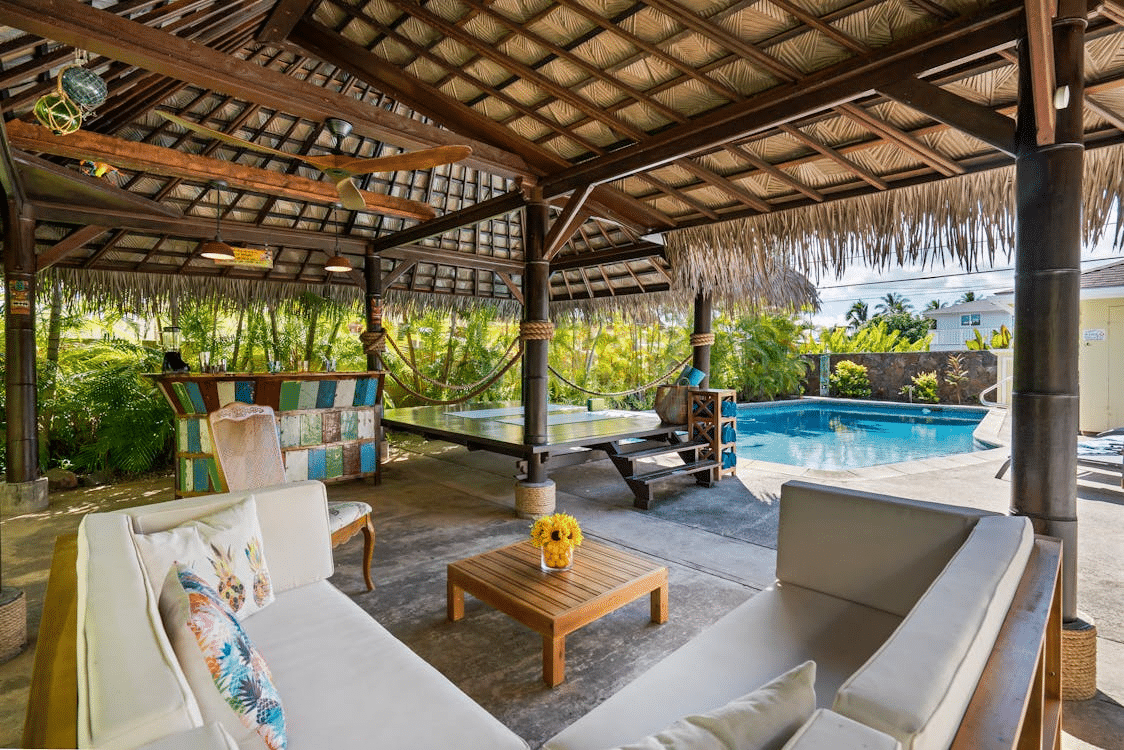
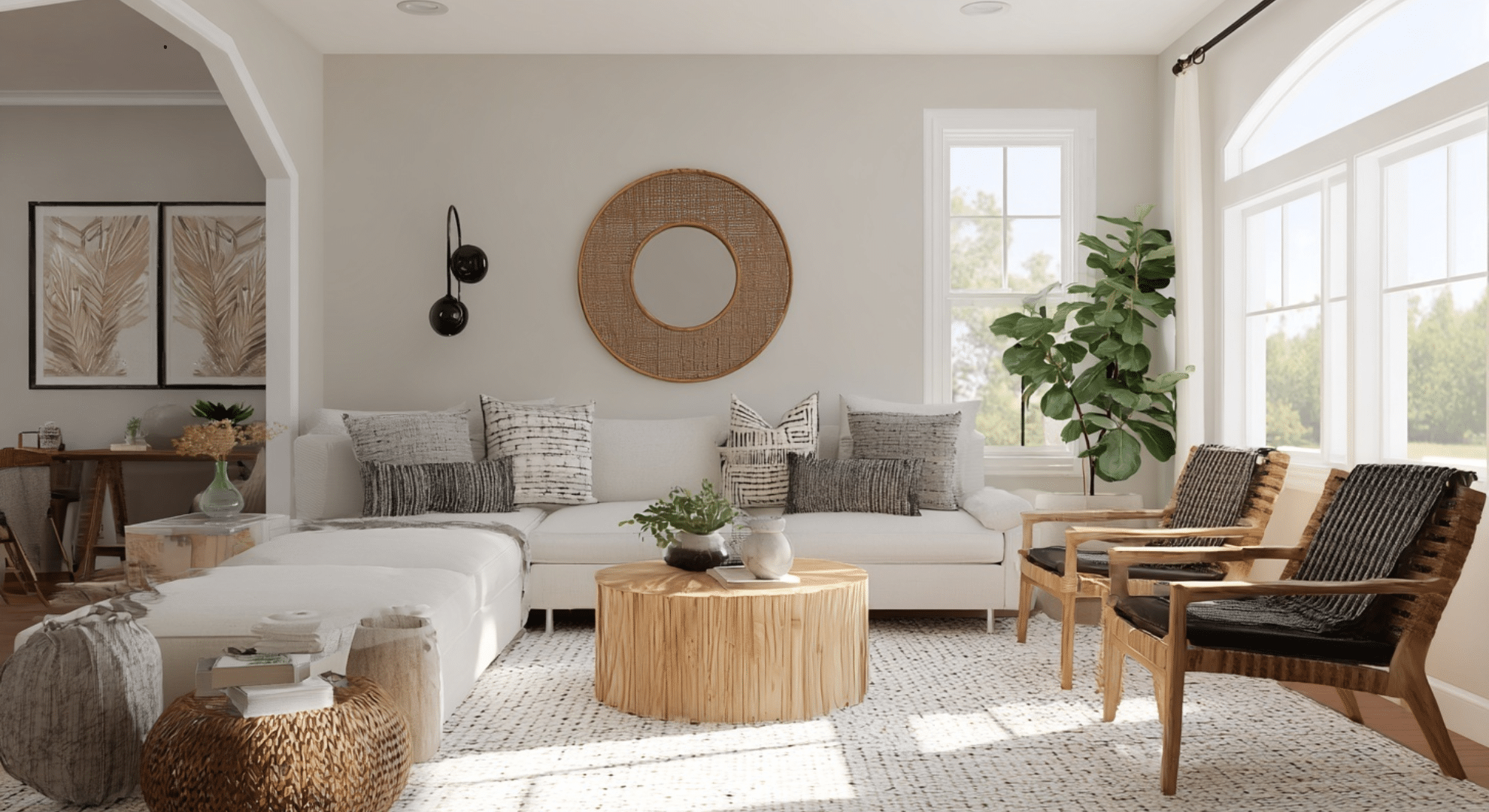
Most eclectic rooms fall into a few recognizable directions. Boho eclectic leans on woven textures, warm colors, and global textiles.
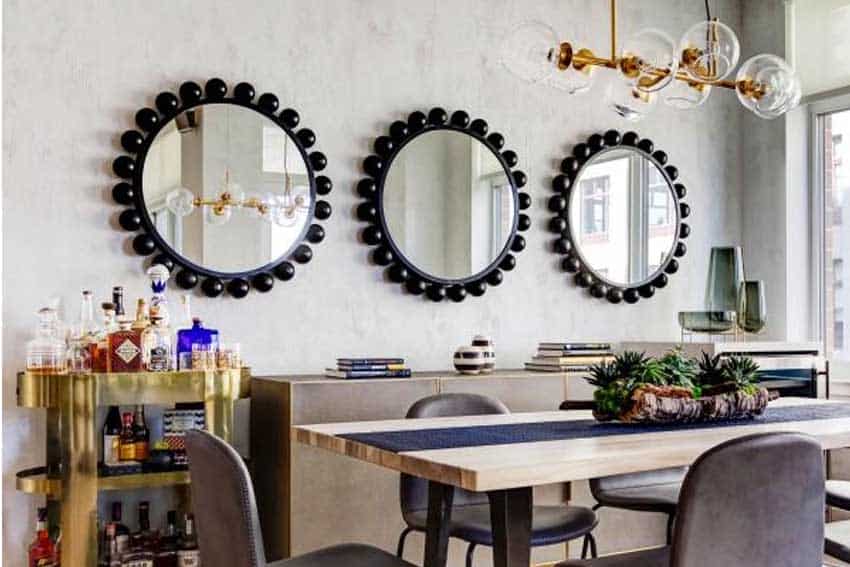
Glam eclectic uses richer, more saturated colors with metallics and a sense of shine. Modern eclectic keeps the base clean and lets one or two bold pieces carry the personality.
If you prefer bolder, livelier rooms, here’s how to push layered color and pattern even further without tipping into clutter.
None of these are strict categories, but naming the direction you’re leaning toward makes it far easier to shop with a plan rather than buying one of everything.
Eclectic Interior Design Ideas
Eclectic rooms do not follow one fixed look. They feel more like a thoughtful mix of pieces that you actually enjoy. The goal is not to match everything.
The goal is to make different items feel connected through color, shape, texture, mood, or story.
1. Vintage Sofa With Modern Tables
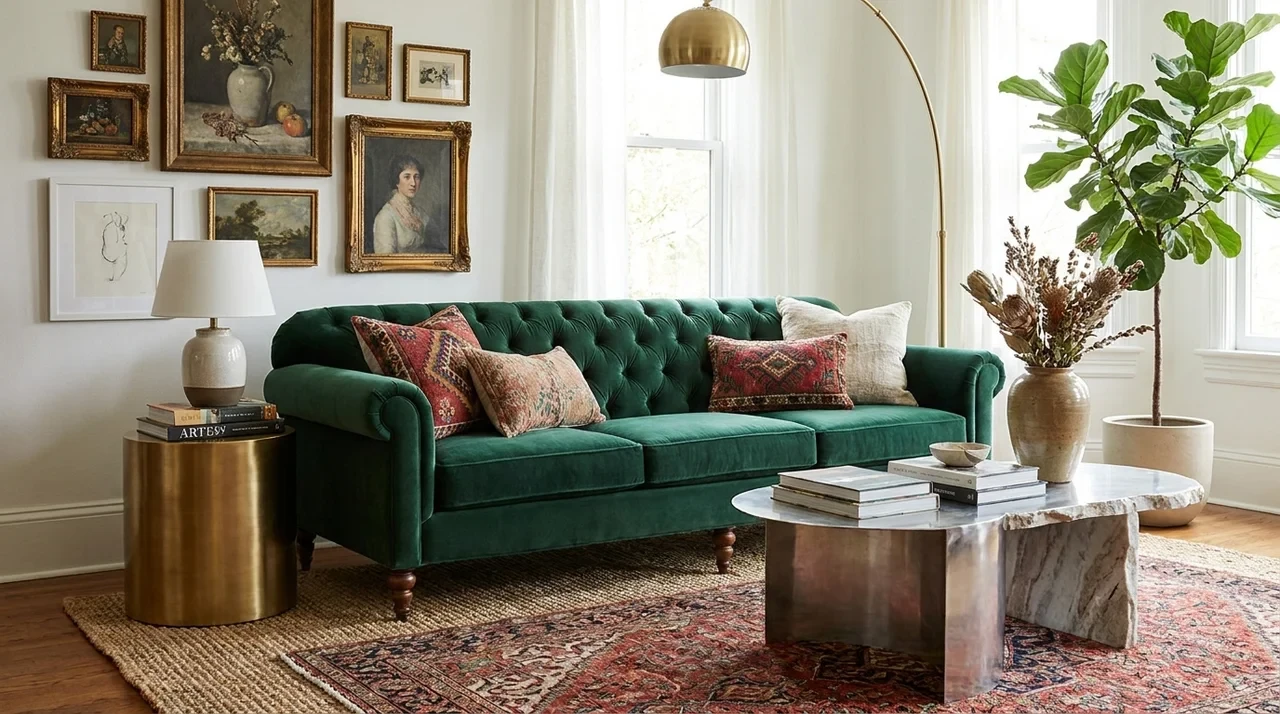
A vintage sofa adds warmth, shape, and history to the room, especially when it has tufting, curved arms, carved legs, or soft velvet.
Pair it with a clean modern coffee table in glass, stone, or black metal so the space feels collected, current, and not stuck in the past.
- Works best in: Living rooms, reading corners, or large bedrooms with extra seating
- Style layer: Add picture-frame wall molding or deeper shades like burgundy, forest green, navy, antique gold, or warm cream only when the room can handle more detail
- Shopping tip: Try Chairish for vintage furniture, decor, art, mirrors, rugs, and statement pieces that can anchor an eclectic room
In my own consulting visits, the homes that hold together years later are almost always the ones where the owner bought one strong vintage piece first and shopped around it, instead of buying a full room set and hoping it would develop personality later.
I saw the same lesson play out in a rebuild around warm rustic living spaces, where one anchor piece did more work than a dozen small ones.
2. Faded Persian Rug With Clean Modern Seating
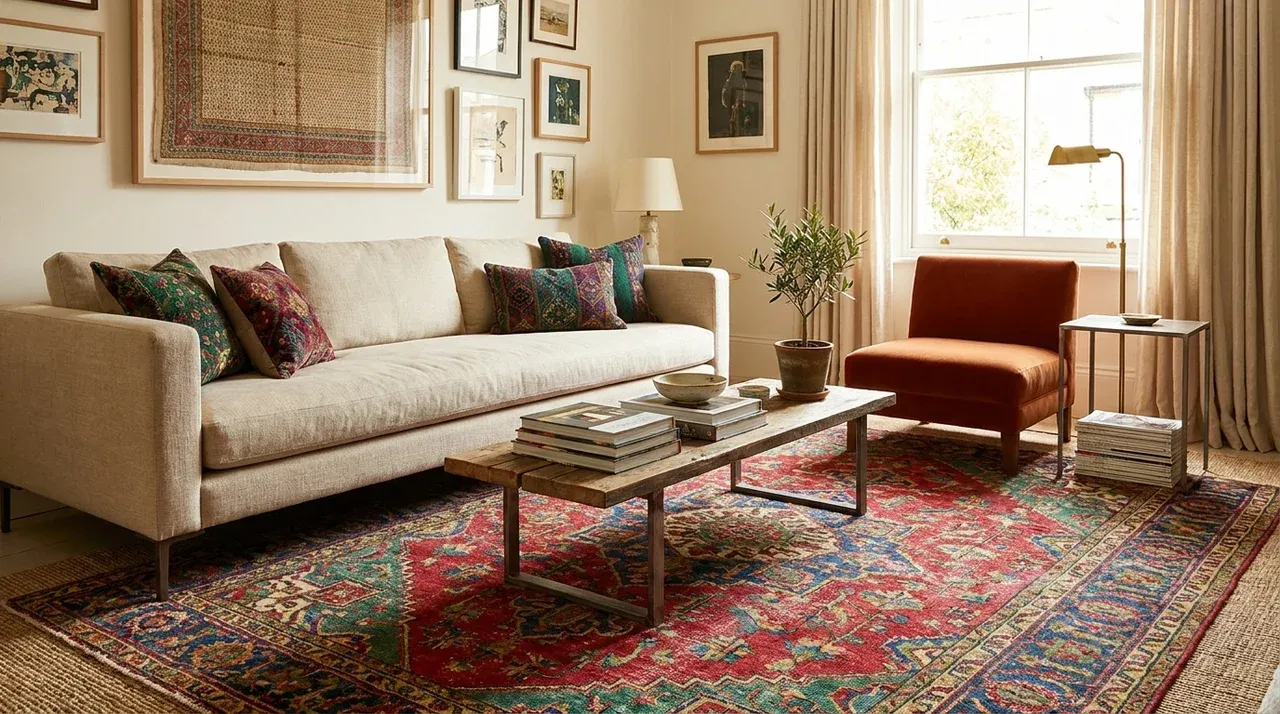
A faded Persian rug adds pattern, age, and depth without making the room feel heavy.
Pair it with clean modern seating, like a cream sofa or simple lounge chairs, so the rug brings rich detail while the furniture keeps the space fresh and balanced.
- Works best in: Living rooms, bedrooms, home offices, or layered sitting areas
- Style layer: Pull one or two rug colors into pillows, lamps, or small art so the rug feels connected
- Finishing touch: Keep the coffee table simple and low so the rug’s pattern stays the focal point of the room
3. Retro Chairs With Graphic Art
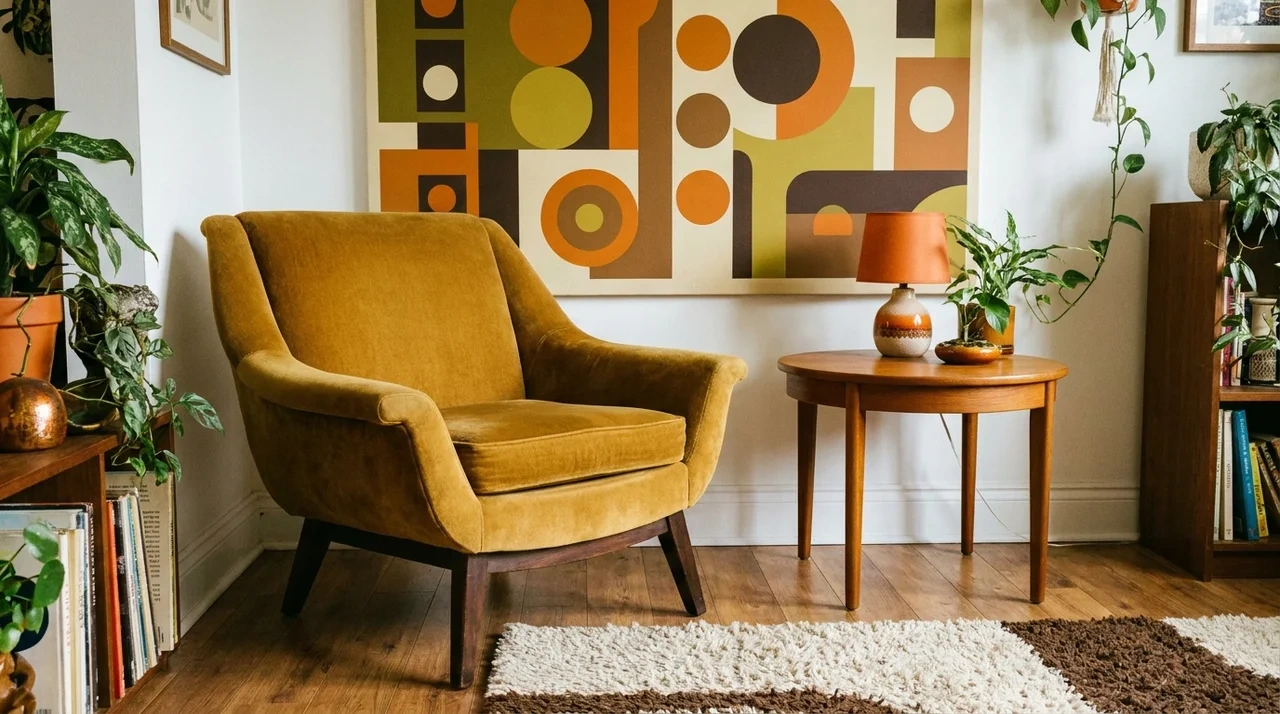
A retro chair brings a 60s or 70s mood into the room, especially when it has a low seat, curved back, rounded arms, or warm wood legs.
Pair it with graphic wall art so the space feels playful, bold, and styled instead of random.
- Works best in: Empty corners, music rooms, living rooms, or creative workspaces
- Style layer: Add a round side table, arched lamp, or record stand to support the retro shape
- Finishing touch: Keep the floor rug quieter so the chair and art stay in focus
4. Pop Culture Prints With Simple Furniture
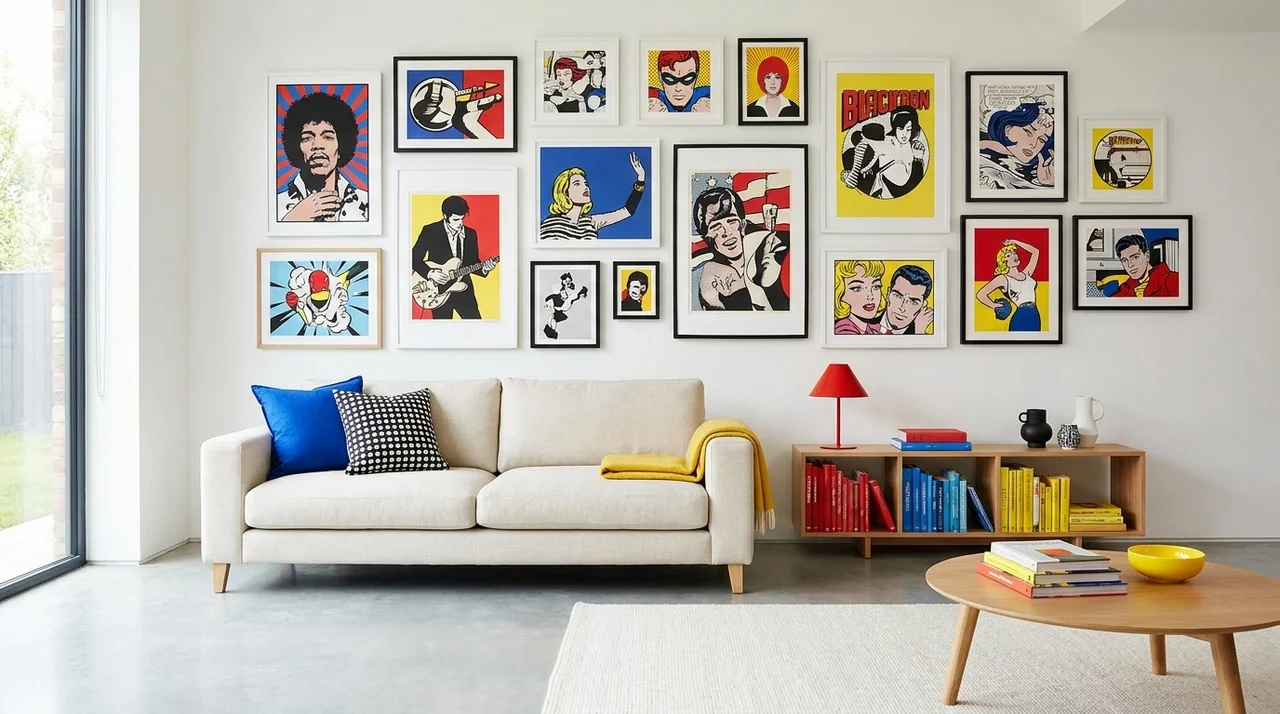
Pop culture prints bring music, film, comic, or street-style energy into a room.
Pair them with simple furniture, like a neutral sofa, clean shelf, or plain rug, so the framed prints stand out without making the space feel crowded.
- Works best in: Media rooms, bedrooms, home offices, or relaxed living rooms
- Style layer: Frame the prints in one finish, like black, white, or wood, so the wall feels planned
- Shopping tip: Use handmade wall decor, custom pieces, textiles, and vintage-style accents from independent sellers
5. Boho Textiles With Black Frames
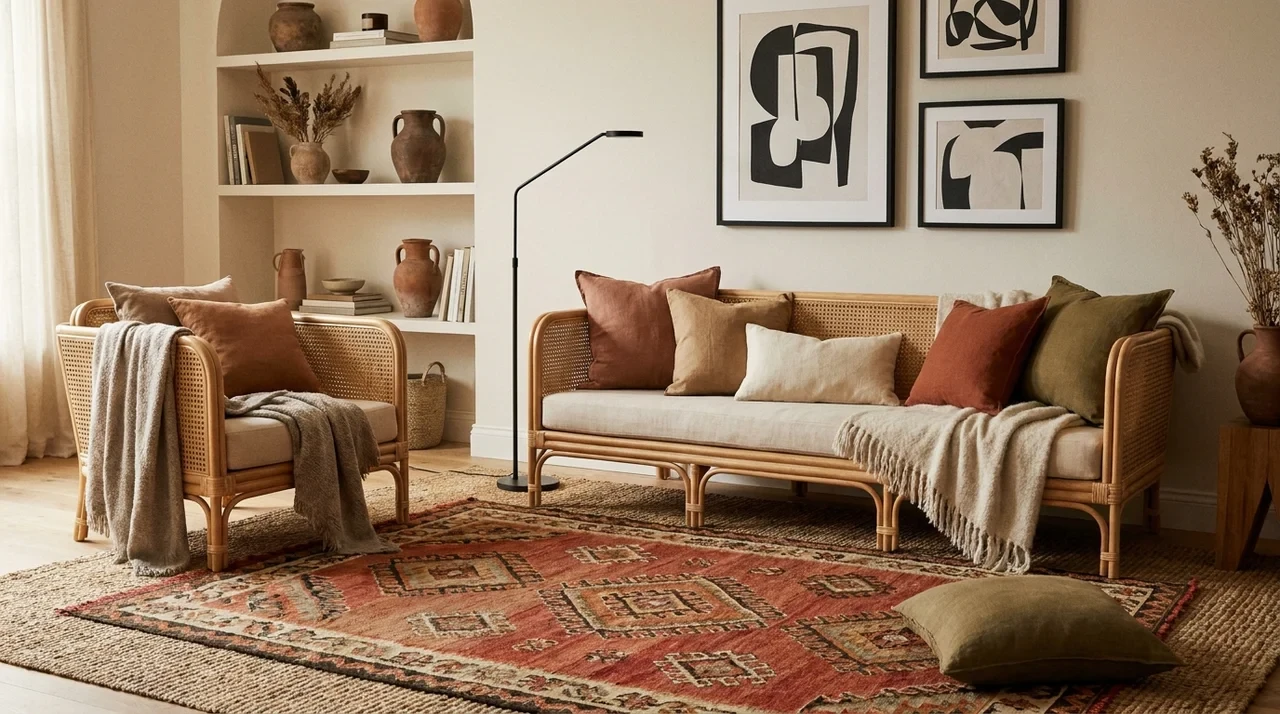
Boho textiles add warmth through rugs, pillows, throws, cane, jute, and woven details. Pair them with black frames or slim black metal accents so the fabrics feel soft and relaxed, while the darker lines keep the room structured. This pairing works just as well in a bedroom built around a warmer bedroom retreat, where the same soft textures do the heavy lifting.
- Works best in: Bedrooms, living rooms, sunrooms, or casual lounge spaces
- Style layer: Add one black lamp, black-framed art, or dark curtain rod to sharpen the soft textures
- Finishing touch: Use woven baskets or cane details to make the room feel warmer
6. Mid-Century Cabinet With Colorful Decor
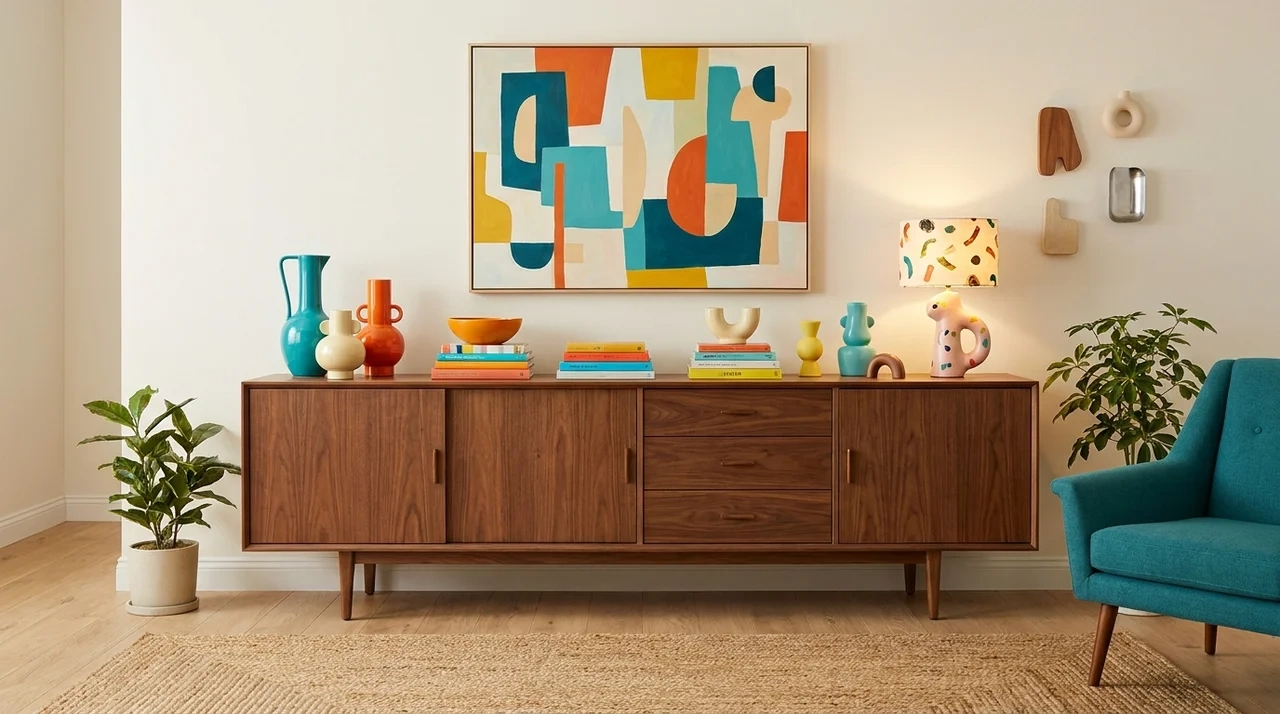
A mid-century cabinet brings warm wood, simple lines, and a strong base to the room.
Pair it with colorful decor, like bright ceramics, art, books, or a playful lamp, so the cabinet grounds the wall while the accents add energy.
- Works best in: Dining rooms, entryways, living rooms, or hallway walls
- Style layer: Add one bold lamp, stacked art, or ceramic set above the cabinet to make it feel finished
- Shopping tip: Check AptDeco for used, new, and vintage furniture, especially sofas, tables, dressers, and chairs
7. Industrial Shelves With Soft Decor
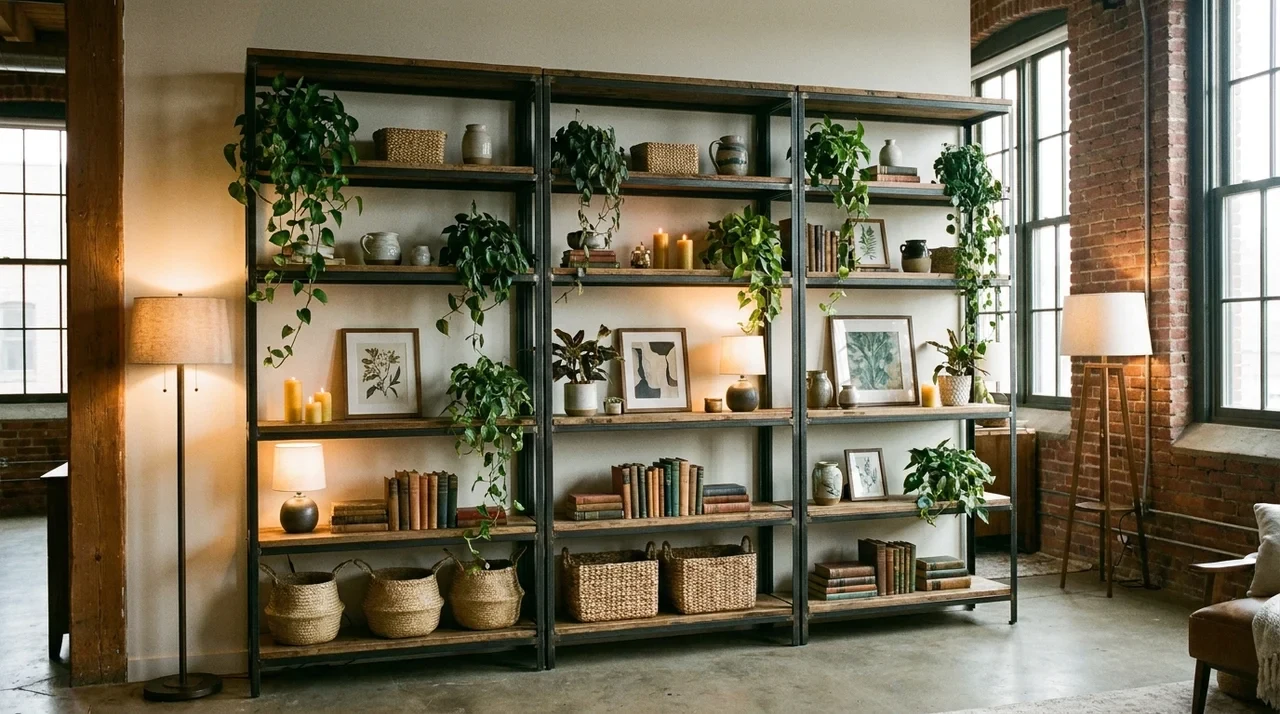
Industrial shelves bring metal, wood, and strong lines into the room.
Pair them with soft decor, like plants, pottery, baskets, books, candles, and framed art, so the shelves feel warm, useful, and styled instead of cold.
- Works best in: Lofts, kitchens, home offices, dining rooms, or living rooms
- Style layer: Use trailing plants, linen baskets, and matte ceramics to soften black metal
- Finishing touch: Leave a few open gaps so the shelves do not look packed
8. Floral Slipcovers With Brass Wall Sconces
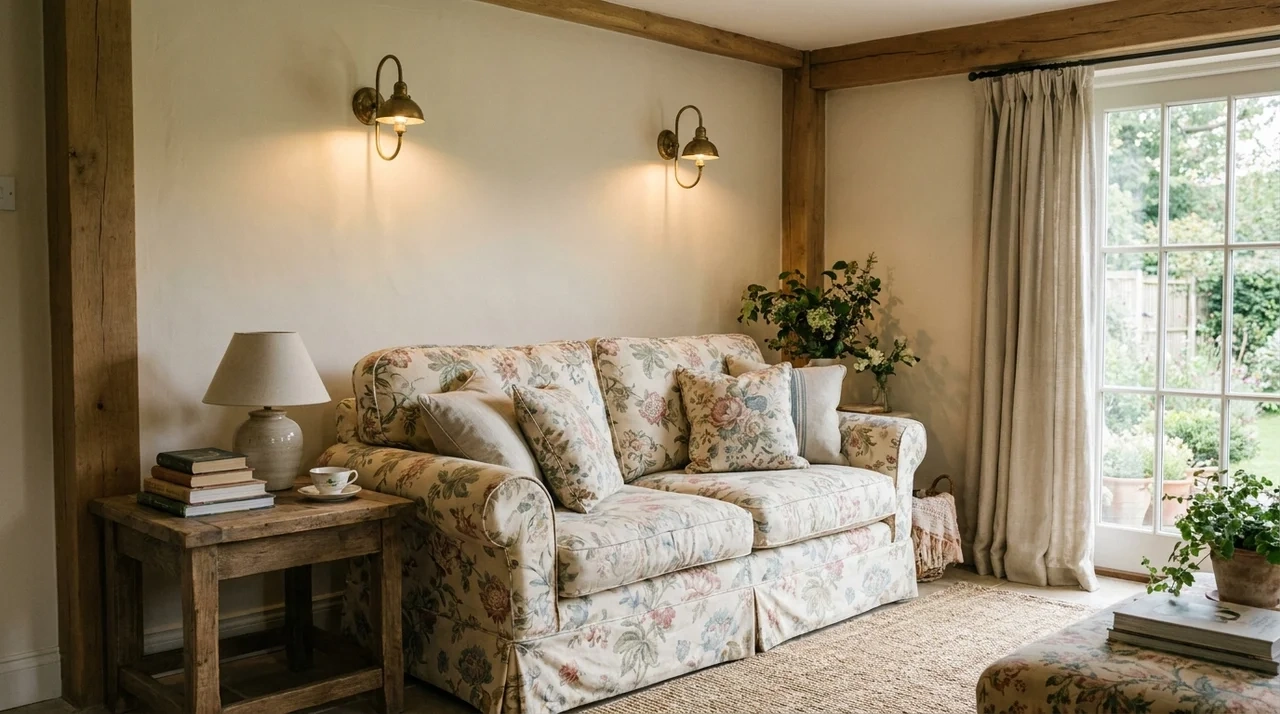
Floral slipcovers bring a soft cottage feel to a chair, loveseat, bench, or small sofa. Pair them with brass wall sconces so the floral fabric feels cozy and familiar, while the brass lighting adds polish and keeps the room fresh.
- Works best in: Reading nooks, bedrooms, guest rooms, or small sitting areas
- Style layer: Use soft checks, wood frames, or warm cream walls if the floral print needs support
- Finishing touch: Choose warm bulbs so the brass lighting feels soft, not harsh
9. Botanical Wallpaper With an Oak Bed
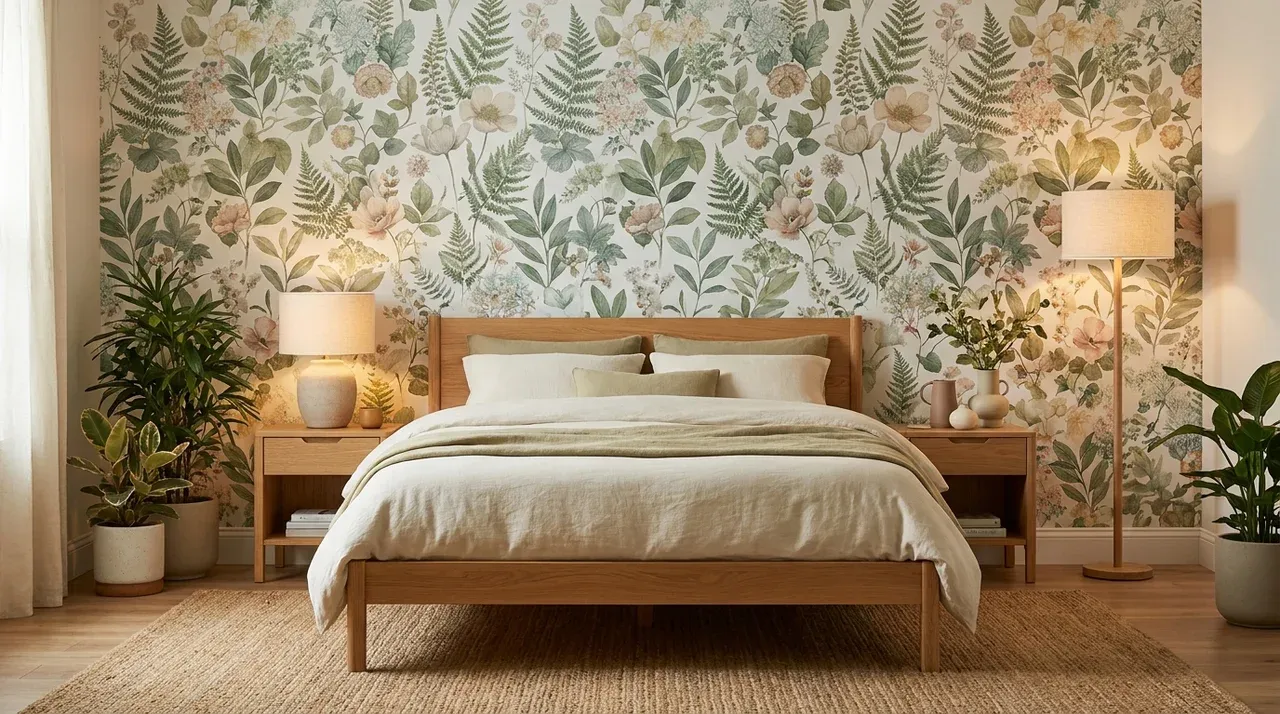
Botanical wallpaper brings pattern, movement, and natural detail into a room.
Pair it with an oak bed or simple wooden furniture so the wallpaper sets the mood, while the wood keeps the space warm, grounded, and calm.
- Works best in: Bedrooms, powder rooms, breakfast nooks, or small accent walls
- Style layer: Keep bedding simple with linen, cotton, or a quiet stripe so the wall can lead
- Finishing touch: Add one ceramic lamp or woven shade to keep the room natural
10. Deep Navy Walls With Ochre Upholstery
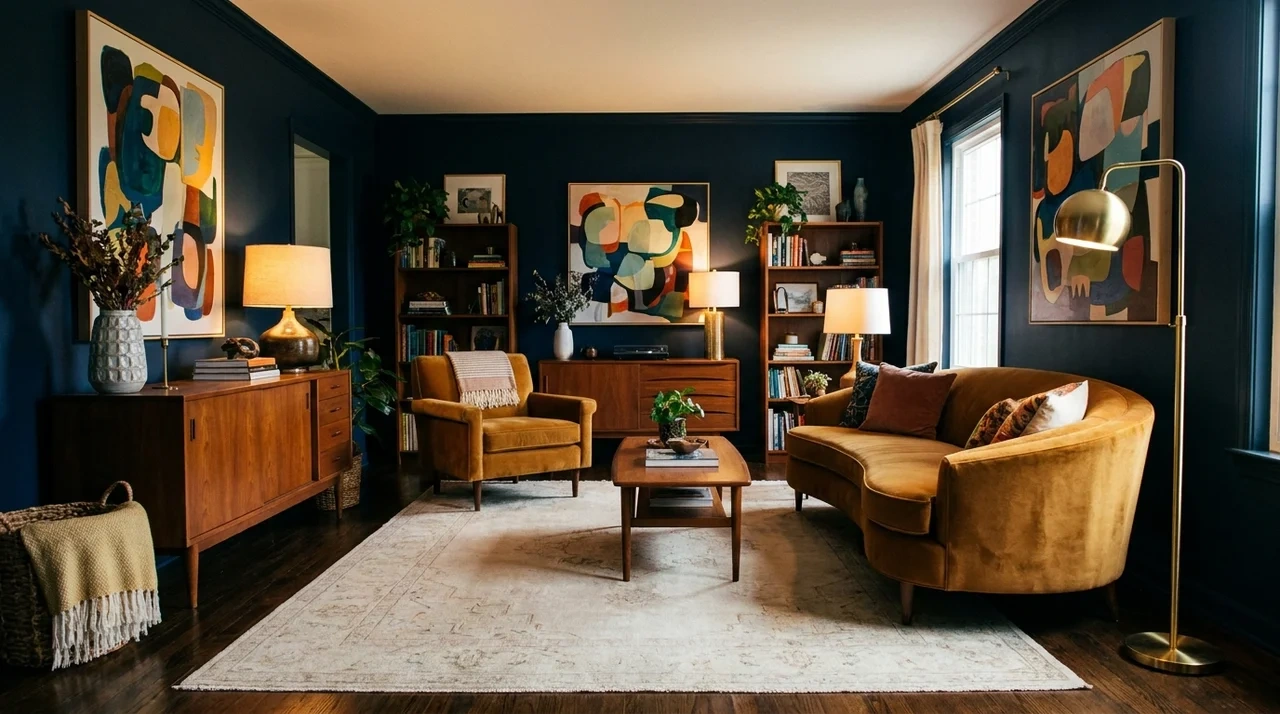
Deep navy walls create a rich, cozy backdrop, while ochre upholstery adds warmth and lift.
Use the mix through a sofa, chair, bench, or cushions, then add brass lighting, pale rugs, or wood furniture so the room feels bold but not too heavy.
- Works best in: Living rooms, dens, bedrooms, or dining spaces with good lighting
- Style layer: Add brass, walnut, cream fabric, or glass details to stop the dark walls from feeling flat
- Finishing touch: Use layered lamps so the navy looks warm in the evening
11. Wavy Side Table With a Neutral Sofa
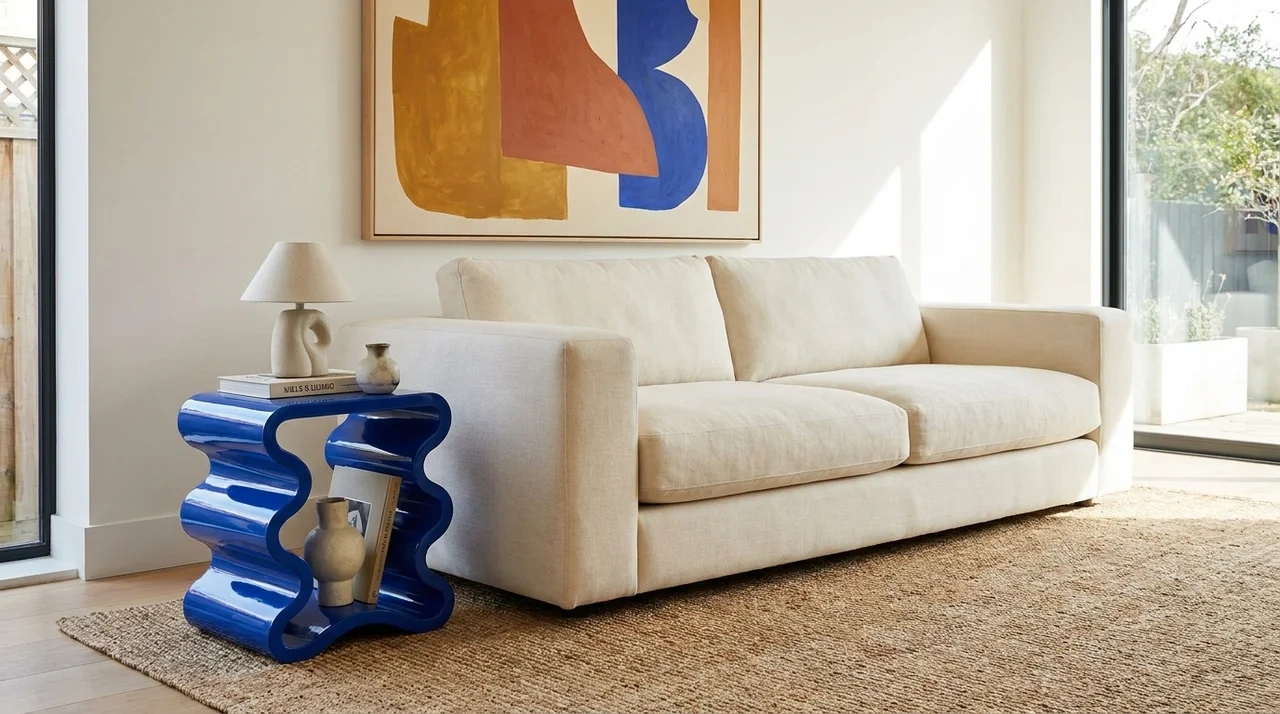
A wavy side table adds shape and fun without taking over the room.
Pair it with a neutral sofa so the playful piece feels intentional, while the calm base keeps this modern eclectic style easy to live with.
- Works best in: Small apartments, modern living rooms, or creative lounge corners
- Style layer: Repeat the curve through a round pillow, arched lamp, or soft-edged artwork
- Finishing touch: Keep the table surface clear so the shape stays noticeable
12. Farmhouse Table With Glossy Painted Chairs
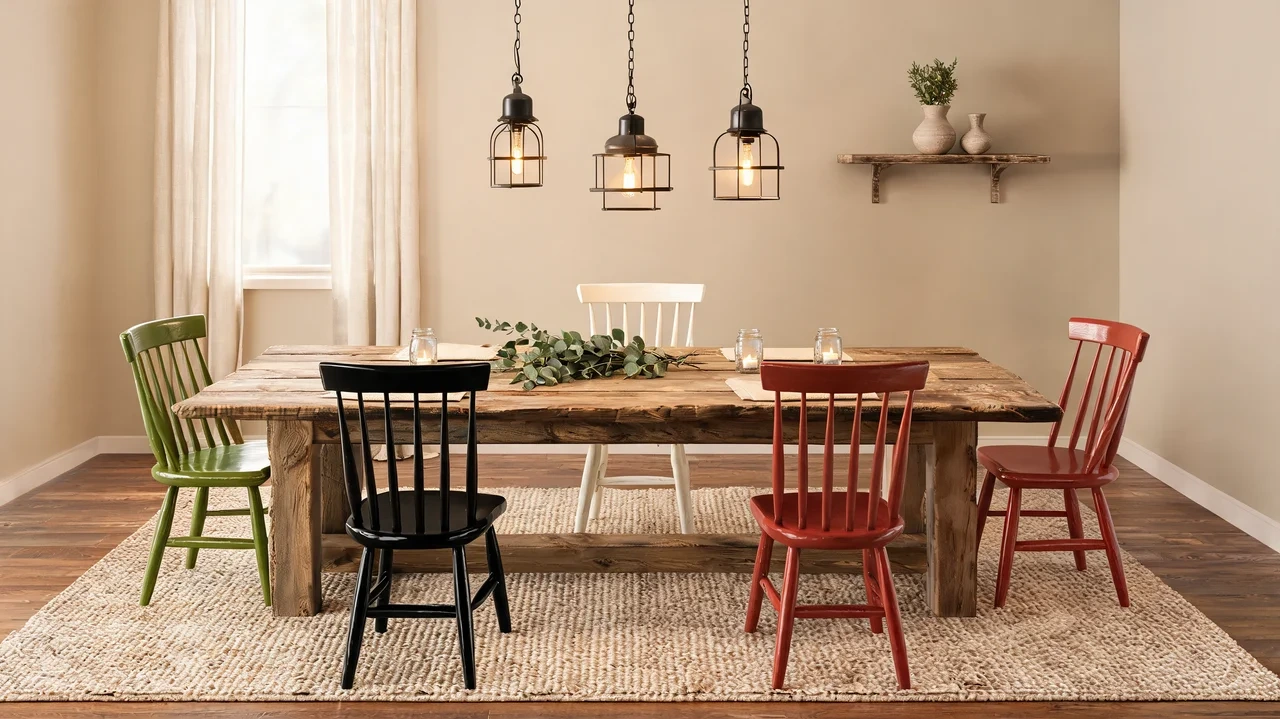
A farmhouse table adds age, wood grain, and natural texture to a dining room.
Pair it with glossy-painted chairs in olive, black, or muted red so the table feels grounded, while the chairs add color, shine, and a current eclectic touch.
- Works best in: Kitchens, breakfast corners, casual dining rooms, or open-plan homes
- Style layer: Add simple tableware or one low centerpiece so the chair-table contrast stays clear
- Finishing touch: Let the wood grain show instead of covering the table with heavy linens
13. Sunburst Mirror With a Linen Bench
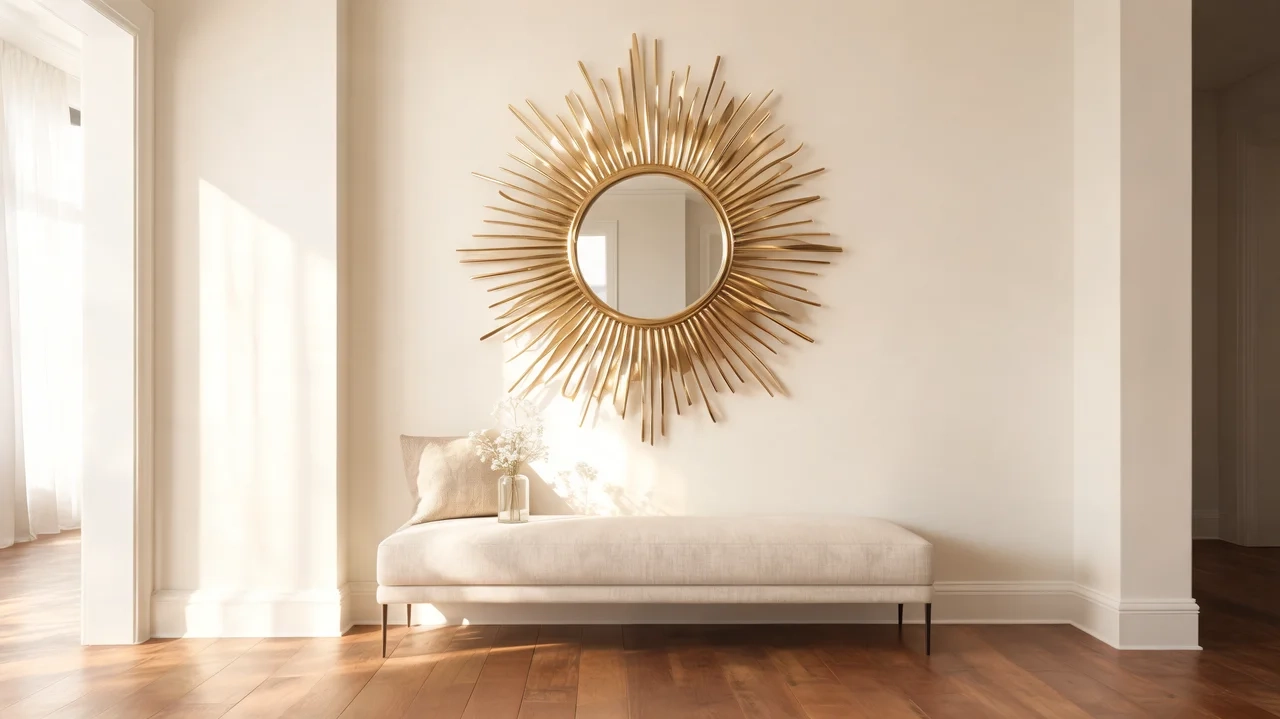
A sunburst mirror adds shine, shape, and a clear focal point to a wall.
Pair it with a linen bench in an entryway, bedroom, hallway, or dressing corner to make the space feel polished, soft, relaxed, and comfortable.
- Works best in: Entryways, hallways, bedroom walls, or dressing corners
- Style layer: Add a small pillow, wood tray, or glass vase so the setup feels styled but not crowded
- Shopping tip: Browse Everything But The House for estate-sale finds, antiques, art, decor, and one-of-a-kind pieces
14. Rattan Chairs With Black-Framed Art
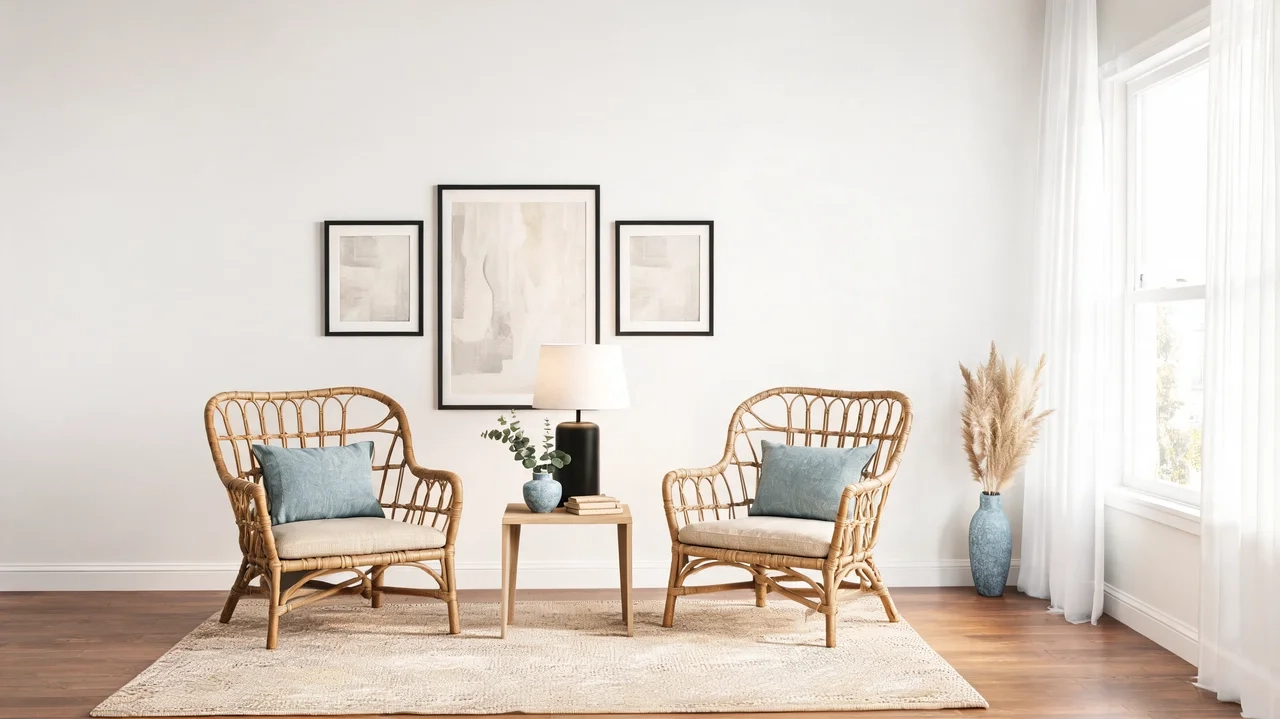
Rattan chairs bring light texture and a relaxed feel into a room.
Pair them with black-framed art in a sunroom, living room, dining corner, or bedroom so the rattan feels airy, while the black frames add contrast and structure.
- Works best in: Sunrooms, casual dining spaces, bedrooms, or light living rooms
- Style layer: Add one dark lamp, black frame, or charcoal cushion to keep the room from feeling too pale
- Finishing touch: Mix rattan with linen or cotton so the room feels soft, not stiff
15. Cream Base With Bright Primary Accents
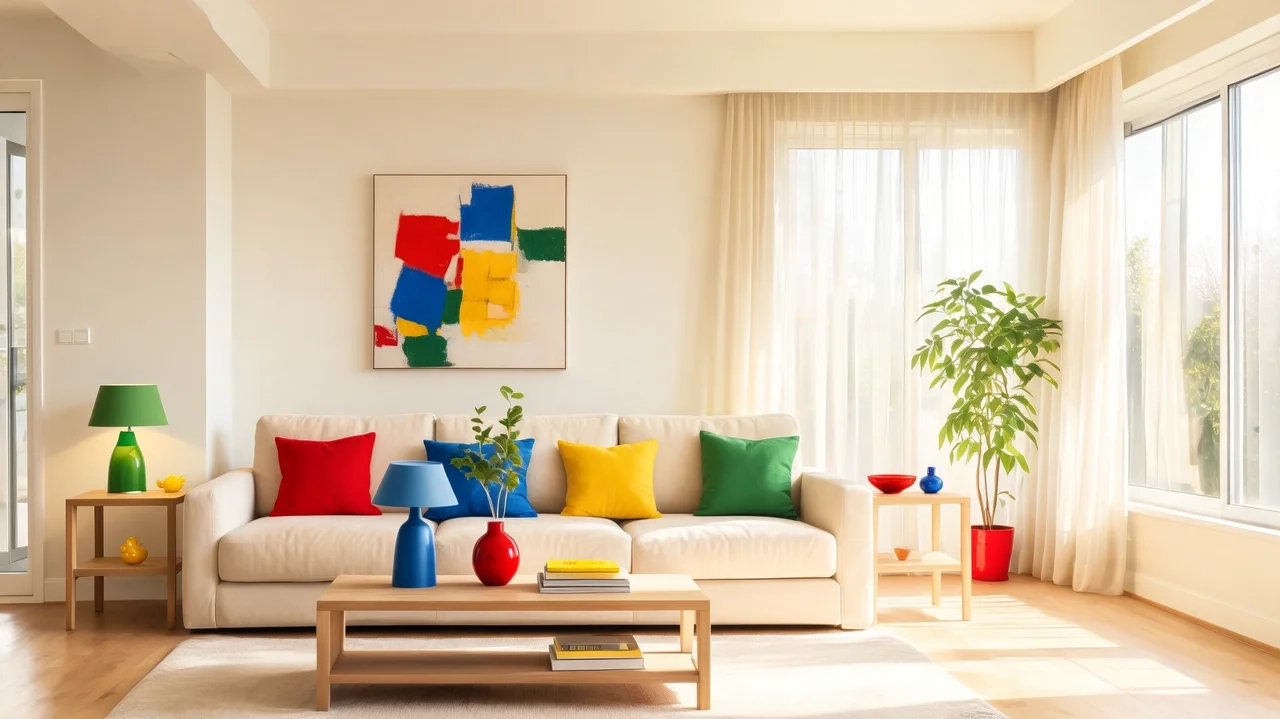
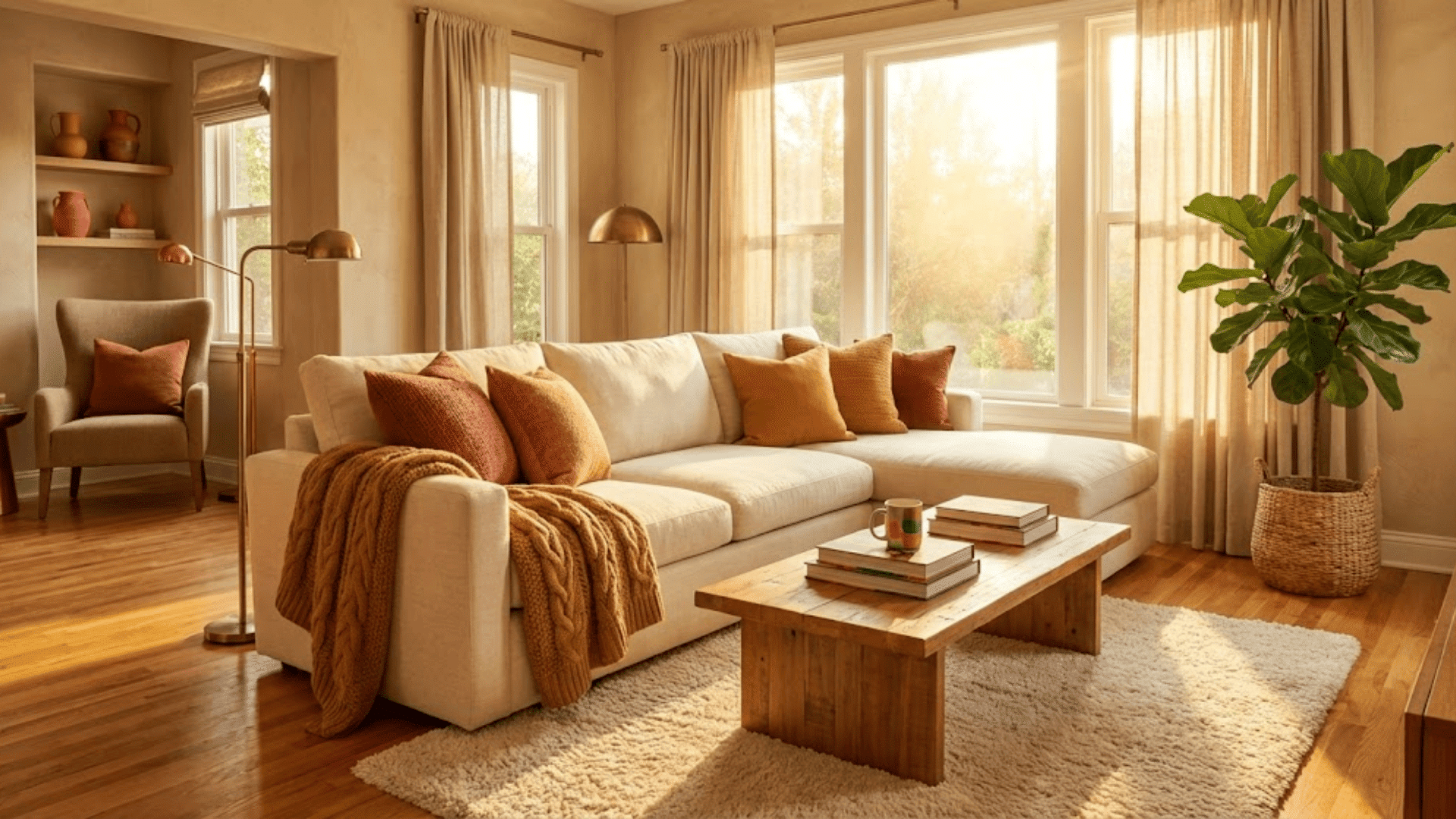
A cream base gives the room a calm foundation through walls, sofas, curtains, rugs, or large furniture pieces.
Add bright primary accents with art, pillows, lamps, books, or vases so red, cobalt, yellow, or green brings energy without crowding the space.
- Works best in: Rentals, family rooms, kids’ rooms, studios, or small living rooms
- Style layer: Repeat each bright color at least twice so it feels planned rather than scattered
- Shopping tip: Look at ShopGoodwill for budget-friendly vintage decor, art, books, small objects, and secondhand home finds
These ideas show that eclectic interior design works best with clear pairings rather than random pieces. Start with one style you like, add details slowly, and let the room feel collected, personal, and easy to live in.
Eclectic Styling Rules to Keep the Look Balanced
Eclectic style gives you room to mix colors, textures, furniture, and decor, but it still needs a little control.
I’ve walked into homes where every single piece was beautiful on its own, but the room as a whole felt like a fight for attention.
That usually comes down to breaking one or two of the rules below. These dos and don’ts can help you keep the room creative without making it feel crowded or random.
|
Do |
Don’t |
|---|---|
|
Repeat: Use a few colors across the room |
Overload: Add too many unrelated colors |
|
Balance: Mix old and new with purpose |
Randomize: Pair items only because they are different |
|
Anchor: Start with one strong rug, sofa, or artwork |
Compete: Use too many focal points |
|
Layer: Mix wood, fabric, metal, rattan, and ceramics |
Flatten: Use only one type of texture |
|
Edit: Leave some open space |
Crowd: Fill every shelf, wall, and corner |
|
Connect: Repeat shapes, tones, or materials |
Clash: Mix styles with no shared detail |
A good eclectic room should feel expressive, not messy. When you repeat a few details and leave some breathing room, the mix feels more stylish and easier to live with.
Frequently Asked Questions
How do I mix different wood tones without the room looking chaotic?
The secret lies in matching the undertone temperature. You can easily mix light oak, rich walnut, and mid-century teak as long as they all share a similar temperature, either all warm (yellow, red, or orange undertones) or all cool (ashy, gray undertones). To keep it grounded, let one wood tone dominate about 60% of the space (like your floors or large cabinets) and use the other tones as accents.
How do I apply eclectic design to an open-concept floor plan?
Look for a visual bridge. When your living room, dining area, and kitchen are all visible at once, you need a unifying element to tie the distinct zones together. Keep your perimeter wall color and flooring identical across the entire space. Then use a single accent color, like olive green or a specific metallic finish, in small doses across all three functional zones to make the transition feel intentional.
What is the rule for mixing furniture scales from different eras?
Focus on seat height and visual weight. If you pair a low-profile, slouchy 1970s lounge sofa with a tall, rigid Victorian accent chair, the room will look physically unbalanced. Try to keep the seat heights of your primary conversational chairs within two to three inches of each other. If one piece is visually heavy (like a dark, chunky wooden cabinet), balance it out by placing a visually light piece (like a glass coffee table or a slender metal floor lamp) nearby.
How can I display small souvenirs and heirlooms without it looking like a thrift store?
Contain them using the rule of grouping. Scattering small, mismatched items across every available surface creates instant visual noise. Instead, gather your collections into a single, defined zone. Place a group of travel objects on a sleek lacquer tray, house delicate heirlooms in a glass cloche, or dedicate a single shelf to them. Grouping items by material (e.g., all brass objects) or color also helps a random collection look like a curated gallery.
Bringing the Look Together
Creating a home that reflects your personal journey is much better than living in a sterile showroom. Combining vintage treasures with sleek modern lines allows your space to evolve naturally over time.
By focusing on smart color repetition, balanced furniture scale, and intentional breathing room, your rooms will feel organized rather than chaotic.
Implementing eclectic interior design is not about spending a massive budget; it is about choosing items that carry real meaning.
Now that you have the foundational rules for balancing distinct eras and textures, you can confidently arrange your favorite decor pieces.
Which pairing from this guide are you excited to try first? Share your thoughts below or check out my related styling guides.