Have you ever walked into your garden and noticed your roses looking suddenly strange or unhealthy? I know how worrying it feels when your plants start showing unusual red shoots or distorted growth.
Many gardeners struggle to understand what is happening until the damage has already spread. Rose Rosette Disease (RRD) is one of the most common yet misunderstood threats affecting rose plants today.
During GardenLine call-in hours across the Gulf Coast, I hear this same worry from callers almost every spring. A favorite rose suddenly looks wrong, and nobody can explain why until the mites and the virus behind it are properly identified.
In this guide, you’ll learn how I identify early warning signs, understand how it spreads, and take practical steps to protect your roses.
By the end, you’ll feel more confident spotting problems early and keeping your garden healthy and under control.
An Overview of Rose Rosette Disease
Rose Rosette Disease is a destructive condition that affects rose plants and is caused by a virus transmitted through tiny eriophyid mites. These mites are so small that they are often invisible to the naked eye, yet they play a major role in spreading the infection from one plant to another.
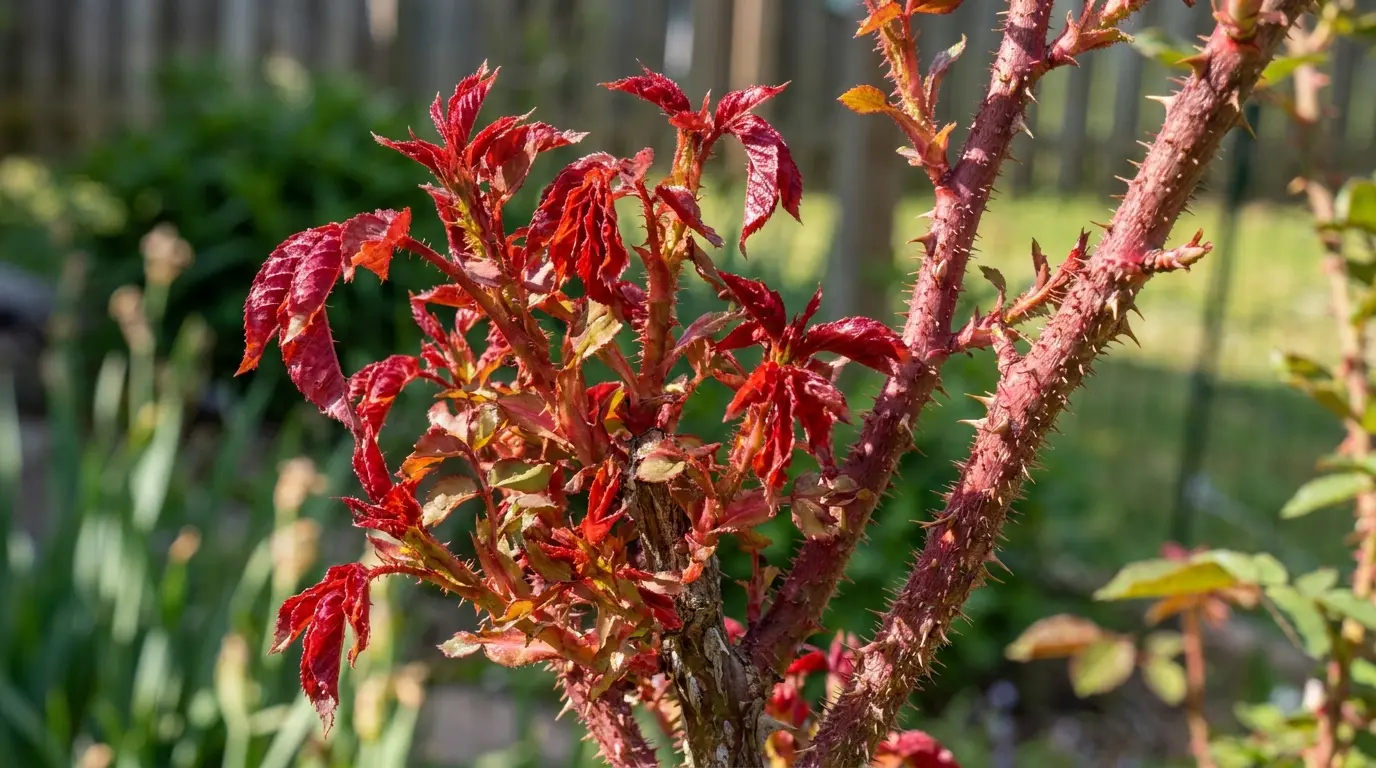
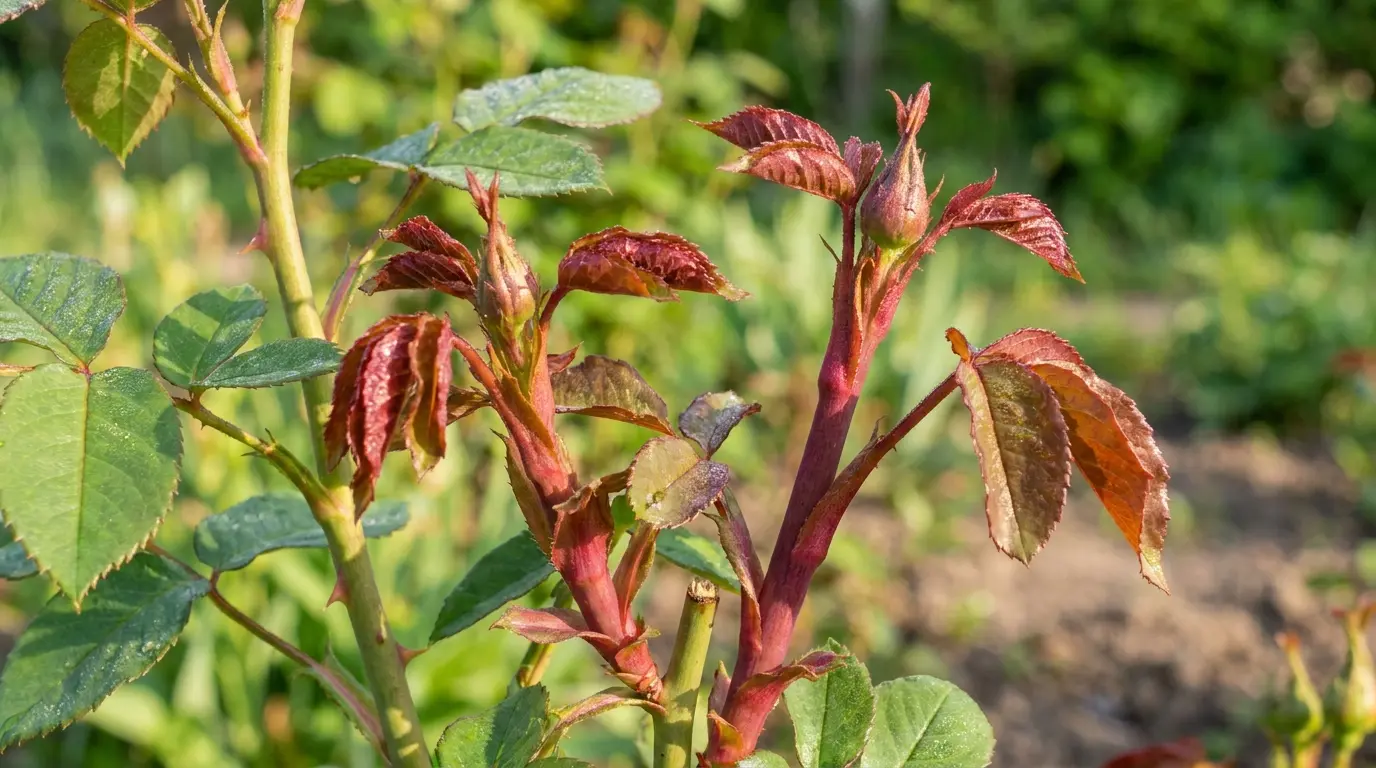
Once a rose becomes infected, the disease disrupts normal growth patterns, leading to distorted stems, unusual red coloring, excessive thorn development, and weak or deformed foliage.
Over time, the plant gradually loses its strength, produces fewer flowers, and becomes increasingly unhealthy.
If left unmanaged, the condition can spread throughout an entire rose-planting area, making early identification and removal of infected plants essential to protecting healthy roses in the garden. This is similar to how several other landscape diseases spread once one plant in a bed is affected, which is why it helps to review other common landscape diseases nearby before assuming a single rose is the only plant at risk.
What Causes Rose Rosette Disease?
Rose Rosette Disease is primarily caused by a virus known as Rose Rosette Virus, or Emaravirus rosae, carried and spread by a tiny eriophyid mite called Phyllocoptes fructiphilus. This mite feeds on rose plant tissue and unknowingly transfers the virus from infected plants to healthy ones, and researchers at RoseRosette.org continue to study how the virus and its mite vector move through rose populations across the country.
Once introduced, the disease disrupts normal plant growth and development. Wind plays a major role in dispersing these mites across nearby rose bushes, which is why infections often appear in clusters.
Wild multiflora rose, an invasive species found across much of the country, acts as a long-term reservoir, allowing the disease to persist in the environment and spread into home gardens and landscapes.
The risk of transmission is highest during active growing seasons, especially in spring and early summer when mite populations increase rapidly, and new tender growth is abundant on rose plants.
Keep an eye on the rest of the bed too, since that same soft new growth also attracts other typical Texas yard pests that can weaken a rose before RRD symptoms ever show up.
Rose Rosette Disease Symptoms (Early to Advanced Stages)
This destructive viral disease significantly alters a rose plant’s growth habits, progressively weakening its structure and leading to eventual death.
Early Symptoms
Early detection is crucial. The virus begins by hijacking new growth, causing subtle but distinct visual abnormalities in the plant. If a shrub nearby already looks stressed for an unrelated reason, it helps to rule that out first, and a quick read on reviving a stressed shrub can help you tell ordinary stress from a viral problem.
- Red or distorted new growth: Emergent leaves and stems appear twisted and elongated, retaining an unusually bright red color.
- Excessive thorn production: Stems suddenly develop an abnormally high density of soft, pliable, and closely packed thorns.
- Clusters of small shoots (“witches broom” start): Tiny, tightly bunched twigs begin branching rapidly from a single point.
Progressing Symptoms
As the infection spreads throughout the vascular system, the plant’s overall structure becomes increasingly deformed and highly stunted.
- Thickened stems: Infected canes grow noticeably thicker, weaker, and more succulent than the healthy, woody base.
- Deformed leaves: Foliage becomes crinkled and stunted, displaying a mottled yellow or pale green mosaic pattern.
- Abnormal branching patterns: Branches grow in chaotic, unruly directions rather than following the plant’s natural structure.
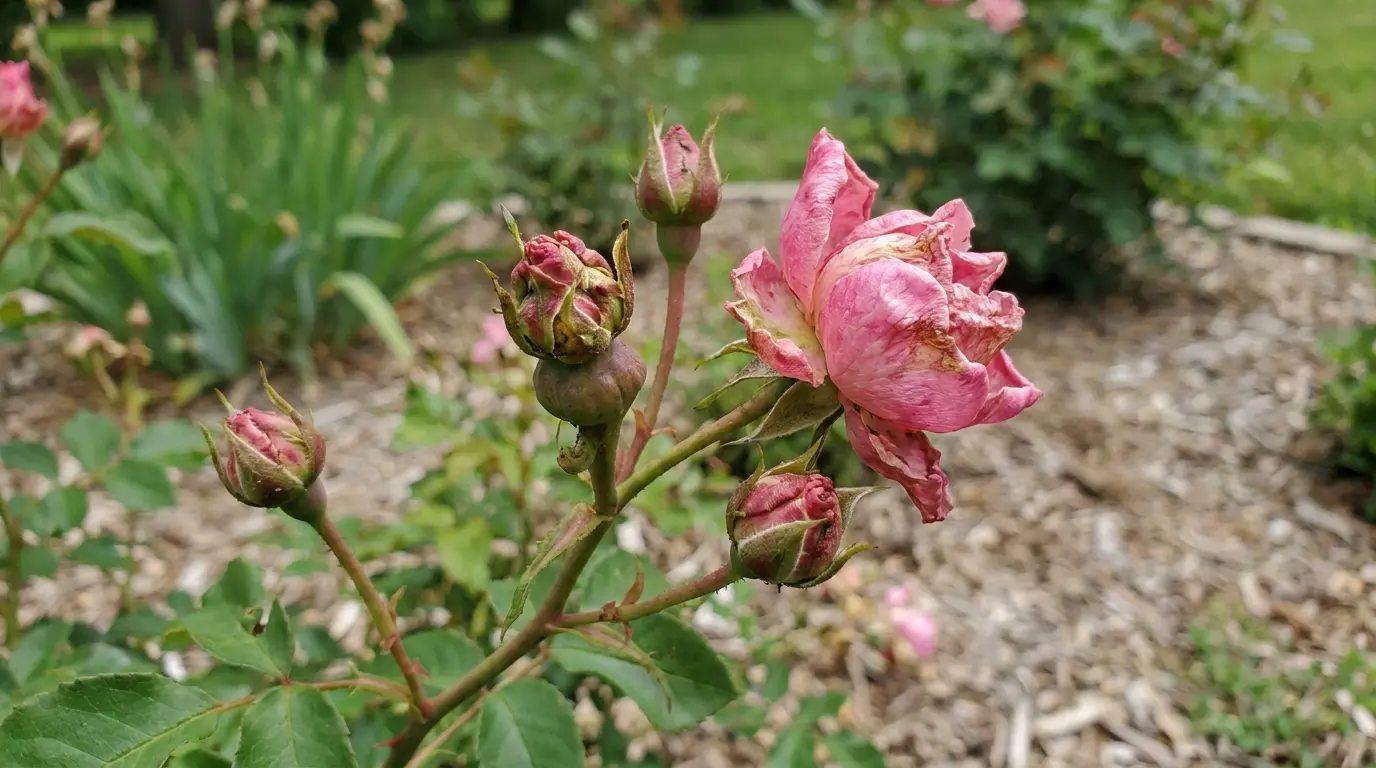
- Poor bloom production: Flower buds are often deformed, fail to open properly, or display disrupted, washed-out coloration.
Advanced Symptoms
In the final phases, the disease completely overwhelms the host, destroying its aesthetic value and viability beyond any recovery.
- Large “witches broom” growth: Massively dense, tangled rosettes of distorted twigs dominate the entire canopy of the bush.
- Excessive thorny stems: Canes become completely smothered in hyper-abundant, brittle thorns, leaving almost no visible stem surface.
- The plant becomes weak and unproductive: Photosynthesis fails, new growth ceases entirely, and the rose loses all structural integrity.
- Eventual plant death: The systemic viral load completely deprives the roots of nutrients, causing full, irreversible dieback.
Knock Out Rose Disease: Why Knock Out Roses Are Affected
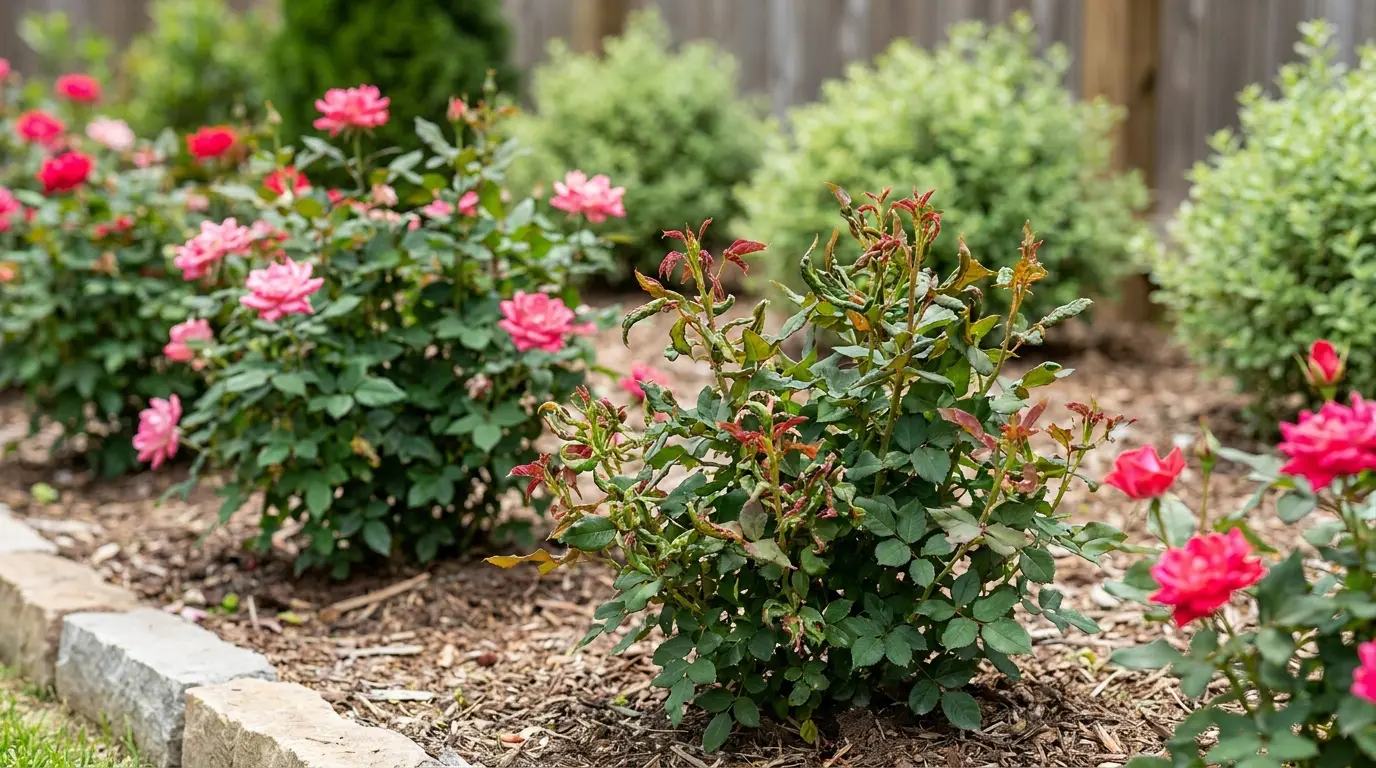
Knock Out roses are widely planted across landscapes because they are low-maintenance, repeat-blooming, and visually appealing throughout the growing season.
However, their popularity has also made them highly vulnerable to outbreaks of Rose Rosette Disease. When infection occurs, it often spreads quickly because these roses are commonly planted in clusters, increasing exposure to mite transmission.
Another major issue is misdiagnosis, as early symptoms are sometimes mistaken for herbicide damage or pruning stress, delaying proper action. Early identification is critical because infected plants cannot be cured and must be removed.
In large landscape settings, mass plantings of Knock Out roses increase the risk of rapid disease spread, leading to significant aesthetic and economic impacts on gardens, parks, and commercial properties.
In my consulting visits around Houston, Knock Out roses planted in long, uninterrupted rows along a driveway or fence line are almost always the first plants I check when a client calls about a strange red shoot.
How Rose Rosette Disease Spreads
Rose Rosette Disease spreads through tiny mites that move between plants and transmit the pathogen as they feed on rose tissue.
- Windborne eriophyid mites travel between nearby rose plants and spread infection, especially during active growth seasons when roses produce soft new shoots.
- Contaminated pruning tools can also spread the mites between plants, which is why disinfecting shears and other tools with a bleach solution after cutting infected material is an important habit, not an optional one.
- Wild rose bushes act as continuous disease reservoirs, supporting mites and allowing infection to spread into nearby cultivated rose landscapes.
- Closely planted roses increase the risk of transmission because mites can easily move from one plant to another without barriers or distance.
How to Identify Rose Rosette Disease vs Other Rose Problems
Correctly identifying Rose Rosette Disease is important because it is often mistaken for herbicide injury, nutrient issues, or pest damage. Careful comparison of symptoms helps gardeners avoid misdiagnosis and take the right action early.
| Problem Type | Key Characteristics | How It Differs from Rose Rosette Disease |
|---|---|---|
| Herbicide Damage | Twisted leaves, distorted growth after chemical exposure | Appears suddenly after spraying; lacks witches’ broom and excessive thorns |
| Nutrient Deficiency | Yellowing leaves, weak growth, poor flowering | Improves with fertilization; no abnormal thorn clusters or red shoots |
| Pest Damage | Chewed leaves, visible insects, minor deformation | Physical damage only; does not cause systemic plant distortion |
| Rose Rosette Disease | Witches’ broom, excessive thorns, red distorted shoots | Progressive and spreading; leads to plant decline and eventual death |
Can Rose Rosette Disease Be Treated?
Rose Rosette Disease currently has no chemical or biological cure, making it one of the most serious threats to rose plants.
Once a plant is infected, fungicides and insecticides do not stop the disease because it is caused by a virus and spread by microscopic mites, not typical fungal or bacterial agents.
Sprays may reduce mite activity but cannot reverse infection already inside the plant. The most effective and recommended action is the immediate removal of infected roses to prevent further spread to healthy plants.
Infected material should be carefully uprooted and destroyed, not left in the garden. Composting is strongly discouraged because it may allow mites or plant fragments to survive and continue spreading the disease in nearby landscapes.
For roses nearby that still look healthy, applying a dormant oil spray after a hard pruning in late winter can help control any mites that survived the cold months, based on guidance published by The Good Earth Garden Center. This will not cure an already infected plant, but it lowers the odds of a fresh infection taking hold nearby.
Management & Prevention Strategies
Preventing Rose Rosette Disease requires a combination of careful planting practices, regular monitoring, and reducing mite exposure to protect roses from infection and long-term damage.
Landscape Prevention Tips
Preventing Rose Rosette Disease in landscapes requires consistent care, proper spacing, and early monitoring to reduce mite movement and the risk of infection across plants.
- Avoid overcrowding rose plants because dense planting makes it easier for mites to move between plants and spread infection quickly.
- Remove wild rose species near gardens, since they act as natural reservoirs that continuously harbor mites and maintain disease presence in the environment.
- Inspect rose plants regularly during the growing season to identify early symptoms quickly and take action before infection spreads widely across the landscape.
Before removing a plant you suspect is infected, it is worth confirming the diagnosis first. Researchers who track Rose Rosette Disease nationwide, including the team at RoseRosette.org, accept photos and reports from home gardeners, and that information genuinely helps refine what we know about how the disease moves through different regions.
Mite Control Approach
Mite control involves timely pesticide applications, especially during periods of active growth when mites are most active. Integrated pest management practices, including pruning and monitoring, help reduce infestation levels.
However, chemical treatments have clear limitations and cannot fully eliminate mites or completely stop disease transmission.
Resistant Variety Consideration
Choosing less susceptible rose varieties can help reduce the risk of infection, especially in high-risk areas. Some cultivars show better tolerance, but no rose variety is fully immune to Rose Rosette Disease.
Even resistant plants may become infected under heavy mite pressure or prolonged exposure conditions.
What To Do If Your Knock Out Roses Are Infected
When Knock Out roses show signs of Rose Rosette Disease, quick action is essential to stop the spread. Since the disease cannot be cured, removal and proper handling are the only effective solutions to protect nearby plants and maintain landscape health.
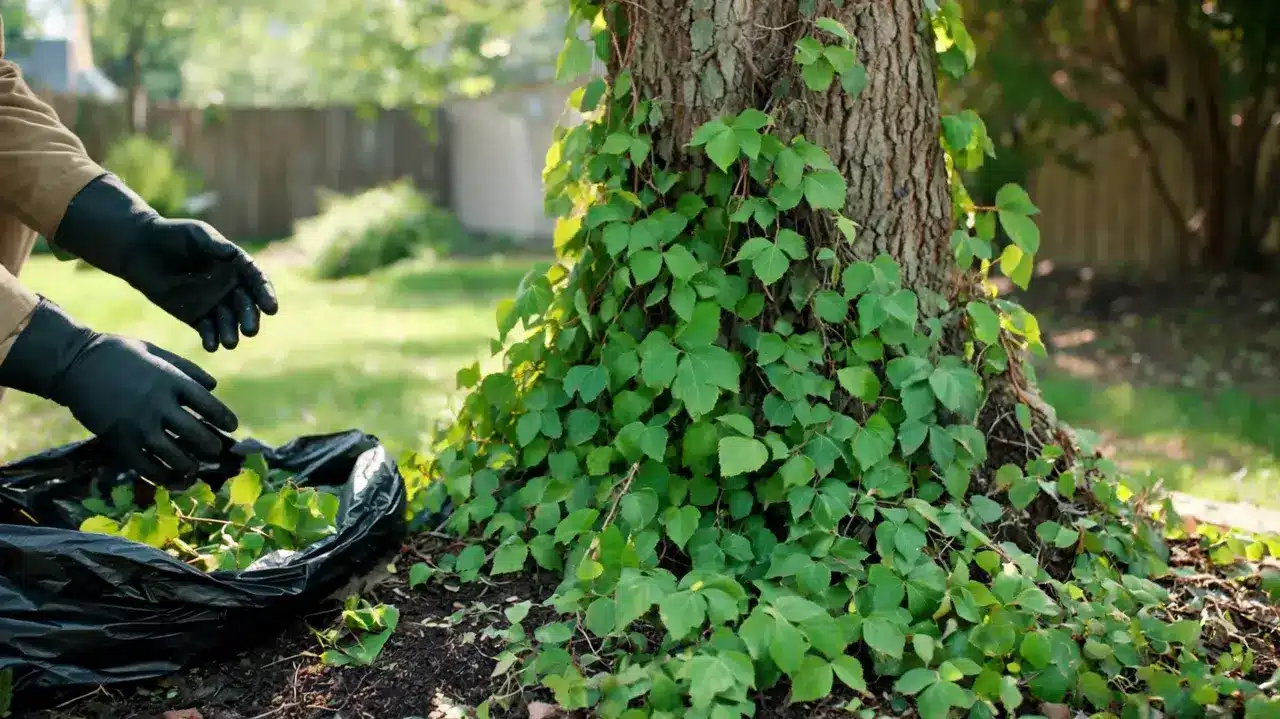
- Carefully remove the entire infected rose plant, including the roots, to prevent any remaining infected tissue from spreading disease in the soil or garden.
- Immediately isolate the plant before removal to avoid contact with healthy roses and reduce the chance of mites transmitting the infection during handling.
- Dispose of infected material by sealing it in bags and discarding it with household waste; never compost because it may spread mites or plant fragments.
-
Wait at least one to two months, and ideally a full season, before replanting in the same spot, since leftover roots and plant debris can still harbor mites for some time after the rose is gone. Consider soil recovery time and choose healthier, less susceptible rose varieties for future planting.
Long-Term Impact of Rose Rosette Disease
Rose Rosette Disease has significant long-term consequences for gardens, commercial nurseries, and ornamental rose production across affected regions, especially in the United States.
- The disease poses serious challenges for the landscaping and nursery industries, as large-scale losses of rose plants reduce aesthetic value and necessitate continuous replacement.
- Economic impact in ornamental horticulture increases due to recurring plant replacement costs, increased maintenance, and reduced market confidence in popular rose varieties such as Knock Out roses.
- Spread trends across the United States show gradual expansion, as mite movement and infected wild roses continue to introduce new outbreaks in previously unaffected areas.
Frequently Asked Questions
Here are 8 unique, high-value Frequently Asked Questions (FAQs) to add to your blog. This content covers important angles not addressed in your main text, giving your readers even deeper insights.
Additional Frequently Asked Questions
Does the Rose Rosette Virus stay in the soil after an infected rose is removed?
No, the virus itself cannot survive independently in the dirt; it requires living plant tissue to stay alive. However, if you leave broken pieces of infected roots in the ground, they can produce new infected suckers or harbor overwintering mites. This is why thorough root removal is so crucial before replanting.
Can Rose Rosette Disease spread to other types of flowers or bushes in my garden?
Fortunately, no. The Rose Rosette Virus and its specific carrier mite (Phyllocoptes fructiphilus) are highly specialized and attack only plants in the genus Rosa. Your hydrangeas, berries, perennial salvias, and other landscape plants are completely safe from this specific threat.
Can I just prune off the single infected branch to save the rest of the bush?
While it is tempting to try, this almost never works. By the time you see visual symptoms like a “witches’ broom” or distorted red growth, the virus has likely already spread systemically through the plant’s vascular system and root network. Cutting off the visible damage leaves the hidden virus behind to emerge elsewhere later.
Do freezing winter temperatures kill off the virus or the mites?
Winter cold does not cure the disease. The virus overwinters safely inside the living roots and canes of the rose bush. While extreme freezing temperatures can kill off exposed mites on the foliage, many adult mites successfully survive the winter by sheltering deep inside the protective bud scales of the plant, ready to emerge and multiply in the spring.
What are the best non-rose alternative plants to fill an empty bed after an RRD outbreak?
If you want to transition away from roses to avoid future mite issues, look for hardy shrubs that offer a similar blooming footprint or structure. Excellent choices for the Gulf Coast and southern landscapes include:
- Dwarf Abelia (offers continuous delicate blooms)
- Knock Out-style alternative shrubs like Loropetalum (Fringe Flower) for rich purple and red foliage
- Shrub Roses alternatives like Hydrangeas or Camellias (depending on shade levels)
- Everblooming perennials like Salvia or Lantana
Are there any natural predators or biological controls that eat these microscopic mites?
Yes, naturally occurring predatory mites (such as those in the family Phytoseiidae) and certain small beneficial insects prey on eriophyid mites. However, because the RRD mites are so incredibly small and hide deeply within tight bud crevices, native predator populations rarely multiply fast enough to stop a viral transmission once it begins.
Does overhead watering or heavy rain help wash the disease-carrying mites away?
Heavy regular rainfall or forceful overhead watering can physically dislodge and wash some mites off the glossy leaves, which may slightly slow their local movement. However, overhead watering is a double-edged sword because prolonged wet foliage creates the perfect environment for destructive fungal issues like Black Spot, which further weakens the rose.
Is there an official “certified virus-free” program I should look for when buying new roses?
Unlike some fruit trees or grapevines, there is currently no universal, regulated national certification program for “RRD-free” rose stock. Your best defense when buying is to source plants from reputable local or national nurseries that actively screen their production fields and thoroughly inspect any new plant for unusually thick, hyper-thorny stems before bringing it home.
Conclusion
Caring for roses becomes much easier once you understand how quickly problems can develop and spread in your garden.
I’ve explained how early symptoms, transmission methods, and prevention strategies work together to effectively manage infected plants. When you stay alert and act early, you can protect healthy roses and reduce long-term damage.
Learning about Rose Rosette Disease (RRD) helps you make better decisions, whether it’s removing infected plants or improving garden hygiene practices.
You now have the knowledge to respond quickly and keep your roses in better condition throughout the seasons. If this guide helped you, share your experience or check out more plant care tips to keep your garden thriving.