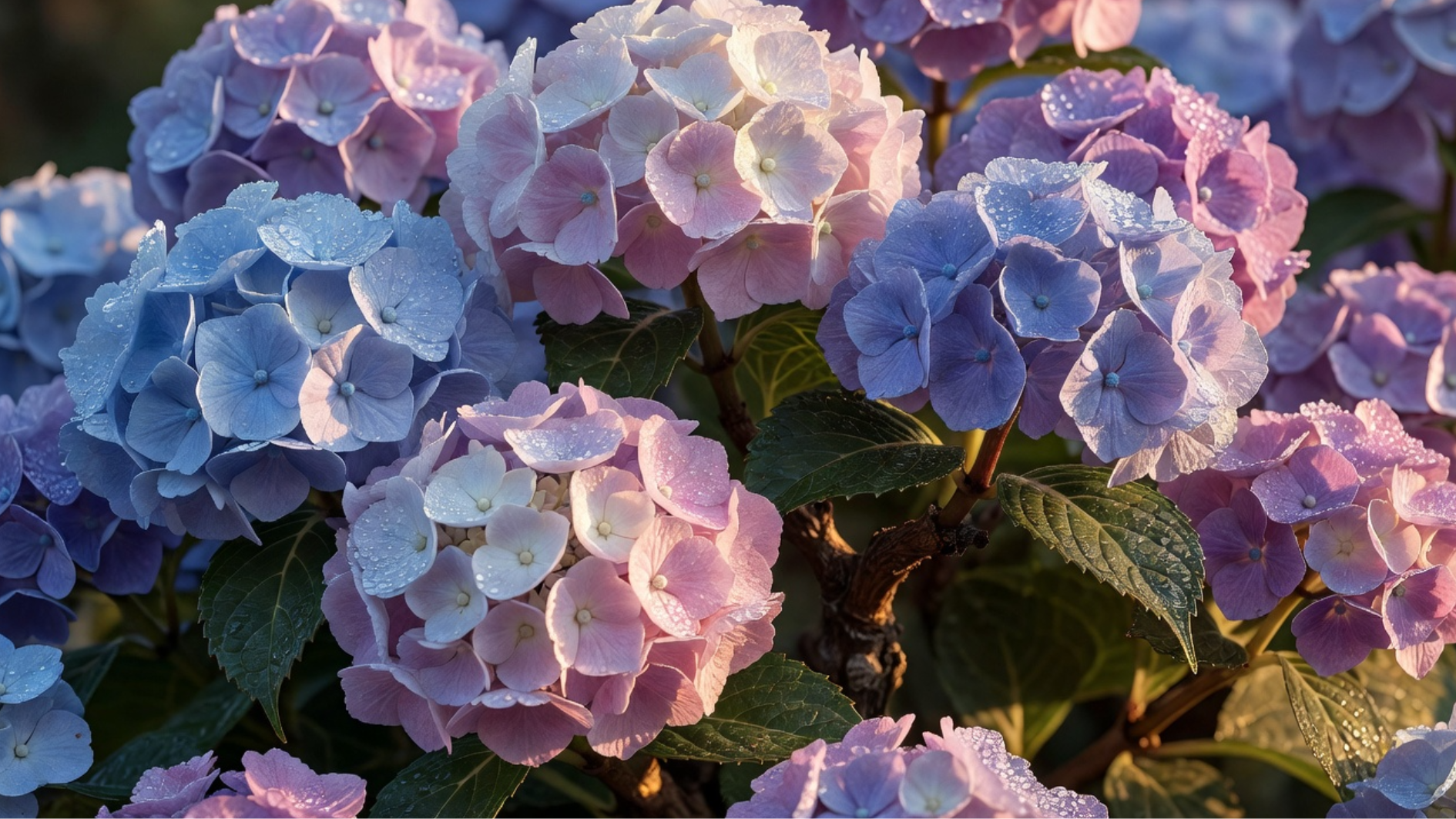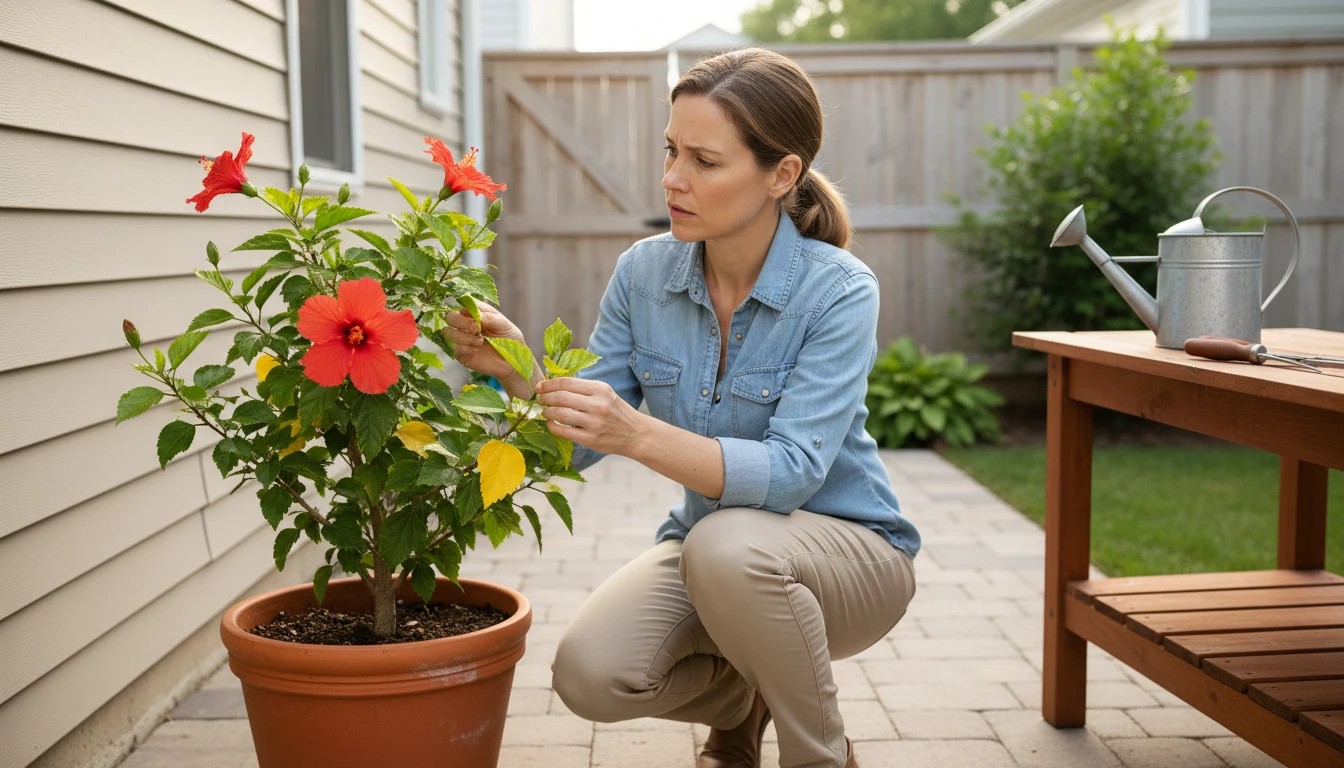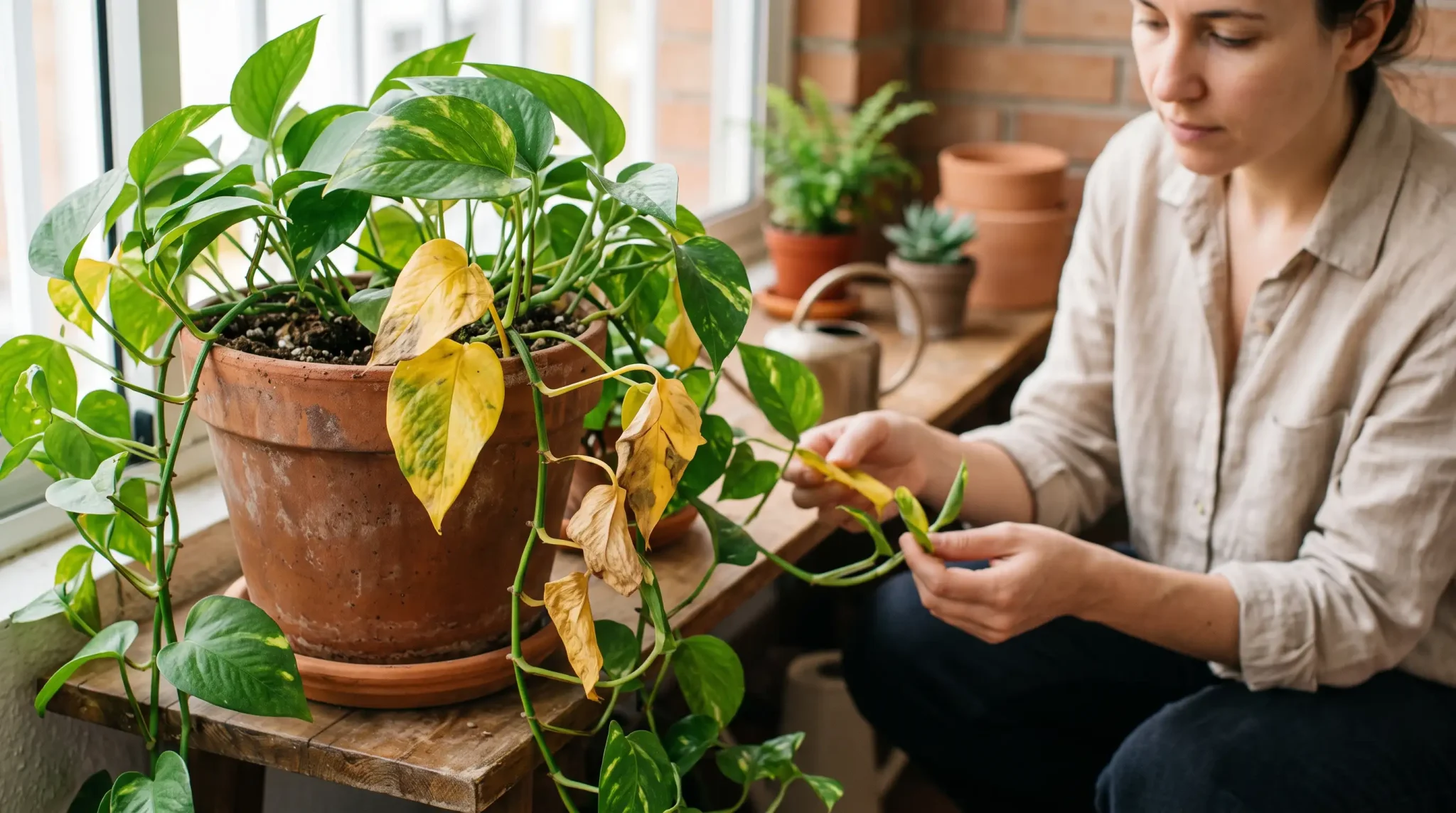
Have you ever planted a hydrangea, felt proud for five minutes, then wondered why it looked tired by noon? I’ve seen that happen in sunny yards, shady corners, and even pretty patio pots.
That is why “do hydrangeas need full sun” matters so much to real gardeners like you. Hydrangeas can look easy at the nursery, but the wrong light can make them act fussy fast.
The good news is that they are not impossible plants. You just need to read the spot before you dig. Is it bright, hot, dry, sheltered, or cool? Once you learn what your plant is asking for, choosing the right place becomes much simpler and far less stressful for your garden
Do Hydrangeas Need Full Sun?
Most hydrangeas do not need full sun to grow well. They need bright, useful light, but they usually look better when that light is not harsh all day.
As a general rule, most hydrangeas grow best with 4 to 6 hours of direct light per day. That is the range where flowers form reliably without heat stress becoming a bigger problem than poor light.
The best starting point for many gardens is morning sun with softer light or shade later in the day. This gives the plant enough energy to support flowers without putting too much stress on the leaves.
Full sun is not always wrong, but it should not be treated as the goal for every hydrangea. Some hydrangeas can handle more direct light, while others grow better in a calmer spot. The right answer depends on the plant type, your climate, and how hot the planting area gets.
Your USDA hardiness zone also matters. In cooler northern zones (3 through 6), hydrangeas generally tolerate more direct sun. In warmer zones 7 through 9, including most of the Gulf Coast, the same amount of sun can cause leaf scorch and bud damage because the heat intensity is simply higher.
So, if you are choosing a place for hydrangeas, do not just look for the brightest spot. Look for a space that gives steady light without strong afternoon heat. That simple balance is usually better than full sun from morning to evening.
Where Do Hydrangeas Grow Best?
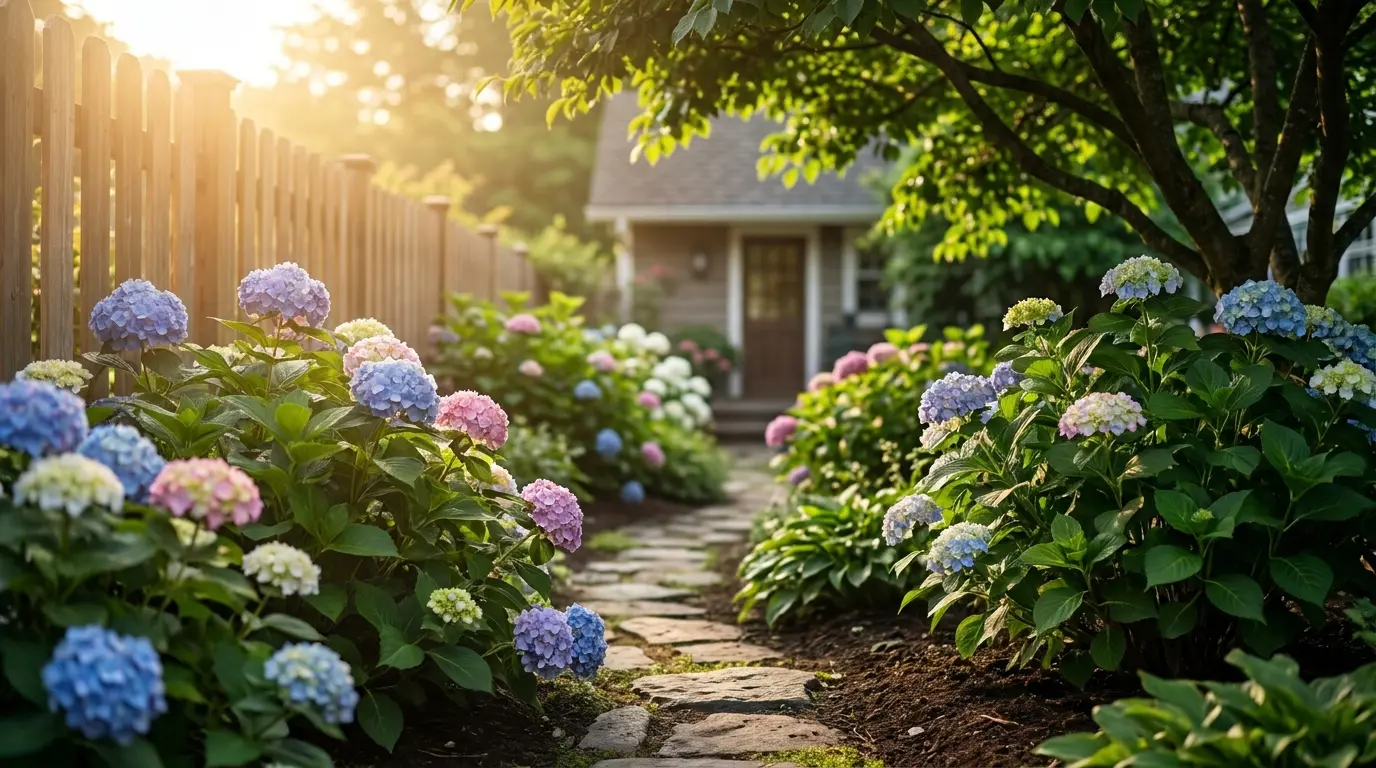
Hydrangeas grow best in a protected place with gentle light, steady moisture, and enough open space around the plant. A good site should help the plant stay fresh without making daily care harder.
I like to judge the spot before judging the plant. Here is a simple way to read your planting area:
| Site Factor | Best Choice | Why It Helps |
|---|---|---|
| Light | Bright but not harsh | Helps flowers form without stressing leaves |
| Soil | Moist and well-drained | Keeps roots hydrated without staying soggy |
| Space | Open around the shrub | Allows air to move through the plant |
| Shelter | Protected from strong winds | Reduces fast moisture loss |
| Heat | Away from reflected warmth | Keeps leaves and blooms from drying fast |
The best spot is not just about one factor. When light, soil, space, shelter, and heat all work together, your hydrangea settles faster and grows with less stress. That balance also makes it easier to understand whether full sun, partial sun, or shade will suit your plant best.
One placement I always mention on GardenLine: the east side of your house is often ideal for bigleaf and mountain hydrangeas. It catches morning sun and stays protected from the hard afternoon heat that rolls in from the west.
Full Sun, Partial Sun, or Shade: What Do Hydrangeas Prefer?
Hydrangeas respond best when light feels steady, not harsh. You want enough sun to help flowers form, but not so much that leaves lose moisture too fast. The best choice depends on type, heat, and soil conditions.
Here’s how each light level affects hydrangeas in a real garden setting:
1. Full Sun Conditions for Hydrangeas
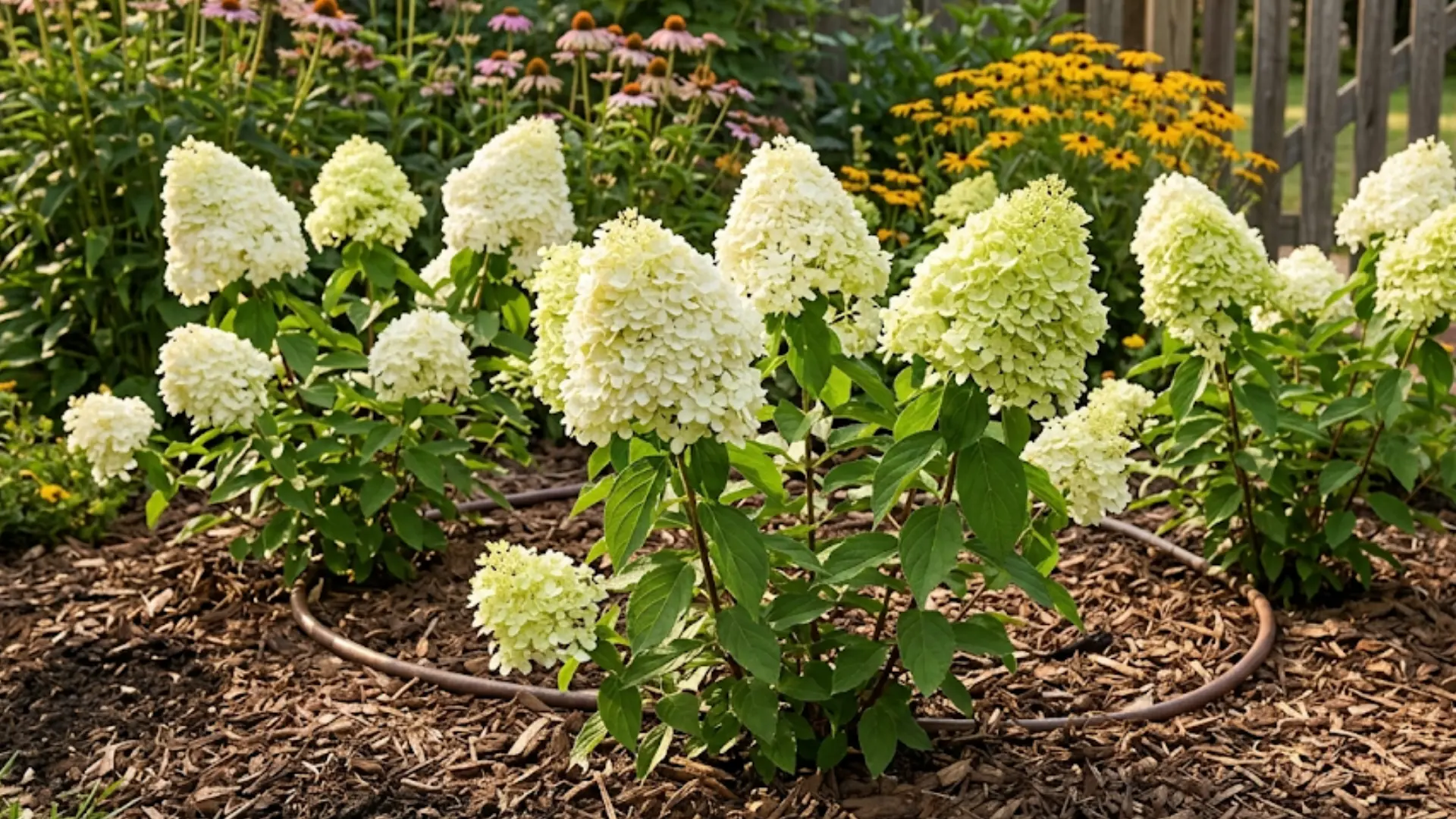
Full sun means hydrangeas receive around six or more hours of direct sunlight daily. Some varieties like panicle hydrangeas can tolerate this better, but only when soil moisture is consistently maintained.
In hot climates, evaporation increases quickly, which can lead to leaf wilting and reduced bloom quality. Cooler regions handle full sun better, but in warmer zones, afternoon protection is often necessary to prevent heat stress and maintain plant health.
- Panicle types tolerate stronger sunlight exposure better
- Soil dries faster in peak summer heat conditions
- Afternoon shade helps prevent leaf and bloom stress
Full sun requires careful moisture control always
2. Partial Sun Conditions for Hydrangeas
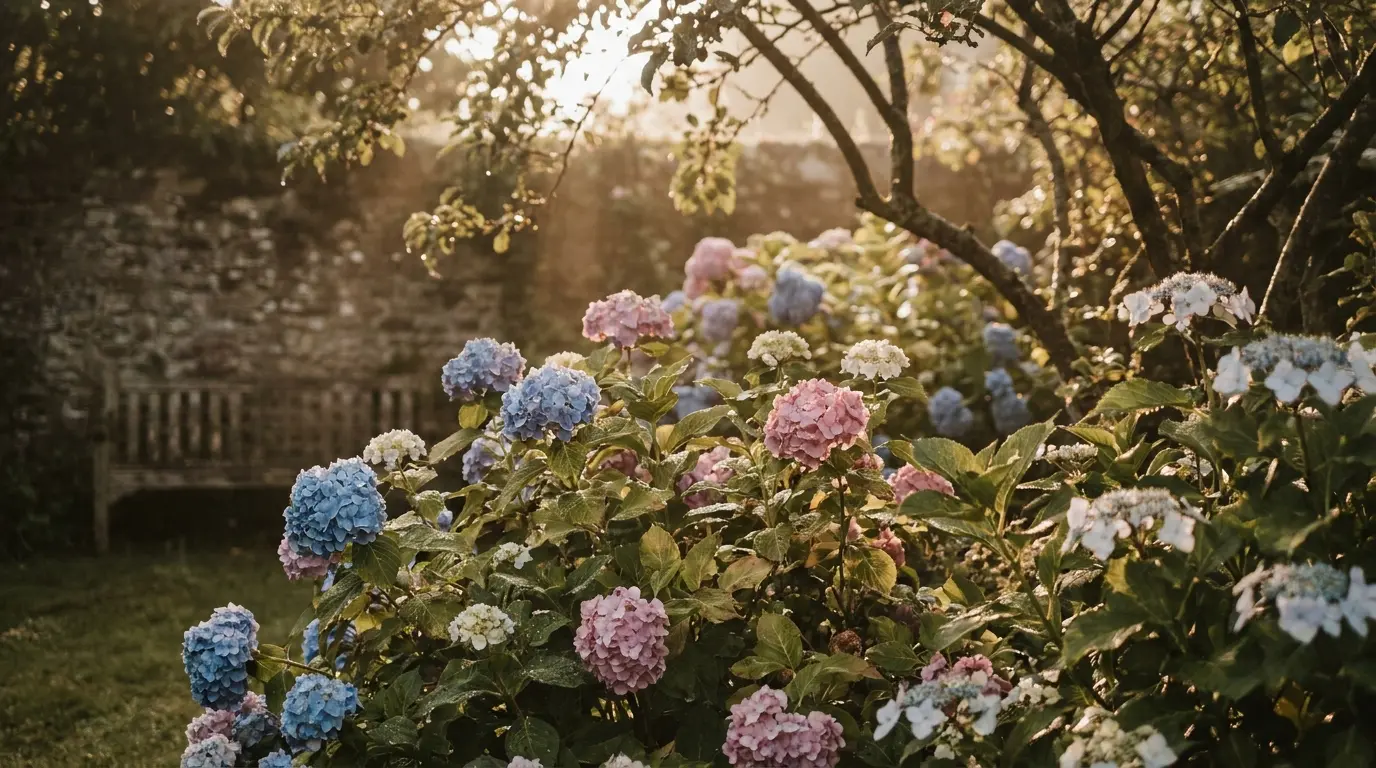
Partial sun is the most balanced and reliable condition for most hydrangea types. It usually includes four to six hours of sunlight, often in the morning with shade later in the day. This setup supports steady flowering while reducing heat stress.
Soil remains moist for longer periods, and plants maintain better structure. It is often the preferred choice for beginners because it reduces watering pressure and keeps growth more consistent.
- Morning light supports healthy bloom development cycles
- Reduced heat exposure improves overall plant stability
- Ideal balance for most garden hydrangea varieties
Partial sun gives most consistent flowering results
3. Partial Shade Conditions for Hydrangeas
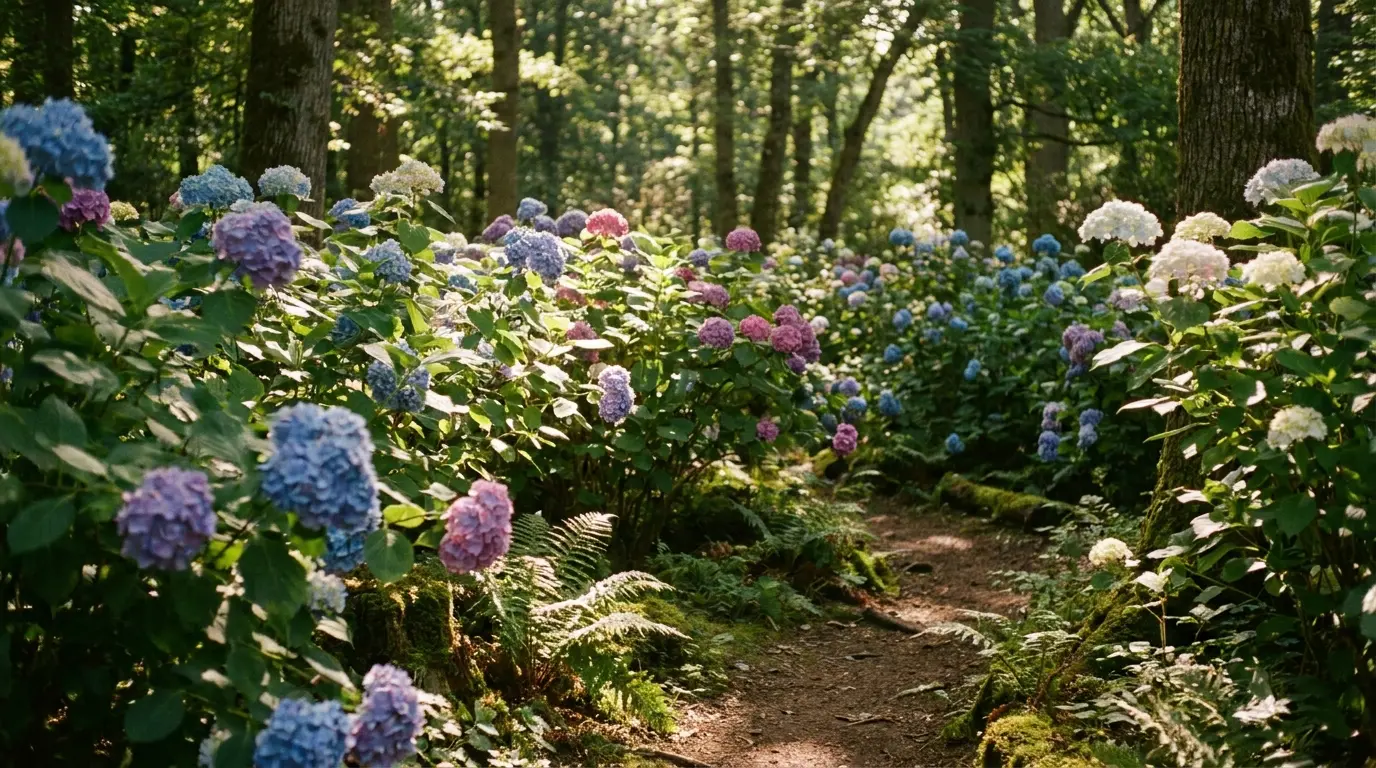
Partial shade provides filtered or limited direct sunlight, making it ideal for warmer climates. Hydrangeas in this condition often show softer foliage and longer-lasting blooms. However, too much shade can reduce flowering potential over time.
The goal is balanced brightness without harsh afternoon heat. This condition is especially suitable for bigleaf and mountain hydrangeas, which prefer protection from intense sunlight while still receiving enough light for bloom development.
- Filtered light reduces heat stress on foliage
- Helps maintain moisture levels for longer periods
- Too much shade reduces flower production potential
Partial shade supports calm steady plant growth
4. Full Shade Conditions for Hydrangeas
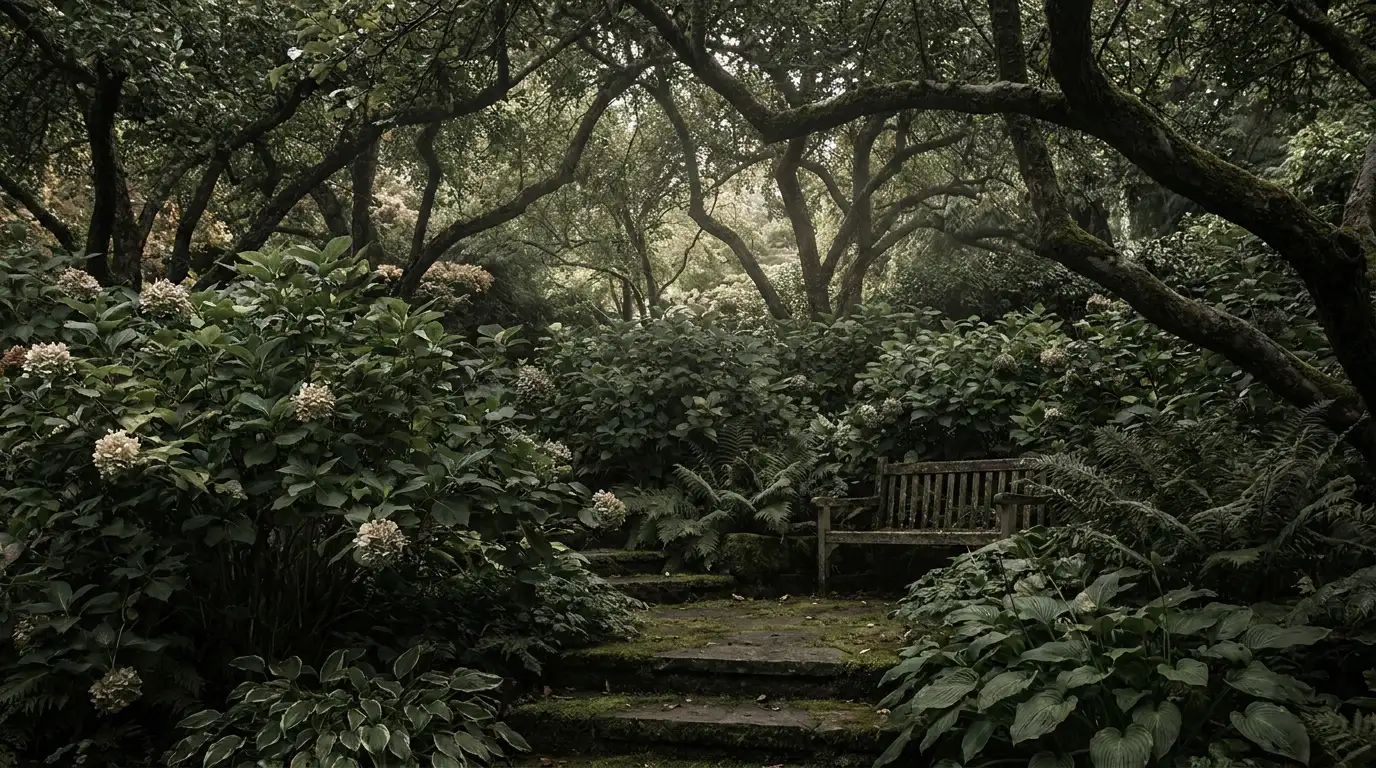
Full shade means very limited direct sunlight, often only indirect or reflected light. Hydrangeas can survive in these conditions, but flowering is usually reduced.
Plants tend to produce more foliage than blooms and may develop stretched growth over time. Soil can also stay damp longer, which requires careful watering management. This setup is generally not ideal unless no better light option exists, but some shade-tolerant varieties can still adapt.
- Flowering decreases significantly in low light conditions
- Plants may grow taller with weaker structure
- Soil moisture stays longer, increasing root care needs
Full shade limits flowering potential significantly overall
Best Sunlight by Hydrangea Type
Hydrangeas do not all want the same light. Once you know the type you have, choosing a spot becomes much easier. This matters because the wrong light can affect blooms, leaf health, and summer care. Here’s how each common hydrangea type usually responds to sun and shade.
1. Bigleaf Hydrangeas
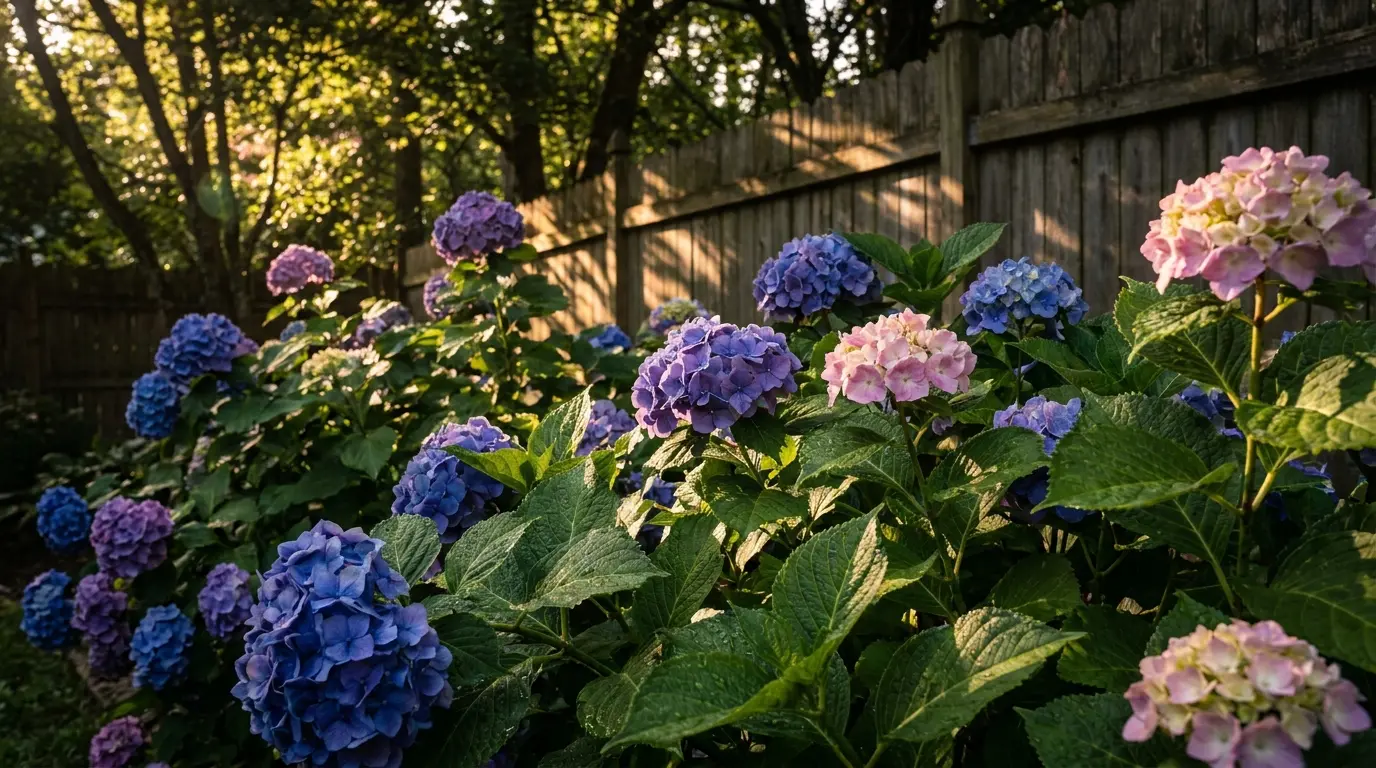
Bigleaf hydrangeas usually grow best in partial sun, especially when the stronger heat is filtered or blocked. They can flower well in bright light, but harsh exposure can cause leaves to droop and blooms to age faster. If you grow blue or pink mophead types, give them a softer place where they can stay fresh through warm afternoons.
In zones 4 through 6, bigleaf hydrangeas can tolerate more sun, especially with consistent moisture and mulch. In zones 7 through 9, the heat multiplies quickly, and these plants do noticeably better with morning sun and shade from about 1 p.m. onward.
I have fielded many GardenLine calls over the years from frustrated Houston gardeners whose bigleaf hydrangeas looked fine in spring, then went limp every afternoon by July. The answer almost always traced back to full western sun exposure with no mulch buffering the roots.
Helpful placement notes:
- Bloom color may change with soil pH.
- Some types bloom on old wood.
- Late cold snaps can damage buds.
- Large leaves lose moisture quickly.
2. Panicle Hydrangeas
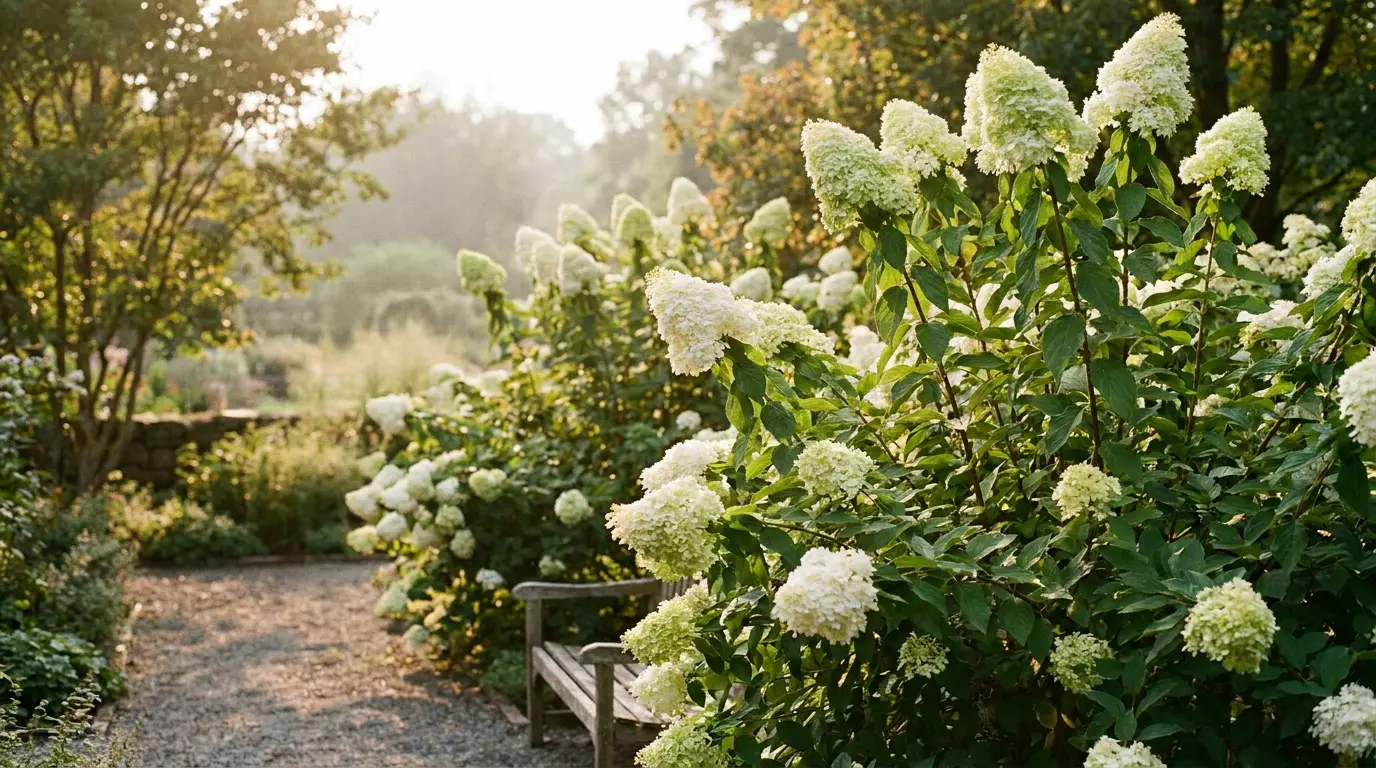
Panicle hydrangeas are the best choice for a garden with a brighter, more open spot. They handle direct light better than most hydrangeas and often bloom strongly in sunny beds. Still, they are not desert plants. During long, hot spells, they need steady root moisture to keep their flowers and leaves from looking worn.
Panicle varieties like Limelight, Little Hottie, and Pinky Winky are specifically bred to perform in full sun.
Little Hottie was developed in Athens, Georgia, to hold up in warm-climate heat, which makes it a reasonable choice for southern gardens where other hydrangeas struggle. That said, even panicle types benefit from a deep mulch layer and weekly watering in zones 7 and above.
Helpful placement notes:
- Blooms are usually cone-shaped.
- They bloom on new wood.
- Wide varieties handle winter well.
- Good airflow supports stronger stems.
3. Smooth Hydrangeas
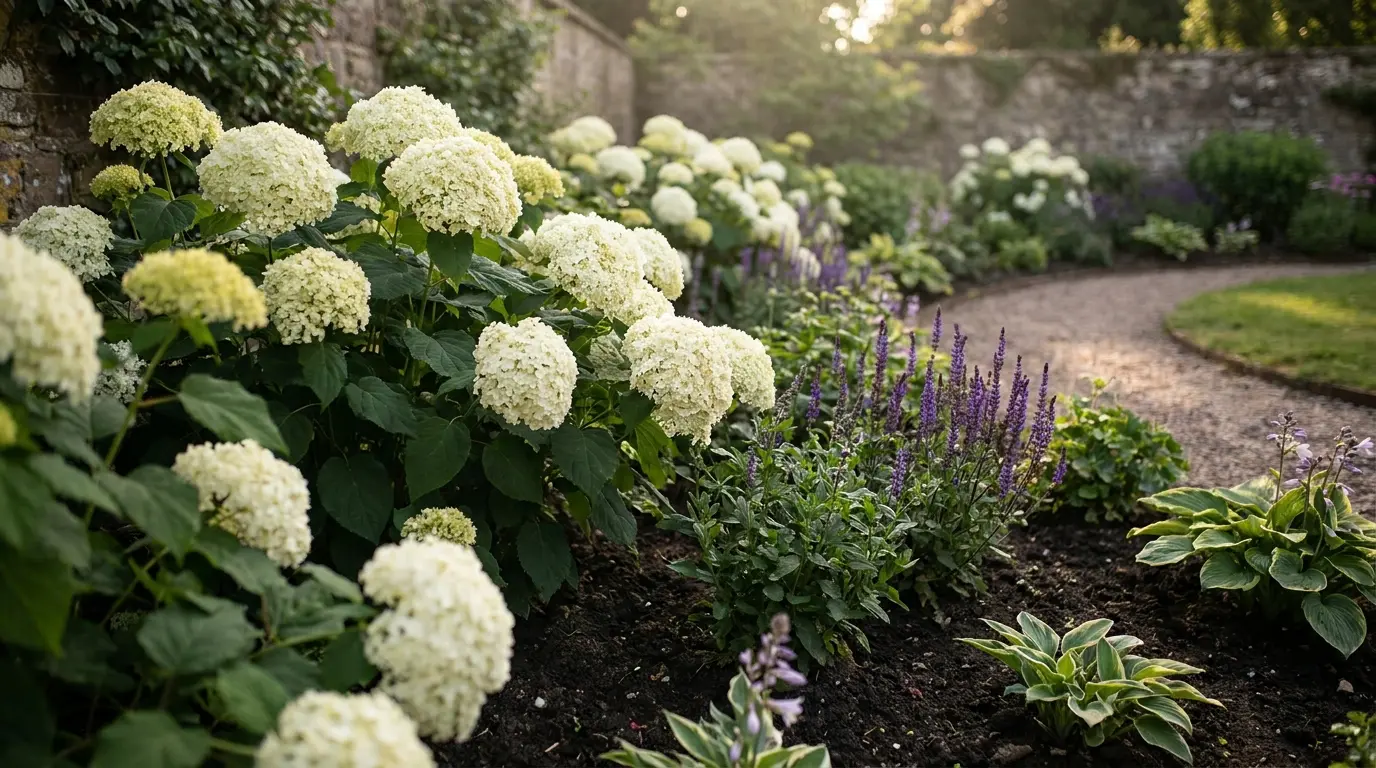
Smooth hydrangeas like a balanced spot where they get enough light for flowers without too much heat or pressure. In cooler places, they can manage more sun. In warmer yards, they often look better with some protection during the hottest part of the day. They are a good choice when you want a reliable shrub for mixed borders.
Popular smooth varieties like Incrediball and the Invincibelle series are marketed for full or part sun. However, in zones 7 and warmer, afternoon shade still helps them stay fresher. If you are in the Houston area or anywhere along the Gulf Coast, treat smooth hydrangeas the same as bigleaf types when it comes to afternoon heat protection.
Helpful placement notes:
- Many types suit natural-style gardens.
- Large blooms may flop after rain.
- They usually bloom on new wood.
- Cutting back can refresh growth.
4. Oakleaf Hydrangeas
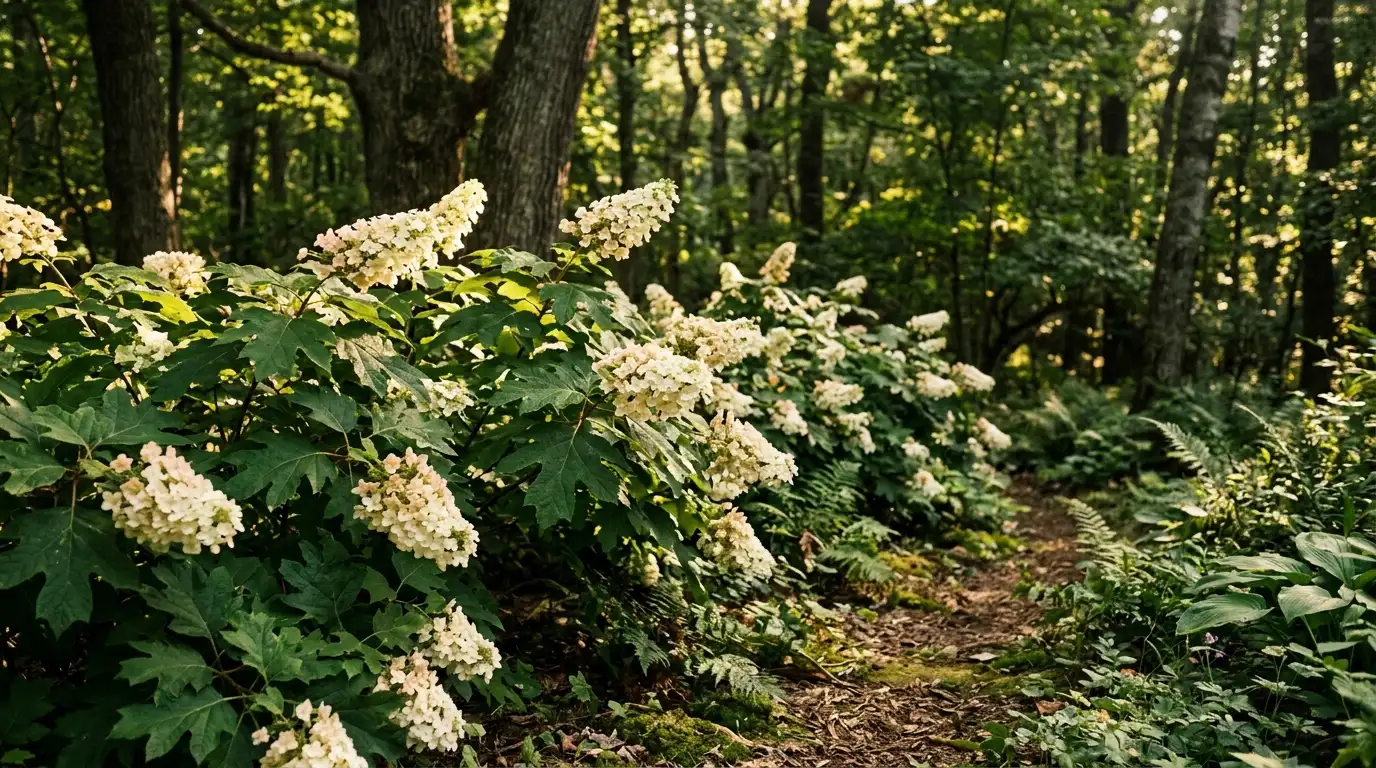
Oakleaf hydrangeas are a good fit for light shade, especially in gardens with a more natural feel. They do not need the brightest spot to look good, but they still need some useful light if you want better flowering. Their large leaves also bring texture, so they can carry a partly shaded bed even after blooms pass.
Helpful placement notes:
- Leaves often turn rich colors in fall.
- Mature plants can grow wide.
- They dislike wet, heavy ground.
- Bark adds winter interest.
5. Mountain Hydrangeas
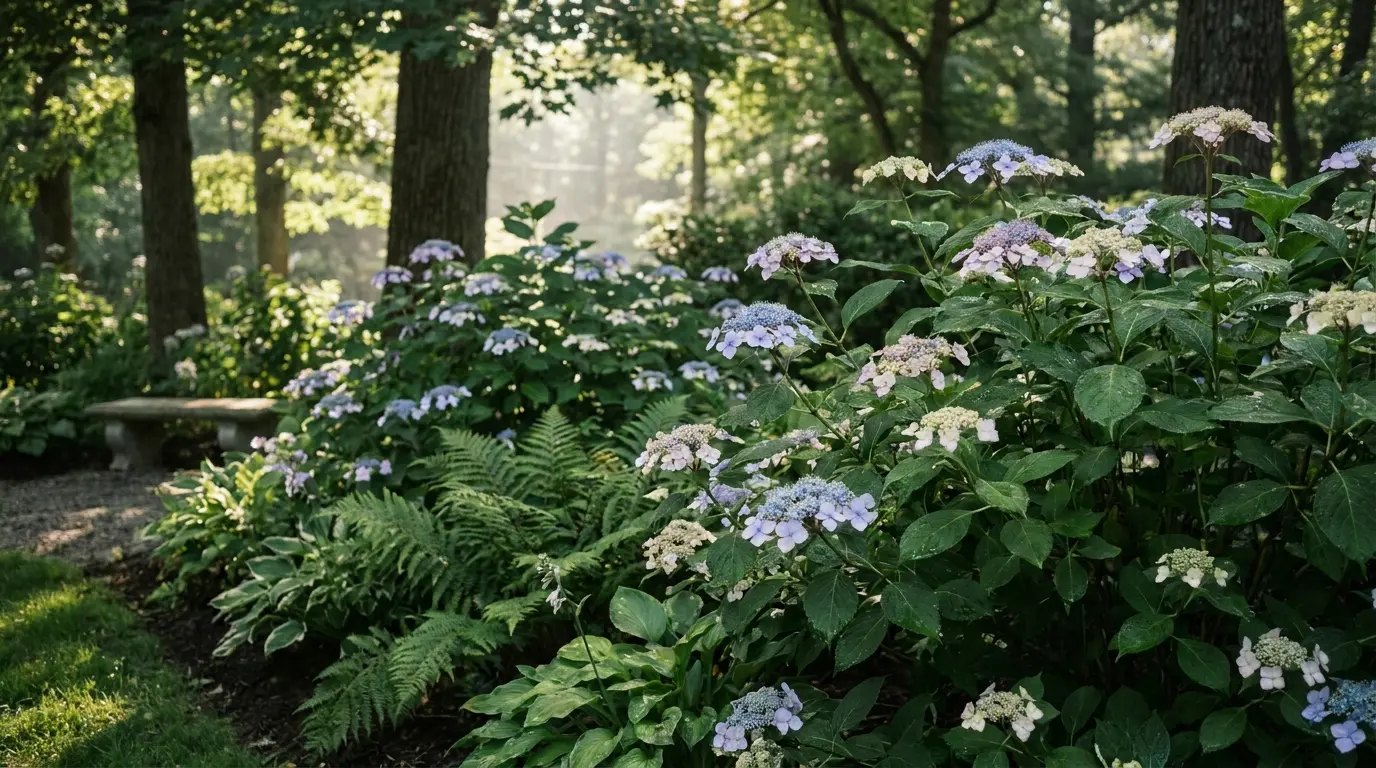
Mountain hydrangeas usually prefer filtered light or partial sun. They are close to bigleaf hydrangeas in care, but many feel a bit tougher in cooler gardens. Strong heat can still be a problem, so they do best where the light is bright without feeling harsh. They are useful when you want delicate flowers in a calmer spot.
Helpful placement notes:
- Blooms often look fine and delicate.
- Many types handle chill well.
- They fit smaller layered beds.
- Lacecap forms attract pollinators
How Climate Changes Hydrangea Light Needs
Your climate changes how sunlight feels to a hydrangea. A spot that works well in a mild area may be too harsh in a hotter or drier one. That is why I always look at the weather before judging the plant. Use this table to match your local climate with the safest light setup.
| Climate Type | Best Light Approach | What to Watch For |
|---|---|---|
| Hot climates | Give protection during the strongest part of the day | Leaves may lose moisture quickly under intense heat |
| Cool climates | Allow more direct light if the plant stays healthy | Too little brightness may limit flower growth |
| Dry climates | Choose a softer exposure and support steady watering | Soil can dry before roots absorb enough moisture |
| Humid climates | Pick a bright, open spot with room around the plant | Still air can keep leaves damp for too long |
Gulf Coast gardeners have an additional layer to this: high humidity combined with intense summer heat creates a specific problem where leaves stay wet from evening moisture but then get baked by late-morning sun. This combination encourages powdery mildew, particularly on bigleaf types.
If you garden in Houston, Beaumont, Galveston, or anywhere in that humid corridor, lean toward well-spaced plantings with morning sun, afternoon shade, and enough air movement around each plant to let the foliage dry between watering cycles.
Climate helps you fine-tune the planting spot rather than follow a single fixed rule. When you match light to local weather, your hydrangea has a better chance of staying fresh, flowering well, and needing fewer fixes later.
Signs Your Hydrangea Is Getting the Wrong Light
Hydrangeas often show early signs of stress before the whole plant starts to decline. If you read the leaves, stems, and blooms early, you can adjust care or placement before the problem gets worse. Here are the main signs to watch for:
- Dry leaf edges: Brown, crisp tips often mean strong light and heat are pulling moisture from the leaves too quickly.
- Faded flowers: Blooms may lose color early when they sit in harsh sun during the hottest part of the day.
- Daily drooping: Stems that sag in the afternoon but recover later often point to heat stress, not always poor watering.
- Weak flowering: Few blooms with lots of leaves usually mean the plant is not getting enough useful light.
- Thin growth: Stretched stems, slow growth, and leaning can show the plant is reaching for brighter conditions.
- Know your bloom wood before you prune: Cutting bigleaf or oakleaf hydrangeas in spring removes next year’s buds. Prune them right after they flower in summer instead.
- Keep fertilizer balanced: A slow-release 10-10-10 formula in early spring is enough for most types. Skip high-nitrogen lawn fertilizers anywhere near hydrangea beds.
These signs help you avoid guessing. Once you know whether the issue is too much sun, too much shade, or moisture stress, you can make a smaller, smarter fix
Soil and Moisture Needs That Help Hydrangeas Handle Sun
Sunlight is easier for hydrangeas to handle when the roots are well-supported. If the soil holds steady moisture, the plant can stay fresher through bright hours. If the root area dries fast or stays soggy, even decent light can become stressful. The root zone makes a big difference in how your hydrangea responds to sun:
| Root-Zone Need | What Works Best | What Causes Trouble |
|---|---|---|
| Drainage | Soil lets extra water move away while staying lightly damp | Water pools around roots and limits oxygen |
| Texture | Loamy soil holds moisture evenly between waterings | Sandy soil dries fast, while heavy clay stays wet |
| Organic Matter | Compost improves structure and feeds soil life | Poor soil becomes compacted and hard for roots |
| Watering | Deep soaking reaches the wider root area | Light watering only wets the top layer |
| Mulch | A loose layer helps reduce surface drying | Mulch piled against stems can trap moisture and cause rot |
Good soil acts like a safety net during warm weather, and for hydrangea beds specifically, the question of rocks vs. mulch is common, since rocks can trap and radiate heat in ways that make light stress worse. It keeps roots cooler, helps water reach the plant evenly, and gives hydrangeas more strength to handle brighter spots without wilting as quickly.
Tips to Help Hydrangeas Grow Better
Once you understand what your hydrangea dislikes, caring for it becomes much easier. You do not need complicated tricks. A few steady habits can help the plant stay fuller, bloom better, and handle warm days with less stress. Use these simple tips to support healthier growth:
- Match type to location: Choose panicle hydrangeas for sunnier areas and oakleaf hydrangeas for light shade.
- Use morning light: Earlier sun gives hydrangeas brightness without the harsh heat that often comes later.
- Improve the soil: Add compost so the root zone holds moisture while still draining well. Improving your soil quality is one of the fastest ways to reduce summer stress on shallow-rooted shrubs.
- Mulch the root area: A loose mulch layer helps keep soil cooler and slows surface drying.
- Adjust as needed: Move pots, add shade, or trim nearby plants if your hydrangea shows signs of stress.
Good care is really about watching and responding. When you notice how your plant reacts throughout the day, small changes can keep it comfortable without overworking yourself or overcorrecting the problem
Can Hydrangeas Grow in Full Sun in Pots?
Yes, hydrangeas can grow in full sun in pots, but they need closer attention than plants in the ground. A container has less soil around the roots, so it warms up faster and dries out sooner.
I would only try full sun with a sun-tolerant type, such as a compact panicle hydrangea. The pot should be large enough to hold steady moisture, and the plant should not sit on hot paving all day.
Check the soil below the surface, not just on top, because containers can look damp while roots are already dry. Potted hydrangeas are easier to move, so you can adjust their spot if the summer heat becomes too strong for the plant
Common Mistakes When Growing Hydrangeas
Small planting choices can create big problems later. I’ve seen healthy hydrangeas struggle simply because the spot looked pretty but didn’t meet the plant’s needs. These mistakes are easy to avoid once you know what to check. Watch for these common problems before they affect growth:
- Choosing the wrong type: Panicle hydrangeas handle brighter spots better, while bigleaf and mountain types usually need softer light.
- Planting near hot surfaces: Walls, fences, driveways, and patios can reflect heat and make sunlight feel stronger.
- Ignoring soil moisture: A sunny spot becomes harder on hydrangeas when the soil dries too quickly between waterings.
- Using a tiny pot: Small containers heat up fast and leave roots with less moisture during warm weather.
- Leaving plants in deep shade: Too little light can lead to weak stems, slow growth, and fewer flowers.
Most mistakes come from reading the space too quickly. When you pause to notice heat, shade, surface type, and root room, you give the plant a better start before problems settle in.
Frequently Asked Questions
Can hydrangeas get too much morning sun?
Morning sun is usually safe, but too much can still stress hydrangeas in very hot areas. If leaves look limp before noon, the plant may need filtered light, cooler soil, or deeper watering. Watch how fast the soil dries after sunrise to judge if the spot is too bright.
Should hydrangeas be planted under trees?
Hydrangeas can grow under open trees if light filters through and roots are not too crowded. Dense tree cover can block light and pull moisture from the soil. A spot near the edge of a tree canopy works better than planting close to the trunk.
Do newly planted hydrangeas need shade?
New hydrangeas often need gentler light while roots settle. Bright morning sun is fine, but strong afternoon heat can cause quick wilting. For the first season, keep the soil evenly moist and protect the plant during hot spells so it can establish without extra stress.
Do hydrangeas bloom better with more sun?
Some hydrangeas bloom better with more light, but only when the sun is not too harsh. Too much heat can weaken flowers rather than help them. The best bloom results usually come from steady brightness, healthy roots, and the right variety for the site.
Can hydrangeas grow on the west side of a house?
Hydrangeas can grow on the west side, but that area often gets strong afternoon heat. Panicle hydrangeas handle it better than bigleaf types. If you use this spot, keep roots cool with mulch and avoid planting right against heat-reflecting walls or pavement.
How far from the house should hydrangeas be planted?
Most hydrangeas should be planted far enough from the house to match their mature width. Many need at least three to five feet of space. This helps air move around the shrub and keeps heat from walls from stressing leaves and flowers.
Can hydrangeas recover from sun damage?
Hydrangeas can recover from mild sun damage if the roots stay healthy. Burned leaves will not turn green again, but new growth can look better after shade, watering, or mulch improves conditions. Severe repeated stress may require moving the plant in a cooler season.
Final Thoughts on Hydrangea
So, do hydrangeas need full sun? For most gardens, I would not treat full-day exposure as the goal. Your better move is to match the plant with a place that feels bright, calm, and easy to keep evenly moist.
I’ve found that hydrangeas look best when you stop forcing them into a fixed rule and start watching how your own yard behaves. You now know where hydrangeas grow best, which types take more light, and when shade becomes useful. Before you plant, spend one day tracking sun patterns around your home.
Then choose the spot that fits your hydrangea, not just the empty space. Use this guide as your planting checklist before you dig, and read my other blogs to get more valuable information like this.