Some gardens look bright in June, then feel tired before summer is halfway done. That is why annual flowers that bloom all summer make such a smart choice when you want steady color without guessing what to plant next.
You get fast-growing flowers that can fill beds, pots, borders, and shaded corners with blooms that keep returning with simple care. I know it helps when plant lists feel practical rather than random, so the focus here stays on flowers that fit real garden spaces.
You will find sun-loving choices, shade-friendly picks, container ideas, and easy-care notes that support longer blooms. A few small details can change how full and colorful a summer garden feels.
What Makes an Annual Bloom All Summer Long?
An annual blooms all summer when it has the right mix of continuous blooming traits, strong roots, and steady care. Some annuals are self-cleaning, which means old flowers drop on their own and new buds keep forming without much help
Others need deadheading, so removing faded blooms directs the plant’s energy toward fresh flowers rather than seeds. Long-blooming annuals also handle heat well, because summer sun can quickly slow weaker plants.
Many also show some drought tolerance, though regular watering still keeps blooms fuller. It also helps to remember that annuals are not one-and-done bloomers.
They live for one growing season, but many are built to flower again and again until frost. With enough light, food, water, and trimming, they can keep a garden colorful for many bright months.
Best Annual Flowers That Bloom All Summer (Full Sun)
Full-sun annuals bring the strongest summer color when they get bright light, steady water, and quick cleanup. These picks keep beds, pots, and borders looking lively for months outside longer.
1. Petunias
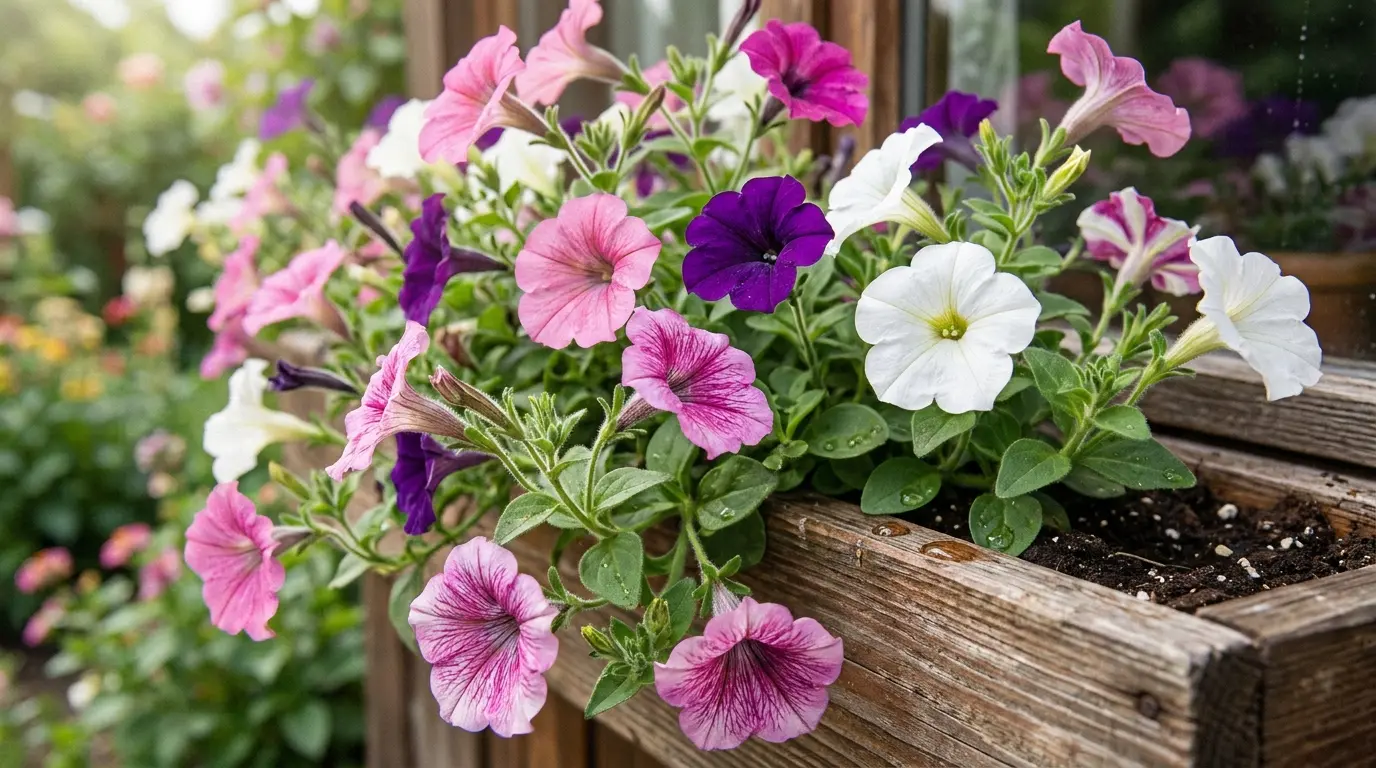
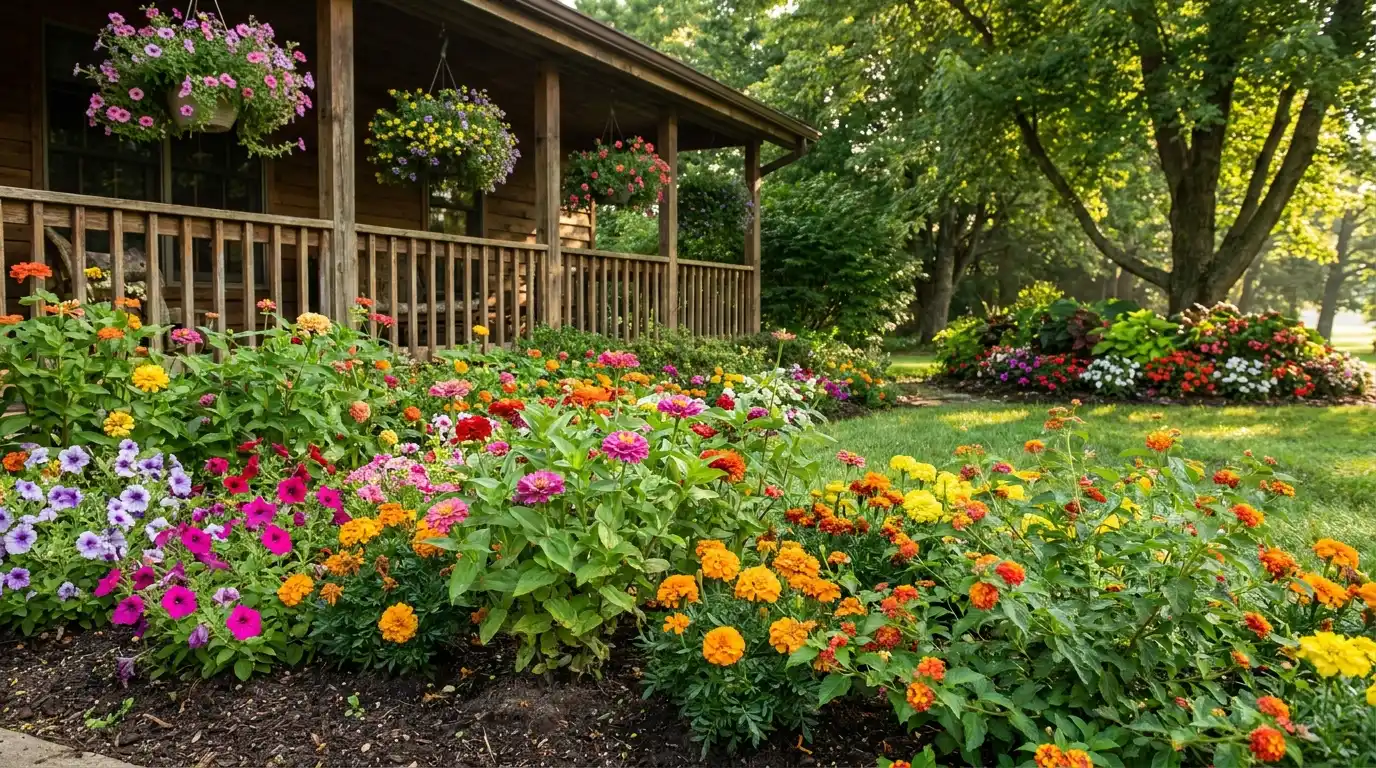
Petunias are cheerful annuals that bring soft, bold, or striped blooms to summer gardens with very little fuss. They work well when you want color that spills, fills, and keeps coming back in warm weather.
Most types bloom best with steady sun, regular watering, and light feeding. A quick trim when stems look stretched helps the plant stay full and keeps fresh flowers coming until frost arrives in most home gardens.
- Botanical Name: Petunia × hybrida
- Bloom Season: Late spring to frost
- Best For: Borders, hanging baskets, window boxes
- Sun Exposure: Full or dappled sun to part shade, depending on the variety
2. Zinnias
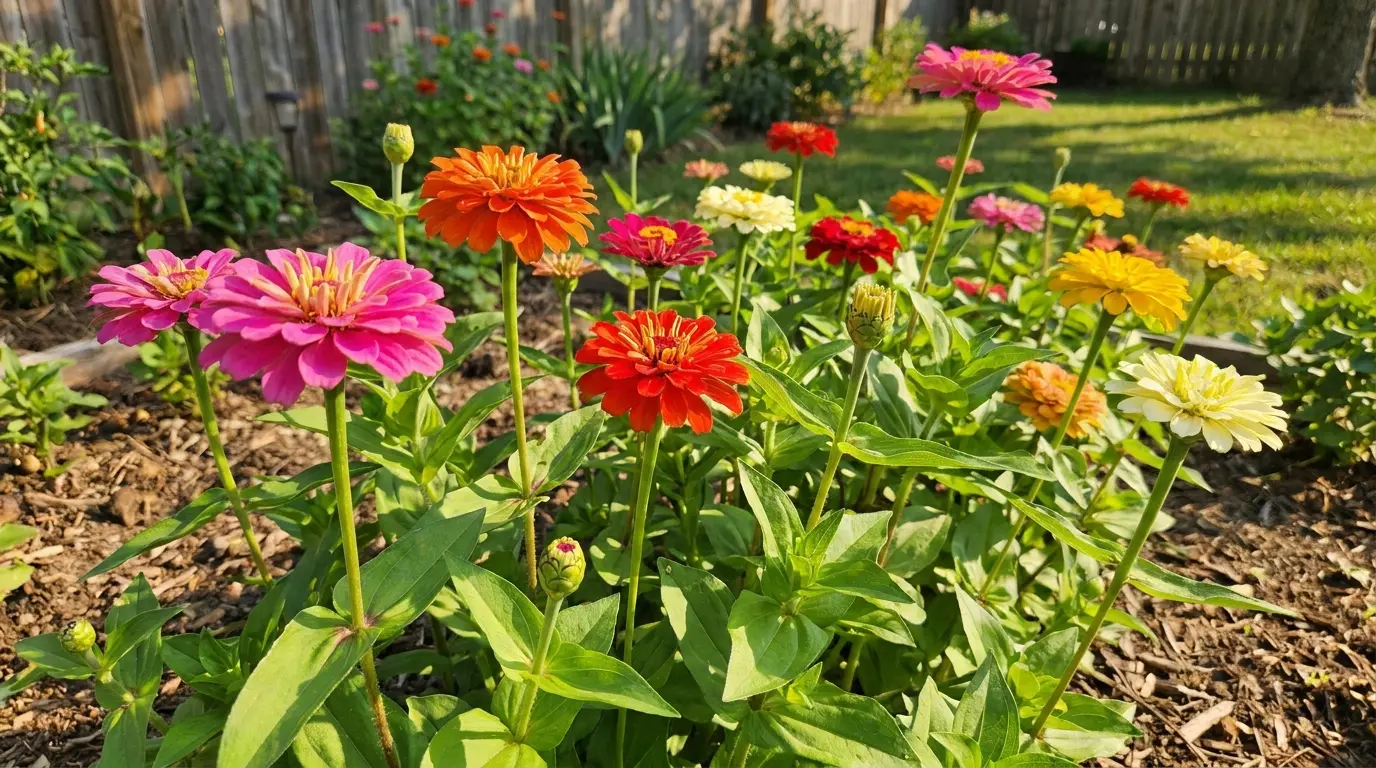
Zinnias are dependable summer annuals with bright, daisy-like blooms that keep coming when the weather turns hot. They are perfect for cutting gardens because picking flowers often encourages more buds to form. Plant them in loose, well-drained soil with good airflow around each stem.
They do not need fussy care, but regular watering at the base helps keep leaves cleaner and keeps plants flowering longer through the season in sunny backyard beds, too.
- Botanical Name: Zinnia elegans
- Bloom Season: Early summer to frost
- Best For: Cutting gardens, borders, pollinator beds
- Sun Exposure: Full sun
3. Marigolds
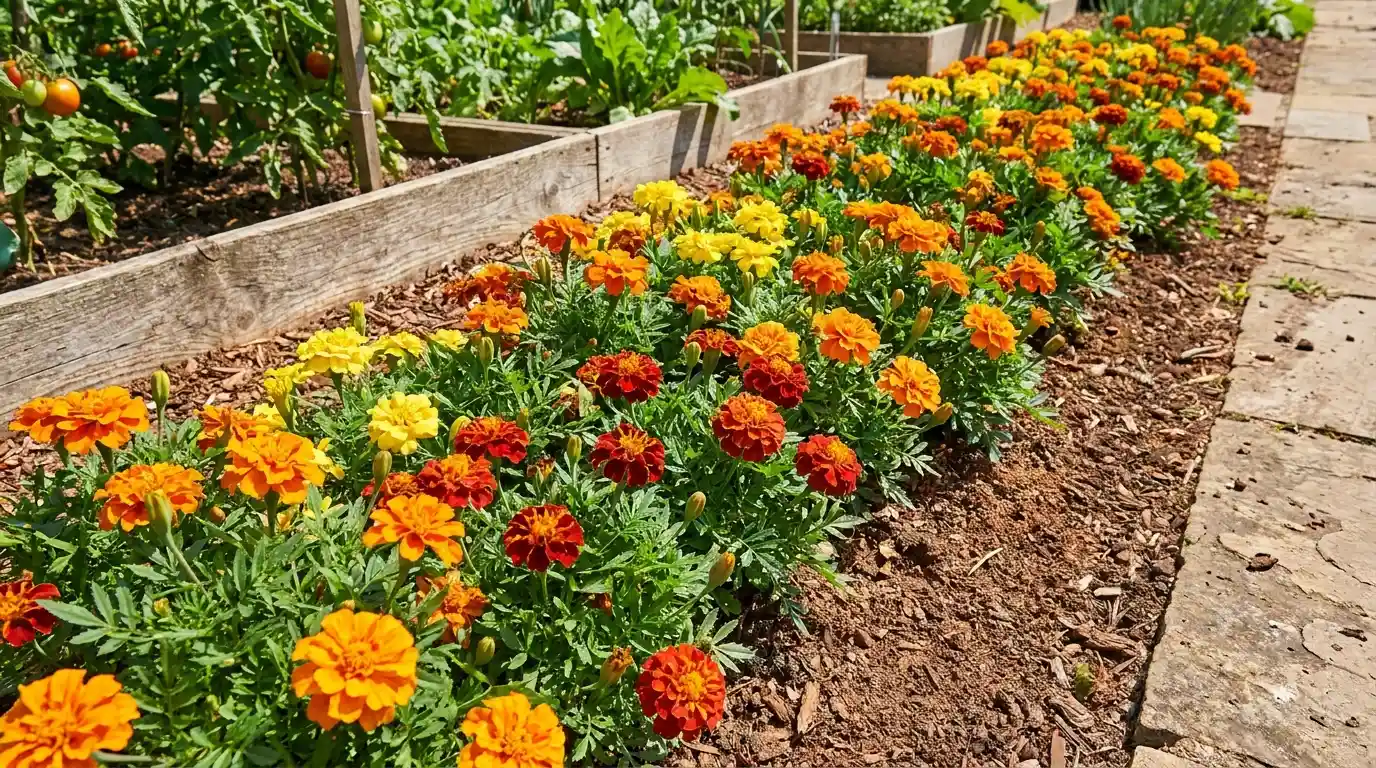
Marigolds are easy annuals for sunny spaces, giving warm yellow, orange, red, or mixed blooms through long summer days. They suit edges, pots, and vegetable gardens because they stay neat and handle heat well.
Dwarf types make tidy borders, while taller kinds add fuller color. Removing faded heads keeps plants cleaner and encourages fresh flowers without making the garden feel like extra work during busy summer weeks at home, too.
- Botanical Name: Tagetes spp.
- Bloom Season: Late spring to frost
- Best For: Garden edges, containers, vegetable gardens
- Sun Exposure: Full sun
4. Lantana
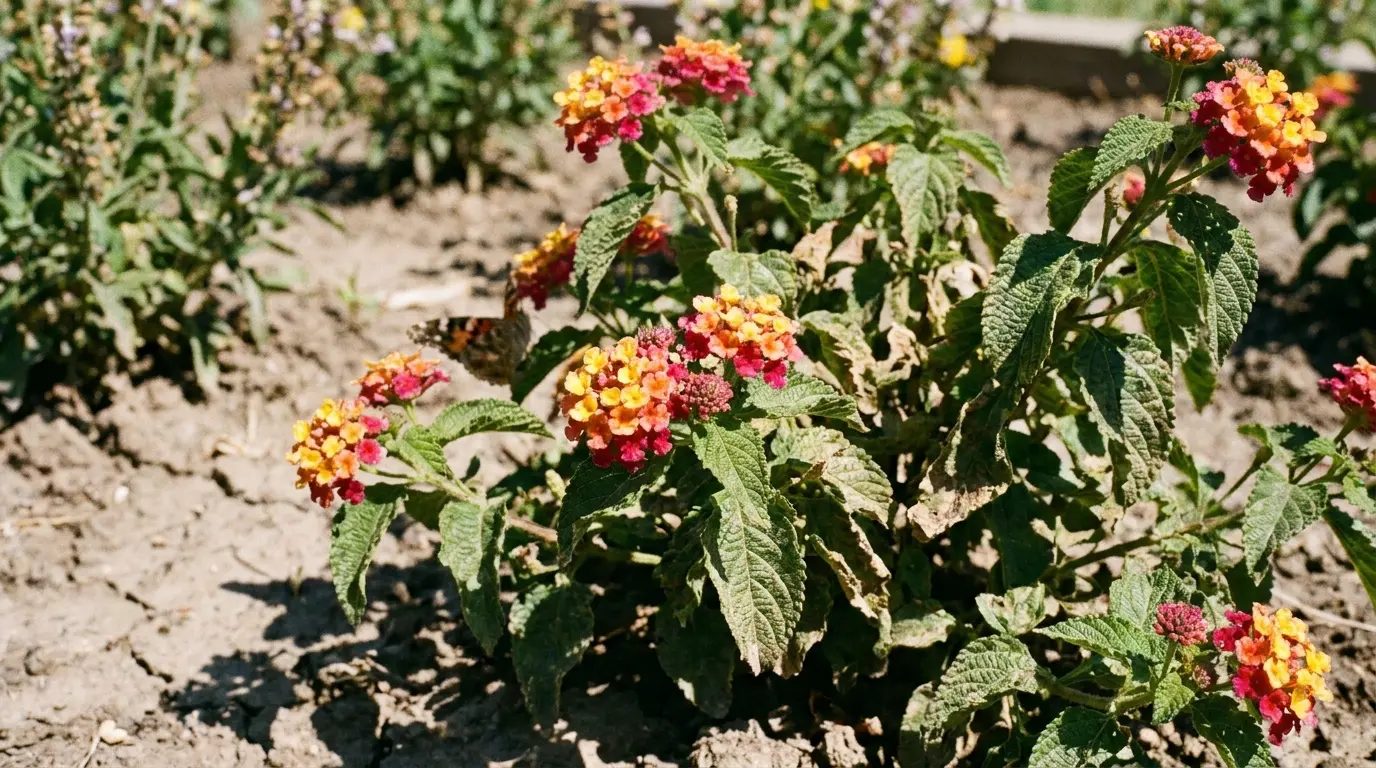
Lantana is a strong choice for hot gardens where many softer annuals slow down. Its small, clustered blooms appear in bright, mixed shades and attract butterflies throughout summer.
Once the roots settle, it can handle short dry spells better than thirsty bedding flowers. Use it in sunny beds, large containers, or curbside spots where heat reflects off the paving and the soil drains quickly after watering in warm weather all season long.
- Botanical Name: Lantana camara
- Bloom Season: Late spring to frost
- Best For: Hot beds, pollinator gardens, large containers
- Sun Exposure: Full sun
5. Cosmos
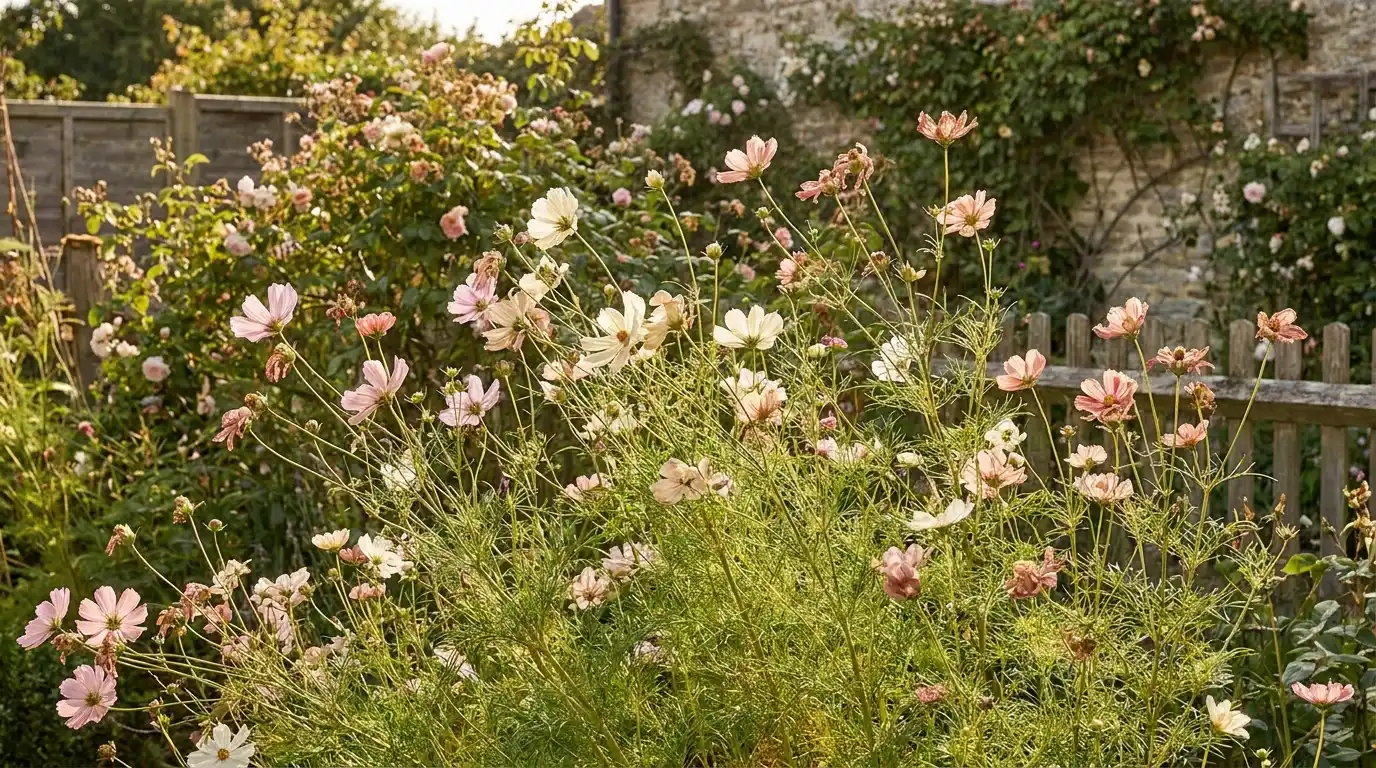
Cosmos gives summer gardens a loose, airy look with soft flowers held above fine, feathery leaves. It grows quickly from seed and blooms best in sunny soil that is not overly rich.
Overfeeding can lead to leafy growth with fewer flowers. Cut blooms for small vases often, and the plant usually responds by forming more buds through late summer and early fall in open beds with little daily effort.
- Botanical Name: Cosmos bipinnatus
- Bloom Season: Summer to frost
- Best For: Cottage beds, cutting gardens, pollinator areas
- Sun Exposure: Full sun
6. Geraniums
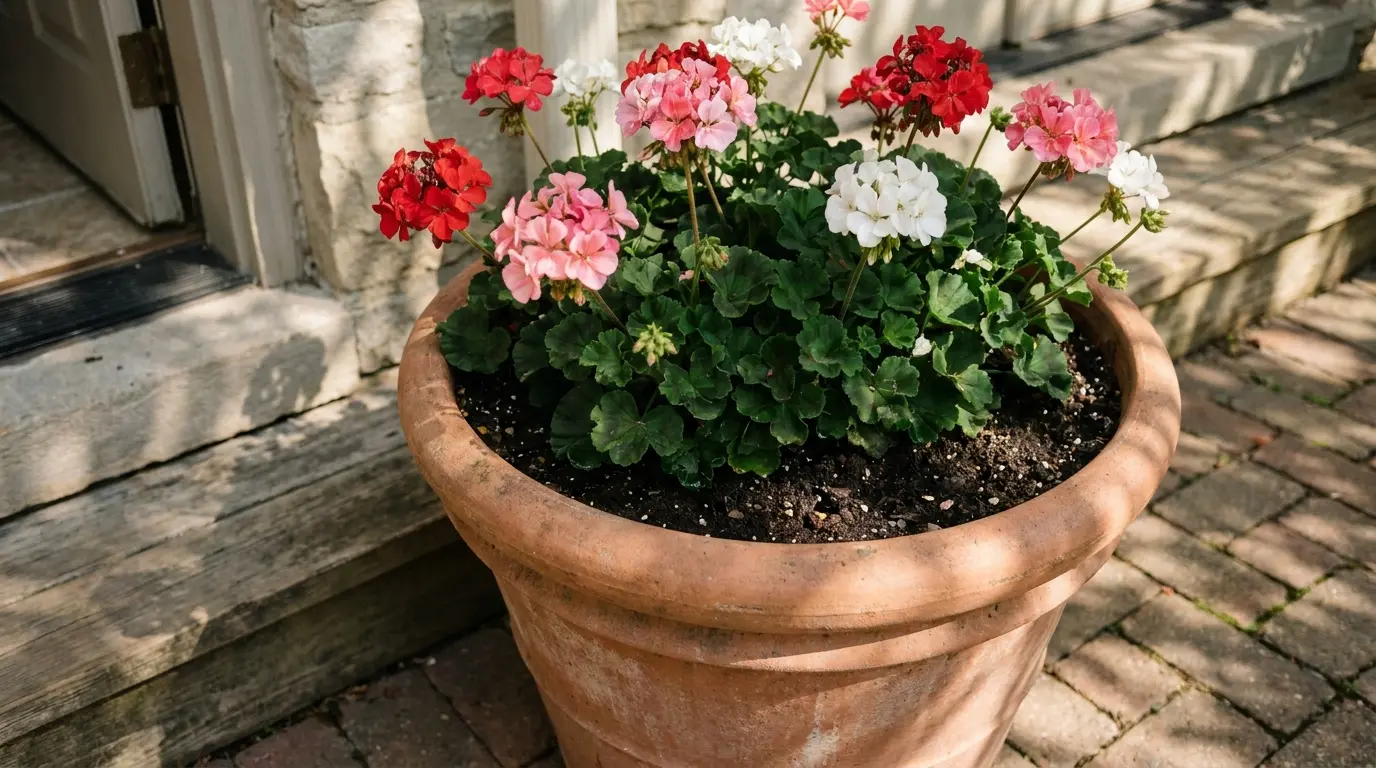
Geraniums bring rounded flower clusters and sturdy leaves to sunny pots, porch planters, and neat garden beds. They give a classic summer look without needing complicated care. Good drainage matters because soggy roots can weaken the plant.
Pinch off faded flower stems close to the base, water when the topsoil dries, and feed lightly for steady blooms through the warm months in containers near sunny doors easily all season.
- Botanical Name: Pelargonium × hortorum
- Bloom Season: Spring to frost
- Best For: Porch planters, containers, sunny beds
- Sun Exposure: Full sun to part sun
7. Verbena
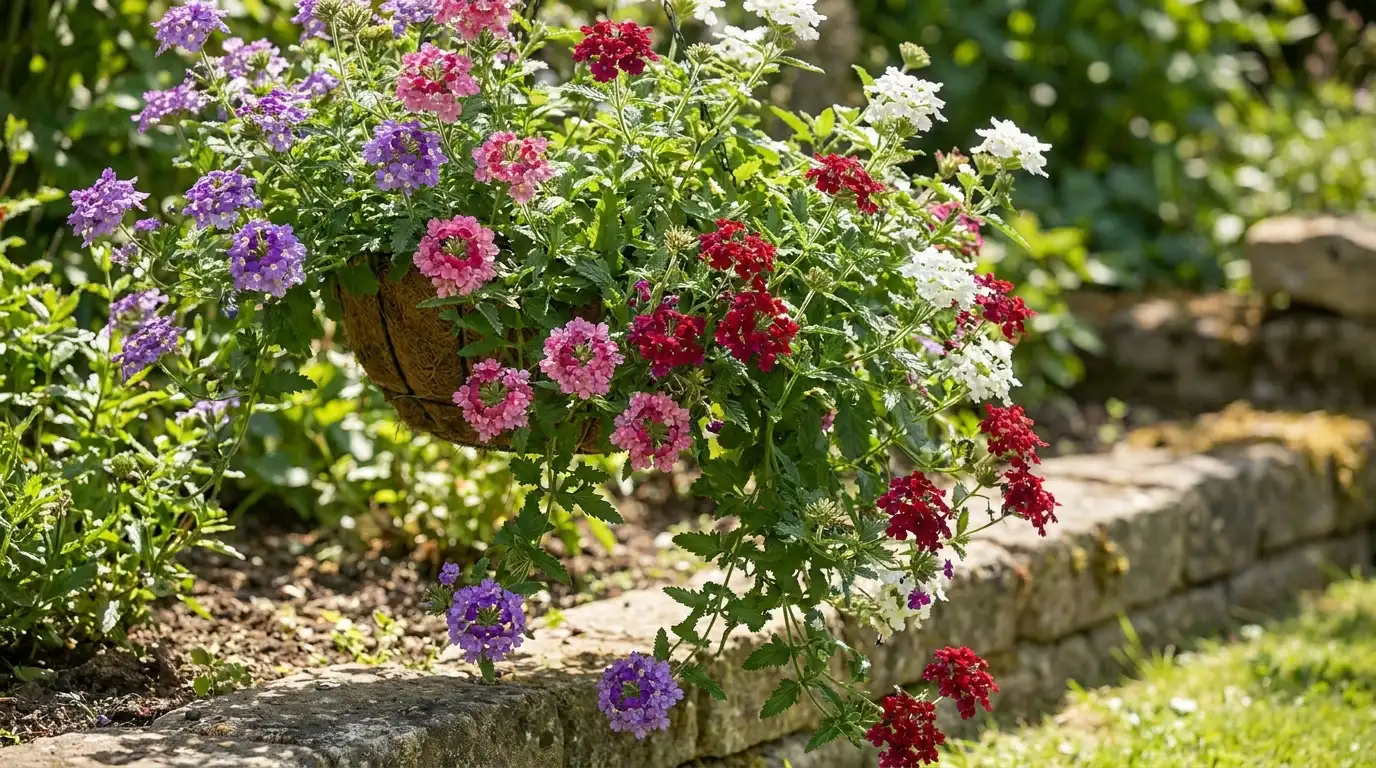
Verbena is a spreading annual that brings low, colorful blooms to borders, hanging baskets, and mixed containers. It works well where a planting needs softness near the edge. Most varieties flower best in full sun and in fast-draining soil.
When the plant starts looking thin or tired, a light trim can encourage fresh growth and bring the flowers back quickly in summer heat again after quick care each week.
- Botanical Name: Verbena × hybrida
- Bloom Season: Late spring to frost
- Best For: Hanging baskets, sunny borders, ground cover
- Sun Exposure: Full sun
8. Calibrachoa
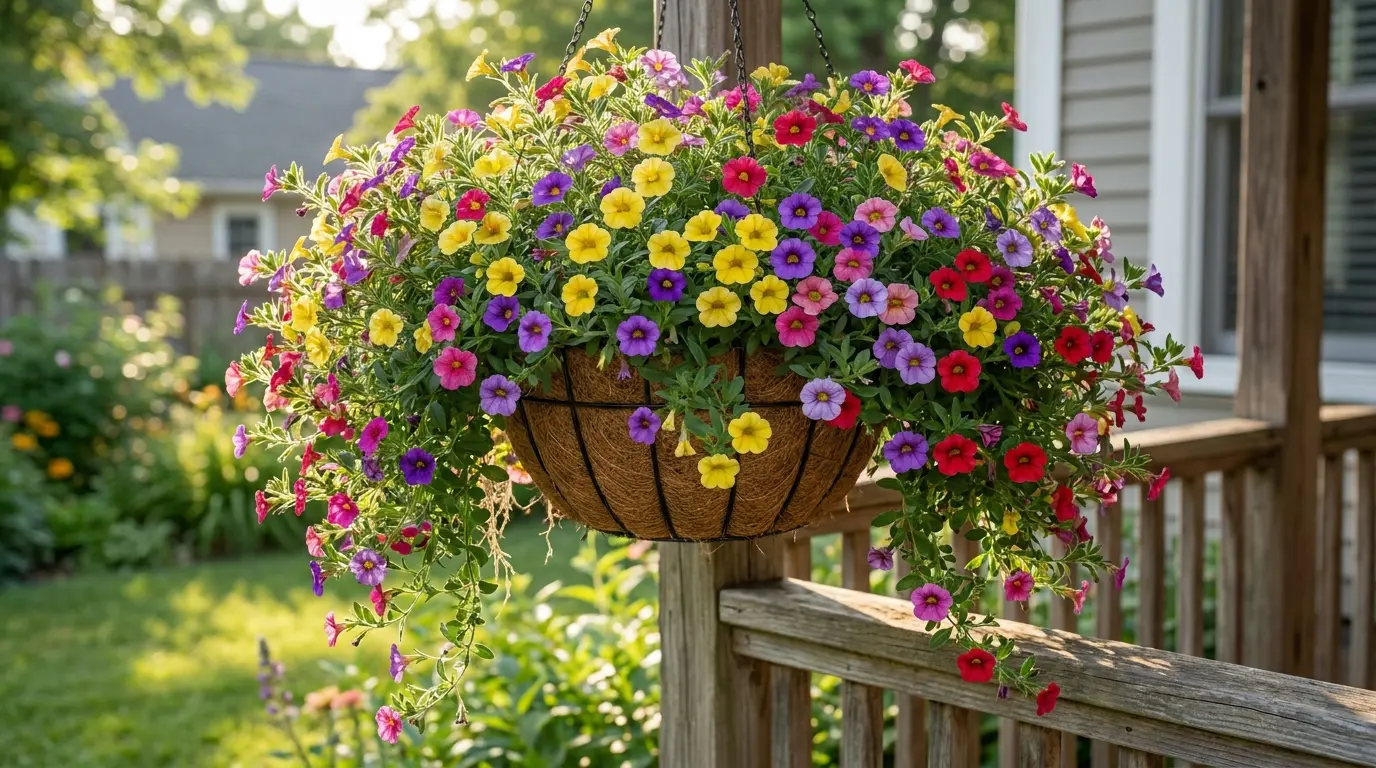
Calibrachoa looks like a tiny petunia, but its trailing habit makes it especially useful for baskets and window boxes. It blooms heavily when given sun, light potting mix, and steady feeding. Because the roots dislike soggy soil, drainage is important.
Many types are self-cleaning, so they keep a neat look with less deadheading than some other summer annuals in bright porch planters through long warm days outside all season long.
- Botanical Name: Calibrachoa × hybrida
- Bloom Season: Spring to frost
- Best For: Hanging baskets, window boxes, railing planters
- Sun Exposure: Full sun to part sun
9. Celosia
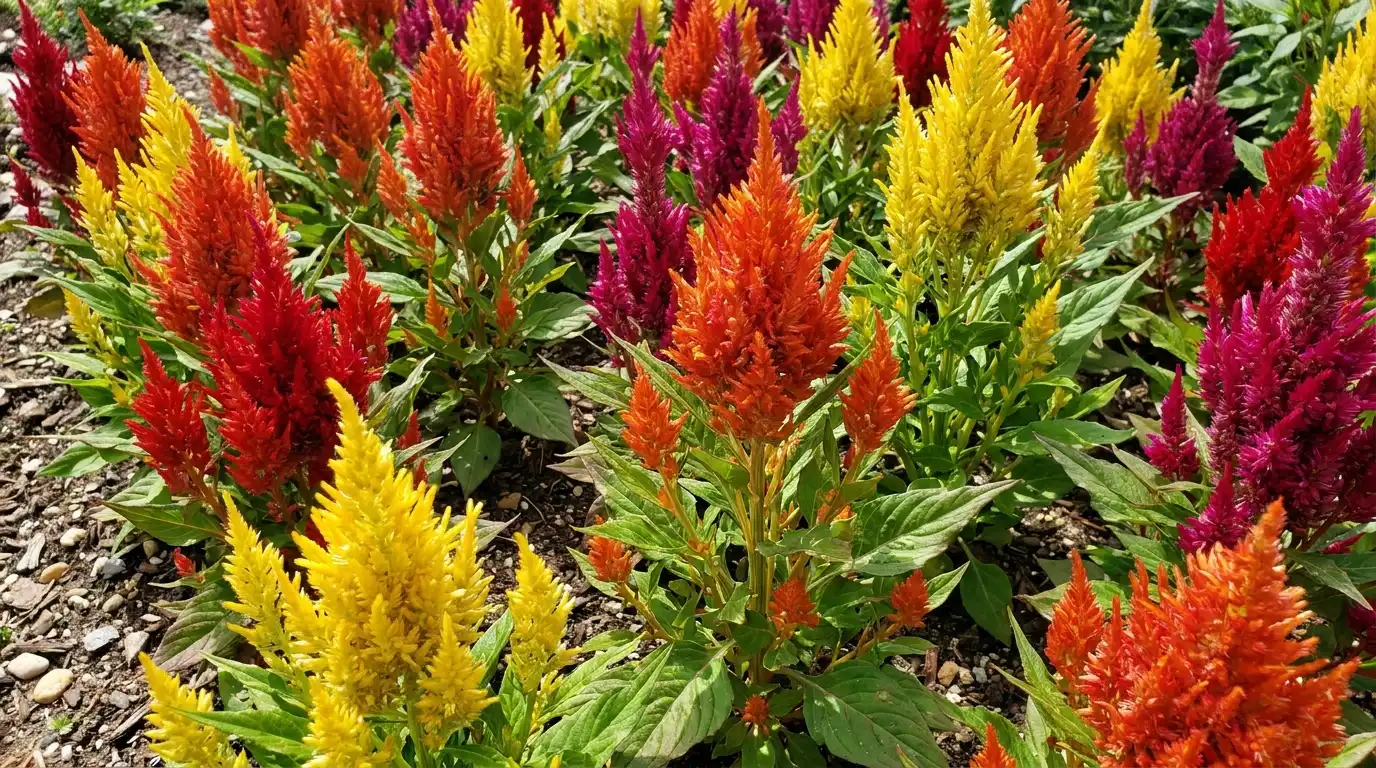
Celosia adds texture to summer beds with upright plumes, crests, or flame-shaped blooms in rich warm colors. It loves heat, so it often looks better as temperatures rise.
Use it where you want height and a strong shape without heavy spreading. Keep soil evenly moist during dry spells, but avoid wet feet, because good drainage supports stronger stems and longer flowering in sunny garden spots with bright color all season.
- Botanical Name: Celosia argentea
- Bloom Season: Summer to frost
- Best For: Sunny beds, containers, cut flowers
- Sun Exposure: Full sun
10. Angelonia
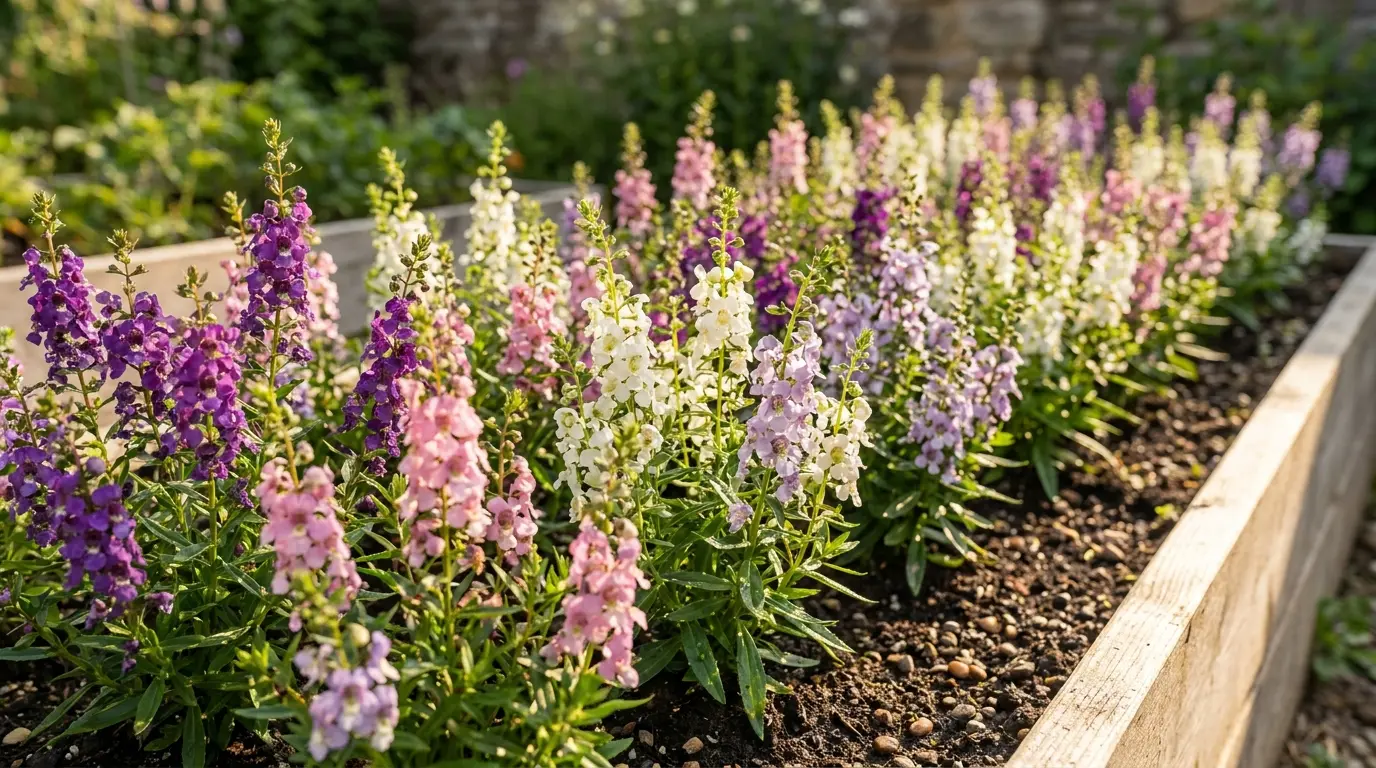
Angelonia is often called summer snapdragon because its upright flower spikes look soft but handle heat with ease. It suits sunny beds, narrow borders, and containers where height is needed without bulk.
The plant keeps a tidy shape and usually does not need much deadheading. Give it regular water while roots settle, then enjoy steady blooms through hot weather in open summer beds with little stress in sunny places outside.
- Botanical Name: Angelonia angustifolia
- Bloom Season: Late spring to frost
- Best For: Sunny borders, containers, narrow beds
- Sun Exposure: Full sun
11. Vinca
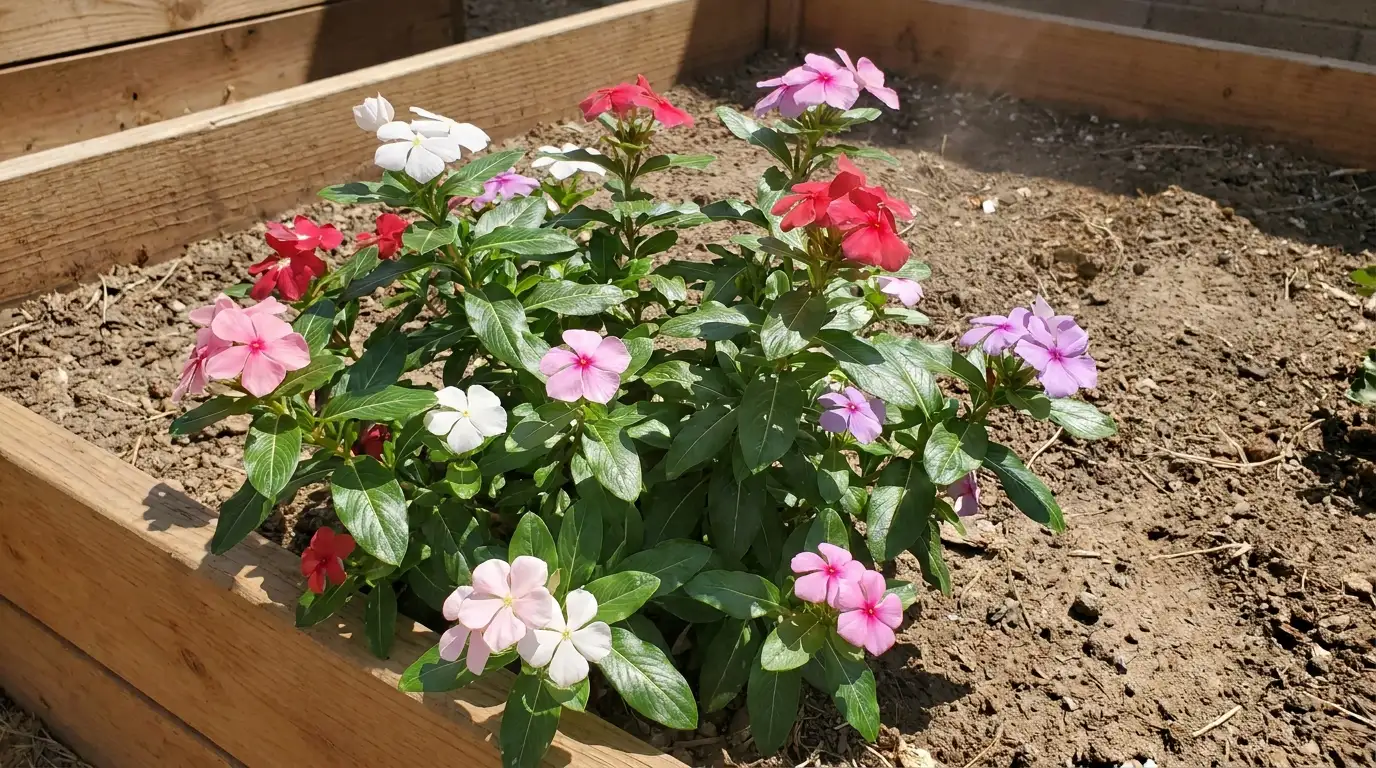
Annual vinca is a tough summer flower with glossy leaves and neat blooms that keep showing up in the heat. It handles sun, humidity, and short dry periods better than many bedding plants. Use it in borders, foundation beds, and containers that drain well.
Avoid overwatering, because vinca prefers soil that dries slightly between drinks and dislikes cold, wet roots during early planting days in home gardens, even in hot summer weather.
- Botanical Name: Catharanthus roseus
- Bloom Season: Summer to frost
- Best For: Borders, foundation beds, sunny containers
- Sun Exposure: Full sun to part sun
Use these sunny annuals where light is strong, and soil drains well. Mix heights, colors, and habits so the garden feels full without looking crowded or hard to manage daily.
Best Annuals for Shade That Bloom All Summer
Shaded gardens can still carry steady summer color when the plant choice fits the light. These annuals bloom well in softer spots with moisture, care, and space all season.
12. Impatiens
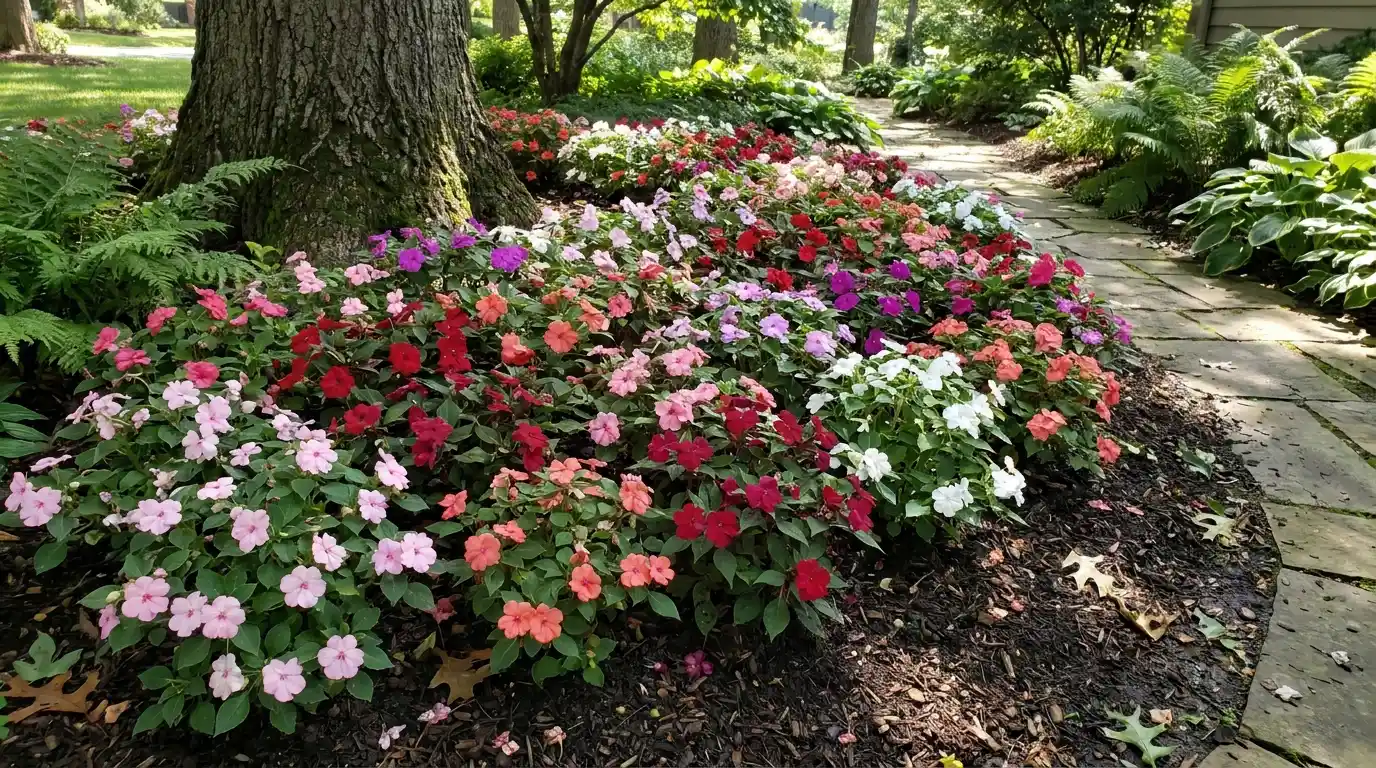
Impatiens are one of the easiest annuals for shaded beds because they flower heavily without direct sun. Their soft blooms cover the plant and bring color under trees, along paths, and near porches.
They like evenly moist soil and may wilt when dry, but they usually recover after watering. Use them in groups for a full, calm look in darker summer corners with simple care throughout the season, too.
- Botanical Name: Impatiens walleriana
- Bloom Season: Late spring to frost
- Best For: Shaded beds, under trees, porch pots
- Sun Exposure: Part shade to full shade
13. New Guinea Impatiens
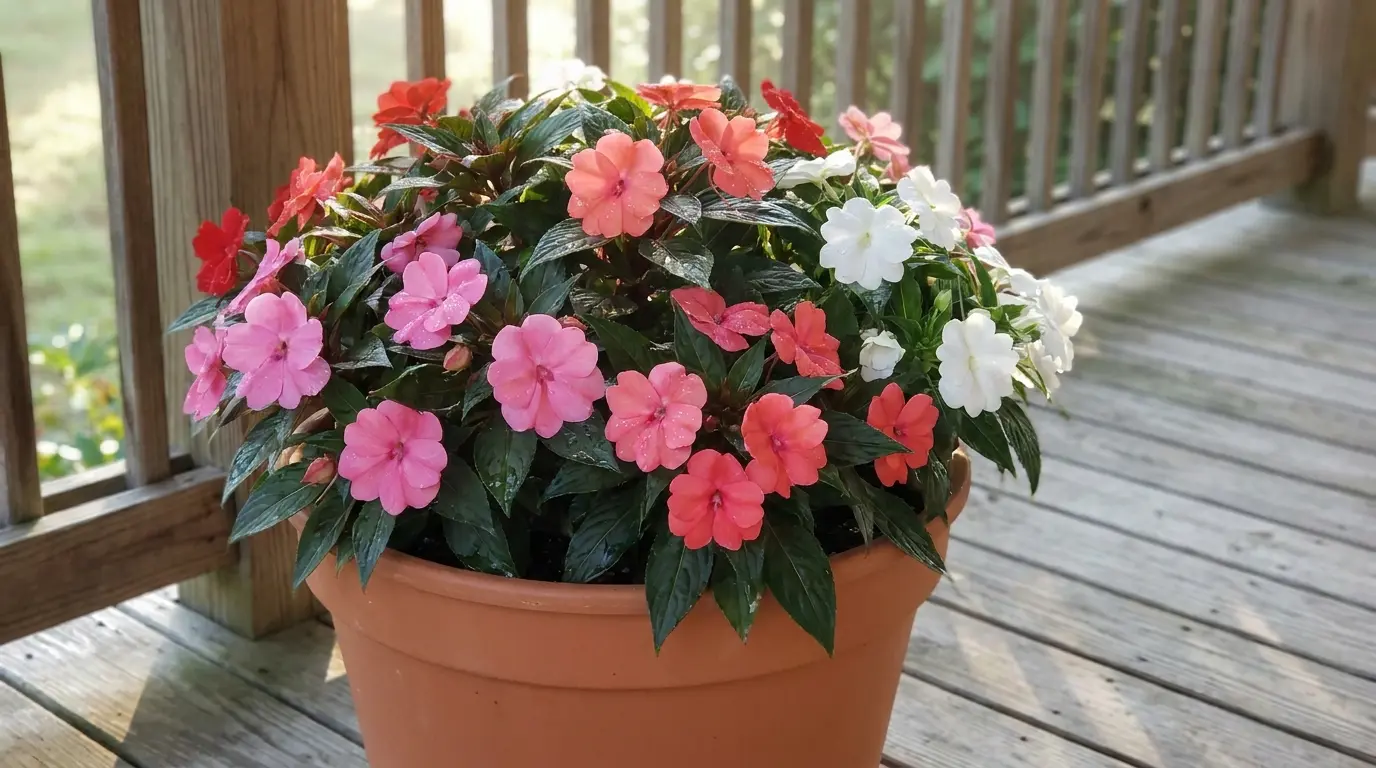
New Guinea impatiens offer larger blooms and stronger leaves than common impatiens, making them useful for bright shade and morning sun. They add color to porch pots, mixed containers, and shaded borders without looking fragile.
Keep soil moist but not soaked, and protect them from harsh afternoon heat. Their glossy foliage helps plantings look fresh between bloom flushes through long summer days with bold leaves and bright flowers too easily.
- Botanical Name: Impatiens hawkeri
- Bloom Season: Late spring to frost
- Best For: Porch pots, shaded containers, bright shade beds
- Sun Exposure: Part shade to morning sun
14. Wax Begonias
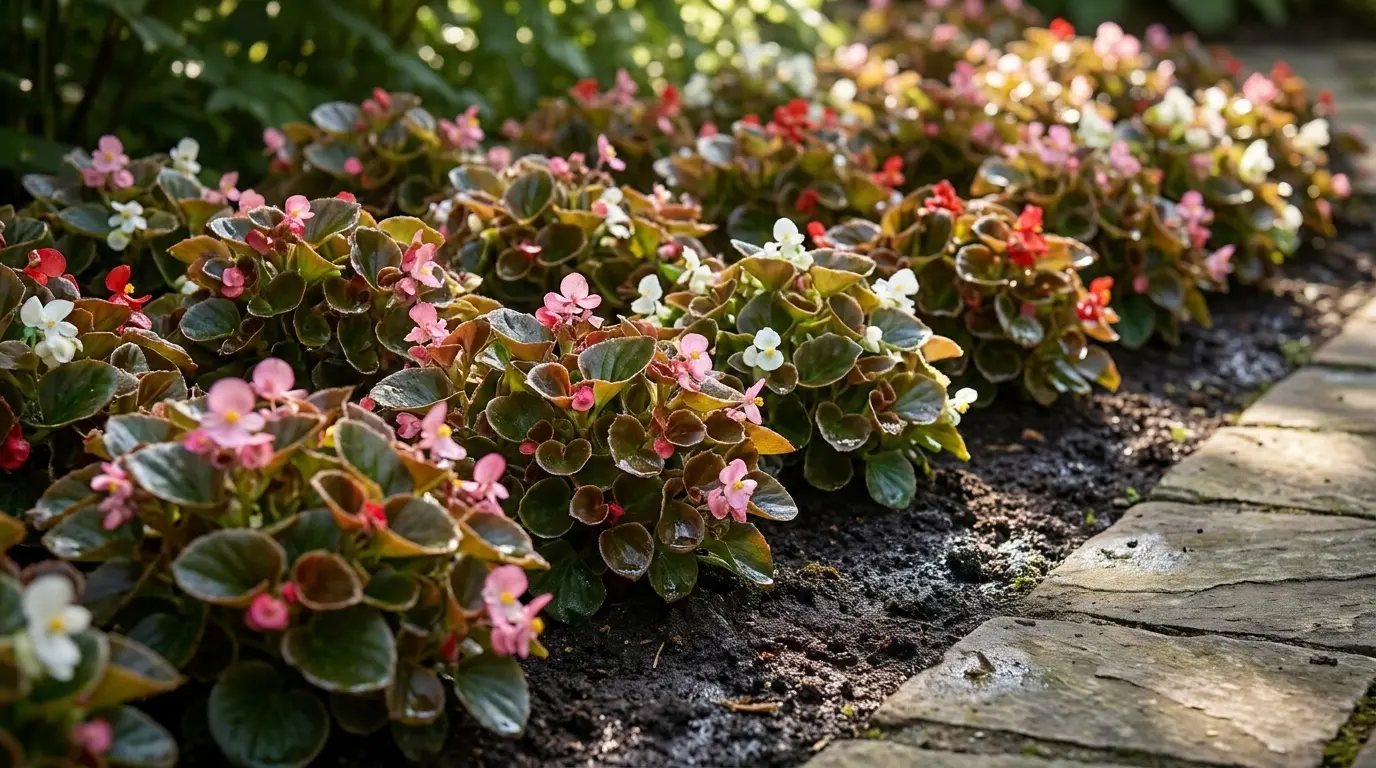
Wax begonias are compact annuals with glossy leaves and small flowers that keep appearing in shade or part shade. They make neat edging plants and also fit small containers well. Their leaves may be green, bronze, or deep-toned, adding interest even between blooms.
Water at soil level, avoid soggy spots, and use them where clean, low-growing color is needed all summer long in shaded beds and porch pots too easily.
- Botanical Name: Begonia × semperflorens-cultorum
- Bloom Season: Spring to frost
- Best For: Edging, small containers, shaded borders
- Sun Exposure: Part shade to shade
15. Tuberous Begonias
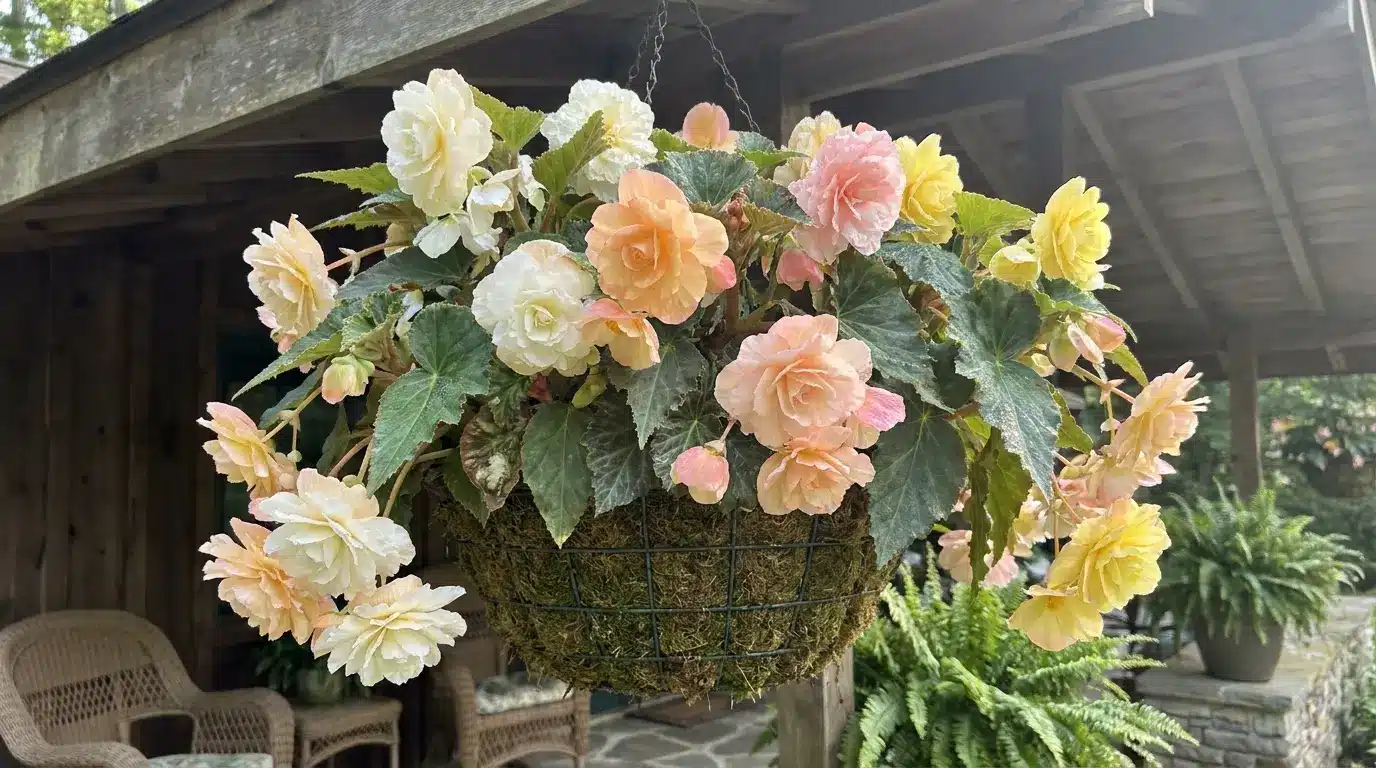
Tuberous begonias bring larger, softer blooms to shaded porches, hanging baskets, and cooler garden corners. They are a good choice when you want flowers that feel fuller than most bedding annuals.
Give them rich, loose soil and protect them from strong afternoon sun. Keep moisture steady, but never let the roots sit in heavy, wet soil for long during warm, rainy spells under covered patios or shaded balconies, where it can happen too easily.
- Botanical Name: Begonia × tuberhybrida
- Bloom Season: Summer to fall
- Best For: Hanging baskets, shaded pots, porch planters
- Sun Exposure: Part shade to shade
16. Torenia
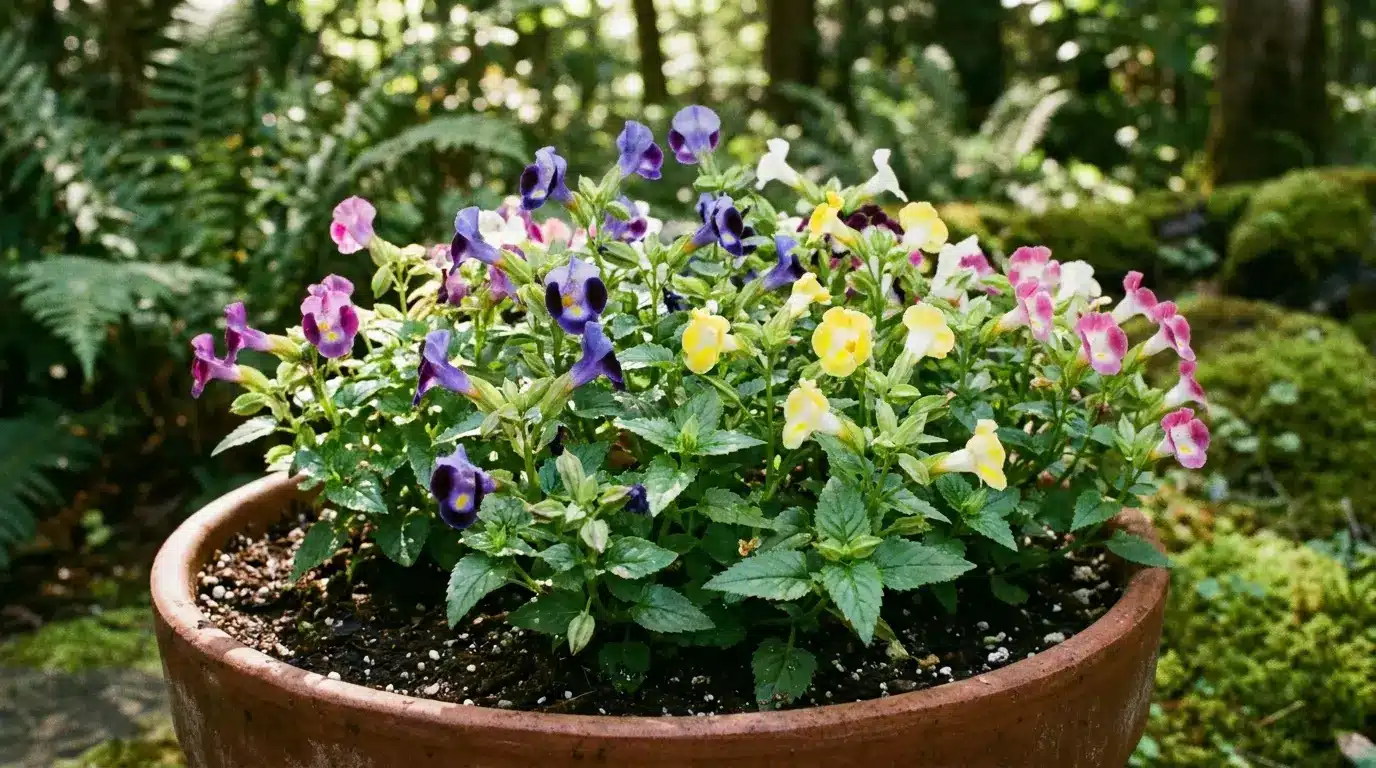
Torenia, often called wishbone flower, is a lovely annual for part shade and moist containers. Its small trumpet-like blooms appear through warm weather in shades of purple, blue, pink, yellow, or white.
It fits the front of pots and shaded edges nicely. Keep the soil evenly moist, and the plant usually stays tidy with little deadheading or extra cleanup throughout summer in shaded planters, with little effort each week.
- Botanical Name: Torenia fournieri
- Bloom Season: Summer to frost
- Best For: Shaded containers, front borders, hanging baskets
- Sun Exposure: Part shade
17. Browallia
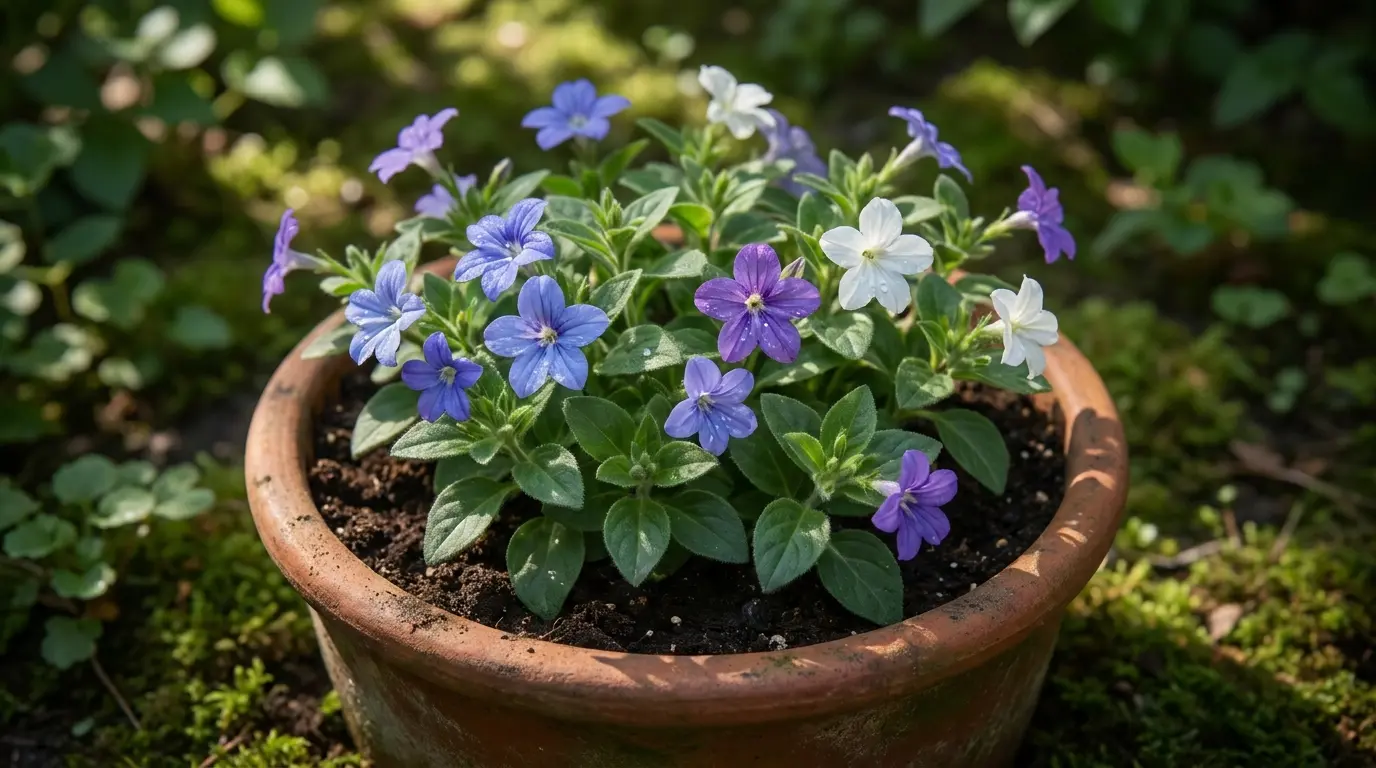
Browallia is a soft-looking shade annual with starry blue, purple, or white flowers that bloom through summer. It works well in pots, small beds, and mixed shade plantings where gentle color is needed.
The plant does not demand much trimming, which makes it easy to manage. Give it part shade, rich soil, and regular water during dry weather for steady blooms in warm shade throughout long days each week.
- Botanical Name: Browallia speciosa
- Bloom Season: Summer to fall
- Best For: Shaded pots, small beds, mixed planters
- Sun Exposure: Part shade to shade
18. Fuchsia
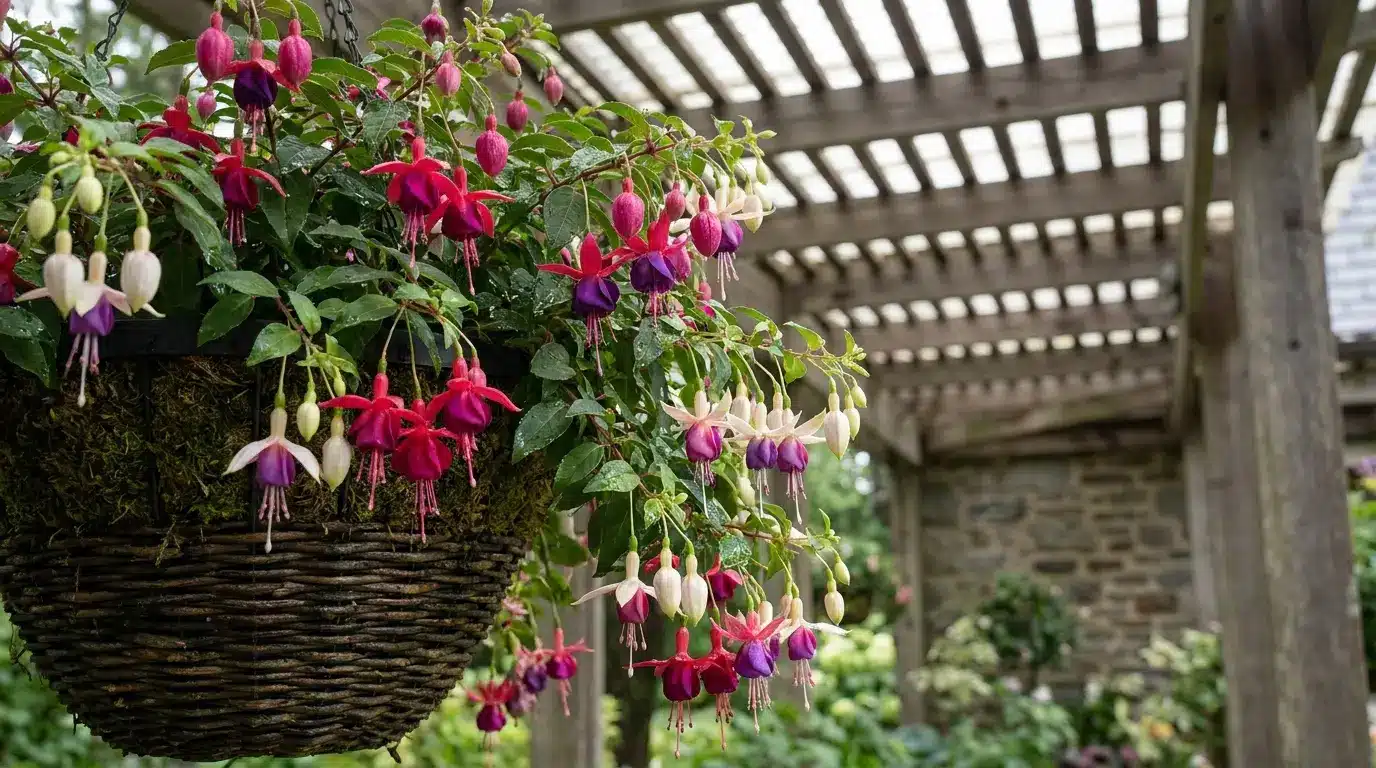
Fuchsia is loved for hanging baskets because its dangling flowers show best at eye level. It prefers part shade, cooler air, and protection from strong afternoon sun.
The soil should stay lightly moist, since dry roots can cause buds to drop. Use fuchsia on shaded patios, balconies, or porches where the blooms can be noticed up close on summer days, with careful watering and gentle feeding throughout the summer.
- Botanical Name: Fuchsia × hybrida
- Bloom Season: Late spring to fall
- Best For: Hanging baskets, shaded patios, porch planters
- Sun Exposure: Part shade
19. Nicotiana
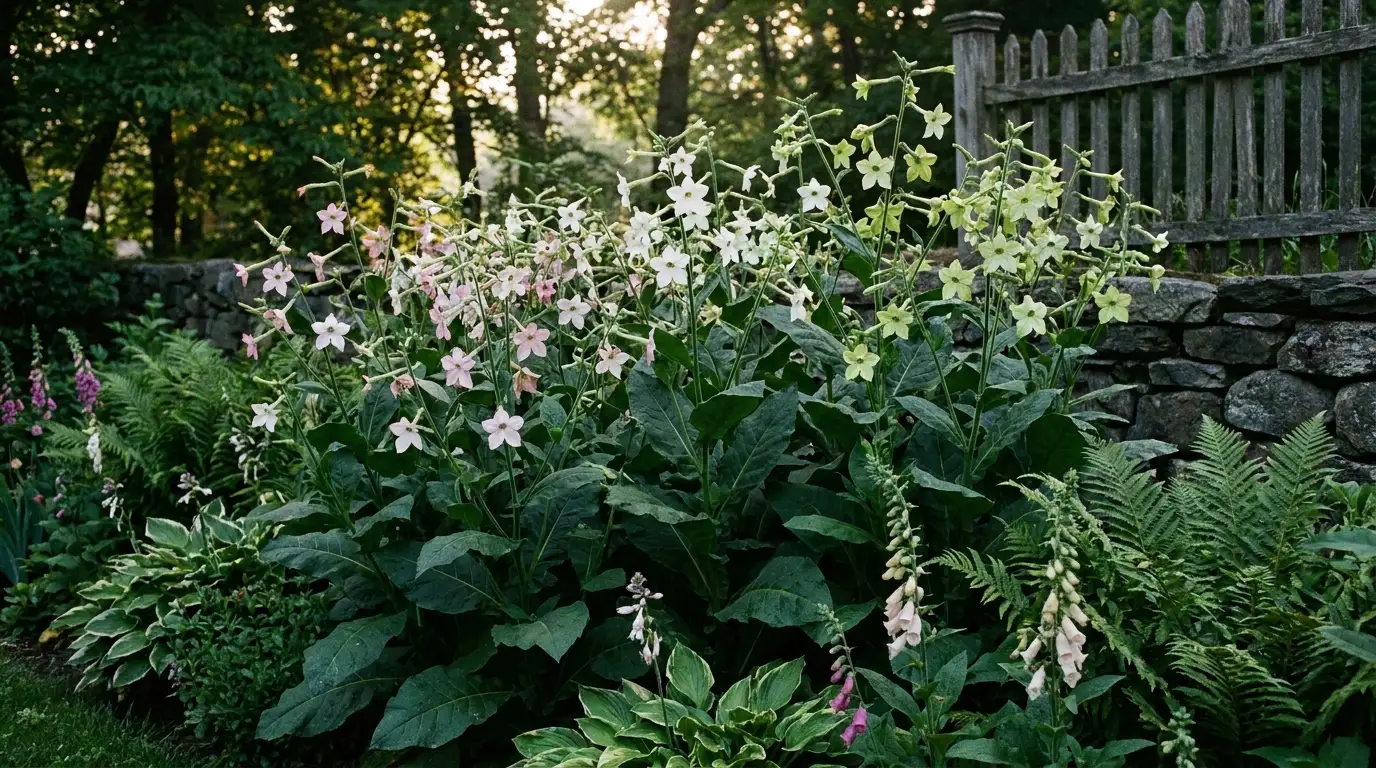
Nicotiana adds star-shaped flowers and a soft evening scent to part-shade gardens. Many types grow upright, so they can fill the middle or back of a shaded border.
It likes fertile soil, even moisture, and a spot protected from harsh heat. The blooms feel gentle but can keep a summer bed looking active for a long stretch with steady watering in sheltered spots through warm evenings, with care.
- Botanical Name: Nicotiana alata
- Bloom Season: Summer to fall
- Best For: Shaded borders, evening gardens, mixed beds
- Sun Exposure: Part shade to filtered sun
20. Lobelia
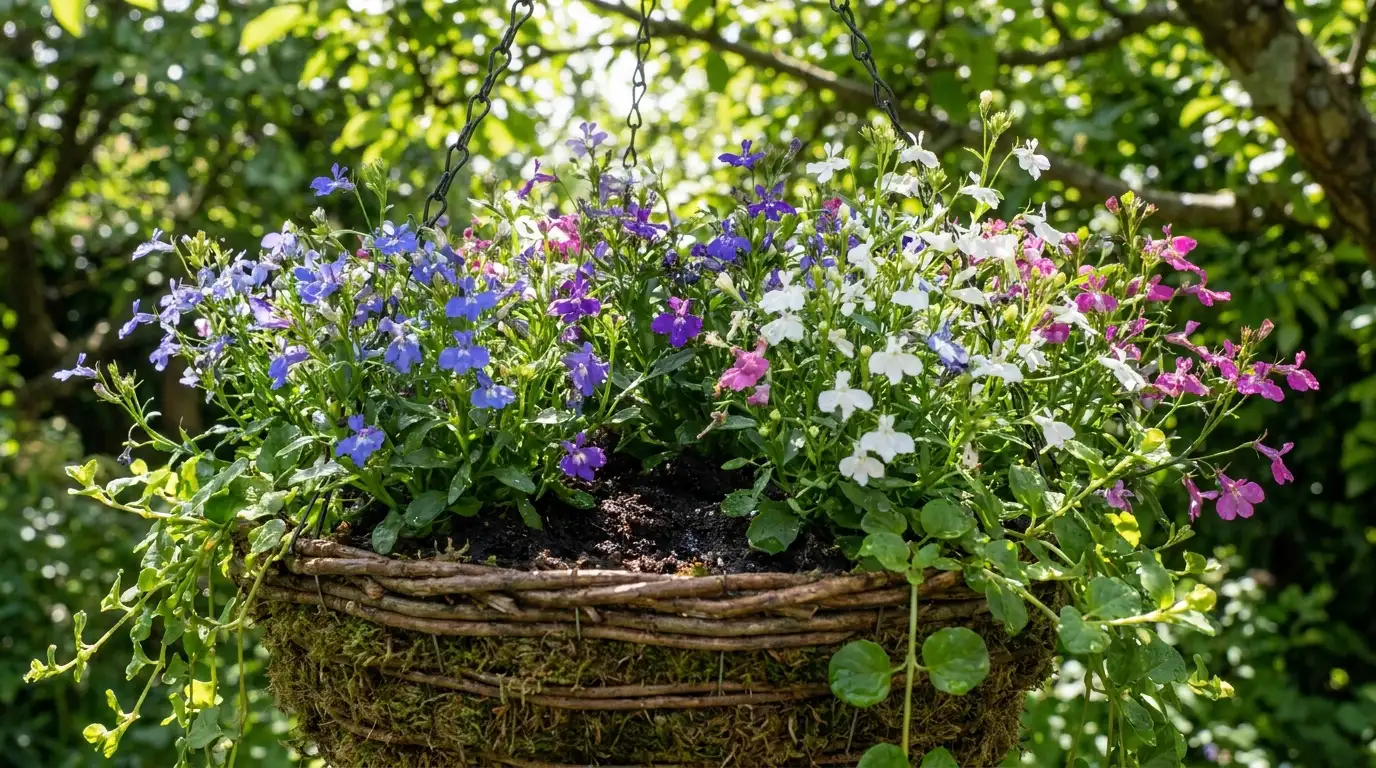
Lobelia brings small blue, purple, white, or pink flowers to shaded pots, baskets, and front edges. It performs best in cooler part shade and may slow during intense heat.
A light trim can help tired plants refresh when the weather improves. Keep the soil evenly moist, as dry spells make this delicate annual fade faster than sturdier types in summer containers near porch steps or in shaded baskets all summer with care.
- Botanical Name: Lobelia erinus
- Bloom Season: Spring to fall in cooler conditions
- Best For: Hanging baskets, shaded pots, edging
- Sun Exposure: Part shade
21. Sweet Alyssum
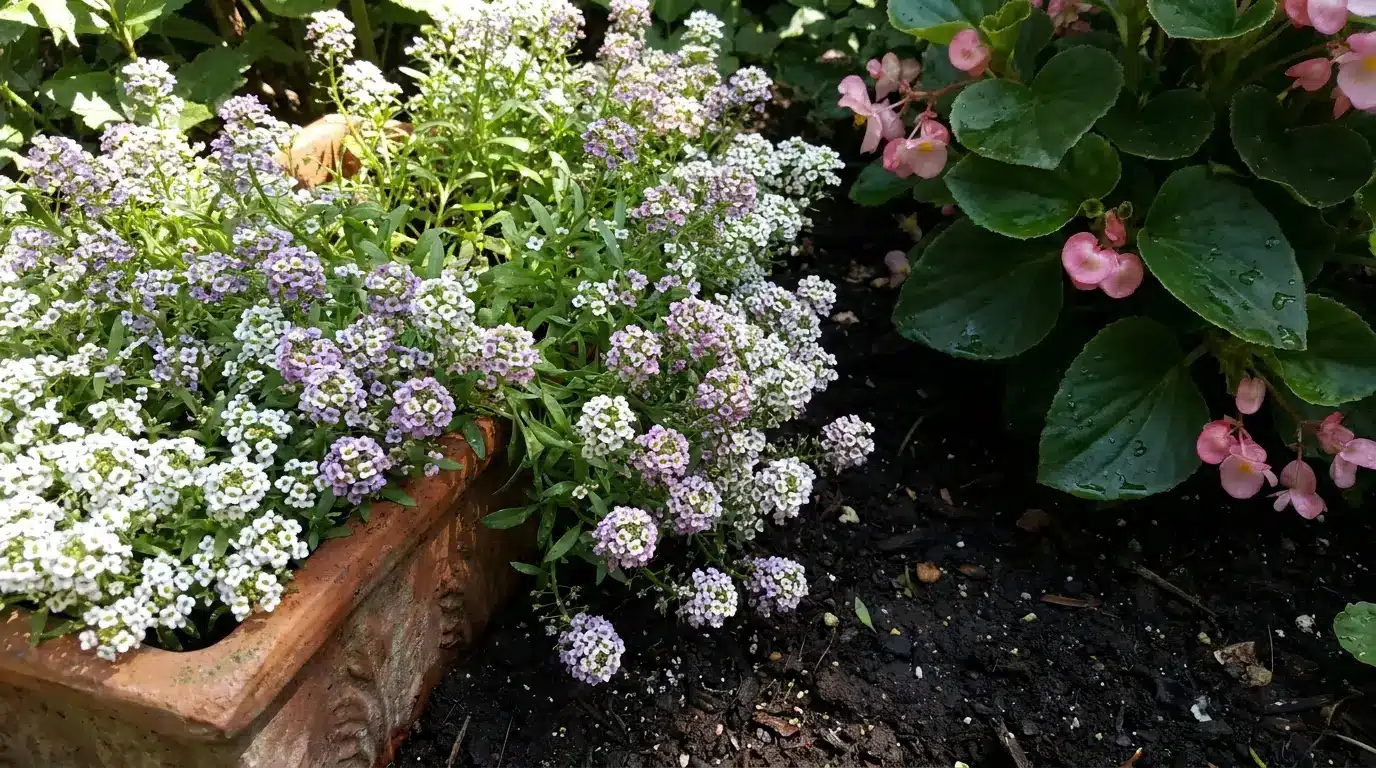
Sweet alyssum forms low, scented clusters of tiny flowers that soften the front of beds and containers. It can grow in part shade, especially in warm summers. The plant may slow in heavy heat, but a trim often brings fresh growth.
Use it as a gentle filler around begonias, impatiens, or other shade-friendly annuals for a soft finished look near shady edges and small containers all summer with care.
- Botanical Name: Lobularia maritima
- Bloom Season: Spring to frost, with slower blooms in high heat
- Best For: Edging, containers, filler planting
- Sun Exposure: Full sun to part shade
Choose shade annuals by matching their moisture, light, and airflow needs. With the right placement, these plants can keep dim corners colorful, soft, and fresh through summer days with less stress too.
Full Sun vs. Shade Annuals: Quick Comparison
Full-sun and shade annuals can both bloom through summer, but they grow best in different spots. Use this table to match each plant type with the right light, water, and garden use.
| Factor | Full Sun Annuals | Shade Annuals |
|---|---|---|
| Light Needs | Need 6 or more hours of direct sunlight daily | Prefer part shade, filtered light, or full shade |
| Water and Heat Needs | Need regular watering, but many handle heat and short dry spells well | Need steady moisture and protection from harsh afternoon sun |
| Bloom Duration | Often bloom from late spring to frost with trimming, feeding, and deadheading | Can bloom from spring or summer to frost when shade and moisture stay consistent |
| Average Height | Usually ranges from 6 inches to 4 feet, depending on the flower | Usually ranges from 6 inches to 2 feet, depending on the flower |
| Best Garden Use | Open beds, sunny borders, porch pots, pollinator beds, and cutting gardens | Shaded beds, under trees, covered porches, containers, and soft corner planting |
| Common Examples | Petunias, zinnias, marigolds, lantana, vinca | Impatiens, begonias, torenia, browallia, fuchsia |
Choosing annuals becomes easier when the growing spot comes first. Once light and moisture match the plant, summer blooms stay fuller, healthier, and easier to manage.
How to Choose the Right Annuals for Your Garden
Choosing annuals gets easier when the plant fits the space first. Light, soil, water, and garden use should guide every pick before color comes into the picture.
- Check the Sunlight First: Watch the spot for one full day. Full-sun annuals need about six or more hours of direct light, while shade annuals prefer softer light. Wrong light can lead to weak growth and fewer blooms.
- Match Plants to Your Watering Style: Some annuals need steady moisture, while others handle short dry spells. Impatiens, torenia, and begonias like even moisture. Lantana, vinca, and marigolds suit warmer, drier spots better.
- Think About the Planting Space: Containers need annuals that stay neat, trail well, or handle limited soil. Borders need steady shape and color. Hanging baskets need trailing or arching growth, so the plant matches the space.
- Choose the Right Height and Spread: Place taller annuals toward the back and shorter ones near the front. Use trailing types around pot edges. This keeps every flower visible and gives the garden a fuller look.
- Pick Flowers That Fit Your Care Level: Some annuals need deadheading, trimming, and feeding. Others are self-cleaning and easier to manage. For low-care color, choose calibrachoa, vinca, wax begonias, or lantana.
The right annual should suit your garden’s light, space, and care routine. Once those match, summer color becomes much easier to keep.
Common Mistakes That Stop Annuals From Blooming
Annuals often stop blooming when their growing needs are off. This table groups related problems together, so you can find the cause faster and fix it before summer color drops.
| Mistake | Why It Stops Blooms | Quick Fix |
|---|---|---|
| Wrong Light Placement | Sun annuals weaken in shade, while shade annuals can burn in harsh afternoon sun. | Match each plant to its correct sun exposure before planting. |
| Poor Watering and Drainage | Dry soil stresses roots, while soggy soil leads to weak growth and potential rot. | Check soil moisture first, water deeply, and use well-draining soil. |
| Overfeeding or Skipping Deadheading | Too much nitrogen creates leaves, while old blooms can slow new buds. | Use balanced fertilizer and remove faded flowers when needed. |
| Crowding and No Midseason Trim | Tight spacing restricts airflow, and leggy growth can reduce the number of fresh blooms. | Space plants well and trim stretched stems lightly in midsummer. |
| Ignoring Pests Early | Pests can damage tender buds, leaves, and new stems before flowers open. | Check plants weekly and treat small pest issues before they spread. |
Once the basics are corrected, annuals usually respond quickly. Check light, water, feeding, airflow, and pests each week so small problems do not turn into a bare garden by midsummer.
Planting & Care Tips for Continuous Summer Blooms
Strong summer blooms depend on a few simple habits that support roots, buds, and soil moisture. These merged tips keep annual care clear, useful, and easy to follow through heat.
- Deadhead, Pinch, and Trim When Needed: Remove faded flowers so plants focus on new buds instead of seeds. Pinch young tips for fuller growth, and lightly trim leggy plants in midsummer to refresh their shape.
- Feed on a Steady Schedule: Use a balanced flower fertilizer every few weeks, following the label. Container annuals may need feeding more often because watering can wash nutrients out of the soil faster.
- Water Deeply and Check Pots Often: Water near the base until the soil feels evenly moist. Containers dry faster than garden beds, so check the top inch of soil before watering again.
- Mulch to Reduce Heat Stress: Add a light layer of mulch around annuals in garden beds. It helps hold moisture, cools the soil, and protects roots during hot summer days.
When watering, feeding, trimming, and mulching work together, annuals stay stronger for longer. A short weekly check helps catch stress early and keeps summer flowers blooming steadily without extra work.
Frequently Asked Questions
Can annual flowers grow indoors near a sunny window?
Yes, some annual flowers can grow indoors if they receive strong light for several hours daily. Compact types work best in pots near bright windows. Rotate containers often, avoid overwatering, and expect fewer blooms than you would in most outdoor spaces.
Do annual flowers attract bees and butterflies?
Many annual flowers attract bees, butterflies, and other helpful pollinators when they produce open, nectar-rich blooms. Zinnias, cosmos, lantana, and salvia are strong choices. Plant several together so pollinators can find them easily during warm months in the garden.
Can annual flowers be mixed with perennials?
Yes, annual flowers mix well with perennials because they fill empty spaces and add quick color while perennial plants grow. Use annuals near gaps, edges, or containers. This keeps the garden lively without significantly altering the long-term planting structure.
Are annual flowers good for small balconies?
Annual flowers are great for small balconies because many grow well in pots, railing planters, and hanging baskets. Choose compact or trailing types, use containers with drainage holes, and place them where they receive the available sunlight each day.
Final Thoughts
A bright summer garden is easier to build when you choose plants that match the space. I would start with light, then consider water, height, and the care you can manage each week.
Full-sun annuals give strong color in open beds and pots, while shade-friendly annuals help darker corners feel alive. Deadheading, light feeding, deep watering, and mulch all help blooms last longer.
The main idea is simple: annual flowers that bloom all summer need the right spot and steady care, not complicated work. Try a few picks from the list, watch how they grow, and share your favorite results or questions in the comments below.