Homes rarely fail all at once. Structural stress builds gradually, often in ways that are easy to overlook in daily life. Small shifts, faint cracks, or subtle changes in how doors close can all signal deeper issues developing beneath the surface. Understanding these early signs helps homeowners respond before minor concerns turn into expensive repairs.
This guide breaks down the most common indicators of structural stress, where to look for them, and why they matter for the long-term safety and stability of a home.
Understanding Structural Stress in A Home
Structural stress refers to the pressure placed on a building’s core components—its foundation, walls, beams, and supporting framework. Over time, natural settling, weather exposure, soil movement, and construction quality all influence how a home handles that pressure.
No structure is completely static. Materials expand, contract, and shift. That movement is expected. Problems begin when movement becomes uneven or excessive. That’s when stress points develop.
The challenge is that most early warning signs appear harmless at first. A thin crack in plaster or a slightly sticking door might seem like normal wear. However, these small issues can be the earliest visible symptoms of larger underlying changes.
Cracks that Tell a Deeper Story
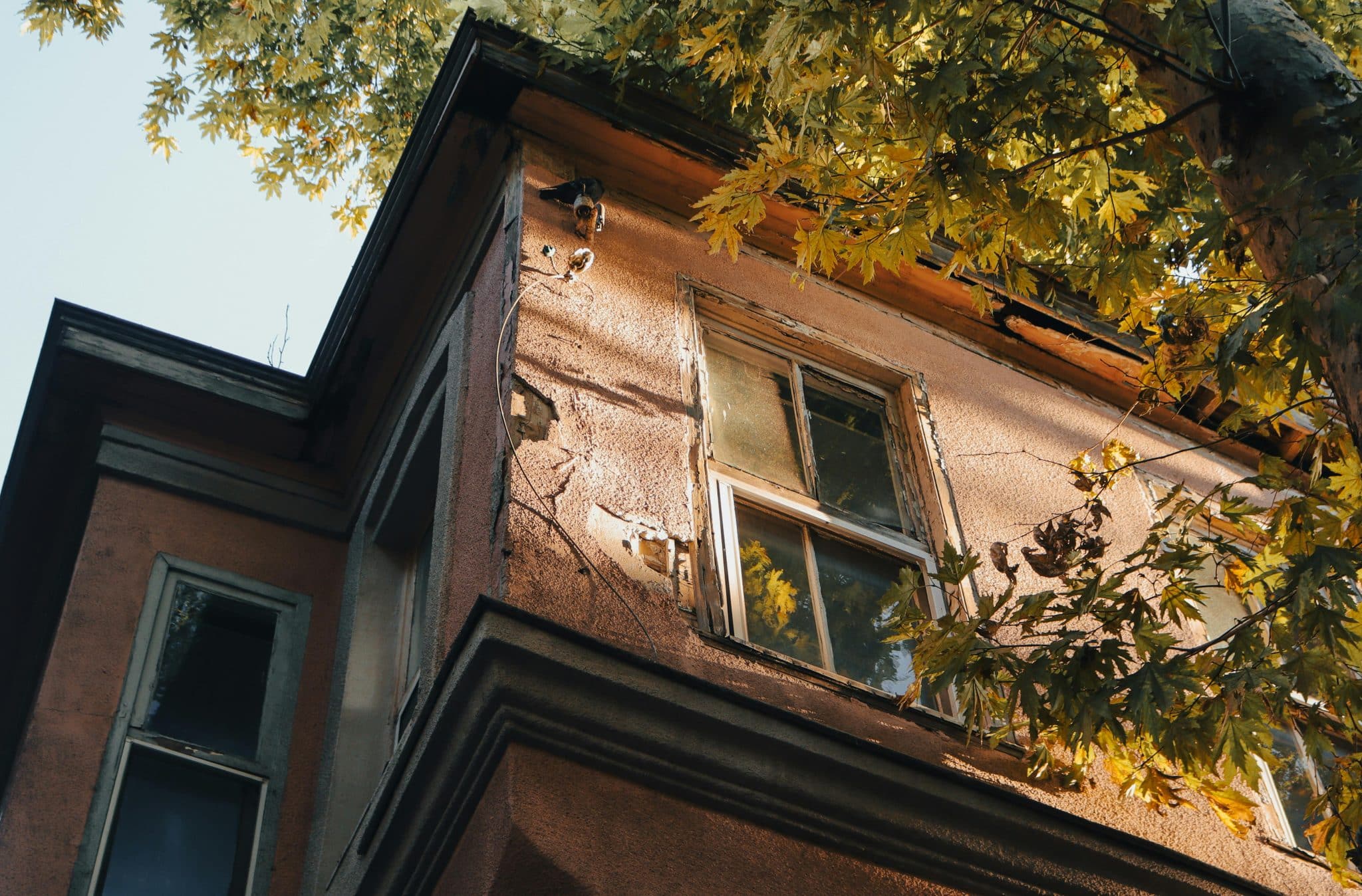
Not all cracks are equal. Some are cosmetic, while others indicate structural movement.
Hairline cracks in paint or plaster are common and often harmless. But wider cracks, especially those that grow over time, deserve attention. Pay close attention to:
- Cracks that run diagonally across walls
- Stair-step cracks in brickwork
- Cracks appearing near door frames or windows
- Reappearing cracks after repairs
These patterns often suggest movement in the foundation or load-bearing walls. The direction and progression of cracks matter more than their initial appearance.
It is also important to observe whether cracks are accompanied by other changes. One sign alone may not confirm a problem, but multiple signs together often point to stress within the structure.
Doors, Windows, and Shifting Frames
When a house begins to shift unevenly, it often shows up in the way doors and windows function.
Frames that were once aligned may slowly warp or tilt. This leads to doors that stick, swing open on their own, or no longer latch properly. Windows may become difficult to open or close without force.
These issues are frequently caused by subtle foundation movement or shifting support beams. The structure of the house is no longer evenly balanced, and openings are the first areas to reveal that imbalance.
Another detail worth noting is seasonal consistency. If a door only sticks during humid months, that may be normal material expansion. If it worsens over time or becomes permanent, it may indicate structural change.
Uneven Floors and Subtle Slope Changes
Floors are one of the clearest indicators of structural stress, yet they are often ignored because changes happen gradually.
A floor that begins to slope slightly or feels uneven underfoot can suggest that parts of the foundation are settling at different rates. In some cases, the shift is barely visible but noticeable when placing a round object, like a ball, which slowly rolls in one direction.
Other signs include:
- Creaking sounds that develop in specific areas
- Gaps forming between flooring materials
- Furniture that no longer sits level
While some movement is normal in older homes, sudden or worsening unevenness should be evaluated more closely.
Exterior Warning Signs Around the Home
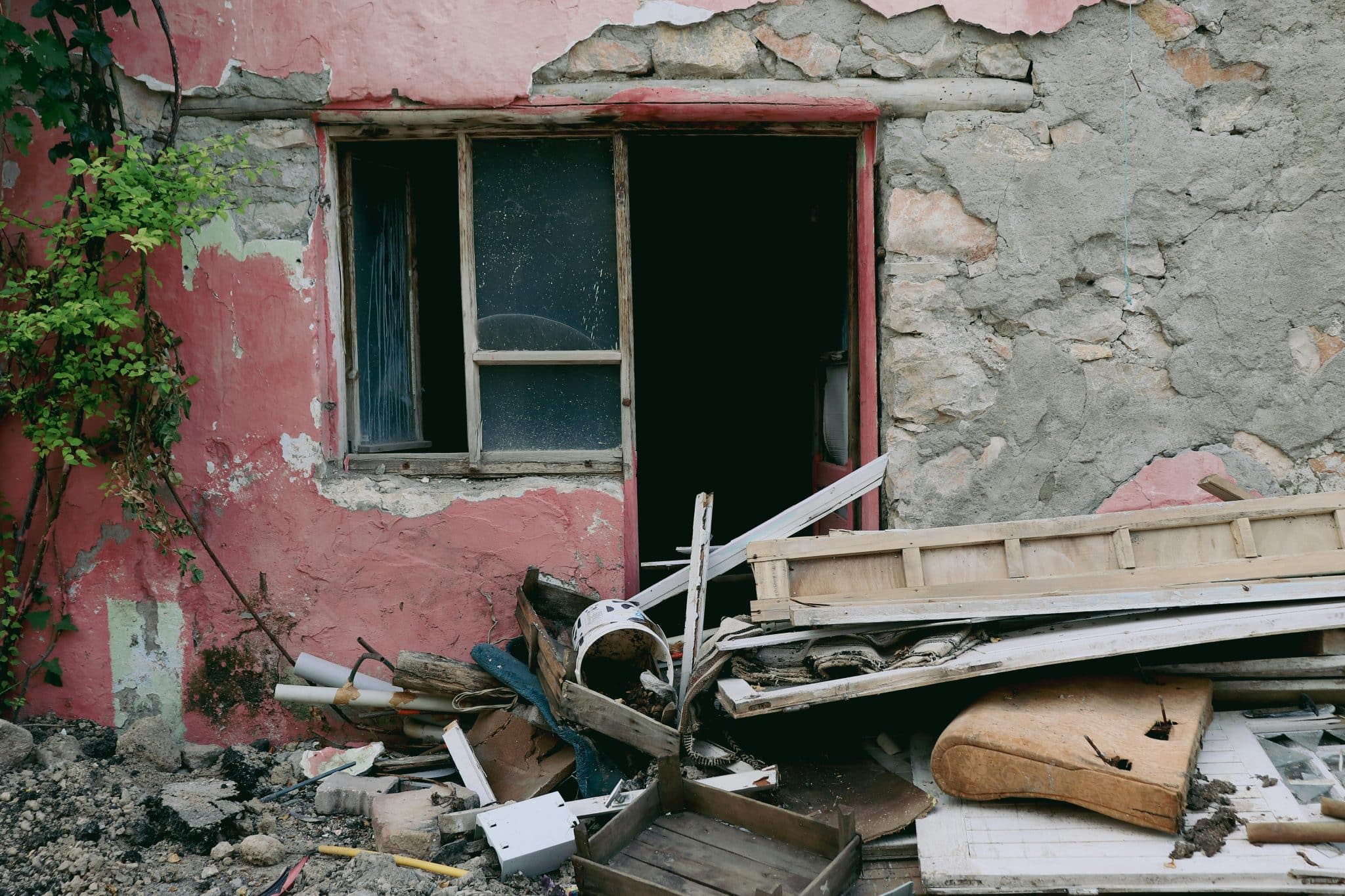
The exterior of a home often reveals stress before the interior does. This is because external elements are directly exposed to weather, moisture, and soil changes.
Key indicators include:
- Gaps between exterior walls and trim
- Separation in siding or brick mortar
- Visible foundation cracks
- Soil pulling away from the base of the home
- Water pooling near the foundation after rain
Water management plays a major role here. Poor drainage or shifting soil can slowly destabilize a structure over time. Even small exterior changes should be monitored consistently rather than dismissed.
Moisture, Temperature, and Environmental Stress
Environmental conditions are silent contributors to structural issues. Moisture intrusion, in particular, is one of the most common long-term causes of weakening materials.
When water enters areas it shouldn’t, it can soften wood, corrode metal supports, and weaken adhesive bonds. Over time, this leads to gradual deformation in structural components.
Temperature changes also play a role. Repeated cycles of expansion and contraction put stress on joints, seals, and load-bearing elements. This is especially true in regions with seasonal extremes.
A persistent musty smell, peeling paint, or unexplained damp spots can all point to hidden moisture problems that may be affecting structural integrity behind the scenes.
The Role of Roofing Systems in Structural Stability
The condition of a home’s upper structure plays a critical role in overall stability. A well-built and maintained overhead system helps distribute weight, manage water runoff, and protect the internal framework from environmental exposure. When this layer begins to weaken, the effects often spread downward into other parts of the house.
A compromised surface at the top of the structure can lead to moisture penetration, insulation damage, and gradual weakening of load-bearing components. Over time, this can contribute to uneven stress distribution throughout the building.
In many cases, homeowners only recognize the issue after secondary symptoms appear inside the home. That is why maintenance and timely upgrades are essential. Working with a professional assessment from a roof replacement company can help determine whether the structure is still performing as intended or if deeper intervention is needed.
A strong upper structure supports the entire building envelope. When it remains solid, it reduces the likelihood of water intrusion and minimizes long-term strain on walls and foundations. This connection is often overlooked, but it plays a direct role in preserving structural balance across the entire home.
When to Seek Professional Evaluation
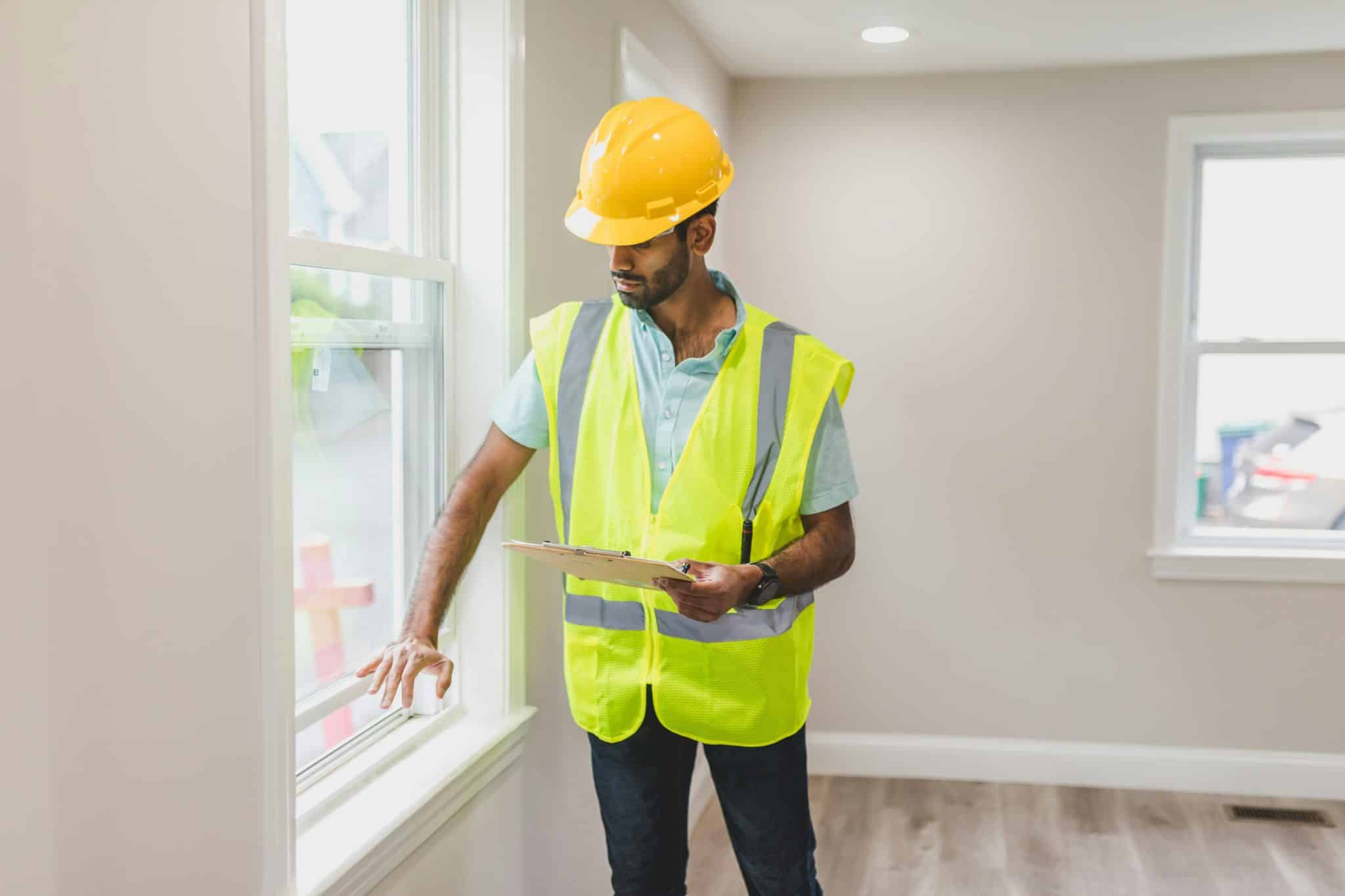
While some signs of structural stress are easy to observe, interpretation is not always straightforward. A small crack or slight slope does not automatically indicate serious damage. However, patterns and combinations of symptoms should never be ignored.
Professional evaluation becomes necessary when:
- Multiple warning signs appear at the same time
- Changes are progressing rather than stable
- Structural movement affects usability of doors or floors
- Exterior and interior signs seem connected
Structural engineers and qualified inspectors use measurement tools and experience to determine whether movement is within normal range or requires repair. Early assessment often prevents more extensive intervention later.
Conclusion
Structural stress in a home develops gradually and often silently. It rarely presents itself in obvious or dramatic ways at first. Instead, it shows up through small shifts in surfaces, alignment, and material behavior.
Recognizing these early signals allows homeowners to maintain stability, protect long-term value, and avoid more serious complications. Careful observation and timely response remain the most effective tools in preserving the integrity of any home.