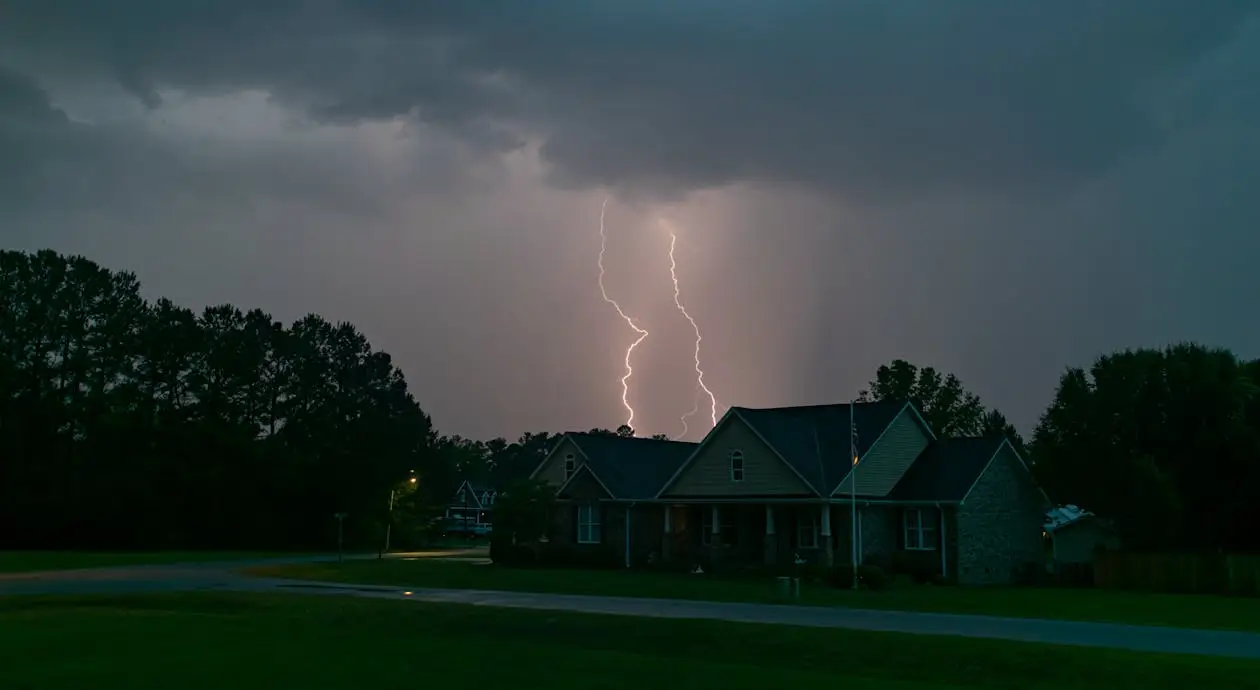
Living in the Gulf Coast, from the bayous of Houston to the sandy shores of Florida, we share a common bond: the blessing and the curse of heavy rainfall. While the lush tropical landscape thrives on the moisture, there is a fine line between a well-watered garden and a swampy mess that threatens your home’s foundation. It is important to prep your soil for heavy rain, but it’s just as important to understand how outdoor drainage affects what happens inside your four walls.
The Secret to a Rain Resilient Garden
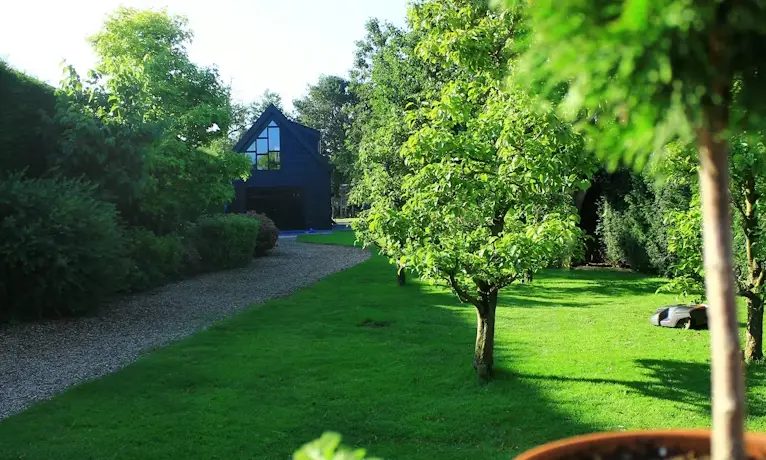
When a summer deluge hits, your soil is your first line of defense. In many parts of the Gulf Coast, you deal with heavy clay or compacted soils that act like a concrete slab once they become saturated. When water has nowhere to go, it sits on the surface, suffocating the roots of your grass and inviting fungal diseases that can ruin a season’s worth of work.
The best proactive step you can take is core aeration. By pulling those small plugs of soil out of the ground, you allow oxygen and water to penetrate deep into the root zone rather than shedding off the top. If you have particularly stubborn drainage issues, consider incorporating expanded shale or high-quality compost. These amendments break up the tightness of the ground, turning your yard into a functional sponge rather than a puddle-prone parking lot.
Guarding the Perimeter Against Water Damage
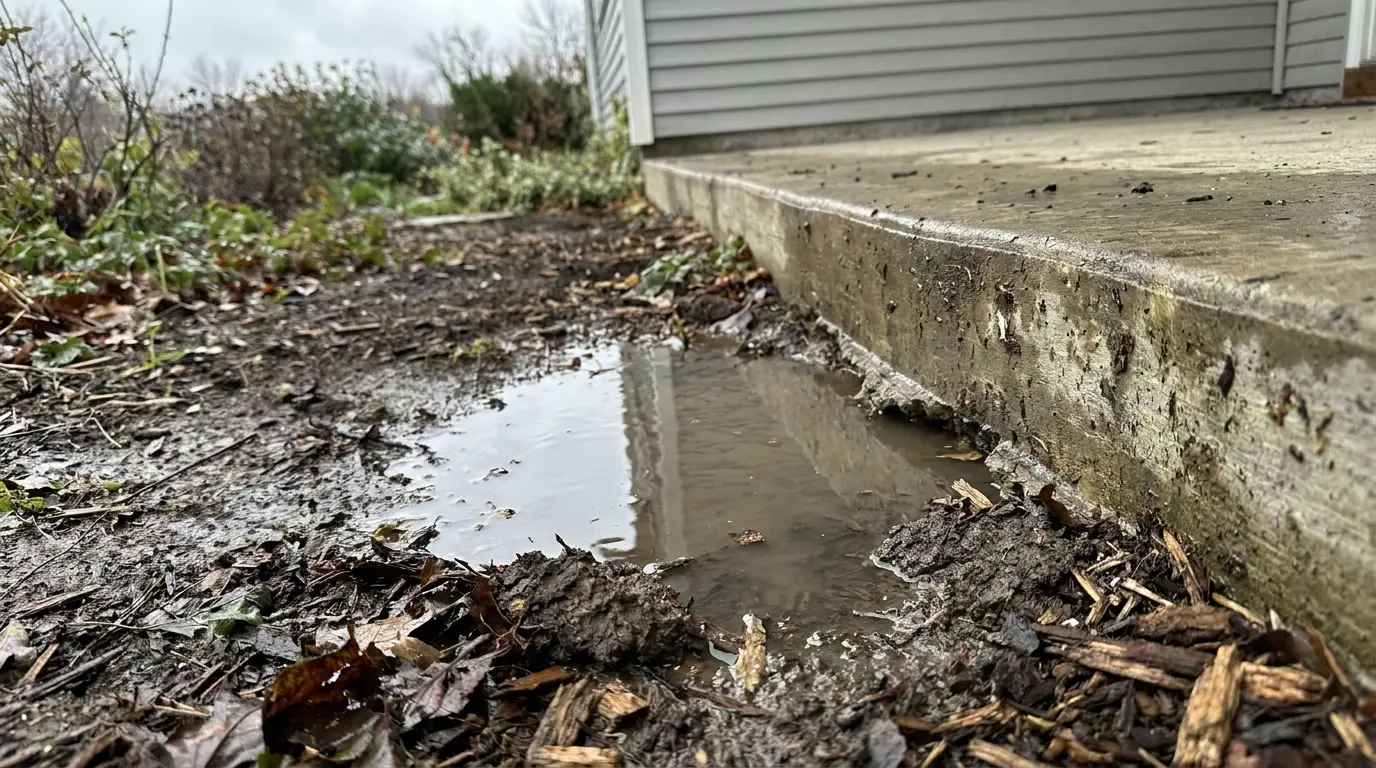
Proper gardening isn’t just about what you plant, it includes managing the flow of water. Take a walk around your home after a heavy rainstorm. If you see water ponding against your foundation slab, you have a problem. Over time, that standing water can cause the soil to expand and contract, leading to foundation cracks or worse, seepage into your crawlspace or living areas.
Be sure to check your grading. The solid should always slope away from your foundation, so aim for at least an inch of drop every foot of distance for the first six feet. Additionally, keep your mulch levels in check. While a thick layer of hardwood mulch can keep moisture in during the July heat, piling it up against your siding creates a wicking effect that invites moisture and termites directly into your walls.
When the Rain Becomes a Flood
Sometimes, despite our best efforts with French drains and proper grading, the weather wins. Tropical systems and flash floods don’t care how well you have aerated your lawn. If you find yourself dealing with water that has breached the threshold of your home, gardening advice takes a backseat to structural survival.
Water inside a home requires immediate, professional intervention to prevent mold and permanent structural rot. If you are dealing with the aftermath of a storm surge or major leak in the Sunshine State, seeking out experts in water damage restoration Tampa FL is a necessary step. Industrial dehumidifiers and moisture-detection tools are simply no match to a standard shop vac.
Final Thoughts for the Season
A healthy home and a healthy garden go hand-in-hand. By focussing on drainage, soil health, and proper grading now, you are doing more than just growing a better lawn. Protect your greatest investment by keeping those gutters clear, keep your soil breathable, and always have a plan for when the big clouds roll in.