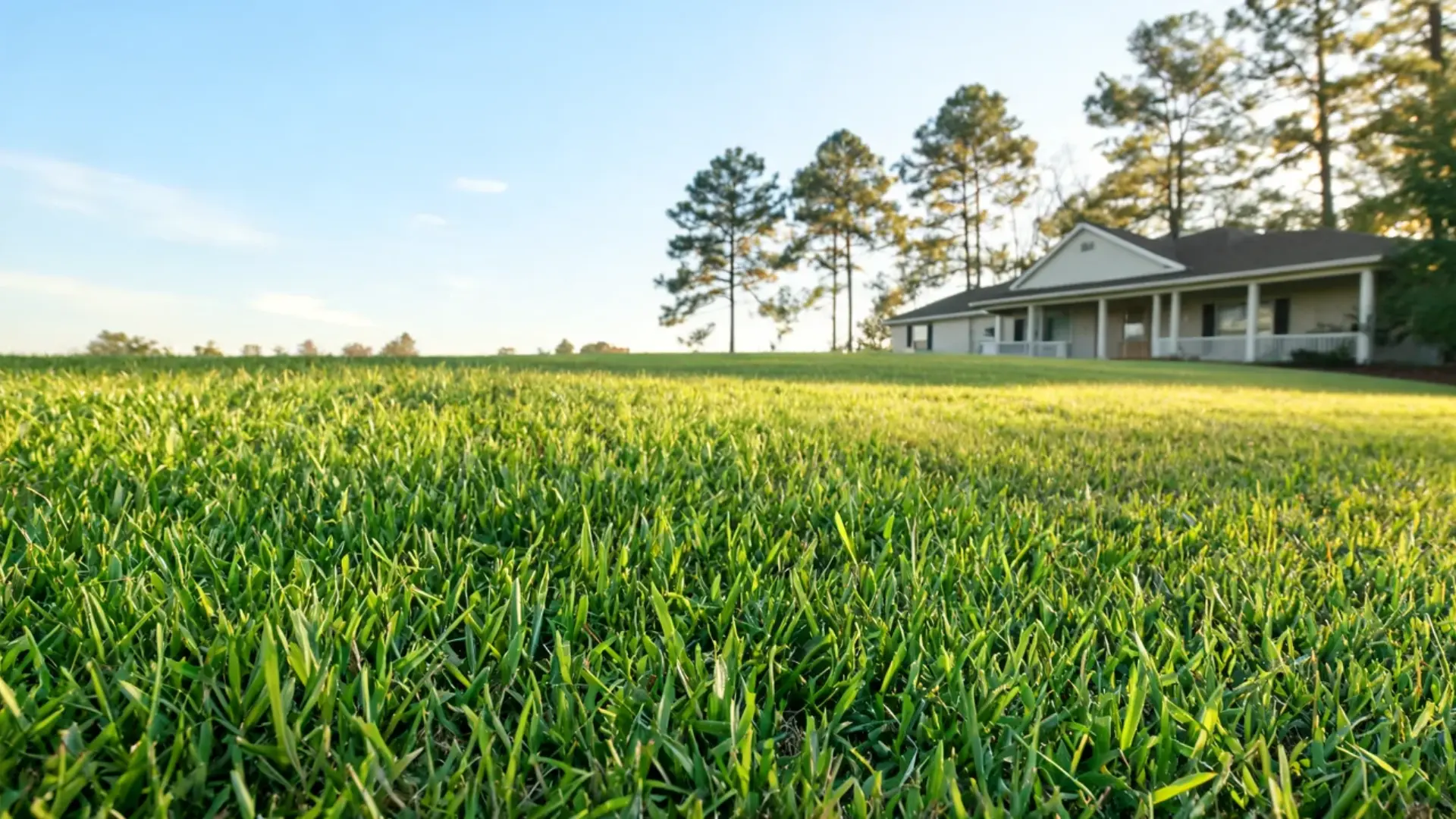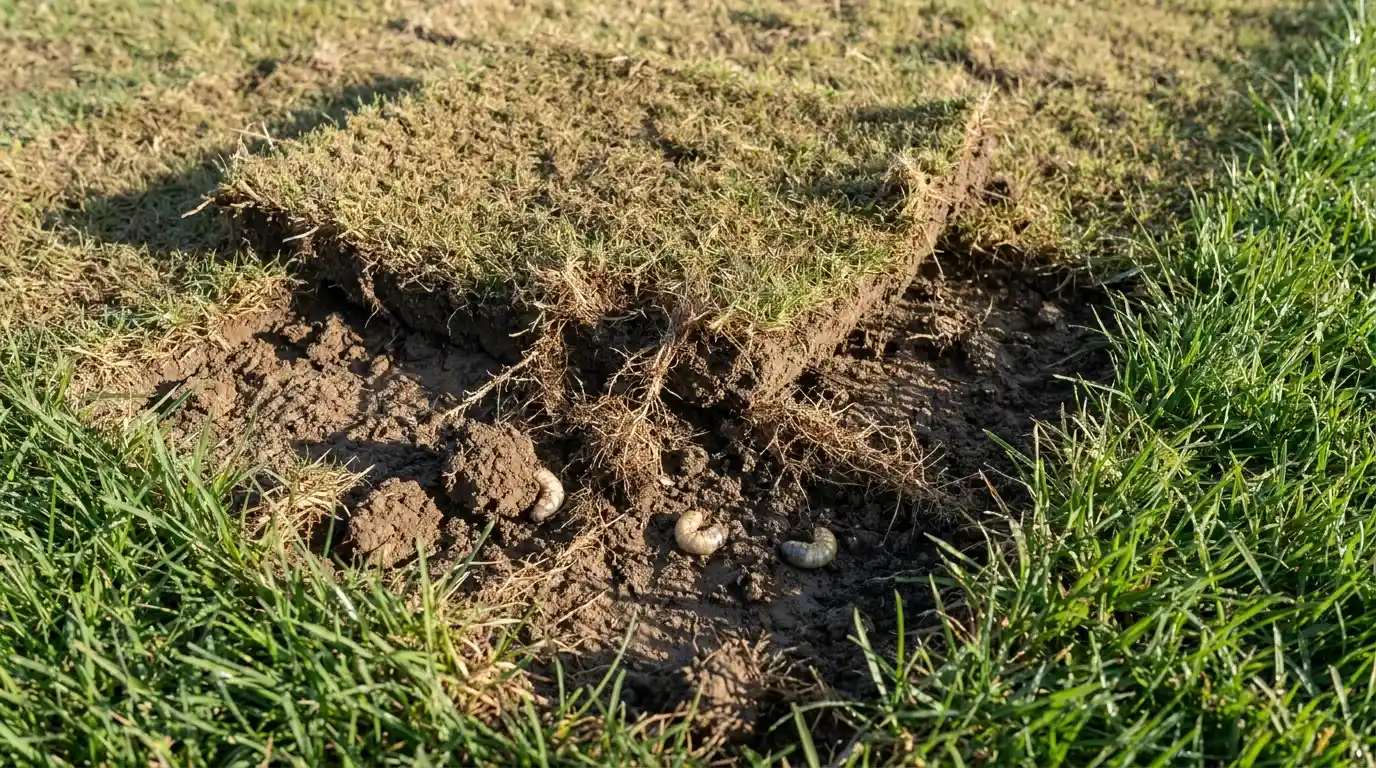
In Palm Harbor, it doesn’t take long for a healthy lawn to lose its color once summer settles in. The mix of strong sun, sandy soil, and watering limits puts real pressure on your yard. Many homeowners notice dry patches, thinning grass, or uneven growth by early summer and assume it’s just the season. In reality, most of that damage starts weeks earlier. Small issues like poor soil, uneven watering, or worn sprinkler parts quietly build up over time.
Preparing your lawn before the heat peaks gives you a clear advantage. When you handle the basics early, your yard holds moisture better, grows stronger, and stays consistent through the toughest months.
Know What’s Happening Beneath the Surface
Healthy grass depends heavily on what’s happening in the soil. In Palm Harbor, sandy soil drains fast, which means water and nutrients don’t stay where roots need them. If your lawn dries out quickly even after watering, the soil is likely part of the problem. You can use a simple soil test kit to check pH and basic nutrient levels. This gives you a clear direction instead of applying products blindly.
Strong soil supports deeper roots, and deeper roots help your lawn handle heat without constant watering.
Make Sure Your Sprinklers Are Actually Helping
A quick sprinkler check can prevent a lot of frustration later. Turn on each zone and watch how the water moves across your lawn. Look for heads that don’t pop up fully, spray unevenly, or leak at the base. Even small issues can leave parts of your yard too dry while others get too much water. This wastes water and creates uneven growth. Many homeowners realize at this stage that they need residential sprinkler repair in Palm Harbor Florida to fix pressure problems, clogged nozzles, or broken lines. When your system runs properly, water reaches the right areas evenly, which helps your lawn stay healthy through the hottest part of summer.
Mow Smarter Before the Heat Builds Up
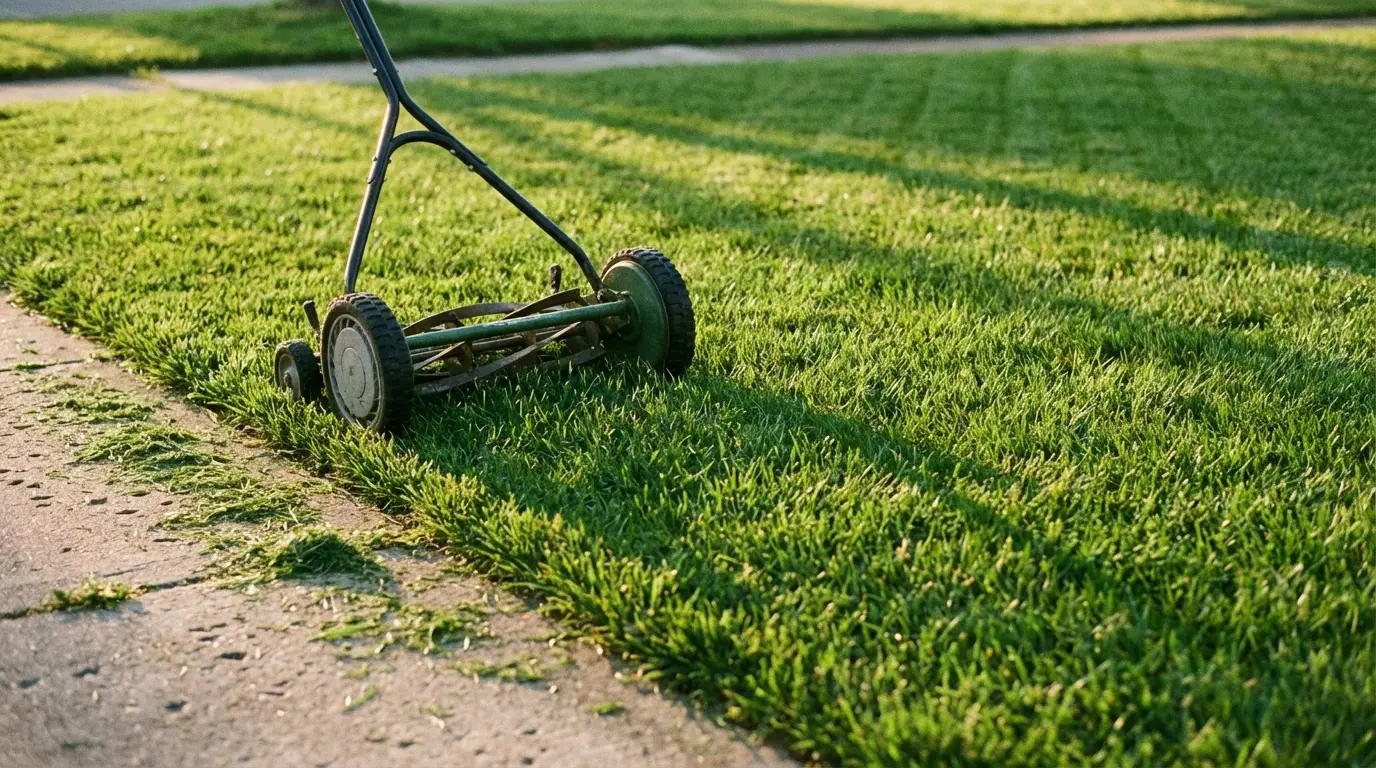
The way you mow in late spring affects how your lawn handles summer stress. Cutting grass too short might make it look neat for a few days, but it exposes the soil and weakens the root system. Set your mower slightly higher than usual so the grass can shade the soil and retain moisture. This also helps reduce weed growth since thicker grass blocks sunlight from reaching weed seeds. Make sure your mower blades are sharp because dull blades tear the grass instead of cutting it cleanly. Torn grass loses water faster and becomes more vulnerable to disease. A small adjustment in mowing habits can improve how your lawn holds up in high temperatures.
Fix Thin and Bare Areas Before They Spread
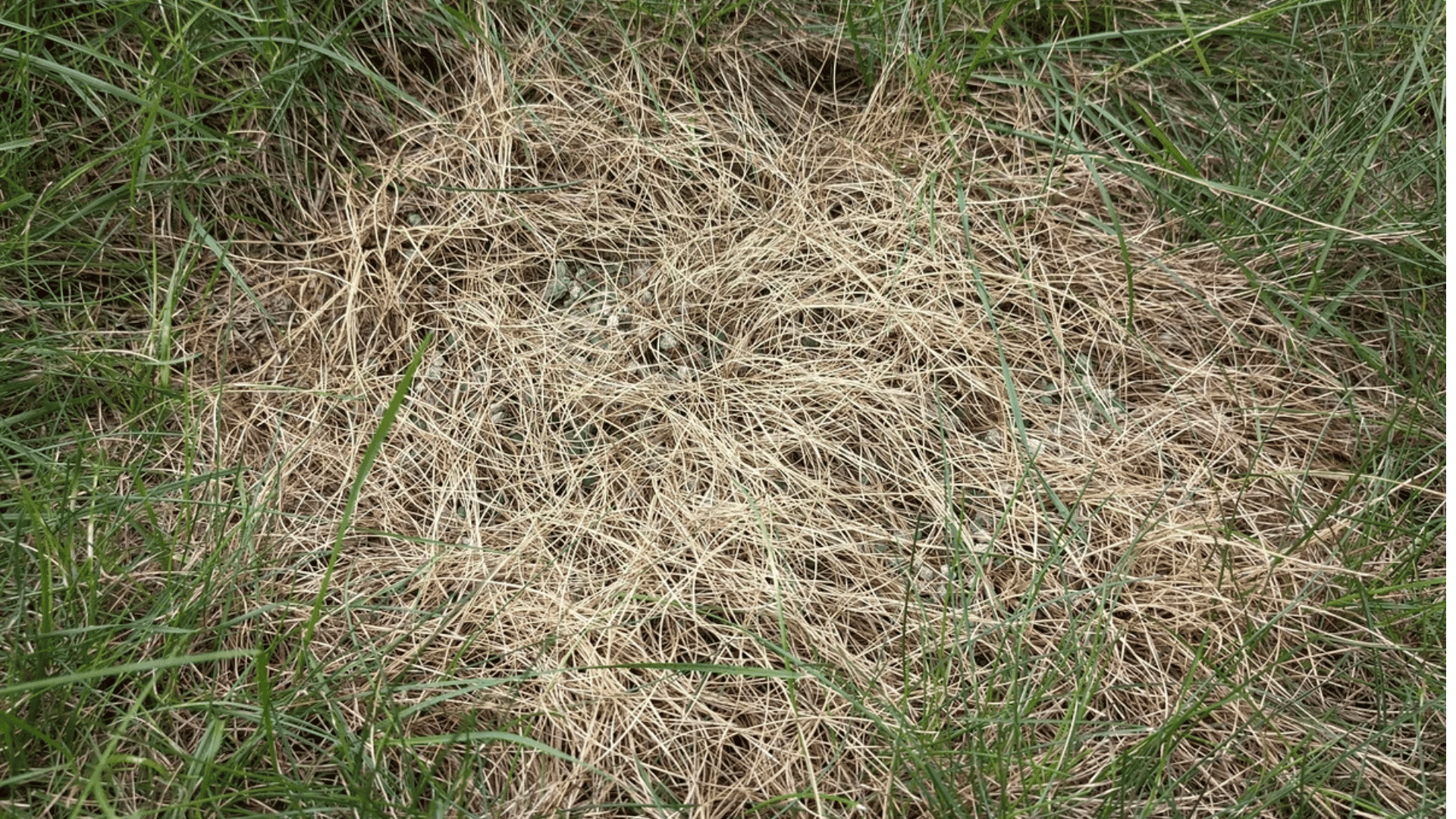
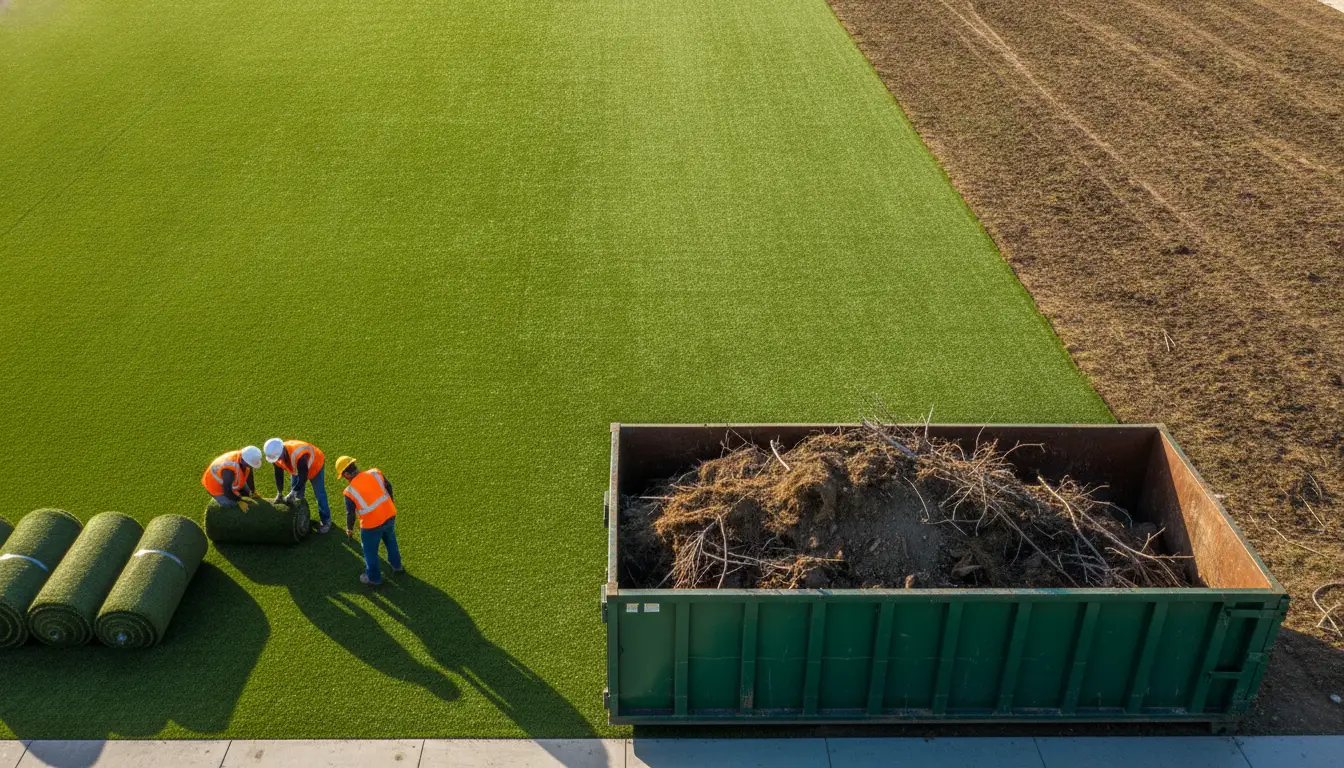
Bare or thinning spots don’t fix themselves, especially once summer heat arrives. If you notice these areas in late spring, take action while the grass is still actively growing. Loosen the soil slightly and add fresh seed or sod that matches your existing lawn type. Keep the area lightly watered until new growth settles in. Ignoring these patches allows heat to dry out exposed soil, which can expand the problem. These weak areas also make it easier for weeds to take over. Addressing them early helps your lawn stay even and strong. A consistent lawn surface also improves how water spreads, which makes your irrigation system more effective overall.
Set a Watering Schedule That Matches the Heat
Watering habits need to change before summer arrives, not after your lawn starts drying out. Early morning watering works best because temperatures are lower and the wind is usually calm. This gives water time to soak into the soil instead of evaporating. Focus on deeper watering a few times a week rather than short daily cycles. Deep watering encourages roots to grow further down, which helps grass handle heat better. Pay attention to local watering restrictions so you stay compliant while still keeping your lawn healthy. If water runs off instead of soaking in, your soil may need improvement or your system may be applying water too quickly.
Feed Your Lawn Without Causing Heat Stress
Fertilizing at the right time helps your lawn stay strong, but timing matters in warm climates. Apply a slow-release fertilizer in late spring so nutrients are available as temperatures rise. This supports steady growth without forcing the grass to grow too quickly. Avoid heavy fertilizing right before peak summer heat because it can stress the lawn and lead to weak growth. Choose a product designed for warm-season grasses since those blends match what your lawn needs in this region. Always water lightly after applying fertilizer so it reaches the soil and doesn’t sit on the grass blades. Proper feeding gives your lawn the strength to handle long periods of heat.
Handle Drainage Problems Before Summer Storms Arrive
Drainage issues often go unnoticed until heavy rain exposes them. Walk your yard after a rainstorm and check for areas where water collects or drains slowly. Standing water can damage roots and create uneven growth patterns. It can also lead to soil compaction over time, which makes it harder for water to soak in during dry periods. Clear any debris from drains and make sure downspouts direct water away from your lawn. If certain areas stay wet for too long, you may need to adjust the slope or add drainage solutions. Fixing these problems early helps your lawn absorb water properly instead of dealing with stress from both drought and excess moisture.
Preparing your lawn for summer comes down to timing and attention to detail. When you address soil health, watering habits, and system performance early, your lawn handles heat with far less stress. Each step builds on the next, creating a yard that stays more consistent even during long dry stretches. Waiting until problems show up often leads to higher water use and uneven results. A proactive approach keeps your lawn healthier and easier to manage. With the right preparation, you spend less time fixing issues and more time enjoying a yard that holds its color and strength throughout the summer.