Most people pick a fence based on price or looks. Fair enough. But if you spend any real time in your yard — planting, pruning, growing food, maintaining a lawn — the fence around your property affects more than the view from the street. It shapes how your garden performs.
Here’s what I mean, and what to think about before you install or replace a fence.
Your Fence Controls More Sunlight and Airflow Than You Realize
A solid 6-foot privacy fence on the south side of your yard can throw 8 to 12 feet of shade depending on the time of year. That’s great if you want a cool patio zone, but it’s a problem if your tomato beds are sitting in that shadow. Tomatoes, peppers, squash, and most flowering plants need 6+ hours of direct sun.
If your garden beds run along the fence line, a semi-privacy design with spaced slats lets filtered light through while still blocking the neighbour’s view of your compost pile. The gaps also let air circulate, which matters more than people think. Stagnant air pockets along a solid fence create the perfect conditions for powdery mildew and fungal diseases on roses, squash, and fruit trees.
For gardeners who want privacy without choking off airflow, semi-privacy aluminum fence panels offer a middle ground. The horizontal slat spacing gives you screening from the street while letting enough breeze through to keep foliage dry after morning dew.
The Material You Choose Determines How Much Weekend Time You Lose
Here’s where most homeowners get burned. They install a cedar or pressure-treated wood fence because the upfront price is lower, and then they spend the next decade fighting it.
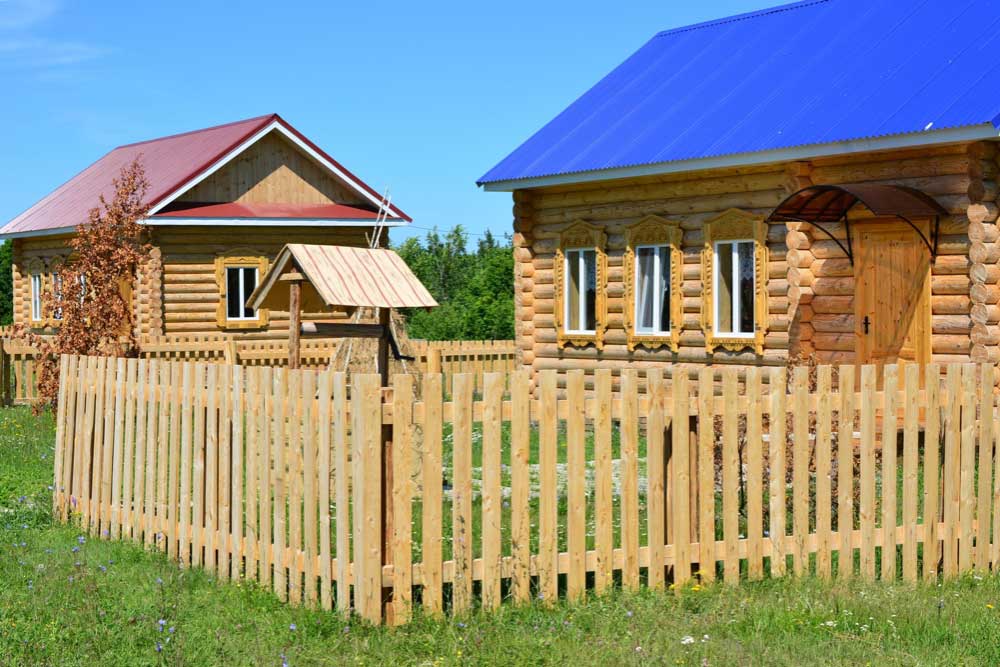
In humid climates (and yes, the Gulf Coast qualifies), wood fences face a rough timeline:
Cedar typically lasts 8 to 12 years before you’re dealing with rot, cracking, and greying. It needs staining every 2 to 3 years to hold up, and most homeowners skip it after the first round.
Pressure-treated lumber fares a bit better on rot but warps, leans, and the posts deteriorate below the soil line within 7 to 10 years. Once a post goes, the whole section leans or collapses.
Vinyl panels can last 10 to 15 years but turn brittle in temperature extremes and yellow over time. You can’t repair a cracked vinyl panel — you replace the whole section.
Compare that to aluminum, which doesn’t rot, rust, warp, or need refinishing. A powder-coated aluminum fence can last 25+ years with zero maintenance. That’s 25 years of weekends you’re spending in the garden instead of re-staining fence boards.
The time factor matters. According to a HomeLight survey, 67% of real estate agents say fencing increases a home’s appeal to buyers. But a rotting, leaning fence does the opposite. The material you choose up front determines whether your fence is an asset or a liability ten years from now.
Wind, Storms, and What Stays Standing
If you live anywhere that gets serious wind (Gulf Coast hurricanes, Great Plains storms, Canadian prairie gusts), fence durability isn’t cosmetic. It’s structural.
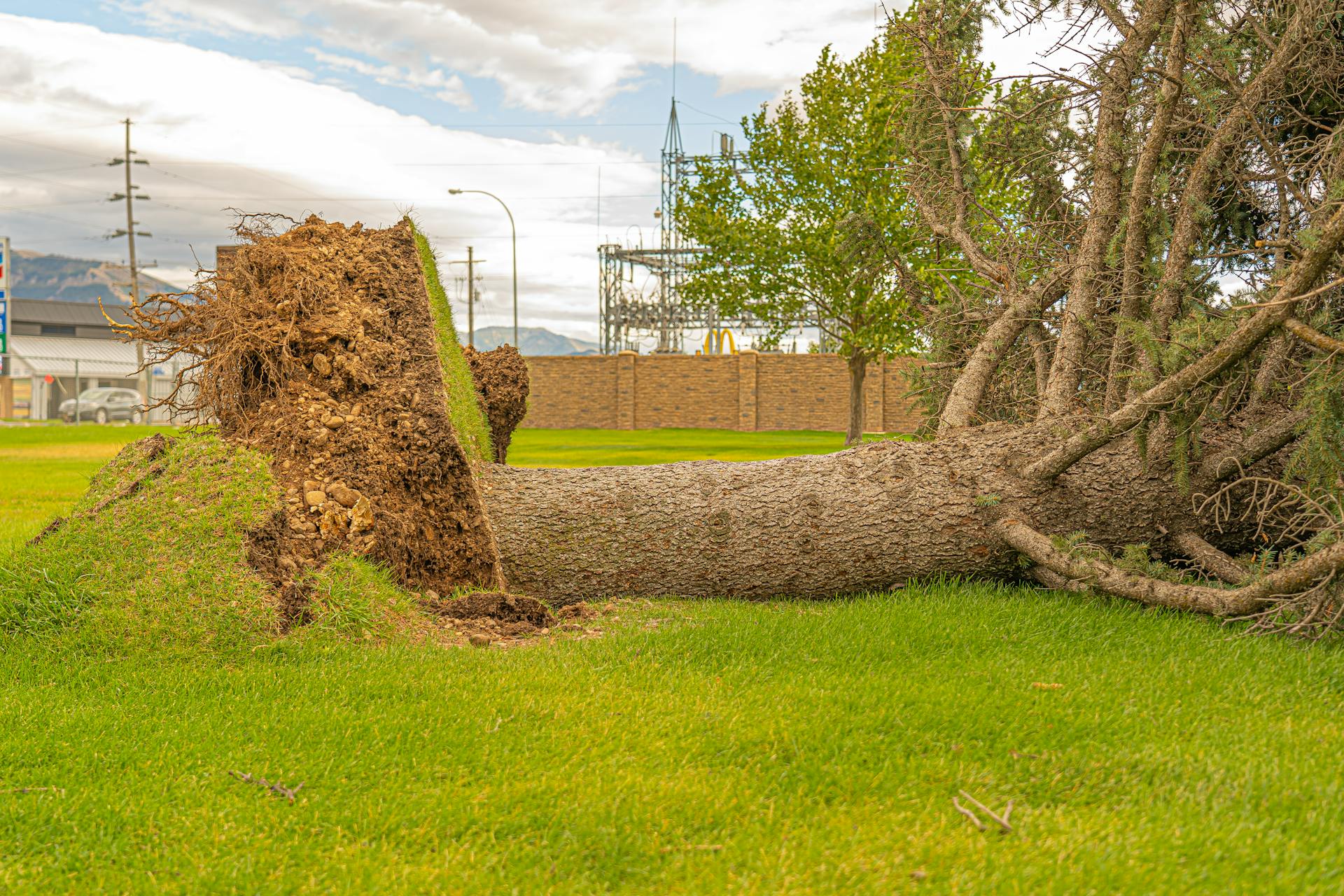
Wood fences are the most common casualty after a major storm. Posts snap at the base, panels blow out, and you’re left with a pile of lumber and a Saturday morning trip to the hardware store.
Modern aluminum fence systems have caught up on this front. Some manufacturers now wind-load test their panels to withstand sustained speeds well beyond what most residential areas experience. PrimeAlux’s aluminum privacy fence panels, for example, are tested to 220 km/h wind loads, which puts them in a different category than anything you’d get from a big-box lumber yard. They also carry a Class A fire rating under ASTM E84, which is worth knowing if you’re in a fire-prone area or just want fewer things around your property that burn easily.
Design That Actually Fits a Garden
Older metal fences had one look: chain link. Functional, cheap, and about as attractive as a parking lot barrier. That’s not the case anymore.
Aluminum fencing now comes in wood-grain finishes that look like natural timber from ten feet away but won’t rot, split, or fade. Colours like walnut, grey walnut, and dark walnut blend with garden hardscaping, raised beds, and stone pathways without looking industrial.
The visual matters because your fence is the backdrop to everything in your yard. A well-chosen fence makes your perennial border pop. A rusted or sagging one makes the whole yard look neglected, regardless of how good your roses are.
If you’re building out an outdoor living area with a pergola, dining zone, or fire pit, aluminum privacy screens can tie the space together and create distinct “rooms” in your yard without permanent construction. PrimeAlux’s privacy screens and pergola systems use the same finish palette as their fence panels, so everything matches without looking like a showroom.
What to Actually Think About Before You Buy
Before you commit to a fence, walk your property line with these questions:
Where do your garden beds sit relative to the fence, and how much light do they need? If you’re growing food or flowers, pick a fence style that doesn’t block their sun.
How much wind does your property get? If you’re exposed, go with a system that’s been tested for wind loads, not just marketed as “durable.”
How many years do you honestly want to maintain it? If the answer is zero, wood and vinyl are the wrong pick.
What does the fence look like as a background to your yard? Your landscaping and garden work deserve a clean backdrop, not one that’s peeling or leaning.
A fence is one of the largest single structures on a residential lot. It borders everything you grow. Choosing the right one isn’t just about keeping the dog in — it’s about building the frame around the outdoor space you actually use.