We all know that the primary purpose of a fence is to mark your property line, but beyond that purpose, a fence shapes how your yard feels, how your plants grow, and how comfortable the space is day to day. If you get it right, your garden becomes quieter, cooler, and easier to manage. On the other hand, if you get it wrong, you may end up blocking sunlight, trapping heat, or stressing your plants.
So before picking a style or material, it helps to think through what your yard actually needs. This article will guide you on how to choose the right fence for privacy, shade, and garden health.
Start with Your Main Goal
Every good fence choice begins with the simple question surrounding its purpose. In most cases, most homeowners are trying to balance a few things at once:
- Privacy from neighbors or the street
- Shade and wind control
- Healthy growing conditions for plants
- Safety for kids or pets
You can have all of these, but not with just any fence. In such situations, the design is very important.
Choosing for Privacy Without Closing Everything Off
If privacy is your top concern, solid fencing works best. Closeboard or panel fences with overlapping boards block sightlines completely. They also reduce noise and create a more enclosed feel.
However, a fully sealed fence can trap heat and limit airflow, especially in a small yard. That can raise humidity and increase the risk of plant disease, especially after rainfall. A better middle ground for many yards:
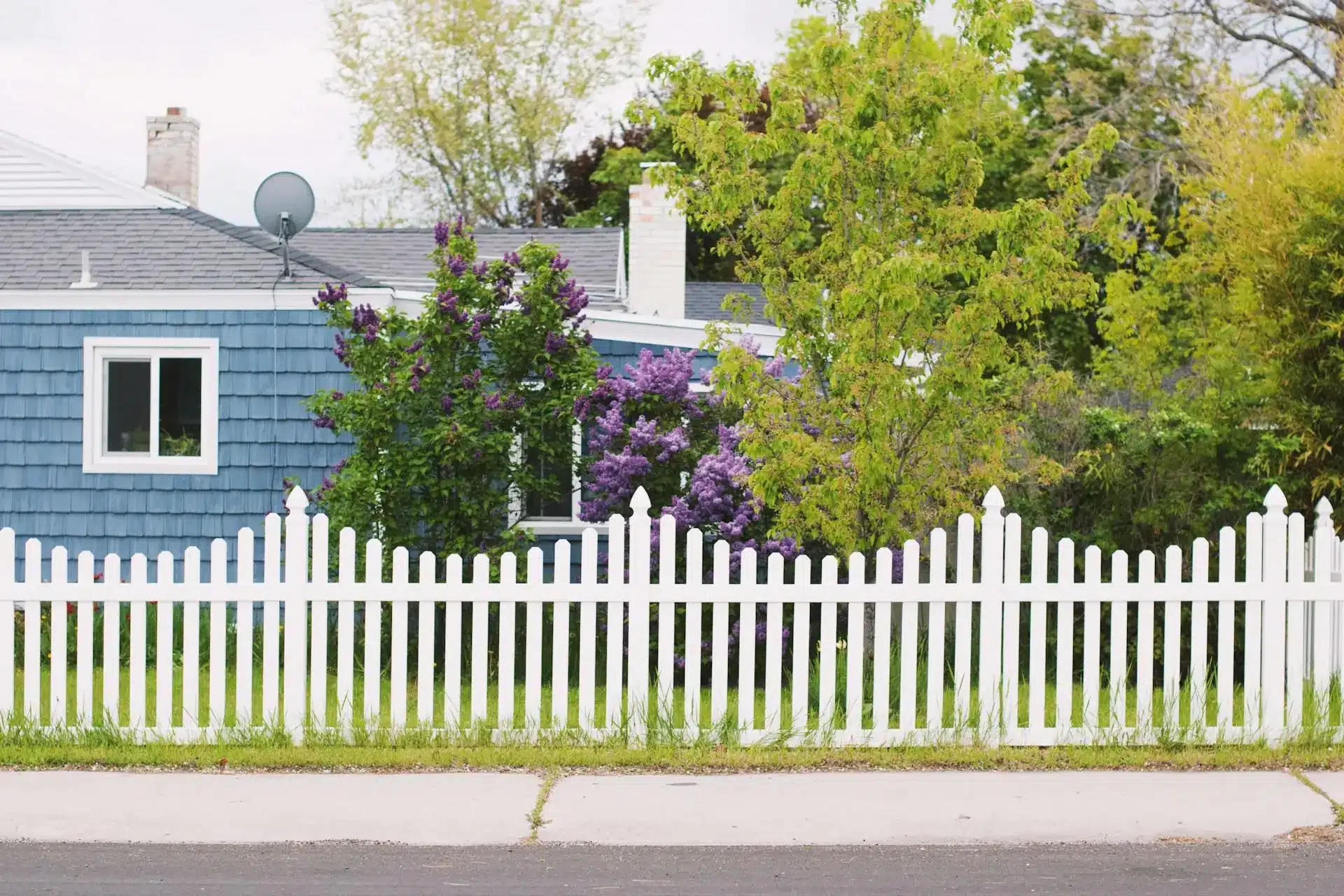
- Board-on-board (shadowbox) fencing: offers privacy from straight angles but still allows some air through.
- Solid panels with lattice tops: block views at eye level while letting light and air move above.
These designs give you privacy without turning your yard into a closed box.
Let Air Move
Plants don’t just need sunlight; they also need airflow. Without it, moisture lingers on leaves and soil. That’s when mold, mildew, and rot start to show up. A fence that allows some air movement helps your garden dry out faster after watering or rain. Good options here include:
- Slatted panels with small gaps between boards
- Louvered fencing with angled slats
- Wire or mesh fencing for maximum airflow
These designs reduce wind pressure too, which helps the fence last longer in stormy conditions.
Using Shade the Right Way
Shade can help or hurt, depending on how it’s handled. A tall, solid fence on the wrong side of your garden can block too much sunlight, but partial shade can protect plants from stress and reduce water loss, especially in hot climates. That’s where flexible designs come in:
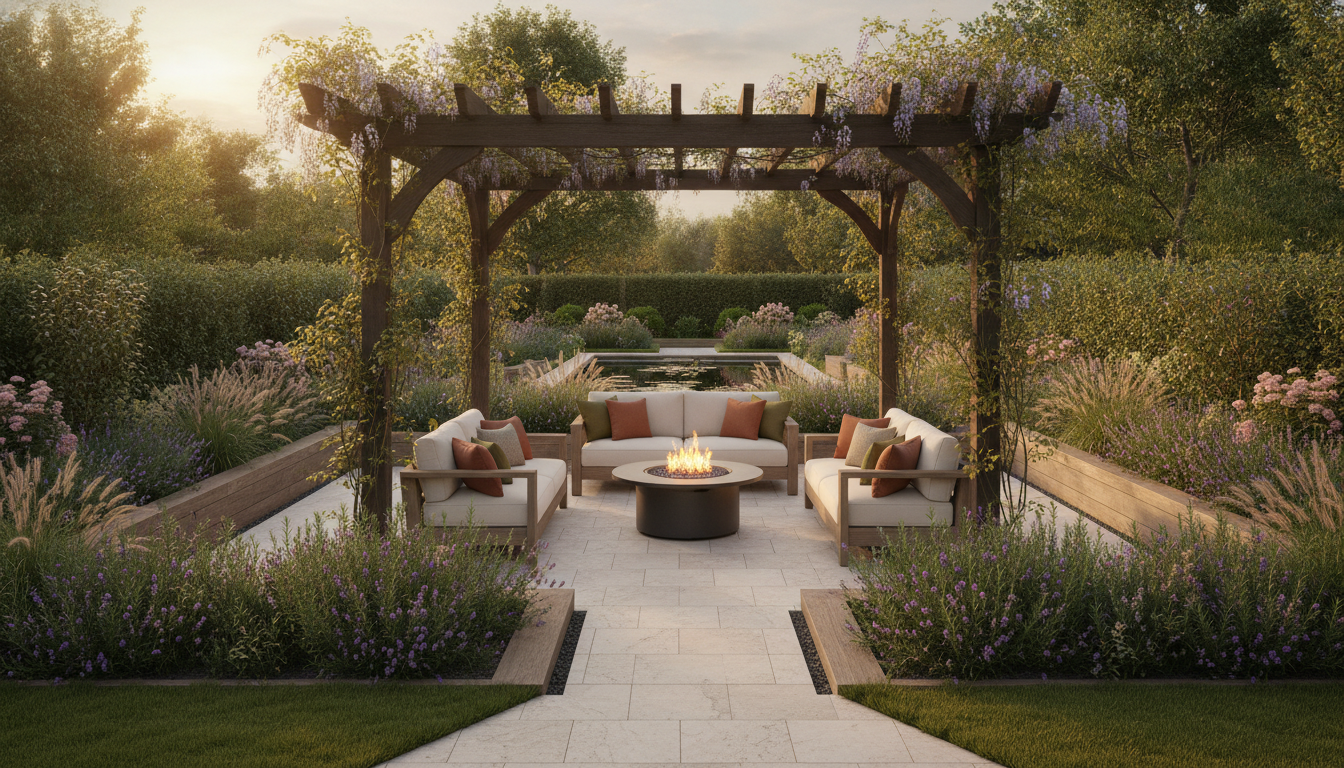
- Trellis fencing supports climbing plants and creates filtered shade.
- Living fences (hedges) provide natural cover that changes with the seasons.
- Bamboo or slatted wood offers a softer, dappled light.
This kind of shade keeps your garden cooler without starving it of sunlight.
Think About Materials and Maintenance
Fence materials don’t just affect how things look, they also affect how much work you’ll be doing later. Here’s a quick breakdown of some common materials:
- Wood: classic and natural, but needs regular sealing or staining.
- Composite: low maintenance, resists rot and insects, and lasts longer.
- Metal (aluminum or steel): strong and durable, but less private unless combined with panels.
- Bamboo: eco-friendly and dense, which makes it great for a natural screen
If you want something you can mostly forget about, composite or vinyl tends to be the easiest option. If you like a natural look and don’t mind upkeep, wood is still hard to beat.
Height, Layout, and Garden Impact
Fence height affects everything, including privacy, shade, and garden health. Here’s what you should expect from common fence heights:
- 4 feet: more decorative, little privacy
- 5 feet: moderate privacy, still allows light
- 6 feet and above: full privacy, but more shade and less airflow
Before you build, think about where shadows will fall during the day. A tall fence on the south side of your yard (in most regions) can block a lot of sunlight. Leave a small gap at the bottom; around a couple of inches. It helps with drainage, airflow, and even allows small wildlife to pass through.
When it comes to the technical side, many homeowners consult a fence company Naperville or similar local experts to evaluate how a fence might affect sunlight and airflow before installation. A short conversation upfront can save you from costly changes later.
Endnote
A well-chosen fence should support your yard, not work against it. When privacy, airflow, and sunlight are balanced from the start, your outdoor space stays healthier, more comfortable, and easier to maintain over time.