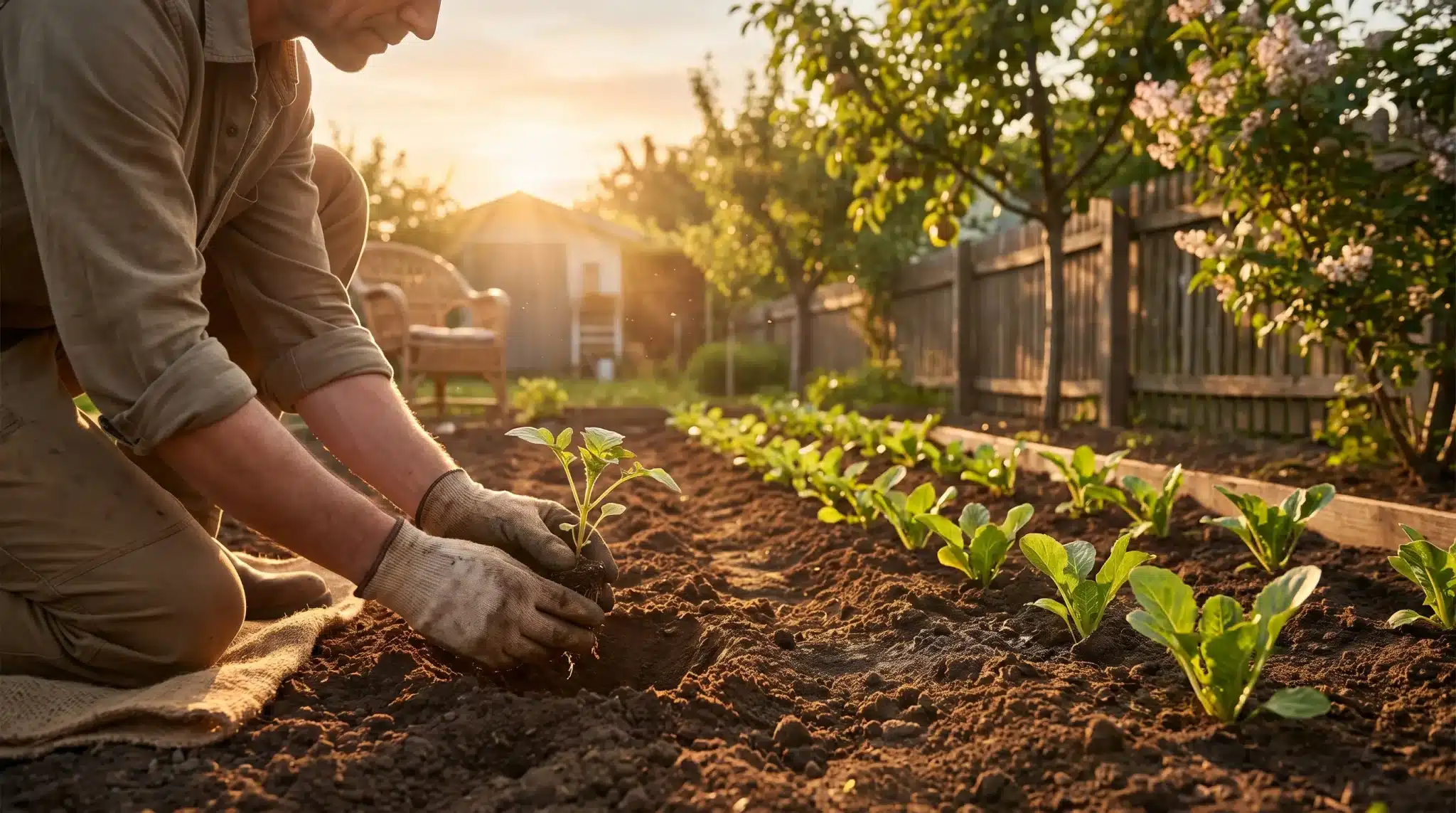
Something subtle is changing in the way people think about food. It isn’t loud or dramatic, and you might not notice it right away. But once you start paying attention, you begin to see it everywhere.
More people are choosing food that is grown, raised, or made closer to home.
This is not just a passing trend shaped by social media or aesthetics. It reflects a deeper shift in mindset. People are rethinking what matters when it comes to what they eat, how it is produced, and who they trust to produce it.
In many ways, it feels like a return, not to the past exactly, but to something more grounded and intentional.
The Desire for Transparency
One of the main reasons behind this shift is simple. People want to understand where their food comes from.
When you buy from a local farm or market, there is often a story behind what you are purchasing. You may know the farmer’s name, or have seen the land where the food was grown. Sometimes, you even understand how the crops were cultivated or how the animals were raised.
That level of transparency changes your relationship with food.
It is no longer just another item on a shelf. It becomes something more personal and more real.
At a time when supply chains feel distant and complex, that kind of clarity matters more than ever.
Freshness You Can Actually Taste
There is also a clear difference in quality. Food that travels shorter distances is usually fresher. It does not spend days or weeks in transit, and it is not picked early to survive the shipping process.
Instead, it is harvested closer to its natural peak. You can taste that difference. You can feel it in the texture, and you notice it in how long the food lasts once you bring it home.
Once people experience that level of freshness, it is difficult to go back.
Supporting Local Economies
Choosing local food is not only about what you eat. It is also about where your money goes.
When you buy from local producers, more of that money stays within your community. It supports small farms, local workers, and nearby businesses.
Over time, this helps build a stronger and more resilient local economy. There is also a sense of connection in that choice. You know that your purchase is contributing to something tangible, something close to home.
For many people, that feeling is just as important as the food itself.
Rediscovering Trust in Simpler Systems
At the center of this shift is trust. Large-scale food systems can feel complicated and distant. There are many steps between production and consumption, and it is not always clear what happens at each stage.
Local systems feel more direct. In some communities, places like an Amish marketplace represent that simplicity. They offer food that feels closer to its source and less shaped by large industrial processes.
That sense of simplicity can be reassuring. It gives people a clearer understanding of what they are consuming and a stronger sense of confidence in their choices.
A More Intentional Way of Living
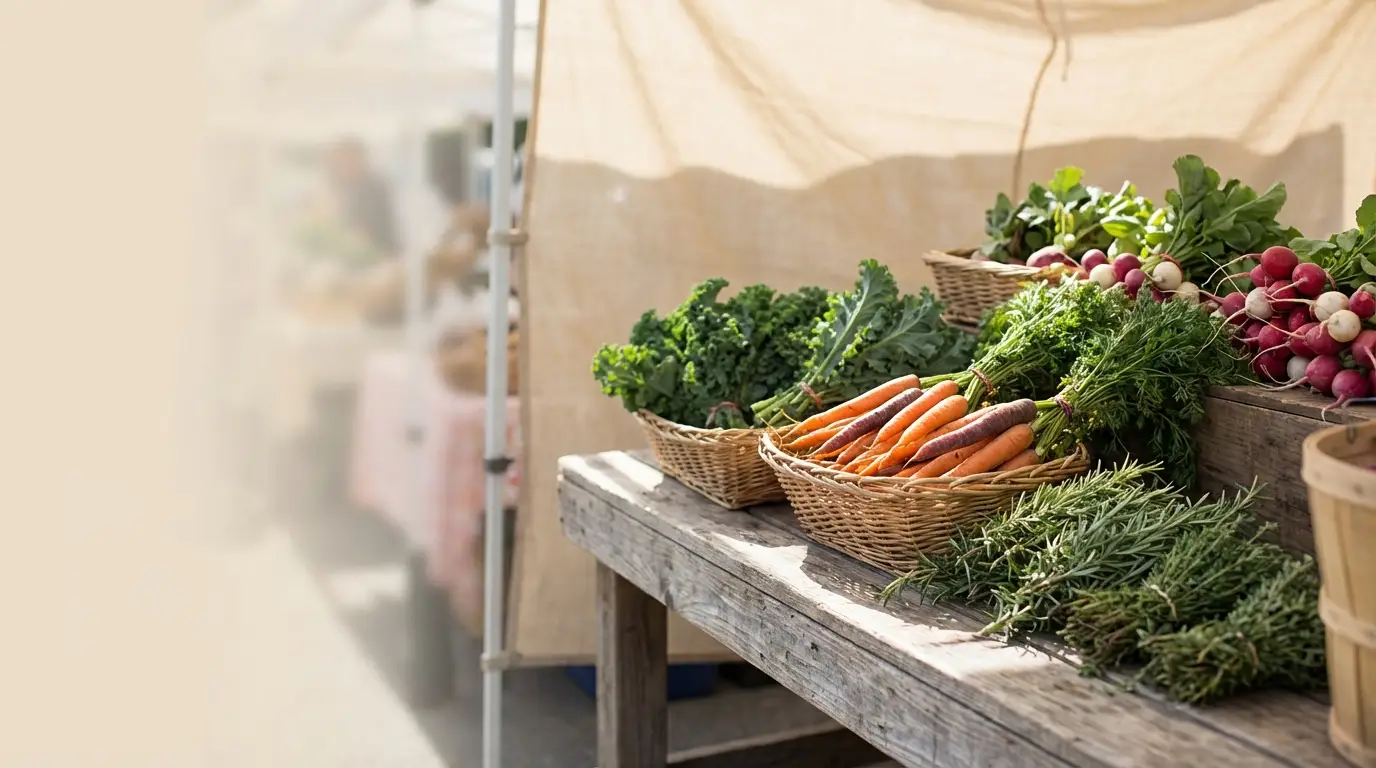
There is also a lifestyle shift behind this movement. Choosing local food requires more effort. You might visit a farmers’ market instead of relying on a supermarket. Plan your meals around what is in season rather than expecting everything to be available year-round.
That extra effort creates a deeper sense of awareness. You become more connected to the seasons and to the natural rhythm of food production.
Over time, food stops being just another task to complete. It becomes something you engage with more thoughtfully.
Environmental Considerations
Environmental awareness is another important factor. Transporting food across long distances requires energy, and packaging and storage add to the overall environmental impact.
Local food systems can reduce some of these pressures.
While they are not perfect, they often involve shorter supply chains and fewer intermediaries.
For people trying to make more sustainable decisions, this can play a meaningful role.
The Human Element
Beyond the practical benefits, there is something more personal involved. Connection.
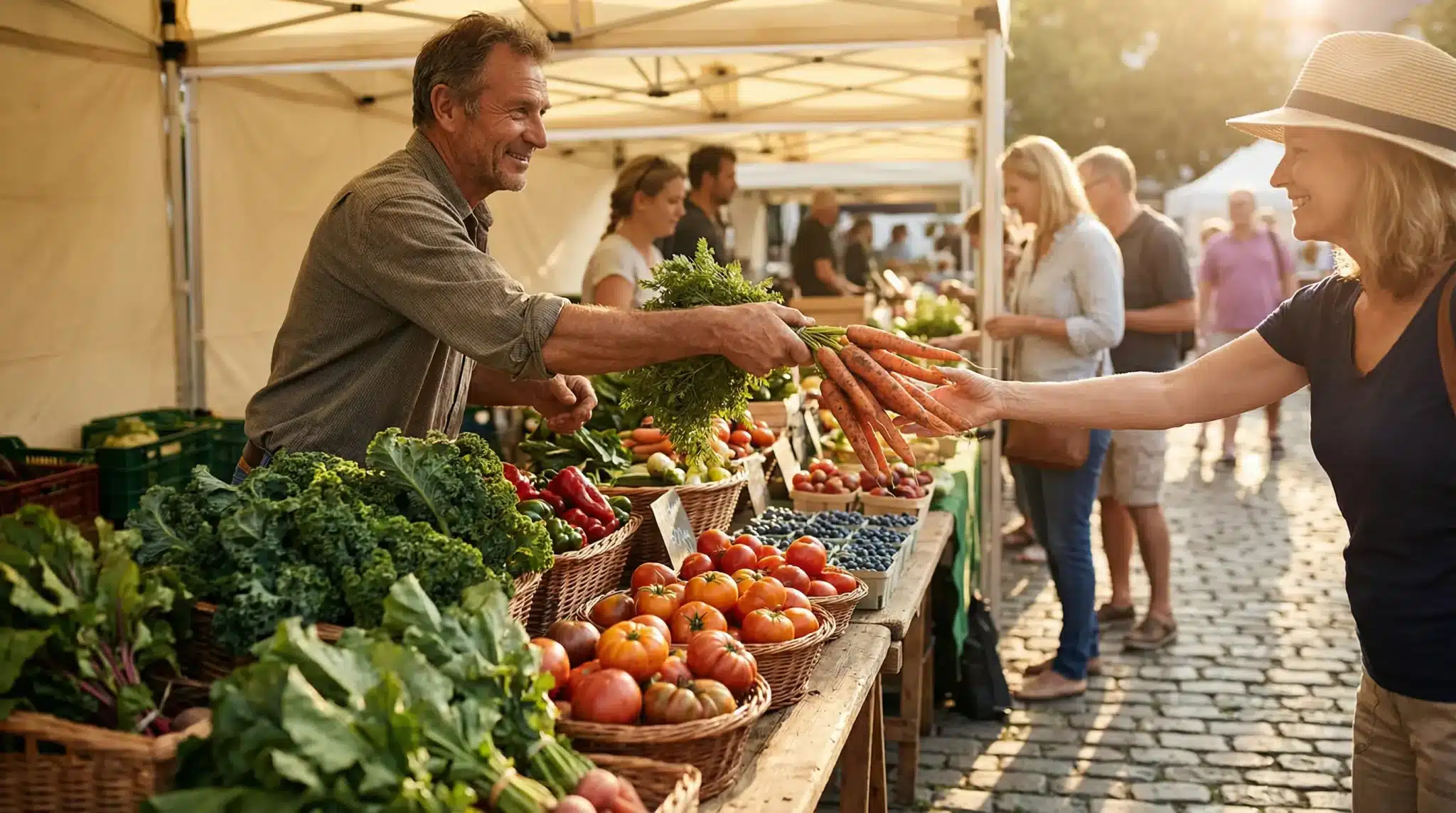
When you buy local, you are more likely to interact with the people behind the food. You might ask questions, have conversations, or exchange a few words. These small interactions create a sense of familiarity.
They bring a human element back into something that has become increasingly automated and impersonal. For many people, that connection is part of what makes the experience meaningful.
A Shift That Feels Personal
What makes this movement interesting is that it does not come from a single motivation.
People turn to local food for different reasons. Some are focused on health. Others care about sustainability. Others are drawn to the sense of community or the quality of the food itself.
But beneath all these reasons lies a shared desire. A desire for something more real.
Something more connected. Something that feels less distant and more grounded in everyday life.
Looking Ahead
It is difficult to predict exactly where this shift will lead. Local food systems still face real challenges, including accessibility, pricing, and scalability.
However, the growing interest suggests that something meaningful is happening. People are paying closer attention. They are asking more questions. They are making choices that reflect their values, not just convenience.
And that shift, more than anything else, is worth noticing.