If your garden has ever made a butterfly pause mid-flight, you already know how rewarding that tiny moment feels.
Butterflies are quiet but mighty pollinators, and the flowers you grow have everything to do with whether they visit once or stay all season.
They are naturally pulled toward bright, nectar-rich blooms in sunny spots, so even a small garden bed can become a full-on butterfly haven with the right plant choices.
And once you learn the difference between nectar plants that feed adult butterflies and host plants that support their eggs and caterpillars, you will be planting with a whole new purpose.
Ahead, you will find the flowers butterflies love most, plus simple design tips for creating a garden that truly comes alive.
Why Certain Flowers Attract Butterflies?
Butterflies are picky in the best way. They gravitate toward purple, pink, red, yellow, and orange blooms because those colors signal a good nectar source from a distance.
Beyond color, the shape of a flower matters more than most people realize.
Flat or clustered blooms give butterflies an easy place to land and feed without fighting for balance. And if you want consistent visitors all season, leaning toward plants with long blooming periods is the move.
The longer a flower stays open for business, the more generations of butterflies get to enjoy it throughout spring, summer, and fall.
Flowers That Attract Butterflies
Not every pretty flower pulls butterflies in, but these ones do it consistently and beautifully. Building a new garden or refreshing an existing one, these blooms are worth making room for.
1. Butterfly Bush
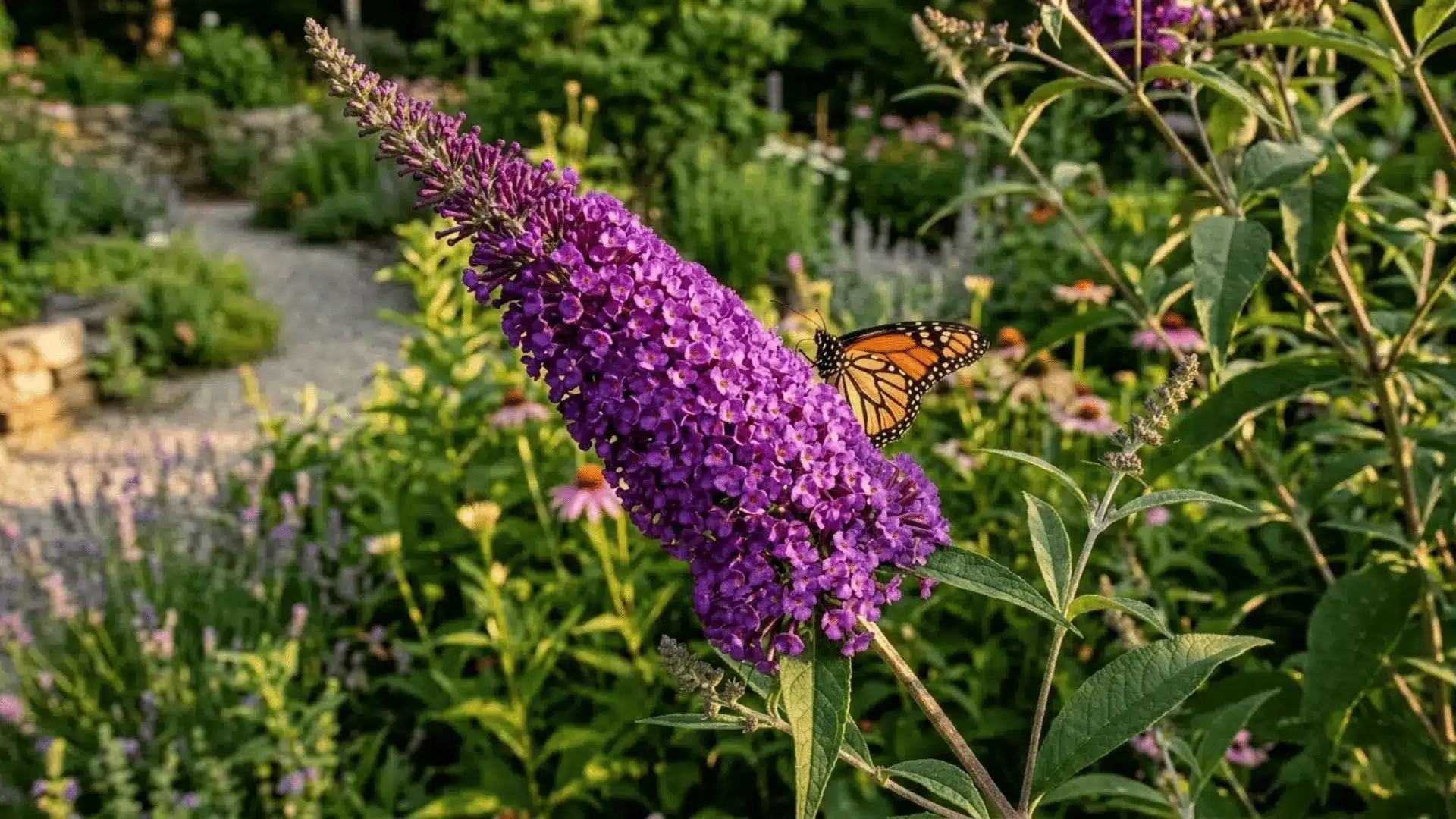
Bloom Period: Summer to fall
Nectar or Host: Nectar plant
Butterfly Species/Families Attracted: Swallowtails, monarchs, painted ladies, skippers
Aptly named and genuinely hard to beat, the butterfly bush produces long, fragrant clusters that butterflies flock to all season.
It comes in shades of purple, pink, white, and red, so it earns its garden space on looks alone. Just deadhead spent blooms regularly to keep the nectar coming and the butterflies returning.
2. Milkweed
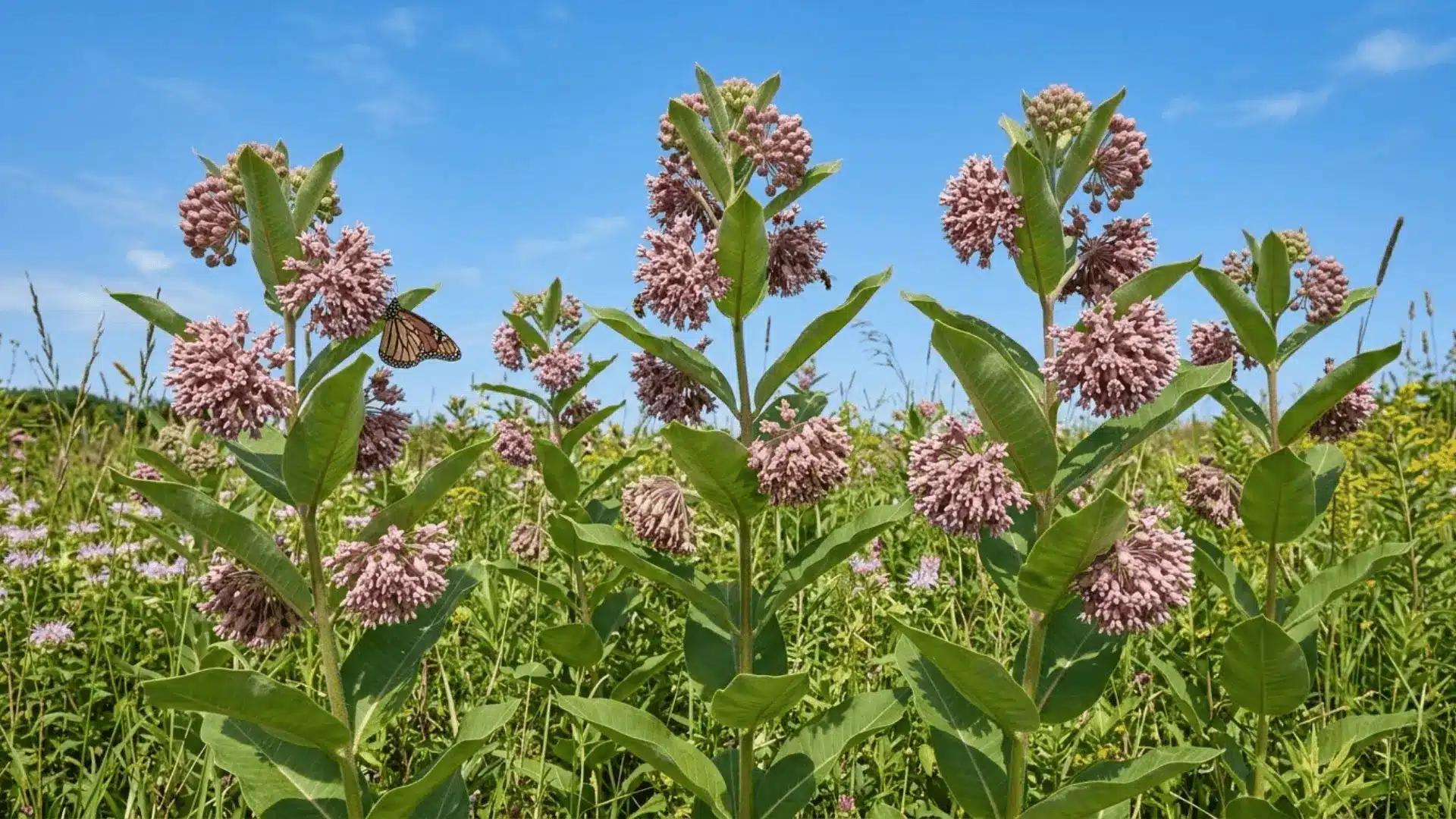
Bloom Period: Late spring to midsummer
Nectar or Host: Both
Butterfly Species/Families Attracted: Monarchs (primary host), swallowtails, fritillaries
Milkweed is non-negotiable if monarchs matter to you. It is the only plant monarch butterflies will lay their eggs on, making it a true lifeline for the species.
Beyond that, its sweet nectar draws in a wide variety of other butterflies, too. Growing milkweed is one of the most impactful things a home gardener can do for butterfly conservation.
3. Coneflower
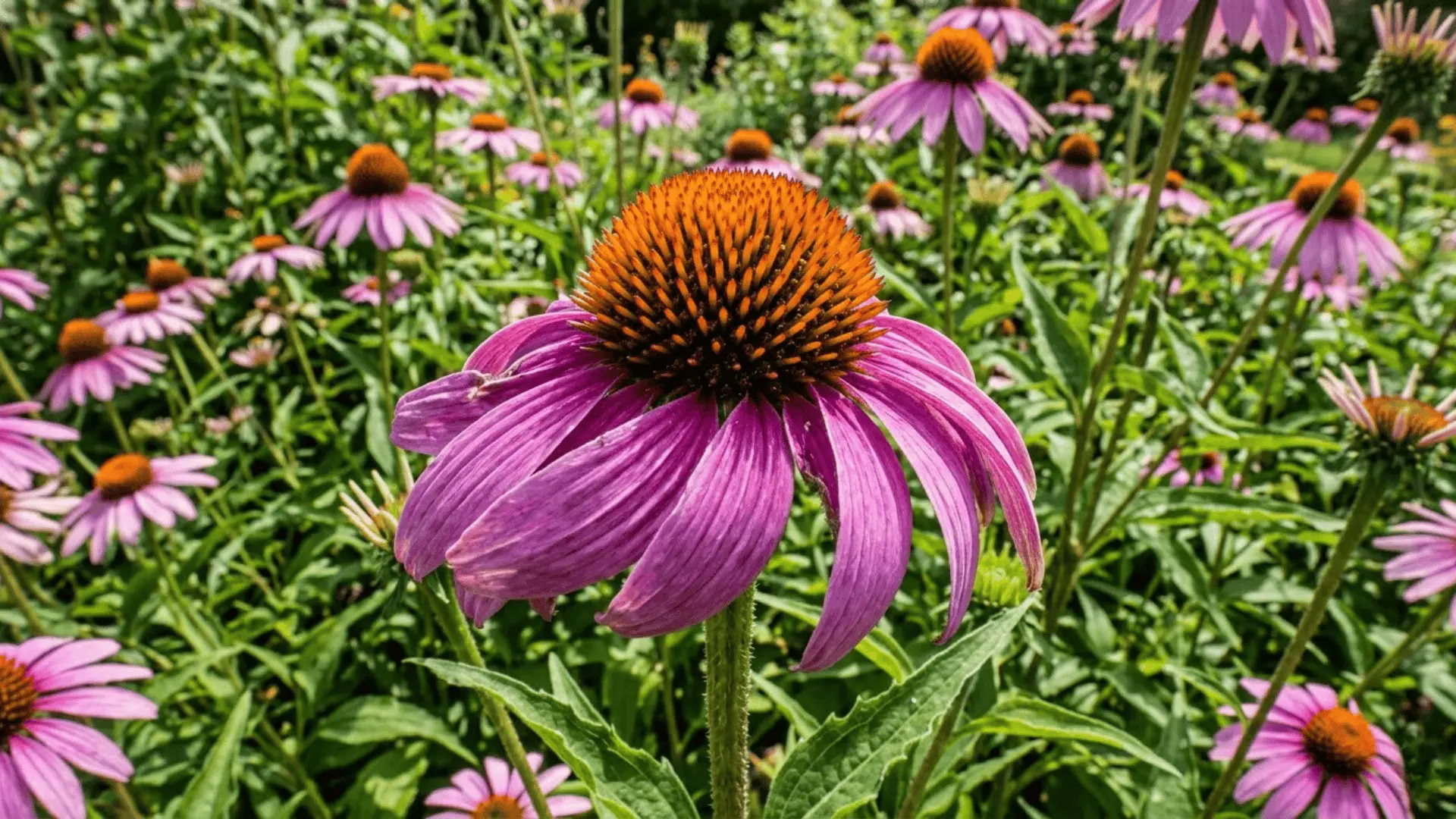
Bloom Period: Early summer to fall
Nectar or Host: Nectar plant
Butterfly Species/Families Attracted: Swallowtails, fritillaries, painted ladies, skippers
Coneflower is a garden workhorse that butterflies genuinely adore. Its wide, open blooms make landing easy, and the long bloom period means it stays useful well into fall.
It is also drought-tolerant and low-maintenance, which makes it a win for gardeners who want beauty without too much fuss.
4. Lantana
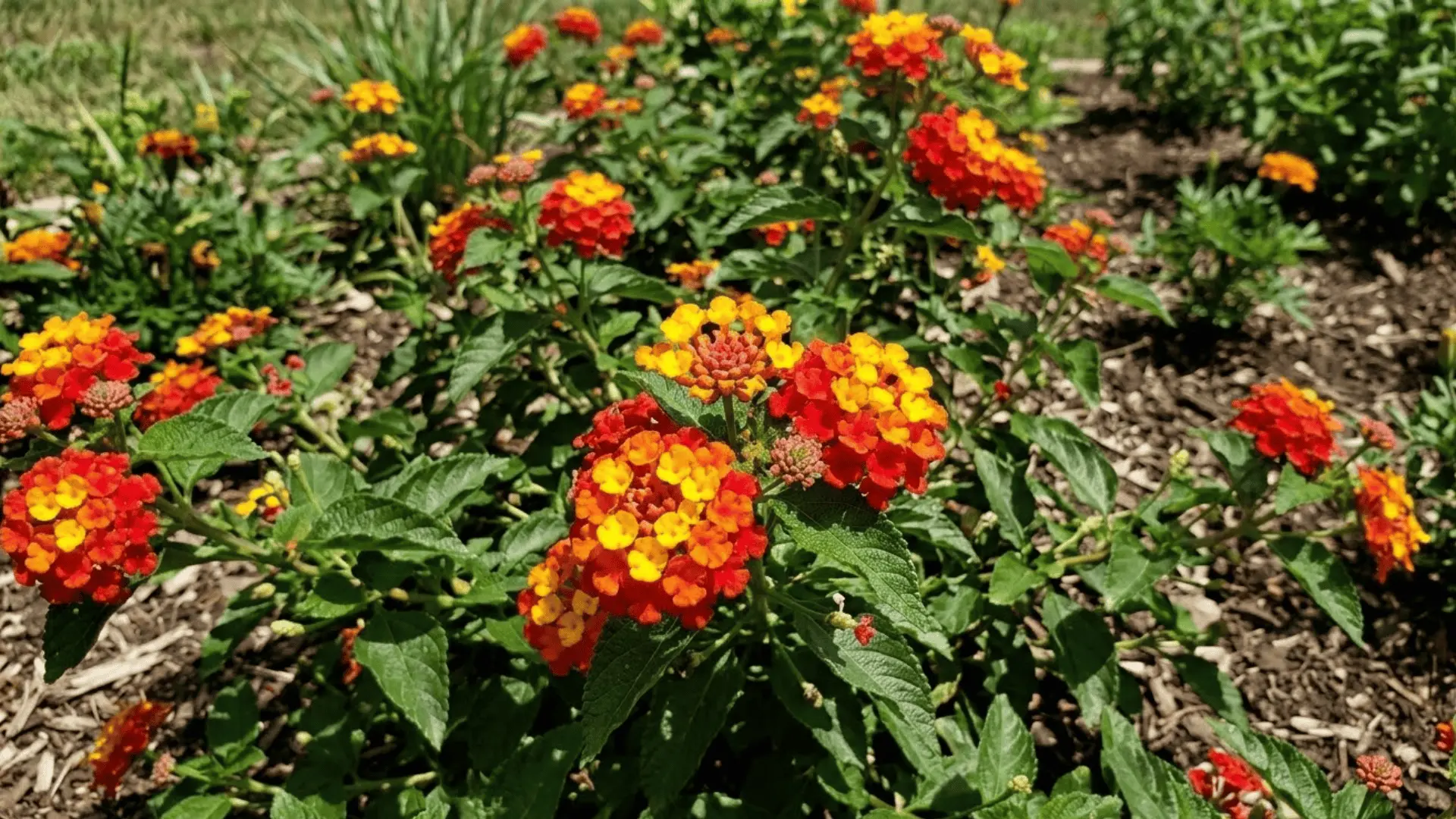
Bloom Period: Spring to first frost
Nectar or Host: Nectar plant
Butterfly Species/Families Attracted: Swallowtails, monarchs, skippers, Gulf fritillaries
Few flowers rival lantana when it comes to sheer butterfly traffic. The clustered blooms pack a lot of nectar into a small space, and the multicolor varieties seem to attract attention from every direction.
It loves full sun and heat, so the warmer and sunnier your garden spot, the better lantana will perform.
5. Zinnia
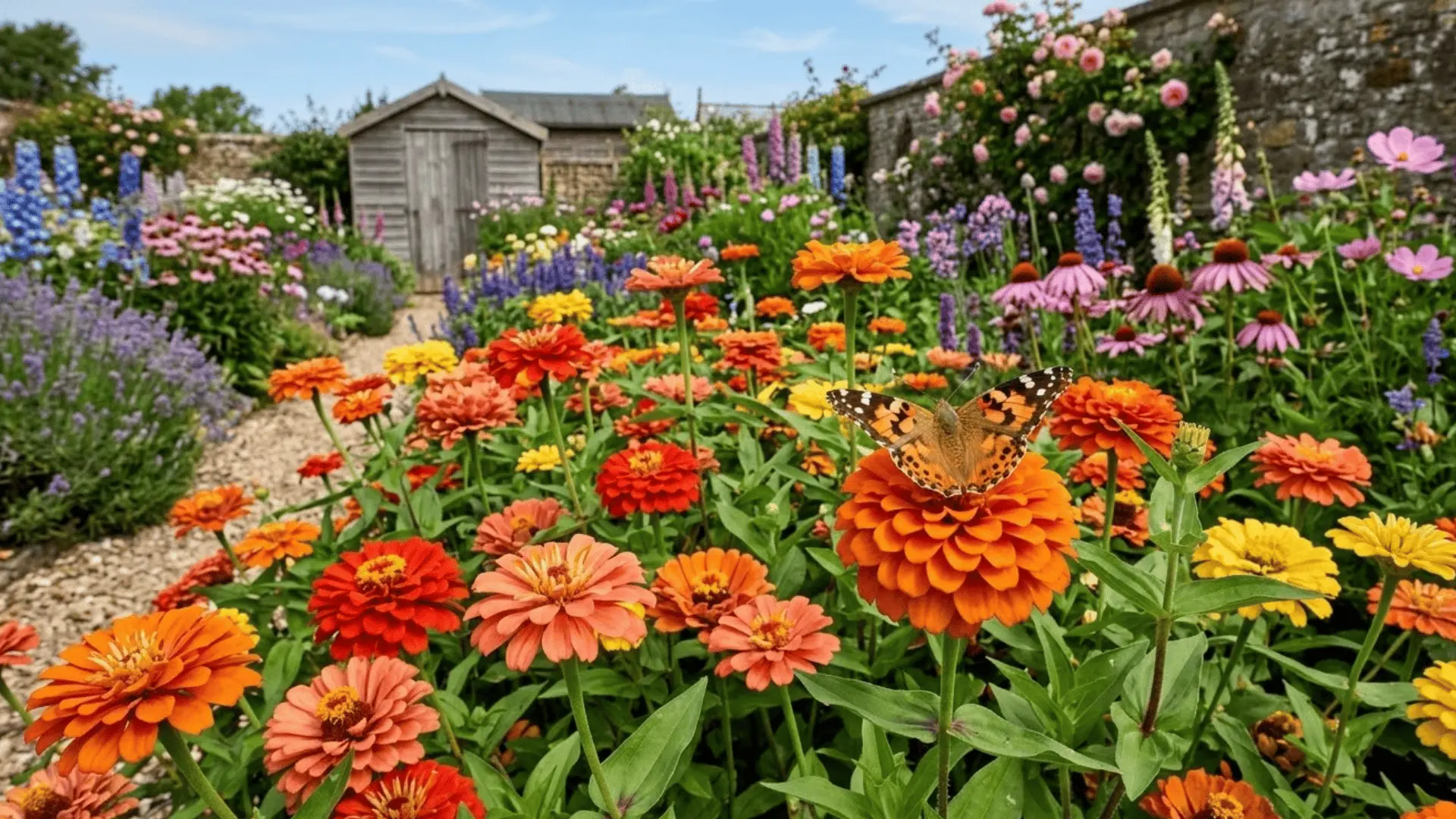
Bloom Period: Late spring to frost
Nectar or Host: Nectar plant
Butterfly Species/Families Attracted: Monarchs, swallowtails, painted ladies, skippers
Zinnias are the easiest butterfly flower you can grow, full stop. Directly sow the seeds, give them sun, and they practically take care of themselves while attracting a steady stream of visitors.
Their broad, flat blooms are ideal landing pads, and the bold colors, especially orange, red, and pink, are irresistible to passing butterflies.
6. Black-Eyed Susan
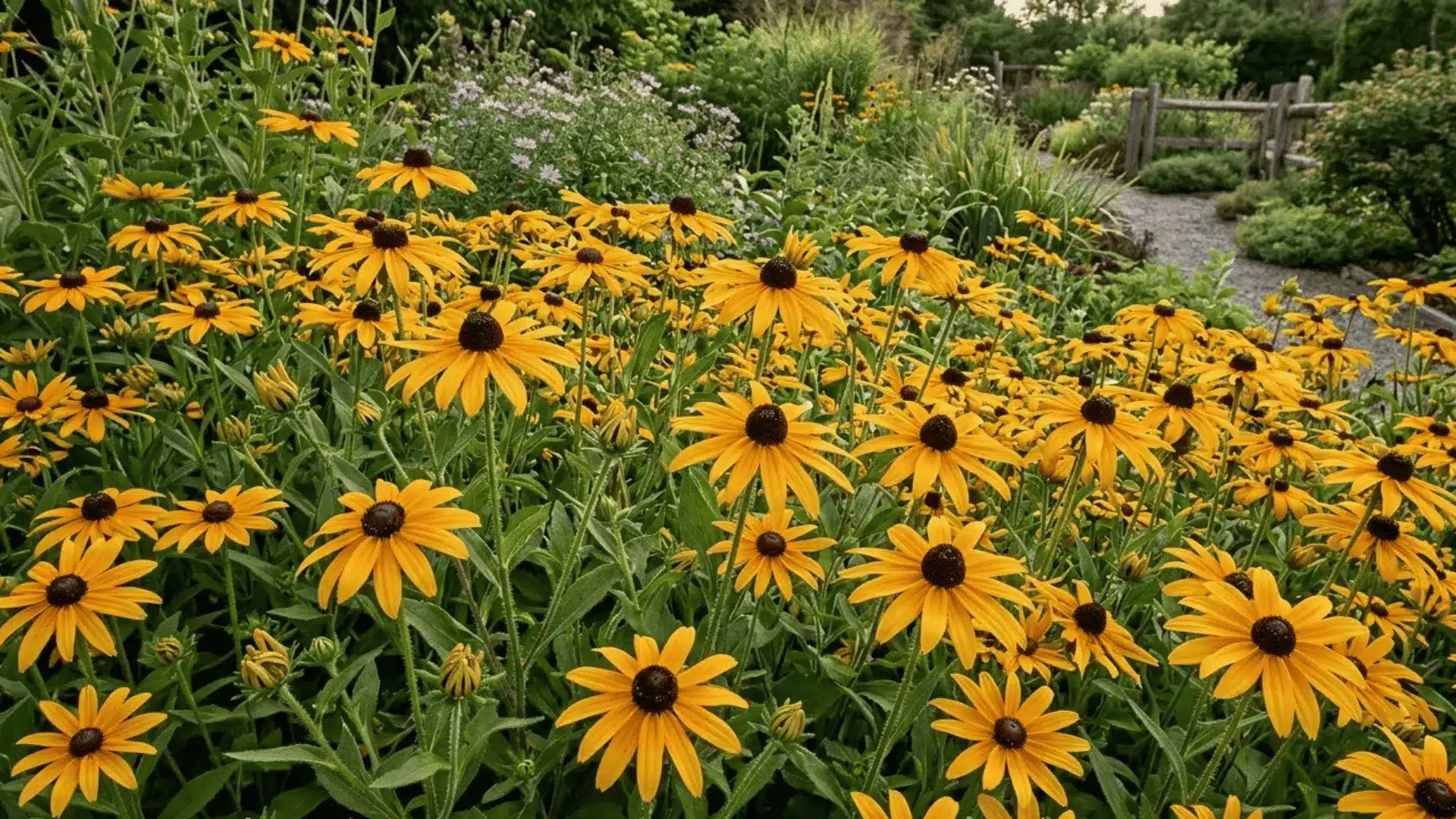
Bloom Period: Midsummer to fall
Nectar or Host: Nectar plant
Butterfly Species/Families Attracted: Fritillaries, skippers, painted ladies, swallowtails
Black-eyed Susans bring that warm, golden energy to a garden while quietly doing a lot of pollinator work behind the scenes. They are tough, reliable perennials that spread naturally over time, filling out beds with minimal effort.
Butterflies love the open, daisy-like blooms, and the late-season timing makes them especially valuable when other flowers start fading.
7. Lavender
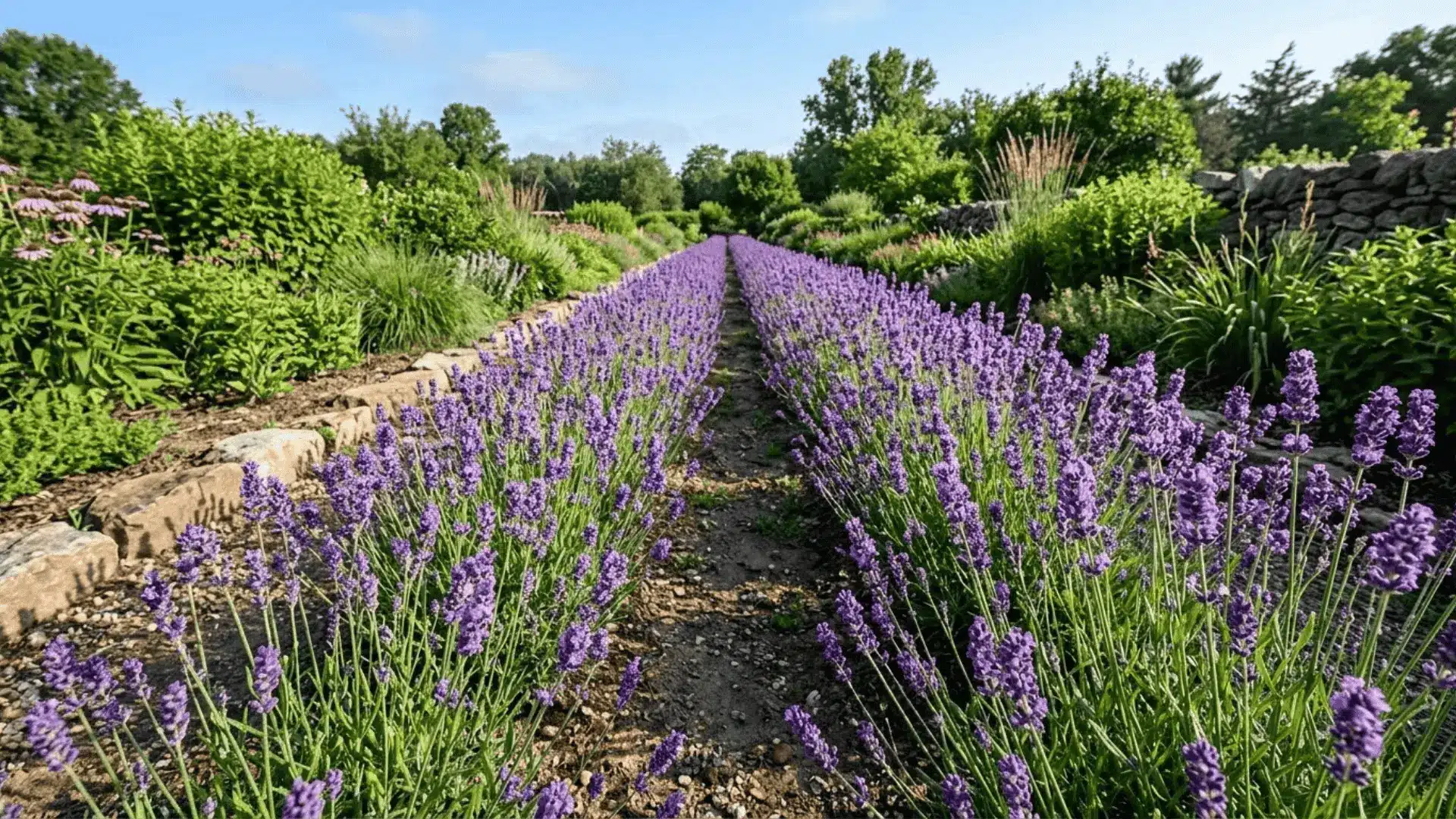
Bloom Period: Late spring to midsummer
Nectar or Host: Nectar plant
Butterfly Species/Families Attracted: Swallowtails, skippers, cabbage whites, painted ladies
Lavender offers fragrance, structure, and pollinator appeal. Its purple flower spikes attract butterflies that favor smaller, tubular blooms, and its scent acts as a natural beacon.
Plant it along borders or pathways where the fragrance can be appreciated up close, and butterflies will find it on their own.
8. Phlox
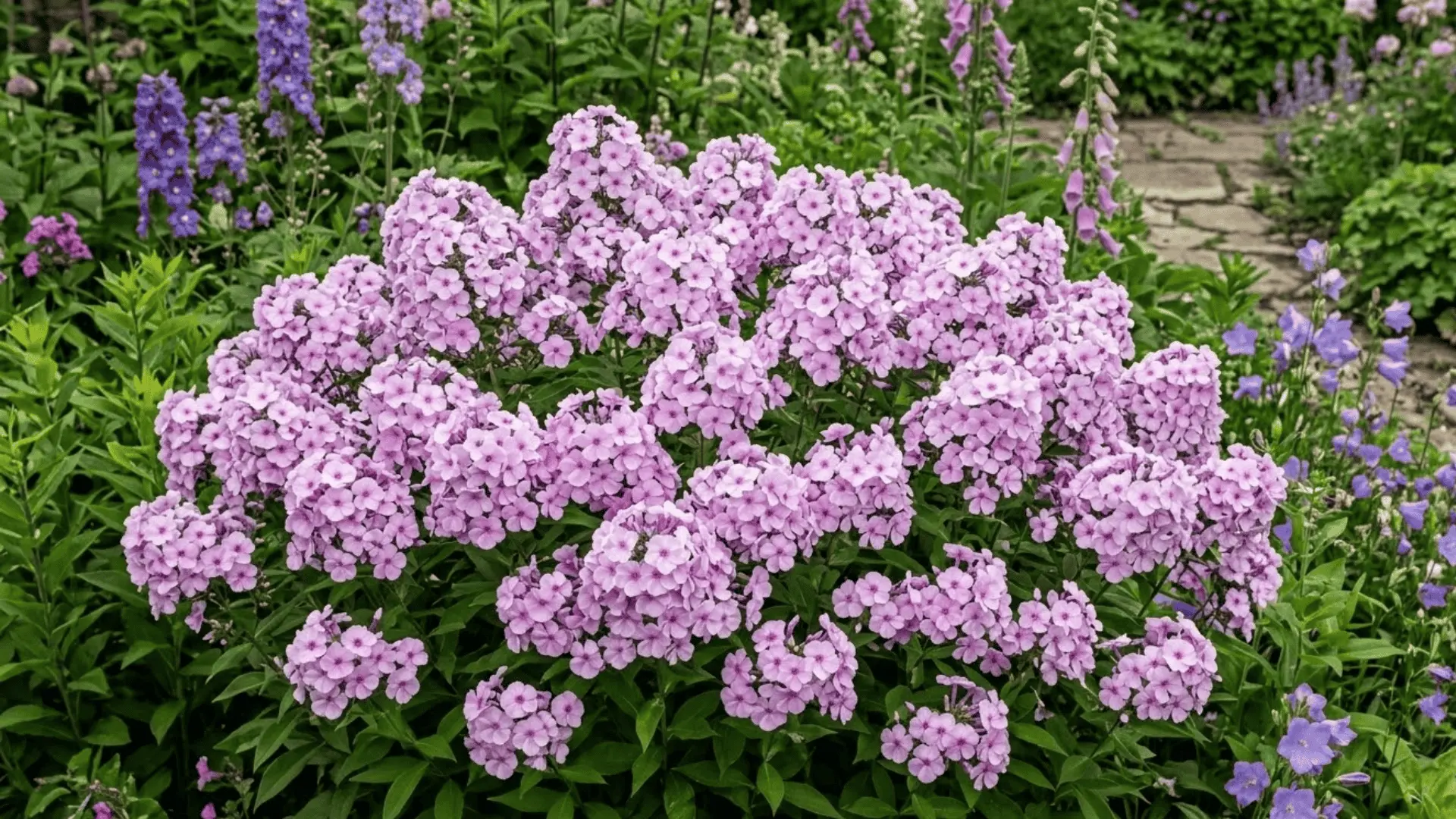
Bloom Period: Summer to early fall
Nectar or Host: Nectar plant
Butterfly Species/Families Attracted: Swallowtails, hummingbird moths, painted ladies
Phlox is one of those quietly beautiful plants that earns its place without demanding much attention. The dense, fragrant flower clusters sit at just the right height for butterflies to feed comfortably.
It works beautifully as a border plant or as filler between taller garden specimens, and the soft pink and purple varieties blend effortlessly into almost any garden palette.
9. Bee Balm
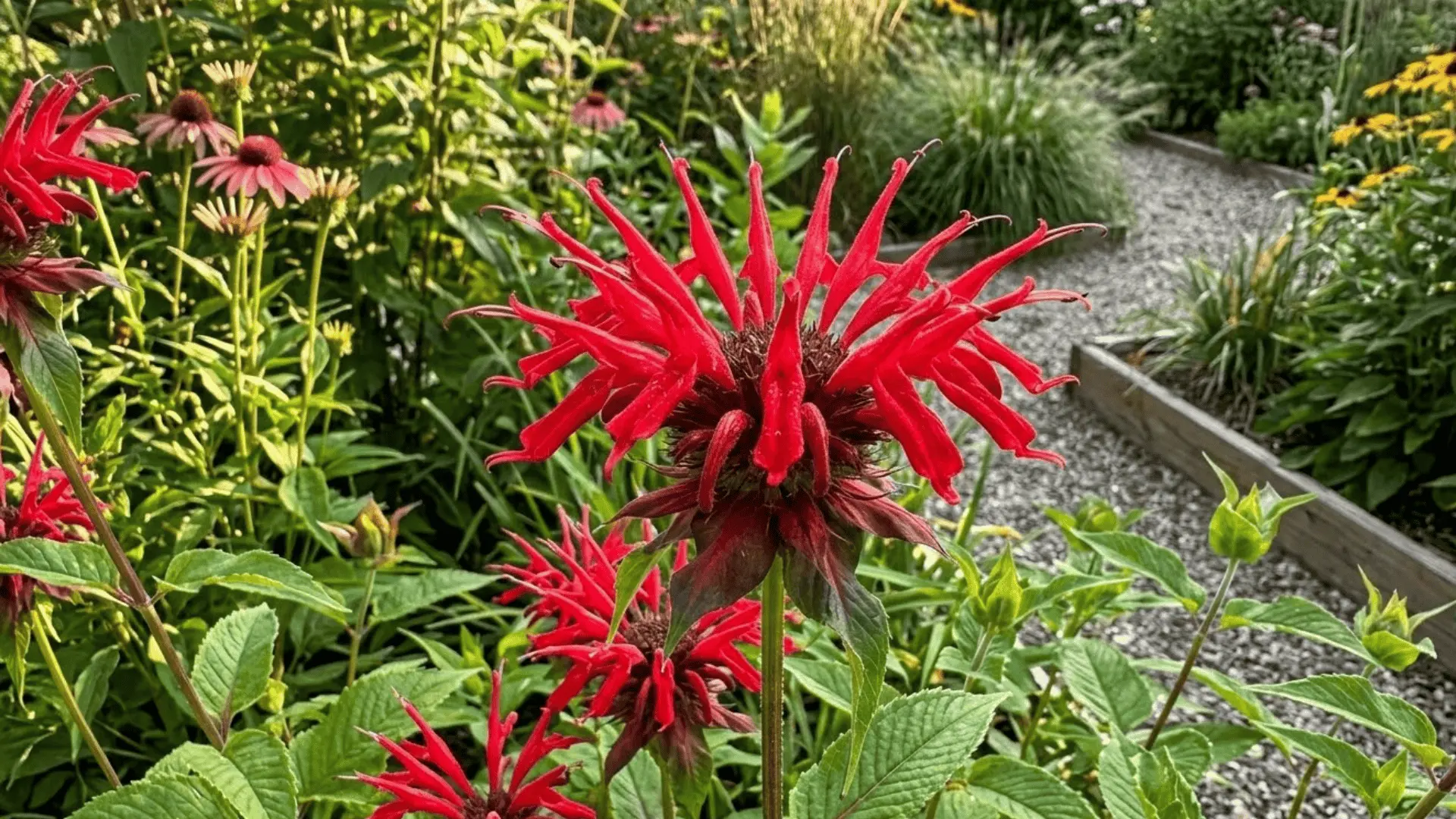
Bloom Period: Midsummer to late summer
Nectar or Host: Nectar plant
Butterfly Species/Families Attracted: Swallowtails, fritillaries, skippers, hummingbirds
Also known as wild bergamot, bee balm has a wild, textured look that feels right at home in cottage and naturalistic gardens.
The shaggy blooms are rich in nectar and attract butterflies alongside hummingbirds, making it a true multi-tasker. It spreads readily, so give it room to roam or divide it every few years to keep it tidy.
10. Aster
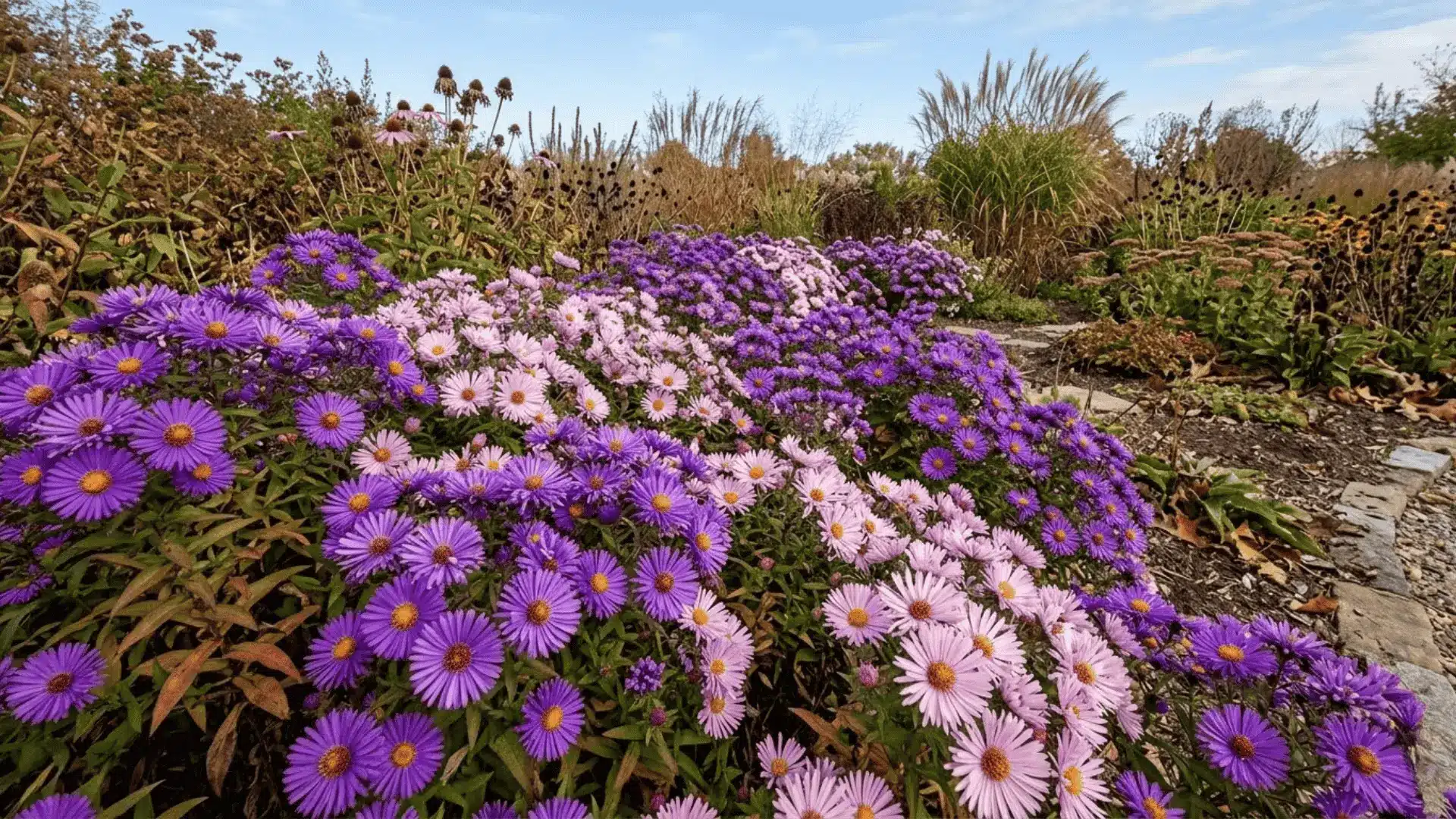
Bloom Period: Late summer to fall
Nectar or Host: Nectar plant
Butterfly Species/Families Attracted: Monarchs, painted ladies, skippers, sulphurs
Asters are one of the most important fall flowers you can grow for butterflies. As most garden blooms wind down, asters open up and provide a critical nectar source for butterflies preparing for migration or overwintering.
The daisy-like purple and pink flowers are cheerful and abundant, and they pair beautifully with goldenrod for a late-season pollinator display.
11. Verbena
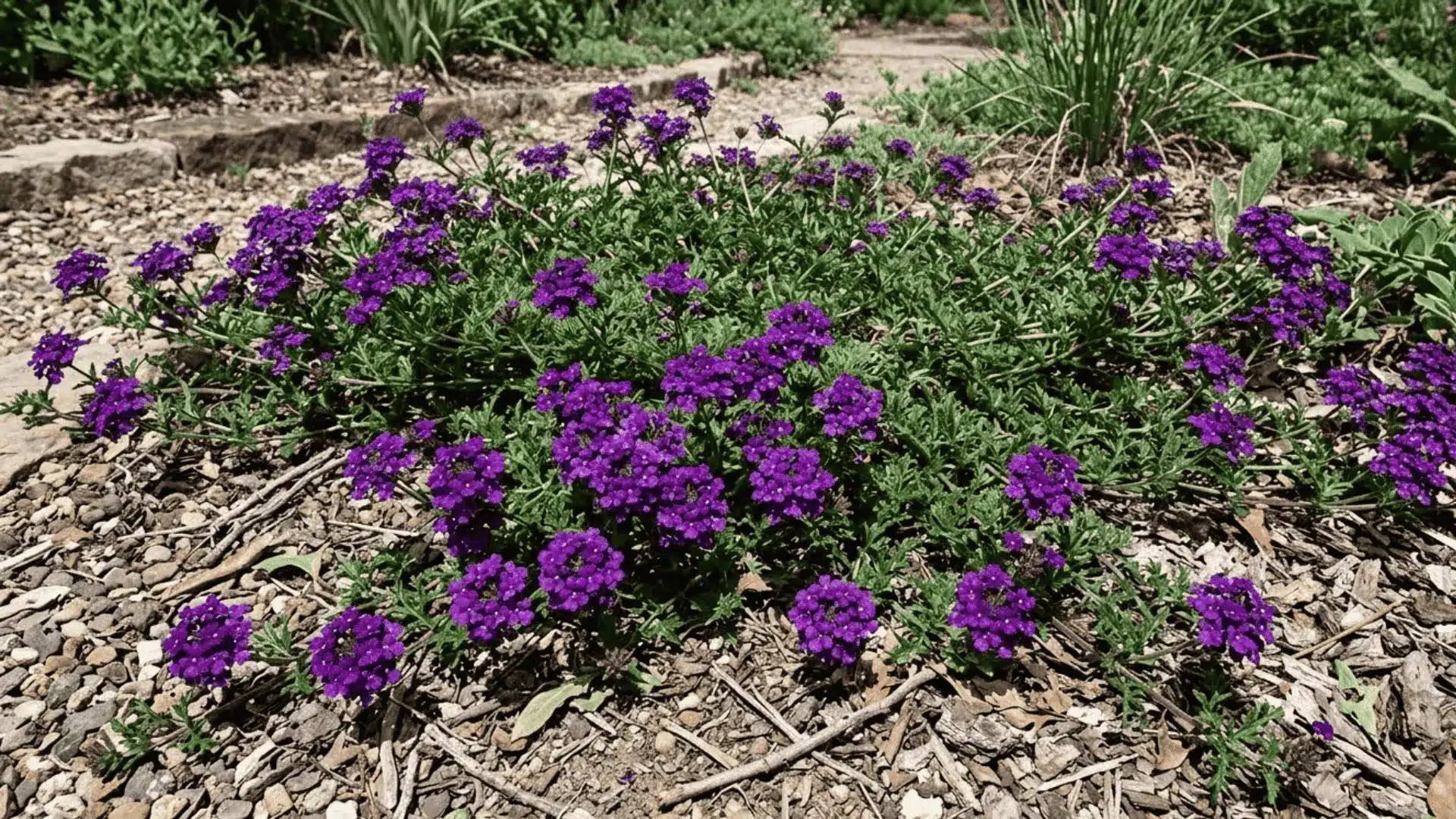
Bloom Period: Spring to frost
Nectar or Host: Nectar plant
Butterfly Species/Families Attracted: Swallowtails, skippers, painted ladies, Gulf fritillaries
Verbena is a go-to for gardeners who want long-lasting color with minimal upkeep. It is drought-tolerant, sun-loving, and produces clusters of tiny flowers that butterflies find incredibly appealing.
The low, spreading habit makes it ideal for garden edges, containers, or cascading over raised beds, and it stays in bloom reliably for months with very little encouragement.
12. Cosmos
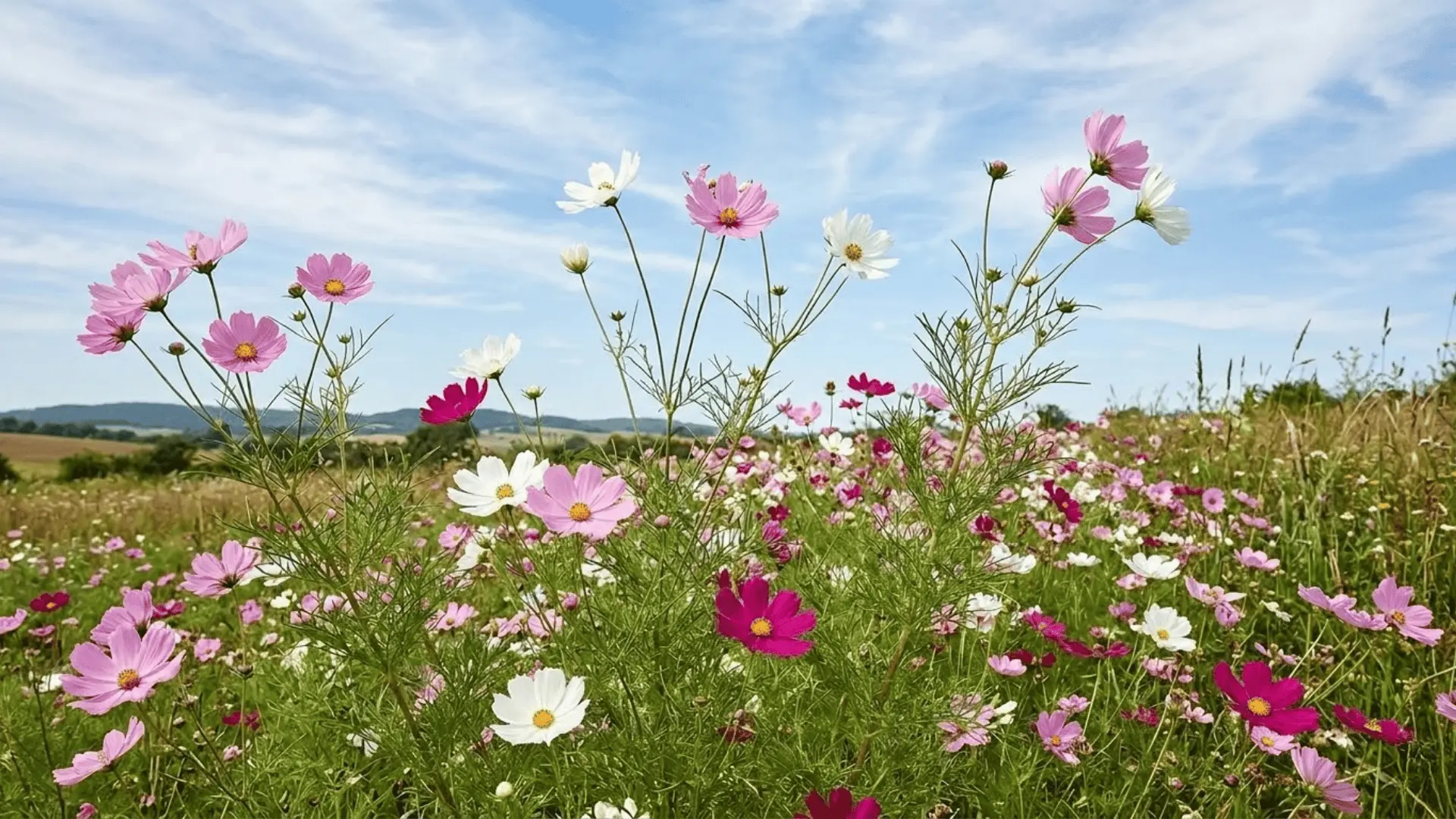
Bloom Period: Summer to frost
Nectar or Host: Nectar plant
Butterfly Species/Families Attracted: Painted ladies, swallowtails, skippers, sulphurs
Cosmos has a light, breezy quality that makes a garden feel effortlessly whimsical. The delicate petals and feathery foliage sway beautifully in the breeze, and butterflies seem drawn to the open blooms for easy nectar access.
It is a fast-growing annual that fills space quickly, blooms abundantly, and self-seeds readily, so it tends to come back year after year on its own.
13. Sunflower
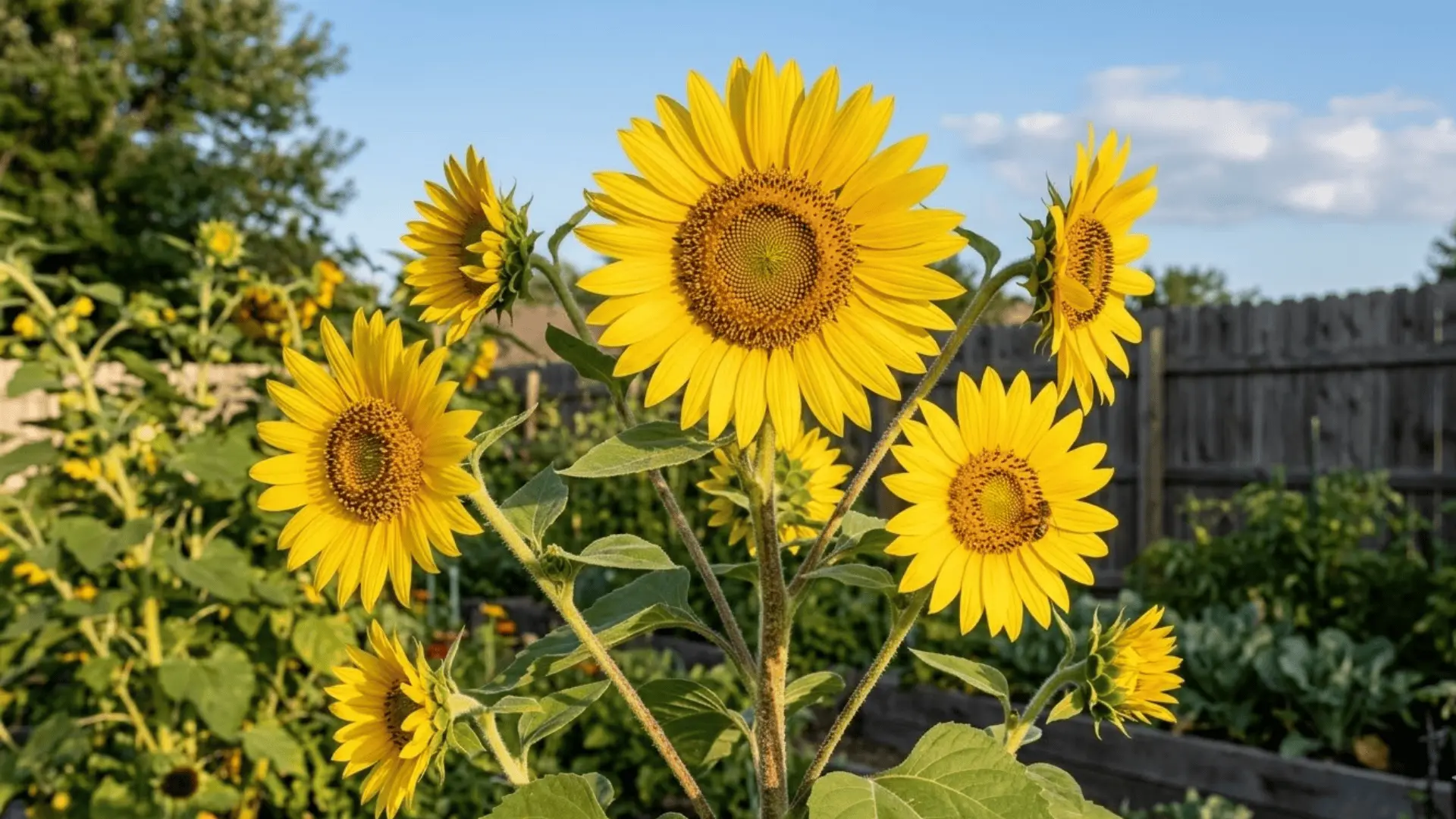
Bloom Period: Midsummer to fall
Nectar or Host: Nectar plant
Butterfly Species/Families Attracted: Painted ladies, skippers, monarchs, fritillaries
Sunflowers are bold, cheerful, and surprisingly good butterfly plants. The large, open faces give butterflies a generous landing and feeding surface, and the pollen-rich centers attract a wide variety of species.
Smaller, multi-headed varieties tend to attract more butterfly activity than the classic giant single-stem types, simply because they offer more blooms at once.
14. Goldenrod
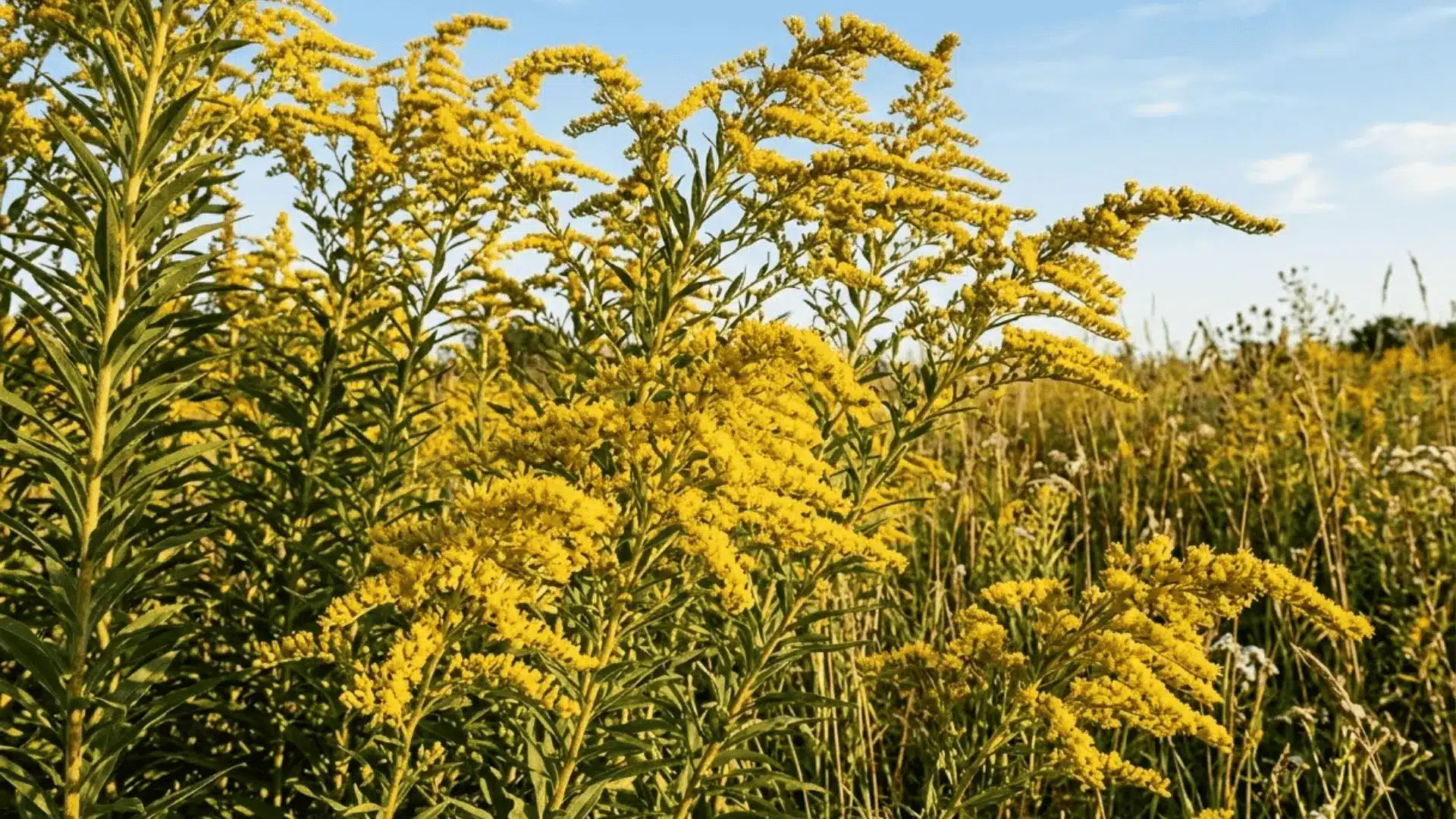
Bloom Period: Late summer to fall
Nectar or Host: Nectar plant
Butterfly Species/Families Attracted: Monarchs, painted ladies, skippers, sulphurs
Goldenrod has a bit of an unfair reputation as a garden weed, but it is genuinely one of the most valuable late-season butterfly plants you can grow.
The feathery yellow plumes are packed with nectar right when butterflies need it most, before fall migration. Plant it alongside asters for a stunning and ecologically rich autumn combination.
15. Yarrow
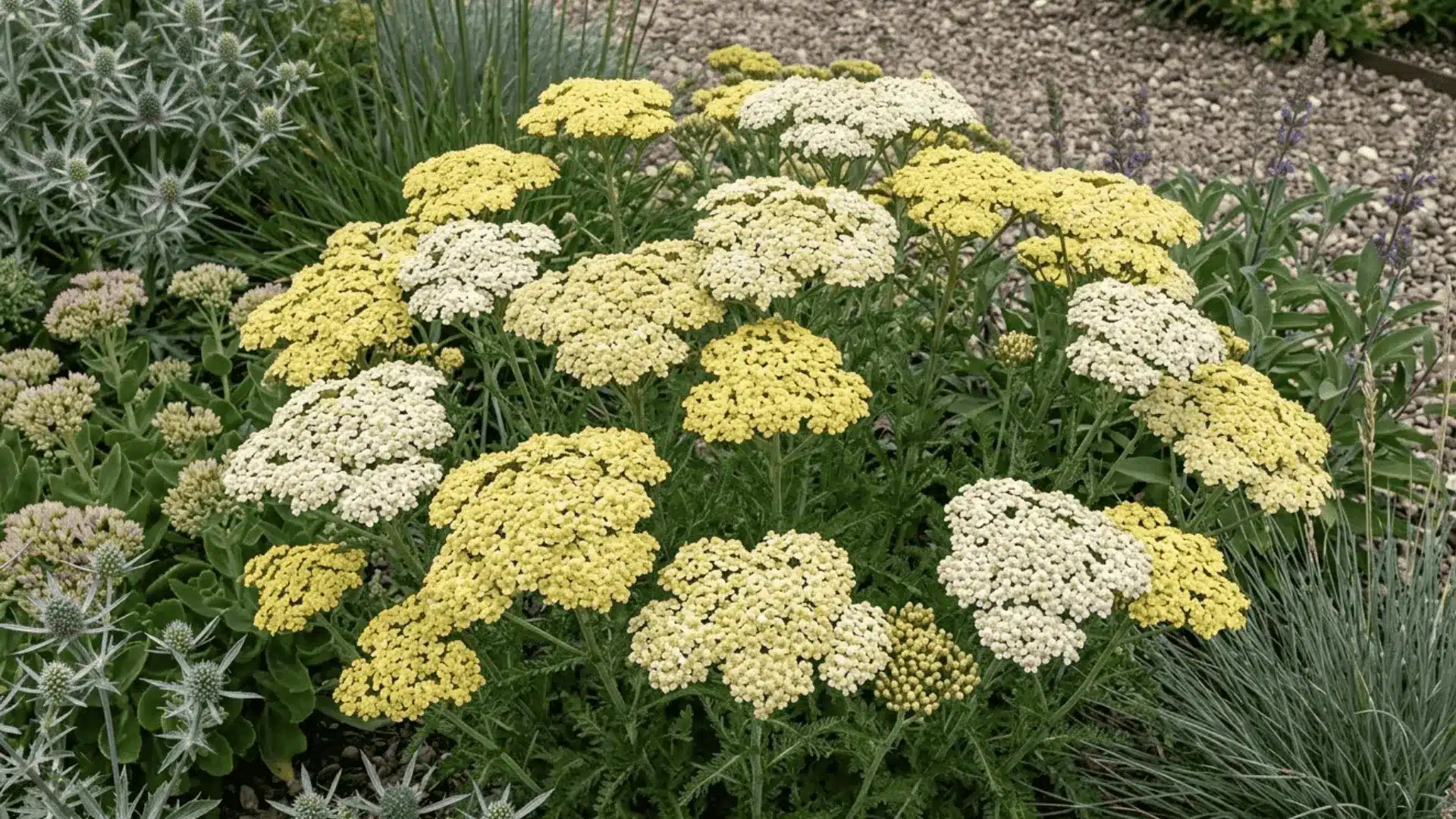
Bloom Period: Late spring to early fall
Nectar or Host: Nectar plant
Butterfly Species/Families Attracted: Swallowtails, skippers, painted ladies, hairstreaks
Yarrow’s flat-topped flower clusters serve as landing pads for butterflies. Their broad, stable surface aids feeding, especially for smaller species, and the long blooming period keeps it relevant throughout much of the season.
It is also one of the toughest garden perennials around, tolerating poor soil, drought, and neglect with quiet resilience.
16. Joe-Pye Weed
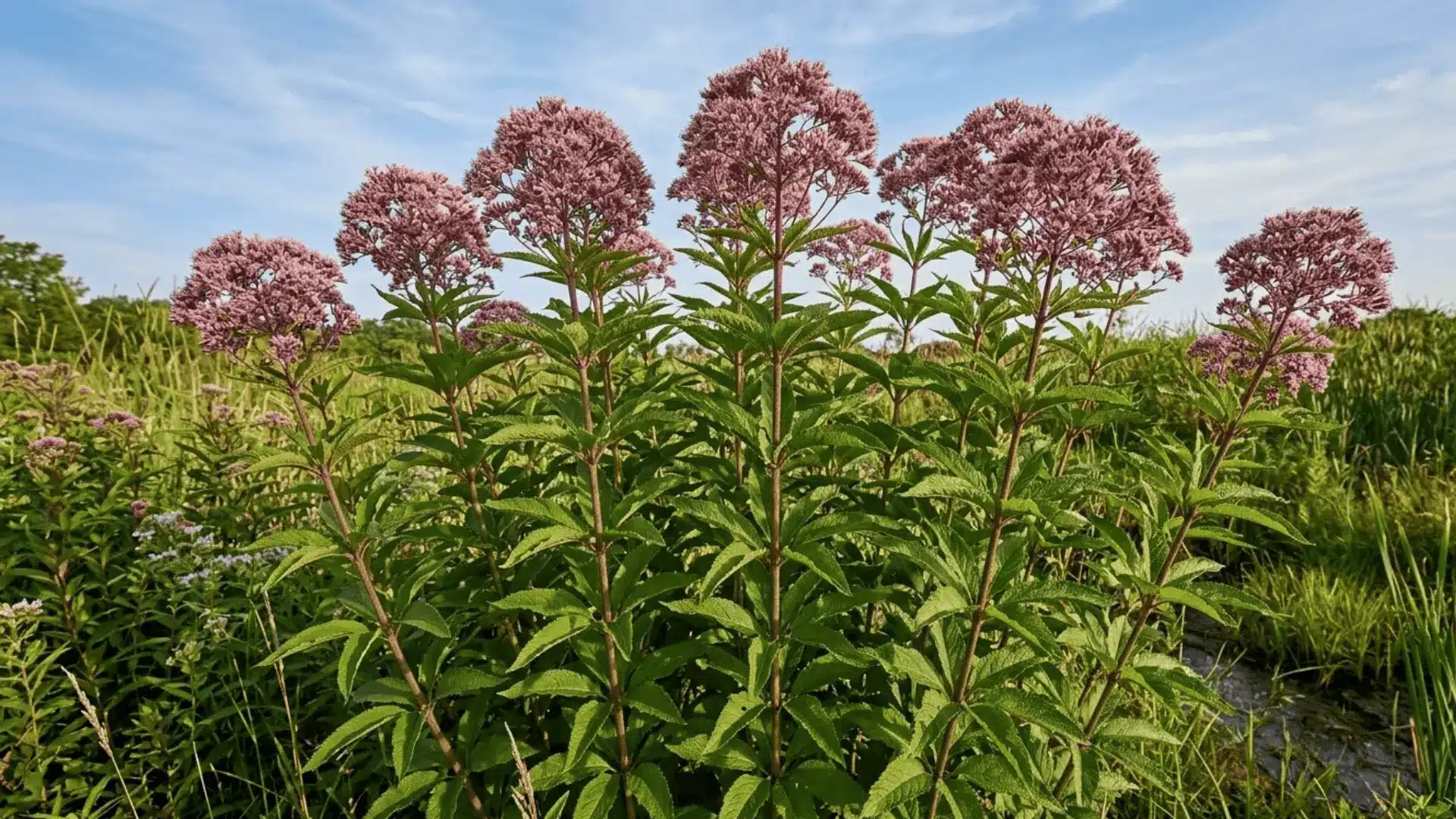
Bloom Period: Midsummer to early fall
Nectar or Host: Nectar plant
Butterfly Species/Families Attracted: Swallowtails, monarchs, fritillaries, skippers
Joe-Pye weed is a native giant that earns every inch of the space it takes up. The tall, mauve-pink flower clusters are a serious nectar source and tend to attract large, showy butterfly species in impressive numbers.
It thrives in moist, sunny spots and works beautifully at the back of a border where its height becomes a real statement.
17. Blazing Star
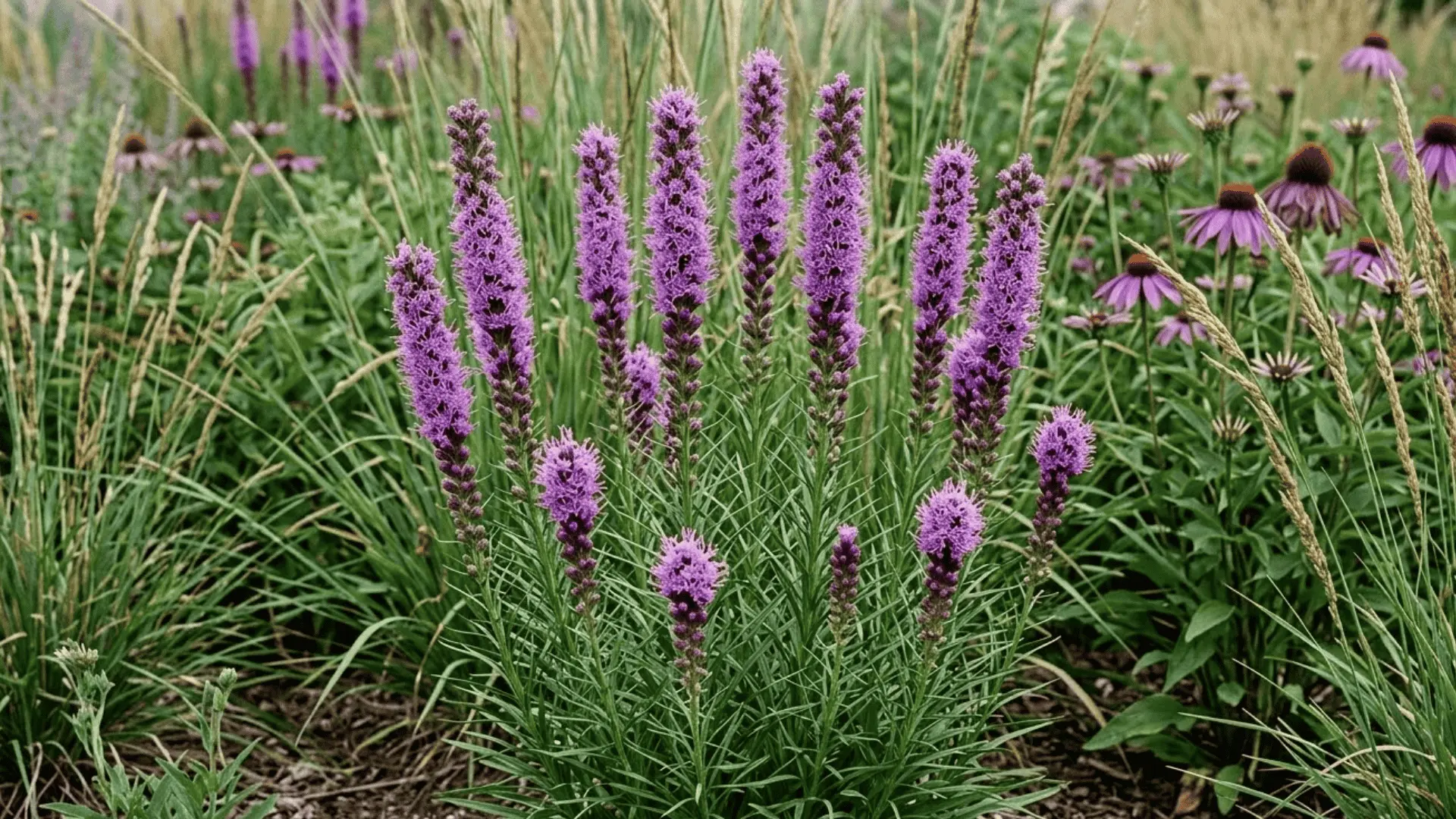
Bloom Period: Midsummer to fall
Nectar or Host: Nectar plant
Butterfly Species/Families Attracted: Monarchs, swallowtails, fritillaries, skippers
Blazing star, or liatris, is a native prairie plant with tall purple spikes that bloom from the top down, creating striking vertical interest. Butterflies move down the stems as the season progresses.
It is drought-tolerant once established and pairs especially well with coneflowers and black-eyed Susans.
18. Coreopsis
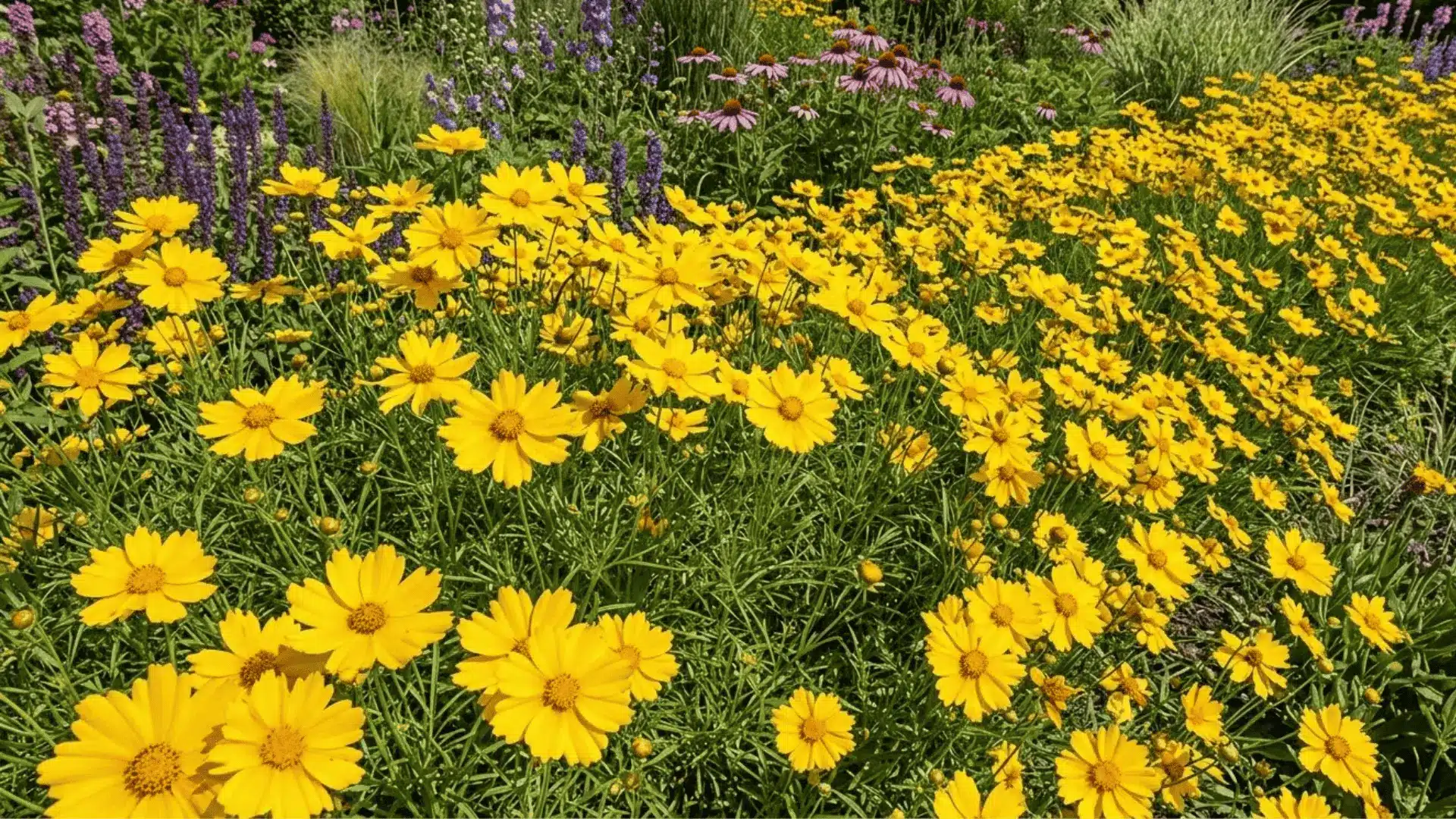
Bloom Period: Early summer to fall
Nectar or Host: Nectar plant
Butterfly Species/Families Attracted: Skippers, sulphurs, painted ladies, swallowtails
Coreopsis is one of the sunniest, most cheerful flowers in a butterfly garden. The bright yellow, daisy-like blooms are produced in generous quantities over a very long season, and butterflies visit them consistently.
It is a tough, adaptable perennial that handles heat and dry conditions without complaint, making it especially useful in gardens that do not get a lot of supplemental water.
19. Salvia
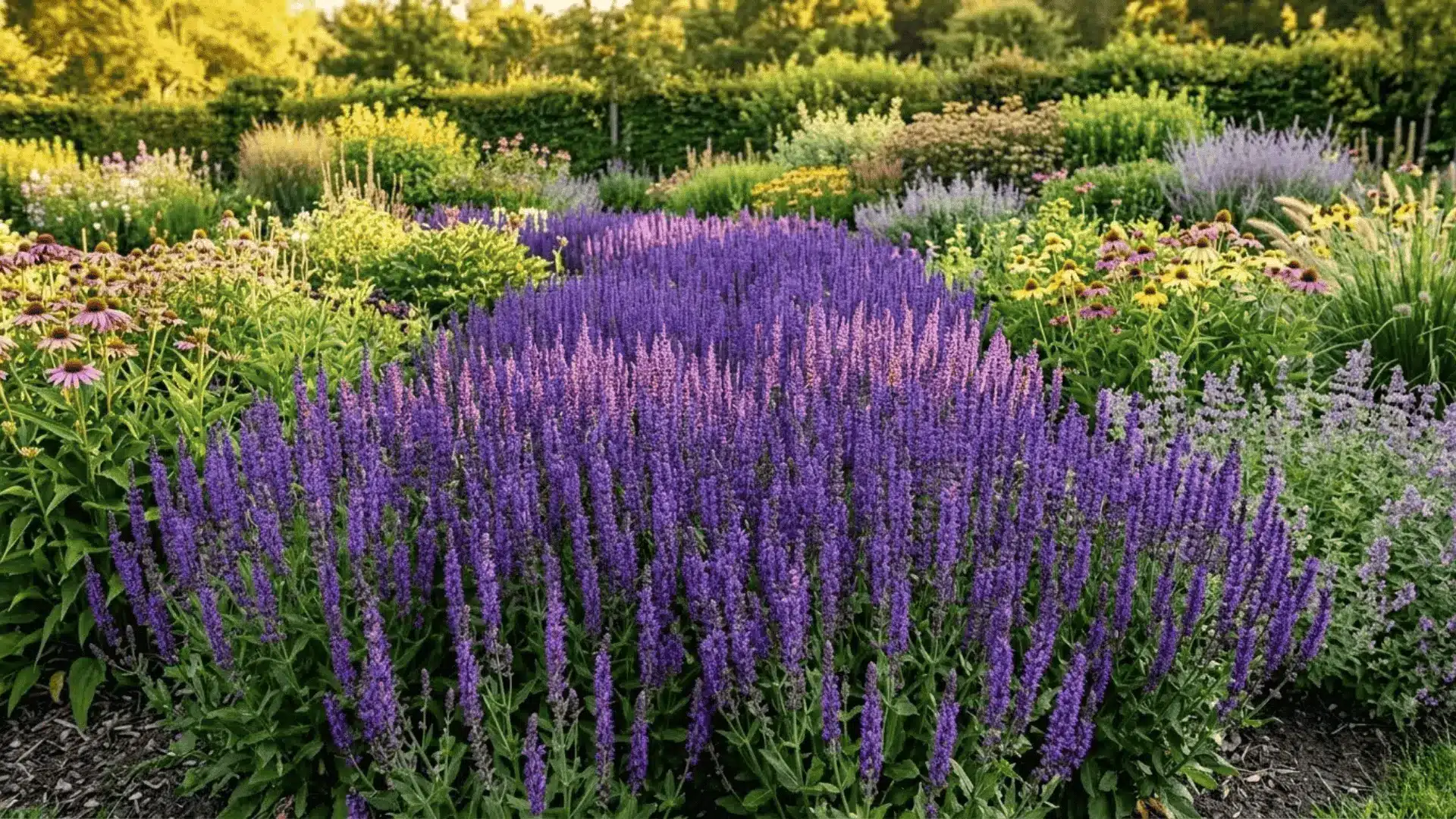
Bloom Period: Late spring to frost
Nectar or Host: Nectar plant
Butterfly Species/Families Attracted: Swallowtails, skippers, hummingbirds, painted ladies
Salvia is essential in butterfly gardens worldwide. Its tall spikes of tubular flowers attract butterflies and hummingbirds, with purple and red varieties especially appealing to pollinators.
It blooms for an exceptionally long season, handles heat beautifully, and comes in both annual and perennial forms depending on your growing zone.
20. Pentas
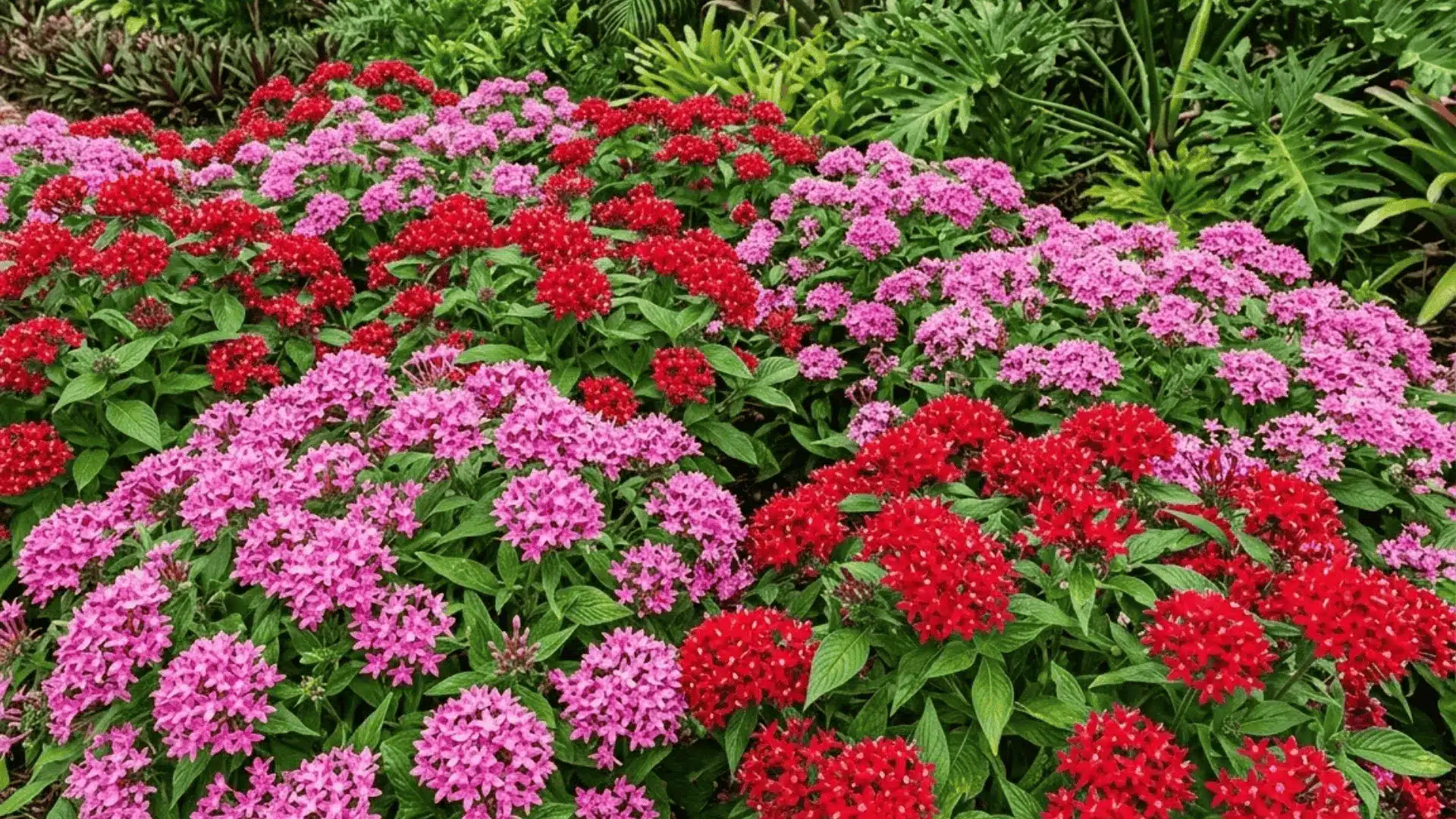
Bloom Period: Spring to frost
Nectar or Host: Nectar plant
Butterfly Species/Families Attracted: Swallowtails, skippers, gulf fritillaries, monarchs
Pentas is a tropical annual thriving in heat and humidity, ideal for warm-climate gardens. Its star-shaped flowers in red, pink, white, or lavender form rounded clusters, attracting butterflies throughout the day.
It works wonderfully in containers, window boxes, or as a front-of-border annual that blooms right up until frost.
21. Sedum
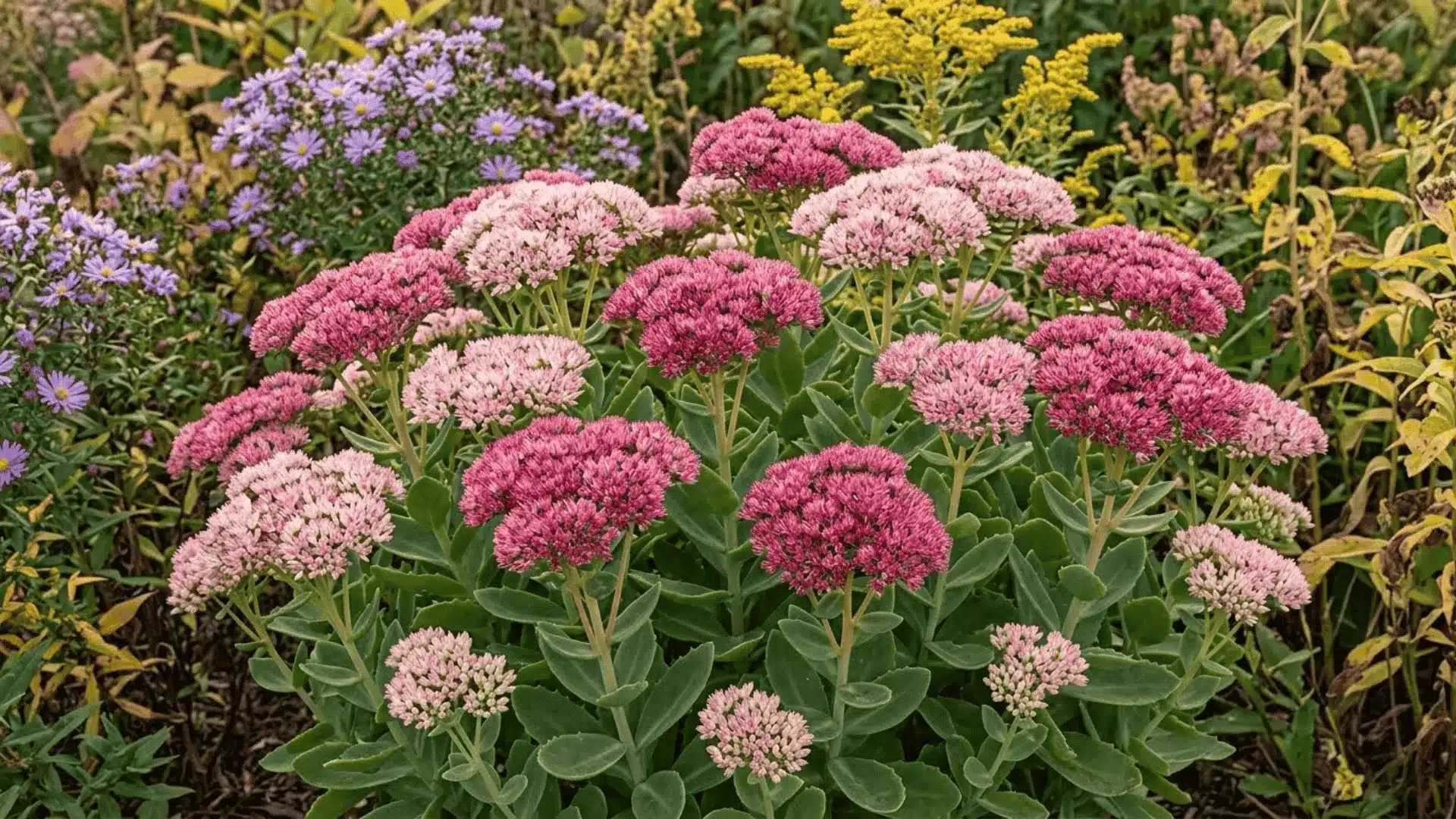
Bloom Period: Late summer to fall
Nectar or Host: Nectar plant
Butterfly Species/Families Attracted: Painted ladies, skippers, sulphurs, monarchs
Sedum, particularly the taller upright varieties, is one of the best-kept secrets in butterfly gardening. The flower heads change from pale pink to deep rose as the season progresses, attracting many butterflies in late summer and fall.
It is drought-tolerant, architectural, and looks beautiful even after the blooms fade, carrying visual interest well into winter.
22. Marigold
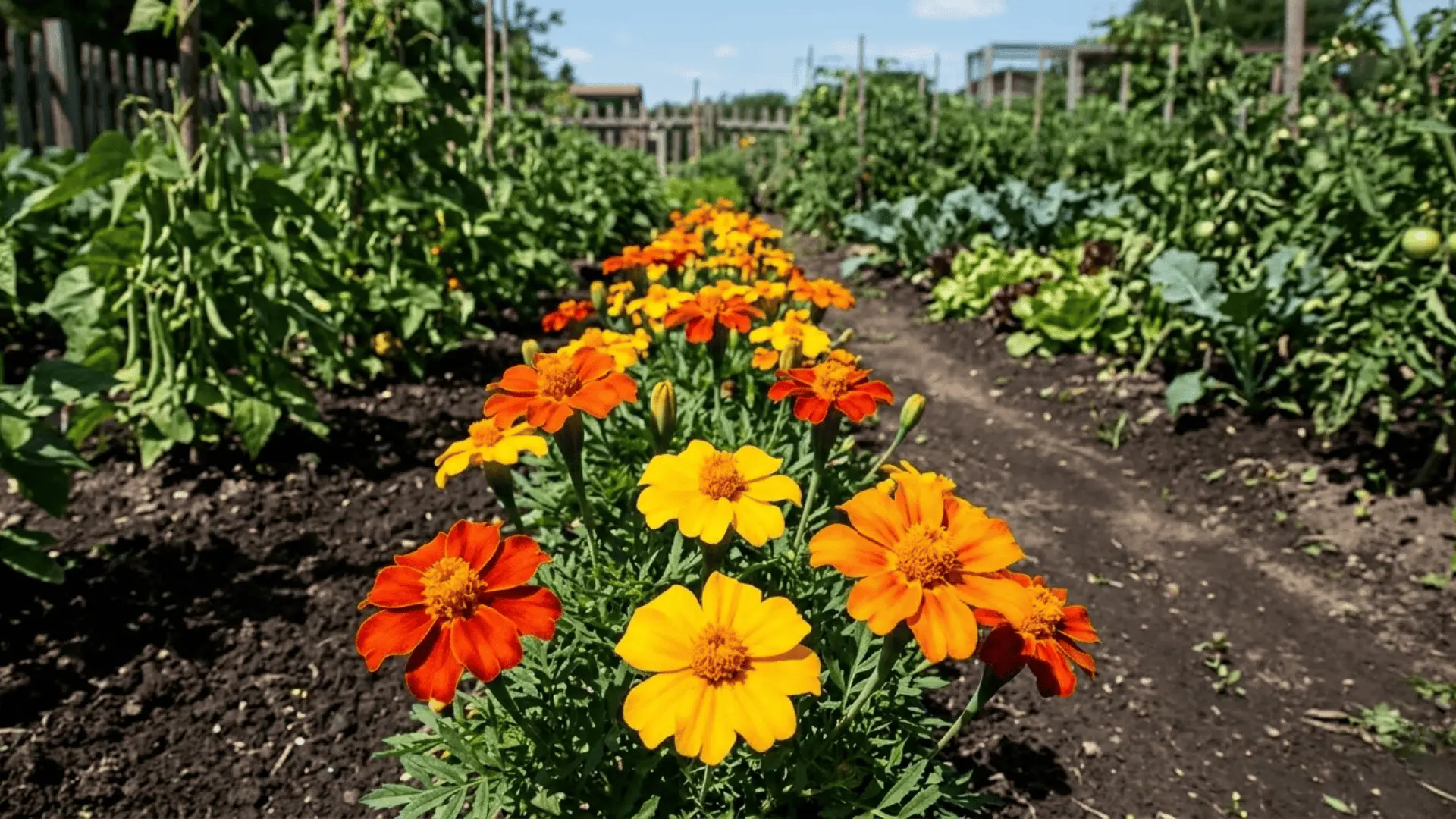
Bloom Period: Late spring to frost
Nectar or Host: Nectar plant
Butterfly Species/Families Attracted: Skippers, painted ladies, sulphurs, swallowtails
Marigolds are a garden classic for good reason. The bold orange and yellow blooms are magnets for butterflies, and the long, reliable bloom season means they stay productive from planting right through to the first frost.
Single-flowered varieties tend to attract more butterfly activity than the heavily doubled types, as they offer easier access to the nectar inside.
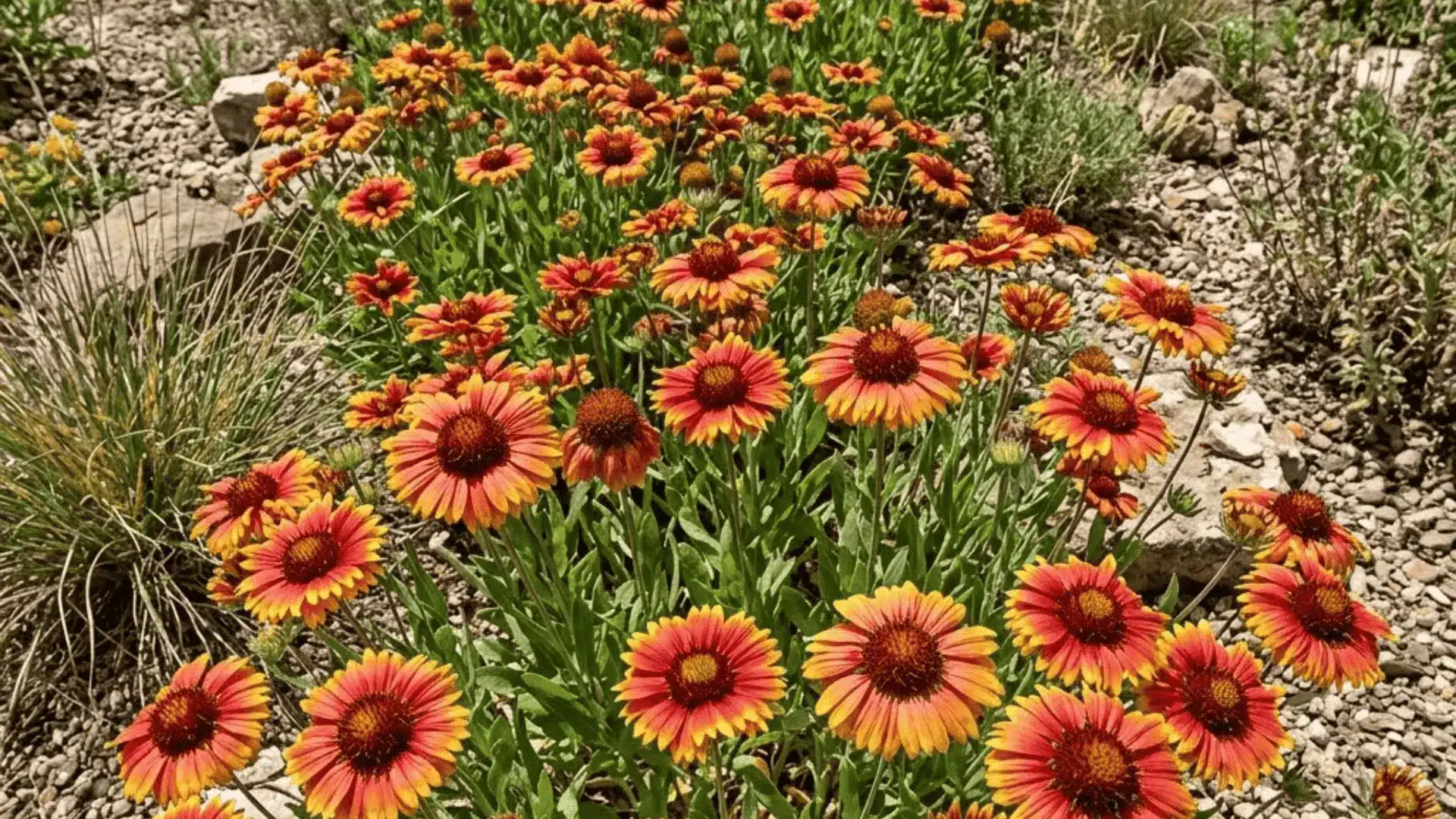
23. Gaillardia
Bloom Period: Early summer to fall
Nectar or Host: Nectar plant
Butterfly Species/Families Attracted: Painted ladies, skippers, swallowtails, fritillaries
Also known as blanket flower, gaillardia is one of the most vivid and eye-catching plants in any sunny border.
The red, orange, and yellow blooms have a bold tribal pattern, look stunning in drifts, and attract butterflies with their color and nectar. It’s a tough, heat-loving perennial that blooms better in lean, well-drained soil.
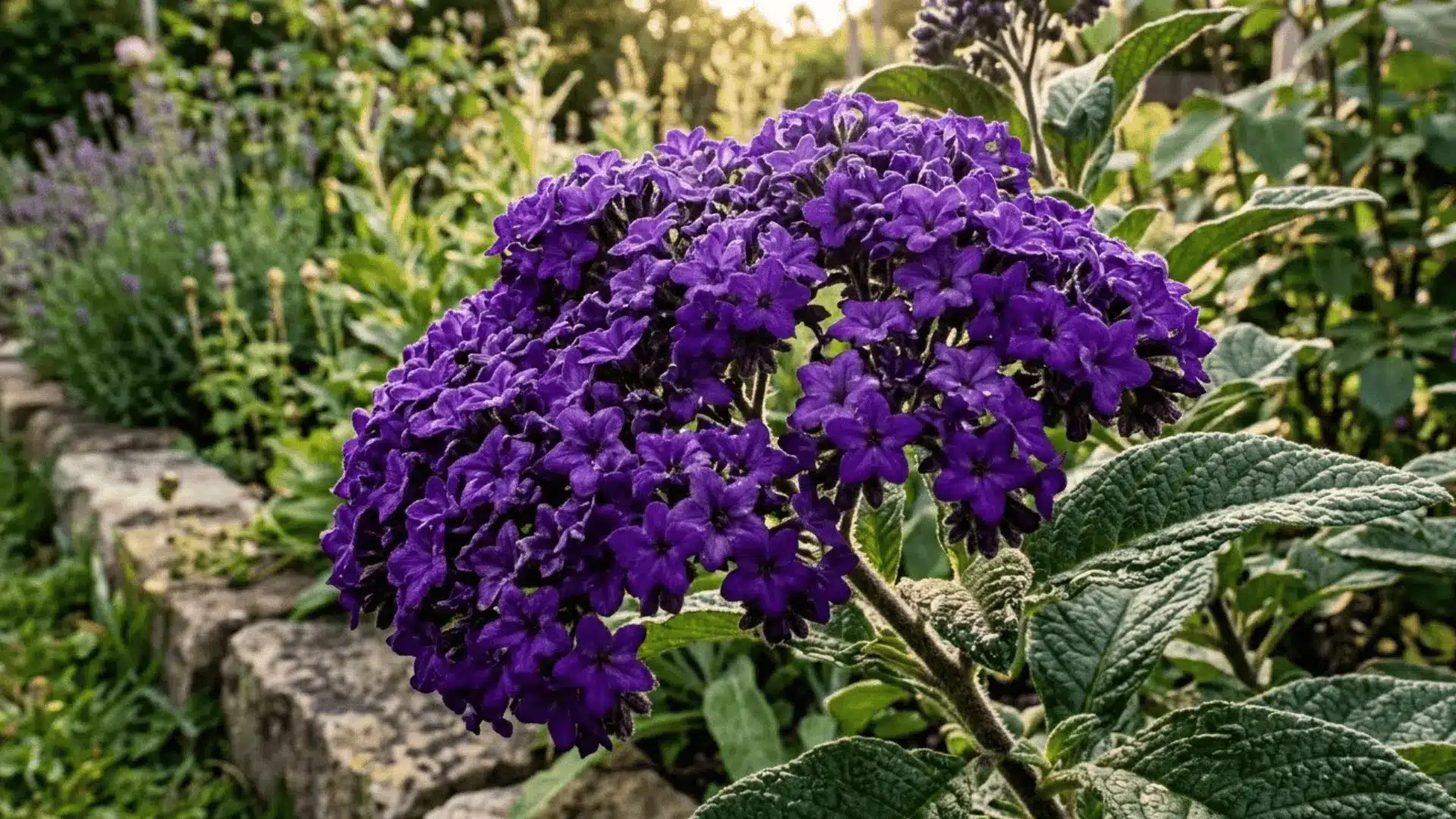
24. Heliotrope
Bloom Period: Late spring to frost
Nectar or Host: Nectar plant
Butterfly Species/Families Attracted: Painted ladies, skippers, swallowtails, cabbage whites
Heliotrope is an old-fashioned cottage garden favorite that deserves a serious comeback. The deep purple flower clusters carry a rich, vanilla-like fragrance that is just as appealing to gardeners as it is to butterflies.
It performs best in warm, sunny spots and works beautifully as a container plant or tucked into a border where the scent can drift freely on a warm afternoon.
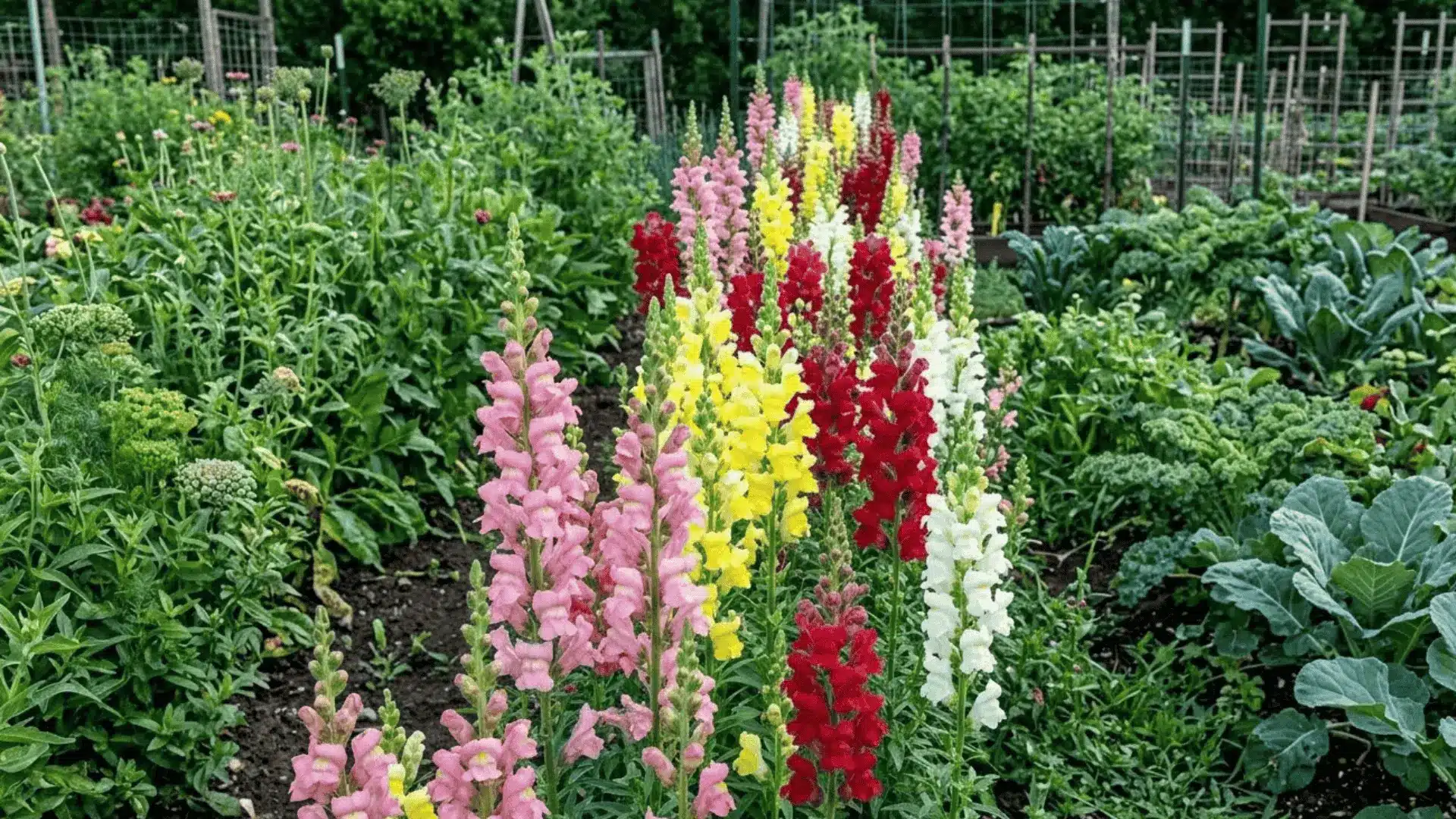
25. Snapdragon
Bloom Period: Spring to early summer and fall
Nectar or Host: Nectar plant
Butterfly Species/Families Attracted: Sulphurs, painted ladies, cabbage whites, skippers
Snapdragons are cool-season plants that fill a gap in butterfly gardens. They bloom in spring and fall, offering nectar when summer flowers are gone or not yet in bloom, helping transitional-season butterflies.
The tall, colorful spikes add vertical structure, and the range of available colors makes them easy to work into almost any garden scheme.
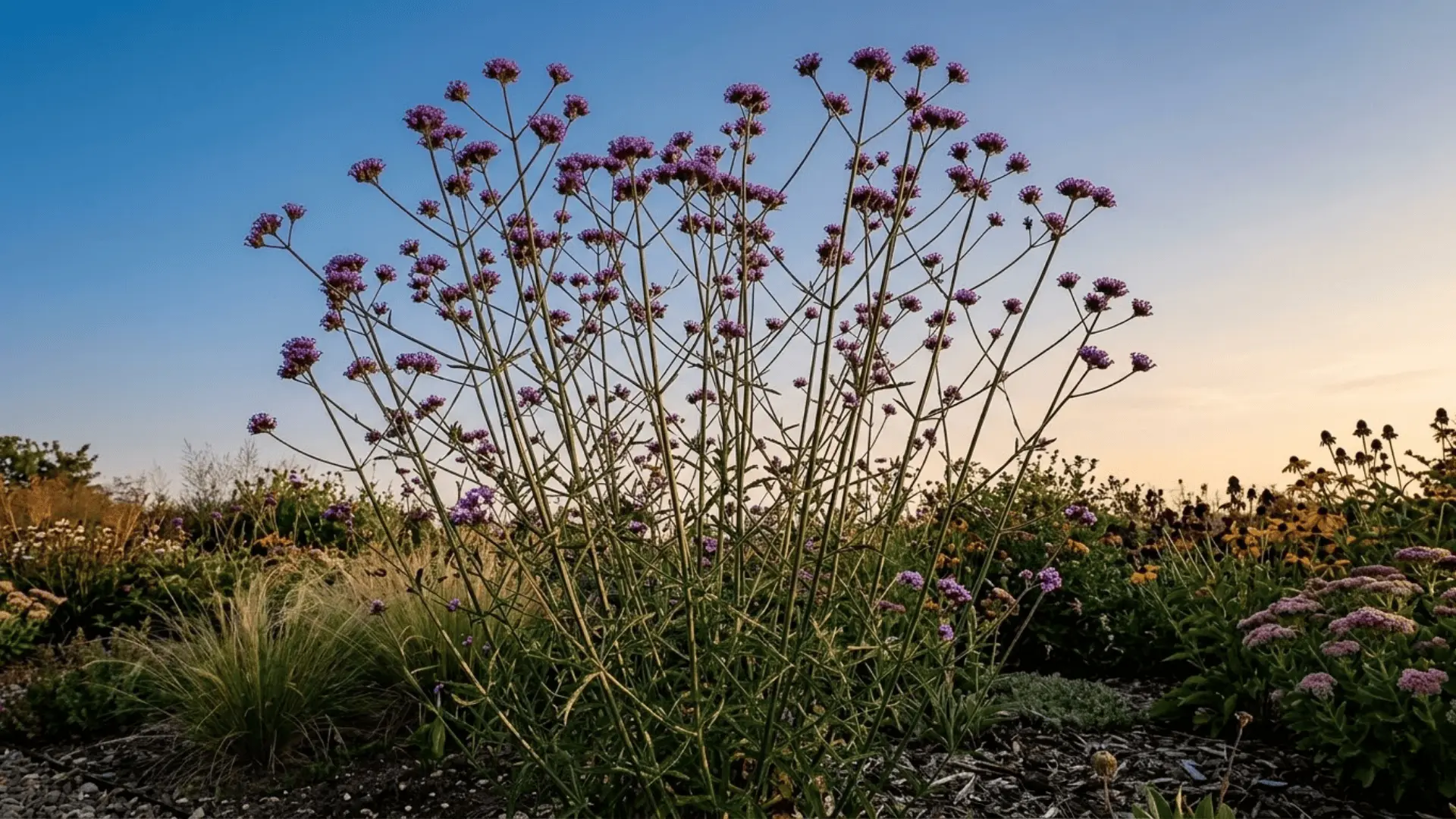
26. Verbena Bonariensis
Bloom Period: Summer to frost
Nectar or Host: Nectar plant
Butterfly Species/Families Attracted: Monarchs, swallowtails, painted ladies, skippers
Verbena bonariensis has a tall, airy quality that makes it unlike almost any other garden plant. The small purple flower clusters float on thin stems, attracting butterflies like monarchs and swallowtails, especially migrating ones.
It weaves naturally between other plants without competing with them, adding a dreamy, layered look that works especially well in naturalistic or cottage-style gardens.
27. Daisy
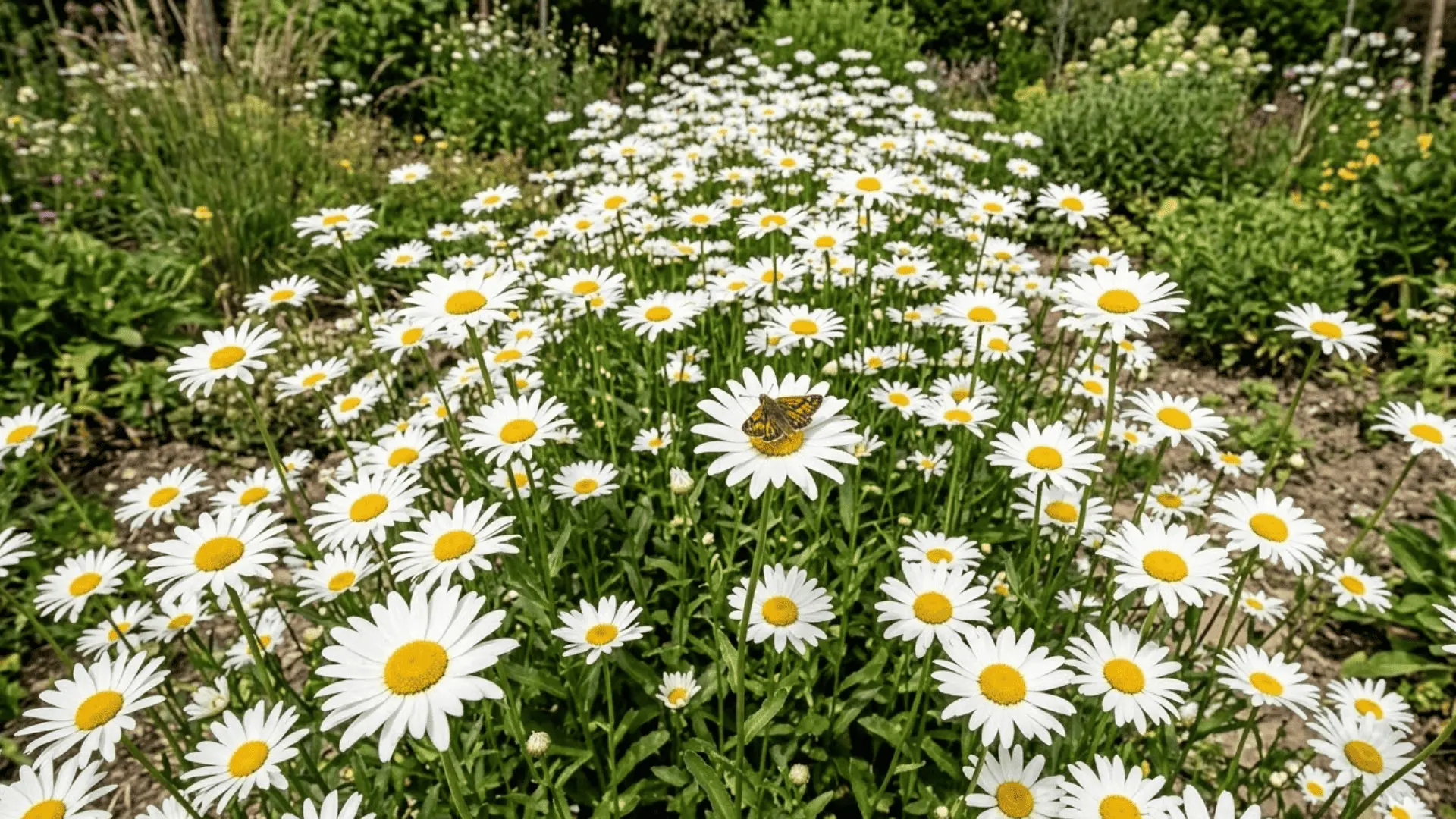
Bloom Period: Late spring to midsummer
Nectar or Host: Nectar plant
Butterfly Species/Families Attracted: Painted ladies, skippers, sulphurs, cabbage whites
Daisies are as welcoming to butterflies as they look. Open blooms with accessible centers are easy for small butterflies to land and feed. Cheerful white petals with yellow centers add classic appeal to any garden.
They naturalize readily in sunny spots and look particularly beautiful planted in loose, informal drifts rather than tight, structured rows.
How to Design a Butterfly Garden?
Good plant choices get butterflies to your garden, but thoughtful design is what keeps them coming back season after season.
- Plant flowers in groups rather than scattering single plants, as butterflies spot clusters far more easily from above.
- Layer bloom times across spring, summer, and fall so there is always something open and actively producing nectar.
- Prioritize native plants wherever possible since local butterfly species have evolved alongside them and respond to them most strongly.
- Add flat stones in sunny spots to give butterflies a place to warm their wings between feeds.
- Keep at least one sheltered, wind-protected corner in your garden where butterflies can rest comfortably.
A garden designed with butterflies in mind does not have to be complex. A little intention around plant variety, bloom timing, and layout goes a long way toward creating a space that genuinely feels alive.
Other Features That Attract Butterflies
The right flowers are a great start, but a few simple additions to your garden setup can make a noticeable difference in butterfly activity.
- Butterflies are cold-blooded and rely on direct sunlight to stay active, so a garden with plenty of open, sunny space will always outperform a shaded one.
- A shallow dish of water or a lightly misted patch of sand gives butterflies a place to drink and absorb minerals they cannot get from nectar alone.
- Windbreaks like hedges, fences, or dense shrubs create calm pockets where butterflies can feed and rest without being thrown off course.
- Skipping pesticides entirely, even the ones marketed as gentle, keeps your garden safe for every life stage from egg to adult butterfly.
Small adjustments like these work quietly in the background, making your garden more hospitable without changing the overall look or feel of the space.
Plants That Butterflies Use as Host Plants
Nectar plants bring butterflies to your garden, but host plants are what make them stay, lay eggs, and complete their life cycle.
Adding even a few of these to your space means you are not just feeding butterflies, you are actively supporting the next generation of them.
| Host Plant | Butterfly Species | Plant Type | Bonus |
|---|---|---|---|
| Milkweed | Monarch | Perennial | Also a nectar source |
| Parsley | Black swallowtail | Herb | Edible and garden-friendly |
| Dill | Black swallowtail | Herb | Doubles as a culinary herb |
| Fennel | Anise & black swallowtail | Herb | Blends into cottage gardens |
| Violet | Fritillaries | Wildflower | Low-growing native |
| Passionflower | Gulf fritillary, zebra longwing | Climbing vine | Stunning garden focal point |
| Tulip Poplar | Tiger swallowtail | Native tree | Supports large butterfly species |
Wrapping Up
Growing a garden full of flowers that attract butterflies is one of those quiet joys that keeps giving season after season.
Every bloom you plant, every host plant you make room for, adds up to something far bigger than a pretty yard.
It becomes a little ecosystem, a place where life genuinely cycles through. Start small, stay curious, and let your garden evolve naturally over time.
Which flower on this list are you most excited to grow? Drop it in the comments below, and let’s talk all things butterfly gardens.