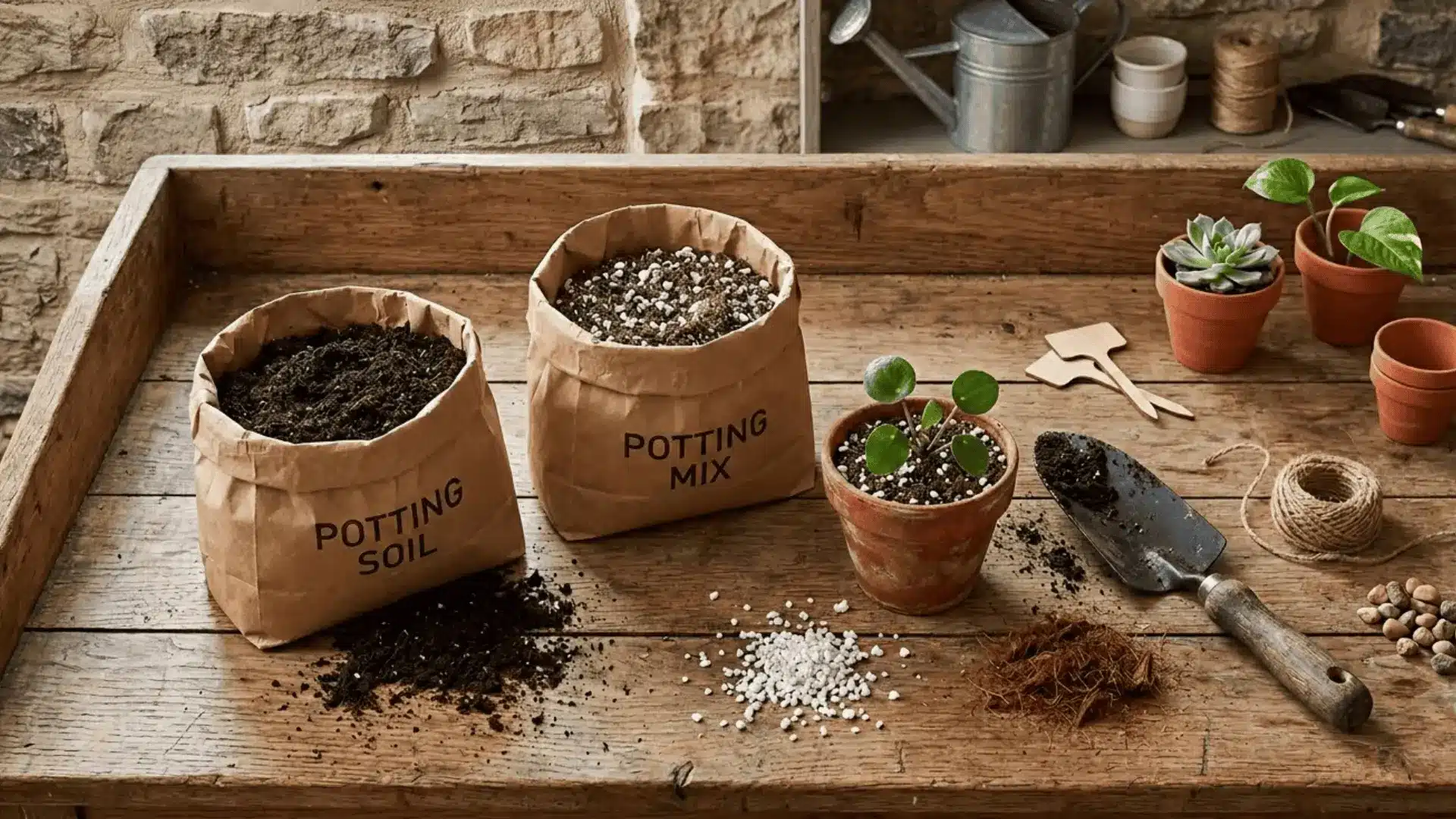
If you have ever stood in the garden aisle, bag in each hand, squinting at two bags that sound like basically the same thing, well, most gardeners have been right there with you.
Potting soil and potting mix get mixed up all the time, but they are genuinely not doing the same job for your plants.
Using the right one can be the difference between a thriving little indoor jungle and a pot that just never quite works out.
We are getting into what sets them apart, what is actually inside them, and which one your plants will thank you for.
What is Potting Soil?
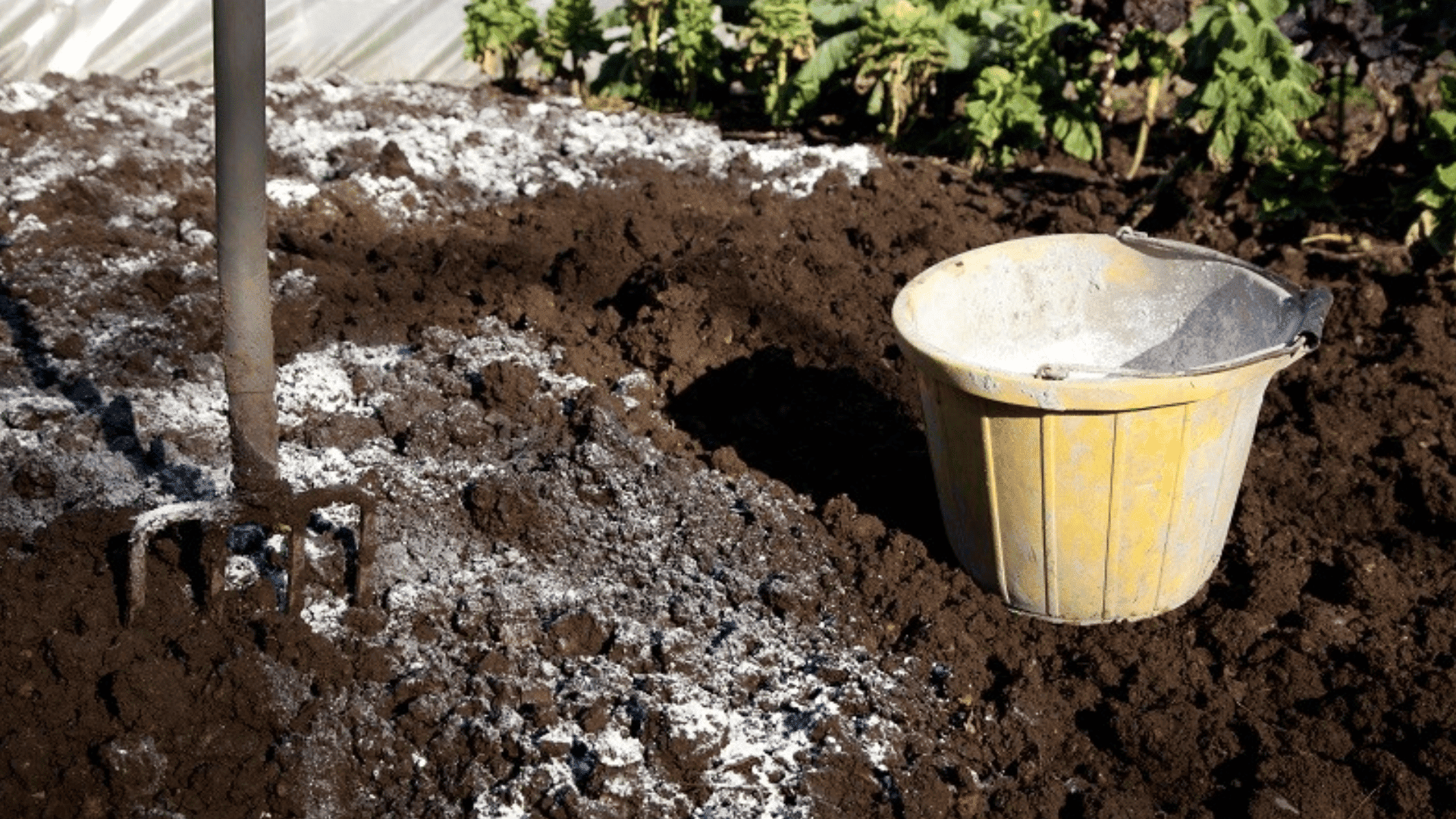
Potting soil is a soil-based growing medium made specifically for container gardening.
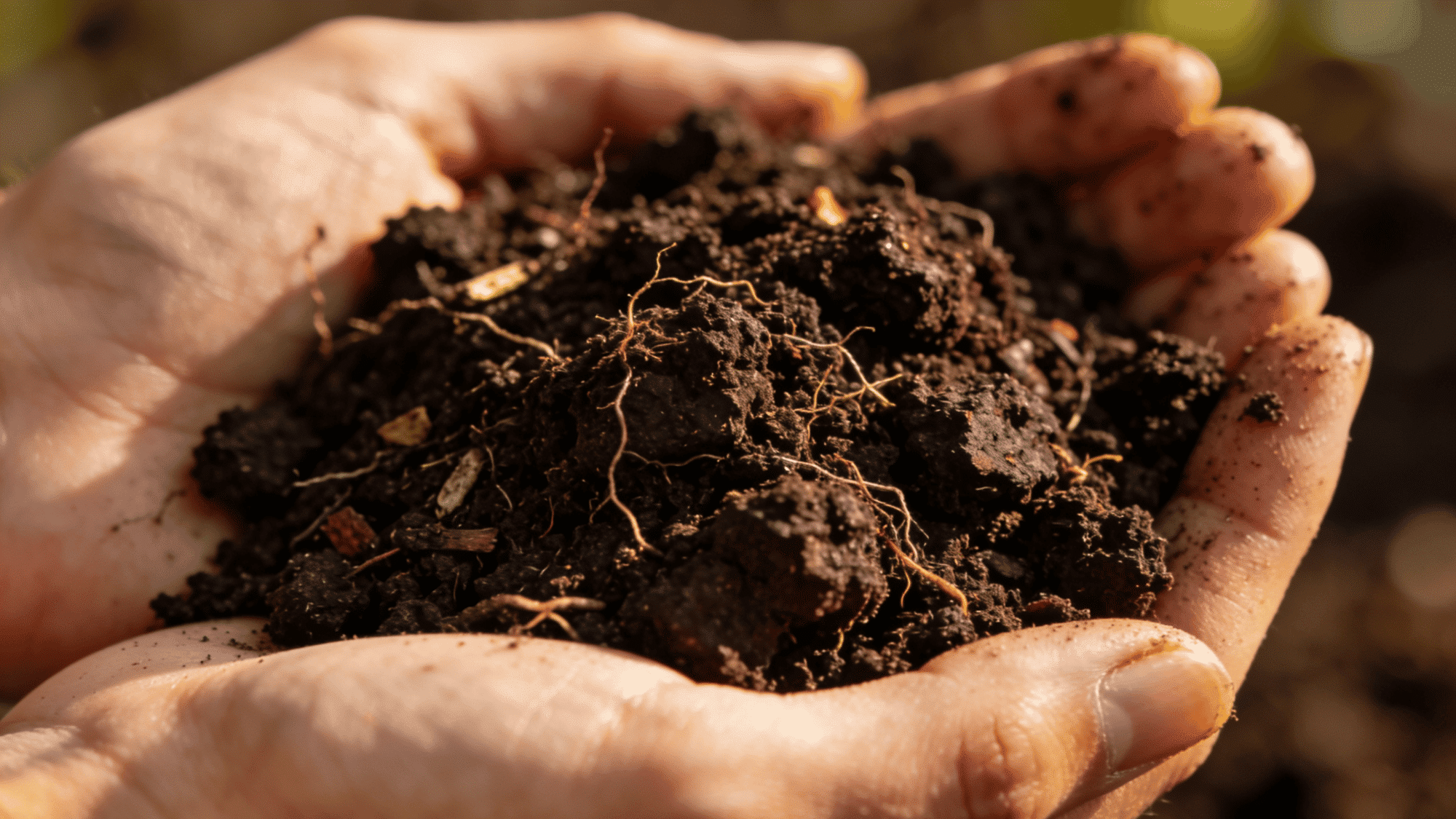
It typically contains garden soil or topsoil, compost or organic matter, sand or perlite, and added fertilizers to support plant growth.
Because it contains actual soil, it tends to be heavier and denser than other options, which means it holds nutrients really well over time.
The tradeoff is that it offers less aeration, so drainage can feel a little sluggish compared to soilless mixes. It is a grounded, nutrient-rich option, but not every plant or container setup is going to love it equally.
What is Potting Mix?
Potting mix is a soilless growing medium made specifically for container plants.
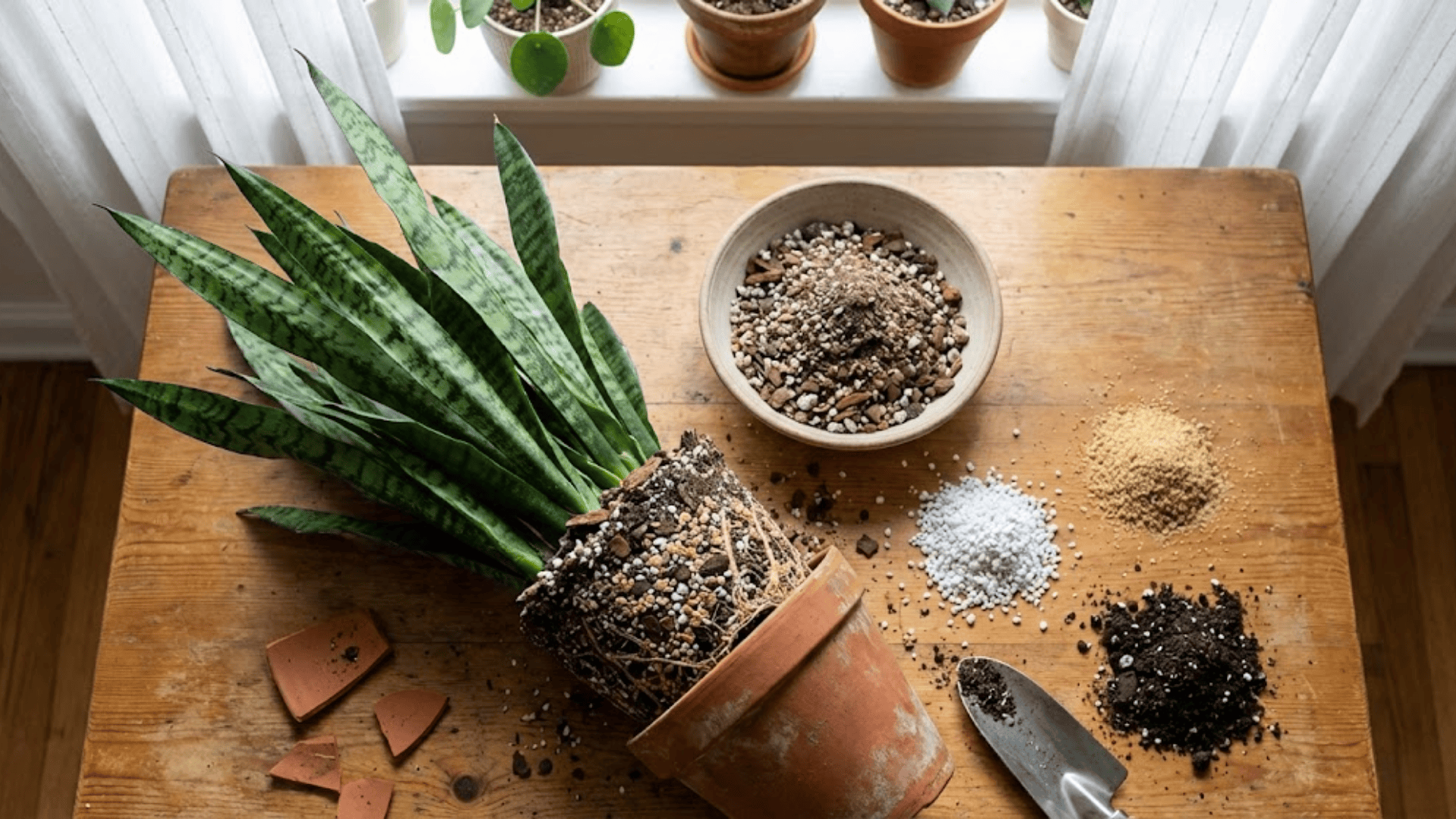
Instead of actual soil, it is built from ingredients like peat moss or coco coir, perlite or vermiculite, compost or bark, and often slow-release fertilizers.
This combination makes it noticeably lightweight and airy, with excellent drainage that keeps roots from sitting in too much moisture.
Because it contains no garden soil, it is also sterile and disease-free, which is a quiet but meaningful win for indoor plants. If potting soil is the dense and grounded option, potting mix is the breathable, container-friendly counterpart.
Potting Soil vs. Potting Mix: The Main Differences
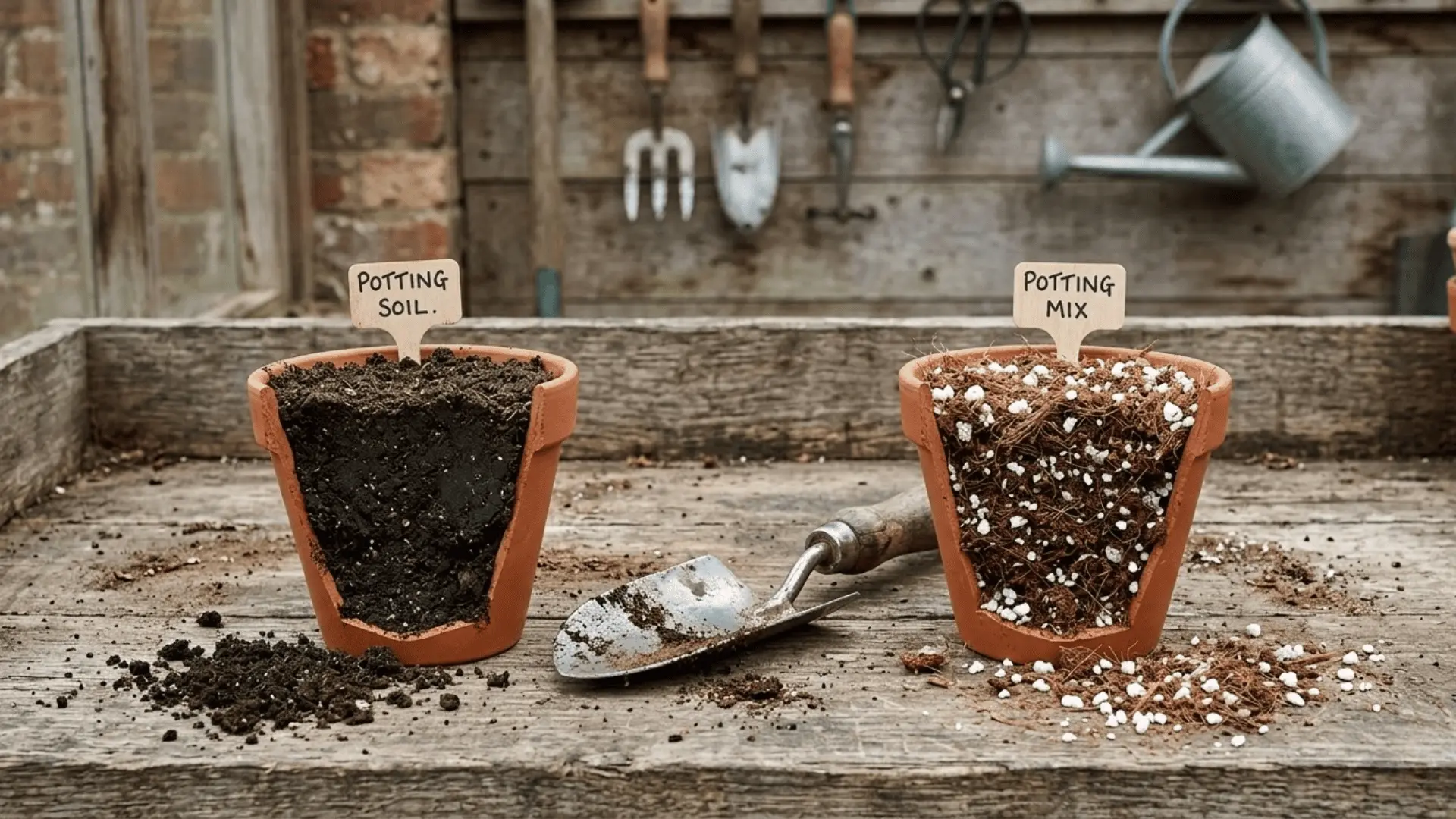
Now that we know what each one is, putting them side by side makes the choice a whole lot clearer. Here is a closer look at how potting soil and potting mix actually differ from each other.
1. Soil Content
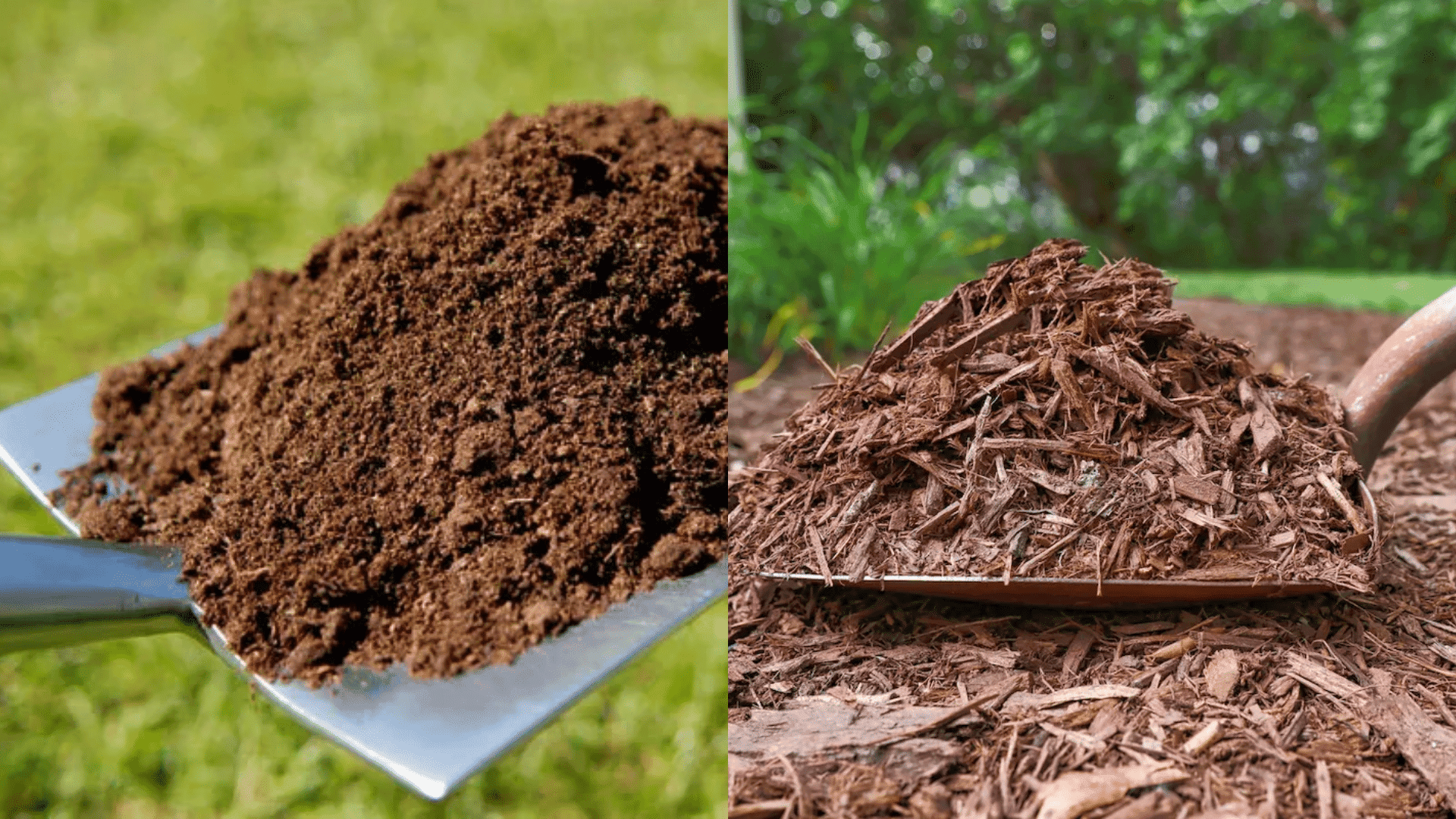
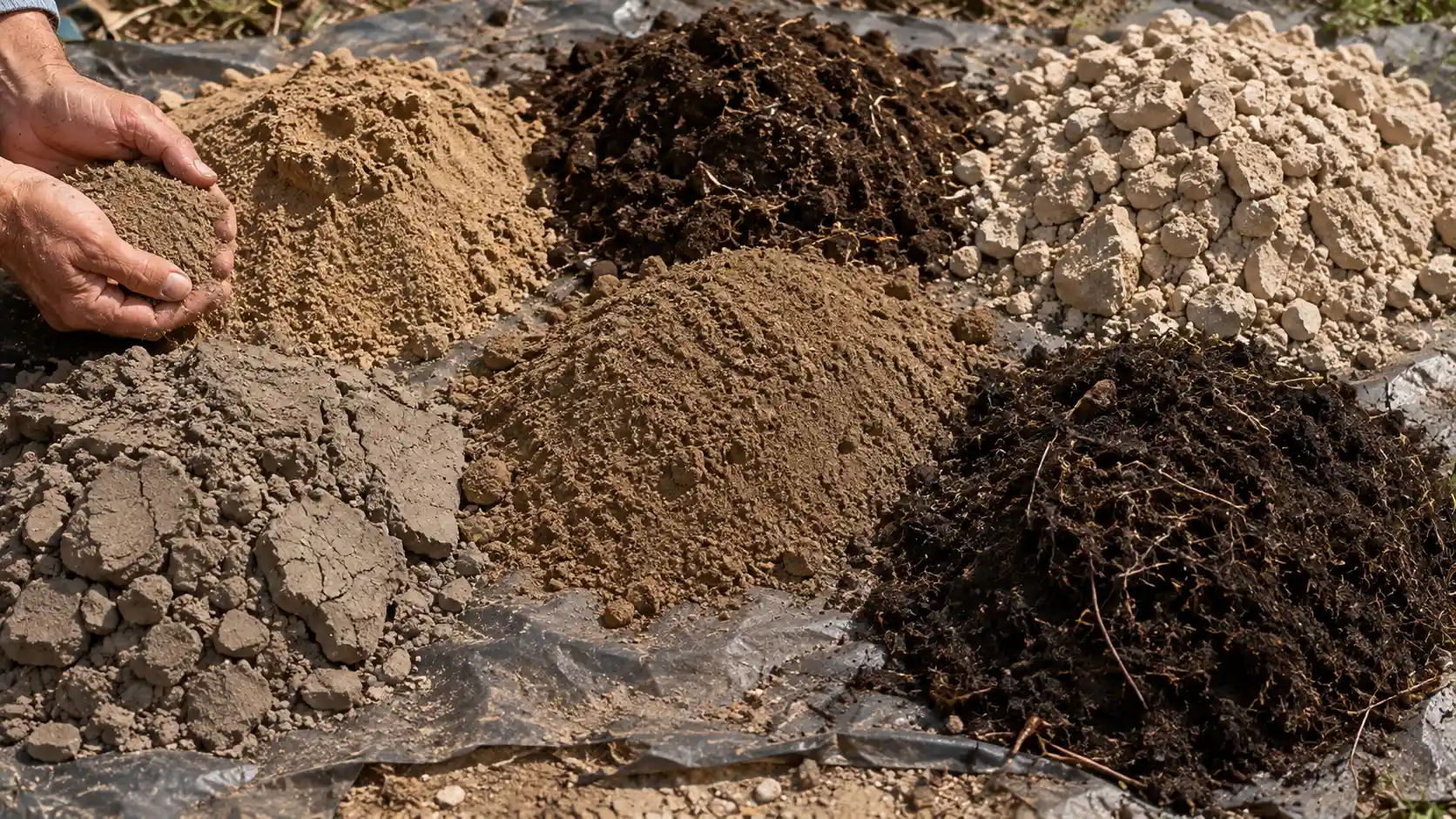
Potting soil contains real garden soil or topsoil, and potting mix skips soil entirely in favor of organic materials like peat moss or coco coir. That one difference sets off a chain reaction affecting weight, drainage, and root development.
Soil-based mixes anchor roots more firmly, while soilless mixes encourage looser, more exploratory root growth, which container plants often prefer.
2. Drainage and Aeration
Potting mix drains faster because perlite and coco coir create tiny air pockets that keep the growing medium from clumping together.
Potting soil, especially after a few watering cycles, tends to compact inside a container and slow drainage significantly. Compaction is a common reason container plants struggle, even when everything else seems right.
3. Weight and Texture
Potting soil can be almost twice as heavy as potting mix when wet, which becomes a real consideration for balcony containers, hanging planters, or raised beds where structural load matters.
Potting mix stays relatively light even after watering, making it far more practical for elevated or mobile setups.
4. Nutrient Content
Potting soil naturally delivers nitrogen, phosphorus, and potassium through its composted organic matter and topsoil base, giving plants a slower, steadier supply without much extra effort.
Potting mix starts lean since it contains no actual soil, so most commercial blends compensate with added slow-release fertilizers. Once nutrients deplete through watering, supplemental feeding is needed to maintain growth.
5. Sterility
Potting mix is sterilized during production, so it arrives essentially clean. Potting soil can carry fungus gnats, weed seeds, or soil-borne pathogens without showing any visible signs.
For indoor plants or seedlings with low disease resistance, that hidden risk is worth factoring into your choice before you fill the pot.
Potting Mix vs. Soil: Which is Better for Container Plants?
For most container plants, potting mix is genuinely the better fit. Its lightweight, airy structure prevents compaction, keeps drainage consistent, and gives roots the breathing room they need to spread comfortably.
Potting soil in a container tends to work against itself over time, compacting with each watering cycle and restricting airflow.
That said, potting soil earns its place in large outdoor planters and raised beds where its density actually helps anchor plants and retain moisture across a bigger volume of growing medium.
It also works well when blended with perlite or coarse sand to improve drainage before going into a container.
When to Use Potting Mix vs. Potting Soil?
Choosing between the two really comes down to where and what you are growing. Here is a simple way to think about which one belongs in your gardening routine.
When Potting Mix Makes More Sense
Potting mix is the go-to for anything growing in a contained space or needing a clean, controlled environment.
- Indoor houseplants that need consistent drainage and aeration.
- Seed starting, where a sterile, lightweight medium gives seedlings the cleanest start.
- Hanging baskets where keeping the overall weight manageable actually matters.
- Container gardening of any kind, from balcony pots to window boxes.
When Potting Soil Makes More Sense
Potting soil works better when plants need more structural support or are growing in larger, open setups.
- Raised garden beds where its nutrient density supports heavier feeders.
- Large outdoor containers with established plants that need more anchoring.
- Landscape and in-ground beds where blending with the existing soil improve overall texture.
- Mixing with garden soil to boost organic matter and nutrient content.
Potting Mix vs. Potting Soil for Different Plants
Different plants have different needs, and the growing medium you choose plays a bigger role in their health than most people realize.
Here is a quick breakdown to take the guesswork out of it.
| Plant Type | Best Choice | Why |
|---|---|---|
| Houseplants | Potting mix | Better drainage and aeration keep roots healthy in confined spaces |
| Vegetables in containers | Potting mix or a blend | Supports nutrient demands while maintaining drainage in a container setup |
| Succulents and cacti | Fast-draining potting mix | Excess moisture retention is the fastest way to lose a succulent |
| Seedlings and seed starting | Sterile potting mix | Eliminates the risk of soil-borne disease at the most vulnerable growth stage |
| Trees and shrubs in large containers | Potting soil or soil-based blend | Density and nutrient content support heavier, more established root systems |
Can You Use Garden Soil Instead of Potting Mix?
Garden soil might seem like an easy swap, but it is not really built for container life.
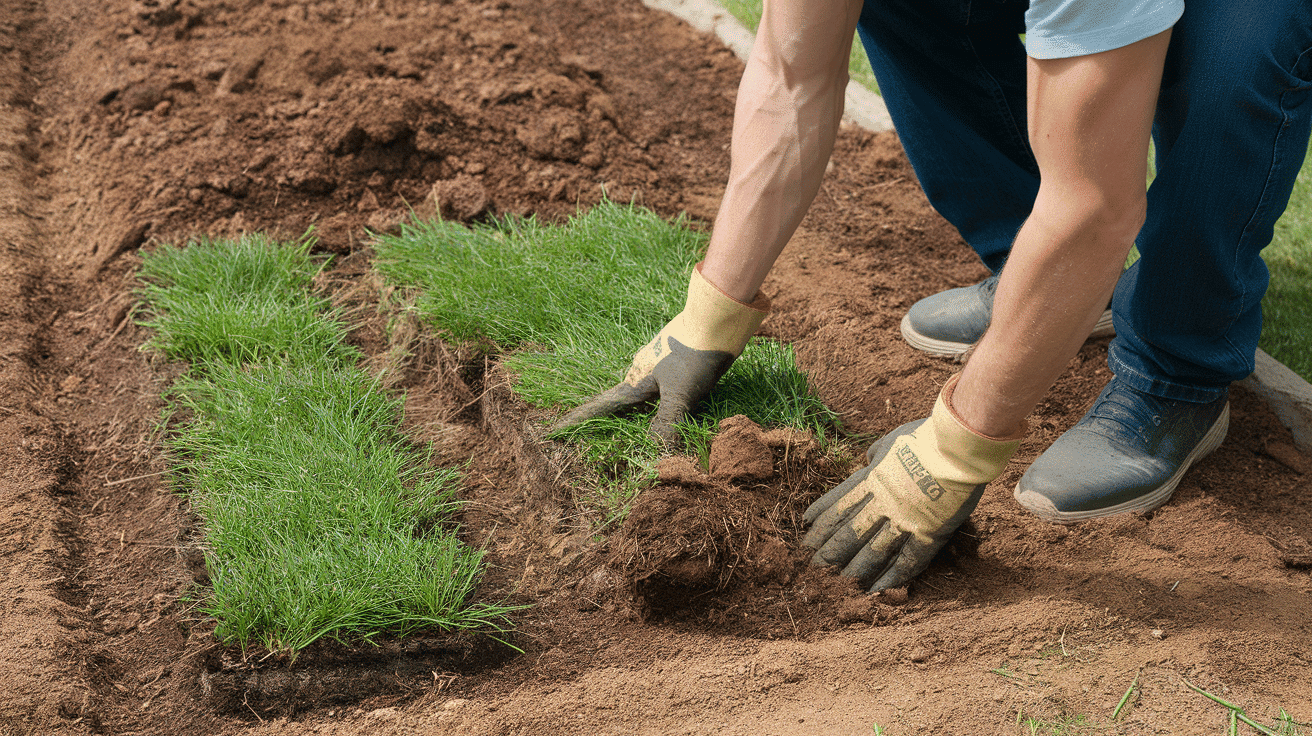
It compacts quickly in pots, drains poorly, and can introduce pests or pathogens that are hard to manage once they are in.
For containers, potting mix is almost always the smarter choice. Garden soil does have its place, though.
Blending it with potting mix for outdoor planters, raised beds, or soil improvement projects is where its density and natural nutrient content actually add value rather than work against the growing environment.
How to Choose Between Potting Soil and Potting Mix?
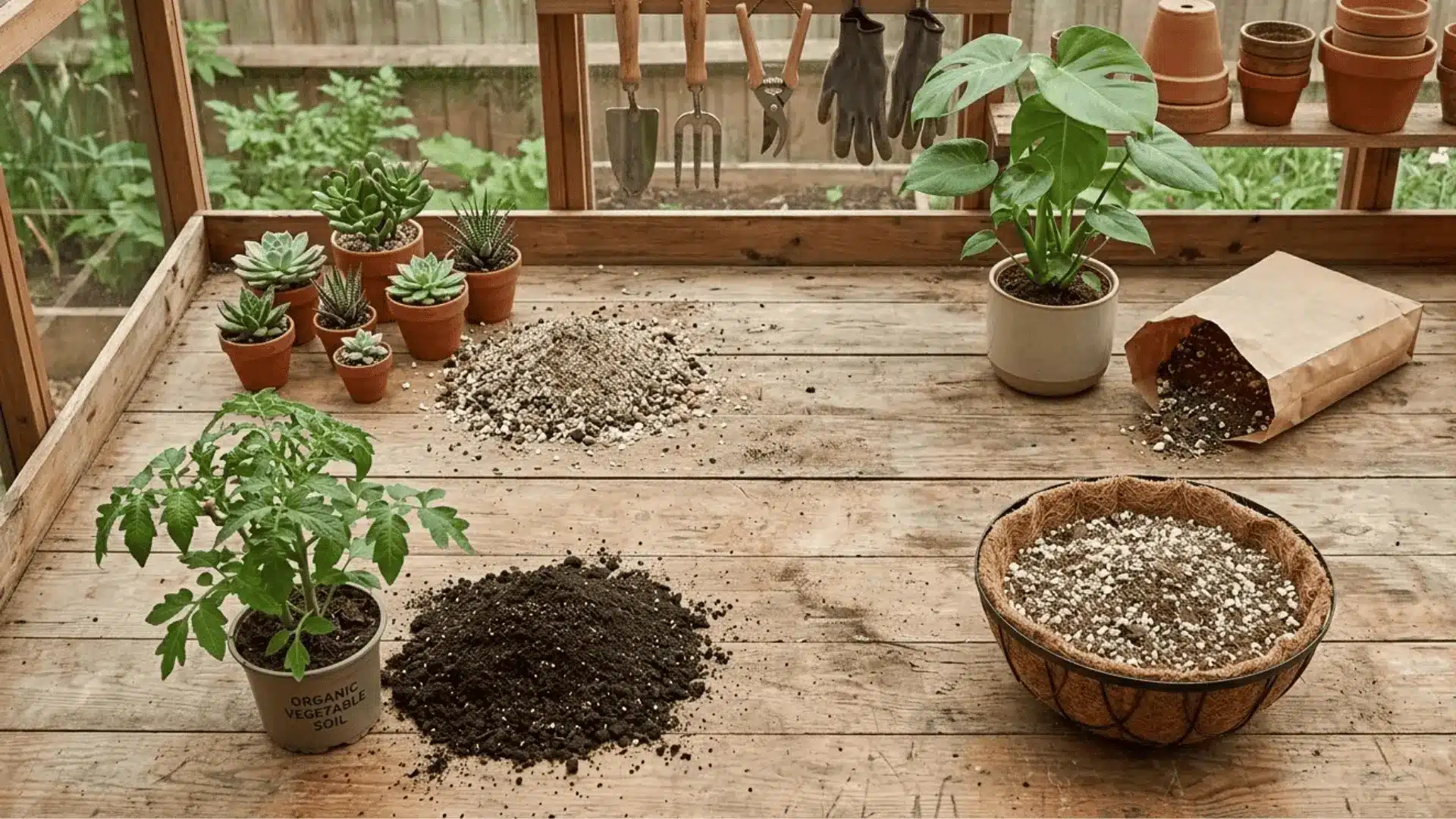
The right choice comes down to a few practical factors worth thinking through before you fill a pot.
- Plant type determines drainage needs; succulents and tropicals want fast-draining potting mix, while heavy feeders do better with soil blends
- Container size matters because larger outdoor containers can handle the density of potting soil without the compaction issues smaller pots face
- Moisture needs are worth considering since plants that prefer consistently moist conditions tend to do better with a soil-based blend that retains water longer
- Growing environment is often the deciding factor; indoor plants almost universally prefer the cleaner, lighter structure of potting mix
When in doubt, potting mix is the safer starting point for most home gardeners.
DIY Potting Mix Recipe for Container Plants
Making your own potting mix is simpler than it sounds, and it gives you full control over what your plants are actually growing in.
A basic three-ingredient blend covers most container plants really well.
Basic Homemade Potting Mix
Start with these three base ingredients in equal parts for a well-balanced, all-purpose container mix.
| Ingredient | Amount | Purpose |
|---|---|---|
| Peat moss or coco coir | 1 part | Retains moisture while keeping the mix lightweight |
| Compost | 1 part | Adds natural nutrients and supports healthy microbial activity |
| Perlite or vermiculite | 1 part | Improves drainage and prevents compaction over time |
Adjusting for Different Plants
The base mix works well as a starting point, but small tweaks go a long way depending on what you are growing.
- Add coarse sand for succulents and cacti that need faster drainage and drier conditions between waterings.
- Increase compost for vegetables and heavy feeders that pull more nutrients from the growing medium.
- Swap peat moss for coco coir for a more sustainable option that performs just as well with a lighter environmental footprint.
The Bottom Line
Knowing the difference between potting soil and potting mix is one of those small shifts that genuinely changes how your plants grow.
Once you understand what each one brings to the table, choosing between them starts to feel intuitive rather than overwhelming.
Refreshing an indoor shelf or building out a raised bed, the right growing medium is always worth a little thought.
Your plants are quiet about most things, but they will absolutely show you when they are happy. Drop a comment below and tell us what you are currently growing!