Stone veneer is one of the fastest ways to change how a home feels. It adds texture and depth, and it can make a plain wall look more finished without turning the whole project into a rebuild. In 2026, the most popular stone veneer styles are the ones that look natural, work with simple modern lines, and still feel warm. People also care a lot about practicality now, so lighter materials, easier installs, and finishes that don’t demand constant upkeep are getting picked more often.
A quick tip before you choose a style: try to match the veneer to the space, not just the photo you liked. Interior feature walls can handle bolder textures, while exterior areas usually look better with calmer tones that won’t show dust or water marks as easily. If you’re still comparing finishes and lead times, it can also help to browse stone veneer supplies from Canada, or from the US, or from nearby suppliers, so you can see what’s available across different profiles and color blends.
Ask for a few sample pieces and look at them in your own lighting during the day and at night, since stone can shift a lot depending on shadows and bulb color. Also, double-check the corner pieces and trim options, because those details can make the finished install look clean and intentional.
Ledgestone
Ledgestone is still one of the most common choices. It has long, narrow pieces that create a clean, layered look. Homeowners like it because it feels modern but not cold, and it works well with black window frames, wood accents, and neutral siding. It’s especially popular around entryways, on exterior accent sections, and as a fireplace surround that goes all the way up to the ceiling.
Stacked Stone
Stacked stone is another style that stays in demand, mainly because it creates stronger shadows and more depth. It tends to look bolder than ledgestone, so it’s used when someone wants the stone to be the main focus. It shows up a lot on statement fireplaces, outdoor kitchen islands, porch columns, and small façade sections that need contrast. In 2026, mid-tone neutrals are winning over very dark options, since charcoal shades can show dust and water marks more easily outdoors.
Fieldstone
Fieldstone is popular for a different reason. It looks more traditional and organic because the shapes are less uniform, which gives a “built over time” feeling. It fits classic homes, cottage-style exteriors, and designs that lean cozy rather than sharp and modern. People often use fieldstone on exterior areas like porch bases, entry pillars, and larger façade sections, because the texture hides small signs of wear better than smoother finishes.
River Rock
River rock keeps its place too, especially for homeowners who want a softer, nature-inspired vibe. The rounded shapes feel relaxed and casual, which makes it a strong match for rustic fireplaces, sunrooms, mudrooms, and outdoor fire pits. It can feel visually busy if it covers a huge area, so it usually looks best as a focused accent wall instead of a full exterior style.
Limestone-Look Veneer
Limestone-look veneer is showing up more in 2026 because many homeowners want a calmer, more refined look. It usually has a smoother face and more consistent shapes, which gives a clean, quiet texture rather than heavy contrast. It’s a common pick for modern farmhouse exteriors, warm neutral interiors, and entryways that use wood doors or bronze hardware. Light beige, sand, and creamy off-white tones are especially popular because they keep the home looking bright without feeling too stark.
Sandstone-Look Veneer
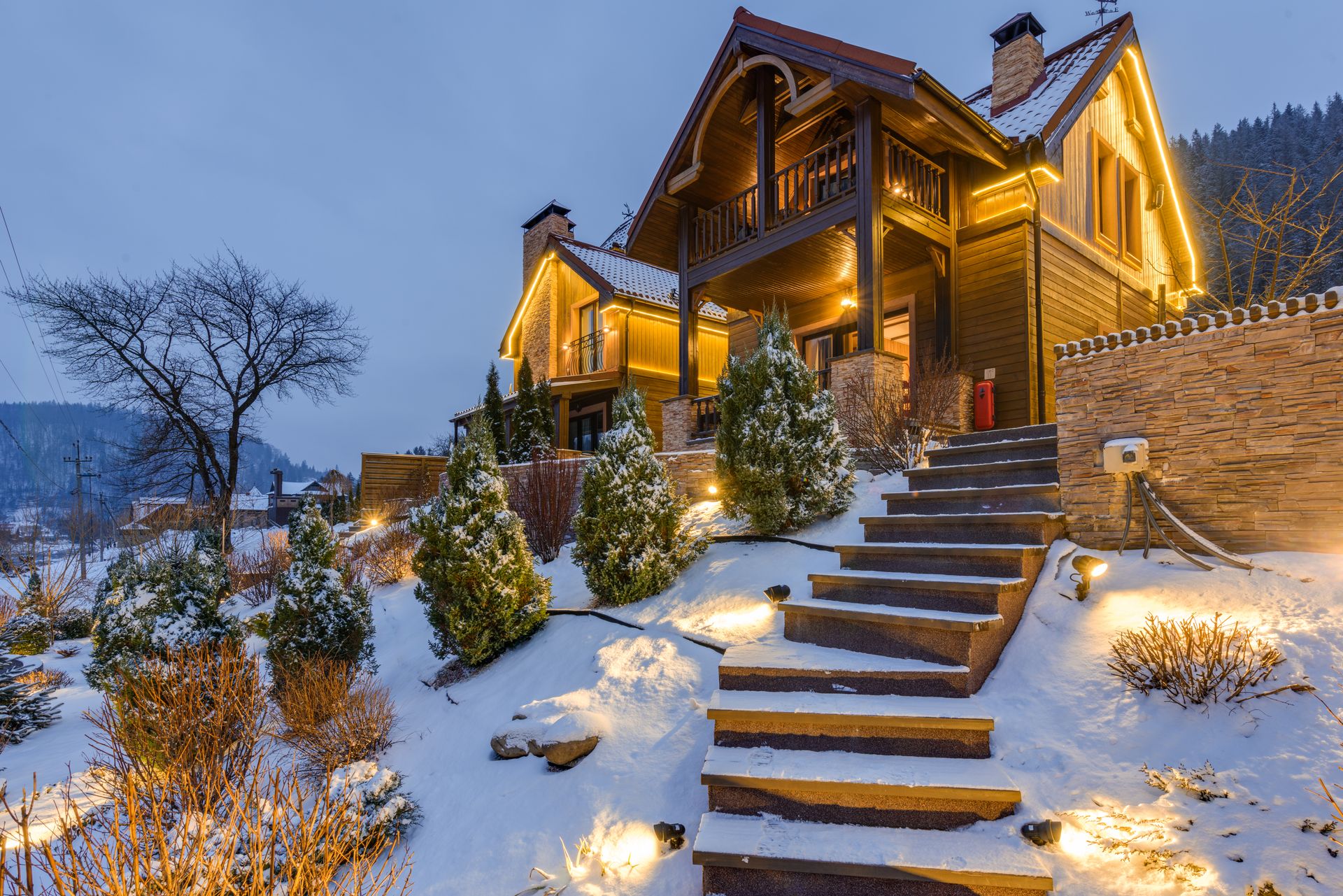
Sandstone-look veneer fits a similar trend, but with slightly more warmth and natural variation. It has an easy, earthy feel, so it works well on porches, patio seating walls, and accent panels on homes with stucco or light siding. It pairs nicely with warm outdoor lighting and landscaping that uses natural stone, clay, or wood details.
Old-World “Castle Stone”
Old-world “castle stone” styles are still in demand for people who want a stronger statement. These styles use larger, block-like shapes that feel classic and European. They’re often used around the entry, on tall chimneys, or on courtyard-style walls because they give a heavier, grounded look. The key is balance. When the stone pattern is large and bold, the rest of the exterior usually looks best when it stays simple and clean.
Dry-Stack Styles
Dry-stack looks are also a big part of 2026 design. This style focuses on a neat, tight fit that minimizes visible mortar lines, which makes it feel more architectural. It’s popular on minimalist fireplaces, dining room feature walls, and modern exterior accents where clean lines matter. It also works well in homes that mix materials like wood, metal, and smooth plaster walls, because the stone adds texture without adding visual clutter.
Blended Stone Finishes
Another trend that keeps growing is blended stone finishes. Instead of choosing something with extreme contrast, people are going for mixes that feel natural and slightly varied, like subtle shifts in tone or a combination of similar textures. This makes a wall feel rich and layered, but still calm. It’s especially useful on large exterior sections or big interior feature walls, where a single flat tone can feel too plain.
The Most Popular Stone Veneer Colors in 2026
Color choice is playing a huge role in what looks “current” in 2026. Warm whites and creamy off-whites are everywhere, especially on farmhouse and contemporary builds. Greige and light taupe tones are popular because they match almost anything and don’t show dirt as quickly. Sand and beige shades are still strong, mainly because they work well with wood and warmer metals. Soft charcoal is still used, but more as an accent than a full façade treatment.
Best Places to Use Stone Veneer
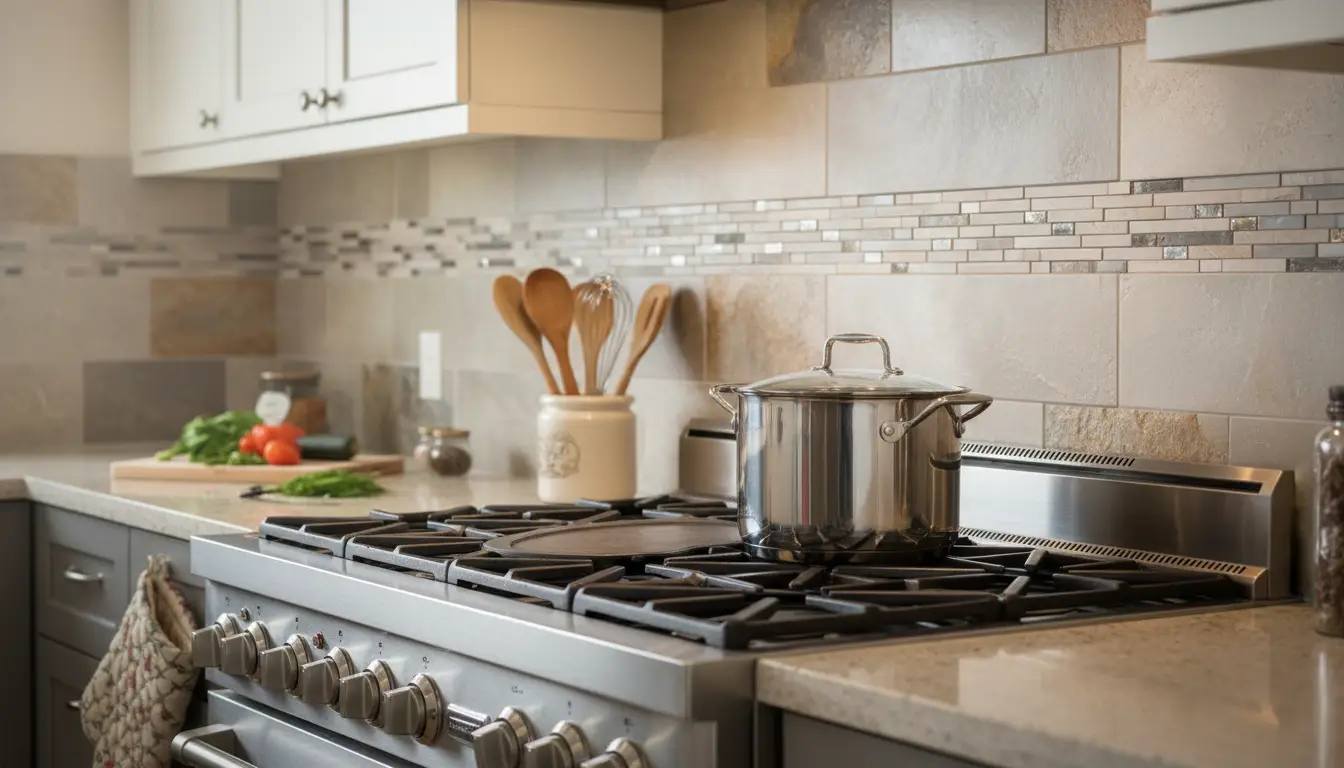
When it comes to placement, homeowners are choosing areas that give the biggest impact without covering everything. Exterior entry surrounds are still the most popular choice because they frame the front door and make the home feel more intentional. Lower façade sections, porch bases, and garage bump-outs are also common because they add texture without overwhelming the whole front elevation. Indoors, fireplaces lead the way, followed by TV walls, staircase walls, and kitchen accents like a range hood surround or a single feature section.
A Few Quick Checks Before You Order
Even the best-looking veneer can disappoint if the basics aren’t planned. If your veneer is going outdoors, check that the system is rated for your climate, and make sure water management details are part of the install plan. For large feature walls, ask about batch or lot consistency so the colour blend stays even. It’s also smart to measure waste properly—corners, cuts, and pattern matching can require more material than people expect, especially with irregular stones.
How to Choose the Right Style (Without Regretting It Later)
Choosing the right style usually comes down to matching your home’s architecture, the scale of the space, and how much maintenance you want to deal with. Clean, linear styles tend to suit modern homes. More irregular, rounded, or blocky patterns tend to suit traditional or rustic homes. Mid-tone neutrals are often the safest if you want something that stays looking clean in real life.
Conclusion
Stone veneer styles in 2026 are popular for a simple reason: they give homes more texture and character without feeling trendy in a way that will age fast. Clean options like ledgestone and dry-stack keep modern spaces sharp and tidy, while fieldstone, river rock, and old-world styles add warmth and a more natural, lived-in feel. The best choice is the one that fits your home’s architecture, matches the scale of the wall, and looks good in your everyday lighting, not just in photos. If you treat it as an accent in the right spot, stone veneer can make the whole space feel more finished and intentional.