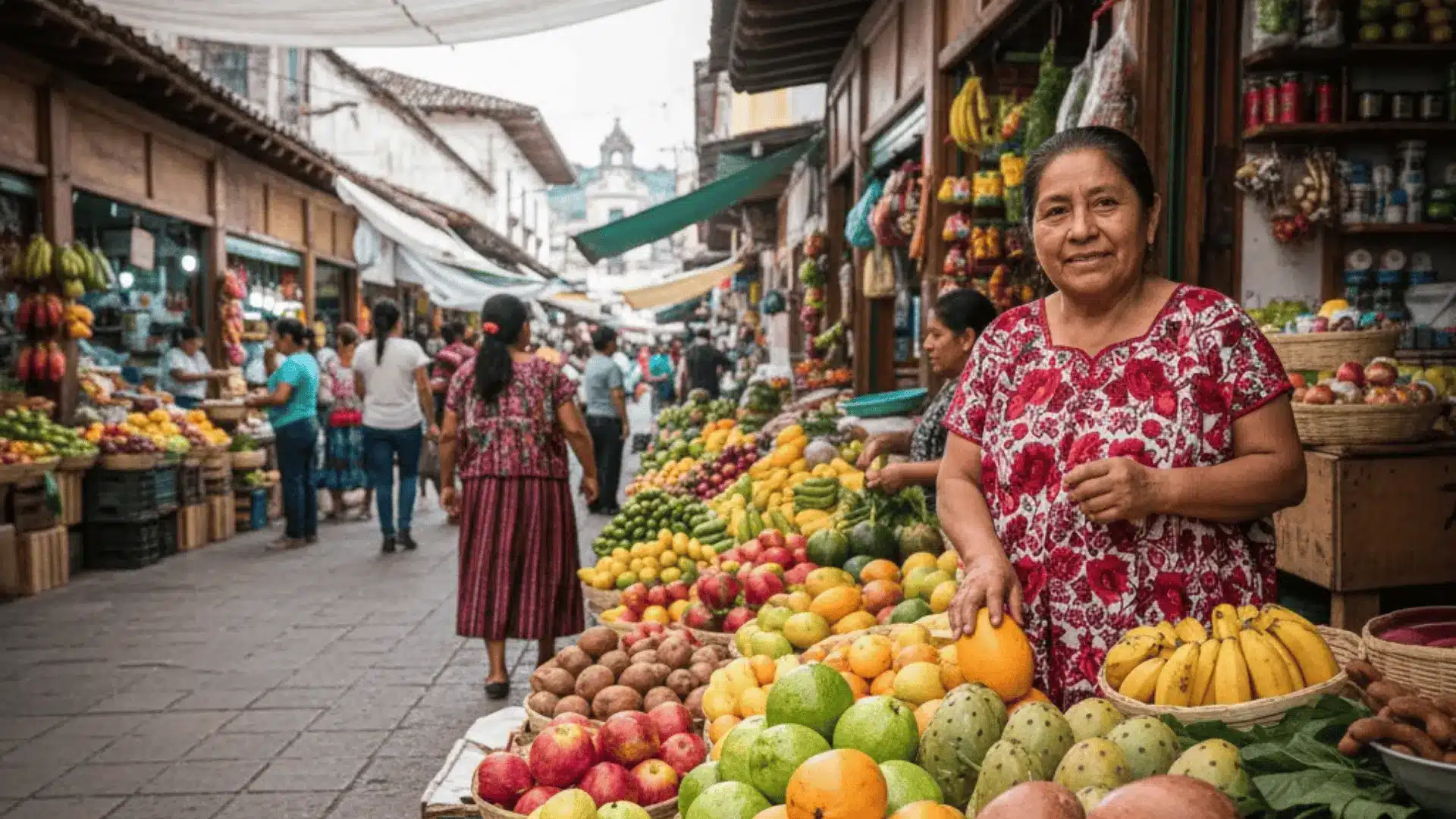
Mexico grows some of the most nutritionally rich Mexican fruit on the planet, and most people have barely scratched the surface of what that means.
Sprawling across tropical coasts, misty highlands, and arid valleys, the country has spent centuries cultivating Mexican fruits that double as medicine, ritual, and everyday nourishment.
Vitamins, antioxidants, fiber, and generations of indigenous knowledge are woven into every bite.
What follows is a close look at that living tradition, covering the health benefits behind each fruit and the best ways to actually enjoy them.
Why Mexican Fruits are So Nutrient-Dense?
Mexico’s varied geography is a big part of why its fruits pack such a nutritional punch.
The tropical and subtropical growing regions deliver intense sun exposure year-round, pushing fruits to develop higher concentrations of vitamins and antioxidants as a natural response to heat and light.
Layer in the country’s remarkably diverse volcanic and mineral-rich soils, and the nutritional output becomes something most growing regions simply can’t replicate.
Traditionally, these fruits are eaten fresh and in season, meaning none of that nutrient value gets lost to processing.
The payoff shows up where it counts: heart health, smoother digestion, and a stronger immune response.
Tropical Favorites
Few fruit families on earth compete with what Mexico’s tropical regions produce. The heat, humidity, and rich soils here create conditions that push nutritional density to another level entirely.
1. Mango
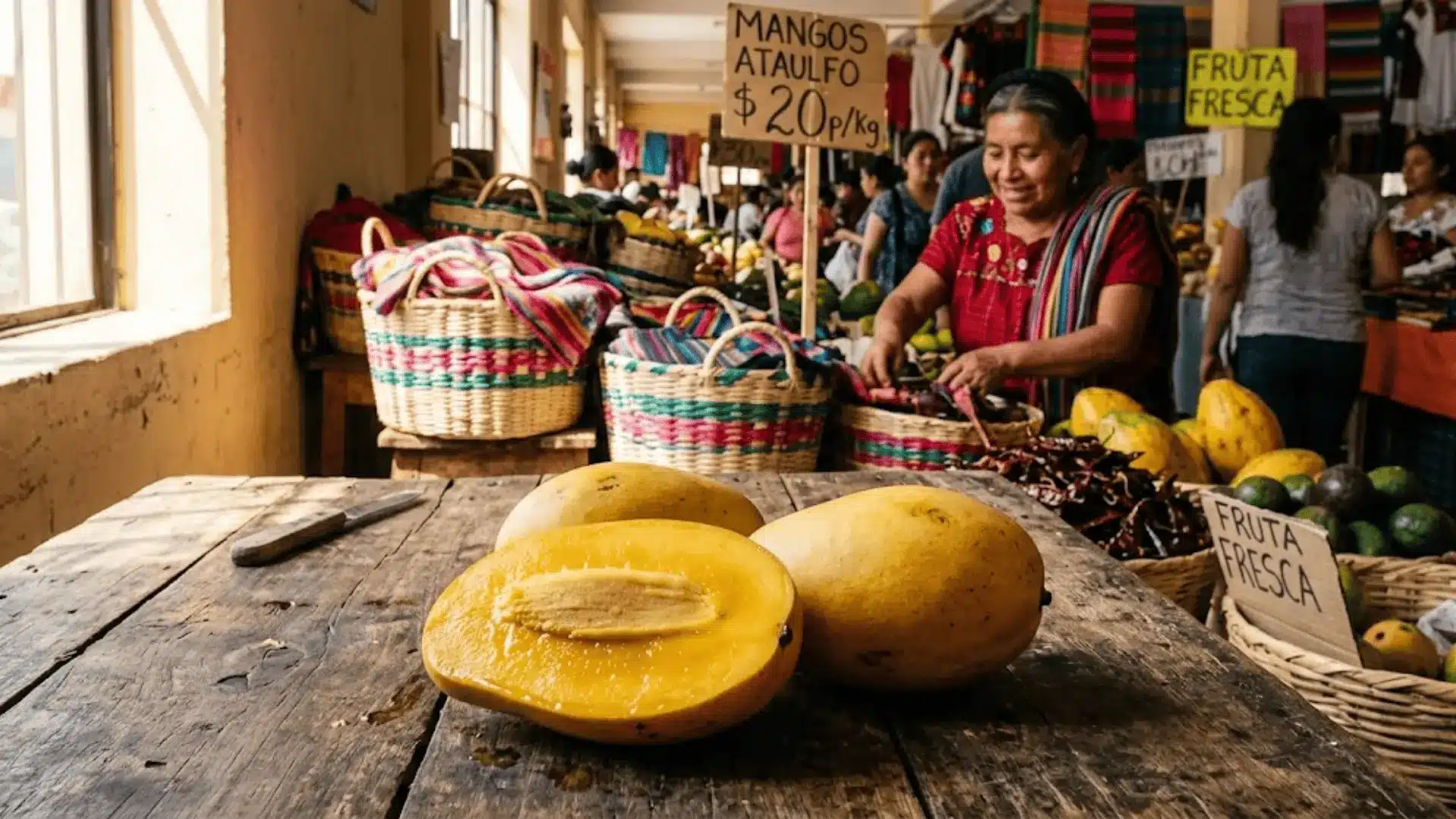
Nutritional Profile: Vitamin C (60% DV per cup), beta-carotene, folate, vitamin B6, potassium, digestive enzymes.
Mango is one of those fruits that delivers on every front. Its antioxidant load supports immunity and skin health in equal measure, and the natural enzymes make digestion noticeably easier.
In Mexico, it’s eaten fresh with chili and lime, blended into agua fresca, or frozen into paletas.
2. Papaya
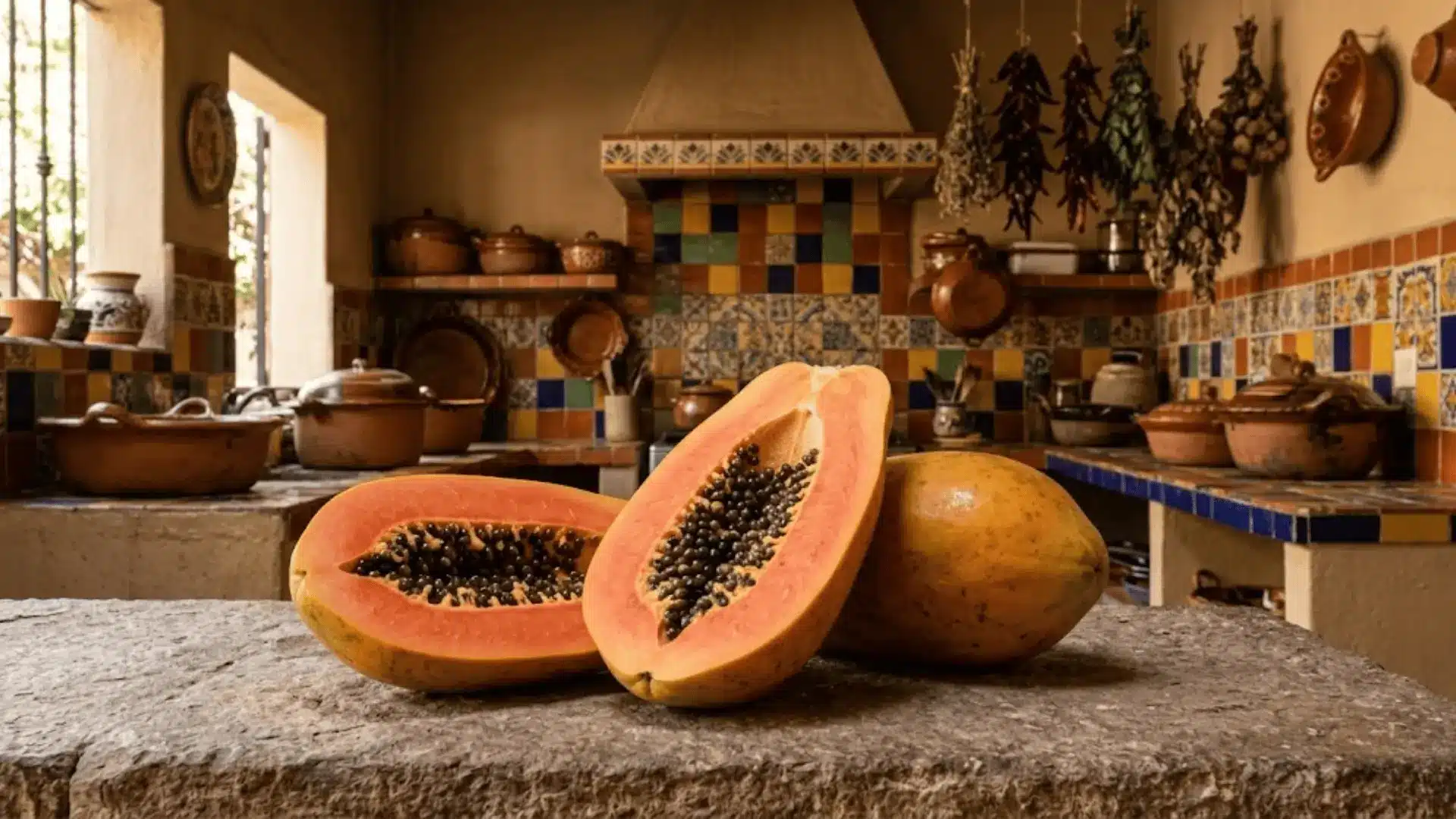
Nutritional Profile: Vitamin C (144% DV per cup), vitamin A, folate, potassium, papain enzyme, dietary fiber.
Papaya carries an enzyme called papain that actively breaks down proteins in the digestive tract, which is why it has been a gut health staple in Mexican households for centuries.
The vitamin C content alone makes it worth eating regularly. Enjoyed fresh with lime, or blended into smoothies and juices.
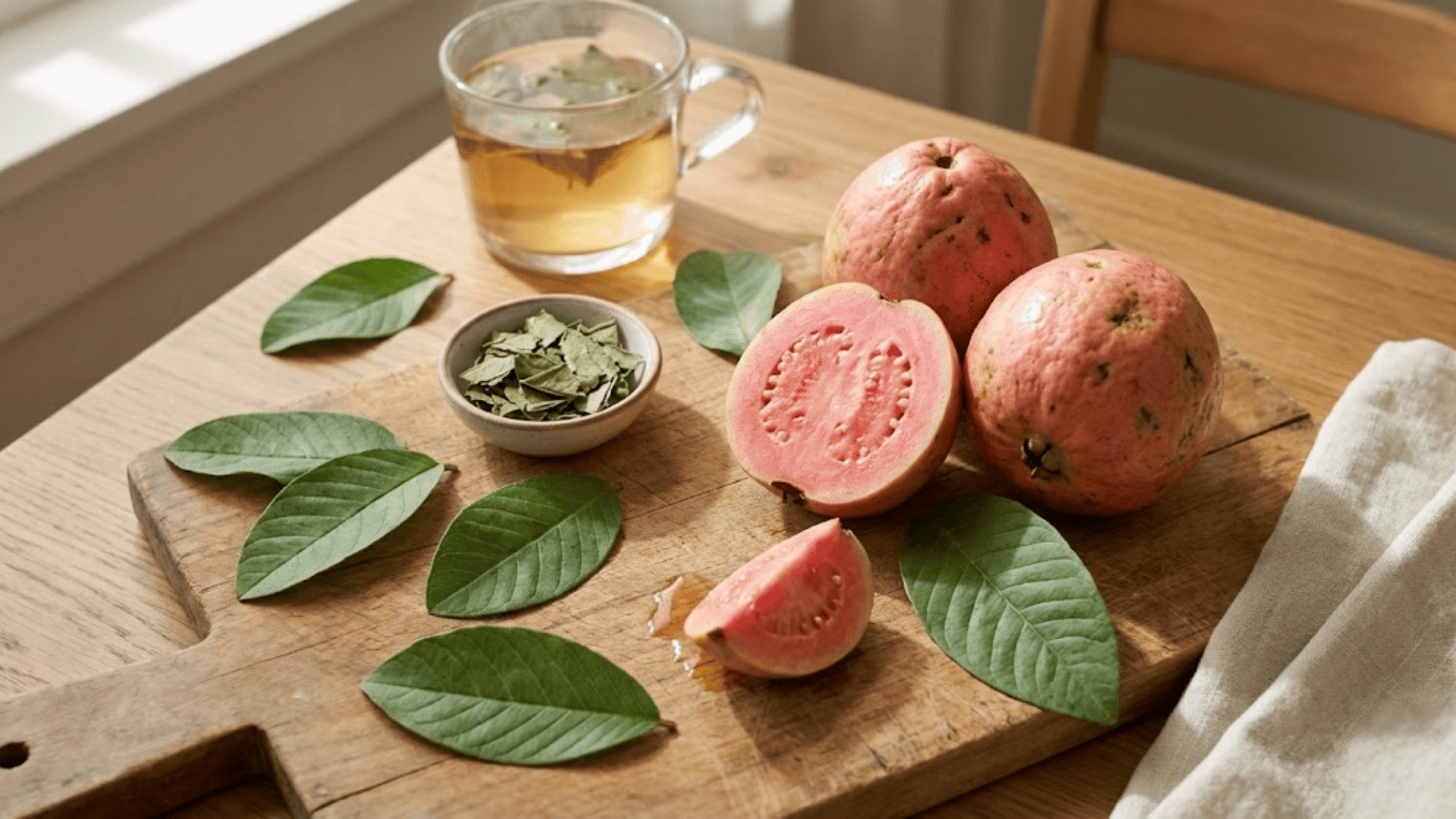
3. Guava
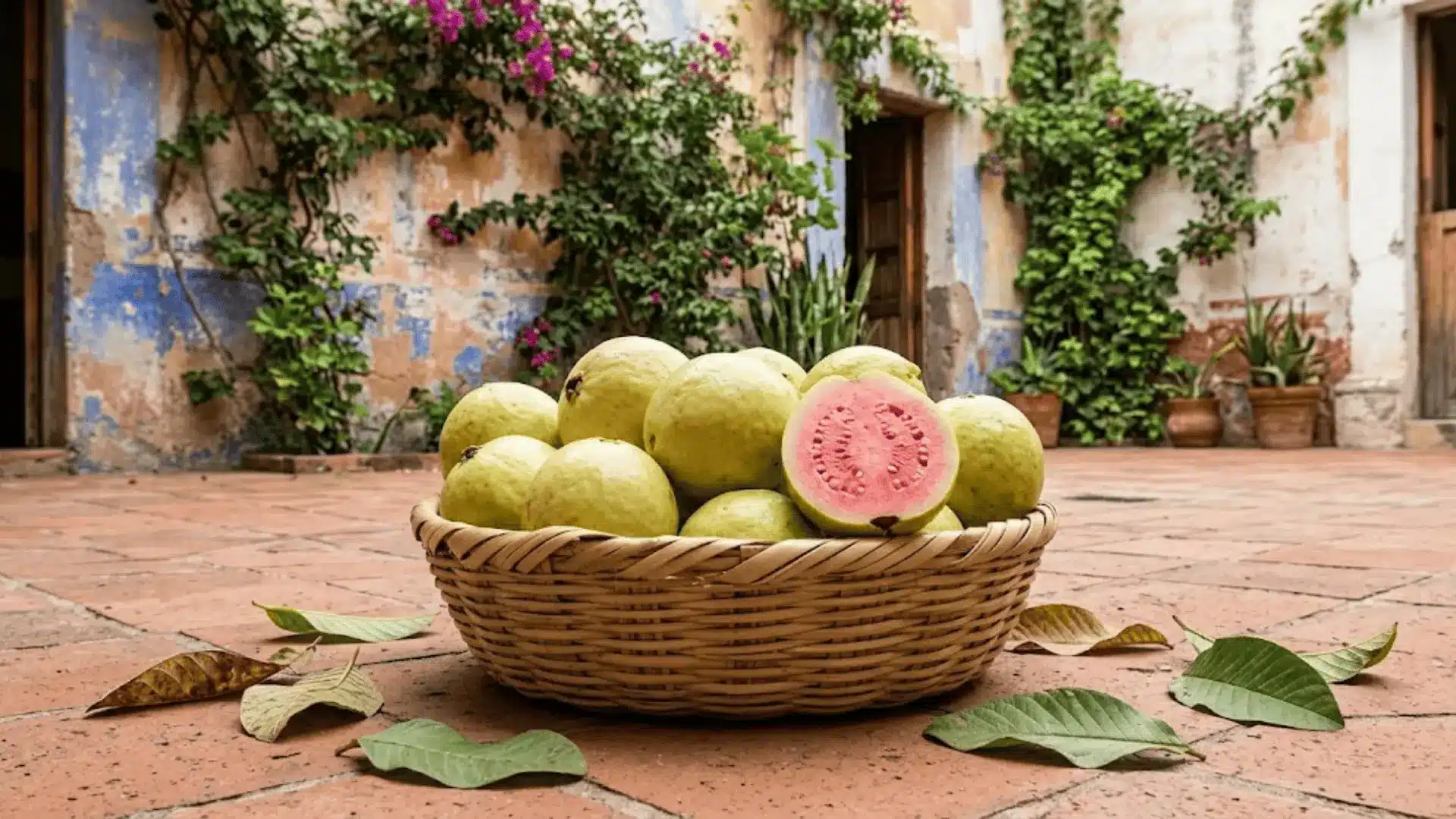
Nutritional Profile: Vitamin C (228% DV per 100g), dietary fiber (5.4g per 100g), potassium, lycopene (pink varieties), and vitamin A.
Guava quietly outperforms a lot of fruits that get far more attention. Pink-fleshed varieties contain lycopene, a well-known antioxidant mostly linked to tomatoes, and their fiber supports digestive health.
Enjoyed fresh, made into guava paste, or simmered into agua de guayaba.
4. Pineapple
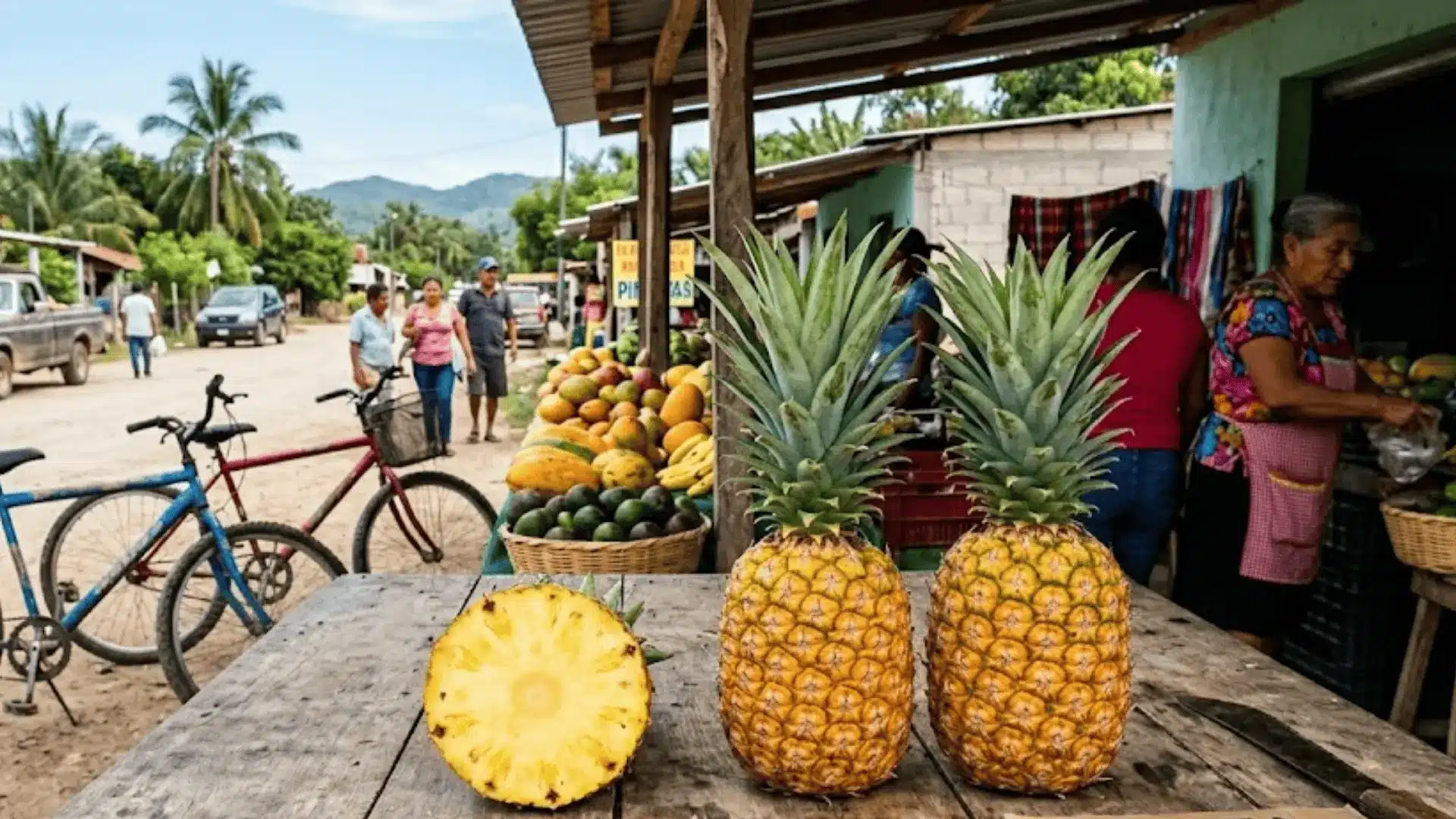
Nutritional Profile: Bromelain enzymes, vitamin C (79% DV per cup), manganese (109% DV per cup), B vitamins, dietary fiber.
Pineapple is best known for bromelain, a group of enzymes that support protein digestion and help manage inflammation in the body.
The manganese content is particularly notable for bone health and metabolic function. In Mexico, it’s eaten fresh, juiced, grilled alongside meats, or fermented into tepache.
5. Banana
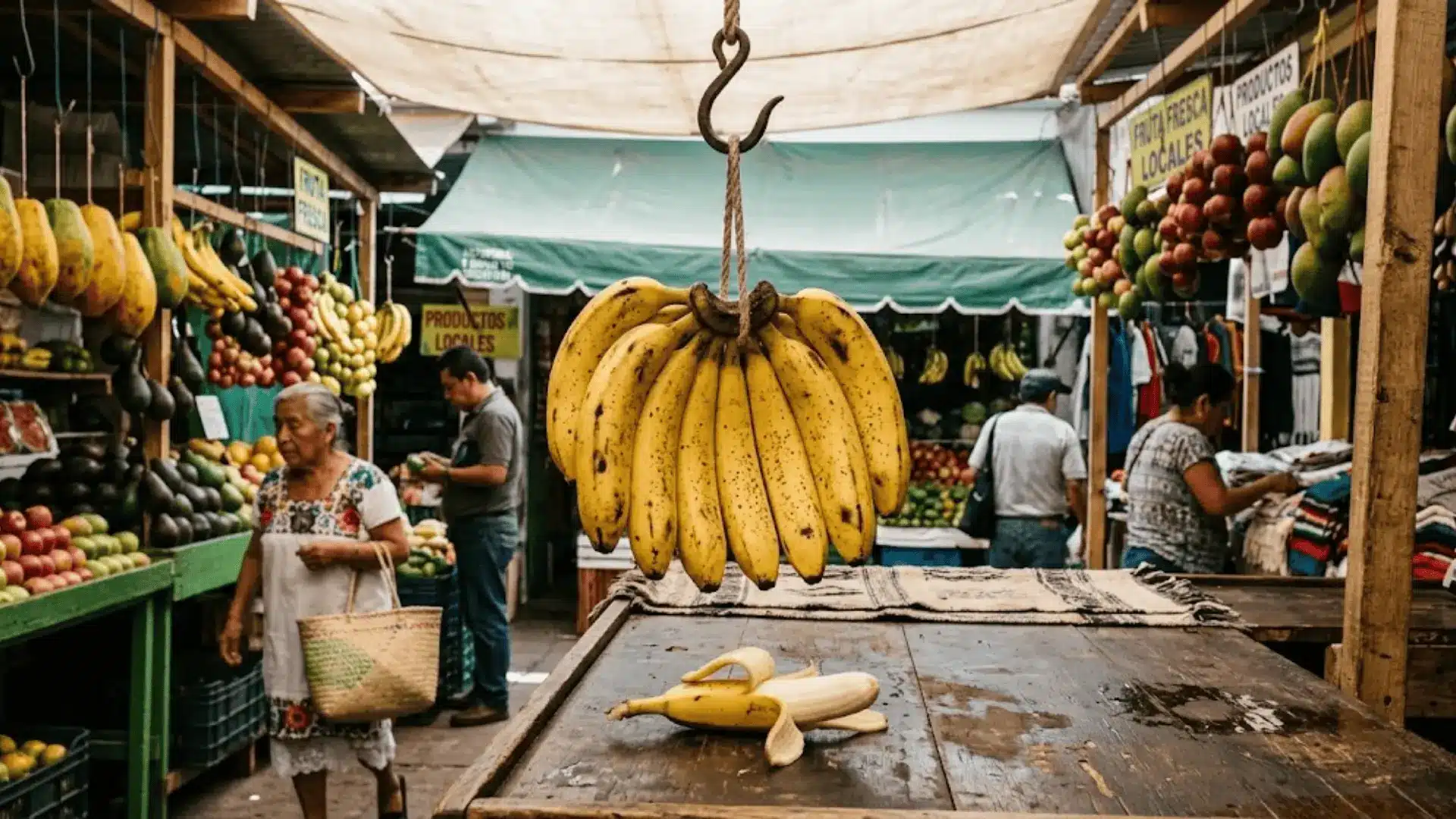
Nutritional Profile: Potassium (422mg per medium banana), vitamin B6 (25% DV), vitamin C, magnesium, dietary fiber.
Bananas are one of the most reliable sources of potassium in everyday diets, and that matters for blood pressure, heart rhythm, and muscle recovery more than most people realize.
The B6 content also supports mood and brain function quietly in the background. Eaten fresh, fried into plátanos fritos, or mashed into traditional preparations.
6. Coconut

Nutritional Profile: Medium-chain fatty acids (MCTs), manganese (75% DV per oz), copper, selenium, dietary fiber, potassium.
Coconut’s MCTs are metabolized differently from most dietary fats, reaching the liver quickly and offering a more sustained energy source.
It’s one of the few plant foods where the fat content is genuinely functional rather than incidental. Consumed as fresh coconut water, shredded into sweets, or pressed into coconut milk, used throughout Mexican coastal cooking.
7. Tamarind
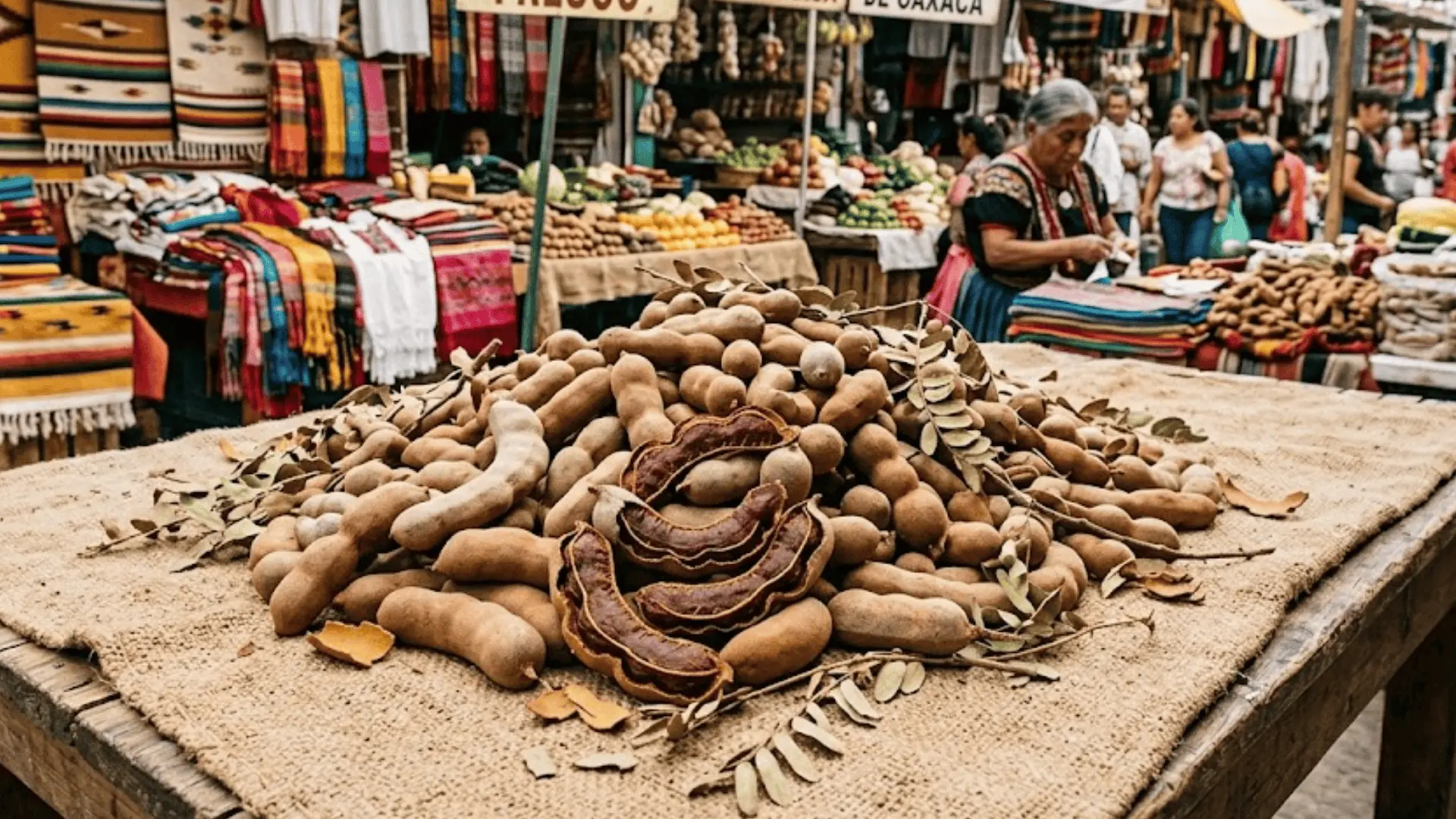
Nutritional Profile: Tartaric acid, magnesium (28% DV per 100g), potassium, iron (19% DV per 100g), B vitamins, dietary fiber.
Tamarind has a tartness that hints at its chemistry. Its mineral density makes it more nutritious than its candy-like reputation, and its long history in Mexican traditional medicine as a digestive remedy is well-earned.
Used in agua de tamarindo, candies, marinades, and savory sauces.
8. Mamey Sapote

Nutritional Profile: Beta-carotene, vitamin C (24% DV per 100g), vitamin B6 (30% DV per 100g), dietary fiber, potassium, copper.
Mamey sapote’s deep orange flesh signals exactly what’s inside. The B6 content is particularly notable for a fruit, playing a quiet but important role in brain function and mood regulation.
Blended into smoothies, eaten fresh with a spoon, or turned into the beloved mamey ice cream found across Mexican markets.
9. Sapodilla
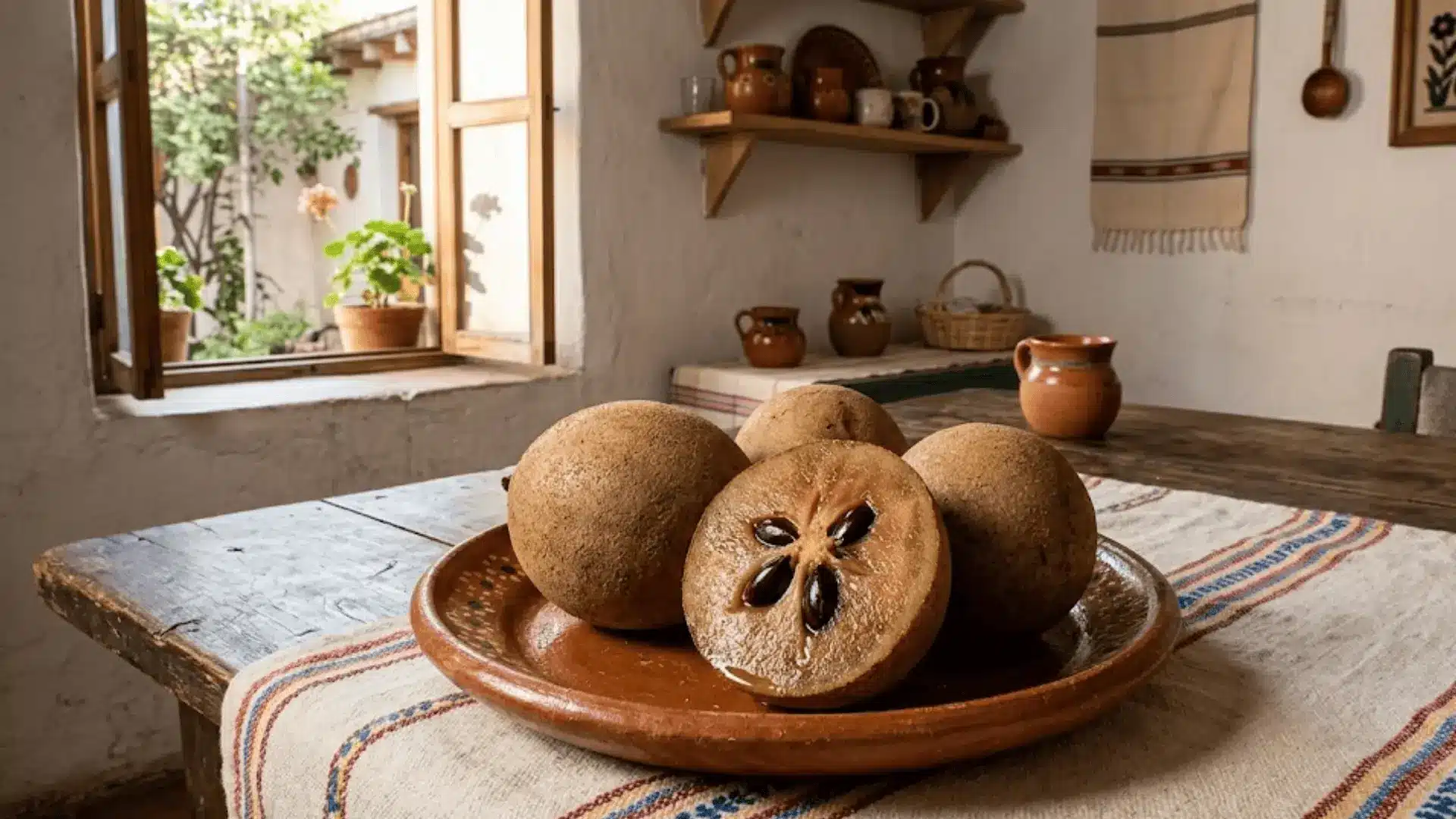
Nutritional Profile: Dietary fiber (5.6g per 100g), iron (8% DV per 100g), vitamin C, vitamin A, potassium, and natural tannins.
Sapodilla is sweet, grainy in texture, and nutritionally underrated. Its tannins are linked to digestive and anti-inflammatory benefits in Mexican herbal practice, and its fiber supports gut health beyond its modest reputation.
Eaten fresh and ripe, or incorporated into regional sweets and desserts.
10. Soursop

Nutritional Profile: Vitamin C (34% DV per 100g), vitamin B1, vitamin B2, potassium, magnesium, dietary fiber.
Soursop is cooling, slightly tart, and quietly rich in bioactive plant compounds that have drawn significant research interest for their cellular protective properties.
The B vitamin content also supports energy metabolism in a way that makes it more than just a refreshing fruit. Blended into agua fresca, eaten fresh, or churned into sorbets and ice creams.
Citrus Varieties
Mexico’s relationship with citrus is personal. These fruits show up in nearly every meal, every drink, and every street food experience the country has to offer.
11. Lime
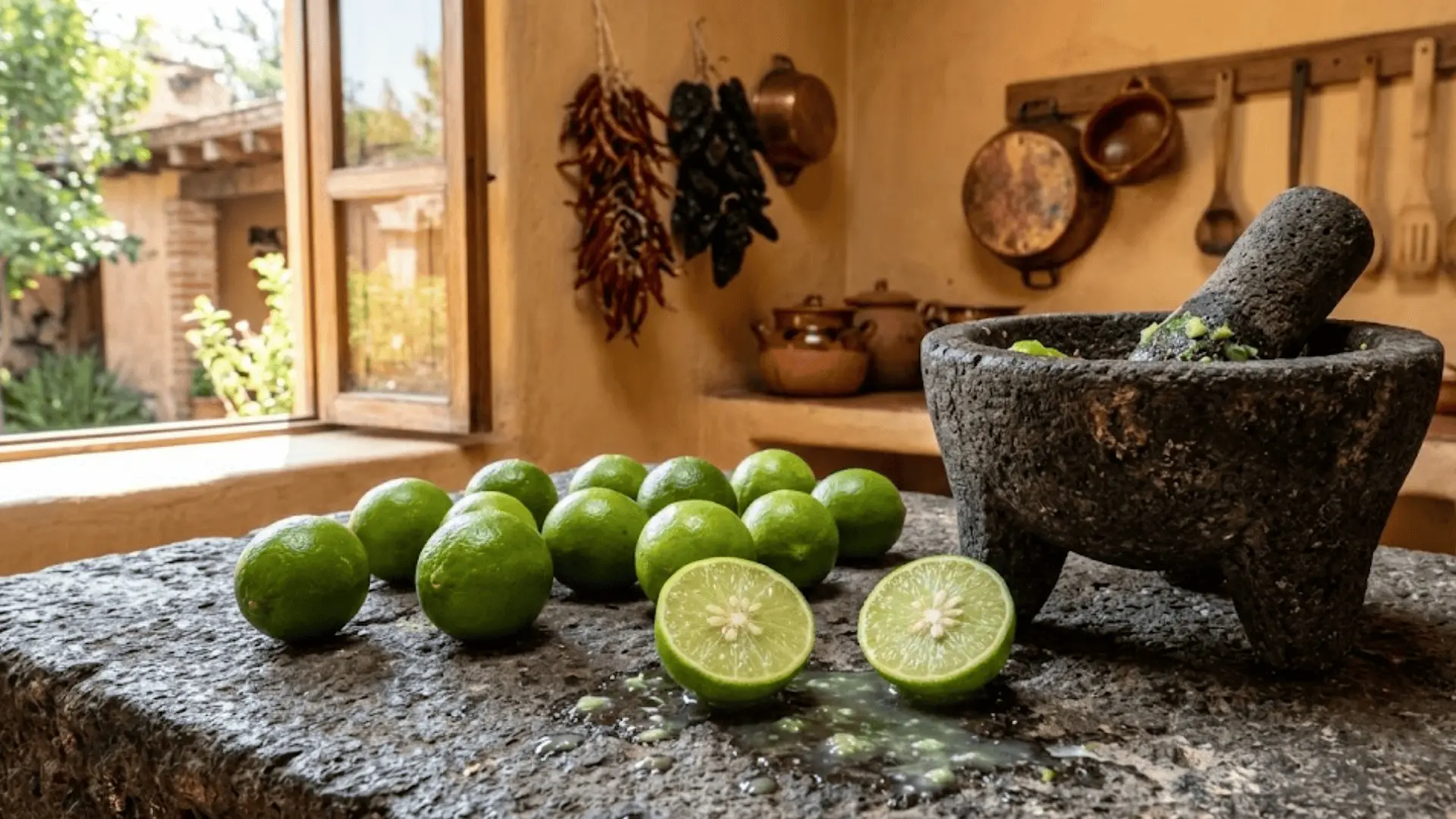
Nutritional Profile: Vitamin C (22% DV per fruit), flavonoids, citric acid, calcium, potassium, folate.
The Mexican lime is a kitchen staple for reasons that go beyond flavor.
Its citric acid supports detox pathways, and flavonoids aid cardiovascular health, making this small fruit genuinely functional. Squeezed over practically everything, from tacos to fruit cups to mezcal.
12. Orange
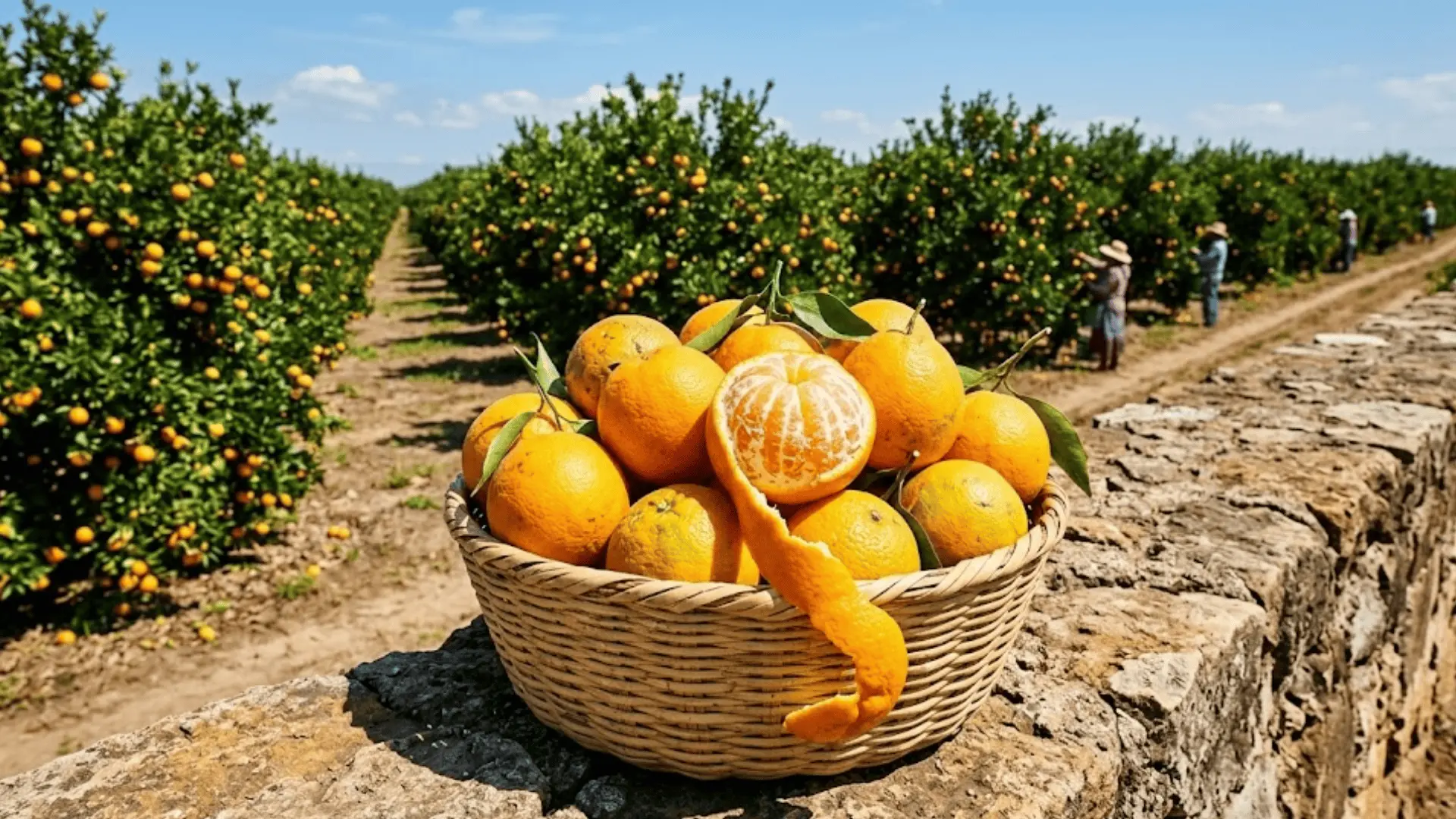
Nutritional Profile: Vitamin C (93% DV per medium orange), folate (10% DV), hesperidin, potassium, thiamine, dietary fiber.
Oranges are a well-rounded source of nutrients that support immunity, skin collagen production, and cardiovascular health simultaneously.
The hesperidin content, a flavonoid unique to citrus, is particularly associated with blood pressure regulation. Juiced fresh, eaten in segments, or used in marinades for meats like carnitas.
13. Grapefruit
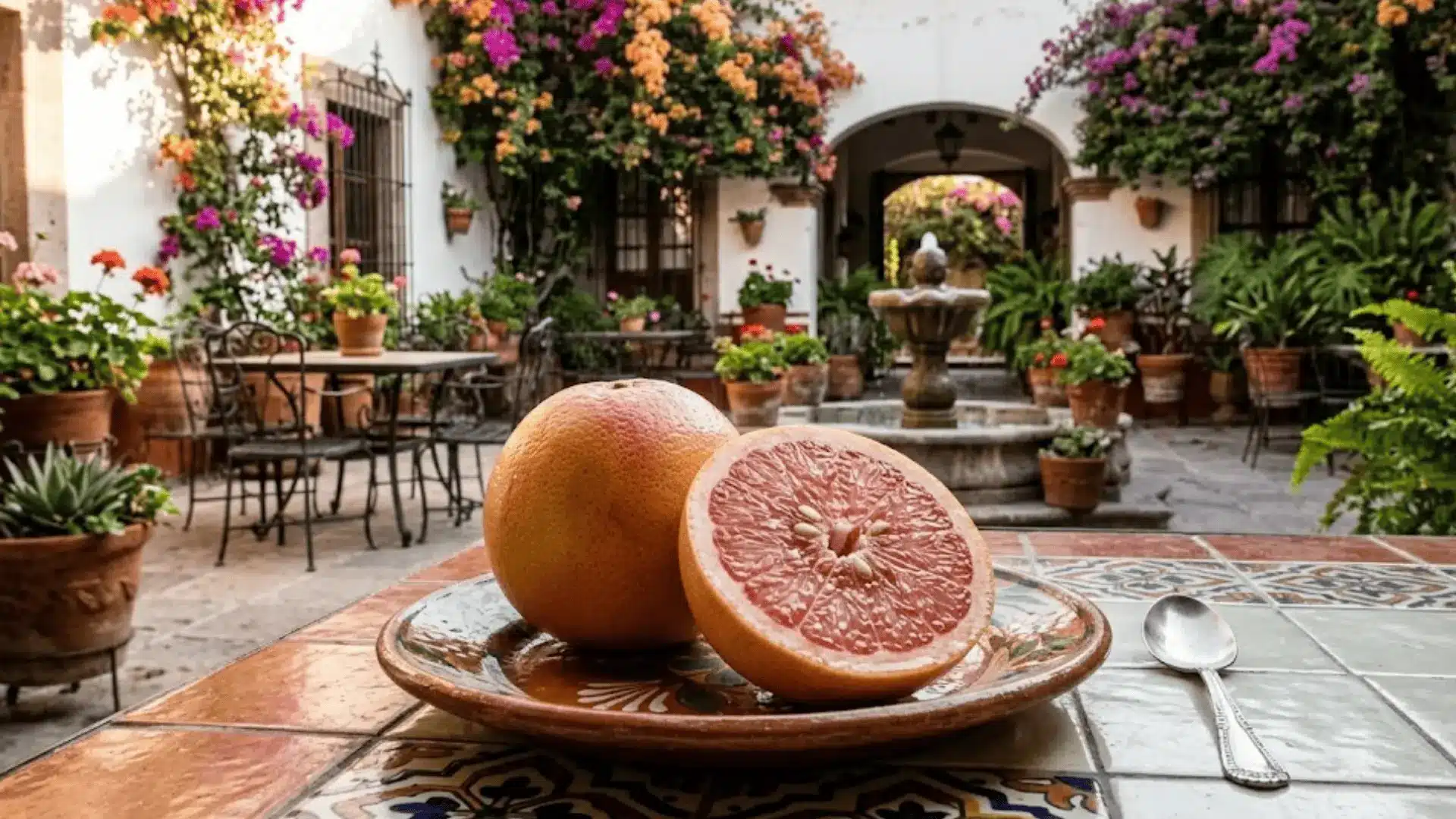
Nutritional Profile: Vitamin C (64% DV per half fruit), naringenin, potassium, vitamin A, dietary fiber, lycopene (pink varieties).
Grapefruit is one of the more metabolically active citrus fruits.
Naringenin has been studied for its role in fat metabolism and insulin sensitivity, making it a promising option for cardiovascular and metabolic health. Eaten halved with a spoon, juiced, or segmented into salads.
14. Mandarin Orange
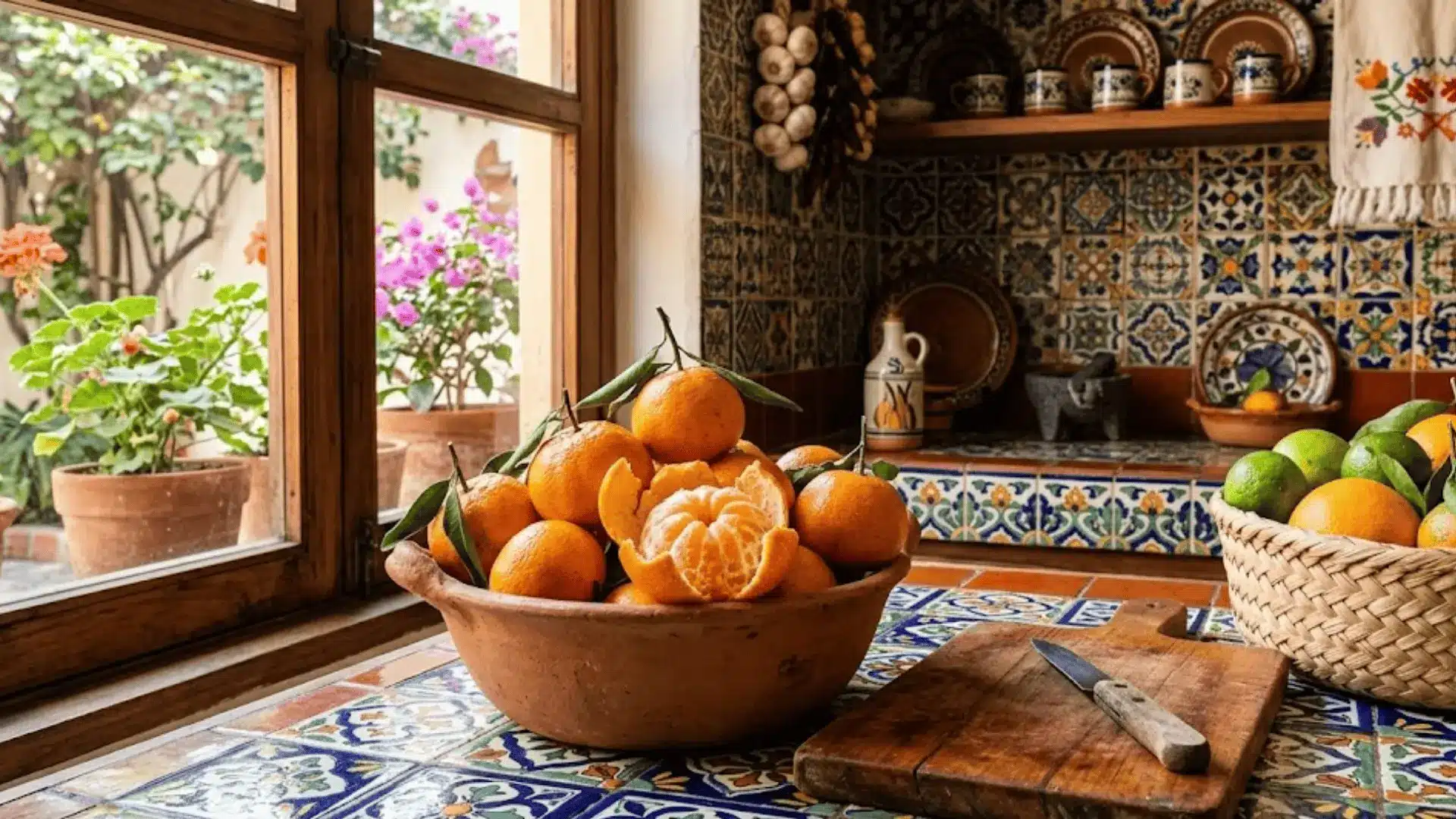
Nutritional Profile: Vitamin C (26% DV per fruit), beta-carotene, flavonoids, potassium, vitamin A, dietary fiber.
Mandarins offer an easy, peel-and-eat nutrient boost that’s gentler on digestion than some other citrus.
Their natural sweetness includes a useful antioxidant profile, with beta-carotene supporting eye, skin health, and immune benefits. Eaten fresh as a snack or packed into everyday lunches across the country.
15. Bitter Orange (Naranja Agria)
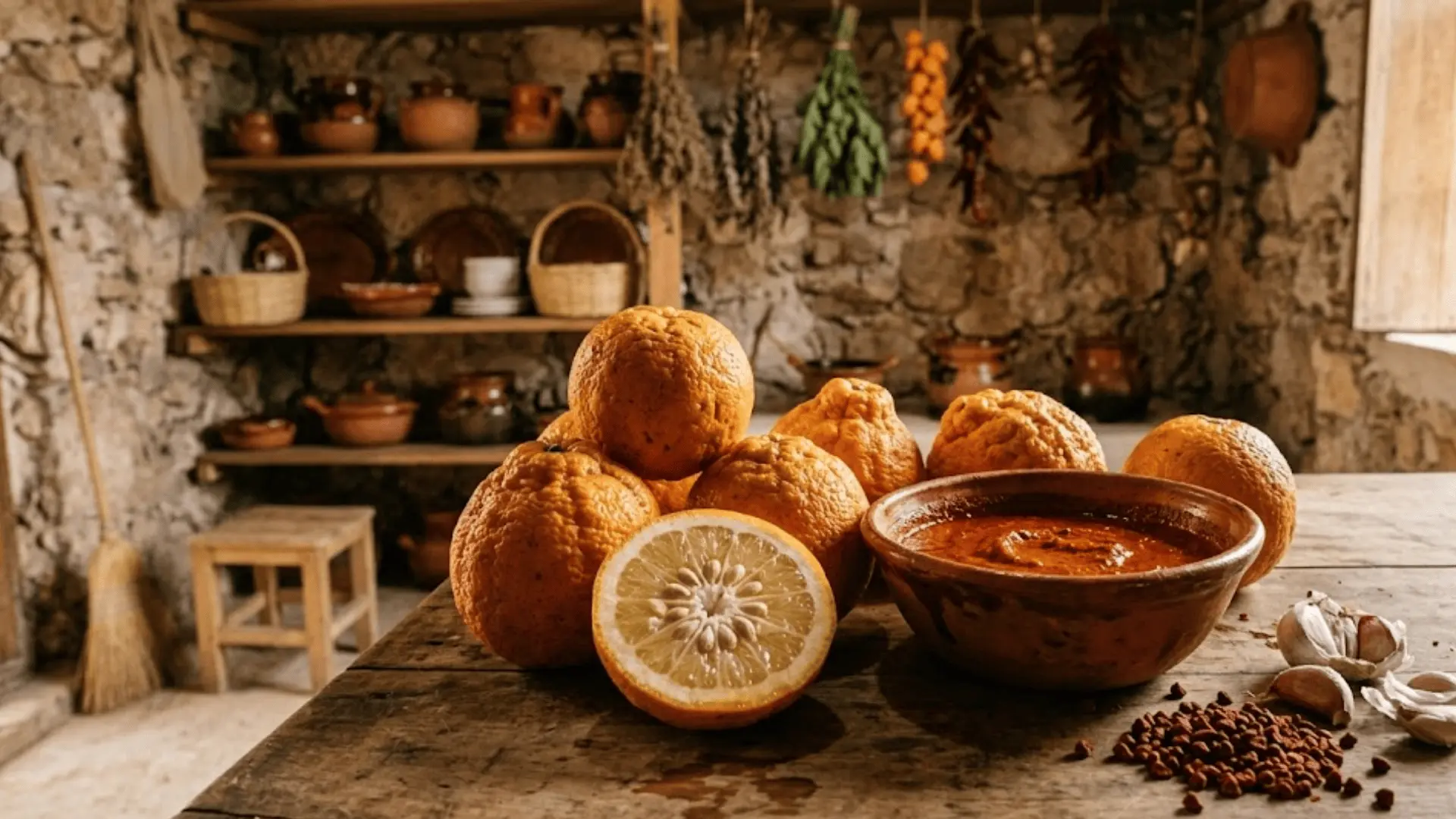
Nutritional Profile: Vitamin C, synephrine, flavonoids (naringenin, hesperidin), dietary fiber, potassium, antioxidant phenolic compounds.
Bitter orange is a significant citrus in Mexican tradition, supporting metabolism with its synephrine-rich, flavonoid-dense profile, yet it seldom gets the recognition it deserves.
It’s not eaten fresh like sweet oranges but appears in Mexican cooking as a marinade for cochinita pibil, in agua de Jamaica, and in herbal remedies across the Yucatán.
Desert and Unique Fruits
Some of Mexico’s most interesting fruits grow in places most fruit trees wouldn’t survive. These are the ones shaped by drought, altitude, and centuries of human cultivation.
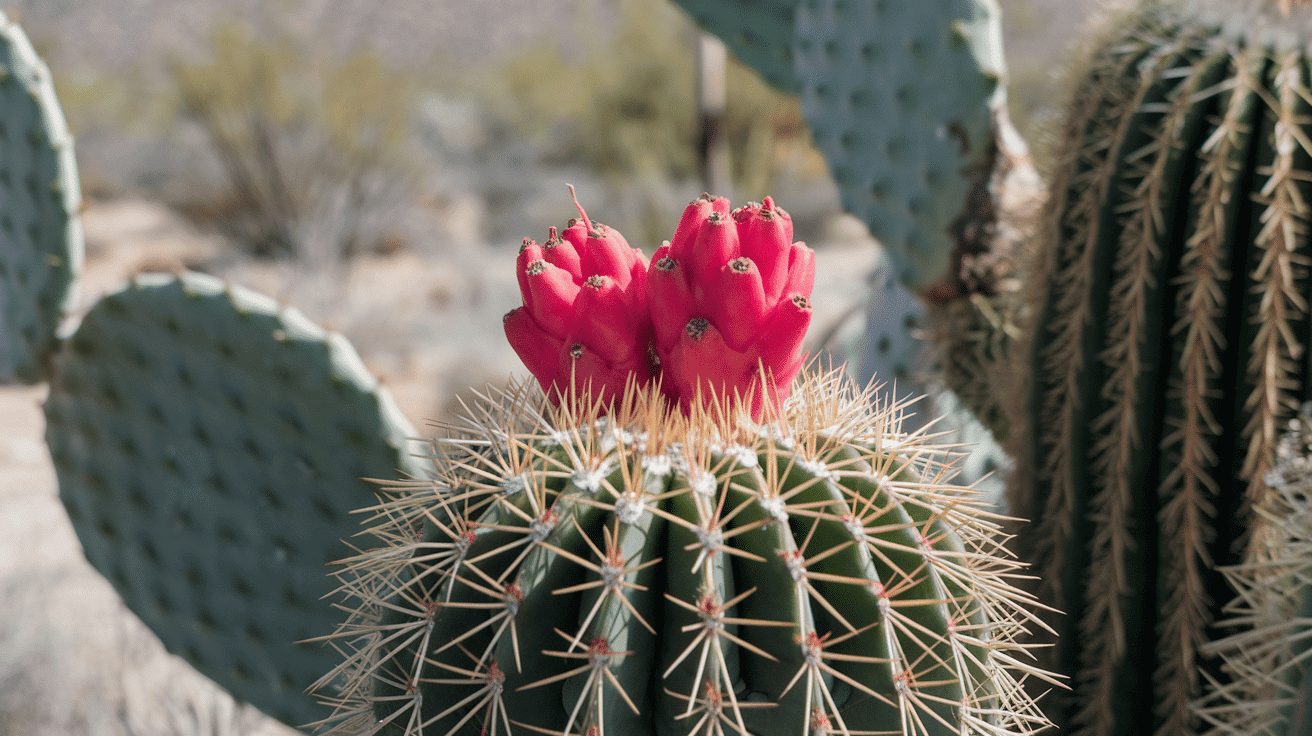
16. Prickly Pear
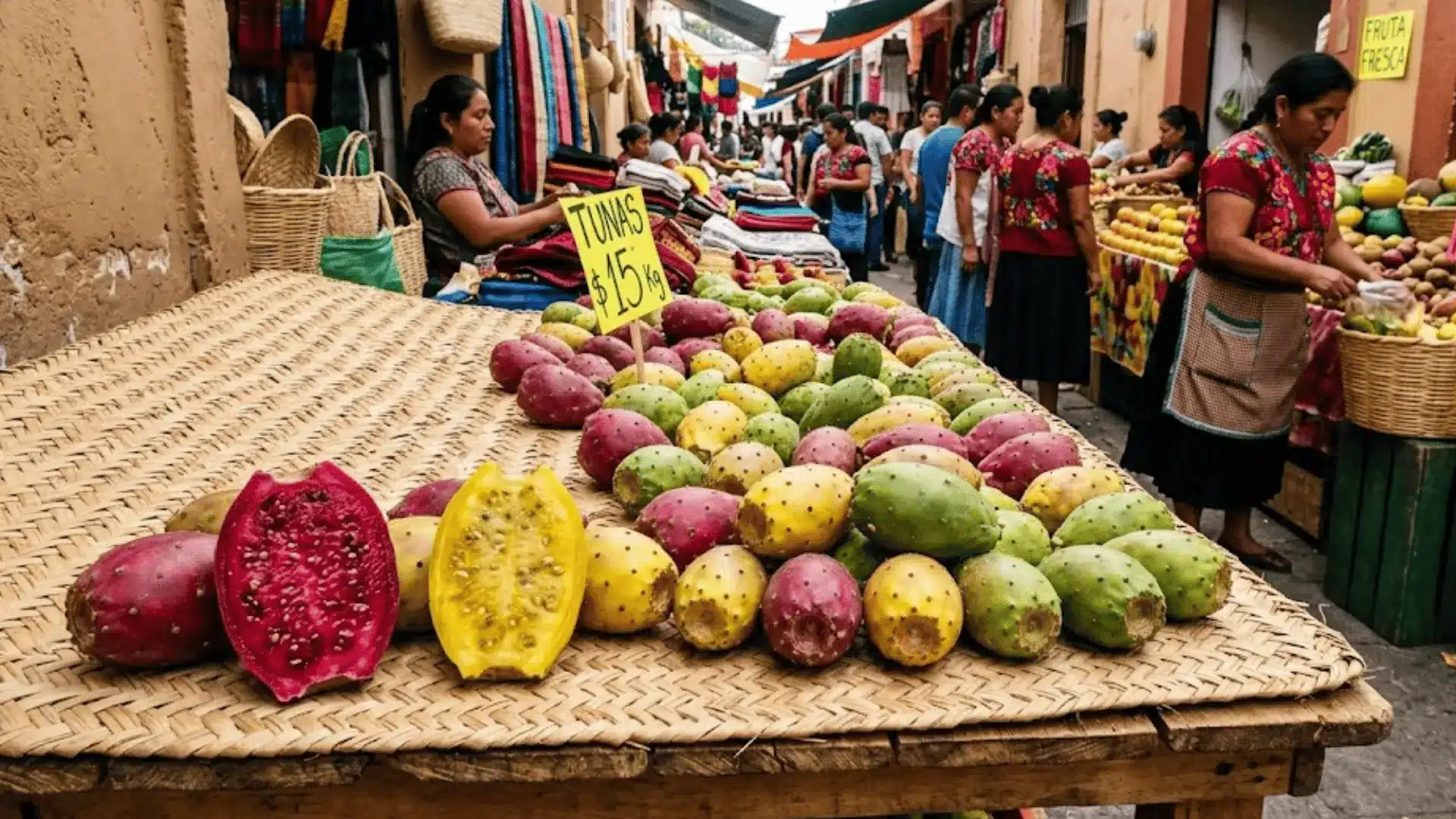
Nutritional Profile: Betalains, dietary fiber (3.7g per 100g), vitamin C (23% DV per 100g), magnesium, potassium, antioxidant flavonoids.
Prickly pear is one of the most nutritionally distinctive fruits in Mexican tradition.
Its deep pigment from betalains, strong antioxidants with anti-inflammatory properties, and fiber content support healthy blood sugar levels. Eaten fresh, blended into juice, or cooked down into syrup and candy.
17. Pitaya
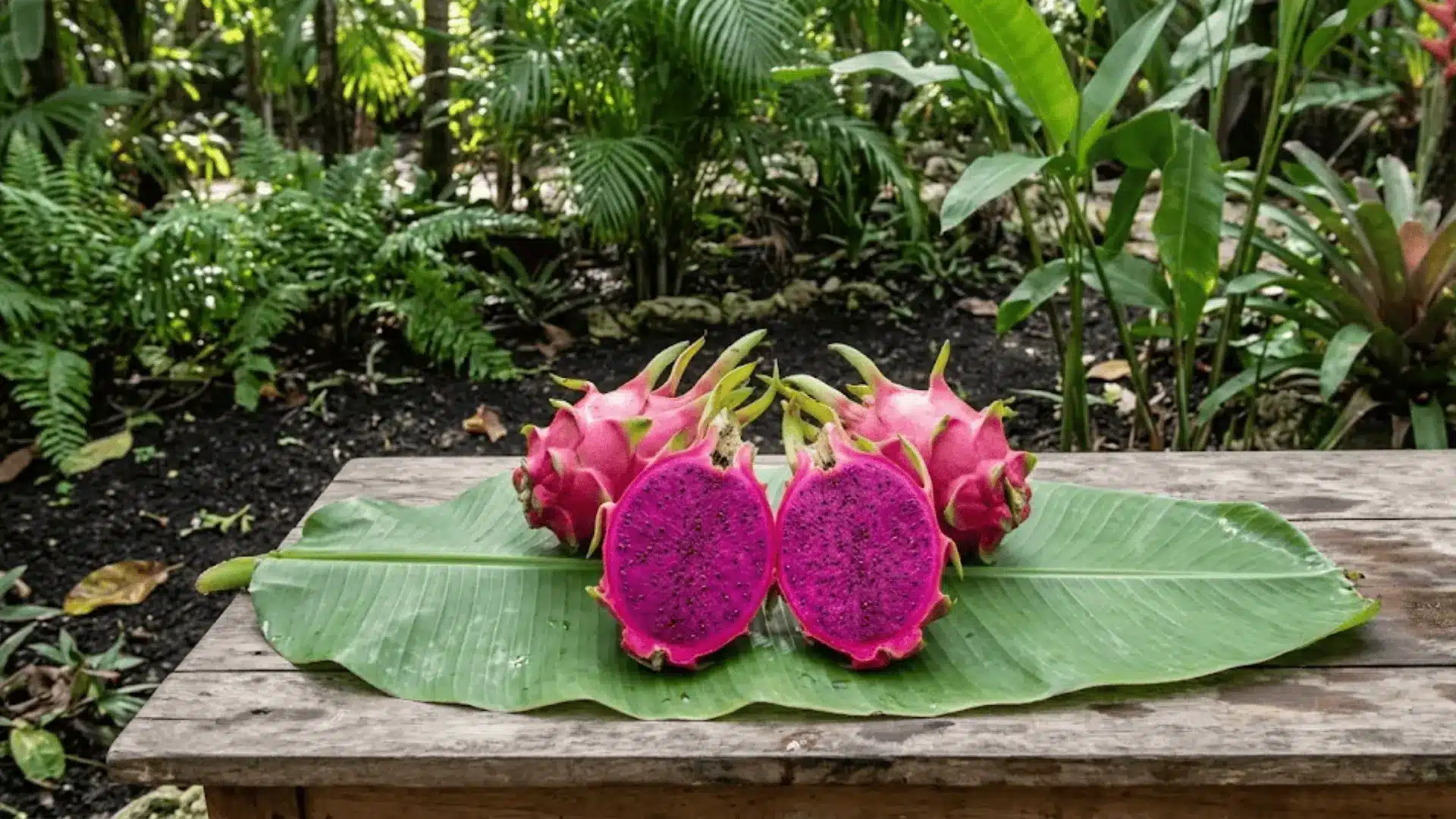
Nutritional Profile: Prebiotic fiber, vitamin C (9% DV per 100g), iron (8% DV per 100g), magnesium, antioxidant betacyanins (red varieties).
Pitaya contains prebiotics that actively feed beneficial gut bacteria, which sets it apart from most fruits that simply provide fiber.
The red-fleshed varieties carry additional betacyanin pigments with meaningful antioxidant activity. Eaten fresh, added to fruit bowls, or blended into smoothies and aguas frescas.
18. Jicama
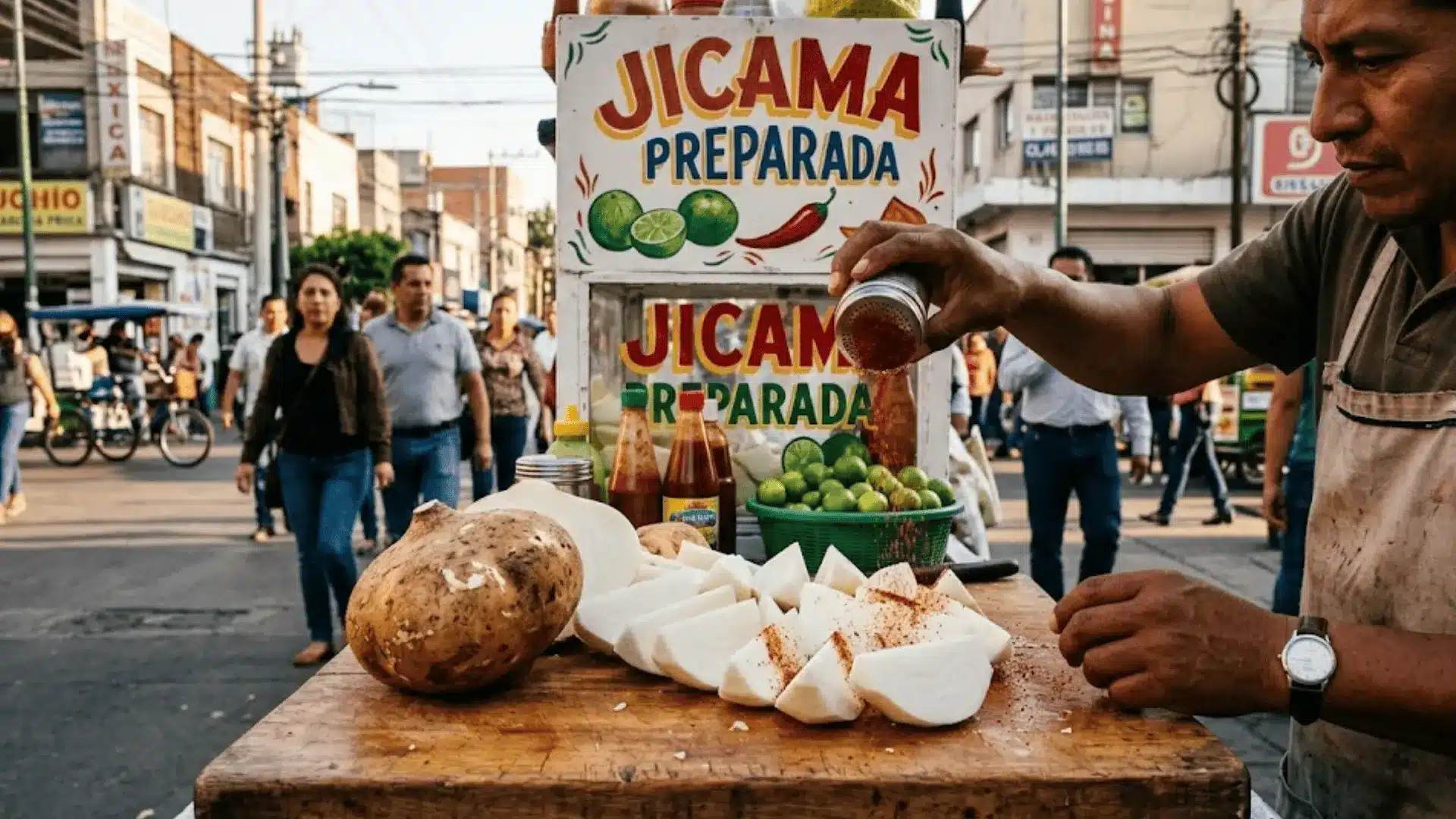
Nutritional Profile: Inulin (prebiotic fiber), vitamin C (40% DV per cup), potassium, folate, low calorie (49 cal per 100g).
Jicama is low in calories and high in inulin, a prebiotic fiber that supports digestive health and helps maintain fullness between meals.
The vitamin C content is higher than most people expect from something that looks more like a root vegetable. Sliced and served with chili, lime, and salt as a popular street snack across Mexico.
19. Tejocote

Nutritional Profile: Pectin (soluble fiber), vitamin C, vitamin A, potassium, antioxidant polyphenols, and calcium.
Tejocote is a small, underappreciated fruit with a serious nutritional resume. Its high pectin benefits for cholesterol and digestion, and has been used in Mexican herbal medicine as a cardiovascular tonic for generations.
Simmered in ponche navideño, Mexico’s traditional Christmas fruit punch, or eaten fresh with chili salt.
20. Capulin
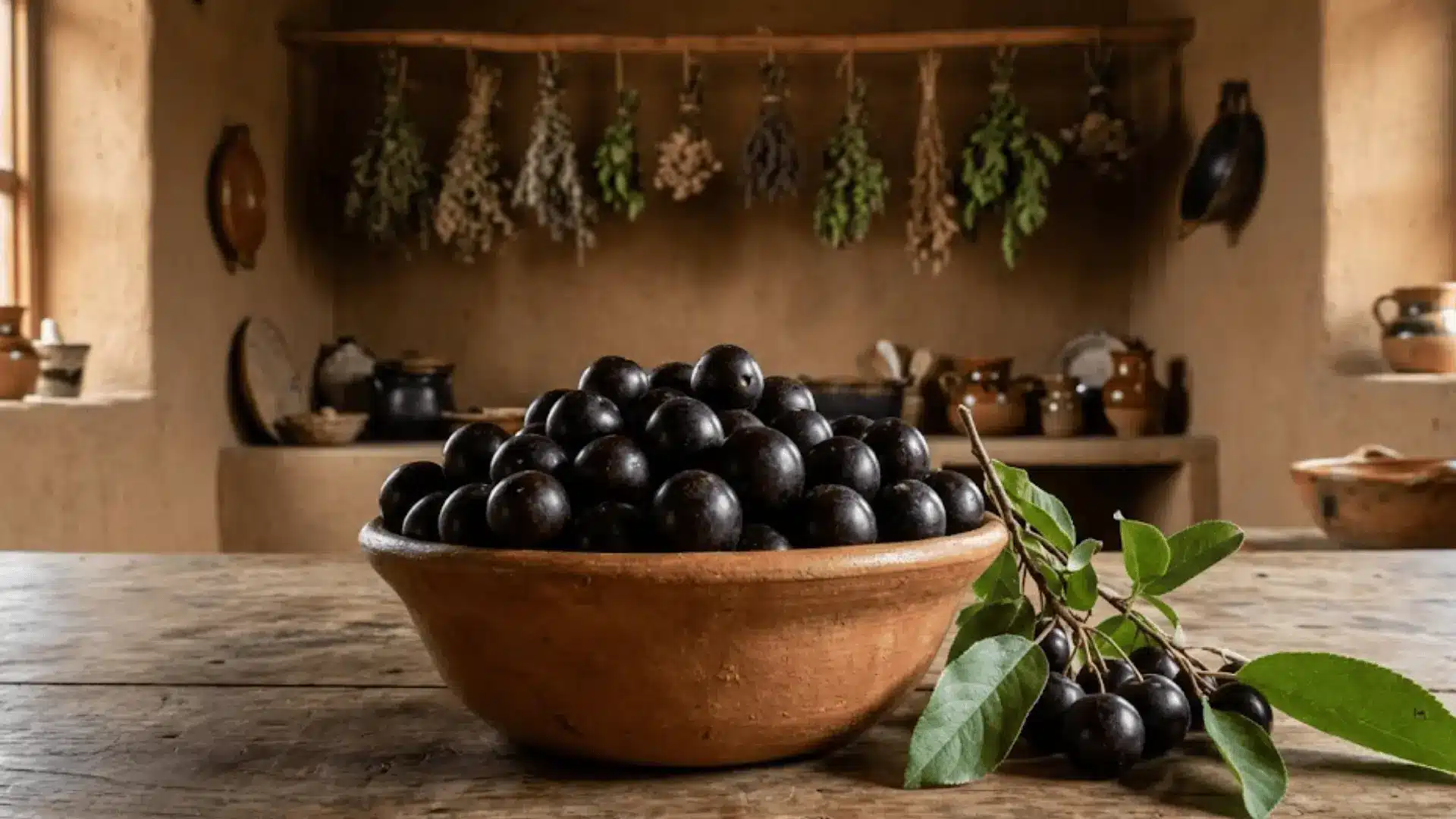
Nutritional Profile: Anthocyanins, vitamin C, iron, potassium, dietary fiber, antioxidant phenolic compounds.
Capulin is a wild cherry native to Mexico, and its deep color tells you exactly what’s going on nutritionally.
The anthocyanin content drives anti-inflammatory and antioxidant activity. The flavor is between cherry and plum, making it a distinctive fruit. Eaten fresh off the tree, made into preserves, or fermented into regional spirits.
Stone Fruits and Seasonal Favorites
These fruits mark the rhythms of the Mexican agricultural calendar. When they arrive at the market, people notice, and for good reason.
21. Peach
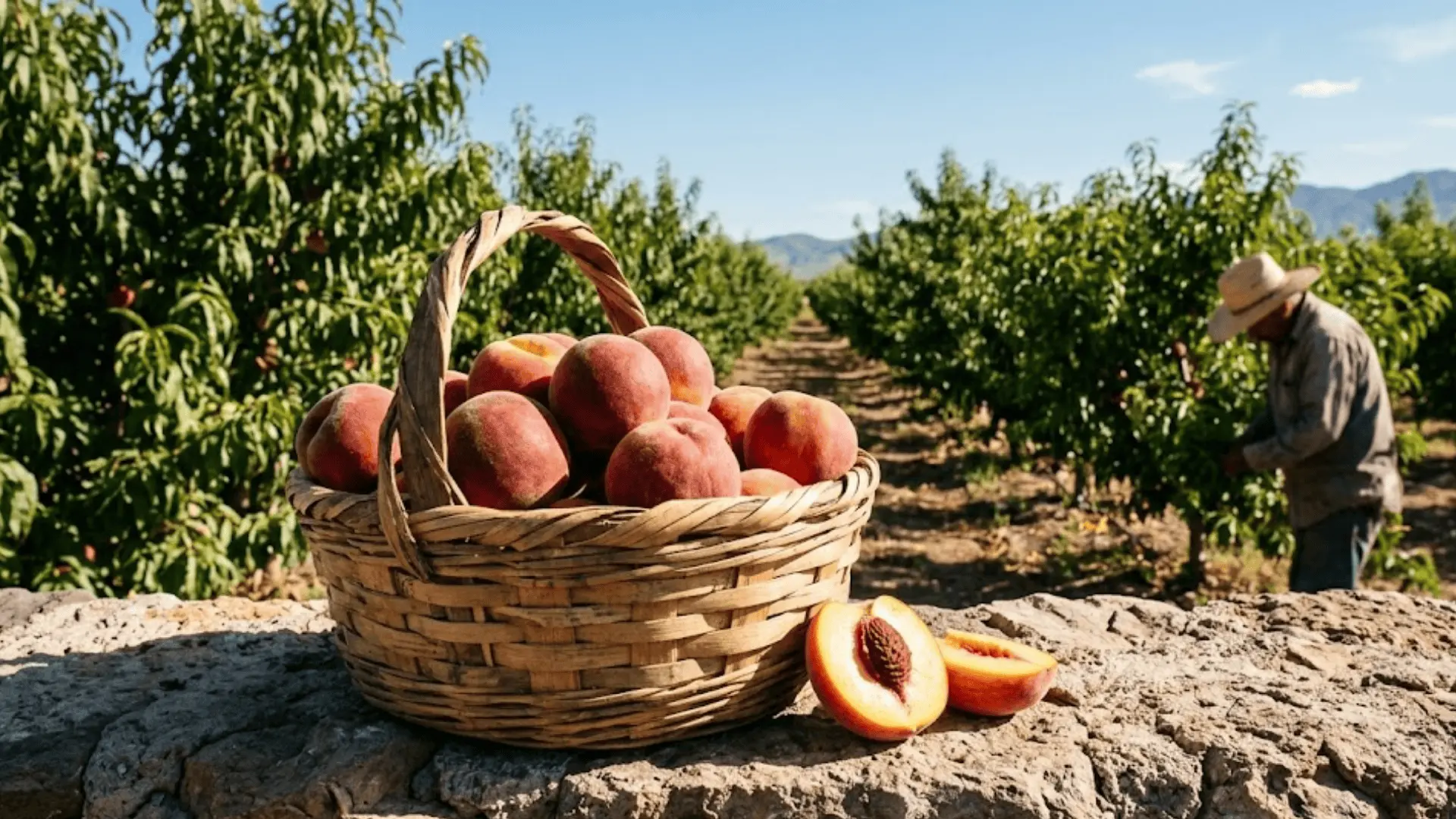
Nutritional Profile: Vitamin C (17% DV per medium peach), vitamin A, dietary fiber, potassium, chlorogenic acid, antioxidant flavonoids.
Mexican peaches grown in highland regions like Chihuahua and Puebla develop exceptional sweetness alongside a genuinely useful antioxidant profile.
The chlorogenic acid content is associated with heart health and blood sugar regulation in a way that makes seasonal peaches worth seeking out. Eaten fresh, cooked into preserves, or dried for use in regional sweets.
22. Plum
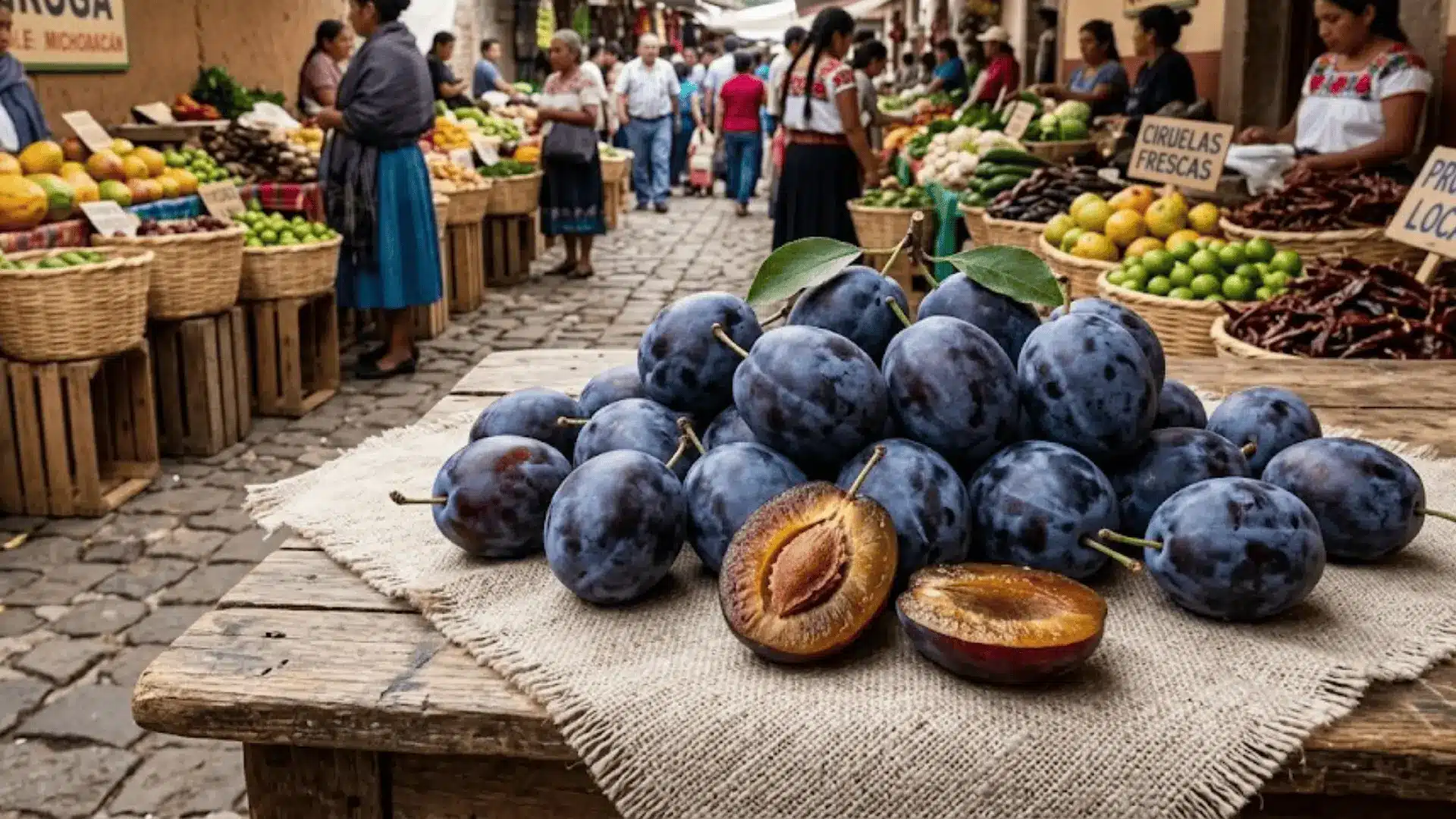
Nutritional Profile: Dietary fiber (1.4g per plum), vitamin C (10% DV), vitamin K (6% DV), potassium, sorbitol, antioxidant phenolics.
Plums are rich in sorbitol and dietary fiber, making them one of the more effective fruits for supporting digestive regularity.
The vitamin K content also plays a quiet role in bone health and blood clotting that often gets overlooked. Eaten fresh, dried into prunes, or incorporated into aguas frescas and market snacks.
23. Apricot
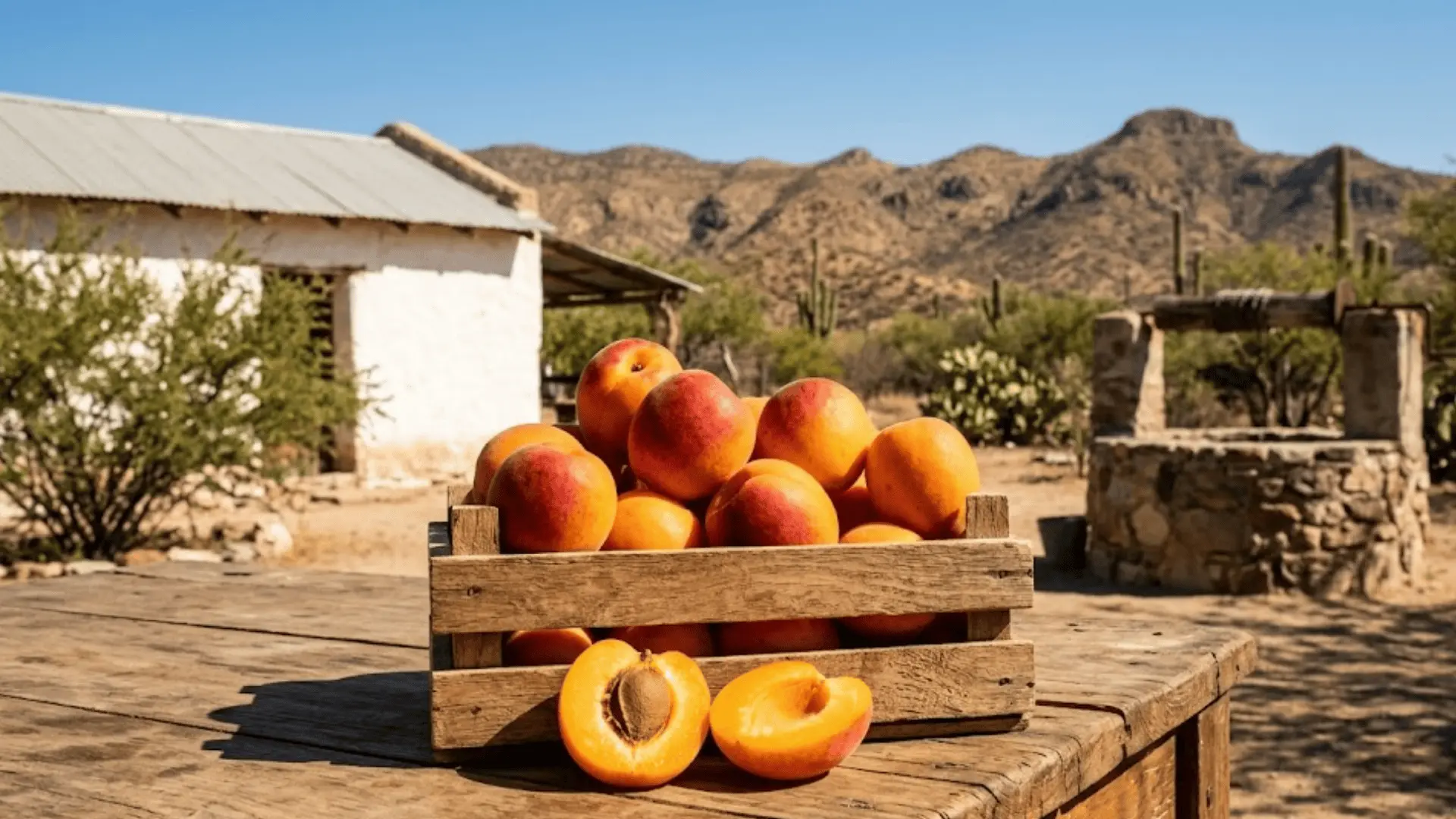
Nutritional Profile: Beta-carotene (vitamin A precursor, 13% DV per fruit), vitamin C (8% DV), potassium, dietary fiber, antioxidant flavonoids.
Apricots pack a concentrated amount of beta-carotene into a small, seasonal fruit, and their antioxidant profile is notably strong when eaten ripe and fresh rather than processed.
The potassium content supports healthy blood pressure, alongside the eye and skin benefits the carotenoids provide. Enjoyed fresh during their short season, or dried and used in regional confections.
24. Cherimoya
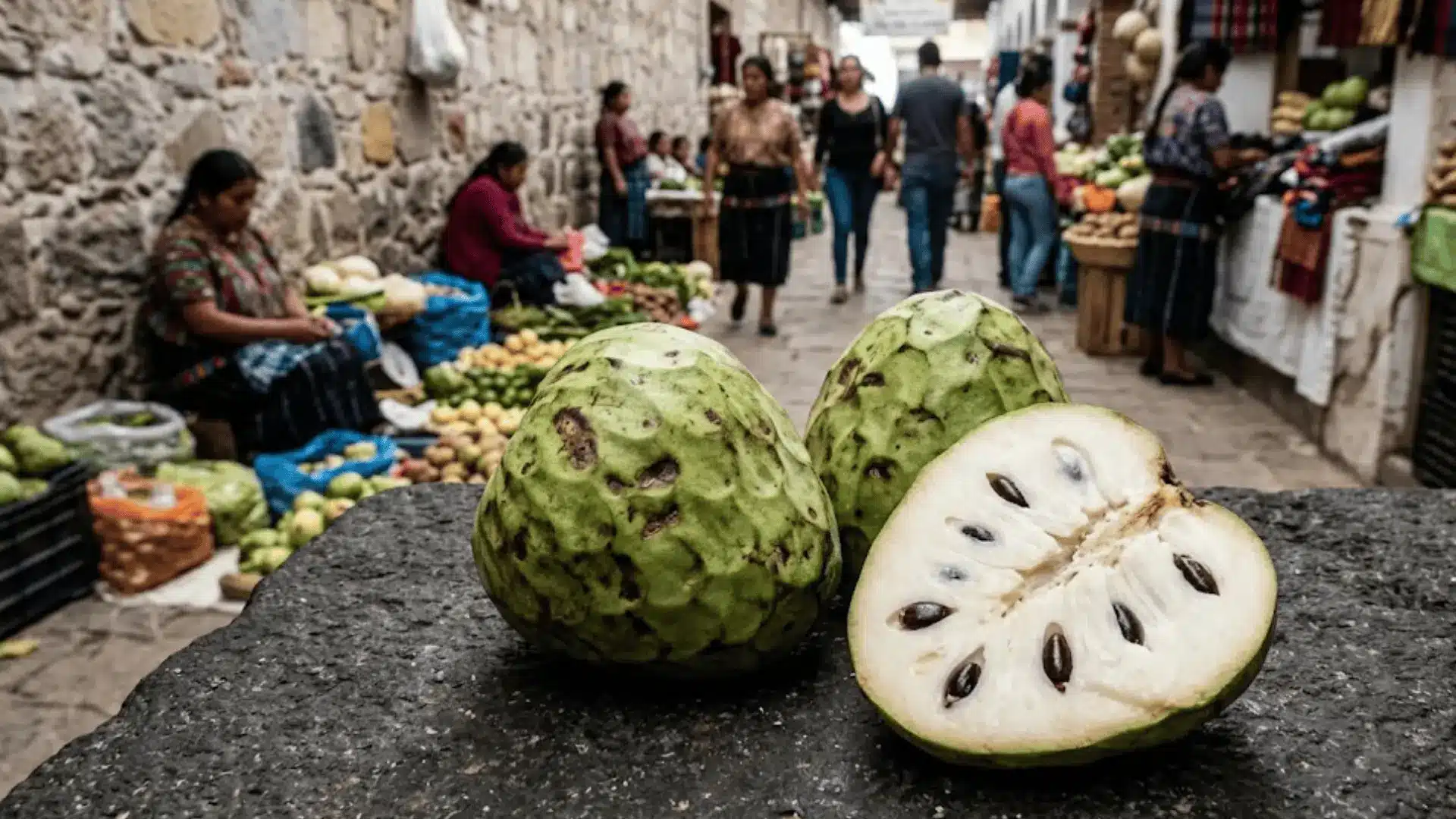
Nutritional Profile: Vitamin C (35% DV per 100g), vitamin B6 (25% DV per 100g), dietary fiber, potassium, magnesium, antioxidant acetogenins.
Cherimoya has a custard-like texture and a flavor that sits somewhere between banana, vanilla, and pineapple.
The acetogenins in Annonaceae attract research for their bioactive properties. B6 and vitamin C make this fruit one of Mexico’s most nutritionally complete. Eaten fresh with a spoon, chilled, or blended into creamy drinks.
25. Black Sapote

Nutritional Profile: Vitamin C (56mg per 100g), potassium, dietary fiber, vitamin A, calcium, and iron.
Black sapote is often called the chocolate pudding fruit, and the texture comparison is fair.
What surprises most people is how much vitamin C is in that dark flesh, making it a surprisingly nutritious fruit in Mexico. Eaten fresh, blended into desserts, or mixed with orange juice and served chilled.
Berries and Small Fruits
Small in size, serious in nutrition. Mexico’s berry varieties tend to fly under the radar, but they consistently rank among the most antioxidant-dense fruits in the country.
26. Strawberry

Nutritional Profile: Vitamin C (89% DV per cup), manganese (29% DV per cup), folate, potassium, anthocyanins, dietary fiber.
Mexico is one of the world’s top strawberry producers, particularly in the Irapuato region of Guanajuato.
These strawberries develop high anthocyanin levels under regional sun, supporting heart health and cell protection, making them more than a sweet snack. Eaten fresh, dipped in cream, blended into drinks, or served with chili and tamarind at markets.
27. Blueberry
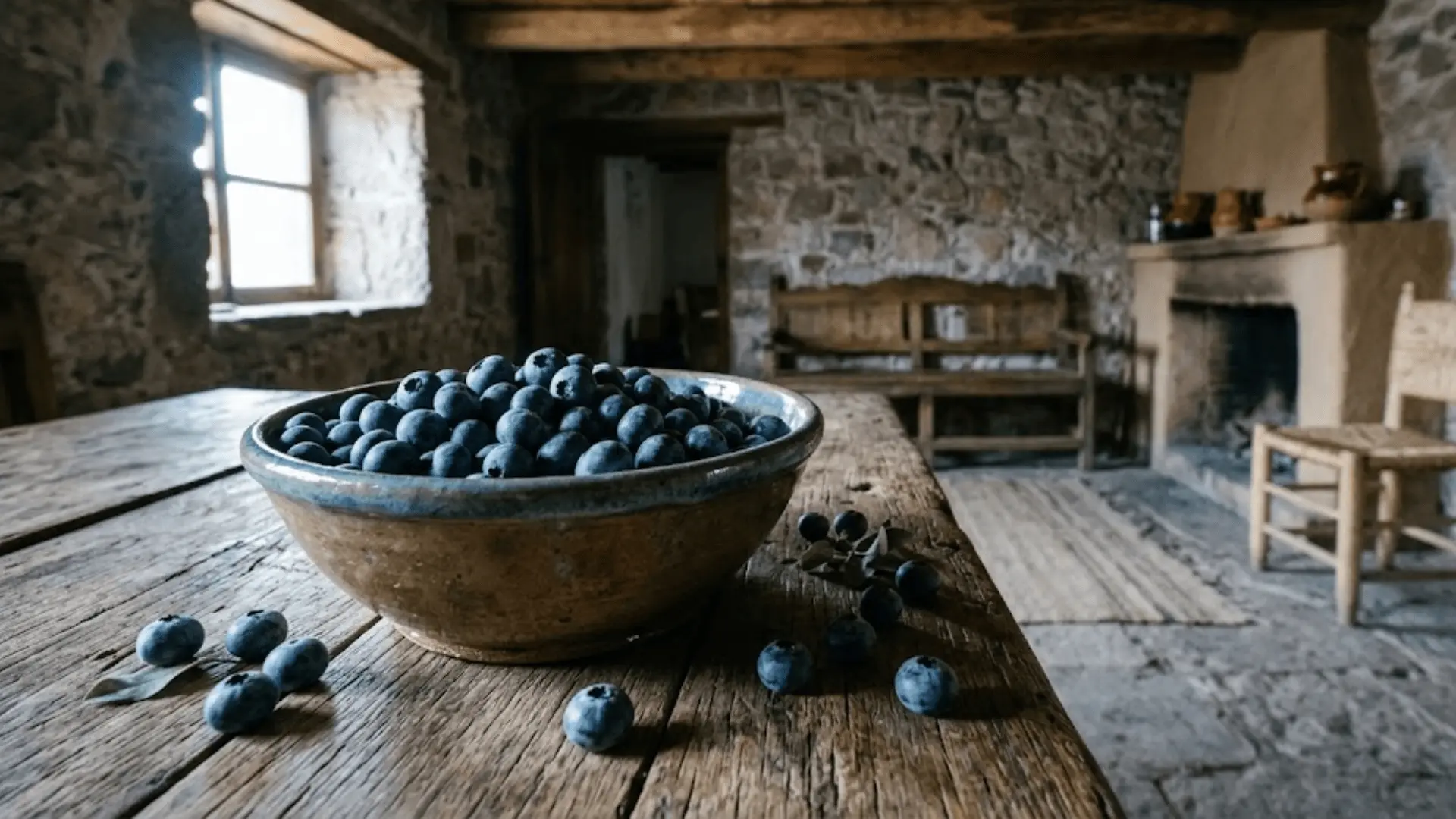
Nutritional Profile: Anthocyanins, pterostilbene, vitamin C (24% DV per cup), vitamin K (36% DV per cup), manganese, dietary fiber.
Blueberries grown in Mexico’s cooler highland regions are among the most antioxidant-rich foods available.
The pterostilbene content supports brain health and cognition, attracting research over the past decade. Eaten fresh, added to yogurt, or exported to international markets where demand remains consistently high.
28. Raspberry
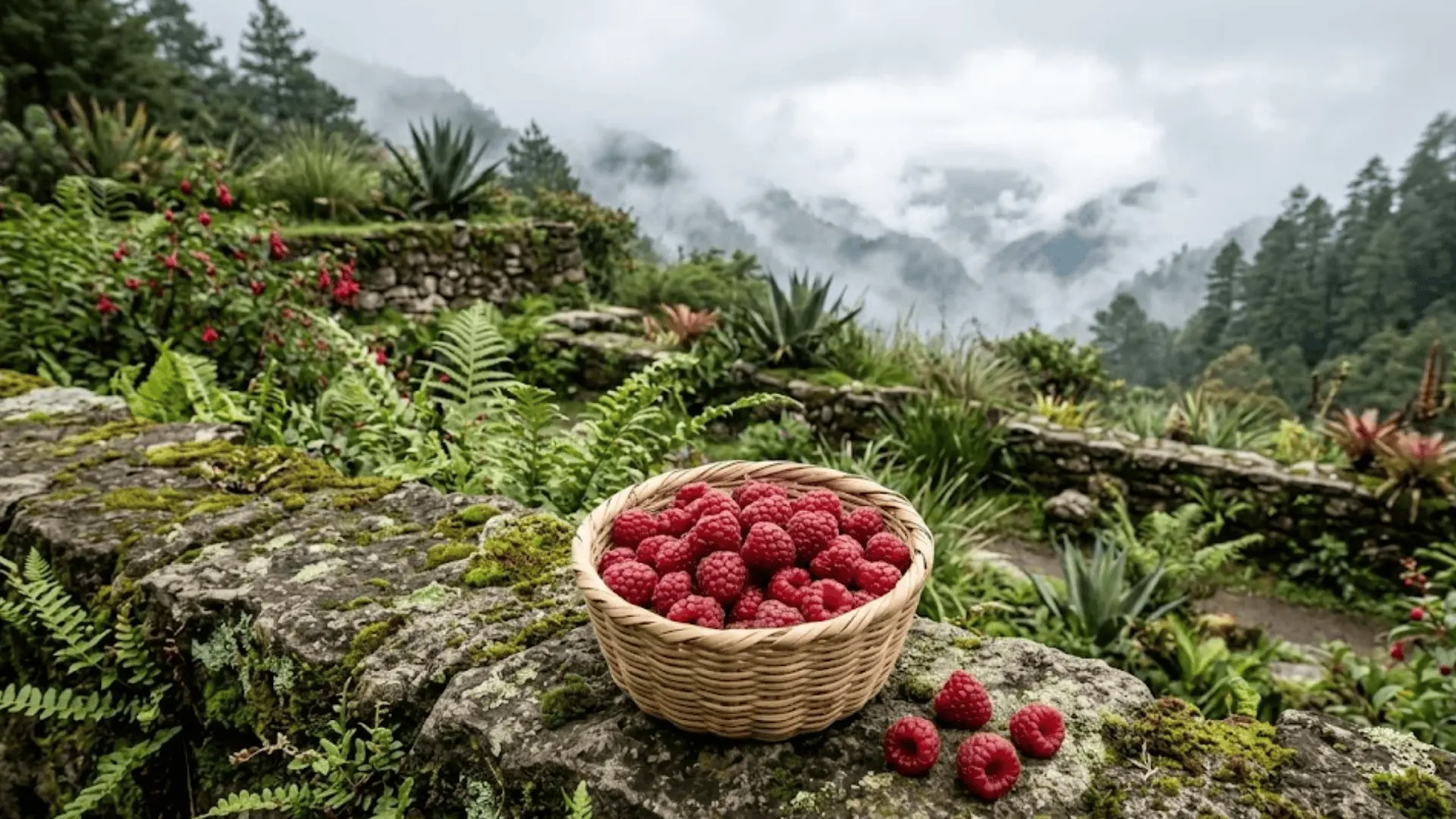
Nutritional Profile: Dietary fiber (8g per cup), vitamin C (54% DV per cup), manganese (41% DV per cup), ellagic acid, antioxidant flavonoids.
Raspberries offer one of the highest fiber-to-calorie ratios of any fruit, which makes them particularly useful for digestive health and blood sugar management.
The ellagic acid content adds an antioxidant dimension that puts them among the more functionally interesting berries. Eaten fresh, stirred into drinks, or used in pastries and regional fruit desserts.
29. Mulberry
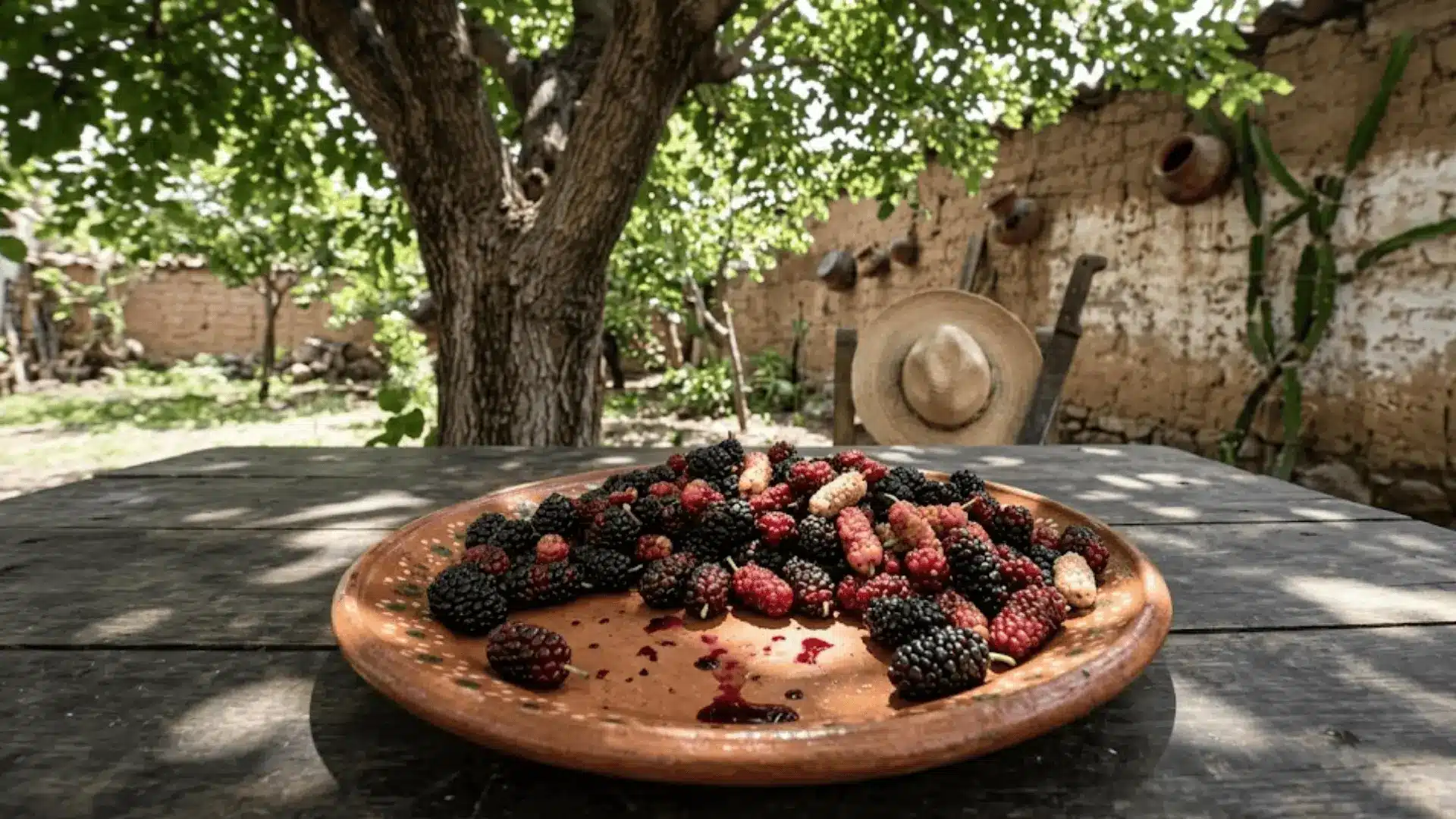
Nutritional Profile: Resveratrol, iron (14% DV per cup), vitamin C (51% DV per cup), vitamin K, anthocyanins, dietary fiber.
Mulberries are rich in resveratrol and iron, a combination that supports both cardiovascular health and energy levels in a meaningful way.
Their deep pigment reflects a dense concentration of anthocyanins that most commercially available berries simply don’t match. Eaten fresh off the tree, made into agua de mora, or used in regional jams and sweets.
30. Zapote Blanco
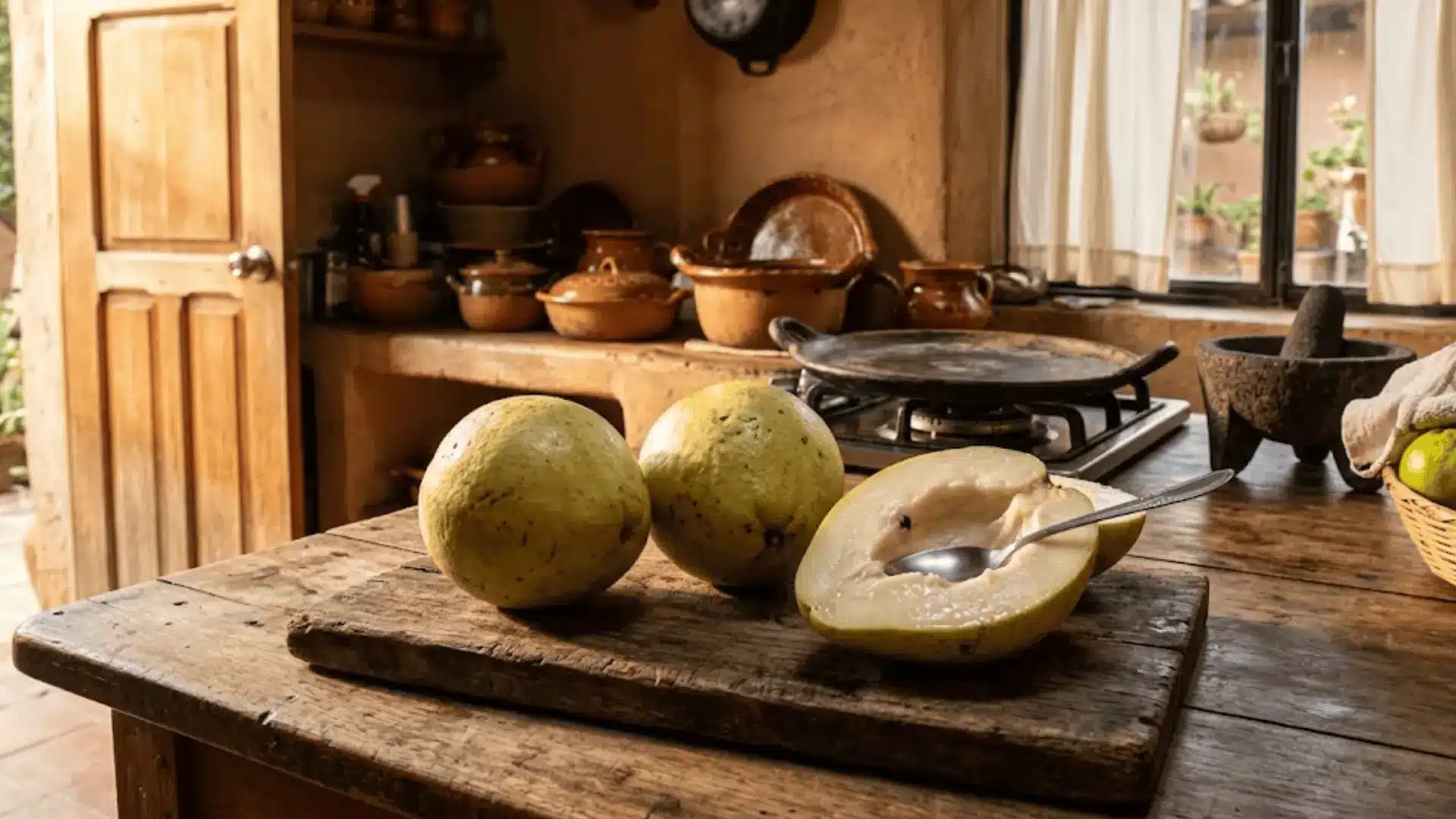
Nutritional Profile: Vitamin C, calcium, dietary fiber, potassium, alkaloid compounds (traditionally associated with calming effects).
Zapote blanco has a mild, creamy flesh that’s easy to overlook, but the alkaloid compounds in its flesh have been associated with calming and sleep-supporting effects in Mexican herbal practice for generations.
The calcium content adds a nutritional angle that most soft, sweet fruits don’t offer. Eaten fresh and chilled, or blended into smoothies with a touch of vanilla.
Lesser-Known Mexican Fruits
These are the fruits that don’t make it onto international shelves, and that’s exactly what makes them worth knowing about.
31. Nance
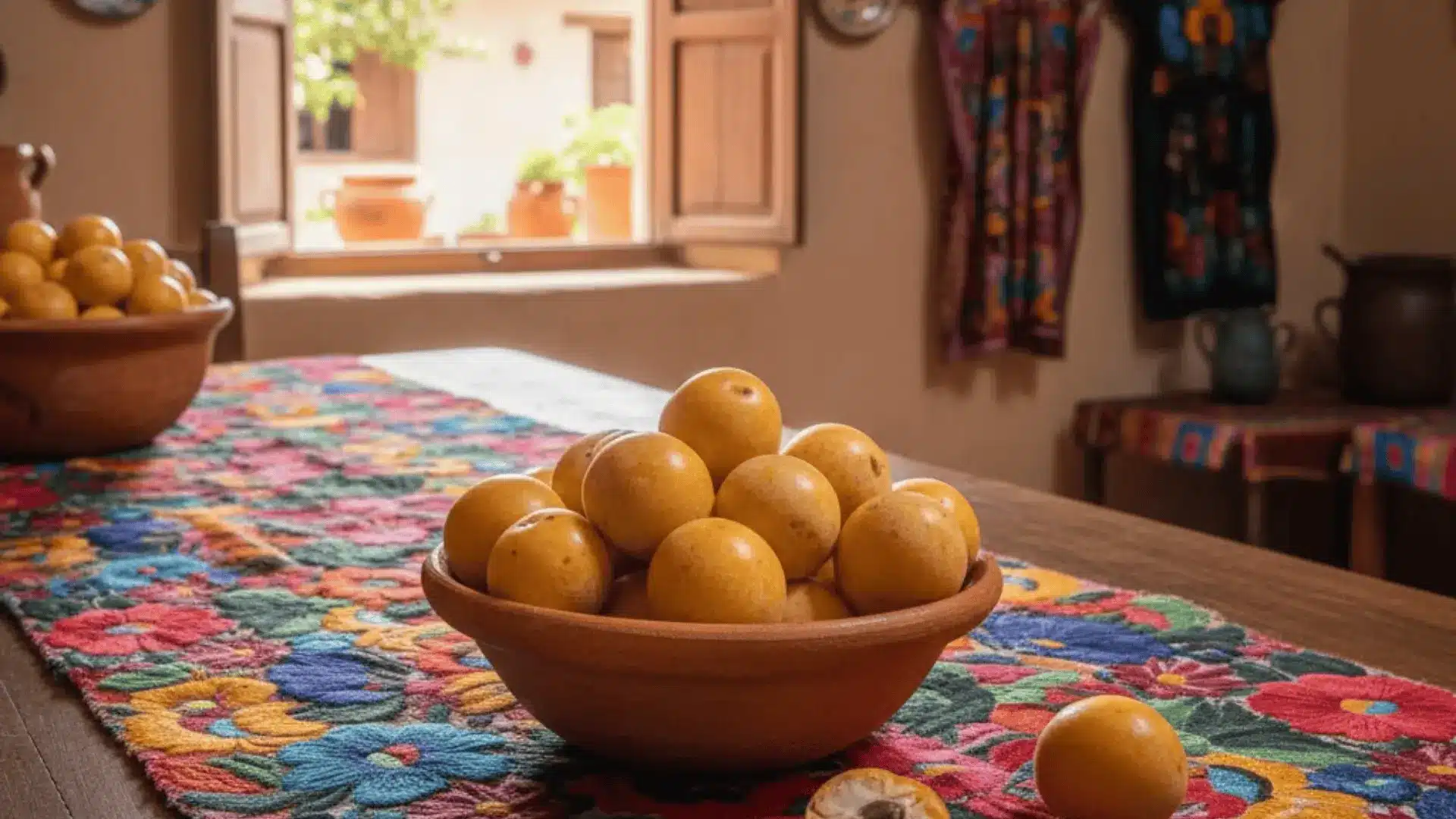
Nutritional Profile: Vitamin C (high concentration per 100g), dietary fiber, calcium, iron, antioxidant carotenoids.
Nance is a small, yellow fruit with a sharp, fermented-adjacent flavor that’s immediately polarizing and deeply regional.
Its vitamin C and traditional use as a digestive and anti-inflammatory in southern Mexico give it lasting credibility despite its unusual taste, whether eaten fresh, fermented into chicha, or preserved in syrup as a regional sweet.
32. Guamúchil
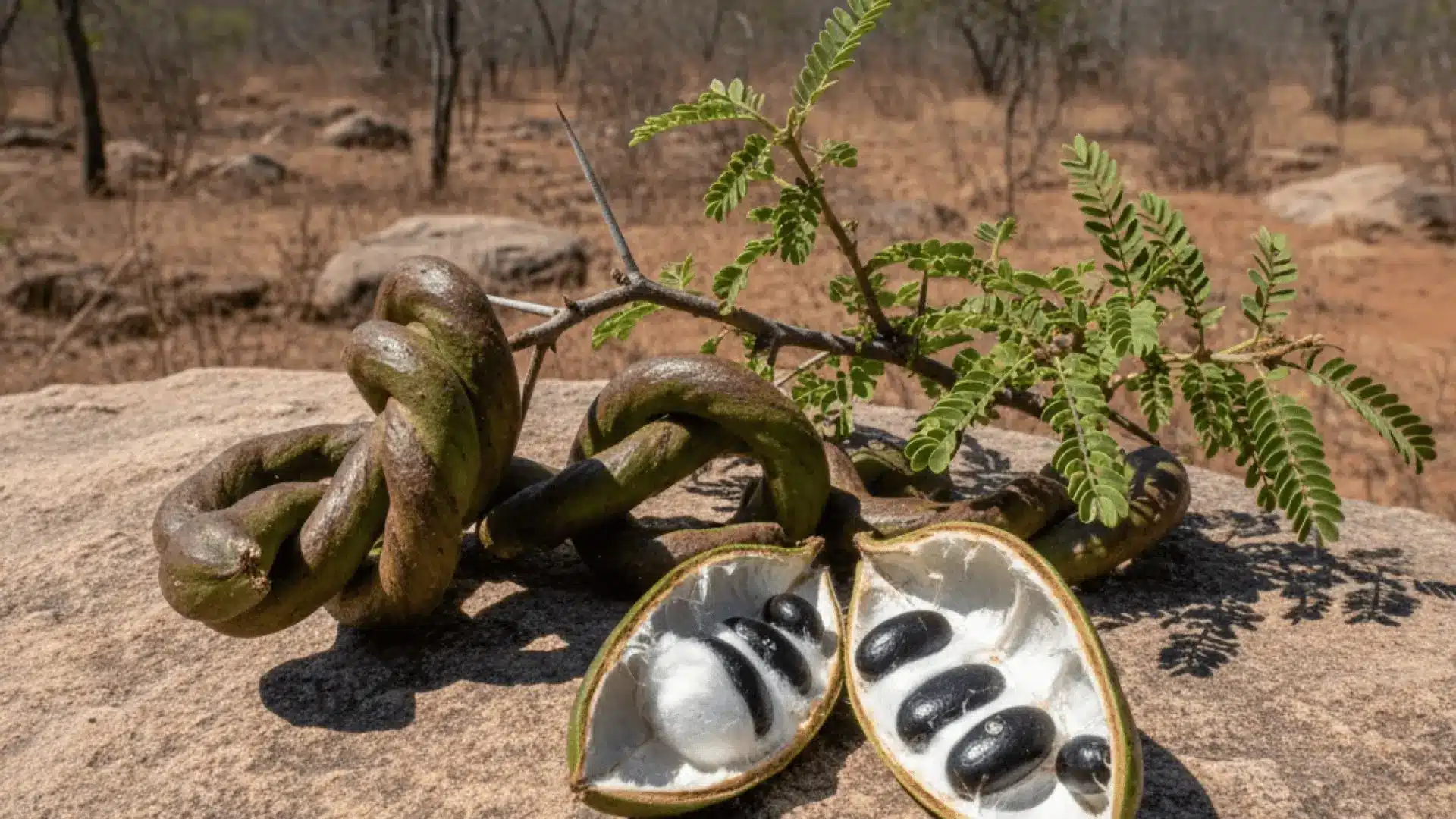
Nutritional Profile: Protein (unusual for a fruit), calcium, iron, dietary fiber, phosphorus, antioxidant phenolics.
Guamúchil is a leguminous fruit that grows wild across Mexico’s dry regions, and its protein content makes it genuinely unusual in the fruit world.
The combination of calcium, iron, and fiber in a wild-harvested, accessible food has made it a quiet nutritional staple in rural communities for generations. Eaten fresh straight from the pod, typically as a roadside or market snack.
33. Marang
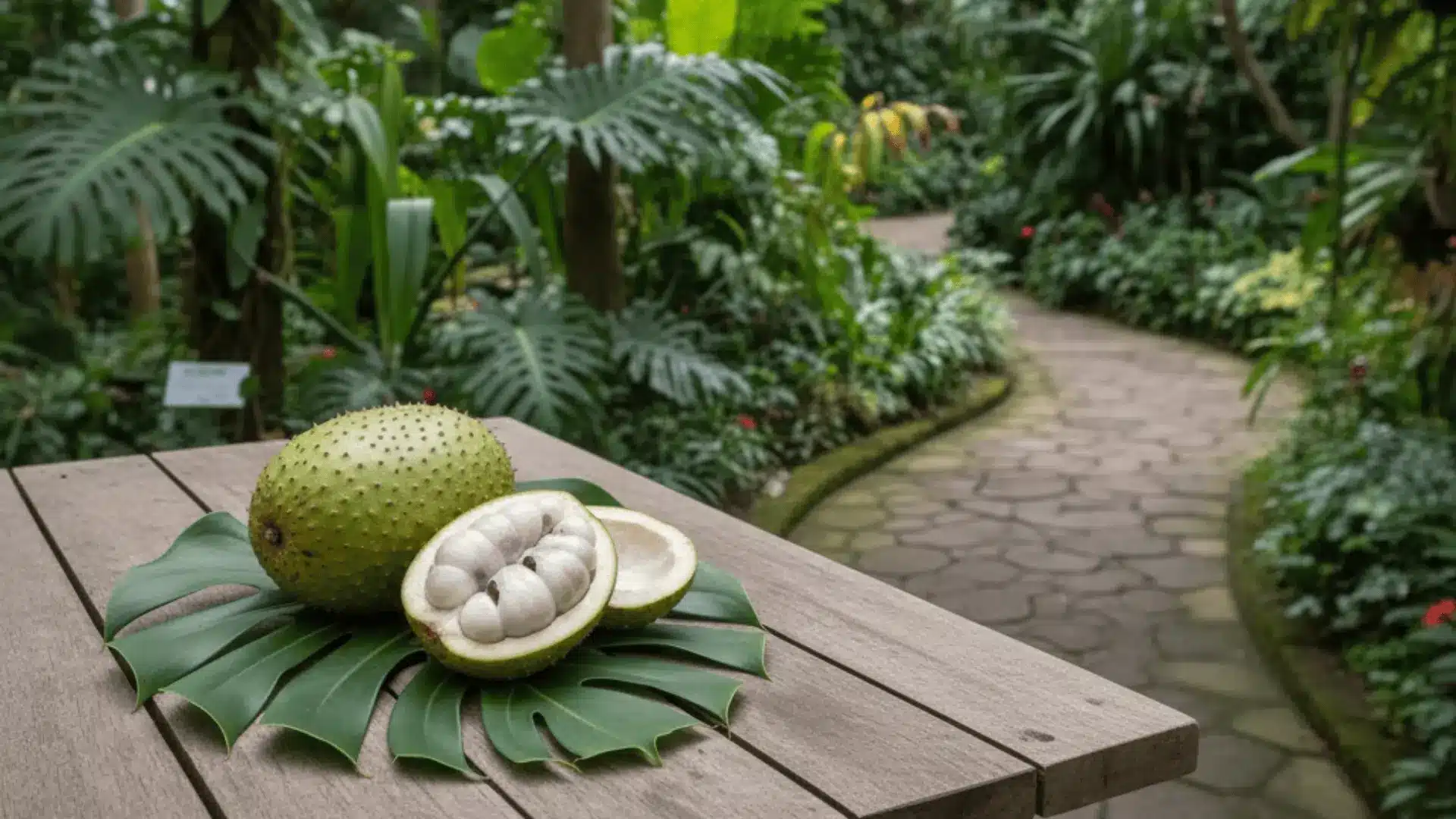
Nutritional Profile: Carbohydrates for energy, vitamin C, dietary fiber, calcium, iron, B vitamins.
Marang is a tropical fruit with soft, sweet segments and a flavor that falls between jackfruit and soursop.
It’s energy-dense, reflecting its tropical roots, with B vitamins and minerals making it more nutritionally rounded than its obscurity suggests. Eaten fresh, the segments are pulled directly from the opened fruit by hand.
34. Chicozapote
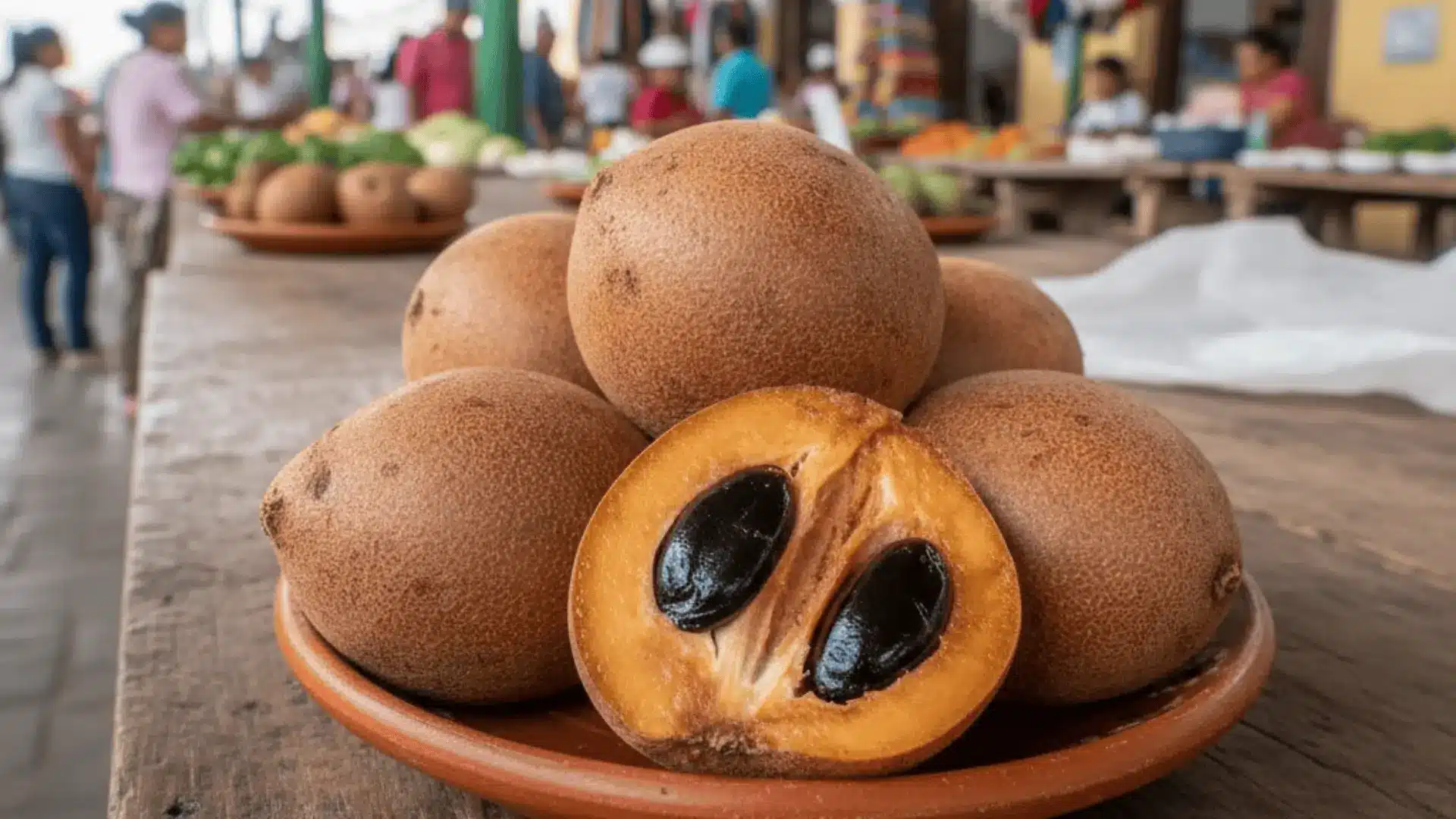
Nutritional Profile: Dietary fiber (5.6g per 100g), iron, vitamin C, vitamin A, potassium, and natural tannins.
Chicozapote has brown skin and a grainy, caramel-sweet flesh that rewards patience in letting it ripen fully.
Its tannins have been used in traditional medicine for digestive issues in southern Mexico, and its fiber supports gut health consistently. Eaten fresh and ripe, or used in regional sweets and traditional preparations.
35. Granada
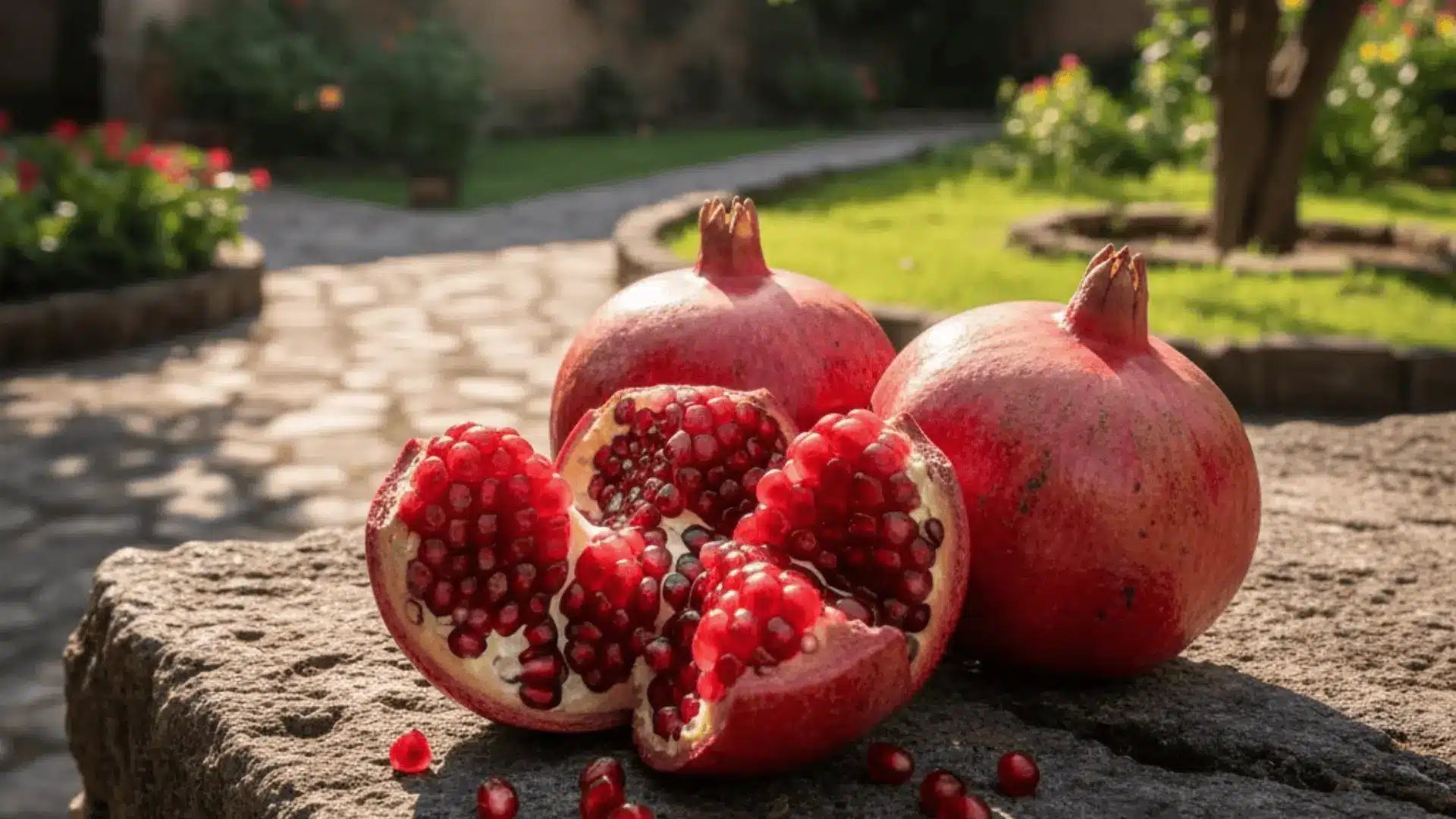
Nutritional Profile: Punicalagins, anthocyanins, vitamin C (30% DV per 100g), vitamin K (36% DV per 100g), folate, potassium.
Granada, or pomegranate, has earned its nutritional reputation fully. Its punicalagins are some of the most potent antioxidants in fruits, with well-documented cardiovascular and anti-inflammatory benefits.
Eaten fresh, scattered over salads and tostadas, or juiced into drinks served at Mexican juice bars.
Popular Everyday Fruits in Mexico
These are the fruits that show up at every family table, every market, and every roadside stand. Their popularity is earned.
36. Watermelon
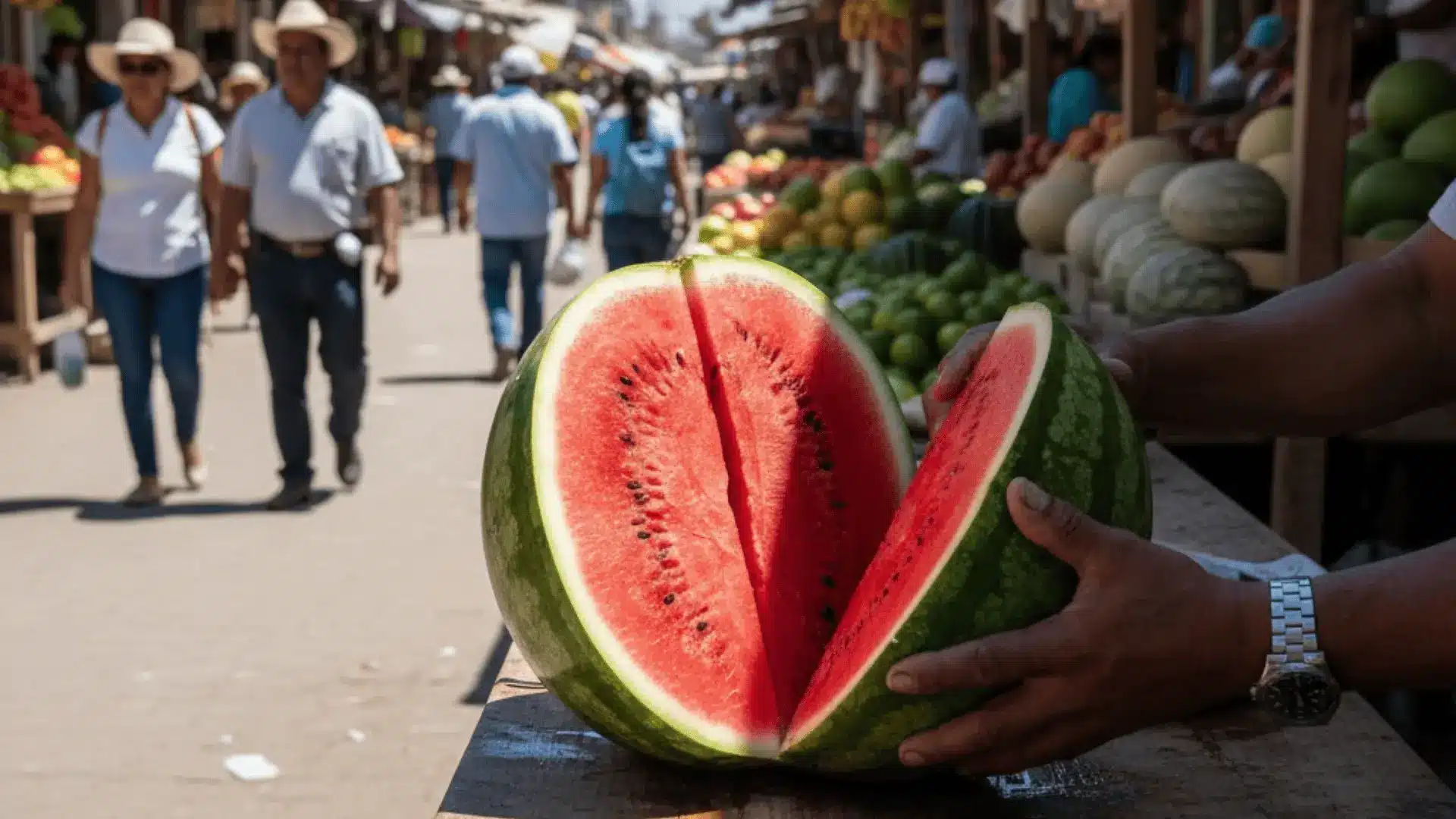
Nutritional Profile: Lycopene (6,890mcg per 2 cups), vitamin C (21% DV), citrulline, vitamin A, potassium, 92% water content.
Watermelon is one of the most hydrating foods available, and the lycopene and citrulline content give it a cardiovascular dimension that goes well beyond simple refreshment.
Citrulline in particular supports blood flow and muscle recovery in a way that makes it a smart choice during Mexico’s dry season heat. Eaten fresh in large slices, cubed with chili salt, or blended into agua fresca.
37. Cantaloupe
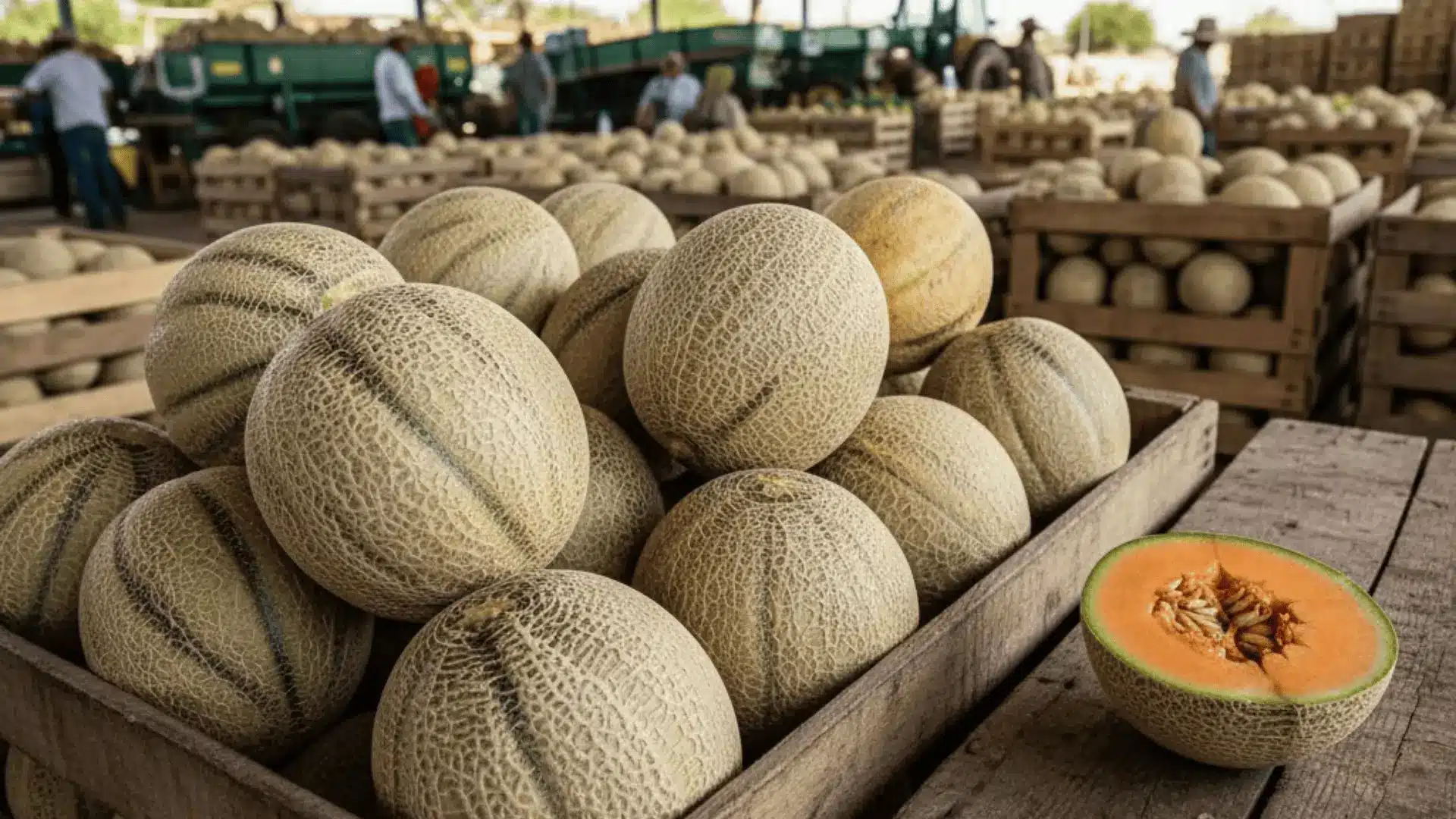
Nutritional Profile: Beta-carotene (vitamin A, 120% DV per cup), vitamin C (65% DV per cup), potassium, folate, dietary fiber, high water content.
Cantaloupe grown in Mexico’s northern agricultural zones is notably sweet and packs one of the highest beta-carotene concentrations of any commonly eaten fruit.
This vitamin A supports eye, skin, and immune health, making it a nutritionally efficient daily choice. Eaten fresh, served alongside other fruits at market stalls, or cubed into fruit salads with lime and chili.
38. Apple
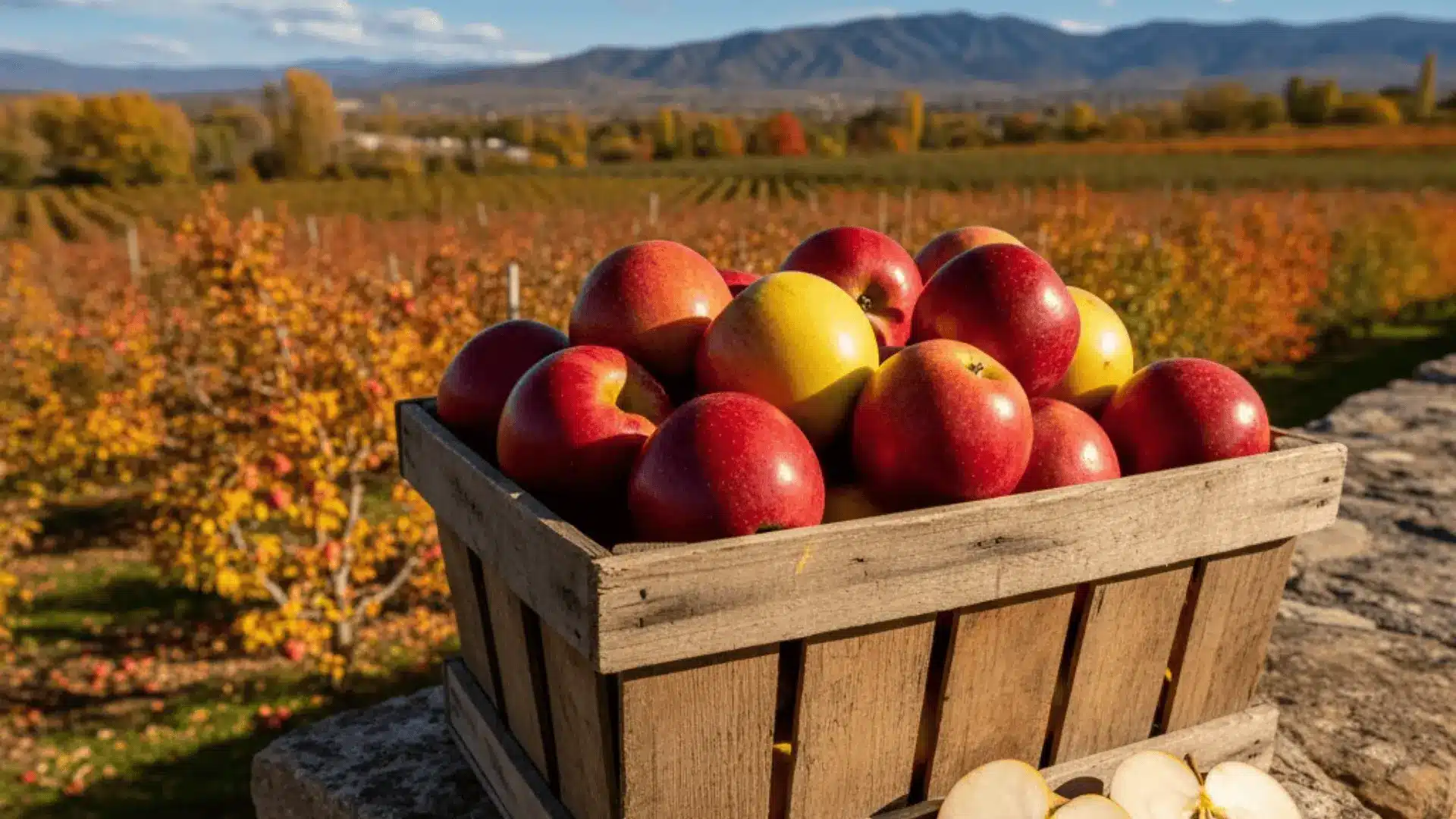
Nutritional Profile: Quercetin, pectin (soluble fiber), vitamin C (14% DV per medium apple), dietary fiber (4.4g), potassium, antioxidant polyphenols.
Mexico grows a range of apple varieties in the cooler mountain states of Chihuahua and Sonora, and the quercetin and pectin content make them particularly relevant for gut health and cholesterol management.
The antioxidant polyphenol profile supports cardiovascular health in a way that validates the longstanding reputation of the apple as a functional food. Eaten fresh, made into preserves, or incorporated into traditional festival desserts.
39. Pear
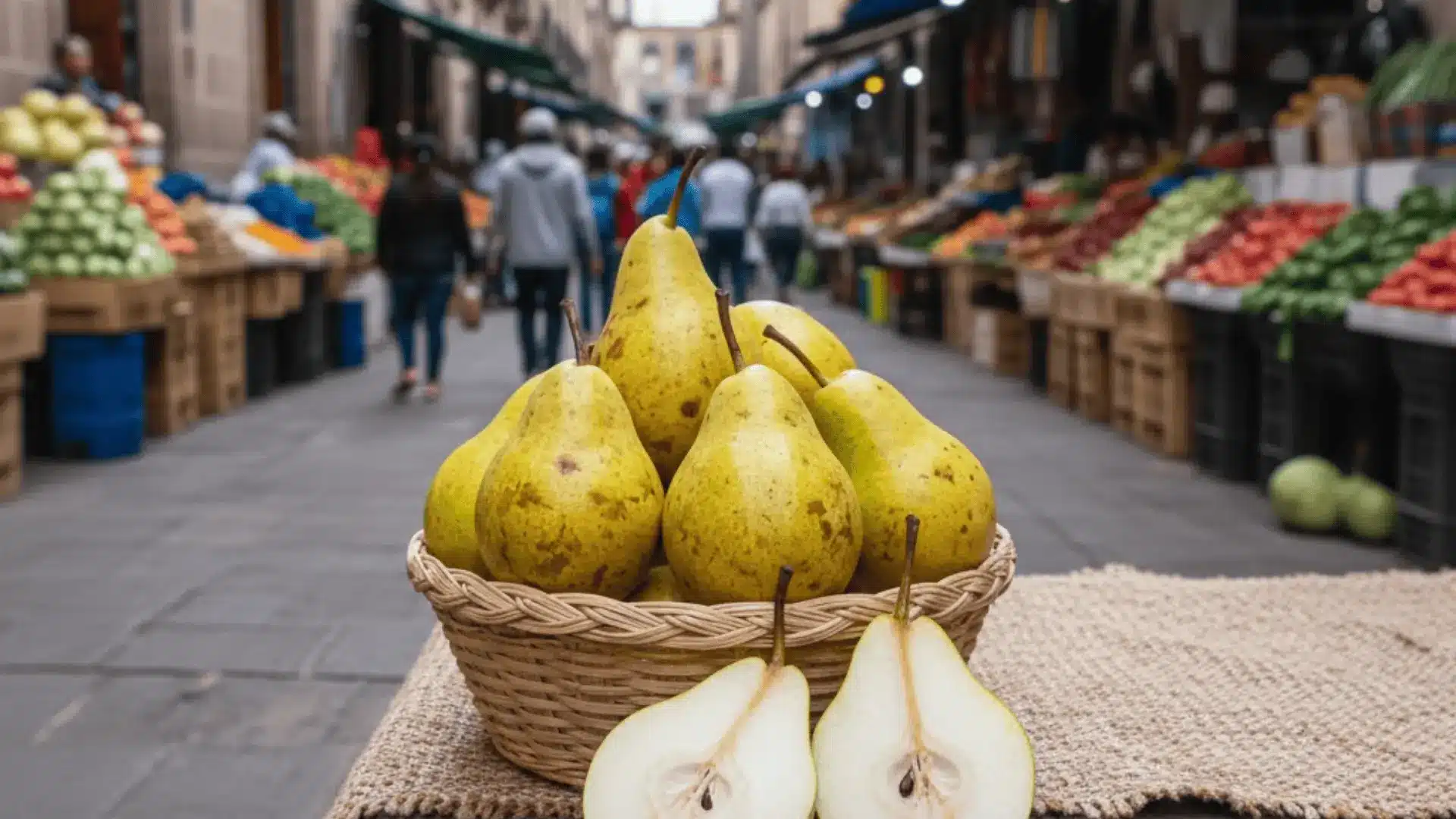
Nutritional Profile: Dietary fiber (5.5g per medium pear), vitamin C (12% DV), copper (16% DV), vitamin K, folate, antioxidant flavonoids.
Pears are one of the higher-fiber everyday fruits, with most of that fiber concentrated in and just beneath the skin, which makes peeling them a nutritional loss worth avoiding.
The copper content aids iron absorption and immune function, adding subtle depth to a fruit many overlook, granted. Eaten fresh, poached in spiced syrup for desserts, or juiced with other fruits at Mexican markets.
How Mexican Fruits Support a Healthy Diet?
Mexico’s native fruits do a lot of the heavy lifting in a balanced diet without demanding much in return.
They’re naturally low in calories and high in fiber, which supports both weight management and digestive regularity in a way that processed foods simply can’t replicate.
The vitamin C and antioxidant density across most varieties keep the immune system consistently supported, while natural fruit sugars offer clean, sustained energy without the crash.
For anyone eating plant-based, Mexican fruits fill genuine nutritional gaps in protein absorption, iron uptake, and gut microbiome health, making them functional rather than just supplementary.
Traditional Ways Mexican Fruits are Enjoyed
In Mexico, fruit is rarely just eaten. It’s prepared, seasoned, celebrated, and passed down through generations of street vendors and home kitchens alike.
- Fresh Street Snacks: Whole or sliced fruits sold roadside, almost always finished with a generous hit of chili powder, lime juice, and salt.
- Fruit Cups and Carts: Chamoyada-style cups layered with fresh fruit, tamarind, chamoy, and Tajín are a street food institution found in every Mexican city.
- Aguas Frescas and Smoothies: Fruits like guava, tamarind, and watermelon are blended with water and cane sugar into drinks that anchor every traditional Mexican meal.
- Desserts and Preserves: From ate de guayaba to candied tejocote, Mexican fruit preserves carry centuries of culinary tradition in every jar and slice.
The simplicity of how these fruits are served is exactly the point. Nothing about Mexican fruit culture is accidental.
Seasonal Availability Guide
Mexico’s fruit calendar is one of the most generous in the world, but knowing what peaks when makes all the difference between a good piece of fruit and an extraordinary one.
| Fruit | Season | Peak Months | Region |
|---|---|---|---|
| Mango | Year-round | March – September | Sinaloa, Veracruz, Chiapas |
| Papaya | Year-round | April – October | Veracruz, Oaxaca, Chiapas |
| Guava | Year-round | September – January | Aguascalientes, Michoacán |
| Pineapple | Year-round | April – August | Veracruz, Oaxaca |
| Banana | Year-round | Year-round | Chiapas, Tabasco, Veracruz |
| Coconut | Year-round | Year-round | Guerrero, Colima, Jalisco |
| Pitaya | Summer – Fall | June – September | Sonora, Puebla, Oaxaca |
| Watermelon | Summer | May – August | Sonora, Jalisco, Veracruz |
| Cantaloupe | Summer | May – August | Sonora, Coahuila |
| Lime | Year-round | Year-round | Veracruz, Michoacán, Colima |
| Orange | Winter – Spring | November – March | Veracruz, Tamaulipas |
| Grapefruit | Winter | November – February | Veracruz, Nuevo León |
| Mandarin | Winter | October – February | San Luis Potosí, Veracruz |
| Key Lime | Year-round | Year-round | Yucatán, Veracruz |
| Peach | Summer | June – August | Chihuahua, Puebla, Hidalgo |
| Plum | Summer | June – August | Michoacán, State of Mexico |
| Apricot | Summer | May – July | Sonora, Chihuahua |
| Apple | Fall | August – October | Chihuahua, Sonora |
| Pear | Fall | August – October | Puebla, State of Mexico |
| Prickly Pear | Fall | August – November | Zacatecas, San Luis Potosí |
| Tejocote | Winter | October – January | Michoacán, State of Mexico |
| Capulin | Summer | June – August | Tlaxcala, State of Mexico |
| Cherimoya | Winter – Spring | November – March | Puebla, Veracruz |
| Mamey Sapote | Summer – Fall | May – October | Tabasco, Veracruz, Chiapas |
| Tamarind | Winter – Spring | December – April | Jalisco, Michoacán, Guerrero |
| Strawberry | Winter – Spring | December – April | Guanajuato, Baja California |
| Mulberry | Spring | March – May | Puebla, Tlaxcala |
| Nance | Summer | July – September | Oaxaca, Guerrero, Chiapas |
| Granada | Fall – Winter | September – December | Hidalgo, San Luis Potosí |
| Black Sapote | Fall – Winter | October – January | Veracruz, Oaxaca |
| Zapote Blanco | Fall | September – November | Michoacán, Guerrero |
| Chicozapote | Fall | September – December | Yucatán, Chiapas |
| Jicama | Fall – Winter | October – March | Jalisco, Guanajuato |
| Soursop | Summer – Fall | June – October | Veracruz, Tabasco, Chiapas |
| Sapodilla | Fall | September – December | Yucatán, Campeche |
| Blueberry | Spring – Summer | April – July | Jalisco, Baja California |
| Raspberry | Spring – Summer | March – June | State of Mexico, Jalisco |
| Guamúchil | Spring – Summer | April – July | Sinaloa, Jalisco, Guerrero |
| Marang | Summer – Fall | June – September | Chiapas, Tabasco |
That’s a Wrap
Mexico doesn’t do anything with fruit halfway. Every Mexican fruit covered in this guide carries a story rooted in soil, season, and generations of people who understood nourishment long before nutrition labels existed.
The diversity across regions, the range of vitamins and antioxidants, the sheer variety of ways to enjoy them, it all points to a food culture that got something fundamentally right.
Eating for health and eating well are rarely the same thing, but with Mexican fruit, they almost always are.
Which fruit from this list are you most curious to try? Drop it in the comments below.