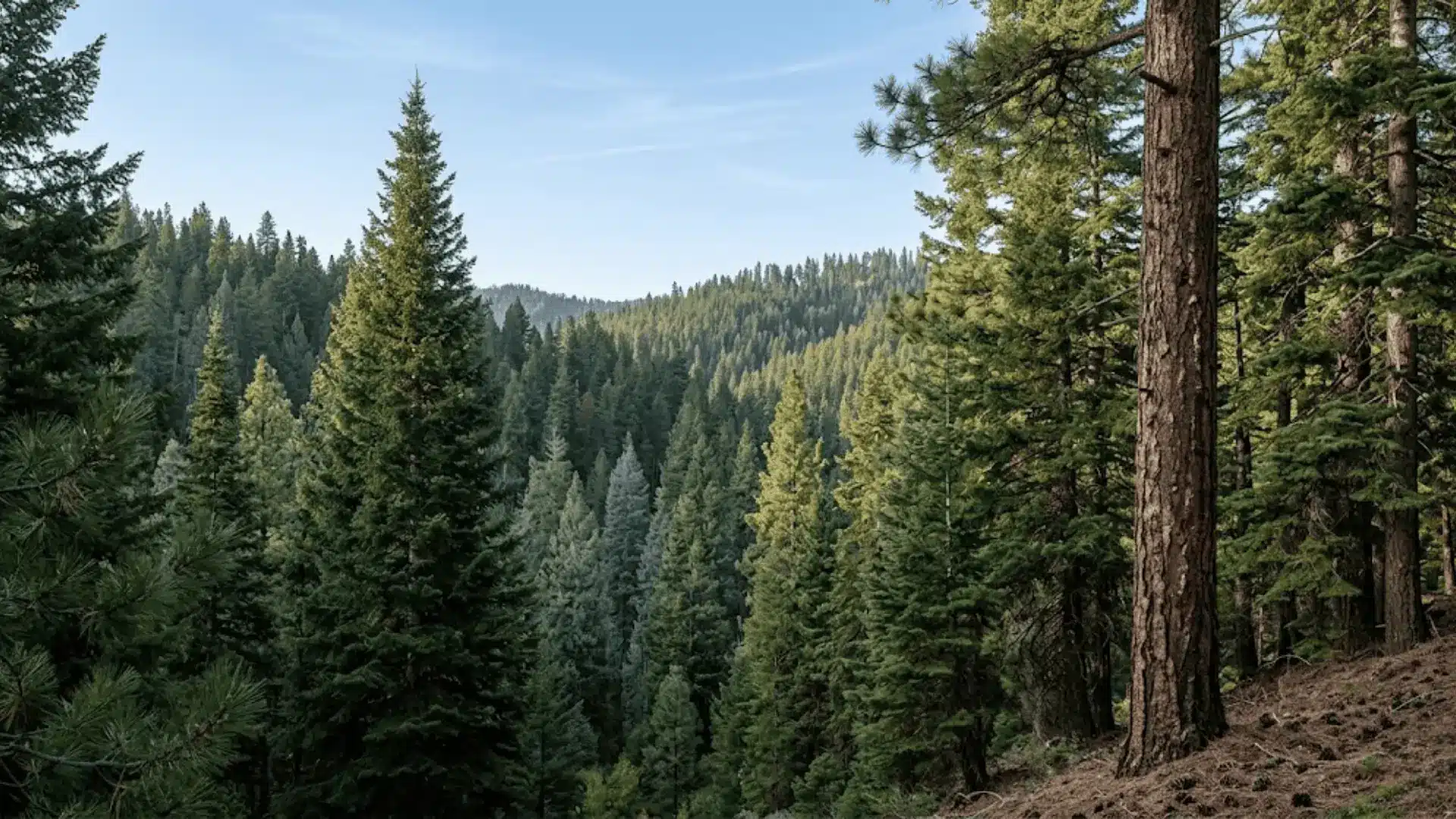
Across mountain slopes and cold northern landscapes, coniferous trees stand through every season without shedding a single needle.
Unlike deciduous trees that follow the rhythm of fall and winter, these evergreens hold their deep green canopies year-round, quietly shaping some of the world’s most vital ecosystems.
Coniferous trees filter air, shelter wildlife, and stabilize soil in ways that few other species can.
And beyond the wild, they bring that same steady, structural beauty into gardens and landscapes around the world.
What are Coniferous Trees?
Coniferous trees are cone-bearing, seed-producing plants that belong to the gymnosperm group, meaning their seeds develop exposed rather than enclosed in a fruit.
Most are evergreen, retaining their needle-like or scale-like leaves through every season, though a handful like the larch do shed annually.
According to the U.S. Geological Survey, Conifer represents one of the oldest plant groups on Earth, splitting from close relatives well over hundreds of millions of years ago.
Key Characteristics of Coniferous Trees
Coniferous trees have spent millions of years adapting to some of the harshest environments on Earth, and their features reflect exactly that.
A few defining traits set them apart from every other tree group.
- Cone Production: They reproduce through cones rather than flowers, with seeds developing directly inside the cone’s scales.
- Needle or Scale-Like Leaves: Their narrow, waxy leaves are built to reduce water loss and handle heavy snow loads.
- Evergreen Foliage: Most species retain their leaves year-round, keeping photosynthesis going even through winter months.
- Resin Production: They produce sticky resin that seals wounds, resists insects, and protects against fungal infections.
- Climate Adaptability: Their structure and physiology allow them to thrive in cold, dry, and high-altitude conditions where most trees simply cannot.
These traits work together as a system, making coniferous trees some of the most resilient and widespread species across the planet’s forests and landscapes.
Main Types of Coniferous Trees
Conifers are far more diverse than a forest walk might suggest. Each genus carries its own evolutionary history, ecological role, and set of traits that distinguish it well beyond needle shape and cone size.
1. Pinus
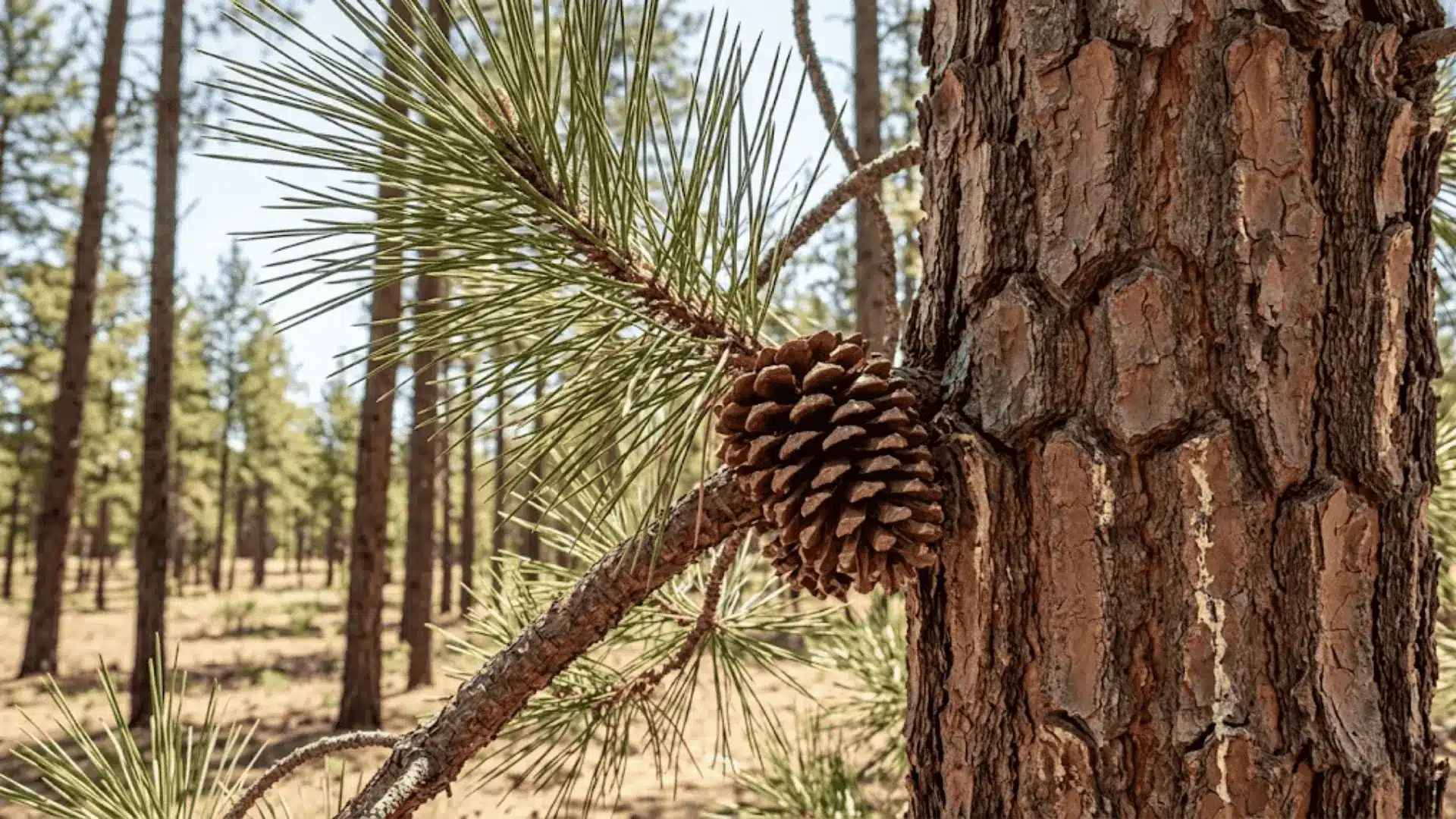
Zones: 2–9
Exposure: Full sun
Habit: Upright with an irregular, open canopy
Pinus is the largest conifer genus, with over 120 species across the Northern Hemisphere. Its needles grow in bundles of two to five, bound by a papery sheath called a fascicle, a trait unique to pines.
In species like the lodgepole pine, cones are serotinous, opening only under wildfire heat, directly tying the tree’s regeneration to ecological disturbance.
2. Picea
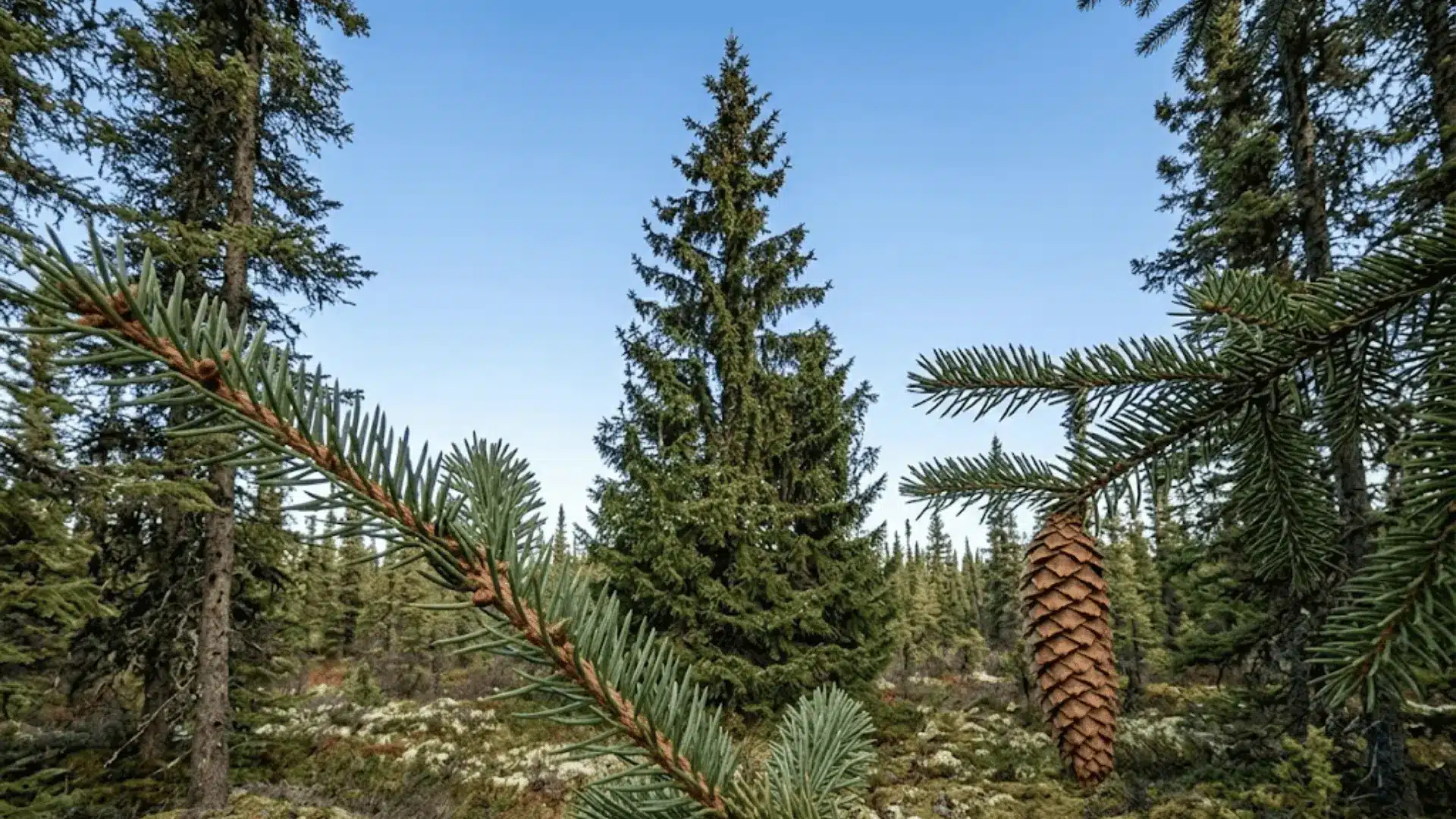
Zones: 2–8
Exposure: Full sun
Habit: Densely pyramidal and symmetrical
Spruce needles attach via small woody pegs called sterigmata, leaving bare branches with a rough, stubbled texture that separates them from firs instantly. Picea dominates the boreal forest, the largest terrestrial biome on Earth.
The Sitka spruce produces one of the highest strength-to-weight ratio woods of any species, historically used in aircraft construction and fine instrument making.
3. Abies
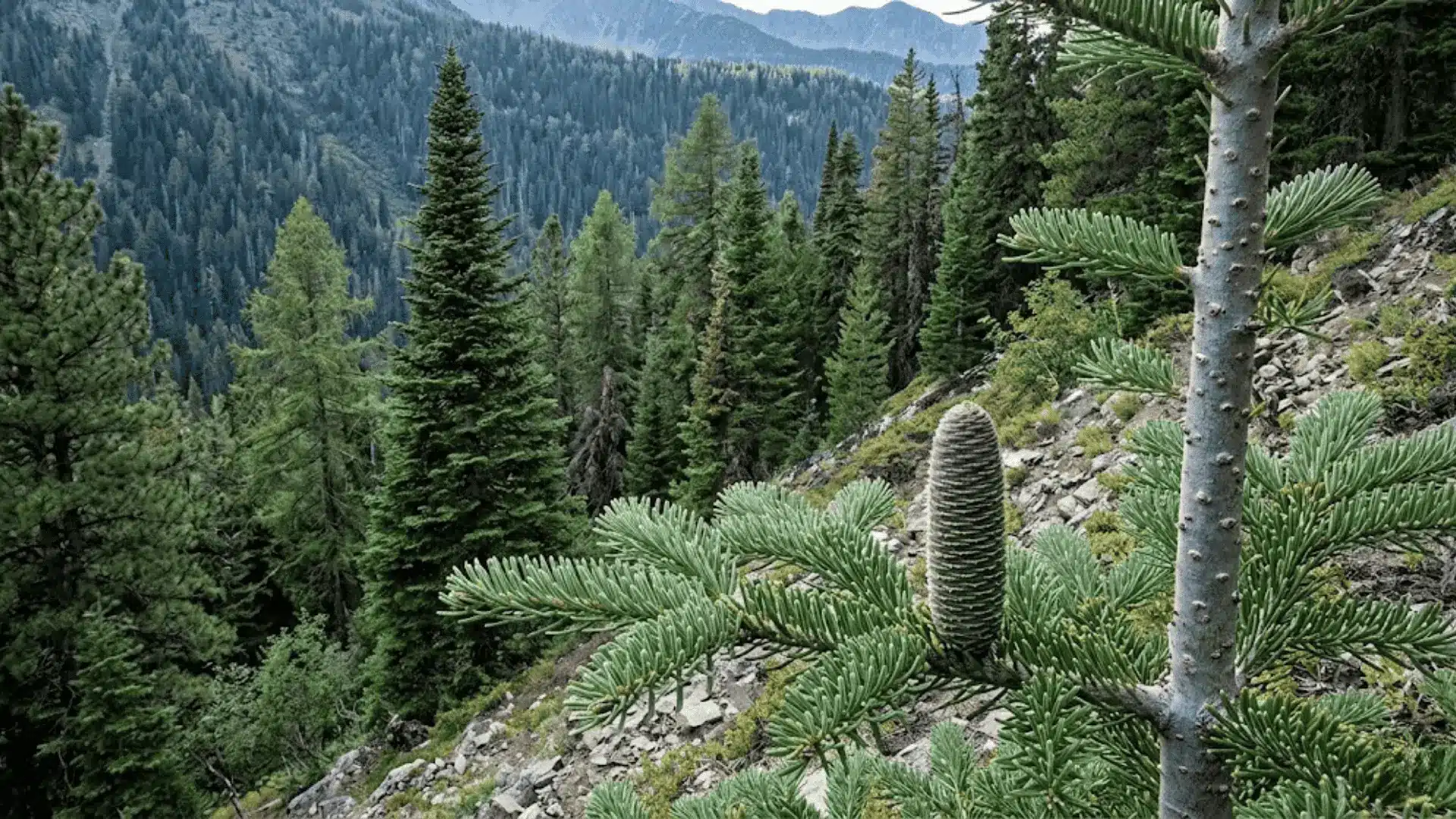
Zones: 3–7
Exposure: Full sun to partial shade
Habit: Narrow and conical
Unlike most conifers, fir cones grow strictly upright and disintegrate on the branch, releasing seeds scale by scale rather than dropping whole.
Abies also produces resin blisters beneath the bark, used historically as a waterproofing agent and in traditional medicine by Indigenous communities across North America.
4. Cedrus
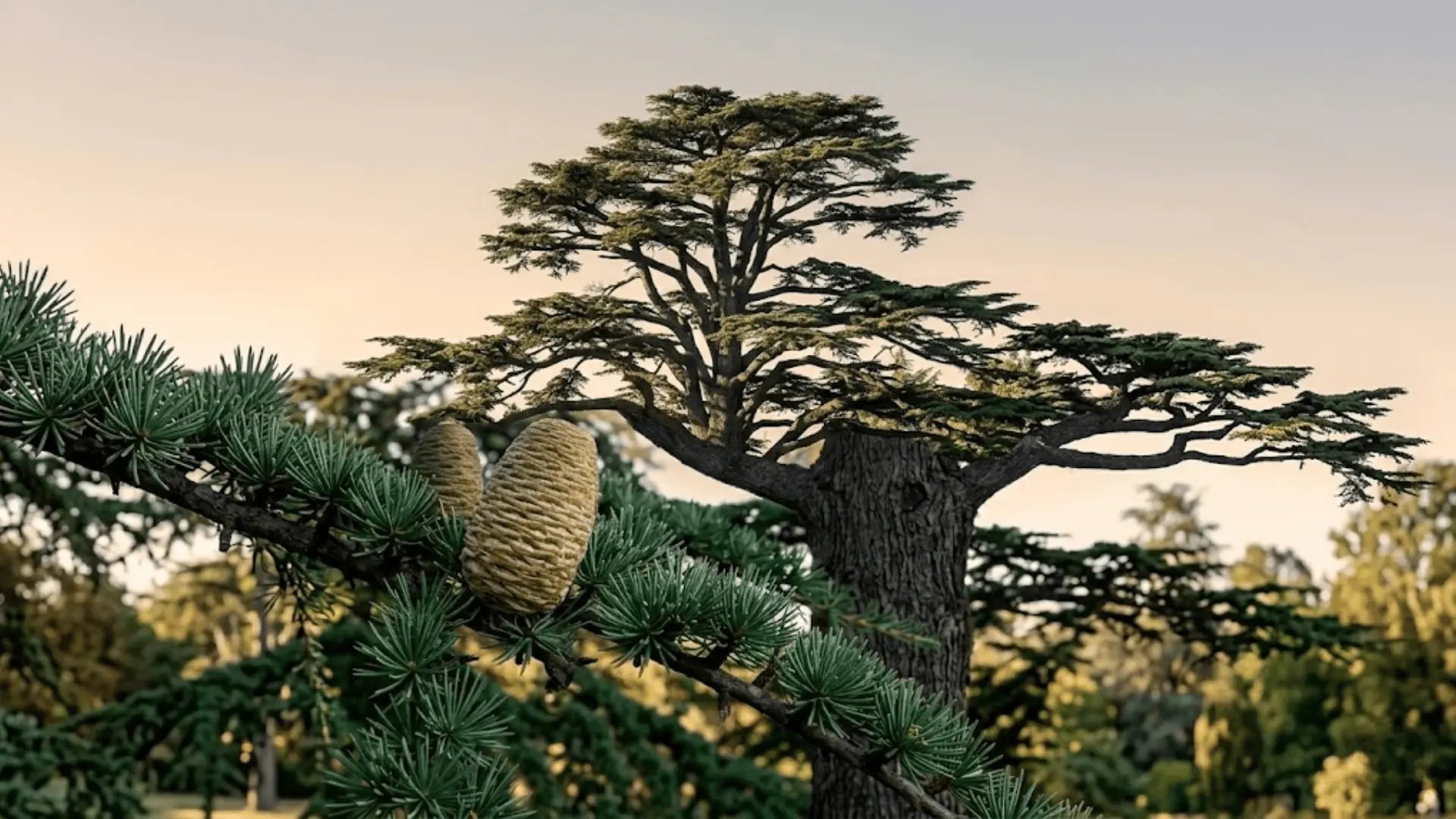
Zones: 6–9
Exposure: Full sun
Habit: Broadly spreading with layered, horizontal branches
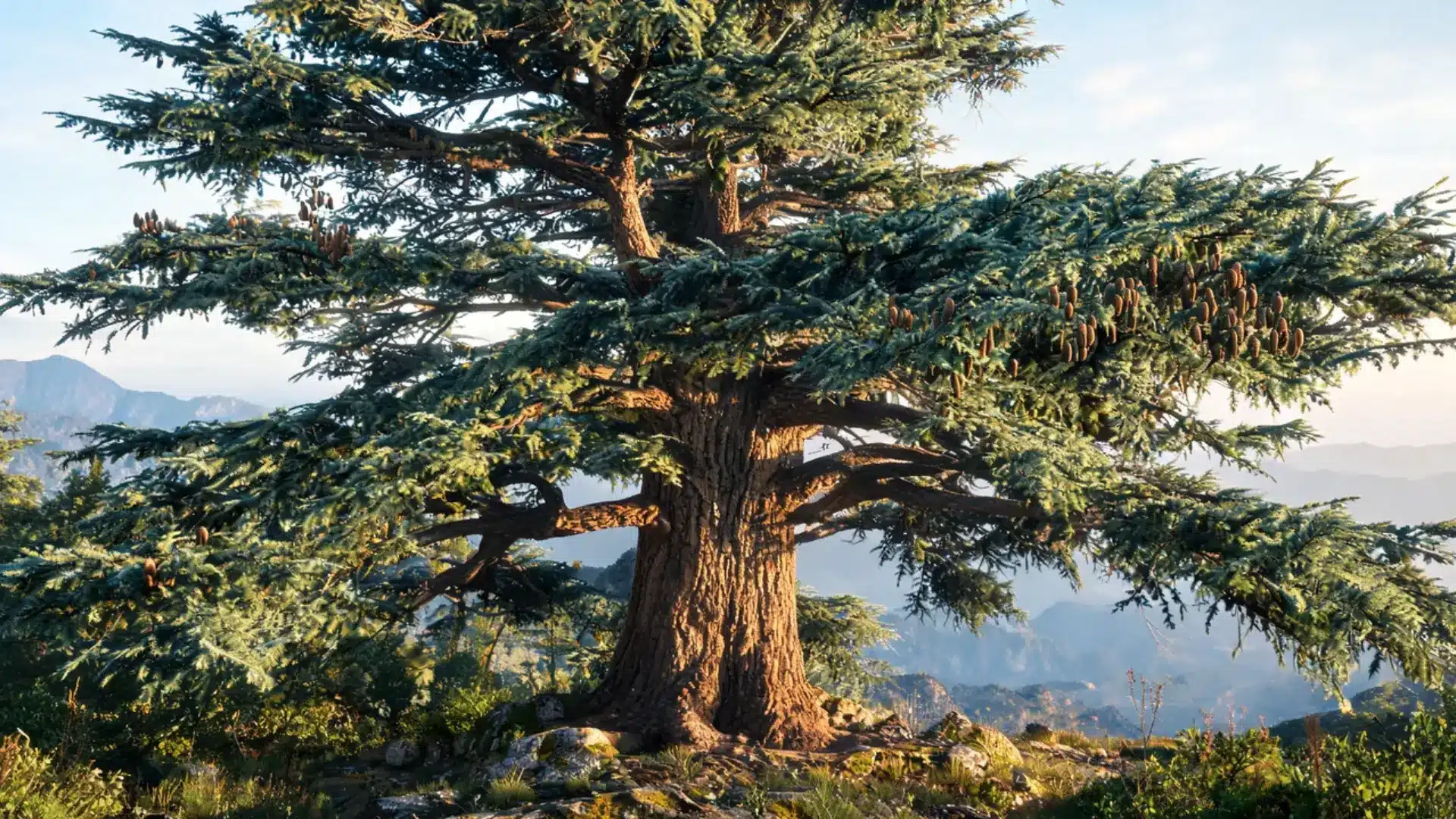
Only four species exist within Cedrus, making it one of the smallest conifer genera. Needles grow in dense rosette-like clusters on short woody spurs.
Cedar of Lebanon appears on Lebanon’s national flag and was the timber of choice for ancient Phoenician shipbuilding, valued for its natural oils that resist rot and insect damage exceptionally well.
5. Juniperus
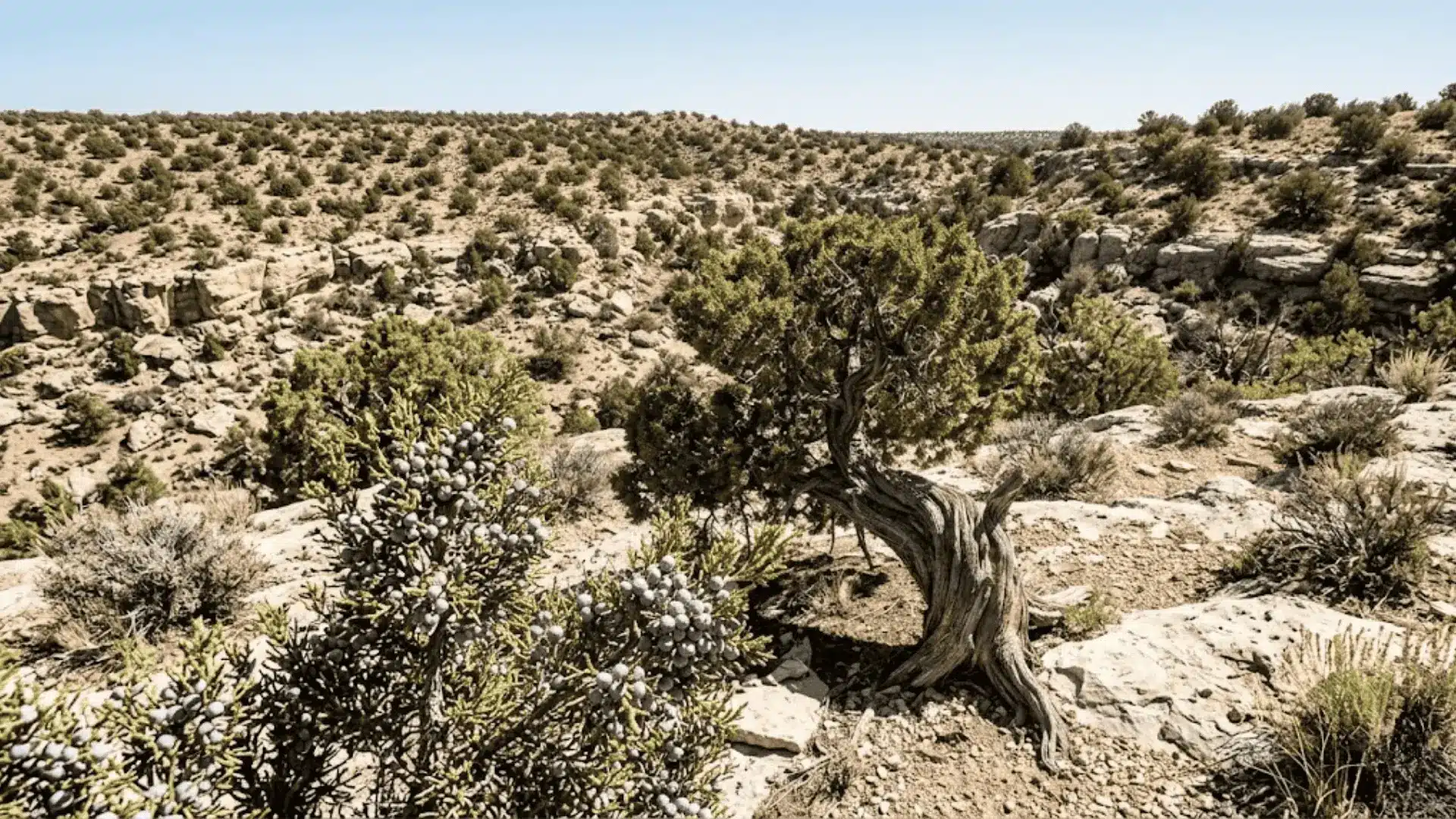
Zones: 2–10
Exposure: Full sun
Habit: Highly variable, from prostrate ground cover to columnar trees
Juniperus tolerates alkaline soils, drought, salt exposure, and extreme temperatures better than almost any other conifer genus.
Their fleshy, berry-like cones carry a waxy bloom caused by yeast, and these berries are the primary botanical ingredient behind gin’s characteristic flavor. Some Rocky Mountain junipers have been documented to be over 2,000 years old.
6. Taxus
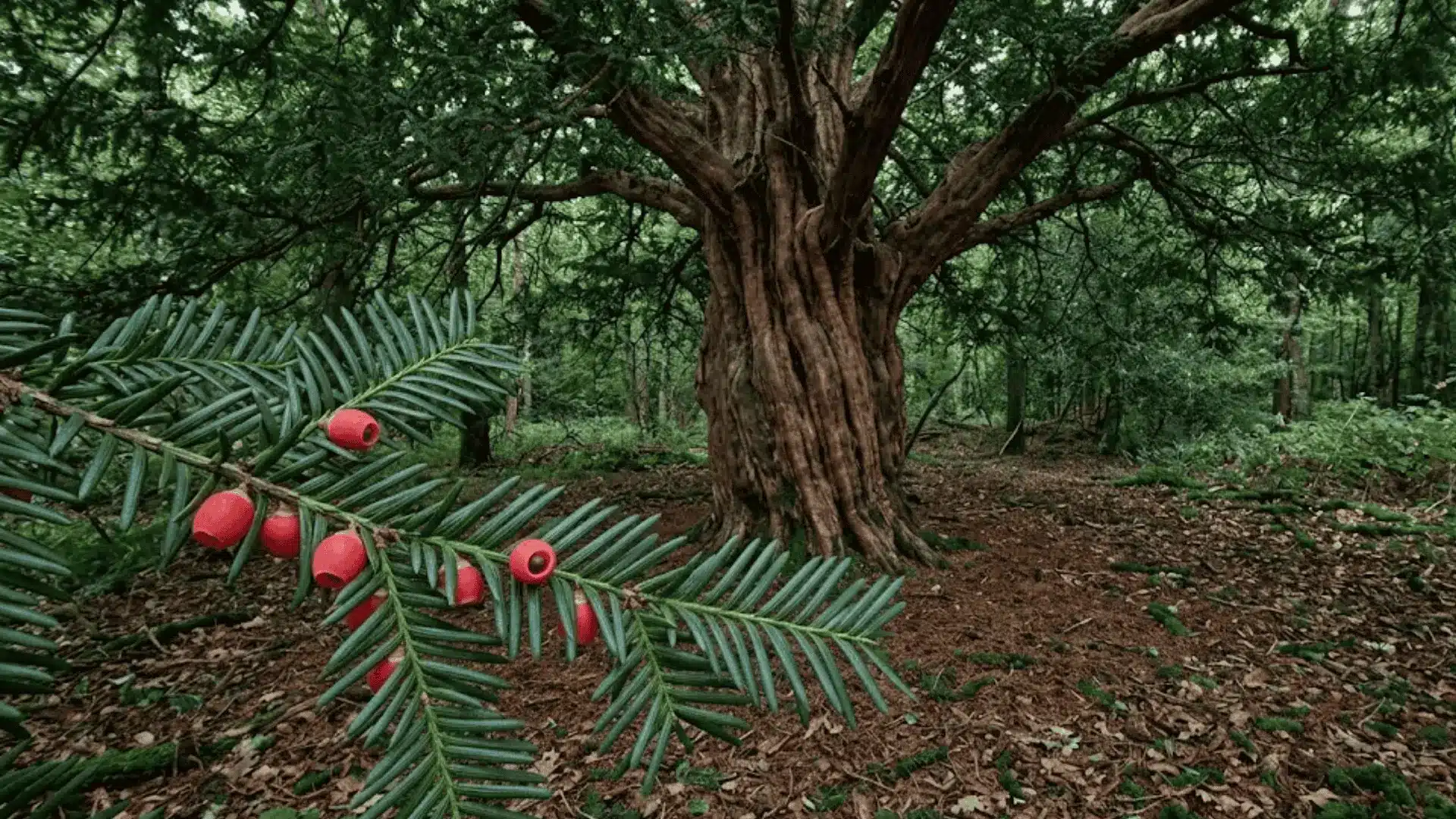
Zones: 4–7 Exposure: Full sun to deep shade Habit: Dense and spreading to broadly upright
Yews produce no woody cones. Each seed is enclosed in a fleshy red aril that attracts birds for dispersal. Nearly all parts of Taxus are toxic to humans and livestock.
Yet the Pacific yew yielded taxol, a compound now central to chemotherapy treatments for breast, ovarian, and lung cancers, marking one of the most significant intersections of forest ecology and modern medicine.
Where Do Coniferous Trees Grow?
Coniferous trees are among the most geographically widespread plants on Earth, and their range tells a clear story about resilience.
They form the backbone of the boreal forest, or taiga, a vast belt stretching across Canada, Russia, and Scandinavia that represents the largest land biome on the planet.
At higher elevations, they dominate mountain slopes where thin soils and freezing temperatures push most other tree species out.
Even in temperate regions, conifers hold significant ground. Their narrow crowns shed snow efficiently, their waxy needles limit water loss, and their year-round foliage keeps photosynthesis running through the coldest months.
Coniferous vs. Deciduous Trees
Both coniferous and deciduous trees shape the world’s forests, but they take fundamentally different approaches to survival.
Here is how the two groups compare across key botanical and ecological traits.
| Feature | Coniferous Trees | Deciduous Trees |
|---|---|---|
| Leaf Type | Waxy, needle-like, or scale-like leaves are built to conserve water | Broad, flat leaves designed for maximum light absorption |
| Seed Type | Seeds sit exposed on cone scales, unprotected by fruit tissue | Seeds enclosed within fruits, pods, or casings for dispersal |
| Seasonal Leaf Drop | Most retain foliage year-round, sustaining photosynthesis through winter | Drop all leaves in autumn to conserve energy through cold months |
| Climate Preference | Cold, dry, and high-altitude environments with short growing seasons | Temperate climates with reliable seasonal variation and steady moisture |
| Examples | Pine, spruce, fir, cedar, juniper, yew | Oak, maple, birch, elm, beech, ash |
Are All Coniferous Trees Evergreen?
Not all conifers follow the evergreen rule, and the larch is the most compelling exception.
Larix, commonly known as larch, is a deciduous conifer that sheds its needles every autumn in a blaze of golden yellow before regrowing them in spring.
This seasonal needle drop is an adaptation to extreme cold, allowing the tree to reduce moisture loss and limit frost damage during the harshest months.
The bald cypress and dawn redwood follow a similar strategy. It is a reminder that within conifers, survival takes more than one form.
Uses of Coniferous Trees
Conifers have shaped human civilization as quietly and steadily as they have shaped forest ecosystems. Their utility spans industries, landscapes, and natural habitats in ways few other tree groups can match.
- Timber and Construction: Softwood from conifers like pine, fir, and spruce accounts for the majority of the world’s structural lumber and building material supply.
- Paper Production: The long cellulose fibers in conifer wood make it the primary raw material for paper and pulp manufacturing globally.
- Landscaping and Privacy Screens: Their dense, year-round foliage and upright growth habits make conifers one of the most effective natural windbreaks and privacy screens in garden design.
- Essential Oils and Resins: Pine, cedar, and juniper yield resins and essential oils widely used in pharmaceuticals, perfumery, and wood preservation.
- Wildlife Habitat: Conifers provide year-round shelter, nesting sites, and food sources for a broad range of birds, mammals, and insects across forest ecosystems.
From construction sites to perfume labs to old-growth forest floors, coniferous trees remain one of the most quietly indispensable organisms on the planet.
How to Identify Coniferous Trees?
Identifying a conifer in the field comes down to reading a few very specific physical cues. Once you know what to look for, the details speak clearly.
- Needle Arrangement: Pines carry needles in bundles of two to five, bound by a fascicle. Spruces attach individually via woody pegs, leaving rough, bare branches. Firs attach cleanly, leaving a smooth circular scar.
- Cone Type and Position: Spruce and pine cones hang downward and drop whole. Fir cones stand upright and disintegrate on the branch. Juniper cones are entirely fleshy and berry-like.
- Bark Texture: Young pines have plated, reddish bark that furrows with age. Spruces carry thin, flaky bark in small circular plates. Cedars develop stringy, fibrous bark that peels in long vertical strips.
- Tree Shape: Firs and spruces hold a tight, symmetrical pyramid. Pines develop an irregular, open canopy with age. Junipers range from columnar to sprawling, depending on species.
With these four markers, most conifers can be identified accurately with nothing more than close observation in the field.
Common Coniferous Trees in North America
North America hosts some of the most ecologically significant conifer species in the world. These four are among the most recognized across the continent’s forests, mountain ranges, and landscapes.
| Tree | Native Range | Key Trait | Ecological Role |
|---|---|---|---|
| Eastern White Pine | Newfoundland to Georgia | Soft needles in bundles of five; feathery crown | Primary nesting site for bald eagles |
| Douglas Fir | Pacific Coast to Rocky Mountains | Three-pronged bracts on cone scales | Most commercially harvested timber in North America |
| Colorado Blue Spruce | Wyoming to New Mexico | Natural silvery-blue waxy needle coating | State tree of Colorado and Utah; widely used as a windbreak |
| Red Cedar | Eastern North America | Fibrous bark; small blue berry-like cones | Critical winter food source for cedar waxwings |
Final Thoughts
Coniferous trees have been shaping landscapes and sustaining ecosystems long before humans thought to study them.
The ancient lodgepole pine, the slow-growing yew with its life-saving chemistry, each species carries a story worth knowing.
Understanding coniferous trees is less about memorizing genera and more about developing a deeper literacy of the natural world around you. Next time you pass a stand of evergreens, you might just look at them differently.
Have a favorite conifer or something to add? Drop it in the comments below.