Picture how you move through the barn – safety comes first without losing practicality. Flow matters just as much as stalls when planning spaces horses actually use. Think about handling gear, cleaning paths, and even spotting small issues before they grow. Horses thrive where calm design replaces clutter and confusion. Every corner serves a purpose; only clear planning uncovers it. Here are some key considerations for creating the perfect horse barn.
Prioritize Horse Comfort and Safety
Horses need to feel safe and at ease above everything else. Roomy stalls matter because every horse deserves space to walk around freely. When it comes to size, think no less than 12 by 12 feet, though bigger animals will need much more width and length. Fresh air matters because it helps reduce breathing problems while keeping the surroundings cool. Windows or opening sections for airflow should be incorporated into the building’s layout. When resources allow, installing large fans above the workspace can improve air circulation, especially when temperatures rise quickly.
A solid underfoot matters in the barn – horses need traction without strain. You’ll often see rubber mats because they soften steps, last longer, plus stay clean with little effort. Sunlight works well when possible, though lively LEDs provide clarity when daylight is scarce.
Efficient Stall Design
How things are set up inside the barn matters a lot to how well it works. Getting into stalls ought to be straightforward for the person working there, just like keeping horses calm and secure during care tasks. When handling more than one horse at once, lining stalls side by side with ample hallway space helps prevent jams. That hallway allows for free movement while keeping traffic under control. Now and then, you see sliding doors more than hinged ones. They tend to fit more tightly into corners because they take up less space. Opening them feels smoother, too, mainly because there’s less chance of being caught mid-step. That small difference might matter most when avoiding awkward bumps.
Fresh water matters most when placing it near your horses. Feed spots also need similar attention while staying within space limits. Too many animals together might quickly cause health issues. Position items so hooves avoid messy zones with minimal effort. Stash extra food away from living areas just because it makes sense.
A Functional Aisleway
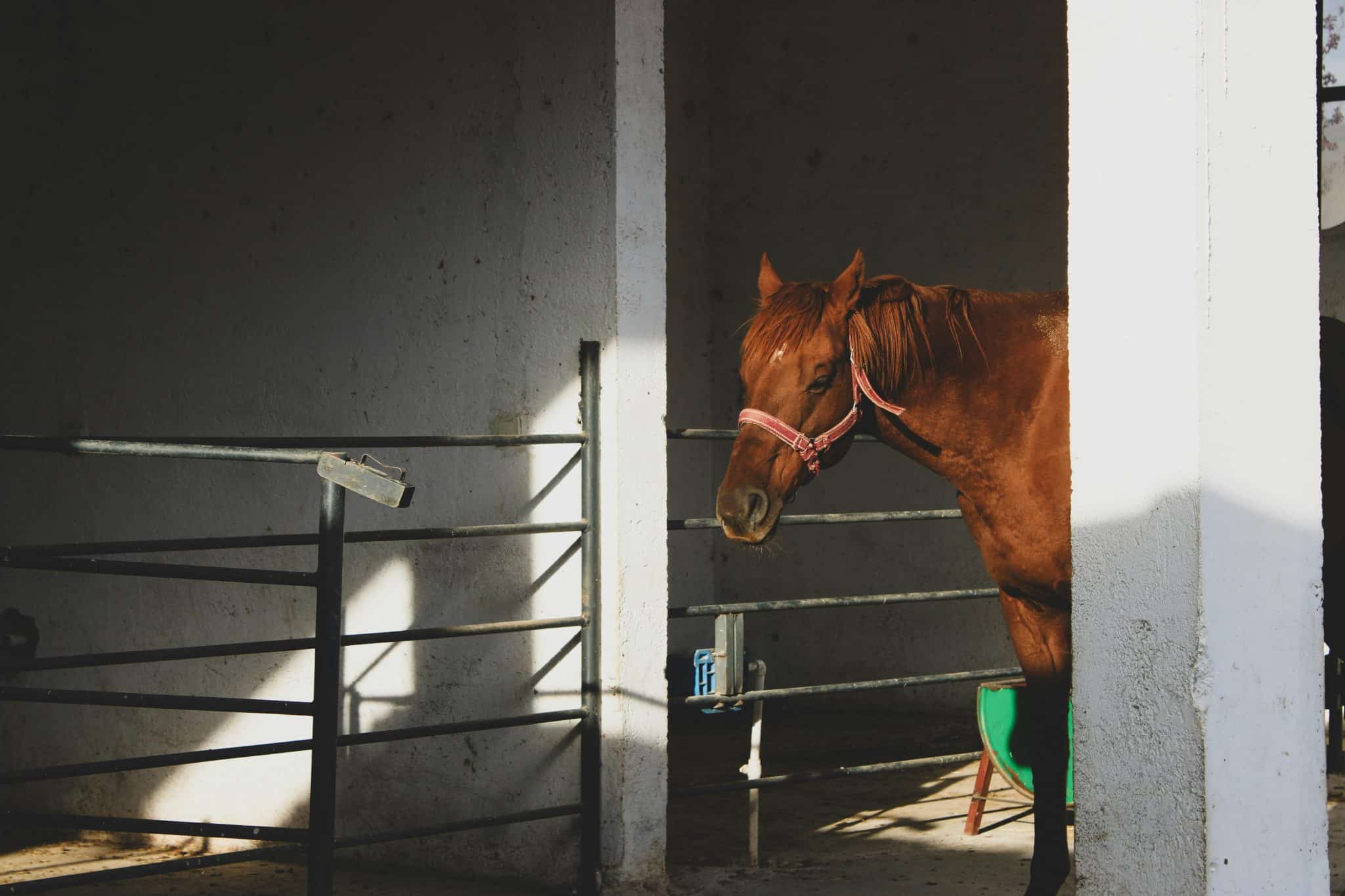
A broad path inside, no less than ten to twelve feet across, keeps things running without hiccups. Room to pass horses, tools, workers? That never hurts. Slippery spots are avoided where water might pool or ice could form, because footing matters just as much as layout. These fundamentals sit at the core of horse barn construction, where safety, flow, and quick access guide every design choice. A path along the side might be built, with escape routes prioritized. If a horse feels unwell, rapid movement toward help is essential; reaching any enclosure without delay matters just as much as protecting the space outside it.
Out in the aisle, smart storage fits right in. Tools, supplies, and tack find homes on shelves or wall-mounted racks. Everything stays where it needs to be, so nothing blocks your path. Clutter shrinks when things have their place. That enables smoother tasks throughout the day.
Design for Easy Cleaning and Maintenance
A tidy barn supports stronger horses plus lasts longer under good conditions. Water needs an outlet, so floors with proper drainage prevent puddles from forming. A gentle tilt, leading toward exit points, makes sure wet spots stay away. This setup keeps things clean and safe.
Pick materials without worrying too much about scrubbing them later. Concrete, along with rubber mats, handles cleaning well and lasts a long time. These work fine under feet. Walls with smooth finishes allow spills to slide off more easily. Dirt stays thinner there, which helps brushes move more quickly through each zone.
By the mucking spot, mark a corner for cleaning. Tools stacked nearby reduce delays when things get messy. Everything handled there keeps things running smoother later.
Consider a Separate Tack Room
Every horse barn needs a tack room. Inside, you find saddles, bridles, brushes, and more. The room must fit all the gear without crowding. Hooks hold reins ready. Racks keep things upright. Cabinets lock items down where they belong.
Over there, safety is just as important when handling items such as saddles and gear. Using locked units might deter theft or damage. Inside stays dry thanks to strong airflow, which keeps moisture from wrecking leather items and tools.
Exterior Access and Storage
Out here, how folks get close to the barn matters – space for trucks, tools, and trailers needs to stay open. Big doors that open wide make room for heavy stuff like hay piles or stinky waste haulers. Slotting tractors or feeders into slots along the sides keeps things running without blocking entry points.
When bringing in heavy equipment such as tractors or horse trailers, check first how much room there is to move safely. Curving your driveway into a circle or an S-shape helps traffic flow smoothly without hitting anything. This kind of layout keeps things running without hiccups near the barn.
Energy-Efficient Features
Barns achieve lasting efficiency by incorporating eco-friendly elements, reducing costs over time while softening their environmental footprint. Powering lights, fans, or water movement through sunlight captured on the roof changes how energy is used. Savings appear in lower bills and a cleaner setup for daily operations.
Rainwater counts, too, particularly when people worry about water use. Harvesting rain helps cover chores like brushing horses or soaking tools, turning runoff into a natural answer.
Future Expansion
When planning your barn layout, it’s wise to consider future expansion. Whether you plan to bring in more horses or need additional storage, having space for growth can save you time and money in the future. A modular layout allows for easy addition of stalls or storage areas without major redesigns.
Consider designing spaces that can be repurposed as needed. For example, allocate a portion of the barn for a breeding area, quarantine stalls, or additional storage in the future. Flexibility in your design will ensure that your barn can adapt to changing needs.
Conclusion
Designing the perfect horse barn is an investment in both the safety and comfort of your horses and the efficiency of your daily operations. By focusing on key elements like stall size, ventilation, and a well-organized aisleway, you can create a space that enhances both your horse’s well-being and your ability to manage the barn effectively. With careful planning, your horse barn will not only be a safe and comfortable home for your horses but also a highly functional and efficient workspace for you.