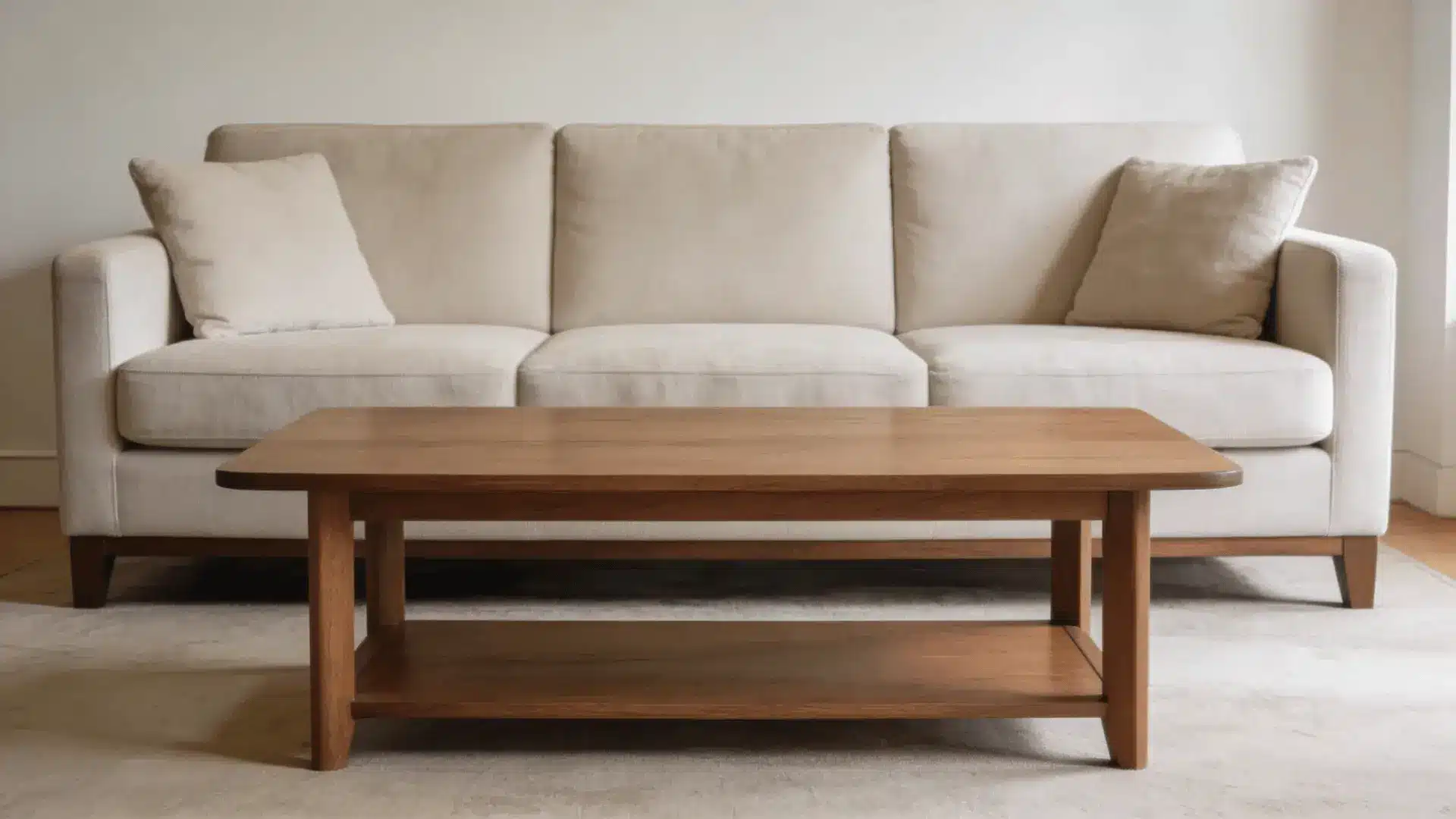
You’d think picking a coffee table would be simple. Then you start asking, how tall should a coffee table be, and suddenly, there are numbers everywhere. Fourteen inches. Sixteen. Twenty. Some say match your sofa. Others say go lower.
Many people stop at “follow the standard,” which sounds clear but doesn’t cover why something feels comfortable or awkward. Height isn’t just about looks. It affects how you reach, how you sit, and how your body moves over time.
Today, I’ll go through the numbers, the body mechanics behind them, and how to choose the right height for your exact sofa. Let’s look at this properly.
What is the Standard Height for a Coffee Table?
Most coffee tables fall between 14 and 20 inches tall. The most common range is 16 to 18 inches.
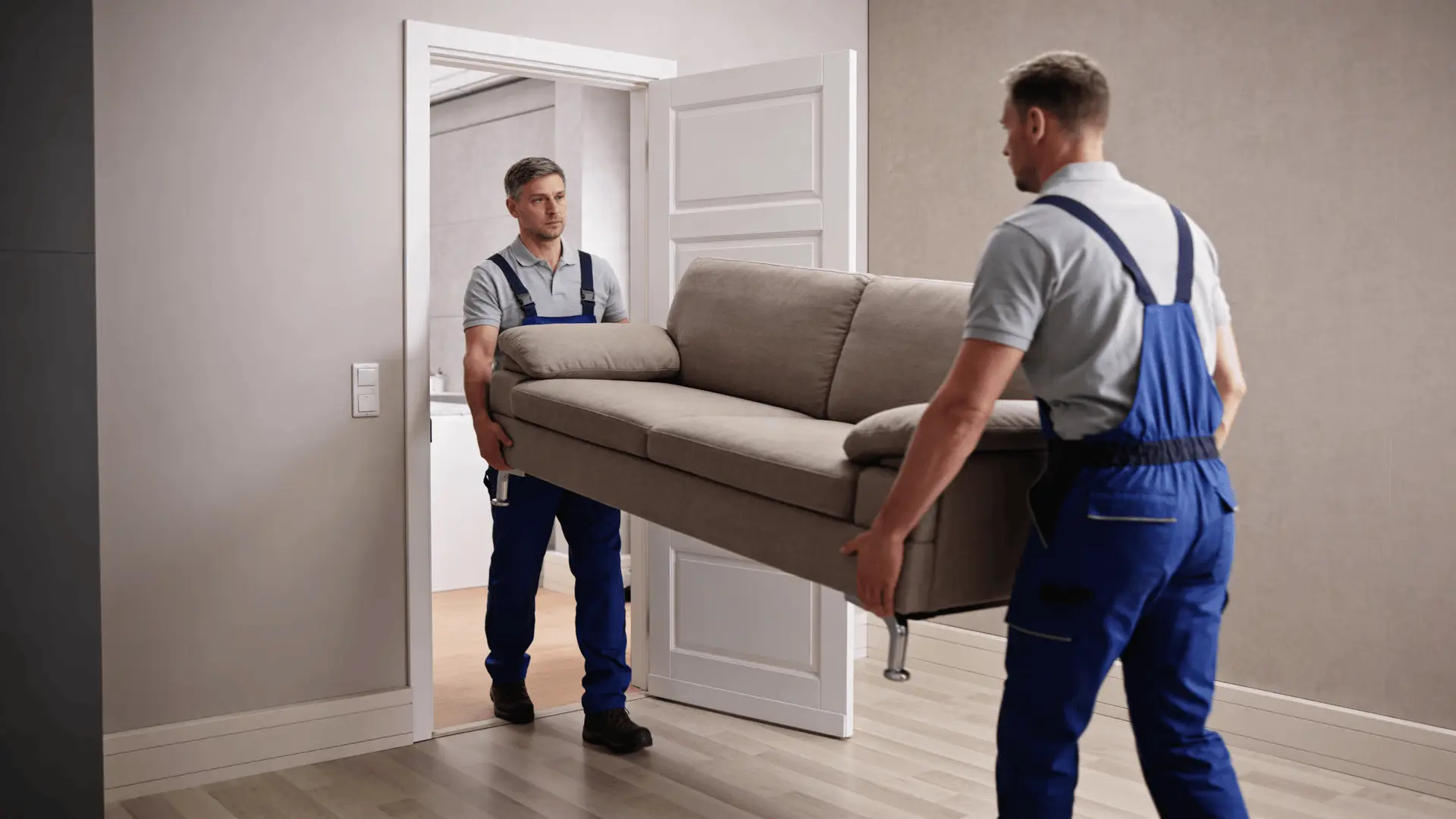
That range didn’t appear randomly. Most sofas measure 17 to 19 inches from the floor to the top of the seat cushion. When a table sits close to that height, your arms can move forward naturally without lifting your shoulders or bending down more than needed.
Here’s the basic relationship:
- Average sofa seat: 17–19 inches
- Typical coffee table: 16–18 inches
That slight difference makes everyday movement easier.
But “standard” does not mean perfect for every home. Sofas vary more than people realize. Some sit low and deep. Others are firm and upright.
If your seat height falls outside the average range, the standard table height may feel slightly off. The number is a starting point. Your sofa decides the final answer.
Why Should a Coffee Table Be 1–2 Inches Lower than The Sofa?

The “1–2 inches lower” rule is about body mechanics, not style.
When you sit on a sofa, your elbows rest slightly below shoulder level. If the coffee table is a little lower than the cushion, your arm moves forward in a relaxed arc. Your shoulder stays down. Your wrist stays neutral as you place a drink.
That small drop reduces shoulder lift in a way you may not notice immediately, but you feel over time.
If the table is the exact same height as the cushion, your arm often has to rise slightly before moving forward. It’s subtle. Still, it can make the table feel bulky or in the way.
Look at the contrast:
| If a table is too high | If a table is slightly lower |
|---|---|
| Lift your shoulder more | Reach forward naturally |
| Bend your wrist downward | Keep your shoulder relaxed |
| Hover your arm instead of resting it | Place objects without strain |
Equal height can work in certain setups. If your sofa is firm and keeps you upright, matching the height may feel fine. The key factor is posture. The more upright you sit, the less dramatic the drop needs to be.
Lower is not about looks. It’s about how your arm moves from rest to reach.
Measuring the Correct Coffee Table Height for Your Specific Sofa
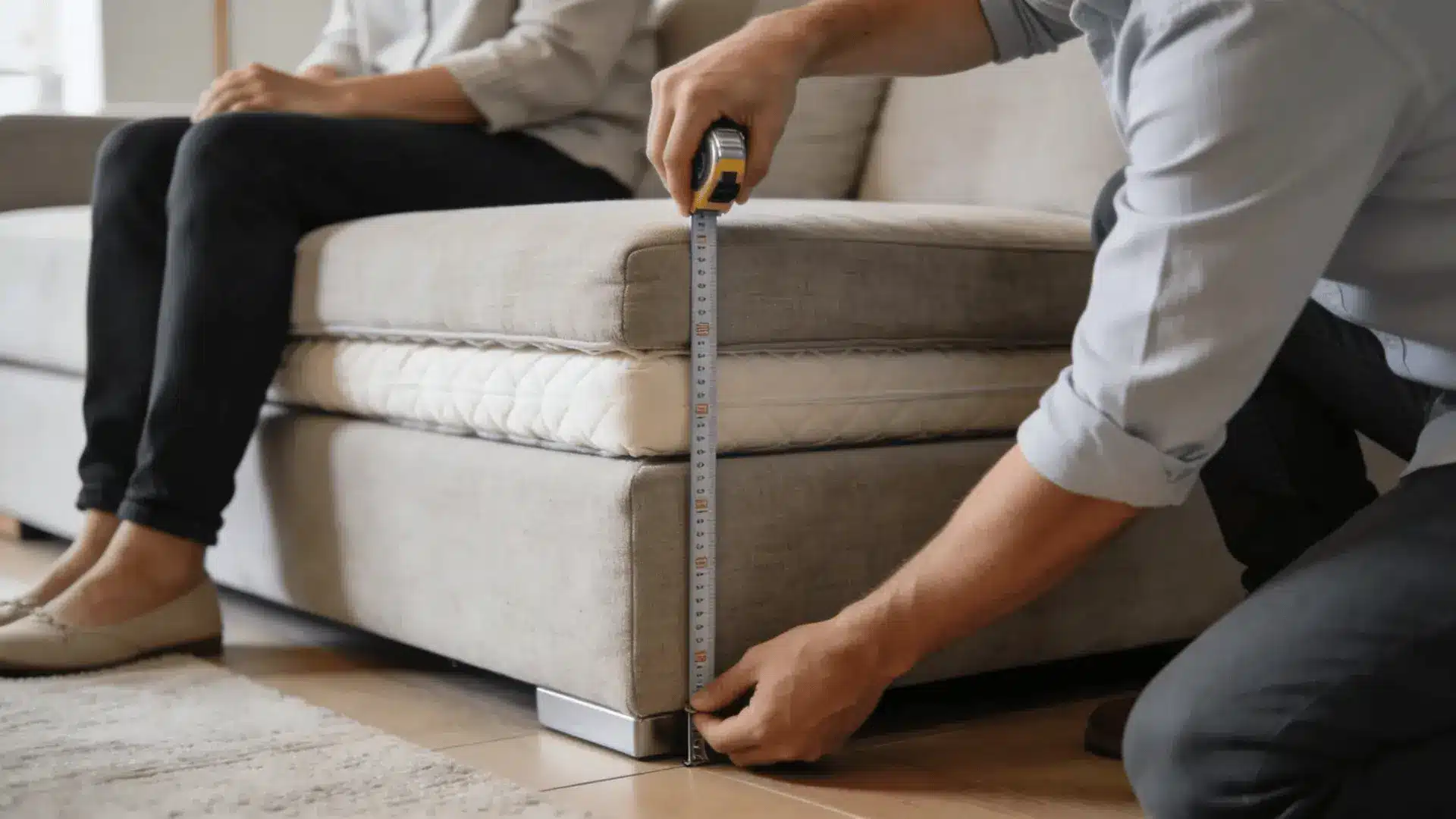
The right number starts with your seat. Not the product description. Not the showroom display.
1. Measure Seat Height Properly
Use a tape measure from the floor to the top of the seat cushion. But don’t stop there.
Sit on the sofa while someone measures. Cushions compress, and that compression changes your true seated height. Some drop half an inch. Others sink two inches or more.
If you measure an empty sofa, you’ll likely get a higher number than you actually sit at.
2. Adjust for Cushion Firmness
Soft cushions sink more under weight, which lowers your seated height. Firm cushions barely compress. Your seated height stays close to the listed measurement.
If your cushion sinks two inches when you sit and the listed seat height is 19 inches, you’re actually sitting closer to 17 inches in daily use.
Measuring without weight can push you toward a table that feels too tall once you live with it.
3. Apply the 1–2 Inch Rule Correctly
Once you know your true seated height, subtract 1–2 inches.
For example, if your seated height is 18 inches:
- 17 inches = subtle drop
- 16 inches = more relaxed drop
Choose a 1-inch drop if:
- You sit upright
- Cushions are firm
- You often place drinks carefully
Choose a 2-inch drop if:
- You lounge deeply
- Cushions are soft
- You want a more relaxed feel
Measuring an empty sofa gives you part of the picture. Your seated height gives you the real one.
When is 20 Inches Too High?
Twenty inches sits at the upper edge of the standard.
Compared to 16–18 inches, a 20-inch table feels noticeably taller. Compared to 24 inches, it’s still moderate. But the difference between 20 and 24 inches is significant in daily use.
| Considerations | 20 inches | 24 inches |
|---|---|---|
| Arm Movement | Slight forearm lift | Arm lifts clearly upward |
| Shoulder Impact | Increased shoulder engagement | Noticeable shoulder strain |
| Overall Feel | Reach angles forward-and-down instead of flat | Feels closer to dining height |
Now consider variability. A 20-inch table can work if:
- Your sofa seat is 19–20 inches high
- Cushions are firm
- You sit upright
It usually fails if:
- You have a deep lounge sofa
- You recline heavily
- Your seated height drops below 17 inches
So 20 inches is not automatically too tall. It depends entirely on your seated height and posture.
Twenty-four inches, however, shifts the movement pattern enough that it often feels too high for most living room setups.
Can a Coffee Table Be Too Low?
Yes. And this part is often overlooked. If a table is too low, your body bends forward more each time you reach. That increases spinal flexion. Repeated bending, even in small amounts, can start to feel tiring.
When the table drops into the 12–13 inch range, most adults must:
- Lean their torso forward
- Round their lower back
- Reach downward instead of forward
It may not feel dramatic at first. Over time, daily repetition adds up. Deep sofas make this worse. If your hips sit low and your back reclines, a very low table forces even more forward movement.
Lower does not automatically mean more comfortable.
There is a balance between relaxed reach and excessive bending. For most people sitting on average-height sofas, that balance sits above 14 inches.
How Seating Style Changes the Ideal Height
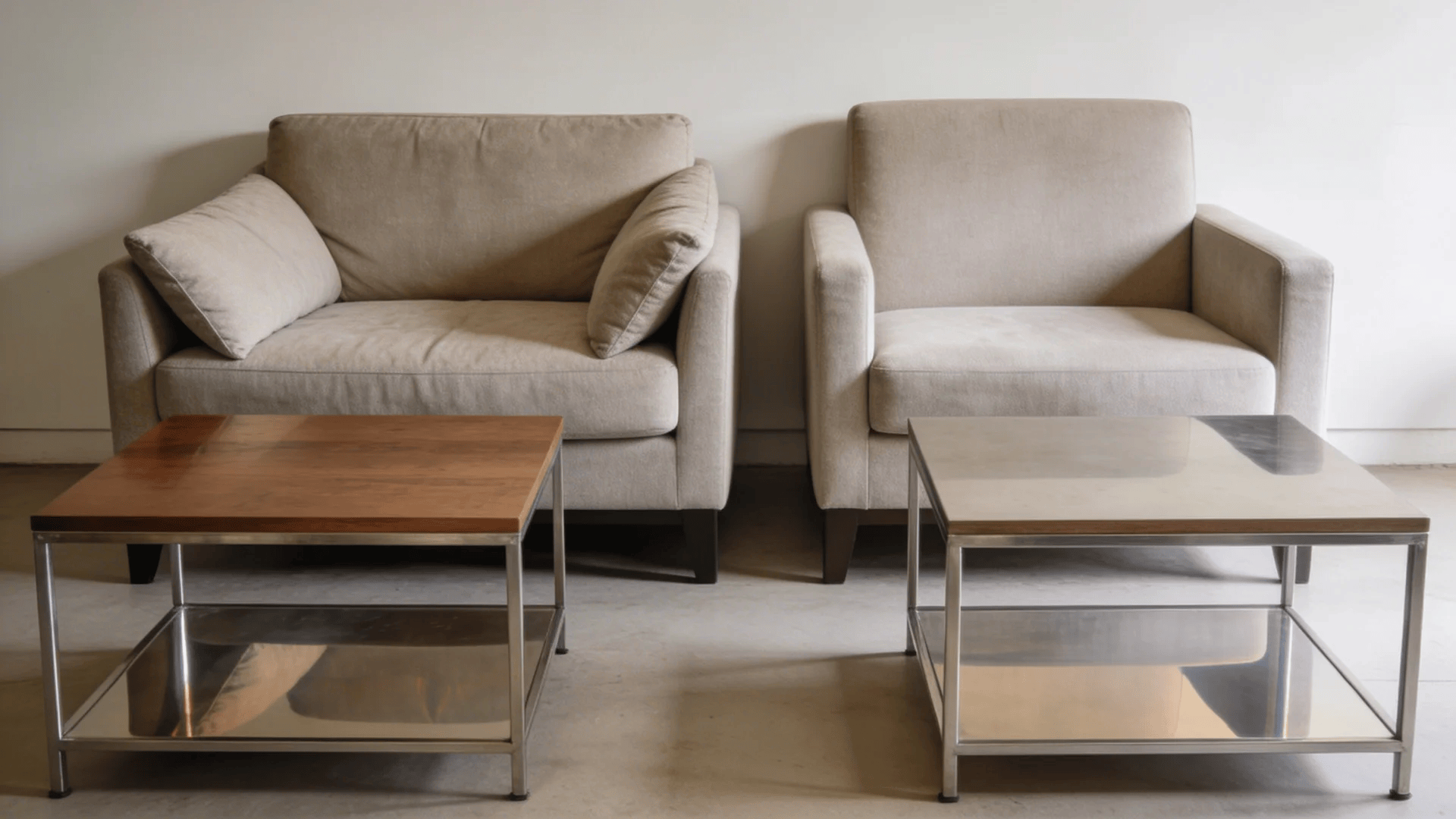
Not all living rooms are used the same way, and that changes the ideal height.
1. Deep Lounge Sofas
Deep sofas encourage reclined posture. Your hips sink back. Your spine tilts slightly.
In this position, a slightly lower table works better because it matches your relaxed reach angle. If the table is too tall, your arm must lift upward from a reclined position, which feels awkward over time.
2. Formal or Upright Seating
If your sofa keeps you upright, your torso stays more vertical. Your elbows sit higher relative to the floor.
Here, a table closer to seat height, or just one inch lower, often feels correct. You don’t need as much drop because you’re not reaching from a reclined angle.
3. Multi-Use Living Rooms
If you use your coffee table for eating casually, using a laptop, or playing board games, a slightly taller table can improve usability. Not dining-table tall. Just closer to seat height so your forearms don’t float upward.
Lounging setups favor a lower height. Task-oriented setups tolerate slightly taller height. One number does not fit every seating style.
A Simple Height Decision Formula
Here’s the clean way to decide:
- Sit on your sofa naturally.
- Measure from floor to the top of the compressed cushion.
- Subtract 1–2 inches.
- Check your posture. Are you upright or reclined?
- Sit and test the reach motion if possible.
When you test, notice:
- Does your shoulder stay relaxed?
- Does your wrist stay neutral?
- Do you lean forward excessively?
Choosing based only on listed dimensions is not enough. Your seated height and reach comfort decide the answer.
Wrapping Up
Choosing furniture feels simple until small details start affecting daily comfort. The question of how tall a coffee table should be really comes down to how your body moves when you sit and reach.
Instead of chasing one universal number, focus on your seated height, cushion compression, and posture. When the table lets your arm move forward without lifting or bending too far, you’re in the right range.
Measure once. Test the reach. Pay attention to how it feels. That small adjustment makes a bigger difference than most people expect.
Frequently Asked Questions
Is 20 inches too high for a coffee table?
Not always. It works if your seated height is around 19–20 inches and you sit upright. It often feels too tall with deep or low sofas.
Is 24 inches too high for a coffee table?
For most living rooms, yes. It forces upward arm lift and can feel closer to dining height rather than relaxed reach height.
Should a coffee table be higher or lower than the couch?
Slightly lower works best for most setups. A 1–2 inch drop reduces shoulder lift and improves forward reach comfort.
Can a coffee table be too low?
Yes. Very low tables increase forward bending and spinal flexion. Over time, repeated leaning can feel tiring and uncomfortable.